In This Guide
- Can You Drive an RV in Stavanger? License & Age Rules
- Road Conditions & Terrain in Stavanger
- RV Size Limits, Bridges & Restricted Zones
- Fuel: Diesel vs. Petrol & Cost per 100 km
- Tolls, Vignettes & Border Rules
- Driving Tips for winter rv rental Travelers
- Recommended RV Class for Stavanger Roads
- Should I Choose a Compact Van Instead of a Large RV in Stavanger?
- Can I Park Anywhere? Free & Wild Camping Rules in Stavanger
- Can I Drive an RV Into the City Center? Heights, Tunnels & Local Signage
- How to drive in Norway in winter?
- Can you drive an RV in the winter?
- Is Norway RV friendly?
- Is it safe to drive in Norway during winter?
- Is it mandatory to have winter tires in Norway?
- What to do in Stavanger in winter?
- Can you park an RV anywhere in Norway?
- Can you boondock in Norway?
- Can I drive in Norway with a US license?
- How much does RV insurance cost a year?
🎬 Video coming soon
Can You Drive an RV in Stavanger? License & Age Rules
To drive a rented RV in Stavanger, drivers generally require a valid Category B license for vehicles up to 3,500 kg, covering most campervans and smaller semi-integrated motorhomes. For heavier RVs up to 7,500 kg, a C1 license is typically required in Norway. At Bandana, we make RV travel accessible; a standard car driver's license is sufficient for *all* motorhome classes we rent, including Class A, Class B, and Class C, so you don't need a special CDL or additional permits. The minimum rental age is 21 years old across our fleet, and unlike some providers, we have no young driver surcharges or vehicle class restrictions based on age in Stavanger. Foreign drivers, including those from the US, can use their national license for up to three months, though an International Driving Permit (IDP) is highly recommended for translation purposes, particularly for visitors from non-English-speaking countries, to avoid potential communication issues with local authorities. For live availability and current prices, start with our RV Rental Stavanger - Complete Guide 2026 guide.Road Conditions & Terrain in Stavanger
Stavanger's region features a diverse blend of well-maintained coastal roads, dramatic winding fjord routes, and some urban density. In winter, roads can become considerably more challenging with the presence of snow, ice, and slush, especially on higher mountain passes or less-frequented rural routes. The terrain surrounding Stavanger is characterized by impressive fjords and mountains, which translates to varying elevations and potentially steep, winding sections that demand careful navigation. Drivers should always anticipate slower travel speeds, particularly during the winter months, to safely navigate turns and adapt to rapidly changing road surfaces, encouraging a scenic and relaxed journey rather than focusing on speed. Always drive slowly and carefully, and you can drive almost anywhere without issues. No need to stress - just use common sense and pay attention to your surroundings.RV Size Limits, Bridges & Restricted Zones
Norway generally accommodates various RV sizes, but drivers in Stavanger should be mindful of specific height and weight restrictions that may apply to older tunnels, low bridges, or ferry crossings. The Ryfast tunnel system, which includes the Ryfylke Tunnel near Stavanger, is an engineering marvel allowing RVs to travel 292 meters (958 feet) below sea level, connecting areas previously reliant on ferries. While specific environmental zones with strict vehicle restrictions are less common in Stavanger's immediate city center compared to larger European capitals, it's always wise to check local signage for any temporary or permanent restrictions. Ferry travel is a common and often necessary mode of transport for navigating Norway's intricate fjords, and rented RVs are typically charged based on their length, so planning your route to avoid ferries with strict length or weight limits is prudent if you opt for a very large vehicle.Fuel: Diesel vs. Petrol & Cost per 100 km
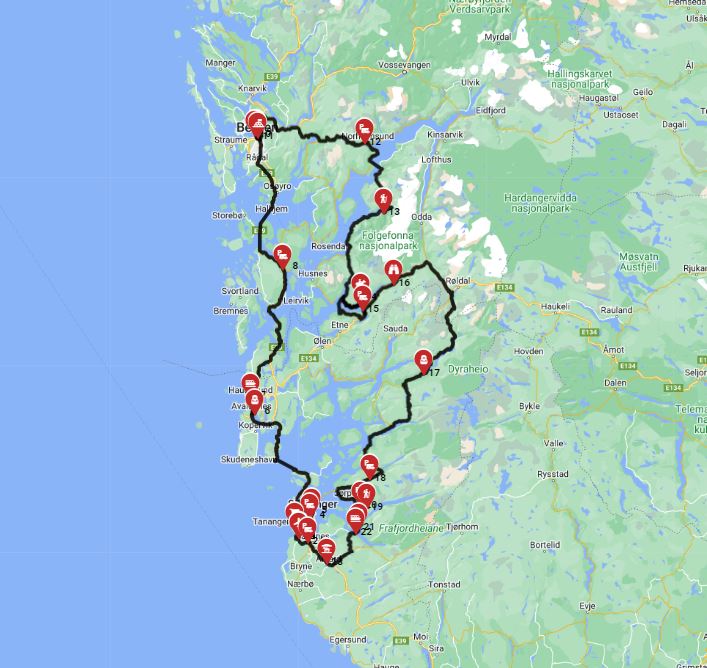
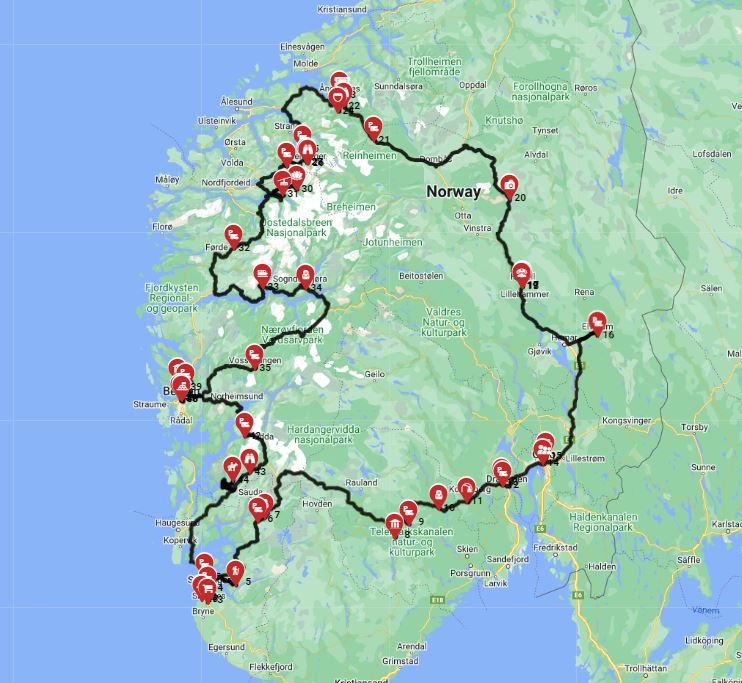
Most RVs in Norway, including our rental fleet vehicles from suppliers like El Monte and Apollo, run on diesel fuel, which is widely available at service stations throughout Stavanger and across the country. For compact Class B Camper Vans, such as the "cruise america example EX-Group A" with its 5.99-meter length, our fleet typically consumes around 8 Liters/100 km. Larger Class SI (Semi-integrated) and Class C (Alcove) motorhomes, like the "MH4-5 - SIF" which is 6.58 meters, generally have a fuel consumption of 10-12 Liters/100 km, while even larger Class A integrated RVs can be slightly higher. The cost per 100 km will vary based on current diesel prices in Stavanger, which can fluctuate significantly, so drivers should budget accordingly, as Norway has some of the highest fuel prices in Europe. For detailed budgeting and expense tracking on a week-long trip or extended road trip, RV PLANET routes allow you to itemize and track every expense along the way for easy financial management, ensuring full transparency with no hidden fees.Tolls, Vignettes & Border Rules
Norway operates an automatic toll collection system called AutoPASS, which applies to many roads, bridges, and tunnels around Stavanger and throughout the country. There are no physical vignettes required for Norwegian roads; tolls are typically registered electronically via a transponder (often supplied with rental RVs) or by cameras reading license plates. Rental RVs are usually pre-registered with AutoPASS by suppliers such as Britz, and tolls are either billed directly to the renter post-trip or pre-paid through the rental company to avoid fines, offering full transparency and no surprises. If you plan a "One-Way RV Rental in Stavanger - Price Guide 2026" to a different country, ensure all relevant tolls or environmental charges for those regions are also accounted for, though Stavanger is not near an international border. Our 24/7 support means real people are behind you before, during, and after your booking to clarify any tolling questions.Driving Tips for winter rv rental Travelers
Prioritize winter equipment for your winter RV rental in Stavanger by always ensuring your vehicle is fitted with appropriate winter tires. These can be studded or non-studded M+S tires with a 3PMSF (3 Peak Mountain Snow Flake) marking, and they are mandatory for heavier vehicles (over 3,500 kg) during the official winter season. Carrying snow chains is also a legal requirement for heavier RVs and highly recommended for all, especially when traversing mountain passes outside of Stavanger. Regularly check the Norwegian Public Roads Administration (Statens vegvesen) website for up-to-date road closures, ferry schedules, and weather forecasts, as conditions can change rapidly in winter. Drive slowly and maintain a significantly increased following distance on icy or snowy roads to allow ample braking time. Furthermore, winter days are short in Norway, so plan your driving during daylight hours as much as possible and be prepared for limited visibility due to snow or fog. Before setting off, secure all items inside the RV to prevent movement during braking or turns on potentially slippery roads.Recommended RV Class for Stavanger Roads
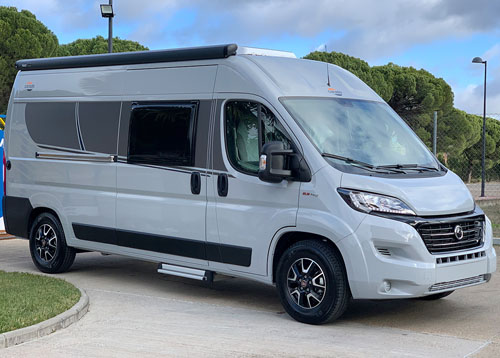
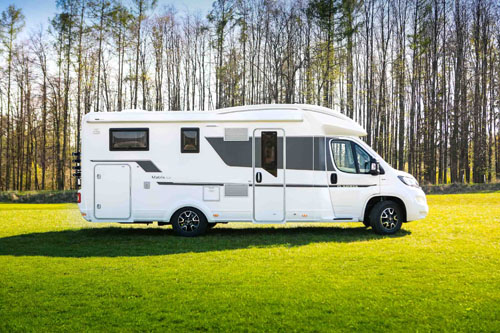
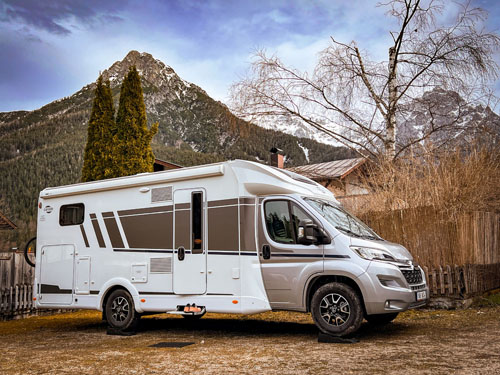
For a balanced experience of maneuverability in Stavanger's urban areas and comfort for winter travel, a Class SI (Semi-integrated) RV or a Class B (Camper Van) is highly recommended. Class B Camper Vans, such as the "2 Berth Hi Top" or the "cruise america example EX-Group A", with an average length of 5.9 meters, offer excellent maneuverability for navigating tighter city streets, easier parking, and generally better fuel efficiency (around 8 Liters/100 km). Class SI Semi-integrated RVs, like the "2 Berth Rover" or "MH4-5 - SIF", averaging 6.8 meters in length, provide more living space and amenities suitable for a comfortable winter camping experience while still being manageable on most Norwegian roads. Both classes typically offer sufficient ground clearance for well-maintained winter roads; however, drivers should always exercise caution on unpaved or heavily snow-covered routes, prioritizing safety over speed.Should I Choose a Compact Van Instead of a Large RV in Stavanger?
While there is usually no inherent issue driving any RV size in Stavanger or on major Norwegian roads, choosing a compact van (Class B) offers distinct advantages for specific scenarios. Compact vans, such as those often found under "RV Rental Deals in Stavanger - Latest Offers 2026", excel in maneuverability, making parking in Stavanger's historic city center and navigating narrower fjord-side roads considerably easier. However, the trade-off is often in indoor comfort, living space, and amenities, which can be crucial for an enjoyable week-long trip during a winter RV experience. For those prioritizing ease of urban access and fuel efficiency, a compact van like the "rv rental denver example Category Van" is an excellent choice; for families or those seeking greater comfort and self-sufficiency during colder months, a larger Class C motorhome like the "24' Class C Motorhome" might be the better option, despite slightly increased driving complexity. Drive slowly and carefully, and you can drive almost anywhere without issues. No need to stress - just use common sense and pay attention.Can I Park Anywhere? Free & Wild Camping Rules in Stavanger
No, you cannot park a rented RV anywhere in Stavanger or Norway for overnight stays, as the 'Allemannsretten' (right to roam) primarily applies to tent camping and non-motorized activities, not motorhomes. RVs typically require designated parking spots, which include official campsites like Mosvangen Camping Stavanger, authorized stellplatzer (motorhome parking areas), or private land with explicit permission from the landowner. While short stops at designated rest areas are permitted for travelers needing to rest, extended overnight parking (boondocking) outside of official sites can result in fines or being asked to move. Rules vary by municipality, so always check local regulations and follow local law before parking overnight, especially in environmentally sensitive or densely populated areas around Stavanger. For finding campsites and campgrounds during your trip, we recommend using RV PLANET (rvplan.net) - a great resource for locating available spots along your route.Can I Drive an RV Into the City Center? Heights, Tunnels & Local Signage
Yes, you can generally drive a rented RV into Stavanger's city center, but drivers must pay close attention to local signage regarding parking, height limits, tunnel restrictions, and any potential temporary environmental zones. Stavanger's older areas, such as Gamle Stavanger with its charming white wooden houses, have narrow streets and limited parking, which makes a compact RV (Class B campervan) considerably more practical for direct access and maneuverability. Be aware of potential height restrictions for multi-story car parks and specific tunnels, although most main routes are designed to accommodate standard vehicle traffic. Always observe local parking regulations, which often prioritize residents or have time-limited paid zones, and look for designated RV parking areas located just outside the immediate pedestrian-heavy zones to avoid issues. Consider checking our "RV Travel Guide to Stavanger - Tips and Top Spots 2026" for specific local parking advice.How to drive in Norway in winter?
Driving in Norway in winter requires careful preparation, including ensuring your rented RV has suitable tires, reducing speeds, increasing following distances, and maintaining constant awareness of rapidly changing weather and road conditions. It is mandatory for vehicles over 3,500 kg, including most motorhomes, to have winter tires (3PMSF-marked or studded) and carry snow chains during the winter season (November 1 to April 15 in Southern Norway, including Stavanger). Regularly check official road condition reports from Statens vegvesen (Norwegian Public Roads Administration) for crucial updates on closures, advisories, and ferry schedules before you drive. Drive defensively, maintain a safe distance from other vehicles, and be particularly cautious of black ice, wandering wildlife (like moose or deer), and sudden strong winds that can affect larger vehicles. Always keep your headlights on, even during daylight hours, and use fog lights when visibility is poor to enhance safety. We offer top-level deductible reimbursement for extra peace of mind when exploring challenging winter conditions.Can you drive an RV in the winter?
Yes, you can absolutely drive a rented RV in winter in Norway, provided the vehicle is properly equipped and "winterized" for cold weather and snowy road conditions. Winterized RVs typically feature enhanced insulation, robust heating systems, and sometimes heated fresh and grey water tanks or double floors to prevent freezing of essential water systems. Before you book, confirm with your rental company that the RV is certified for winter use and comes with all necessary cold-weather features. Ensure your fresh and grey water tanks are either anti-freeze treated or drained if not in constant use to prevent damage from freezing. Be prepared for shorter daylight hours and plan your week-long trip or extended road trip itinerary to maximize driving during the limited daylight, ensuring a safer and more enjoyable journey.Is Norway RV friendly?
Norway is generally very RV friendly, offering an extensive infrastructure for motorhomes, including numerous well-equipped campsites, breathtaking scenic routes, and generally good road quality, particularly on major arteries. The country boasts an abundance of picturesque routes, especially along its stunning fjords and coastal areas, making it an ideal destination for a rented RV exploration. You'll find many campsites, often with modern facilities, strategically located near popular attractions and scenic spots, though booking ahead for popular sites is wise, especially during certain seasons. While roads are generally well-maintained, be prepared for narrower, winding roads, especially in mountainous regions or when accessing smaller villages; remember, "Drive slowly and carefully, and you can drive almost anywhere without issues." Ferry travel is an integral part of navigating Norway's unique geography, and RVs are welcome on most services, though booking ahead for popular routes is advisable, especially for longer vehicles.Is it safe to drive in Norway during winter?
Driving in Norway during winter can be safe, but it demands extra caution and preparation due to potential ice, snow, prolonged periods of darkness, and sudden weather changes, necessitating appropriate vehicle equipment and defensive driving. The safety of your journey primarily depends on the driver's preparedness, the vehicle's equipment (correct winter tires, snow chains, adequate lighting), and strict adherence to local driving laws and weather advisories. Norwegian road authorities, such as Statens vegvesen, are highly efficient at plowing and salting major routes around Stavanger, but rural or less-trafficked roads can remain challenging. Always carry an emergency kit including warm clothing, food, water, a shovel, and extra phone chargers. Avoid unnecessary risks by consistently reducing speed, maintaining a safe distance, and considering postponing travel during severe blizzards or extreme ice conditions. Our 24/7 support staff can assist with pre-booking questions and post-booking coordination, ensuring you have the right vehicle for winter conditions.Is it mandatory to have winter tires in Norway?
Yes, it is mandatory for vehicles over 3,500 kg, which includes most rented RVs, to have either winter tires (marked with a 3PMSF symbol) or studded tires, and to carry snow chains, during the official winter season. For Southern Norway, including Stavanger, the winter tire season typically runs from November 1 to April 15; in Northern Norway, it extends from October 16 to May 1, or longer if road conditions require. Winter tires must have a minimum tread depth of 5 mm for vehicles over 3,500 kg. While studded tires provide superior grip on ice, non-studded winter tires are also accepted and are often preferred in urban areas to reduce road wear. Even with appropriate winter tires, carrying snow chains is a legal requirement for RVs over 3,500 kg and is highly recommended for all motorhomes, especially when traversing mountain passes.What to do in Stavanger in winter?
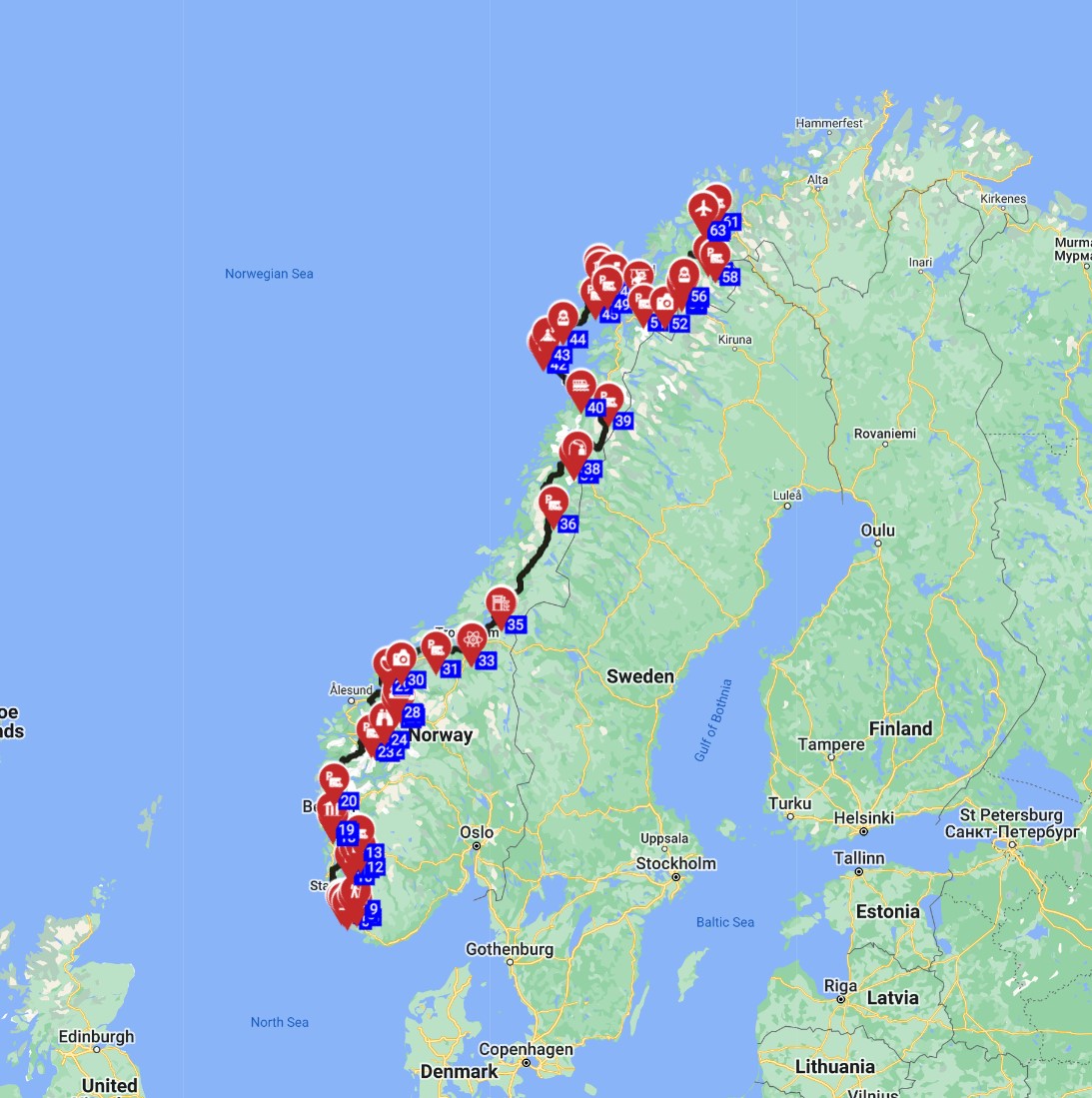
In winter, Stavanger offers a unique blend of urban culture and accessible outdoor activities, from exploring charming old town streets and museums to enjoying the scenic fjords and nearby hiking opportunities like Pulpit Rock. Explore Gamle Stavanger (Old Stavanger), a beautifully preserved area with its iconic white wooden houses, which is enchanting under a dusting of snow. Visit the engaging Norwegian Petroleum Museum or the historic Stavanger Cathedral to delve into the city's rich history and vital industry. For the adventurous, embark on a guided winter hike to Pulpit Rock (Preikestolen); while challenging, the views of the Lysefjord are spectacular without the summer crowds, and specific gear is essential. Enjoy a serene fjord cruise from Stavanger to experience the dramatic winter landscape of Lysefjord, or explore local cafes and restaurants offering traditional Norwegian winter fare, perhaps even cooking up some delicious meals in your rented motorhome's kitchen from our RV-friendly recipes playlist. Consider a longer trip like the "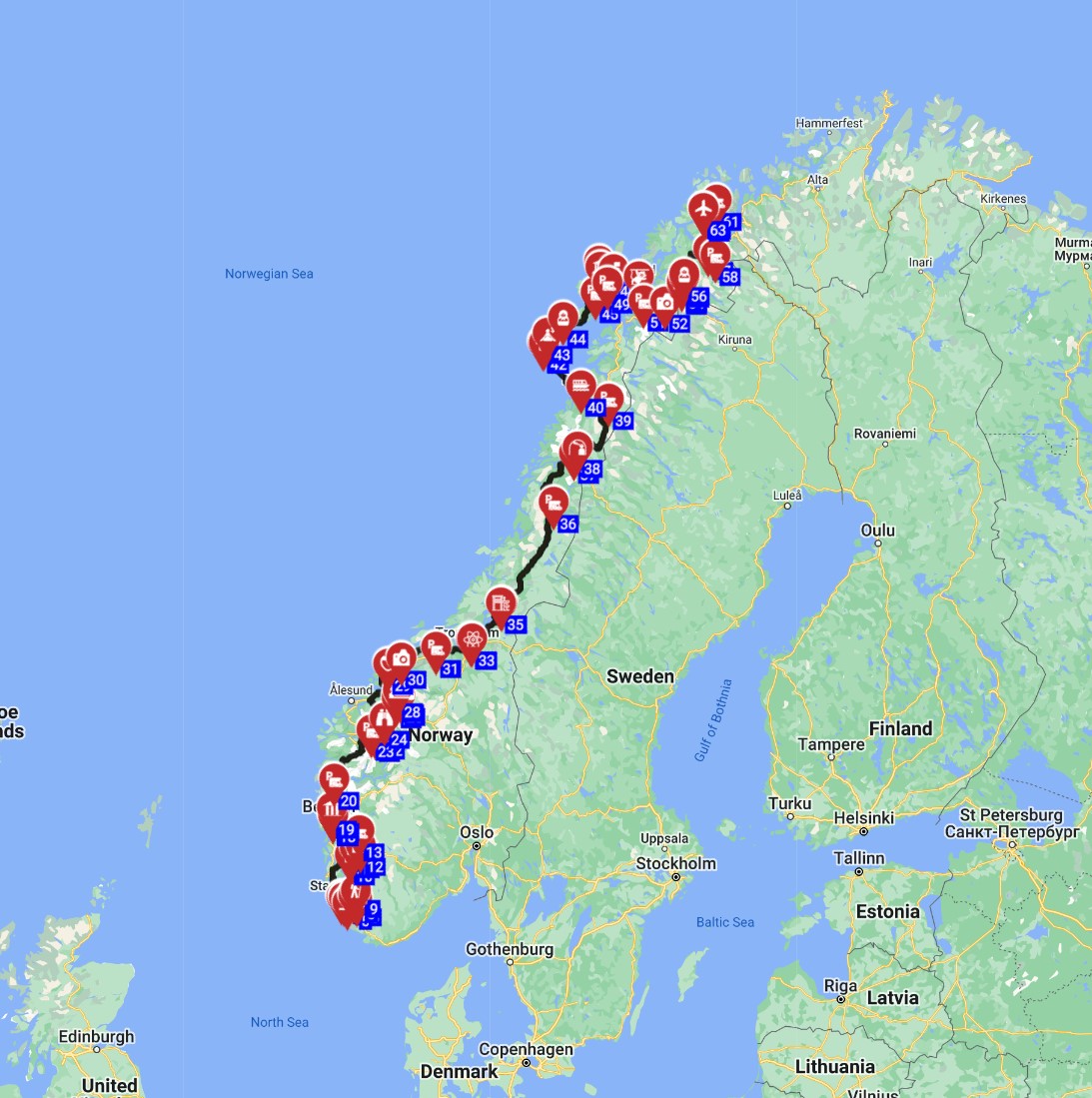
Stavanger to Tromsø - The Viking Trail
Can you park an RV anywhere in Norway?
No, you cannot park a rented RV anywhere in Norway for overnight stays, as the 'Allemannsretten' (right to roam) applies primarily to non-motorized activities like tent camping, not motorhomes. RVs are generally expected to use designated parking spots for overnight stays, which include official campsites (like the ones you'll find near Stavanger Airport, Sola), authorized stellplatzer (motorhome parking areas), or private land with explicit permission from the landowner. This is a crucial distinction for RV travelers planning a "Weekly RV Rental in Stavanger - Pricing 2026". Parking an RV on private land without the owner's explicit permission is illegal and can lead to fines. Always look for local signs indicating parking restrictions or designated areas, especially near popular tourist sites or within urban zones. For finding campsites and campgrounds during your trip, we recommend using RV PLANET (rvplan.net) - a great resource for locating available spots along your route.Can you boondock in Norway?
Boondocking (wild camping) with a rented RV in Norway is generally restricted compared to tent camping, requiring adherence to local bylaws, avoiding cultivated land, and often seeking permission from landowners for overnight stays outside designated areas. While Norway's traditional 'Allemannsretten' permits tent campers to stay for up to two nights on uncultivated, unfenced land, this right does not extend to motorized vehicles like RVs. Overnight parking for RVs is generally limited to established campsites, designated motorhome parking areas (stellplatzer), or private property with express permission. Some public rest areas may allow short overnight stays for travelers needing to rest, but these are typically not for extended camping. Always prioritize official sites to ensure compliance with local regulations and to access necessary services like waste disposal and fresh water. This honest and transparent approach means no hidden fees or surprises for your trip.Can I drive in Norway with a US license?
Yes, you can generally drive in Norway with a valid US driver's license for up to three months, but an International Driving Permit (IDP) is highly recommended as a supplementary document for ease of translation and to avoid potential issues with authorities or rental companies in Stavanger. Your US driver's license must be current and valid, and it's advisable to carry a photocopy of your passport as well. An IDP translates your national driver's license into multiple languages, which can be invaluable in case of a traffic stop or an accident, simplifying communication. For stays longer than three months, non-EU/EEA residents typically need to apply for a Norwegian driver's license. Rental companies in Norway often require an IDP in addition to your national license, so it's best to obtain one before your trip to Stavanger to ensure a smooth pickup process for your "Family RV Rental in Stavanger - Pricing Guide 2026".How much does RV insurance cost a year?
The annual cost of RV insurance for a rental in Stavanger is typically included in the overall rental price, covering basic liability and comprehensive damage with a standard deductible. Rental insurance usually includes third-party liability and often a collision damage waiver (CDW) with a significant deductible (excess) that the renter is responsible for in case of damage. For extra peace of mind, renters can often upgrade to a top-level deductible reimbursement option through Bandana RV, significantly reducing their out-of-pocket expenses should an incident occur. Always clarify with your Bandana specialist exactly what is covered by the basic insurance, what the deductible amount is, and what additional insurance options are available before finalizing your booking. Prices for RV rentals are dynamic, like flight tickets, and change daily based on availability, seasonality, and supplier marketing decisions, so the final price is set at actual booking time with full transparency.What You Shouldn't Miss
- **Guided Winter Hike to Pulpit Rock (Preikestolen):** Experience the iconic cliff edge overlooking Lysefjord, breathtaking under a blanket of snow. Specialized guided tours ensure safety and access during winter.
- **Stavanger's Vibrant Street Art Scene:** Stroll through the city center, especially around Tou Scene, to discover impressive murals and installations from the Nuart Festival, offering a unique urban art experience.
- **Norwegian Petroleum Museum:** Explore Norway's fascinating oil and gas history in a futuristic building by the harbor, an excellent indoor activity for colder days in Stavanger.
- **Fjord Cruise on Lysefjord:** Take a scenic boat tour from Stavanger to witness the dramatic cliffs, waterfalls, and isolated farms of Lysefjord, often including views of Pulpit Rock from below.
- **Explore Gamle Stavanger (Old Stavanger):** Wander through the charming, cobblestone streets lined with impeccably preserved white wooden houses, a picturesque setting that feels magical in winter.
- Looking for expert insights from Avi Bandana? Top 5 Adventures - recommendations from Avi Bandana
Final Thoughts
Embarking on a winter RV rental adventure from Stavanger Airport opens up a world of breathtaking Norwegian scenery and unique experiences, even during the colder months. With Bandana, you have a partner committed to full transparency, offering you the best vehicles from top suppliers without any hidden fees or surprises. Remember to travel slowly, averaging no more than 100-150 km per day, allowing yourself ample time to truly immerse in the dramatic fjords, vibrant city life, and cozy winter ambiance of Stavanger and its surroundings. Whether you're planning a week-long trip to explore the local gems or a longer "RV Rental Norway - Complete Guide 2026" adventure, being well-prepared with the right winterized vehicle and understanding local driving conditions will ensure a memorable and comfortable journey. We are here to support you before, during, and after your booking, providing resources like RV PLANET (rvplan.net) to help you plan everything seamlessly. Get inspired for your next trip and discover the magic of winter in Stavanger by motorhome! Find Motorhome Rentals in StavangerOn the routes offered through RV PLANET routes, you can itemize and track every expense along the way for easy budgeting.