In This Guide
- Can You Drive an RV in Spain? License & Age Rules
- Road Conditions & Terrain in Spain
- RV Size Limits, Bridges & Restricted Zones
- Fuel: Diesel vs. Petrol & Cost per 100 km
- Tolls, Vignettes & Border Rules
- Driving Tips for RV Rental Travelers
- Recommended RV Class for Spain Roads
- Should I Choose a Compact Van Instead of a Large RV in Spain?
- Can I Park Anywhere? Free & Wild Camping Rules in Spain
- Can I Drive an RV Into the City Center? Heights, Tunnels & Local Signage
- How much does it cost to rent an RV in Spain?
- What is the best time to RV in Spain?
- How long does it take to RV through Spain?
- What are the rules for motorhomes in Spain?
- What are the best places to visit in Spain by RV?
- Is Spain safe for RV travel?
- Do I need an IDP to drive an RV in Spain?
- Top Cities for RV Rental in Spain
- What You Shouldn't Miss
- Why Book with Bandana Caravan
- Final Thoughts
- Frequently Asked Questions
Can You Drive an RV in Spain? License & Age Rules
A standard B category driving license, the same one you use for a regular car, is typically sufficient for driving most rental RVs in Spain, covering vehicles up to 3,500 kg. This means you won't need a special commercial driver's license (CDL) for the vast majority of available campervans and motorhomes, making RV travel accessible to many. For the few larger RVs that might exceed 3,500 kg, a C1 or C category license would be required, but these are less common in our rental fleet. While the legal driving age in Spain is 18, most RV rental companies in Spain require drivers to be at least 21 years old to rent a motorhome, with no young driver surcharges or vehicle class restrictions based on age. It’s always best to check specific supplier terms, but generally, if you're 21 and have a valid license, you're good to go. Non-EU/EEA license holders must carry an International Driving Permit (IDP) alongside their valid national driver's license for legal compliance. Securing your IDP before traveling will ensure a smooth start to your adventure.Road Conditions & Terrain in Spain
Spain boasts an excellent network of major highways, known as Autopistas and Autovías, which are celebrated for their quality and efficiency, making long-distance RV travel incredibly smooth and enjoyable. These modern roads connect major cities and regions, offering clear signage and generally well-maintained surfaces perfect for a rented motorhome like a 7.1-meter `cruise america rv rental example Explorer` or a more compact `V3` at 6.36 meters. Beyond these primary routes, road quality can vary, with narrower, winding roads common in mountainous regions such as the dramatic Pyrenees and the majestic Sierra Nevada, or in charming historic villages. RV travelers should anticipate diverse terrain, from the sprawling flat plains of Castilla-La Mancha to extensive coastlines and challenging mountain passes, which encourages a slower, more scenic driving approach. Driving at a relaxed pace, perhaps an average of 100-150 km per day, allows you to truly immerse yourself in the changing landscapes. Some rural or off-the-beaten-path destinations, especially in areas like Extremadura or Galicia, may involve unpaved or gravel roads, requiring careful navigation and reduced speeds to protect your rented campervan and ensure a comfortable journey.RV Size Limits, Bridges & Restricted Zones
When driving a rented RV in Spain, being mindful of vehicle dimensions is crucial, especially when encountering infrastructure like low bridges and narrow streets common in historic city centers and smaller villages. While most standard rental RVs are suitable for Spanish roads, always pay attention to posted height and weight restrictions, particularly before attempting to enter underground parking garages or navigate ancient town centers. We encourage you to drive slowly and carefully, and you can drive almost anywhere without issues; no need to stress-just use common sense and pay attention. Major Spanish cities, including Madrid and Barcelona, implement Low Emission Zones (ZBE - Zonas de Bajas Emisiones) which restrict access for certain vehicles based on their environmental impact. It is essential to ensure your rental motorhome has the appropriate environmental sticker (Distintivo Ambiental) if you plan to enter these areas. When planning ferry travel, especially to islands like the Balearics or Canaries, be aware that RVs have specific length and weight categories that significantly influence pricing and booking requirements; it's always wise to book in advance and confirm details for your specific rented caravan.Fuel: Diesel vs. Petrol & Cost per 100 km
The vast majority of RVs, campervans, and motorhomes available for rent in Bandana's fleet are diesel-powered, a fuel type widely available and generally more economical across Spain. You'll find diesel pumps (often labeled 'gasóleo' or 'diésel') at virtually all service stations. Average fuel consumption for a rented Semi-integrated RV like the `F2` (6.5 meters length, 140 Liter fresh water tank) is typically 10-11 Liters/100 km, while an Alcove RV generally uses 10-12 Liters/100 km. Class B Camper Vans, such as a compact Combi Van (5 meters length, 60 Liter fresh water tank), often achieve around 9-12 Liters/100 km, offering good efficiency for longer routes. Class A Integrated RVs might range from 8-12 Liters/100 km, although these larger models are less common in European rental fleets. To estimate fuel costs for your trip in Spain, calculate based on your chosen RV's specific consumption and current diesel prices, budgeting approximately €15-€25 per 100 km depending on market rates and vehicle type. Remember, Bandana ensures full price transparency, so you'll always know what to expect when planning your adventure, including details on estimated daily expenses through RV PLANET routes.Tolls, Vignettes & Border Rules
Spain uses a pay-as-you-go toll system on its Autopistas (motorways), identifiable by "AP" prefixes like AP-7. In contrast, many Autovías (dual carriageways with "A" prefixes) are free to use, offering a great way to save on ancillary trip costs for your rented motorhome. Unlike some other European countries, Spain does not utilize a vignette system for road usage; tolls are paid directly at toll booths, either via cash, credit card, or an electronic tag system called VIA-T. Many rental suppliers offer the option to pre-purchase or rent a VIA-T device, streamlining your passage through toll booths and avoiding potential delays. When planning an extended road trip with your rented campervan that involves crossing borders to neighboring countries like France or Portugal, be aware of their specific toll systems. France, for instance, also uses a pay-as-you-go system, while Portugal has electronic tolls that require specific transponders or post-payment methods. Border crossings within the Schengen Area are generally seamless, with no passport checks, but it's always wise to have your national ID or passport and your International Driving Permit (if applicable) readily accessible. Our "RV Rental Europe - Complete Guide 2024" provides further details on continental travel considerations.Driving Tips for RV Rental Travelers
Traveling by rented motorhome through Spain is an adventure in itself, and a few smart tips can enhance your experience. For families, planning frequent stops every 2-3 hours is essential to allow children to stretch, burn energy, and explore, making the journey part of the fun. Consider packing snacks and drinks in your RV's refrigerator, making stops at local markets for fresh produce, and even preparing simple meals in your onboard kitchen. Don't forget our RV-friendly recipes playlist for inspiration! Budget-conscious travelers should prioritize utilizing Spain's extensive network of free Autovías and research 'áreas de autocaravanas' (motorhome service areas) for cost-effective overnight parking and essential services. Luxury RVers, on the other hand, might appreciate opting for models with automatic transmission for a more relaxed driving experience and can choose premium campsites offering a wider range of amenities. Always secure loose items inside the RV before driving to prevent shifting, and consider using a GPS system designed for larger vehicles to help navigate away from overly narrow roads or low-clearance routes. Finally, be mindful of local siesta hours in smaller towns, typically from 2 PM to 5 PM, when many businesses, including shops and restaurants, may close during the early afternoon.Recommended RV Class for Spain Roads
For a truly balanced experience of comfort and maneuverability on Spain's wonderfully varied roads, the Class SI - Semi-integrated RV is highly recommended. These models, often averaging around 6.9 meters in length, strike a perfect balance, offering ample living space and amenities for couples or small families, while remaining agile enough for most Spanish roads. Their streamlined design makes them easier to handle than larger Class C or A motorhomes, especially on winding coastal routes or when visiting charming towns. Alternatively, if your travel priorities lean towards maximum agility, easy city parking, and accessing more secluded natural spots, the Class B - Camper Van is an ideal choice. These compact models, averaging 5.8 meters in length, are perfect for adventurous couples or solo travelers who want to explore tight village streets or find discrete overnight parking. Both these classes offer a comfortable driving experience on major highways and sufficient agility for secondary roads, ensuring you can explore both bustling urban centers like Barcelona (to participate in festivals) and tranquil natural landscapes effectively. For instance, a campervan like the `V3` or a `Combi Van` offers excellent mobility.Should I Choose a Compact Van Instead of a Large RV in Spain?
Generally, there is no major issue driving larger RVs (like Class C Alcove or even some Class A Integrated models) on Spain's main roads, which are well-maintained and extensive, and they undeniably offer superior comfort and living space. However, a compact van, such as a Class B Camper Van, genuinely provides a significant advantage when your itinerary includes extensive urban exploration, frequent short stops in small, historic towns, or a desire to access more remote, less-trafficked natural areas. These smaller rental vehicles, often averaging 5.8 meters in length like our `V2L` model, offer unparalleled maneuverability and discretion. Opt for a compact van if your travel priorities include navigating extremely narrow historic village streets with ease, seeking parking in crowded urban centers like Seville, or accessing more secluded spots in national parks. Conversely, stick with a larger RV if comfort, extensive amenities, a dedicated living area, and space for more travelers (e.g., a 6-berth motorhome like the `EcoLine 6` for a family) are higher priorities for your Spanish adventure. Larger rented motorhomes are perfectly well-suited for highways, larger campsites, and extended road trips where living space matters most, allowing you to settle in comfortably. Remember, drive slowly and carefully, and you can drive almost anywhere without issues; no need to stress-just use common sense and pay attention.Can I Park Anywhere? Free & Wild Camping Rules in Spain
Wild camping, often referred to as 'pernocta libre' in Spain (free overnight stays where actual camping activities like deploying awnings, setting out chairs, or cooking outside occur), is generally prohibited throughout the country. This rule is particularly strict along coastlines and within protected natural parks to preserve Spain's beautiful environment. However, overnight parking in a rented RV is often permitted in designated parking spots, provided the motorhome is parked like a regular vehicle without any 'camping' setup outside of the vehicle's footprint. For legal, comfortable, and amenity-rich overnight stays, travelers should prioritize utilizing official campsites or 'áreas de autocaravanas' (motorhome service areas), which are widespread and well-equipped across Spain. These dedicated areas typically offer essential services like fresh water, waste disposal points for greywater and blackwater, and sometimes electrical hook-ups. It is crucial to be aware that specific rules regarding overnight parking and camping can vary significantly by autonomous community and even by municipality; always check local regulations and follow local law before parking overnight. For finding campsites and campgrounds during your trip, we recommend using RV PLANET (rvplan.net), a great resource for locating available spots along your route, including many free or low-cost 'áreas'.Can I Drive an RV Into the City Center? Heights, Tunnels & Local Signage
Most rented RVs can generally drive into Spanish city centers, though exercising caution is always advised due to varying street widths, often heavy traffic, and specific local regulations. Spain's cities, especially older ones like Toledo or Granada, feature narrow, winding streets that can be challenging for larger motorhomes. Pay close attention to local signage indicating height limits for tunnels, underground parking garages (which are often too low for RVs), and historic archways, as these can be particularly restrictive. Be aware of 'Zonas de Bajas Emisiones' (Low Emission Zones or ZBEs) in major cities like Madrid and Barcelona, which may restrict vehicle access based on environmental classifications; ensure your rented campervan has the appropriate environmental sticker. Many historic city centers also have restricted access zones, often marked with 'solo residentes' (residents only) or 'circulación restringida' (restricted circulation), which RVs should carefully avoid to prevent fines. In many cases, it is often more practical and considerably less stressful to park your RV on the outskirts of major cities at designated parking areas or campsites, and then use efficient public transport to explore the central areas and their attractions, allowing for a more relaxed and enjoyable visit.How much does it cost to rent an RV in Spain?
RV rental costs in Spain are dynamic and change daily, much like flight tickets, varying significantly by season, RV class, and rental duration. For example, smaller camper vans can start from €70-€100 per night in the low season, while larger motorhomes or campervans designed for families, like a `Category Family 5` (7 meters length, 100 Liter fresh water tank), might cost €150-€250+ per night during peak summer. Beyond the initial rental fee, you'll need to budget for additional costs including fuel (e.g., a Semi-integrated RV averaging 10-11 Liters/100 km), tolls, comprehensive insurance (typically €15-€30/day), and a security deposit (ranging from €800-€2000). Daily operational costs for your rented mobile home should also account for campsites, which can range from €15-€40/night for amenities-rich options, or more budget-friendly 'áreas de autocaravanas' costing €0-€15/night. Food costs can be significantly reduced by self-catering using local markets and your RV's kitchen facilities, budgeting around €30-€50 per day for groceries for two people. Activities will vary based on your itinerary and cultural immersion goals. Overall, a mid-range RV trip budget in Spain, including rental, fuel, tolls, and basic amenities, might be estimated between €120-€200+ per day, depending on your travel style. For detailed price comparisons and to explore our "Cheap RV Rental in Spain - Budget Guide 2024", you can visit our platform. Our "RV Rental in Spain - Prices and Best Deals 2024" offers even more insights.What is the best time to RV in Spain?
The best time to travel by rented RV in Spain is widely considered to be during the shoulder seasons of April-May (Spring) and September-October (Autumn). These periods offer pleasantly mild weather, fewer tourist crowds, and often more favorable rental prices for motorhomes and campervans. Spring brings blooming landscapes, ideal for exploring natural parks like Picos de Europa, and a vibrant atmosphere before the intense summer heat and rush. Autumn provides comfortably warm weather, particularly along the southern and eastern coasts, with excellent conditions for cultural tours, hiking, and enjoying outdoor activities. This season also offers the spectacle of vineyard harvests in regions like La Rioja. Summer (June-August) is popular for coastal regions, but inland areas can be extremely hot, requiring advance bookings for campsites and careful planning for heat management. Winter (November-March) offers a mild climate in southern Spain, making it suitable for city breaks and exploring without the crowds, while northern regions and the Pyrenees provide opportunities for winter sports. For flexible travelers, exploring options in our "Weekly RV Rental in Spain - Pricing 2024" during these shoulder months can yield significant savings.How long does it take to RV through Spain?
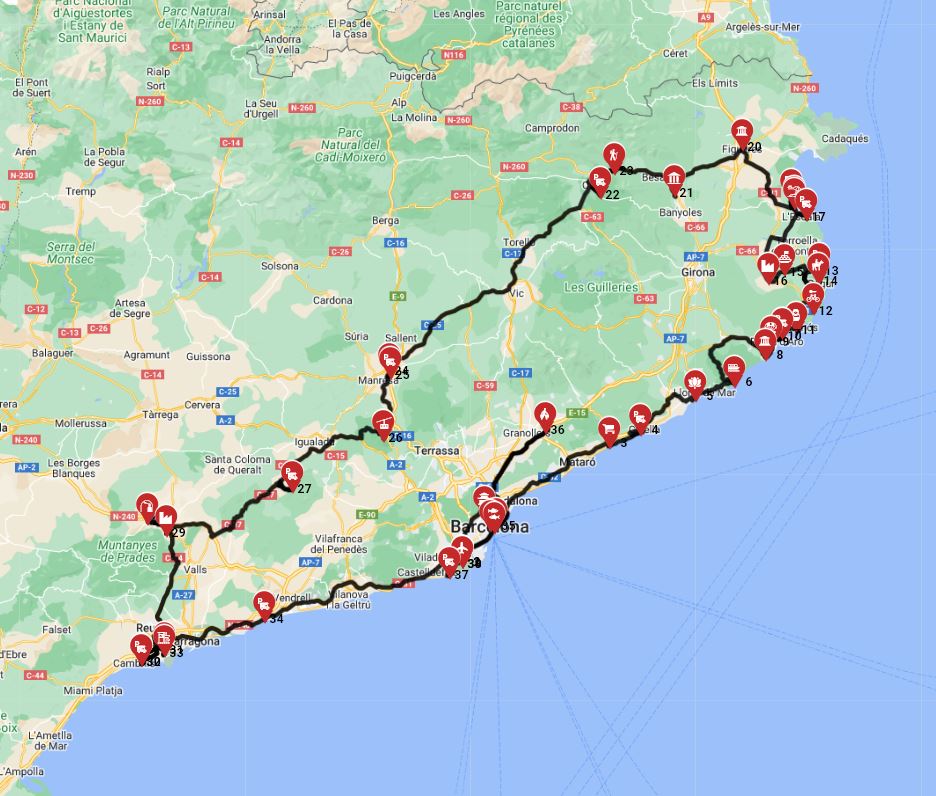
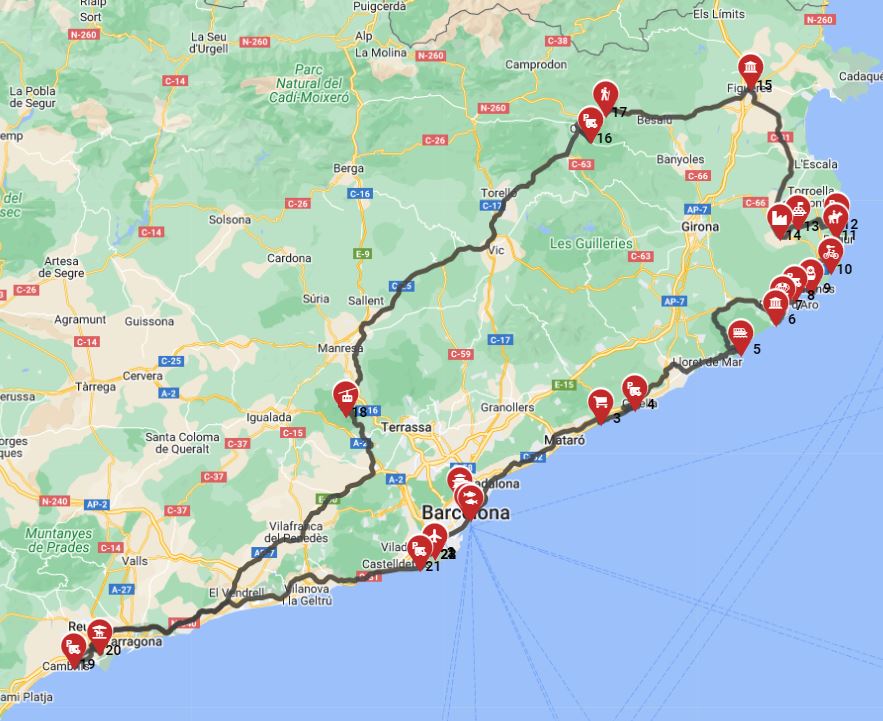
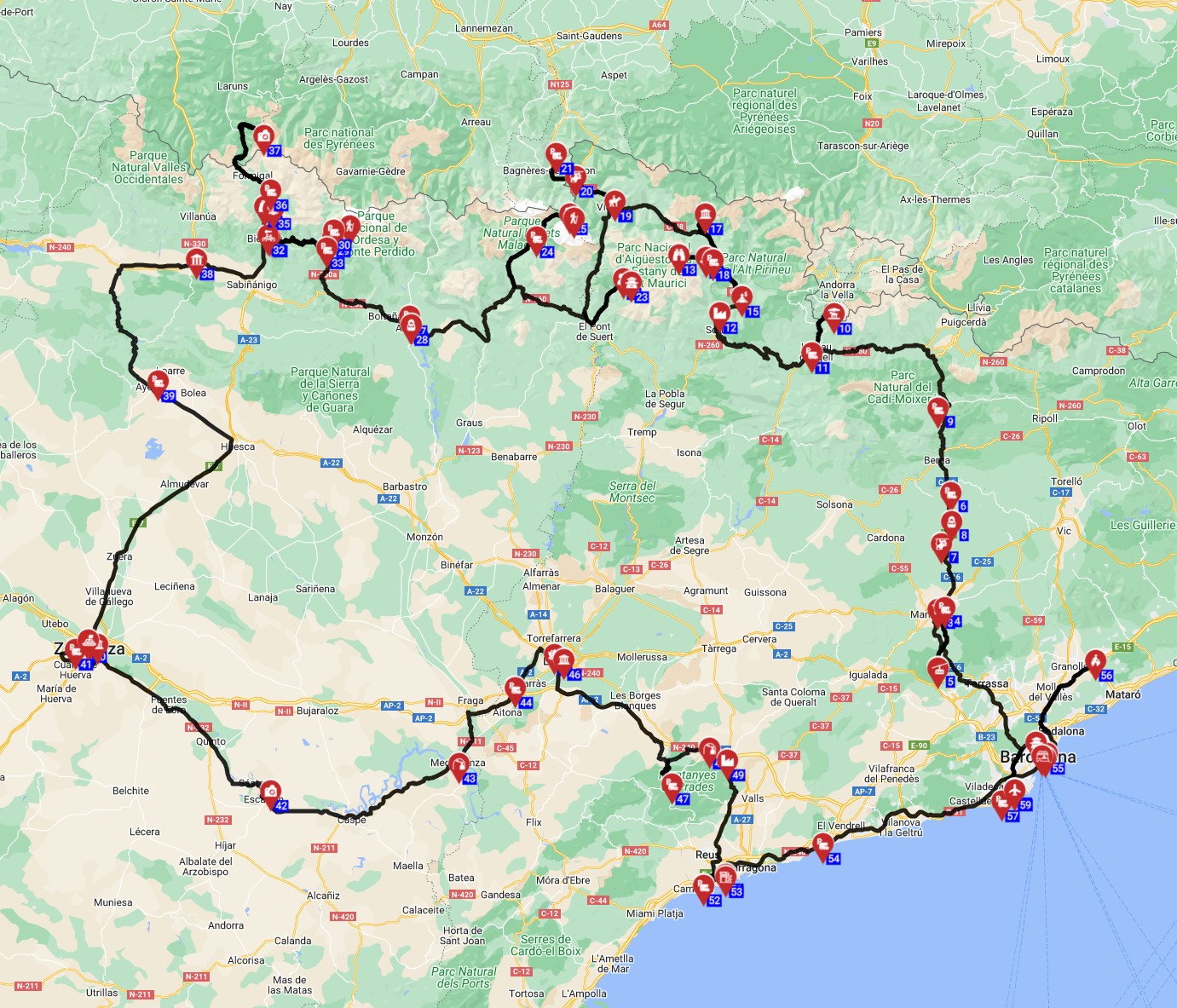
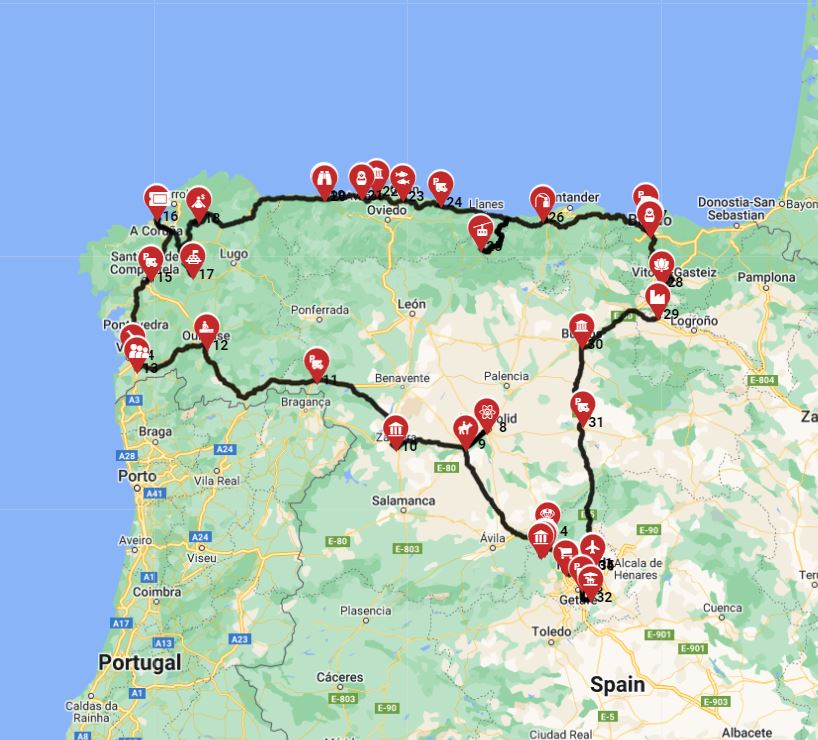
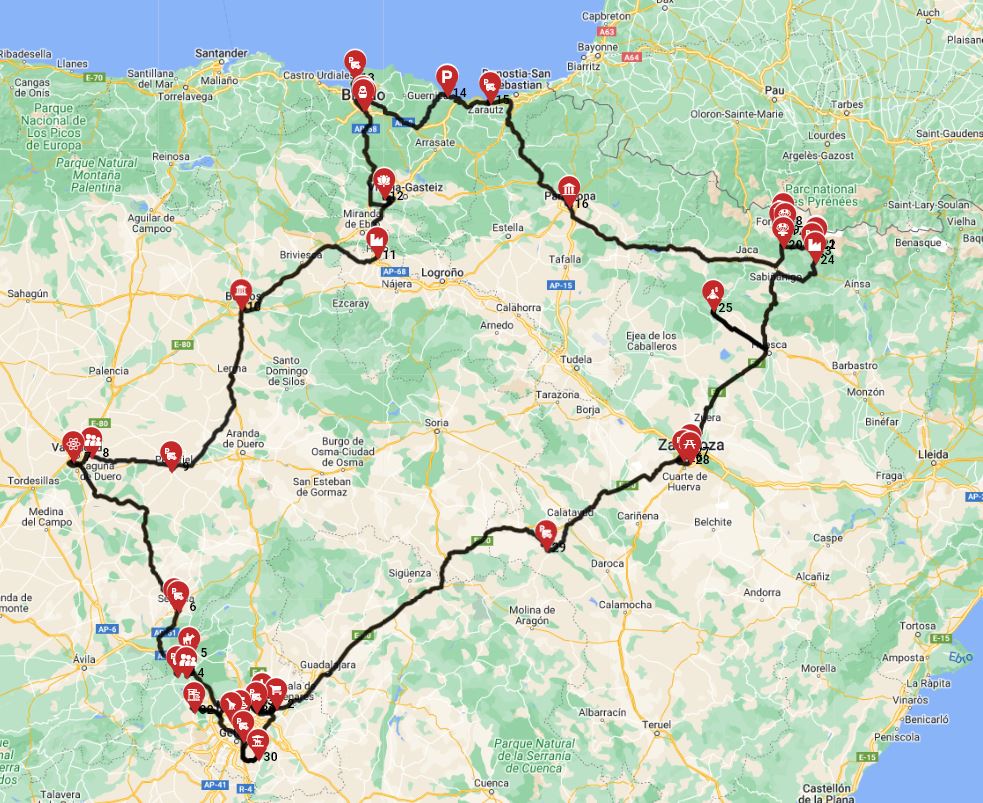
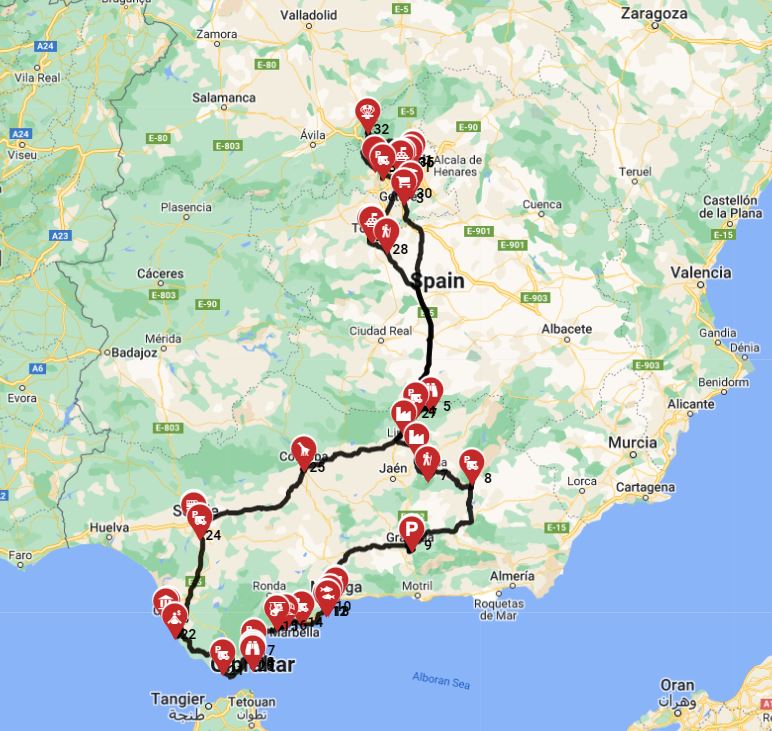
While a rapid RV tour covering Spain's major highlights might be theoretically possible in a packed 2-3 week itinerary, a truly immersive experience, allowing for deep cultural immersion and thorough exploration of its diverse regions, typically requires at least 3-4 weeks, or even several months. A two-week trip is best focused on one or two specific regions, such as the historic cities and coastlines of Andalusia (think Seville and Granada) or the dramatic green landscapes of Northern Spain (like Galicia or the Basque Country), to avoid feeling rushed. For live availability and current prices, start with our RV Rental Spain - Complete Guide 2024 guide. For a broader journey encompassing multiple regions, combining coastal drives with visits to interior cities and natural parks, a three to four-week itinerary is recommended. An extended trip of one to two months provides the ideal duration for comprehensive exploration, enabling travelers in their rented motorhome to delve into off-the-beaten-path destinations, engage with local communities, and truly soak in Spain's varied customs and landscapes. When using RV PLANET (rvplan.net) routes, you can itemize and track every expense, helping you budget for longer trips. We always recommend slow travel, aiming for a maximum of 100-150 km per day on average, to truly feel the place, connect to the culture, the food, and the scenery. This pace allows you to experience Spain authentically.What are the rules for motorhomes in Spain?
Motorhome rules in Spain generally permit overnight parking in legal parking spaces, treating a parked RV like a regular vehicle, but they strictly prohibit wild camping (i.e., setting up camp with awnings extended, chairs out) outside of designated campsites or 'áreas de autocaravanas'. Drivers must hold a standard B category license for rented RVs up to 3,500 kg, or a C1/C license for heavier vehicles, and non-EU/EEA citizens require an International Driving Permit. Speed limits for RVs are generally 90-100 km/h on national roads and 120 km/h on motorways, with lower limits applying to heavier vehicles. Responsible and sustainable RVing practices are strongly encouraged, especially regarding waste management; always use designated disposal points at official campsites or motorhome service areas for greywater, blackwater, and refuse. Be aware of environmental zones (ZBE) in major cities like Madrid and Barcelona, which may restrict access for certain vehicles based on their environmental classification. Our philosophy at Bandana is full transparency, so we ensure you know all the relevant rules upfront, with no hidden fees or surprises. We're with you before and after your booking, coordinating all the details for a worry-free experience.What are the best places to visit in Spain by RV?
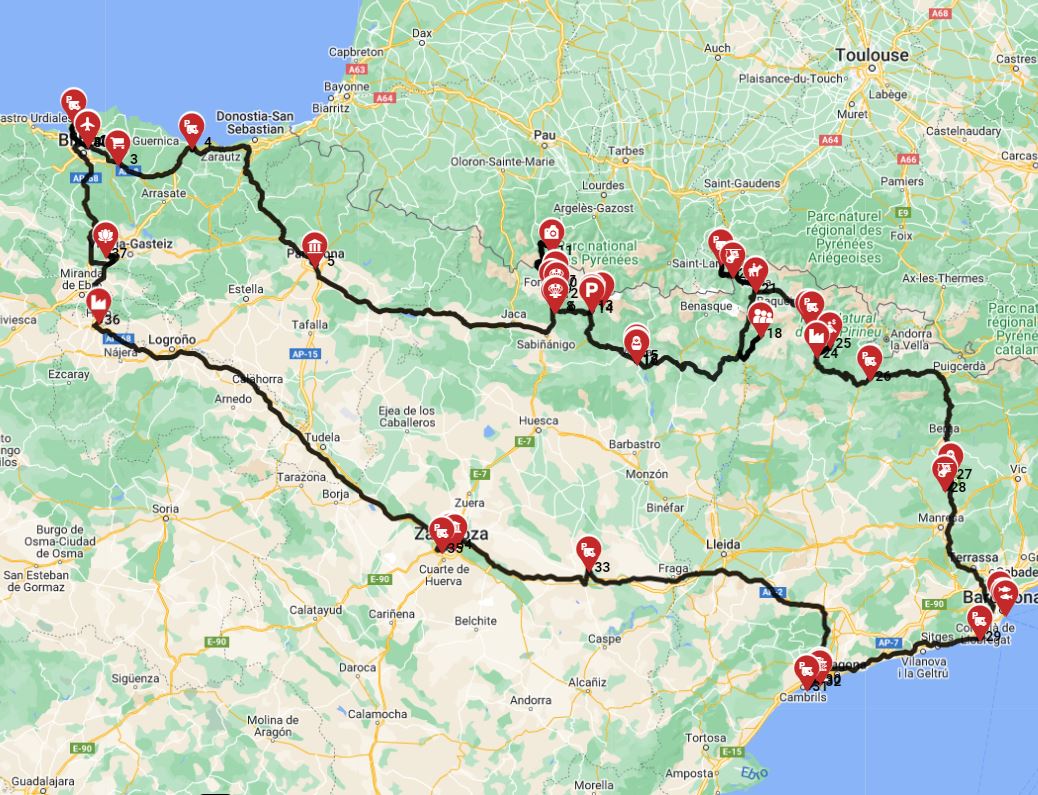
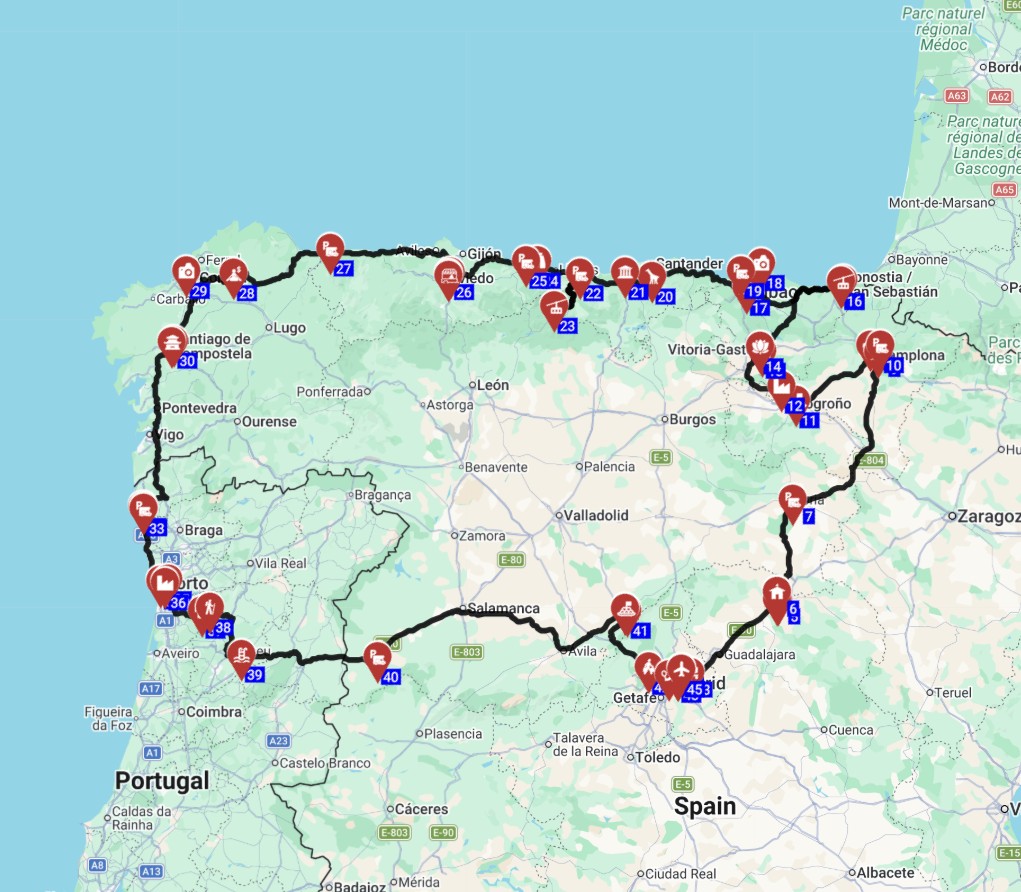
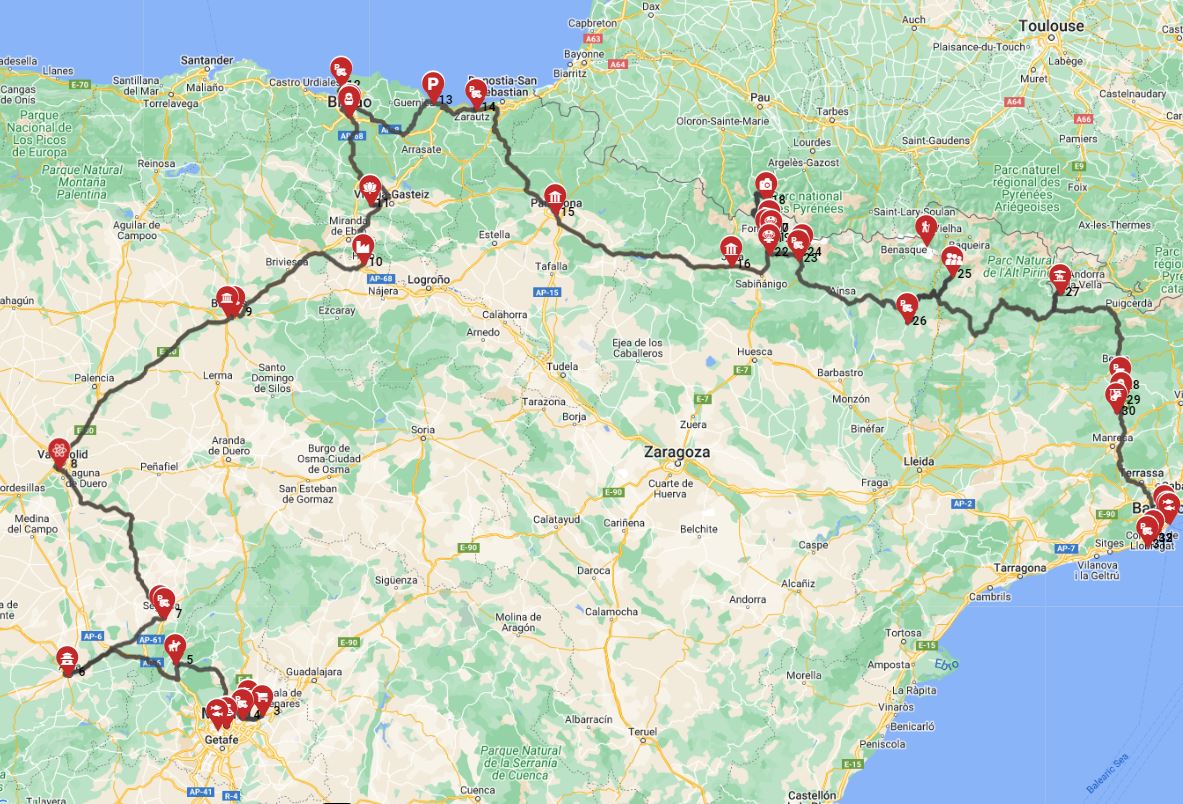
Spain offers an incredible array of diverse landscapes perfect for RV travel, from the sun-drenched beaches of Andalusia to the rugged mountains of the North, with abundant options for cultural immersion and off-the-beaten-path exploration. In **Andalusia**, you can explore iconic cities like Seville, visit Granada's stunning Alhambra, and discover the picturesque 'Pueblos Blancos' (white villages), then venture along coastal routes like the Costa de la Luz for local markets and traditional cuisine. The `MH4-5 - HEL` (a motorhome with 5 sleeping places) would be excellent for families exploring this region. **Northern Spain**, encompassing the Basque Country, Asturias, Galicia, and the Pyrenees, offers green coasts, dramatic Picos de Europa mountains, and culinary delights in San Sebastián. Our "RV Trip Overview for North Spain and the Pyrenees" offers detailed insights into this diverse region, perfect for a rented campervan. **Catalonia** allows you to combine the vibrant culture of Barcelona with scenic drives into the Catalan Pyrenees, offering fantastic hiking opportunities and charming mountain villages. For more tranquil exploration, **Central Spain**, including Castilla y León and Extremadura, features historic UNESCO World Heritage cities like Salamanca, Toledo, and Segovia, and less-frequented natural parks for a serene RV experience. Seek out unique, local experiences such as village fiestas, connect with local communities at smaller campsites, and use basic Spanish phrases to enhance your cultural immersion beyond the main tourist attractions.Is Spain safe for RV travel?
Spain is generally considered a very safe country for RV travel, boasting well-maintained infrastructure and a welcoming atmosphere, though standard precautions should always be observed as with any travel destination. While violent crime is rare, petty crime, such as pickpocketing or vehicle break-ins, can occur in crowded tourist areas like Barcelona (to participate in festivals) and some city centers. Always secure your rented RV, close windows, and avoid leaving valuables visible, especially when parked. Prioritize using secure campsites or designated 'áreas de autocaravanas' for overnight stays to enhance safety and peace of mind. Road safety is generally high on major routes, but drive defensively, particularly on winding mountain roads or in dense urban traffic, and be mindful of local driving habits. Basic Spanish phrases and a translation app can be invaluable for overcoming language barriers when interacting with locals, asking for directions, or seeking services, further enhancing your safety and overall travel experience. At Bandana, we believe in full transparency and providing support before and after your booking to ensure you feel confident and prepared for your adventure.Do I need an IDP to drive an RV in Spain?
Yes, non-EU/EEA citizens are typically required to carry an International Driving Permit (IDP) alongside their valid national driver's license to legally drive a rented RV in Spain. This requirement applies to all motorhome classes and campervans. For citizens holding a valid driver's license issued by an EU or EEA country, an IDP is not usually necessary, as their national license is recognized. The IDP serves as an official translation of your national license into multiple languages, facilitating communication with local authorities and rental companies, especially if your national license is not in Spanish or English. Failing to carry a required IDP can lead to fines and potential complications with legal and insurance matters in the event of a traffic stop or accident, so it's a simple step to ensure peace of mind. It's advisable to obtain your IDP from your home country's recognized automobile association (such as AAA in the USA) before traveling to Spain.Top Cities for RV Rental in Spain
Spain offers numerous fantastic cities to start or end your RV adventure, each providing unique access to different regions and cultural experiences. Choosing the right pick-up location for your rented motorhome is key to a smooth journey.- Barcelona: A vibrant city perfect for exploring Catalonia, the Pyrenees, and the Mediterranean coast. Renting a campervan from Barcelona - Airport gives you immediate access to a network of excellent roads.
- Madrid: The capital offers a central starting point for exploring Castilla-La Mancha, Castilla y León, and the heart of Spain. Our "Cheap RV Rental in Spain - Budget Guide 2024" can help you find affordable options here.
- Seville: Ideal for discovering the rich history, flamenco, and stunning landscapes of Andalusia, including the 'Pueblos Blancos' and the Costa de la Luz.
- Malaga: A gateway to the Costa del Sol, with easy access to Andalusia's beautiful beaches and charming inland towns. You might consider "Luxury RV Rental in Spain - Premium Prices 2024" for a comfortable journey from here.
- Alicante: A popular coastal city, perfect for exploring the Costa Blanca and the diverse region of Valencia with your rented RV. Consider picking up your rental motorhome directly from Alicante - Airport for maximum convenience.
- A Coruña: Situated in Galicia, this city is an excellent choice for exploring the green, rugged coastlines and unique Celtic culture of Northern Spain, or for starting a pilgrimage route to Santiago de Compostela. Find your ideal camper here at A Coruña - Airport.
What You Shouldn't Miss
- Explore the Moorish Legacy of Andalusia: Drive your rented motorhome through southern Spain, stopping at the Alhambra in Granada, the Mezquita in Córdoba, and the Alcázar in Seville. Allow at least two weeks to truly immerse yourself.
- Coastal Drives of the Basque Country: Head north from a pick-up location like Barcelona to experience the dramatic coastline and vibrant culture of San Sebastián and Bilbao. These routes are perfect for Class B campervans.
- The Ancient Aqueduct of Segovia: A UNESCO World Heritage site, this Roman aqueduct is an architectural marvel. Park your rented RV on the outskirts and take public transport into the city to explore its charming streets.
- Wineries of La Rioja: Discover Spain's renowned wine region with your rented mobile home. Enjoy tastings and scenic drives through picturesque vineyards. Remember, always assign a designated driver!
- Camino de Santiago by RV: Follow parts of the historic pilgrimage route, stopping at charming villages and enjoying scenic walks. You can find excellent parking and service areas for your campervan along the route.
- Indulge in authentic Spanish cuisine: With a fully equipped kitchen in your rented caravan, you can visit local markets for fresh ingredients. Imagine preparing a traditional paella or tapas right at your campsite!
Final Thoughts
Embarking on a rented RV adventure through Spain is truly a journey of discovery, offering unparalleled freedom to explore its diverse landscapes and rich culture at your own pace. From the moment you pick up your campervan from a Spain airport to your last scenic drive, you're in control of your itinerary, allowing for spontaneous detours and deep immersion. Remember to travel slowly, perhaps a maximum of 100-150 km per day on average, taking time to feel the place, connect to the culture, the food, and the breathtaking scenery. At Bandana Caravan, we handle the details, so you can truly live the journey. Our commitment to full transparency, expert planning resources like RV PLANET (rvplan.net), and dedicated support ensures that your motorhome rental experience in Spain is smooth, enjoyable, and free of surprises. So, why wait? Start dreaming of your Spanish road trip today, whether it's a "Family RV Rental in Spain - Pricing Guide 2024" for the whole crew or a cozy campervan for two. Get inspired for your next trip and discover top destinations, planning tips, all in one place!🎬 Video coming soon
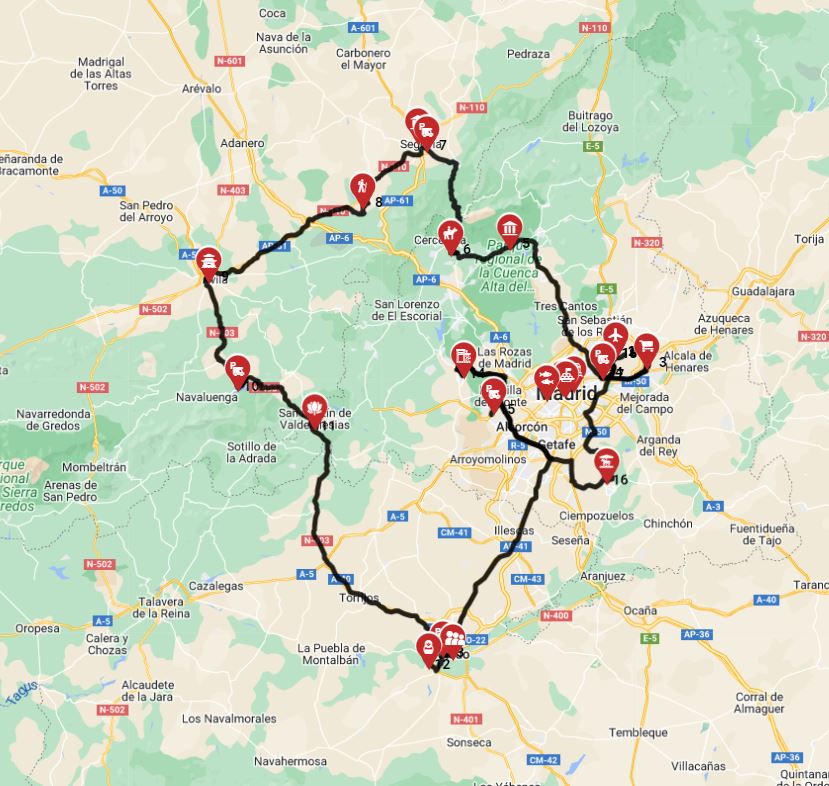
On the routes offered through RV PLANET routes, you can itemize and track every expense along the way for easy budgeting.