In This Guide
- Can You Drive an RV in South Africa? License & Age Rules
- Road Conditions & Terrain in South Africa
- RV Size Limits, Bridges & Restricted Zones
- Fuel: Diesel vs. Petrol & Cost per 100 km
- Tolls, Vignettes & Border Rules
- Driving Tips for RV Rental Travelers
- Recommended RV Class for South Africa Roads
- Should I Choose a Compact Van Instead of a Large RV in South Africa?
- Can I Park Anywhere? Free & Wild Camping Rules in South Africa
- Can I Drive an RV Into the City Center? Heights, Tunnels & Local Signage
- What cultural immersion opportunities are available for RV travelers in South Africa?
- What is the best season for RV travel in South Africa, and what can I expect?
- How to practice sustainable and eco-friendly RV travel in South Africa?
- Is South Africa RV travel suitable for digital nomads and remote workers?
- What are the best off-the-beaten-path RV routes in South Africa?
- Which RV type is best for specific terrain in South Africa (e.g., 4x4 vs. motorhome)?
- How to book national parks and campsites for RVs in South Africa?
- Top Cities for RV Rental in South Africa
- What You Shouldn't Miss
- Why Book with Bandana Caravan
- Final Thoughts
- Frequently Asked Questions
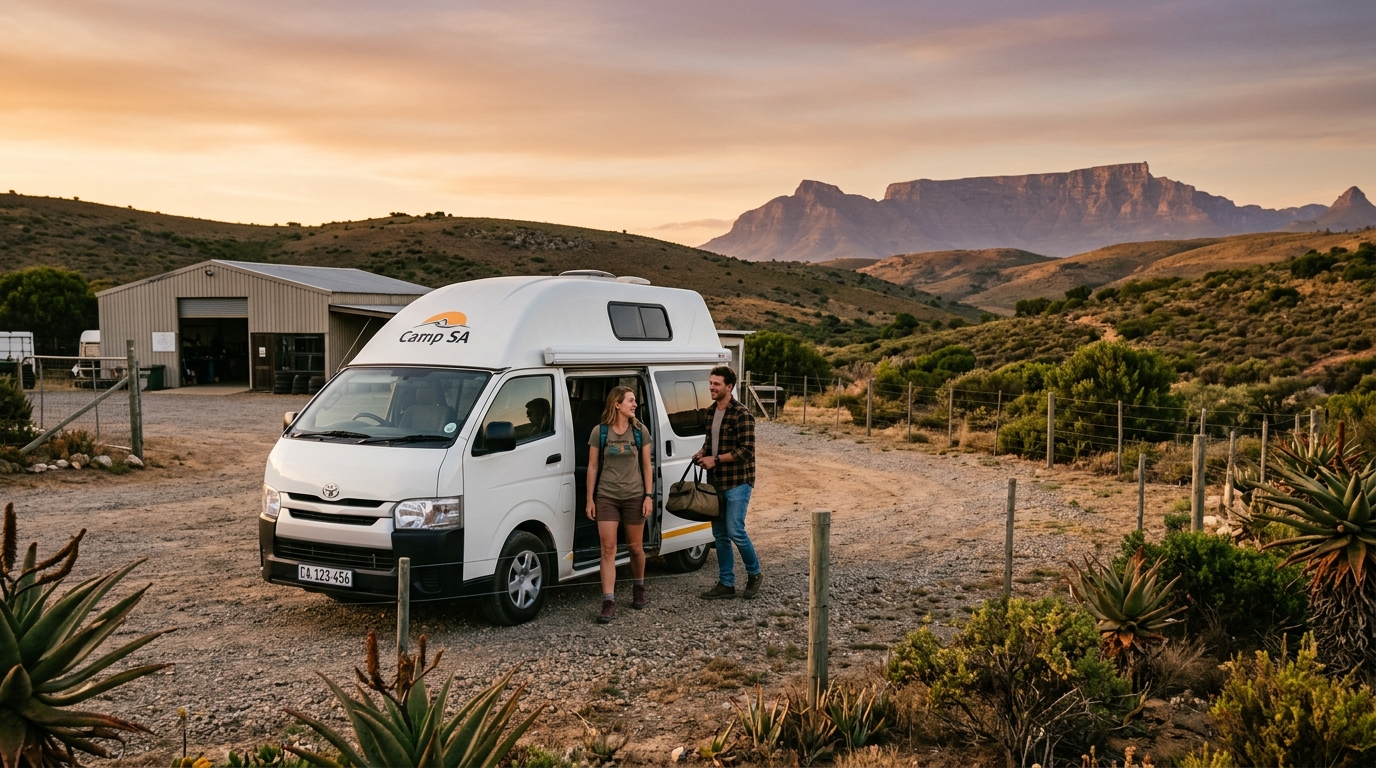
South Africa offers an unparalleled adventure for travelers exploring its diverse landscapes by rented RV. With stunning coastlines, iconic wildlife parks, and vibrant cities, a motorhome vacation provides the ultimate freedom and flexibility to discover this incredible country at your own pace. Whether you're planning a week-long journey through the Winelands or an extended road trip to the bush, understanding the essentials of RV travel in South Africa is key to a smooth and unforgettable experience. For live availability and current prices, start with our RV Rental South Africa - Complete Guide 2026 guide.
Can You Drive an RV in South Africa? License & Age Rules
A standard car driver's license is sufficient for driving all rental motorhome classes in South Africa, including larger Class A and Class C models, as long as the vehicle's Gross Vehicle Mass (GVM) is under 3,500 kg. For South African residents, a valid Code B driver's license is required. Foreign drivers need a valid driver's license from their home country, provided it is in English and includes a photograph. An International Driving Permit (IDP) is highly recommended for all visitors from non-English-speaking countries to ensure smooth interactions with local authorities, though it is not always mandatory. The minimum RV rental age in South Africa is typically 21 years old across most Bandana RV partner suppliers, with no young driver surcharges and no vehicle class restrictions based on age, giving younger adventurers the freedom to explore.
Road Conditions & Terrain in South Africa
South Africa's national routes, including major highways like the N1 and N2, are generally well-maintained tarred roads, making for comfortable and efficient RV travel. However, secondary roads leading to more remote national parks, game reserves, or rural attractions may consist of gravel or dirt, requiring drivers to exercise caution and adjust their speed. The country's varied terrain encompasses everything from the dramatic Drakensberg Mountains and the scenic Garden Route coastline to vast inland plains and arid Karoo landscapes, offering a diverse array of breathtaking scenic drives. Travelers can expect smooth sailing on main arteries, while venturing off into less traveled routes will offer a taste of adventure, but still be perfectly manageable with a standard rental motorhome.
RV Size Limits, Bridges & Restricted Zones
Standard rented RVs, such as a Class C motorhome like the MC 4-69 (approximately 6.99m in length), generally navigate South Africa's major roads without any significant issues. Drivers should always be vigilant for specific signage indicating height restrictions in certain urban areas, particularly when entering older city centers, underground parking garages, or low bridges. Rest assured, large motorhomes can drive almost anywhere without stress in South Africa; simply drive slowly and carefully, and pay attention to road signs. Environmental zones within some national parks might have specific vehicle size or type limitations, especially for sensitive areas or certain tracks, so it's always wise to check park regulations in advance. This ensures you can enjoy every part of your adventure in your chosen rented mobile home.
Fuel: Diesel vs. Petrol & Cost per 100 km
Diesel is the predominant fuel type for rental RVs in South Africa and is readily available at most service stations across the country. While many cars run on petrol, a significant number of commercial vehicles and motorhomes utilize diesel engines. Based on Bandana's global fleet averages, Class B Camper Vans typically consume around 8-10 L/100 km, while larger semi-integrated and alcove motorhomes average 10-12 L/100 km. Truck Campers, designed for more rugged terrains, generally consume 12-17 L/100 km. It's essential to budget for fluctuating fuel prices, which are regulated by the government but can still impact your overall trip cost. Some rental providers might offer fuel discount cards, which can help manage expenses. For budgeting your adventure and tracking all ancillary costs, RV PLANET routes allow travelers to itemize and track every expense along the way. On the routes offered through RV PLANET routes, you can itemize and track every expense along the way for easy budgeting.
Tolls, Vignettes & Border Rules
South Africa operates a national toll road system, primarily on its major national routes, which are payable at physical toll gates. These tolls can typically be paid with cash or credit/debit cards. There is no vignette system required for RVs in South Africa, simplifying pre-trip planning. For those dreaming of an extended RV Rental Africa - Complete Guide 2026 adventure, cross-border travel to neighboring countries like Namibia, Botswana, or Lesotho requires explicit authorization from your rental company. You will also need the vehicle's original registration papers and may be subject to specific permits or road taxes at each border crossing. Always clarify these requirements with your supplier well in advance to avoid any unexpected delays or fees.
Driving Tips for RV Rental Travelers
Driving a rented RV in South Africa is an incredible experience, but a few local tips will make your journey even smoother. Plan regular stops every 2-3 hours for rest, especially on longer journeys, to stay refreshed and alert. Always drive defensively and be aware of your surroundings; avoiding night driving in rural areas is highly recommended due to the presence of wildlife and potential road hazards. It's also wise to secure all belongings inside your motorhome before hitting the road to prevent shifting. Familiarize yourself with local road etiquette, such as using hazard lights briefly to thank another driver or to signal a slow-down ahead. Keep a close eye on your fuel gauge, particularly when venturing into remote regions where service stations can be sparse. For finding campsites and campgrounds during your trip, we recommend using RV PLANET (rvplan.net) - a great resource for locating available spots along your route. Pre-booking national park and popular private campsites well in advance, especially during peak season, is crucial for securing your preferred spot. And remember, South Africa drives on the left-hand side of the road, and speed limits are typically 120 km/h on national highways, 100 km/h on provincial roads, and 60 km/h in urban areas.
🎬 Video coming soon
Recommended RV Class for South Africa Roads
For most RV travel across South Africa's diverse landscapes, Class SI Semi-integrated motorhomes (averaging 6.9m in length) offer an excellent balance of comfort and maneuverability. These vehicles are well-suited for both paved national roads and many well-maintained gravel access roads leading to popular attractions. For families or larger groups up to 6 people, Class C Alcove motorhomes (averaging 7.5m in length), such as the "Euro Deluxe" or "MHC24", provide ample living space and sleeping capacity, ensuring a comfortable experience for everyone. Both of these motorhome classes are perfectly suitable for navigating South Africa's national road network, prioritizing passenger comfort for extended week-long or two-week tours. If you're planning a trip, exploring options in RV Rental in South Africa - Prices and Best Deals 2026 can help you find the ideal vehicle.
Should I Choose a Compact Van Instead of a Large RV in South Africa?
Larger RVs generally offer superior comfort and amenities, which are highly desirable for extended South African trips, especially given the country's vast distances and typically ample road space. While compact campervans (Class B Camper Van, averaging 5.8m in length), such as the "Active Classic" or "Juliette 2-3", provide agility for navigating extremely tight urban centers or very demanding 4x4-only tracks, most of South Africa's major attractions and national parks are accessible with standard-sized motorhomes. There's no need to stress about driving a larger motorhome; just use common sense and pay attention to your surroundings, and you can drive almost anywhere without issues. For most general touring across national parks and scenic routes, the enhanced living space, larger kitchen, and onboard facilities of a Class C or Class SI RV often make for a more relaxing and enjoyable holiday. Exploring options in Luxury RV Rental in South Africa - Premium Prices 2026 might help you find the best fit.
Can I Park Anywhere? Free & Wild Camping Rules in South Africa
Wild or free camping is generally discouraged and often illegal in South Africa due to legitimate safety concerns and the prevalence of private land ownership. Instead, designated national park and private campsites are the safest and most recommended options, providing secure environments, essential facilities, and often stunning locations. For instance, in Kruger National Park, you can enjoy structured camping within secure compounds. Travelers should prioritize established camping facilities and always check local regulations or consult tourist information centers before attempting to park overnight outside of a recognized campground. While the call of the wild is strong, opting for official sites ensures your safety and helps protect South Africa's precious natural environments. For exploring your options, our guide on RV Rental Deals in South Africa - Latest Offers 2026 can point you to rental types suitable for various campgrounds.
Can I Drive an RV Into the City Center? Heights, Tunnels & Local Signage
Driving a rented RV into South African city centers, including bustling hubs like Cape Town, Johannesburg, or Durban, is generally feasible. Many of the main roads in these cities are wide and accommodating for larger vehicles. However, drivers must remain vigilant for local signage that indicates height restrictions, particularly when considering parking garages, older underpasses, or narrow side streets. While navigating city streets is manageable (just drive slowly and carefully, paying attention to your surroundings), finding convenient parking for larger RVs can sometimes be challenging. A practical strategy is to park your motorhome on the outskirts of the city at a secure location, such as a dedicated RV park or a larger shopping center with ample parking, and then use public transport or ride-sharing services for exploring the city's core. This approach allows you to enjoy urban attractions without the stress of maneuvering a big vehicle in congested areas.
What cultural immersion opportunities are available for RV travelers in South Africa?
RV travel in South Africa provides unique opportunities for cultural immersion, allowing you to venture beyond typical tourist paths and connect directly with local communities. Imagine stopping in a less-visited town, where you can explore vibrant local markets, interact with friendly vendors, and sample authentic South African cuisine directly from its source. You could even pick up fresh ingredients for a meal cooked right in your motorhome kitchen! For RV-friendly recipes playlist ideas, check out our YouTube. Participating in community-based tourism initiatives, such as guided village tours or craft workshops, offers genuine insights into local heritage and daily life. Timing your RV trip to coincide with regional festivals, like the annual National Arts Festival in Makhanda or local food and wine celebrations along Route 62, can further enrich your experience, allowing you to embrace the diverse cultures and traditions that make South Africa so special. Consider a route plan tailored for these experiences with RV PLANET routes.
What is the best season for RV travel in South Africa, and what can I expect?
The dry winter months from May to September are often considered ideal for RV travel in South Africa, especially for wildlife viewing in parks like Kruger National Park, due to sparser vegetation and animals congregating around waterholes. Temperatures during this period are moderate and pleasant, making outdoor activities enjoyable. Spring, from September to November, is renowned for the spectacular wildflowers that carpet the Western Cape, particularly along the West Coast, and offers peak whale-watching opportunities along the southern coast. Summer, from December to February, is excellent for coastal activities and beach holidays, though inland areas can experience high temperatures and occasional thunderstorms. Each season offers distinct advantages, allowing you to tailor your RV adventure, perhaps a week-long trip, to your specific interests, be it a safari, floral spectacle, or beach escape.
How to practice sustainable and eco-friendly RV travel in South Africa?
Practicing sustainable and eco-friendly RV travel in South Africa is crucial for preserving its natural beauty and supporting local communities. Conserve water by being mindful of your usage from your RV's freshwater tank, which often holds 80-100L, and limit electricity consumption, especially when venturing off-grid. Responsibly manage all waste by utilizing campsite recycling facilities and properly disposing of greywater and blackwater at designated dump stations. Support local economies by purchasing groceries, crafts, and services from small businesses and local markets you encounter along your route, ensuring your travel contributes directly to the well-being of the areas you visit. Always adhere strictly to national park rules, maintain a respectful distance from wildlife, and stay on marked trails to protect sensitive ecosystems. Traveling slowly, perhaps covering a maximum of 100-150 km per day on average, allows you to truly connect with the place, its culture, and its environment.
Is South Africa RV travel suitable for digital nomads and remote workers?
South Africa is increasingly viable for RV digital nomads and remote workers, provided they plan for reliable connectivity and power solutions. Local SIM cards from providers like Vodacom or MTN offer good data coverage in most urban areas and along major routes, though reception can be patchy in very remote regions. Portable Wi-Fi devices or robust signal boosters can supplement this for consistent internet access. Ensuring secure power solutions, such as auxiliary batteries, solar panels, or a generator, is essential for charging laptops and other devices, especially when camping off-grid. Prioritize campsites that explicitly offer strong Wi-Fi, reliable electricity hook-ups, or communal workspaces if consistent connectivity is a daily requirement for your work. Many RV Rental in South Africa - Prices and Best Deals 2026 options include basic power hookups.
What are the best off-the-beaten-path RV routes in South Africa?
For RV travelers seeking unique experiences away from typical tourist crowds in South Africa, several off-the-beaten-path routes offer dramatic scenery and cultural immersion. The rugged Wild Coast in the Eastern Cape presents a spectacular adventure with its dramatic coastline, Xhosa villages, and pristine beaches, though some sections may require vehicles with good ground clearance or careful driving. Exploring the vast, semi-arid landscapes and charming small towns of the Great Karoo, such as Graaff-Reinet or Prince Albert, provides a tranquil journey through a region rich in history and unique flora. Another excellent option is the Waterberg Biosphere Reserve in Limpopo, which offers stunning wilderness and wildlife viewing opportunities without the major crowds found in more famous parks. These routes allow you to experience a different side of South Africa, embracing slow travel and deep connections.
Which RV type is best for specific terrain in South Africa (e.g., 4x4 vs. motorhome)?
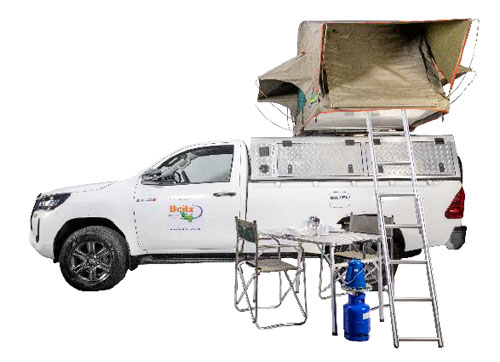
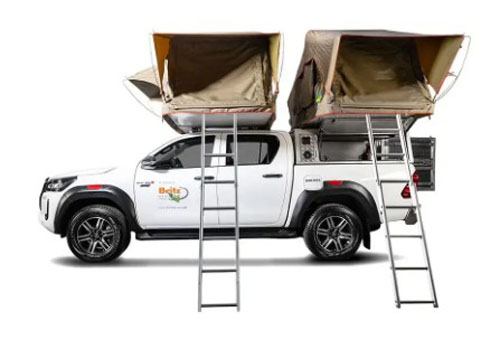
Matching your rented RV type to the specific terrain you plan to cover in South Africa is key to a comfortable and efficient trip. Standard motorhomes, such as Class SI Semi-integrated (e.g., "MH4-5 - SIF") or Class C Alcove (e.g., "MIC"), are best suited for the country's extensive paved national roads and most well-maintained gravel access roads leading to national parks and major attractions. Camper vans (Class B) like the "V2L" or "Duo" offer superior agility for navigating smaller, winding roads and charming towns, while still providing essential comforts. However, for truly off-the-beaten-path destinations, remote bush camps, or sandy tracks in lesser-known reserves, a 4x4 Truck Camper (like the "Patagonia Camper 4x4 double cab", averaging 5.5m in length) with higher ground clearance and robust suspension is essential. These specialized vehicles allow access to areas where standard RVs might struggle, providing an authentic wilderness experience.
How to book national parks and campsites for RVs in South Africa?
Booking national park campsites and permits in South Africa requires advanced planning, especially during peak seasons. For national parks, the official SANParks website is the primary resource for direct bookings, often allowing reservations up to 11 months in advance for popular destinations like Kruger National Park. Provincial parks and private campsites typically have their own individual websites or can be booked through specialized South African booking platforms. It is imperative to always confirm specific entry requirements, gate opening and closing times, and any RV restrictions for each park you plan to visit to ensure a smooth entry and stay. Early booking guarantees your spot and prevents disappointment, particularly for extended road trips or during school holidays. Remember, popular spots fill up quickly!
Top Cities for RV Rental in South Africa
South Africa offers several convenient and popular cities for picking up your rented RV, each serving as a gateway to distinct regions and adventures. Johannesburg, home to O.R. Tambo International Airport (JNB), is a primary hub for exploring the vast bushveld of Kruger National Park and the northern provinces. Cape Town, with its Cape Town International Airport (CPT), is ideal for embarking on scenic journeys along the Garden Route, exploring the Winelands, and experiencing the iconic Table Mountain. Durban, served by King Shaka International Airport (DUR), provides access to the Indian Ocean coastline, the Drakensberg Mountains, and Zululand's cultural sites. George, a smaller city with its own airport (GRJ), is perfectly situated as a starting point for exploring the heart of the Garden Route. East London, via its airport (ELS), offers a coastal starting point for the Wild Coast and Eastern Cape explorations. These cities offer a range of vehicle options, from compact campervans to spacious motorhomes, catering to various travel styles and durations.
What You Shouldn't Miss
- Safari in Kruger National Park: Experience the thrill of self-driving your rented RV through Kruger, spotting the Big Five and other incredible wildlife. It's a truly immersive African safari.
- Driving the Garden Route: Embark on a breathtaking coastal journey from Mossel Bay to Storms River, discovering picturesque towns, pristine beaches, and lush forests. Our "One-Way RV Rental in South Africa - Price Guide 2026" can help plan this epic trip.
- Exploring the Cape Winelands: Tour charming towns like Stellenbosch and Franschhoek in your rented motorhome, enjoying world-class wine tastings and gourmet food.
- Discovering the Drakensberg Mountains: Hike through majestic peaks and valleys, discovering ancient San rock art and stunning waterfalls.
- Route 62 Adventure: Journey along the world's longest wine route, stopping at quirky towns, distilleries, and beautiful natural attractions.
- KwaZulu-Natal Coastline: Explore the warm waters and vibrant culture of the Indian Ocean coastline, from Durban northwards to the wildlife-rich Zululand.
Looking for expert insights from Avi Bandana? Top 5 Adventures - recommendations from Avi Bandana
Final Thoughts
Embarking on an RV adventure in South Africa promises an incredible journey filled with diverse landscapes, rich culture, and unforgettable wildlife encounters. From the moment you pick up your rented motorhome at one of South Africa's international airports, you hold the key to a truly flexible and immersive travel experience. Remember to embrace the spirit of slow travel, allowing yourself time to truly absorb the beauty and vibrancy of each region you visit.
At Bandana Caravan, we are passionate about making your RV dreams a reality. We offer full transparency, dedicated support, and the expertise of true RV specialists who understand the nuances of international RV travel. No matter if you're planning a week-long escape or an extended exploration, we're here to ensure every detail is handled, leaving you free to enjoy the open road.
Ready to discover the magic of South Africa on your terms? Your extraordinary RV rental adventure awaits!
Compare Motorhome Prices for South Africa