In This Guide
- Can You Drive an RV in Scotland? License & Age Rules
- Road Conditions & Terrain in Scotland
- RV Size Limits, Bridges & Restricted Zones
- Fuel: Diesel vs. Petrol & Cost per 100 km
- Tolls, Vignettes & Border Rules
- Driving Tips for rv rental Travelers
- Recommended RV Class for Scotland Roads
- Should I Choose a Compact Van Instead of a Large RV in Scotland?
- Can I Park Anywhere? Free & Wild Camping Rules in Scotland
- Can I Drive an RV Into the City Center? Heights, Tunnels & Local Signage
- What is the Full Cost of an RV Rental in Scotland?
- What Are the Driving Challenges for RVs in Scotland?
- How to Wild Camp and Park an RV Responsibly in Scotland?
- When is the Best Time to Visit Scotland by RV?
- What Are the Best RV Itinerary Suggestions for Scotland?
- What RV Size is Best for Scottish Roads?
- How to Manage Practicalities Like Water, Dump, and Internet on an RV Trip in Scotland?
- What Unique Cultural Experiences Can You Find on an RV Trip in Scotland?
- How to Practice Responsible RV Travel in Scotland?
- Top Cities for RV Rental in Scotland
- Why Book with Bandana Caravan
- Final Thoughts
- Frequently Asked Questions
Scotland offers an unparalleled adventure for those who choose to explore its majestic landscapes and historic sites with a rented RV. Imagine the freedom of waking up to a different loch or glen view each morning, having your cozy home on wheels right there with you. It's a journey that lets you truly immerse yourself in the natural beauty and rich culture of this incredible country, setting your own pace. For live availability and current prices, start with our RV Rental Scotland - Complete Guide 2026 guide, where we compare options from leading suppliers like Apollo and Britz to ensure you find the perfect mobile home for your Scottish adventure.
Can You Drive an RV in Scotland? License & Age Rules
Yes, you can absolutely drive an RV in Scotland, with most standard UK driving licenses (Category B) allowing you to operate campervans and motorhomes up to 3,500 kg MAM (Maximum Authorised Mass), which covers the vast majority of our rental fleet. For larger RVs between 3,500 kg and 7,500 kg MAM, a Category C1 license is required; this is typically held by drivers who passed their test before January 1, 1997, or obtained the entitlement separately. The minimum driver age for RV rental in Scotland is 21 years old, and importantly, Bandana RV doesn't impose young driver surcharges or vehicle class restrictions based on age, making RV travel accessible for younger adventurers. International Driving Permits (IDPs) are recommended for visitors from non-English speaking countries to supplement their national license, though they are not legally mandatory in most cases for EU/EEA license holders.
Road Conditions & Terrain in Scotland
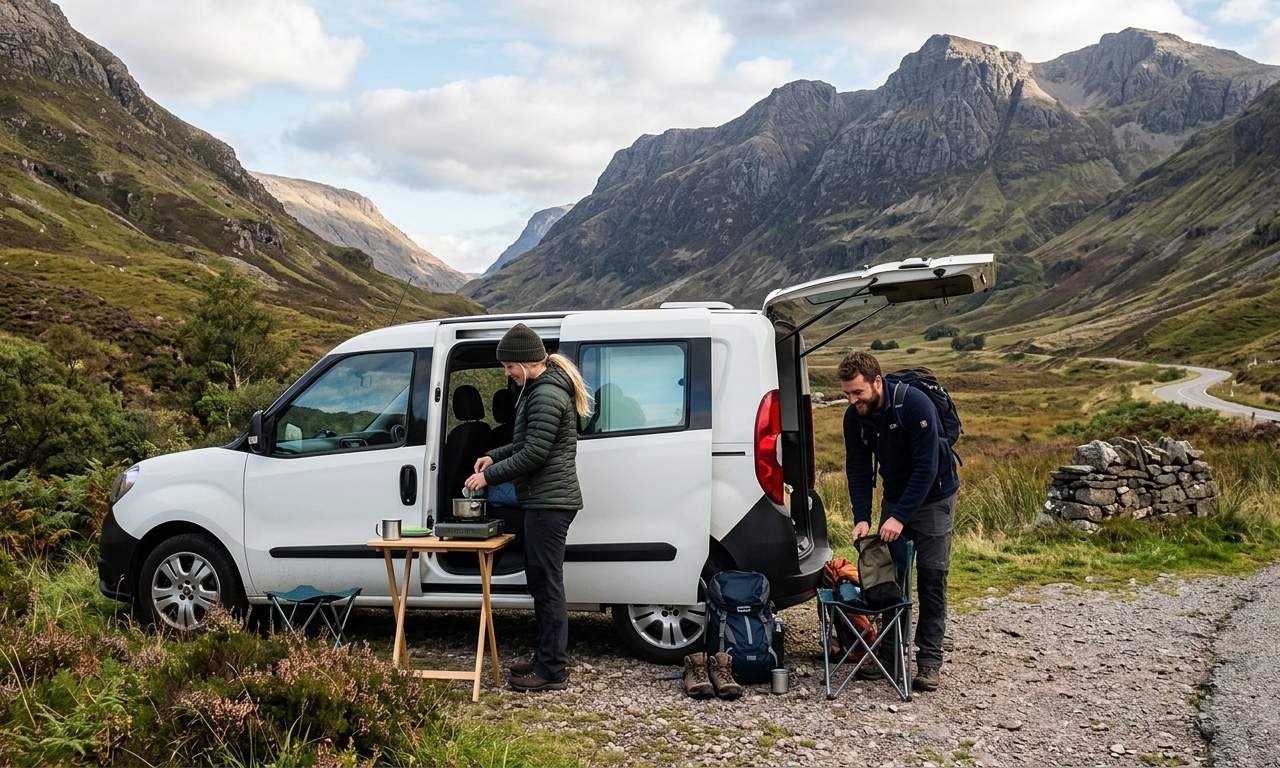
Scotland's road conditions vary significantly, from well-maintained motorways and A-roads that efficiently connect major cities to the often narrow, winding single-track roads prevalent in the dramatic Highlands and remote Islands. The terrain is largely mountainous and undulating, particularly as you venture north and west, which necessitates careful driving and often slower speeds, especially when navigating with a rented motorhome. Many of the most picturesque routes, such as parts of the famous North Coast 500, feature these distinctive single-track roads with designated passing places, where local etiquette dictates promptly pulling over for oncoming traffic. Urban areas, especially historic city centers like Edinburgh, can present tight turns and restricted access, making slow, scenic driving the most practical and enjoyable pace for your RV exploration.
RV Size Limits, Bridges & Restricted Zones
While Scotland does not have widespread, strict RV size limits comparable to some other European countries, it is crucial for drivers to be fully aware of their vehicle's dimensions when planning routes, especially for low bridges and ferry crossings. Always check your rented RV's height, width, and weight (MAM) against local signage, particularly when navigating into historic towns, along rural roads, or before crossing older bridges; some RVs like the "cruise america rv rental example Explorer" have a length of 7.1 meters and a width of 2.78 meters, requiring attention. Low bridges are most commonly found on minor roads or railway overpasses, so utilizing satellite navigation systems that offer RV-specific routing can help you avoid potential hazards and unexpected detours. Scotland currently has no specific environmental zones (like Low Emission Zones in some major European cities) that restrict RV access based on emissions, but always be mindful of local parking restrictions and pedestrianized areas in towns and villages.
🎬 Video coming soon
Fuel: Diesel vs. Petrol & Cost per 100 km
Most rental RVs in Bandana's fleet are diesel-powered, a fuel type that is widely available at fuel stations across Scotland, although petrol is also common for smaller campervans. Based on Bandana's global fleet averages, a Class SI - Semi-integrated RV typically consumes 10-11 Liters/100 km, while a Class C - Alcove might use 10-12 Liters/100 km. Assuming an average diesel price of approximately £1.70 per liter in Scotland, an RV consuming 10.5 Liters/100 km would cost roughly £17.85 per 100 km to run. It's wise to plan your routes and refuel in larger towns, as rural areas may have fewer fuel stations, ensuring you don't get caught out. When planning your budget, remember that fuel is a significant ancillary cost; on RV PLANET routes, travelers can itemize and track every expense along the way for easy budgeting. On the routes offered through RV PLANET routes, you can itemize and track every expense along the way for easy budgeting.
Tolls, Vignettes & Border Rules
Scotland generally has no toll roads, vignettes, or charges for its motorways or major A-roads, making RV travel straightforward without additional fees. A notable past exception was the Skye Bridge, which used to be tolled but is now entirely free for all vehicles. If your itinerary were to extend into neighboring countries like England, you would need to be aware of potential tolls, such as those on the M6 Toll or Dartford Crossing, though these are not applicable for purely Scottish journeys. For instance, traveling from Edinburgh to London with an RV might incur such fees. While specific regional data for toll passes is not universally available, some Bandana RV rentals may offer options for pre-purchasing passes to simplify travel and avoid any potential cross-border fines.
Driving Tips for rv rental Travelers
Navigating Scotland's roads with a rented RV is an exciting experience that benefits from a few key driving tips. Firstly, for those unfamiliar, remember to **Master Left-Hand Driving**; practice in a quiet area if possible, always keep left, especially when turning, and remember roundabouts go clockwise. Secondly, **Embrace Single-Track Roads** in the Highlands; be prepared for narrow roads with designated passing places and always pull over promptly into a passing place on your left or stop opposite one on your right to let oncoming traffic or faster vehicles pass. Thirdly, **Plan Your Route & Stops** carefully, as Scotland's stunning scenery encourages frequent stops; factor in extra time for photos and breaks every 2 hours, especially when traveling with families. Lastly, if you're planning to visit any of the Scottish islands, **Check Ferry Bookings Early** for your RV, as spaces can be limited and book up quickly during peak season. Remember to always **Mind Your Dimensions**, being aware of your RV's height and width, particularly under bridges or in tight village streets.
Recommended RV Class for Scotland Roads
For navigating Scotland's diverse and sometimes challenging roads, a compact campervan (Class B) or a smaller semi-integrated motorhome (Class SI) is highly recommended. A **Class B - Camper Van**, typically averaging 5.8 meters in length, is incredibly agile on narrow single-track routes and much easier to park in small towns or at popular attractions. These campervans, often ideal for a couple or up to 3 people, offer sufficient comfort and amenities like a toilet, shower, and basic cooking facilities to explore without the stress of a larger vehicle. For those desiring a bit more space, a **Class SI - Semi-integrated** RV, with an average length of 6.9 meters, strikes an excellent balance between interior room (averaging 3-4 sleeping places) and maneuverability, making it well-suited for longer trips across varied terrain. For instance, the "2 Berth Tamar" offers automatic transmission and is suitable for a couple. While larger RVs like Class C (Alcove) or Class A (Integrated) are available, such as the "Euro Deluxe" which is 7.5 meters and can sleep 6, their greater length and width may require more caution on Scotland's tightest roads and in bustling villages. As true RV specialists, we at Bandana help you compare these options to find the perfect fit.
Should I Choose a Compact Van Instead of a Large RV in Scotland?
The choice between a compact campervan and a larger RV for your Scottish adventure ultimately comes down to your personal comfort preferences, rather than strict maneuverability limitations, as you can drive almost anywhere without issues if you drive slowly and carefully. A compact campervan, such as a "Category Van" or "Active Standard" model, genuinely provides advantages in extremely tight historic town centers, on very narrow mountain passes, or when seeking easier parking in bustling areas like those found along the NC500. However, a larger rental RV, like a "4 Berth Deluxe" or "MHC24", provides significantly more indoor space, better amenities (e.g., a separate shower, a larger kitchen to prepare an RV-friendly recipes playlist meal, and more storage), and enhanced comfort for extended trips or unpredictable Scottish weather. For most major routes and a balanced blend of comfort and reasonable maneuverability, a semi-integrated motorhome (Class SI) often offers the best of both worlds, providing ample space without excessive length.
Can I Park Anywhere? Free & Wild Camping Rules in Scotland
Scotland's 'right to roam' under the Land Reform (Scotland) Act 2003 generally applies to non-motorized access, meaning it explicitly does not extend to free or 'wild' camping for motorhomes and campervans. Overnight parking for RVs is legally permitted only in designated campsites, certified sites (such as those managed by the Caravan and Motorhome Club), and occasionally in specific car parks that explicitly allow overnight stays-always check local signage carefully. It is illegal to park overnight on private land without the landowner's express permission, and local councils may also have bylaws restricting overnight parking in public areas, including scenic lay-bys and popular viewpoints. To ensure responsible and lawful overnight parking, always adhere to local regulations, respect private property, leave no trace of your stay, and prioritize official campsites; rules can vary by region, so it's always best to call ahead before driving.
Can I Drive an RV Into the City Center? Heights, Tunnels & Local Signage
Yes, you can drive an RV into city centers in Scotland by driving slowly and carefully, paying close attention to local signage, height restrictions, and parking availability. Be especially vigilant for 'no entry for vehicles over X height' signs, low bridges (particularly common in older towns), narrow historic streets, and residents-only parking zones prevalent in urban areas. For instance, major cities like Edinburgh and Glasgow have well-developed road networks that accommodate motorhomes. While Scotland does not feature explicit environmental zones that restrict RVs based on emissions, finding suitable parking in city centers can be challenging due to limited spaces for larger vehicles. It's often advisable to locate designated RV-friendly car parks on the outskirts of cities and then use public transport to explore the central areas, avoiding the stress of navigating tight spaces and searching for parking.
What is the Full Cost of an RV Rental in Scotland?
The total cost of an RV rental in Scotland extends significantly beyond just the daily hire fees, encompassing essential expenses like fuel, campsite pitch fees, activities, potential ferry costs, and a contingency for unforeseen expenses. Expect daily rental rates to range from approximately £80 to £200+, depending on the season, the class of RV (e.g., a "Class B - Camper Van" will be less than a "Class C - Alcove"), and the duration of your trip, with peak summer months (July-August) typically being the most expensive. You should budget for fuel costs averaging £17-£20 per 100 km for most rented RVs, a figure that will fluctuate with vehicle size and driving style, particularly on Scotland's hilly terrain. Campsite fees usually range from £20 to £45 per night for a serviced pitch, while ferry costs to visit popular islands like Skye or Mull can add a significant £50 to £200+ per crossing for an RV, depending on the route and vehicle size. Don't forget to factor in additional expenses for groceries (if cooking on board from our RV-friendly recipes playlist), entrance fees to attractions, and a realistic contingency fund for unexpected repairs or extended stays. To help manage these, RV PLANET routes offer tools to itemize and track every expense, ensuring full price transparency with no hidden fees.
What Are the Driving Challenges for RVs in Scotland?
Driving an RV in Scotland presents specific, yet manageable, challenges that are important to anticipate for a smooth trip. A primary challenge is navigating the narrow single-track roads, especially in the scenic Highlands and Islands, where you'll need to master the passing place etiquette: the vehicle closest to a passing place, or the smaller vehicle, should pull over to allow others to pass. Parking in popular small towns and at tourist attractions can be exceptionally difficult for larger RVs due to limited space, often requiring you to park further out and walk. For those accustomed to right-hand driving, the adjustment to driving on the left and operating a vehicle from the right-hand seat demands constant concentration, especially on unfamiliar, winding roads. Additionally, strong winds, particularly along coastal routes or open moorland, can significantly impact the stability of a rented RV, necessitating reduced speeds for safety and comfort. However, with common sense and careful attention, these challenges are easily overcome, allowing you to enjoy the stunning scenery. These considerations are part of what makes us true RV specialists, offering expert advice.
How to Wild Camp and Park an RV Responsibly in Scotland?
To wild camp or park an RV responsibly in Scotland, it is crucial to understand that the country's 'right to roam' does not apply to motorized vehicles. This means overnight parking for motorhomes and campervans must be conducted on designated sites or with explicit landowner permission. Always prioritize utilizing official campsites or 'stopovers' where available, which reliably provide essential facilities for fresh water refills and waste (grey/black water) dump stations, ensuring environmental protection and supporting local infrastructure. If you are considering informal overnight parking, always seek permission from the landowner beforehand to avoid trespassing and potential fines, and respect local bylaws that may restrict such parking in public areas. Strict adherence to 'Leave No Trace' principles is paramount: take all rubbish with you, do not empty grey water or human waste indiscriminately, minimize noise, and avoid lighting open fires. By supporting local communities through using their services and facilities and being mindful of your visual impact, you contribute positively to the Scottish environment and economy.
When is the Best Time to Visit Scotland by RV?
The best time to visit Scotland by RV is generally from late spring to early autumn, specifically May to September, to enjoy the most favorable weather conditions, longer daylight hours, and fully open attractions and campsites. May and June offer pleasant temperatures, beautiful blooming landscapes, and typically fewer midges or large tourist crowds compared to the peak summer. July and August are the warmest months, ideal for outdoor activities, but they coincide with the highest tourist season, leading to higher prices and potentially more crowded attractions, along with the peak midge season, especially in the Highlands and near water bodies. September and early October provide stunning autumn colors, cooler but often crisp temperatures, and significantly fewer crowds, making it an ideal time for peaceful touring before winter sets in. During midge season (May to September), strategies like using midge repellent, wearing long sleeves, and choosing breezy parking spots are highly recommended for comfort.
What Are the Best RV Itinerary Suggestions for Scotland?
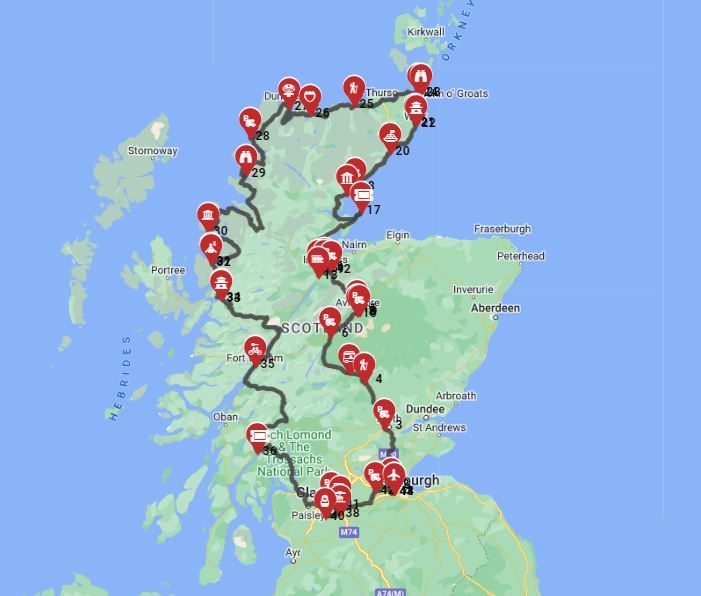
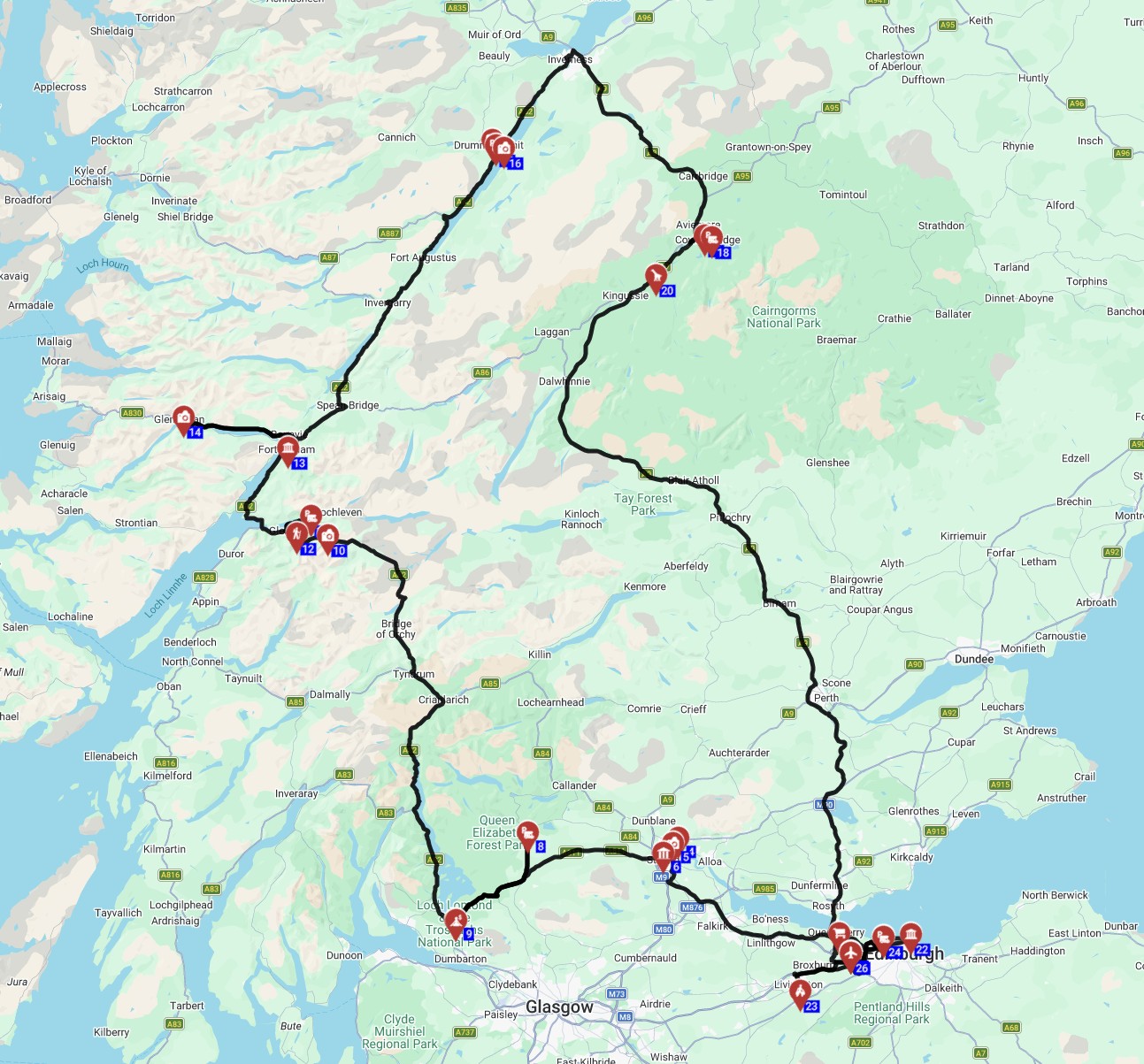
Scotland offers a wealth of diverse RV itinerary suggestions perfectly suited for various trip durations, allowing you to tailor your adventure, whether it's a week-long journey or an extended road trip. For a **7-day trip**, consider a classic Highland Loop: begin in Edinburgh, travel to Loch Lomond & The Trossachs National Park, then through the dramatic Glencoe valley to Fort William, explore along Loch Ness, continue through Cairngorms National Park, and return to Edinburgh. This route allows for realistic daily driving times of 2-4 hours, maximizing exploration time. A **10-day itinerary** could expand to include the magical Isle of Skye: starting from Glasgow, head to Oban (with an optional ferry to Mull), then to Glencoe, over to Skye, past Loch Ness, through the Cairngorms, and finishing in historic St Andrews before heading to Edinburgh. This incorporates stunning coastal drives and necessary ferry crossings. For a comprehensive **2-week adventure**, the full North Coast 500 (NC500) starting and ending in Inverness is highly recommended, offering ample time to explore stunning coastal scenery, charming villages, and remote beaches, with numerous campsite options along the route. Regardless of duration, always incorporate stops at local distilleries, historic castles, and scenic viewpoints, ensuring you allow for leisurely travel at a maximum of 100-150 km per day on average to truly feel the place, connect to the culture, the food, and the scenery. RV PLANET (rvplan.net) offers more pre-planned routes and tools to customize your perfect Scottish journey.
What RV Size is Best for Scottish Roads?
The optimal RV size for Scottish roads largely depends on the specific regions and routes you intend to explore, with smaller rental vehicles generally offering greater versatility and less driving stress. For particularly challenging and narrow routes, such as sections of the North Coast 500 (NC500) or very rural Highland roads, a compact campervan (Class B, averaging 5.8m in length, like the "Active Pop Top") or a smaller semi-integrated motorhome (Class SI, averaging 6.9m in length) is ideal. These smaller RVs provide significantly easier maneuverability on single-track roads, simplify parking in remote spots and quaint villages, and reduce stress when encountering oncoming traffic. For routes that primarily stick to well-maintained A-roads and larger towns, or for travelers prioritizing interior comfort and space, a larger Class C (Alcove) or even a Class A (Integrated) RV (averaging 7.5m in length, such as the "Euro Deluxe" or "MHC24") is perfectly manageable. Ultimately, consider your comfort-to-maneuverability trade-off; while a larger rented RV offers more amenities, a smaller one will enhance your enjoyment and reduce driving challenges on Scotland's most iconic and sometimes demanding roads. No need to stress-just use common sense and pay attention.
How to Manage Practicalities Like Water, Dump, and Internet on an RV Trip in Scotland?
Successfully managing practicalities like finding fresh water, waste dump stations, LPG refills, and reliable internet connectivity is crucial for a smooth and enjoyable RV trip in Scotland, and it primarily requires a bit of advance planning. Campsites are the most reliable and convenient source for fresh water refills and emptying both grey water and black water tanks; it is highly advisable to utilize these facilities whenever you are staying overnight. LPG (Liquefied Petroleum Gas) refills, essential for cooking and heating in most RVs, are available at larger garages, dedicated LPG stations, and some campsites, but planning ahead is essential as they can be less common in very remote Highland areas. Internet connectivity is generally good in most towns and along major routes via 4G/5G mobile networks, but expect coverage to be patchy or non-existent in remote Highland glens and certain islands. For emergencies, always ensure you have a charged mobile phone; the universal emergency number in the UK is 999, and having comprehensive travel insurance that covers roadside assistance for your rented RV is highly recommended. RV PLANET (rvplan.net) can help you locate many of these essential services along your planned RV PLANET routes.
What Unique Cultural Experiences Can You Find on an RV Trip in Scotland?
An RV trip in Scotland offers unparalleled opportunities to discover unique cultural experiences, allowing you to delve deeper than a typical tour group. Beyond well-known attractions like Edinburgh Castle or Loch Ness, seek out authentic local ceilidhs (traditional Scottish social gatherings with vibrant music and lively dance) in small villages, visit smaller, artisanal whisky distilleries for intimate tours and tastings, or attend local Highland Games for a true immersion in Scottish heritage. Explore bustling local food markets and independent farm shops to sample authentic Scottish produce, from fresh seafood and award-winning artisan cheeses to traditional pastries like bannocks and shortbread. Venture to lesser-known historical sites such as ancient Pictish stones, remote Broch towers, or abandoned crofting villages to gain a profound understanding of Scotland's rich and often dramatic past. Crucially, engage with local communities in small villages; their legendary hospitality and invaluable insights can provide unique perspectives on Scottish life and culture that enrich your journey far beyond the guidebooks. This slow travel approach, averaging no more than 100-150 km per day, allows for these serendipitous and deeply rewarding cultural connections.
How to Practice Responsible RV Travel in Scotland?
Practicing responsible RV travel in Scotland is paramount to preserving its stunning natural landscapes and respecting its local communities, and it encompasses adherence to 'Leave No Trace' principles and consistently considerate behavior. Always dispose of all waste responsibly by using designated bins at campsites or recycling centers, or by taking it with you until proper facilities are available, ensuring absolutely no litter is left behind, especially in rural and wild areas. Consistently utilize official campsites or designated overnight parking areas for your overnight stays, as these provide essential services like water refills and waste disposal, preventing environmental damage and supporting local infrastructure. Drive courteously, particularly on single-track roads, by using passing places appropriately and being continuously mindful of other road users, cyclists, and pedestrians. Respect Scotland's abundant wildlife by observing from a distance and never disturbing habitats, and make a positive contribution by supporting local businesses and conservation efforts. Our commitment to full transparency extends to responsible travel, ensuring your adventure is both memorable and sustainable. You can upgrade to a top-level deductible for extra peace of mind, allowing you to focus on the journey itself.
Top Cities for RV Rental in Scotland
Scotland offers several excellent starting points for your RV adventure, with major airports and well-established rental hubs providing convenient access to your rented motorhome or campervan. Edinburgh and Glasgow are the two primary gateways, both featuring international airports (Edinburgh - Airport, Glasgow - Airport) with a wide selection of RV rental options. From these vibrant cities, you can easily head north towards the Highlands or west to the coast. Inverness, often considered the capital of the Highlands, is another fantastic starting point, particularly if you're eager to embark directly on routes like the North Coast 500. Dundee - Airport and Aberdeen - Airport also offer convenient pickup locations, ideal for exploring the east coast and Royal Deeside. Lastly, Prestwick - Airport offers another option in the southwest, giving access to the scenic Ayrshire coast. No matter where you choose to begin, compare motorhome prices for Scotland across various pickup locations to find the best deal for your itinerary.
What You Shouldn't Miss
- Drive the North Coast 500: This iconic 830 km (516-mile) route is Scotland's answer to Route 66, offering breathtaking coastal scenery, ancient castles, and charming fishing villages. While challenging in parts due to single-track roads, it's an unforgettable week-long adventure for a nimble campervan.
- Explore the Isle of Skye: With dramatic landscapes like the Old Man of Storr, the Quiraing, and the Fairy Pools, Skye is a must-see. Book your ferry and campsites in advance, especially during peak season, as it's a popular destination for rented RVs.
- Visit Historic Castles: Immerse yourself in Scotland's past by visiting iconic castles. Eilean Donan Castle, perched dramatically on a loch, and Stirling Castle, a symbol of Scottish independence, are particularly RV-friendly with ample parking nearby.
- Experience Loch Ness: Drive along the shores of the legendary Loch Ness, keeping an eye out for Nessie. Stop at Urquhart Castle for stunning views and delve into the mystery at the Loch Ness Centre.
- Taste Local Whisky: Scotland is synonymous with whisky. Plan a visit to a distillery on the Whisky Trail (e.g., Speyside region) for a tour and tasting. Many offer RV parking, but designate a driver!
- Hike in Glencoe: Marvel at the awe-inspiring, glacier-carved valley of Glencoe, a paradise for hikers and photographers. Numerous trails, from easy walks to challenging climbs, can be accessed from RV-friendly car parks.
Looking for expert insights from Avi Bandana? Top 5 Adventures - recommendations from Avi Bandana
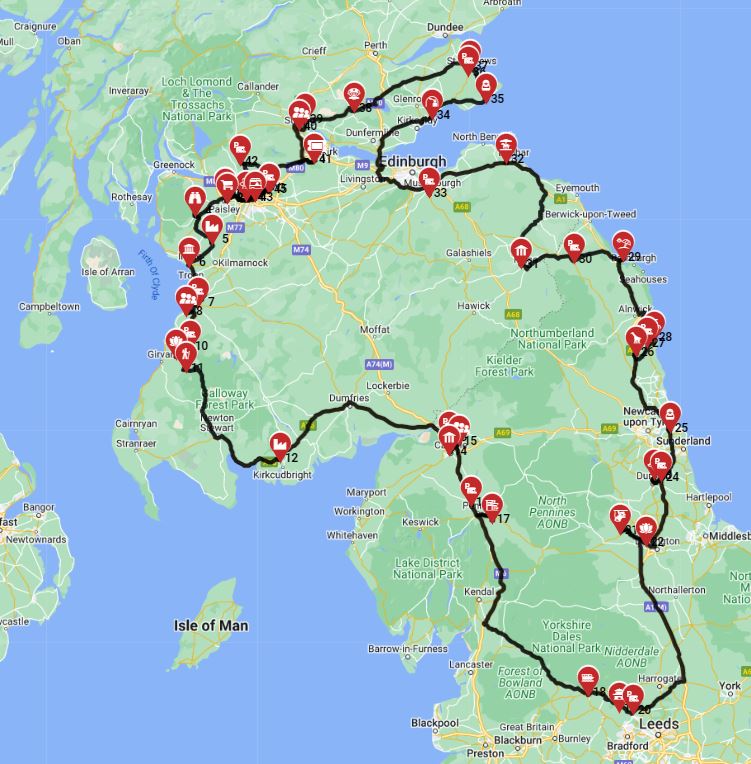
Avi Bandana, our founder, is a seasoned RV traveler who has personally explored the winding roads and hidden gems of Scotland. His top recommendations for RV adventures in Scotland often include: The remote beauty of the Outer Hebrides (requiring ferry bookings for your campervan!), exploring the ancient forests of the Cairngorms National Park, discovering the tranquil lochs and glens of Perthshire, a coastal route along the East Neuk of Fife with its charming fishing villages, and delving into the history of the Scottish Borders. Each offers a unique perspective on Scotland's diverse landscapes and rich heritage, perfectly suited for an extended road trip. These itineraries are designed for slow travel, allowing you to fully absorb the local culture and stunning scenery, averaging a maximum of 100-150 km per day.
Final Thoughts
Embarking on an RV adventure through Scotland promises a journey filled with breathtaking landscapes, rich history, and unforgettable cultural encounters. From the rugged beauty of the Highlands to the serene lochs and charming villages, a rented motorhome or campervan offers the ultimate flexibility and comfort to explore at your own pace. Remember that while the roads can be winding and narrow in places, careful driving and common sense will navigate you through every stunning vista.
Whether you’re planning a week-long trip to explore the Isle of Skye or an extended road trip along the North Coast 500, we're here to support you every step of the way. Our commitment to full transparency, 24/7 pre-booking support, and expert advice means you can book your RV rental with complete confidence, knowing you have true RV specialists behind you.
So, why wait? It's time to stop dreaming and start planning your Scottish RV adventure. Discover top destinations, planning tips, all in one place, and let Bandana Caravan help you find the perfect campervan or motorhome rental in Scotland, ensuring a seamless and joyous journey. Life is now!
Check Scotland RV Rental Prices Now to begin your adventure!