In This Guide
- Can You Drive an RV in Salzburg? License & Age Rules
- Road Conditions & Terrain in Salzburg
- RV Size Limits, Bridges & Restricted Zones
- Fuel: Diesel vs. Petrol & Cost per 100 km
- Tolls, Vignettes & Border Rules
- Driving Tips for airport rv rental Travelers
- Recommended RV Class for Salzburg Roads
- Should I Choose a Compact Van Instead of a Large RV in Salzburg?
- Can I Park Anywhere? Free & Wild Camping Rules in Salzburg
- Can I Drive an RV Into the City Center? Heights, Tunnels & Local Signage
- How much does RV camping cost in Salzburg and what are budget tips?
- What are the best times to visit Salzburg in an RV and what about winter camping?
- Where can I park an RV for Salzburg attractions and use public transport?
- Where can I find RV water and dump stations in Salzburg?
- What are local etiquette tips for RVers in Salzburg?
- What are recommended RV itineraries combining Salzburg city and scenic drives?
Can You Drive an RV in Salzburg? License & Age Rules
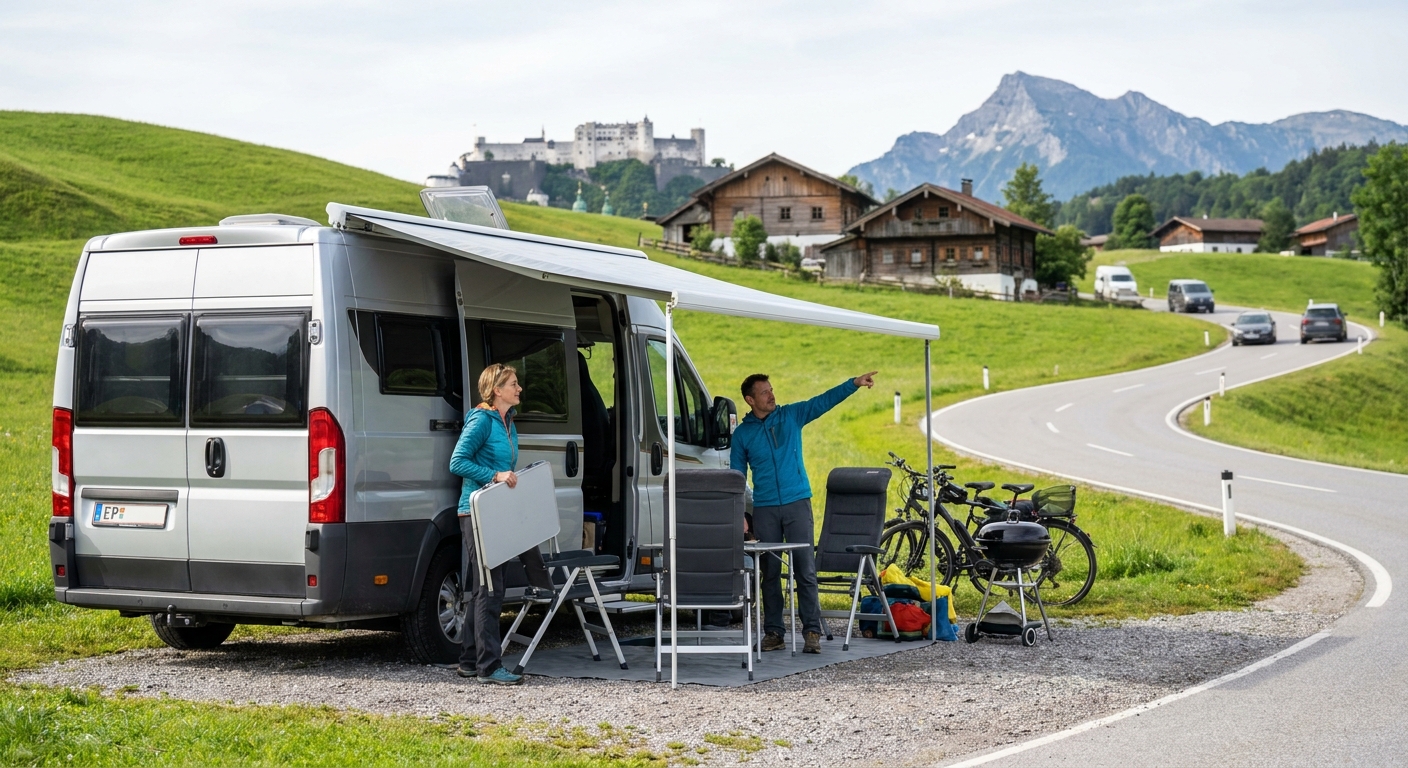
Most standard RVs rented in Salzburg can be driven with a regular B driving license, provided their maximum authorized mass (MAM) does not exceed 3,500 kg. For RVs with a MAM between 3,501 kg and 7,500 kg, a C1 license is required. The minimum driver age for most RV rentals is typically 21, though some suppliers may require drivers to be 25, generally with at least two years of driving experience. For international visitors, a standard national driver's license is usually sufficient, but an International Driving Permit (IDP) is recommended to ensure validity and avoid any potential issues with local authorities in Austria.
Road Conditions & Terrain in Salzburg
Salzburg offers excellent road conditions, predominantly featuring well-maintained paved roads that are highly suitable for RV travel. The terrain, however, varies significantly, encompassing the flat urban streets of Salzburg city, the rolling hills characteristic of the Salzkammergut lake district, and the more challenging mountainous regions extending towards the Alps. Travelers should anticipate winding roads and potentially steep inclines, especially when venturing into mountainous areas, which require careful and attentive driving. While main roads and highways are generally in good condition, be prepared for narrower or less perfectly surfaced routes when exploring smaller villages or seeking out more remote attractions.
RV Size Limits, Bridges & Restricted Zones
While Salzburg city center has specific height restrictions, environmental zones, and occasional narrow passages, most standard RVs can navigate the surrounding areas and access many attractions with careful planning and adherence to local signage. General height limits on Austrian roads are typically set at 4 meters, but it is crucial to always watch for lower clearances found in tunnels, underpasses, and historic city areas, which may present challenges for taller vehicles. Salzburg's Altstadt (Old Town) is characterized by its narrow streets and pedestrian-priority zones, often resulting in limited or no access for larger vehicles, including most RVs. Austria does not currently enforce general low emission zones (Umweltzonen) for private RVs, but it's always advisable to verify local regulations, as these can change or apply to specific vehicle types.
Fuel: Diesel vs. Petrol & Cost per 100 km
The majority of RVs available through Bandana's fleet are diesel-powered, a fuel type that is widely available across Salzburg and throughout Austria. Fuel consumption typically ranges from 8-12 Liters per 100 km, depending heavily on the RV class and driving conditions. Specifically, Bandana's Class B Camper Vans generally consume between 8-10 Liters/100 km, offering excellent fuel efficiency for their size. Semi-integrated RVs (Class SI) average around 10-11 Liters/100 km, while larger Class C Alcove and Class A Integrated RVs generally use between 10-12 Liters/100 km. When budgeting for your trip in 2026, factor in current diesel prices, which typically fluctuate between €1.70-€2.00 per liter. Some rental providers may offer fuel discount cards or programs, which can help mitigate these costs during your journey. On the routes offered through RV PLANET routes, you can itemize and track every expense along the way for easy budgeting.
Tolls, Vignettes & Border Rules
Austria requires a digital vignette for vehicles up to 3.5 tons (including many camper vans and smaller semi-integrated RVs) to use its motorways and expressways. RVs exceeding 3.5 tons, such as most Class C, A, and larger SI RVs, must utilize the GO-Box electronic toll system, which is mandatory for all motorways and expressways. Additionally, special toll charges apply to specific panoramic roads and tunnels, notably the Tauern Autobahn and the Grossglockner High Alpine Road. When planning to travel to neighboring countries like Germany or Italy, ensure you understand and comply with their specific toll requirements, such as vignettes for Slovenia and Switzerland, or standard toll payments for Italy. Some RV rental companies may offer the option to pre-purchase toll passes or provide GO-Box devices, which can help you avoid fines and streamline your travel through Austria.
Driving Tips for airport rv rental Travelers
When navigating Austrian roads in a rented RV, always be acutely aware of your vehicle's exact dimensions, including height, length, and width, to prevent potential issues with low bridges, tunnels, or narrow streets. Practice defensive driving techniques and maintain a safe following distance, especially on winding mountain roads and in varying weather conditions. Utilize lower gears when descending steep mountain passes to effectively control your speed and prevent brake overheating. Familiarize yourself with Austrian road signs, paying particular attention to those indicating speed limits, parking restrictions, and prohibited access zones. Remember to plan for regular breaks, especially if traveling with family, to ensure driver alertness and passenger comfort throughout your longer journeys.
Recommended RV Class for Salzburg Roads
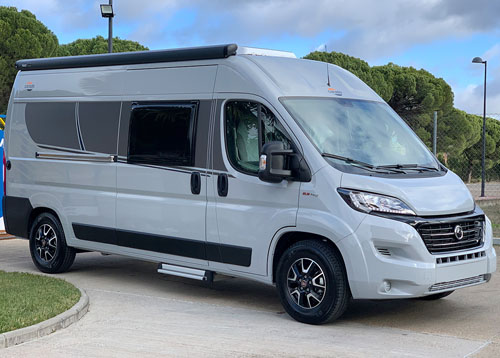
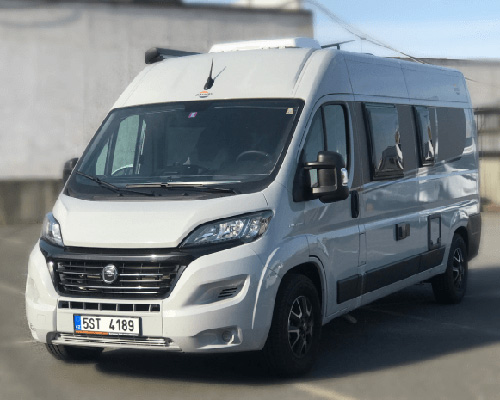
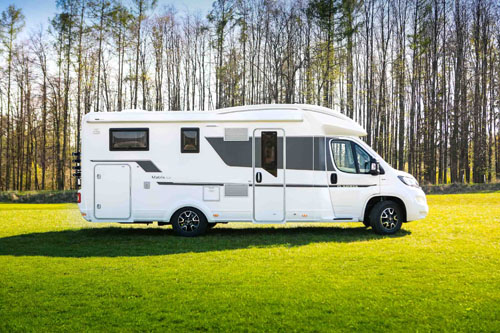
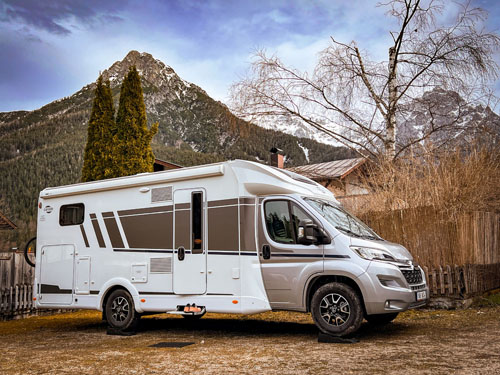
For exploring the beautiful regions around Salzburg, Class B Camper Vans and Class SI Semi-integrated RVs are highly recommended due to their excellent balance of maneuverability and onboard comfort. Class B Camper Vans, typically around 5.8 meters in length, are particularly well-suited for navigating tighter city streets, finding easier parking, and handling winding mountain roads with confidence. Class SI Semi-integrated RVs, generally about 6.9 meters long, offer more interior living space and amenities than camper vans, while still remaining manageable on most Austrian roads. Larger RVs, such as Class C Alcove models (averaging 7.5 meters) or Class A Integrated RVs (also around 7.5 meters), provide ample comfort and space for families but require more meticulous planning for city access and parking.
Should I Choose a Compact Van Instead of a Large RV in Salzburg?
While a compact camper van offers superior maneuverability, making it ideal for navigating tight historic city centers and narrow mountain passes, larger RVs generally provide more comfort and living space that often outweighs minor navigation challenges in Salzburg's broader region. Compact camper vans, like Bandana's Class B models, are excellent for easier parking and managing very narrow streets in historic districts. However, larger RVs, such as Bandana's Class C or A models, offer significantly more interior space, dedicated sleeping areas, and full amenities like larger kitchens and bathrooms, which can greatly enhance your travel experience. For city exploration, a common and practical approach is to park your larger RV at a designated spot on the city's outskirts and then utilize Salzburg's efficient public transport system to explore the central areas.
Can I Park Anywhere? Free & Wild Camping Rules in Salzburg
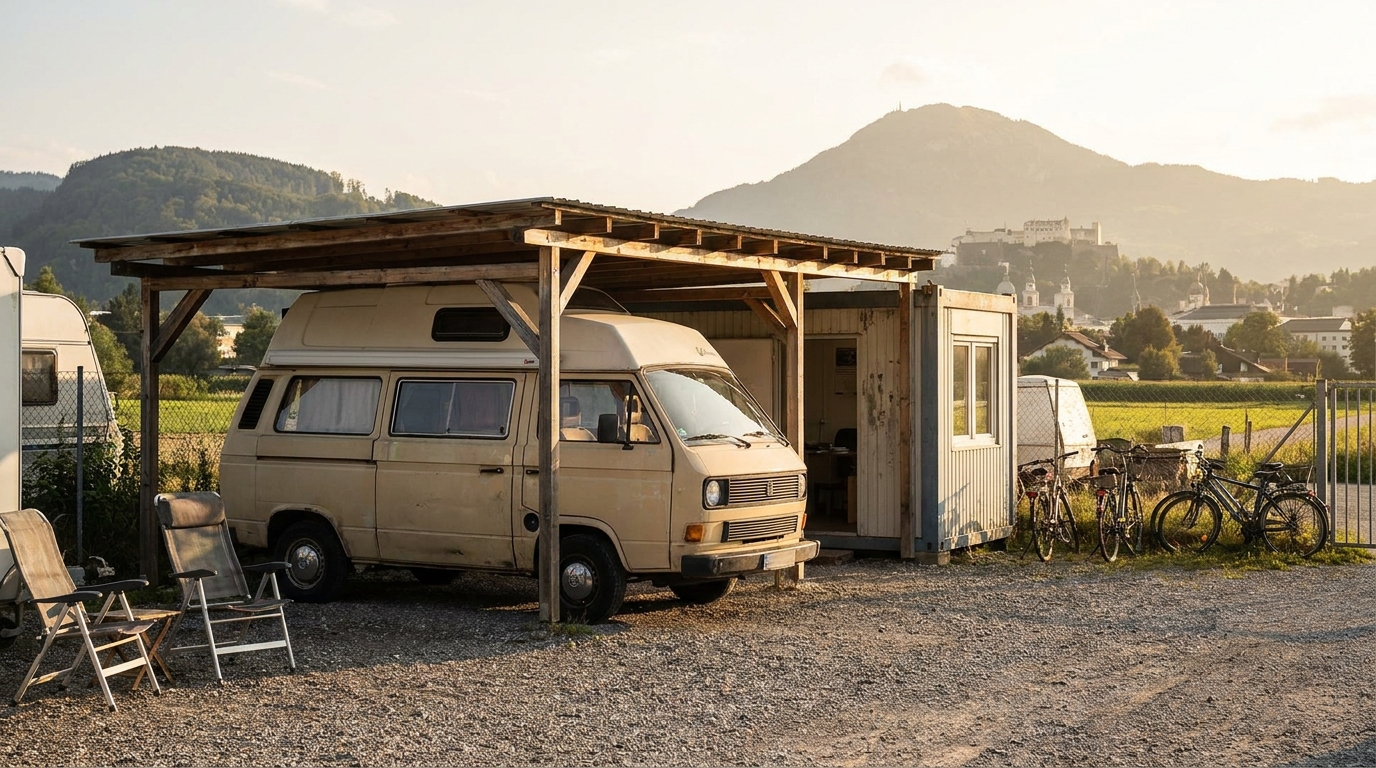
Wild camping and free overnight parking outside of designated campgrounds are generally prohibited in Salzburg and throughout Austria, with enforcement varying by region. However, overnight parking for a single night purely for 'rest' may be tolerated in some public parking areas, provided no camping activities, such as setting out awnings, chairs, or cooking outside, are undertaken. It is always essential to prioritize official campgrounds or designated Stellplätze (motorhome parking areas) for safe and legal overnight stays. Be aware that fines for illegal wild camping can be substantial, and respecting private property and local environmental regulations is paramount. Always check local regulations and law before attempting to park overnight outside of designated areas. For ideas you can prep on the road, watch our RV-friendly recipes playlist on YouTube.
Can I Drive an RV Into the City Center? Heights, Tunnels & Local Signage
Yes, it is generally possible to drive an RV into Salzburg's city center, but it requires careful attention to local signage, including height restrictions, environmental zones, and roads with resident-only access. Salzburg's historic Altstadt features many narrow streets and pedestrian zones with restricted vehicle access, which can make direct RV navigation challenging. Be particularly vigilant for specific height limits on tunnels, such as the Mönchsberg Tunnel, and underpasses when approaching or driving within the city. Always observe local signage meticulously for parking restrictions, weight limits, and any environmental zone requirements that might apply. The most practical approach for exploring the historic center is often to park your RV at designated parking areas on the city outskirts and then utilize Salzburg's efficient public transport system.
How much does RV camping cost in Salzburg and what are budget tips?
Typical campground fees in Salzburg and its surrounding areas range from €25 to €50 per night for a pitch that includes hookups, with prices fluctuating based on the season, location, and available amenities. When planning your budget, it's crucial to factor in fuel costs, as Bandana's RVs typically consume 8-12 Liters/100 km; current 2026 diesel prices should be a significant consideration. Allocate funds for Austrian vignettes or GO-Box tolls, in addition to any special scenic road tolls, like those for the Grossglockner High Alpine Road. To make your exploration more cost-effective, consider purchasing a Salzburg Card, which offers excellent value for accessing attractions, museums, and unlimited public transport within the city. Budget-conscious tips include preparing meals in your RV to save on dining out expenses, choosing campgrounds situated slightly outside the city for lower rates, and traveling during the shoulder seasons to benefit from better deals and fewer crowds.
What are the best times to visit Salzburg in an RV and what about winter camping?
The late spring (May-June) and early autumn (September-October) periods are generally considered the best times to visit Salzburg in an RV, offering pleasant weather, fewer tourist crowds, and vibrant natural scenery. Summer (July-August) is a popular choice but typically experiences higher temperatures, peak tourist numbers, and increased demand for campgrounds, necessitating advance bookings. Winter RVing presents a unique option for ski enthusiasts, with many campgrounds offering winter facilities and providing proximity to popular ski resorts. However, challenges of winter RV travel include colder temperatures, potentially icy road conditions, and the absolute necessity of a winterized RV equipped with appropriate tires and a reliable heating system. The shoulder seasons often provide an ideal balance of mild weather, manageable crowds, and reduced costs, making them perfect for exploring the Salzkammergut lakes and mountains without the summer rush.
Where can I park an RV for Salzburg attractions and use public transport?
For convenient access to central Salzburg attractions, it's highly recommended to park your RV at designated lots on the city's outskirts and then utilize Salzburg's efficient public transport system. Popular RV-friendly parking options often include park-and-ride (P+R) facilities or larger car parks situated near major entry points to the city. Many campgrounds located around Salzburg, such as Camping Nord or Camping Panorama, are conveniently connected to the city center via regular bus routes, offering a practical base for exploration. Always take a moment to check local signage for RV-specific parking zones, as many city center car parks have height, length, or time restrictions that could affect larger vehicles. By utilizing public transport, you can ensure a stress-free experience while exploring Salzburg's historic Altstadt and its charming pedestrian zones, which are often less accessible by RV.
Where can I find RV water and dump stations in Salzburg?
Most full-service campgrounds in and around Salzburg offer comprehensive facilities for both fresh water fill-ups and grey/black water dumping, ensuring essential amenities are readily available. To locate these crucial points, look for signs indicating 'Ver- und Entsorgungsstation' or 'Servicestation' at larger petrol stations, some supermarkets, or dedicated Stellplätze (motorhome parking areas). Mobile applications such as Campercontact or Park4Night are invaluable resources for pinpointing these essential RV service points across Austria. Additionally, some municipal service points or local tourist information centers may be able to provide guidance on nearby water and waste disposal facilities. It's vital to ensure proper waste disposal at designated stations to help protect Salzburg's beautiful natural environment and to comply with local regulations.
What are local etiquette tips for RVers in Salzburg?
When traveling by RV in Salzburg, it's important to respect local customs and regulations. Always be mindful of noise levels, especially at campgrounds and in residential areas, adhering to quiet hours which are typically observed between 10:00 PM and 7:00 AM. When you leave your campsite or parking spot, ensure it is left tidy, taking all your waste with you and leaving no trace of your presence. When parking, be considerate and avoid obstructing public access, scenic views, or private property, always respecting marked parking boundaries. A simple Austrian greeting, such as 'Grüß Gott' (a common greeting) or 'Servus' (an informal hello/goodbye), can go a long way in fostering positive interactions with locals. Familiarize yourself with and strictly adhere to Austrian traffic laws and environmental regulations to ensure a harmonious and respectful visit.
What are recommended RV itineraries combining Salzburg city and scenic drives?
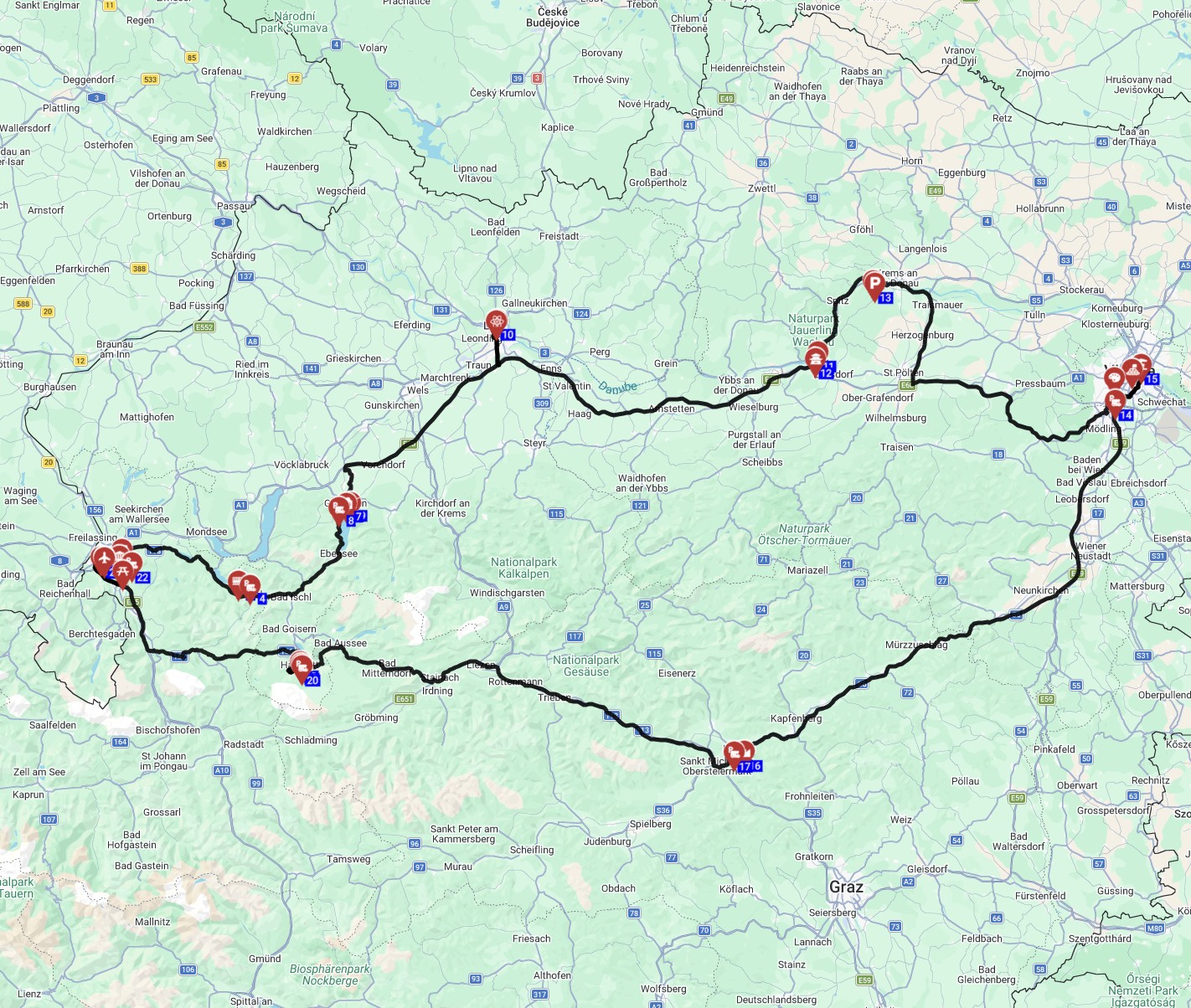
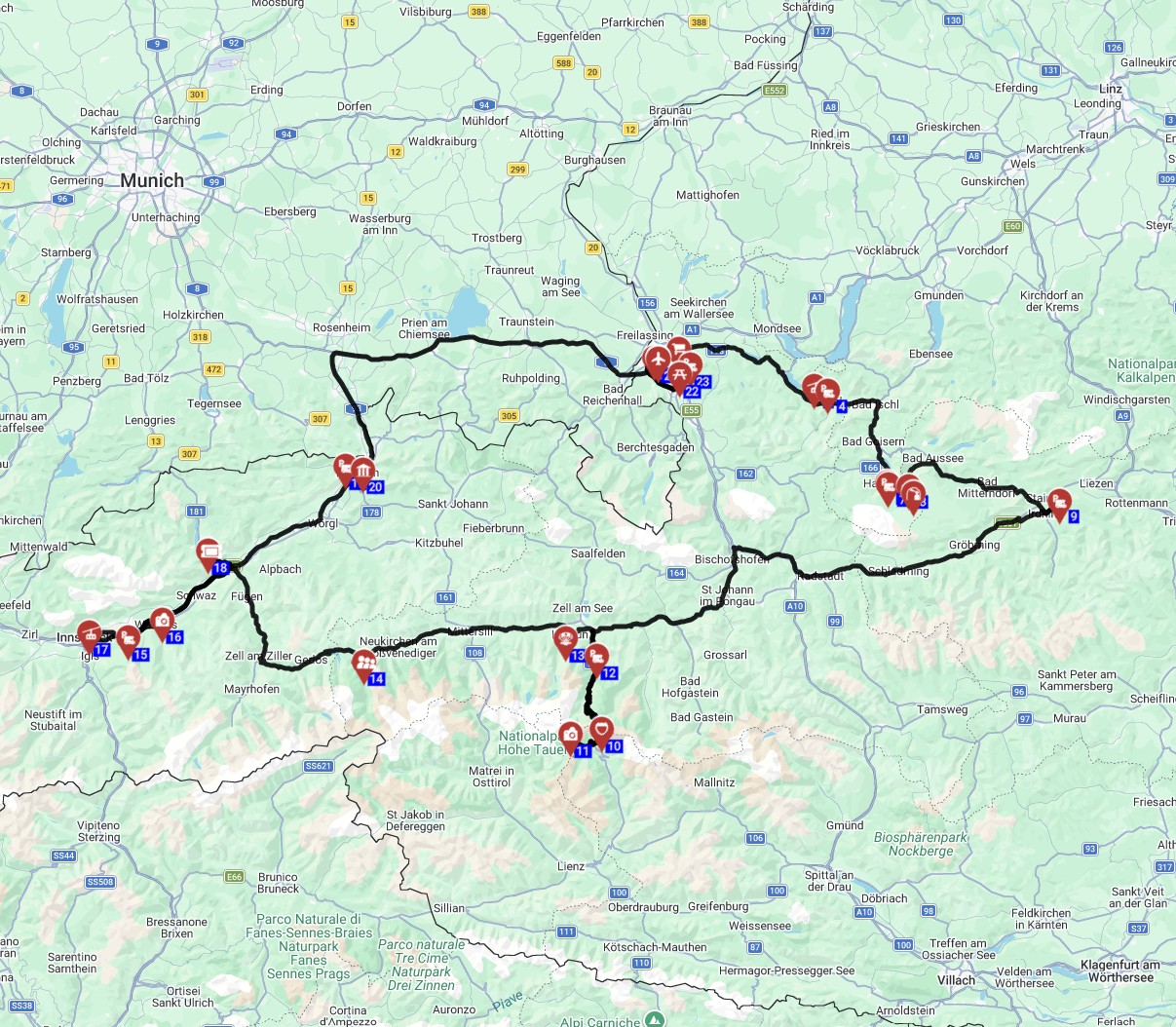
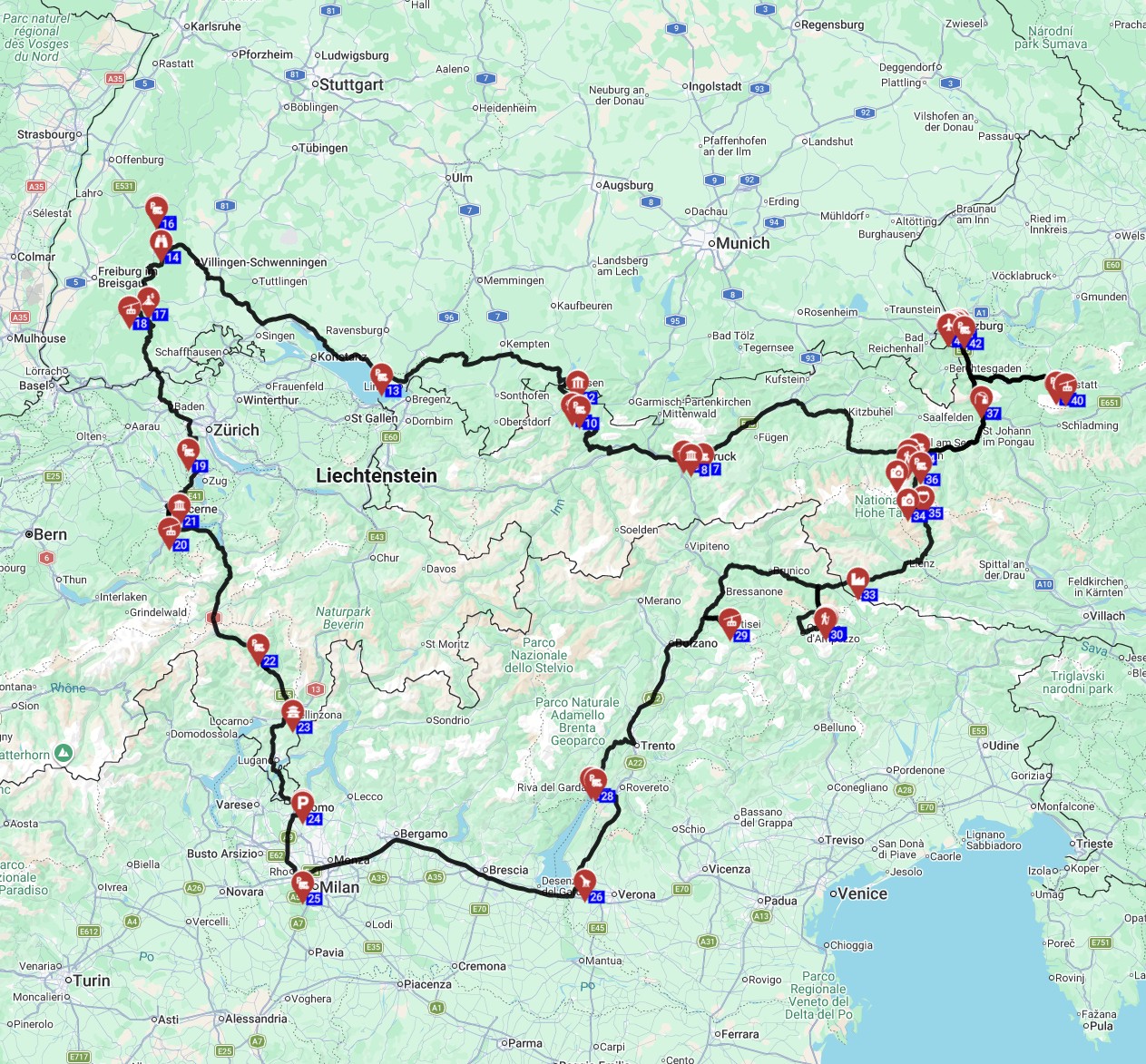
For a memorable 7-day itinerary, consider starting with two days dedicated to exploring Salzburg city, leveraging parking on the outskirts and utilizing public transport for convenient city access. Following your city exploration, dedicate three days to a scenic drive through the stunning Salzkammergut Lake District, making sure to visit iconic spots like Hallstatt, St. Wolfgang, and Fuschl am See. For a taste of alpine grandeur, spend two days exploring the Berchtesgaden National Park area, just across the German border, which features the picturesque Königssee lake and impressive mountain vistas. An absolute must-do is incorporating a breathtaking drive along the Grossglockner High Alpine Road for unparalleled alpine panoramas, keeping in mind its seasonal access and separate toll. Remember to plan stops at charming local villages, enjoy authentic meals at traditional Gasthäuser, and immerse yourself in outdoor activities like hiking, biking, or boating to fully experience the region's natural beauty.
What You Shouldn't Miss
- Explore the historic Getreidegasse, Salzburg's most famous shopping street, with its charming medieval architecture and famous Mozart birthplace.
- Take a cable car up the Mönchsberg or Kapuzinerberg mountains for stunning panoramic views of Salzburg and the surrounding Alps.
- Visit the magnificent Hohensalzburg Fortress, a medieval castle perched atop a hill, offering incredible insights into Salzburg's history and breathtaking city views.
- Drive the scenic Salzkammergut Lake District, stopping at picturesque villages like Hallstatt and exploring the crystal-clear waters of lakes such as Wolfgangsee and Mondsee.
- Experience the magic of the Grossglockner High Alpine Road (seasonal), Austria's highest paved mountain road, offering unparalleled alpine scenery and RV-friendly viewpoints.
- Discover the "Sound of Music" filming locations, easily accessible with your RV, allowing for a personalized tour of iconic sites like Mirabell Gardens and Leopoldskron Palace.
Final Thoughts
Embarking on an RV adventure from Salzburg airport offers a unique blend of cultural immersion and breathtaking natural beauty. By understanding the local driving regulations, road conditions, and logistical considerations, you can ensure a smooth and enjoyable journey. Whether you opt for a nimble camper van to navigate charming villages or a more spacious motorhome for family comfort, the flexibility of RV travel allows you to discover Austria at your own pace.
We encourage you to explore the meticulously crafted itineraries available through RV PLANET (rvplan.net) for inspiration and detailed route planning, leveraging our expertise to make your trip planning seamless and rewarding. Remember, with Bandana Caravan, you get transparent pricing and dedicated support, so you can focus on the incredible experiences that await.
Find Motorhome Rentals in Salzburg