In This Guide
- Can You Drive an RV in Pisa? License & Age Rules
- Road Conditions & Terrain in Pisa
- RV Size Limits, Bridges & Restricted Zones
- Fuel: Diesel vs. Petrol & Cost per 100 km
- Tolls, Vignettes & Border Rules
- Driving Tips for rv rental Travelers
- Recommended RV Class for Pisa Roads
- Should I Choose a Compact Van Instead of a Large RV in Pisa?
- Can I Park Anywhere? Free & Wild Camping Rules in Pisa
- Can I Drive an RV Into the City Center? Heights, Tunnels & Local Signage
- What is the 3 3 3 rule for RV driving?
- Is driving in Pisa difficult?
- What are the motorhome rules in Italy?
- Do you need a special license to drive an RV in Texas?
Can You Drive an RV in Pisa? License & Age Rules
To drive an RV in Pisa, Italy, most drivers from the EU or holding an International Driving Permit (IDP) alongside their national license can operate vehicles up to 3,500 kg (B license category equivalent in Europe), which typically accommodates common rental RVs. A standard Category B license is generally sufficient for RVs up to 3,500 kg (7,716 lbs) maximum laden weight. However, for RVs exceeding 3,500 kg, an upgrade to a 'C1' or 'C' license category is required under Italian/EU law. US Class C license holders usually find their license suffices for RVs under 3,500 kg, but an International Driving Permit (IDP) is legally mandatory for driving in Italy and must be carried with your national license. The minimum driver age for RV rentals in Italy is typically 21 or 25, varying by rental company and specific insurance policies.
Road Conditions & Terrain in Pisa
Pisa, located in the flat Arno river plain, generally offers good road conditions and mostly flat terrain, making it accessible for RVs, though urban centers feature narrow, winding streets and ZTLs. Main roads and motorways ('autostrade') in and around Pisa are well-maintained, providing a smooth driving experience. The immediate area of Pisa is predominantly flat, while journeys further into Tuscany may involve gentle rolling hills, but severe mountainous terrain is not typical. Within Pisa's historic center, streets are narrow and often restricted, requiring careful navigation or, more practically, parking outside these zones. Embrace a slower, more scenic driving pace, particularly when exploring rural Tuscan roads, to fully appreciate the landscape and manage a larger vehicle.
RV Size Limits, Bridges & Restricted Zones
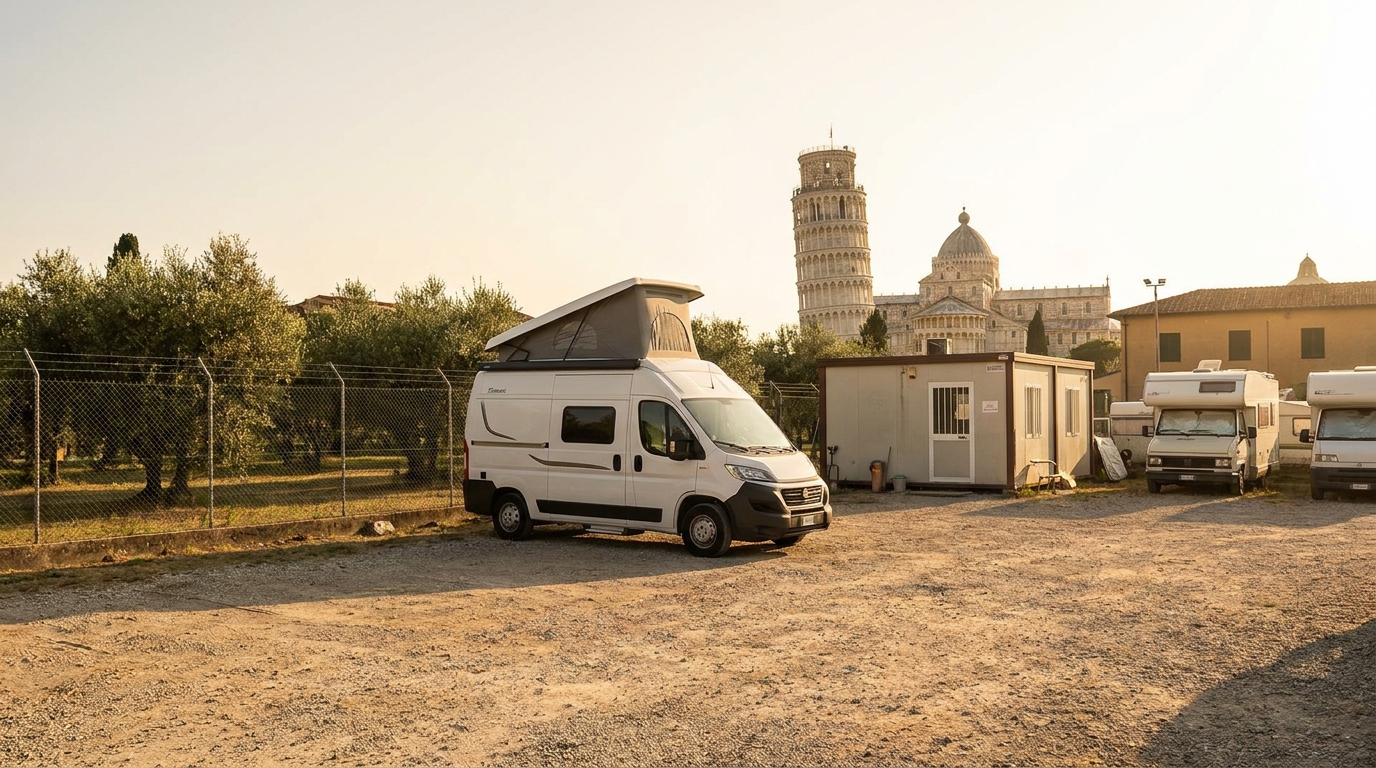
While most standard rental RVs can navigate roads around Pisa, drivers must be highly aware of ZTLs (Limited Traffic Zones), specific height restrictions for tunnels or bridges, and environmental zones, particularly when approaching the city center. ZTLs are prevalent in Pisa's historic center, prohibiting unauthorized vehicle entry, including RVs, and are enforced by cameras with significant fines. Always pay close attention to signage indicating height and weight limits, especially for underpasses, tunnels, and older bridges; while most rental RVs are compliant on main routes, caution is advised. Environmental zones (e.g., 'Area B' or 'Area C' in larger cities) may restrict older or more polluting vehicles, though newer rental RVs are typically compliant. For visiting Pisa, it is advisable to park your RV in designated 'Parcheggio Camper' areas on the outskirts, such as Parcheggio Camper Via di Pratale or Camping Torre Pendente, which often provide public transport links into the city.
Fuel: Diesel vs. Petrol & Cost per 100 km
Most RVs for rent in Pisa, including Bandana's fleet, run on diesel fuel, which is widely available across Italy. Costs can vary, but expect average consumption for a typical RV to be around 10-12 Liters per 100 km. The vast majority of rental RVs (Class SI, Class C, Class B, Class A, Class TC) operate on diesel fuel ('Gasolio' in Italian), which is readily available at service stations nationwide. Based on Bandana's global fleet averages, common fuel consumption includes: Class SI (10-11 Liter/100 km), Class C (10-12 Liter/100 km), Class B (8-10 Liter/100 Km), Class A (8-12 Liter/100 Km), and Class TC (12-17 Liter/100 km). Budget for fuel costs, as prices in Italy are generally higher than in some other European countries, typically ranging between €1.70-€2.00 per liter as of 2026. Inquire with your rental provider about potential fuel discount cards or pre-paid fuel options, as some Bandana RVs may offer these perks. On the routes offered through RV PLANET routes, you can itemize and track every expense along the way for easy budgeting.
Tolls, Vignettes & Border Rules
Driving an RV on Italy's motorways ('autostrade') incurs tolls, which are paid at booths upon exiting or entering sections, unlike the vignette system used in some neighboring countries. Italy primarily uses a distance-based toll system on its major highways, where you collect a ticket upon entry and pay the calculated fee at the exit, either manually or via 'Telepass' automatic lanes. Unlike countries such as Switzerland or Austria, Italy does not utilize a vignette system; however, if your RV itinerary extends to these countries, you will need to purchase their respective vignettes. Within the Schengen Area, border crossings between Italy and neighboring EU countries are generally open without passport checks for EU citizens, though non-EU citizens should carry all necessary travel documents. Some Bandana RVs may offer the option to pre-purchase or rent a Telepass device, allowing for automatic toll payments and faster passage through dedicated lanes, which can help avoid fines for late payment.
Driving Tips for rv rental Travelers
To ensure a smooth RV rental experience in Pisa and Tuscany, travelers should prioritize understanding local traffic rules, planning routes carefully, and embracing a flexible travel pace. **Plan Your Route & ZTLs:** Always pre-plan your daily route, especially when approaching towns, to identify ZTLs and designated RV parking areas *outside* city centers, using navigation apps that highlight these restrictions. **Go Slow & Enjoy the Scenery:** Italian roads, particularly in Tuscany, are often winding and picturesque; embracing a slower pace is not only safer for larger RVs but also allows for a more immersive travel experience. **Budget for Fuel & Tolls:** Keep a close watch on fuel levels and anticipate higher fuel costs in Italy; factor in daily motorway toll expenses if your itinerary involves significant highway travel. **Utilize Public Transport:** For visiting Pisa's historical core, park your RV in a designated area on the outskirts (e.g., near the Leaning Tower) and use local buses or walk to reach attractions like the Leaning Tower. **Embrace the 'Italian Way':** Driving can be more assertive than in some other countries; stay alert, anticipate maneuvers, and be prepared for confident local drivers, using your horn sparingly for warning purposes.
Recommended RV Class for Pisa Roads
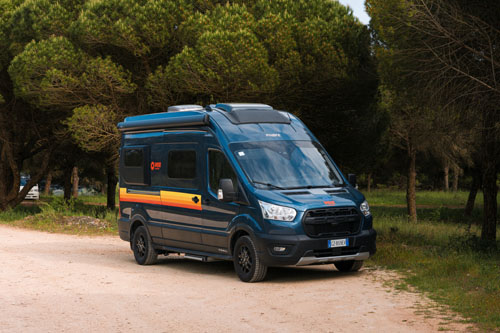
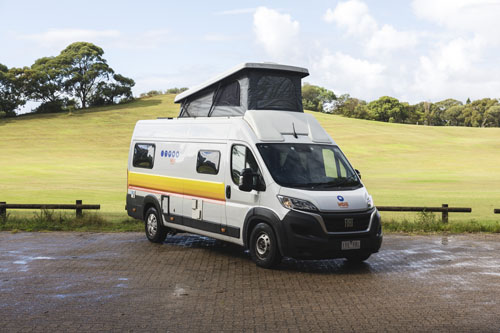
For navigating Pisa's roads and the charming Tuscan countryside, a compact Class B Camper Van or a Class SI Semi-integrated RV is generally recommended due to their balanced maneuverability and living space. **Class B - Camper Van:** With an average length of 5.8m (based on Bandana's global fleet), these are excellent for narrower Italian roads and easier parking, especially if you plan to explore smaller villages. They also offer good fuel efficiency, typically consuming 8-10 Liter/100 Km. **Class SI - Semi-integrated:** Averaging 6.9m in length (Bandana's global fleet), these offer more comfort and interior space (avg 3.8 sleeping places) than a camper van, while still being manageable for most Italian routes, with typical fuel consumption of 10-11 Liter/100 km. While larger RVs like Class C Alcoves (avg 7.5m) or Class A Integrated (avg 7.5m) provide ample space, their increased length and width demand more cautious driving in urban areas and tight turns, potentially adding stress to your trip. For first-time visitors to Italy, a Class B or Class SI RV often provides a less stressful driving experience while still delivering the comfort and freedom of an RV holiday.
Should I Choose a Compact Van Instead of a Large RV in Pisa?
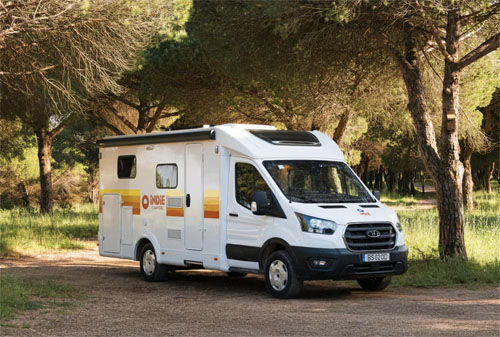
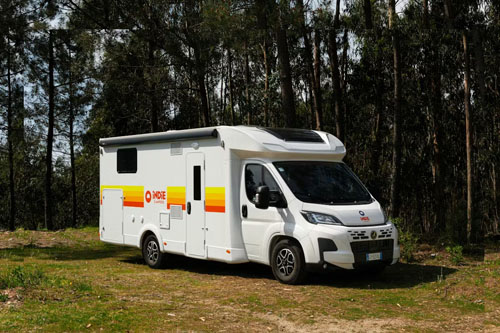
While a compact camper van offers superior maneuverability for extremely narrow Italian streets and easier parking, choosing a larger RV for your Pisa trip often provides significantly more comfort and living space without substantially hindering access to main tourist areas, as strategic parking outside city centers is key regardless of size. **Compact Van Advantages (e.g., Class B):** These vehicles (avg length 5.8m, 8-10 Liter/100 Km fuel consumption for Bandana's fleet) are easier to park, more fuel-efficient, and less intimidating on very tight roads or in small villages. **Large RV Advantages (e.g., Class SI, C, A):** Larger RVs offer significantly more interior space, larger kitchens, separate sleeping areas (Bandana's Class C averages 5.8 sleeping places), and are better equipped for longer trips or families. Class SI averages 6.9m, Class C and A are around 7.5m. For visiting Pisa specifically, its historic center is a ZTL, meaning you will likely park any RV (compact or large) on the outskirts and use public transport or walk, thus minimizing the maneuverability advantage of a compact van within the city's core. Ultimately, the decision balances driving ease against desired comfort and amenities; for many, the added space and facilities of a larger RV like a Semi-17 integrated are a worthwhile trade-off for a comprehensive Tuscan itinerary.
Can I Park Anywhere? Free & Wild Camping Rules in Pisa
No, free and wild camping in an RV is generally prohibited or heavily restricted across Italy, including the Pisa region, with designated campsites and official 'Aree di Sosta' (motorhome service areas) being the primary legal options for overnight stays. Wild camping (parking overnight outside of designated areas, especially on public land, beaches, or city streets) is typically illegal in Italy and can result in significant fines. 'Aree di Sosta' are specific parking areas, often municipal, designed for motorhomes, providing basic services like water and waste disposal, sometimes for a fee, and are a legal option for short overnight stops. Official campsites ('campeggi') offer the most reliable and legal option for RV overnight stays, providing full facilities and often strategic locations near tourist attractions with public transport links. While parking an RV on a regular street might be permitted if it fits within parking lines and does not display 'camping' behaviors (e.g., no awn
Final Thoughts
Driving an RV in Pisa offers a unique way to experience the heart of Tuscany. By understanding the local road rules, planning your routes to avoid ZTLs, and choosing the right RV class for your needs, you can enjoy a smooth and memorable journey. Remember to embrace the slower pace of Italian travel, savor the scenery, and let the adventure unfold.
With Bandana Caravan, you can compare prices and book your ideal RV with confidence, knowing you're backed by our commitment to transparency and support. Start planning your Tuscan adventure today and discover the freedom of the open road!
Find Motorhome Rentals in Pisa