In This Guide
- Introduction to RV Rental for Beginners in Philadelphia
- Can You Drive an RV in Philadelphia? License & Age Rules
- Road Conditions & Terrain in Philadelphia
- RV Size Limits, Bridges & Restricted Zones
- Fuel: Diesel vs. Petrol & Cost per 100 km
- Tolls, Vignettes & Border Rules
- Driving Tips for RV Rental Beginners Travelers
- Recommended RV Class for Philadelphia Roads
- Should I Choose a Compact Van Instead of a Large RV in Philadelphia?
- Can I Park Anywhere? Free & Wild Camping Rules in Philadelphia
- Can I Drive an RV Into the City Center? Heights, Tunnels & Local Signage
- Do you have to get a license for renting an RV in Philadelphia?
- What is the 3-3-3 rule when RVing in Philadelphia?
- What is the new law in Philadelphia for rent?
- Do you need a special license to rent and drive an RV in Philadelphia?
- What is the 4-4-4 rule for RVing in Philadelphia?
- How to obtain a Philadelphia Rental License?
- What license do you need to drive an RV in America from Philadelphia?
- Do you need a license to rent a property in Philadelphia?
- How much is a Rental License in Philly?
- What insurance covers RV rentals in Philadelphia?
- Conclusion: Start Your Philadelphia RV Adventure Confidently
Introduction to RV Rental for Beginners in Philadelphia
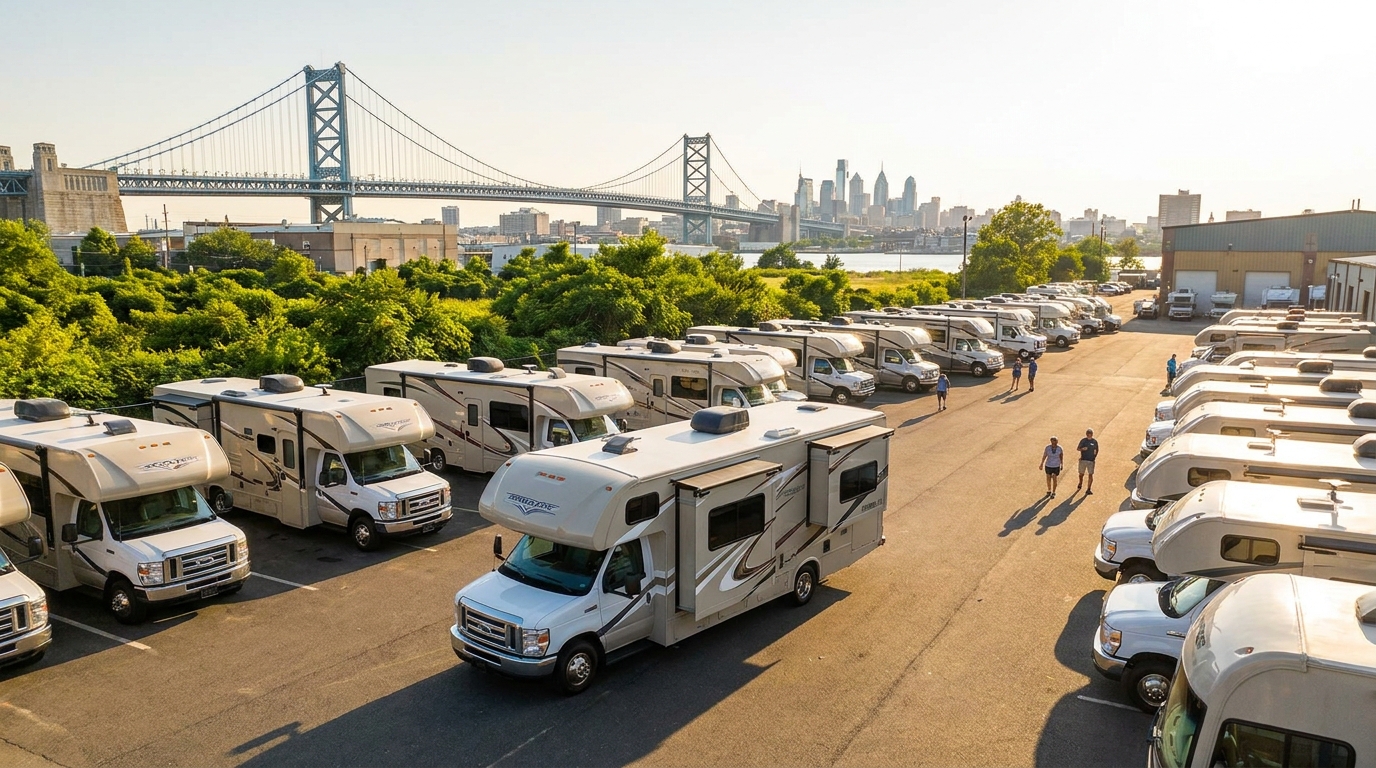
Philadelphia, with its rich history, vibrant culture, and proximity to stunning natural landscapes, offers an exceptional starting point for an RV rental adventure. Embracing an RV journey from Philadelphia means having a mobile headquarters to explore not only the city's iconic landmarks but also the broader Pennsylvania region and beyond. For live availability and current prices, start with our RV Rental Philadelphia - Complete Guide 2026 guide. Choosing a rented motorhome or campervan provides unparalleled flexibility, allowing you to chase historical insights one day and serene wilderness the next, all while enjoying the comforts of home on the road. Imagine waking up with the Liberty Bell just a short drive away, enjoying breakfast in your comfortable rented campervan, and then hitting the road to explore the covered bridges of Chester County. A rented RV transforms your trip into a dynamic, personal journey, far removed from the constraints of traditional hotel bookings and restaurant schedules. We at Bandana RV, with over 20 years of experience helping tens of thousands of travelers explore the world, are true RV specialists, not just a side department of a generic travel agency. We genuinely know RV travel and love helping people discover it. Our goal is to make your first RV rental experience in Philadelphia as smooth and enjoyable as possible, offering full transparency with no hidden fees and real people behind you with 24/7 support during your booking process.Can You Drive an RV in Philadelphia? License & Age Rules
Yes, driving an RV in Philadelphia is perfectly manageable with a standard car driver's license, as no special permits or CDLs are required for any of our motorhome classes (Class A, Class B, or Class C). The minimum age for renting an RV with Bandana's partner suppliers in Philadelphia is typically 21 years old, and there are no young driver surcharges or vehicle class restrictions based on age. Visitors from non-English-speaking countries are recommended to carry an International Driving Permit (IDP) in addition to their valid national license, although it's not strictly mandatory in all cases across the United States. Just ensure your license is valid for the entire rental period.Road Conditions & Terrain in Philadelphia
Philadelphia's road conditions vary, ranging from well-maintained major highways to some older, potentially rougher streets within urban and historic districts. Travelers should expect some traffic congestion, especially during rush hours on routes like I-95 or I-76. The surrounding region of Pennsylvania offers diverse terrain, from the relatively flat highways leading east to New Jersey's Pinelands National Reserve to the rolling hills and scenic byways found west of the city in areas like Valley Forge National Historical Park. Drive slowly and carefully, and you can drive almost anywhere without issues. No need to stress-just use common sense and pay attention to signage, including potential potholes on older urban roads.RV Size Limits, Bridges & Restricted Zones
Philadelphia does not have explicit overarching RV size limits for general travel, but navigating the city requires acute awareness of vehicle dimensions, particularly regarding bridge heights and narrow streets. Many older bridges, especially those associated with SEPTA lines or within historic neighborhoods like Society Hill, can have low clearances, often 3.6-4.2 meters (12-14 feet) or less. Always pay meticulous attention to local signage for height, weight, and length restrictions, as ignoring them can lead to serious incidents. While environmental zones are generally not a concern for RVs in US cities, exercising caution and using common sense, especially in dense areas, will ensure a smooth journey in your rented motorhome. Our customer support team is available before and during your booking to help answer any questions you have about choosing the right vehicle for your needs.🎬 Video coming soon
Fuel: Diesel vs. Petrol & Cost per 100 km
Most commonly available rented motorhomes in Philadelphia and across the U.S., particularly Class C models, run on petrol, though some larger Class A units may use diesel. Bandana's Class C Alcove RVs, for instance, typically consume approximately 23 Liters / 100 Km (equivalent to 7-10 Miles / Gallon) on petrol. Fuel stations are widely accessible throughout the Philadelphia area and along major routes, but larger RVs might find it easier to refuel at truck stops or stations on major interstates like I-95 or the Pennsylvania Turnpike that offer more spacious access. When planning your budget, remember to account for these ancillary costs; on RV PLANET routes, you can itemize and track every expense along the way for easy budgeting.Tolls, Vignettes & Border Rules
Travelers renting an RV in the Philadelphia region will frequently encounter tolls on major highways, expressways, and bridges, most notably on the Pennsylvania Turnpike, I-95, and bridges crossing the Delaware River into New Jersey. The E-ZPass electronic toll collection system is widely used and highly recommended for convenience; many RV rental companies offer transponder rentals or packages that cover these tolls. Cash lanes are becoming increasingly rare. Vignettes or specific border passes are not required for RV travel between states within the contiguous United States, meaning your rented RV can cross state lines freely to explore neighboring New Jersey or Delaware. This transparency in potential fees, like tolls, is part of our commitment to you.Driving Tips for RV Rental Beginners Travelers
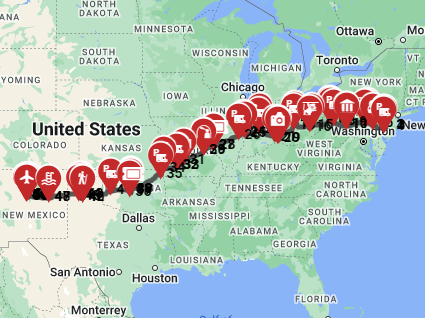
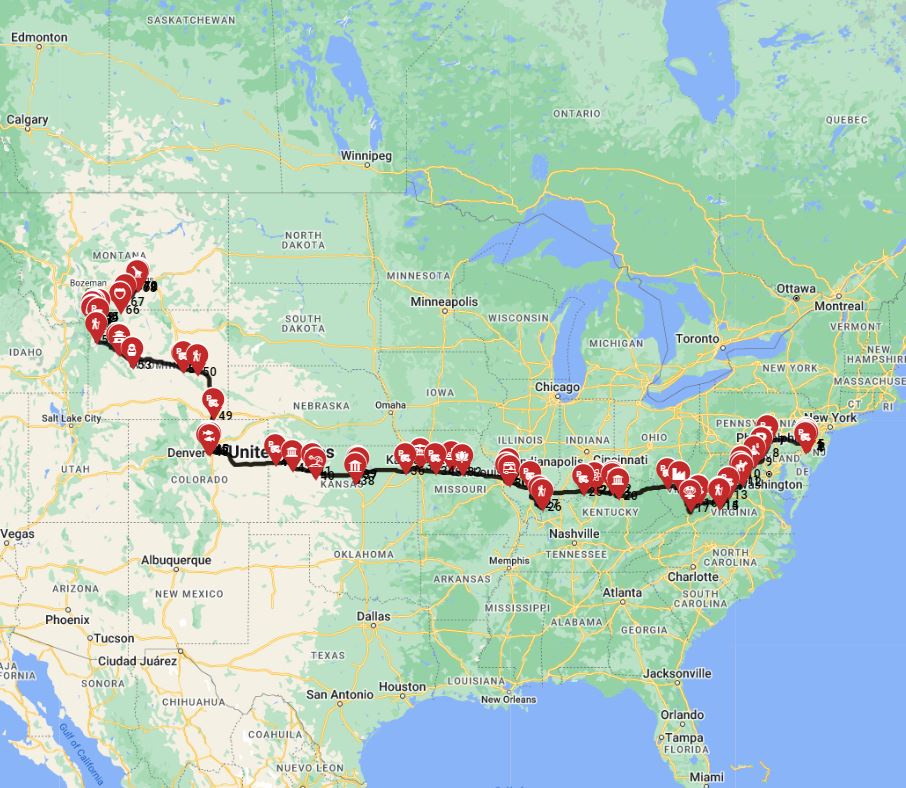
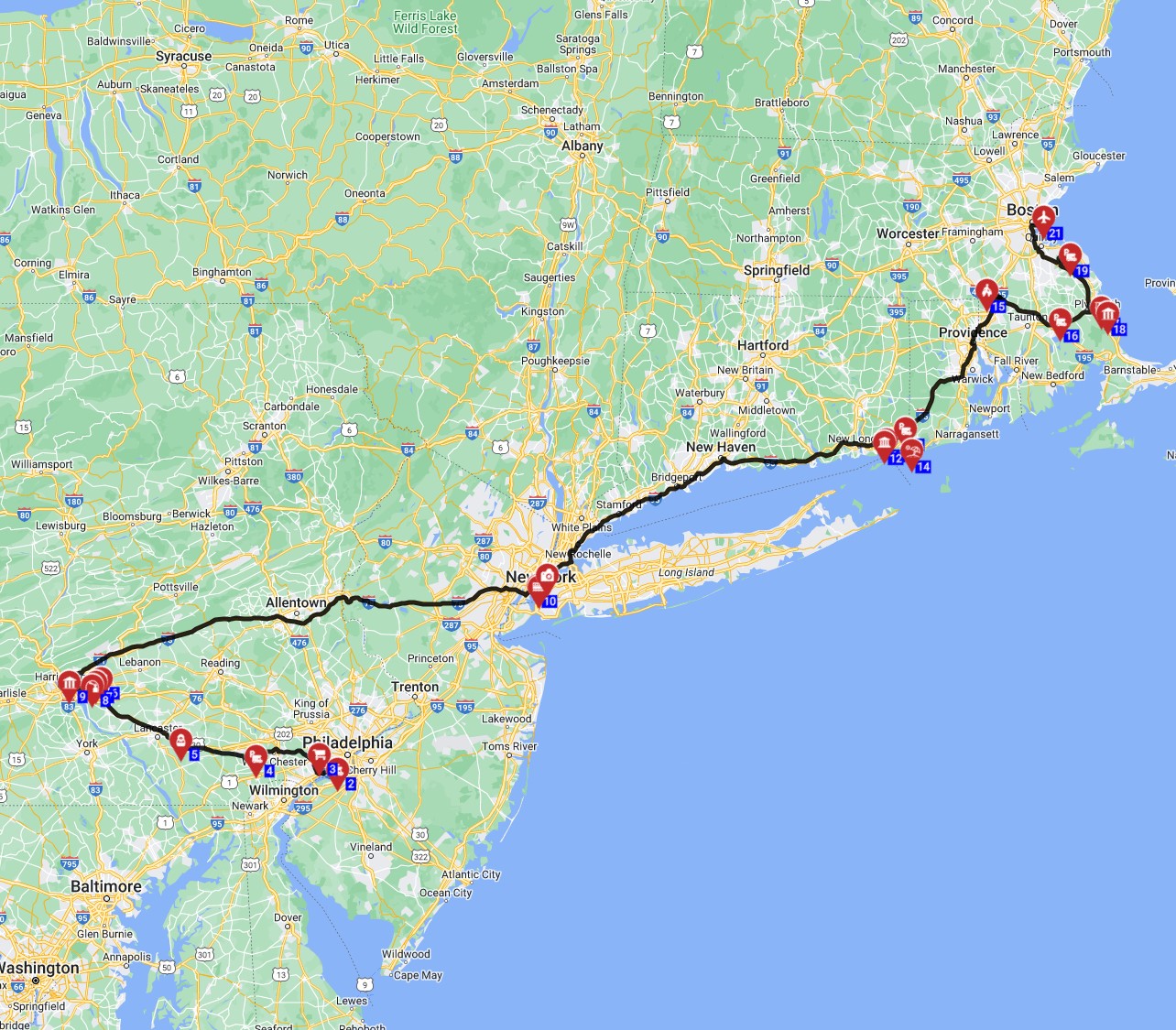
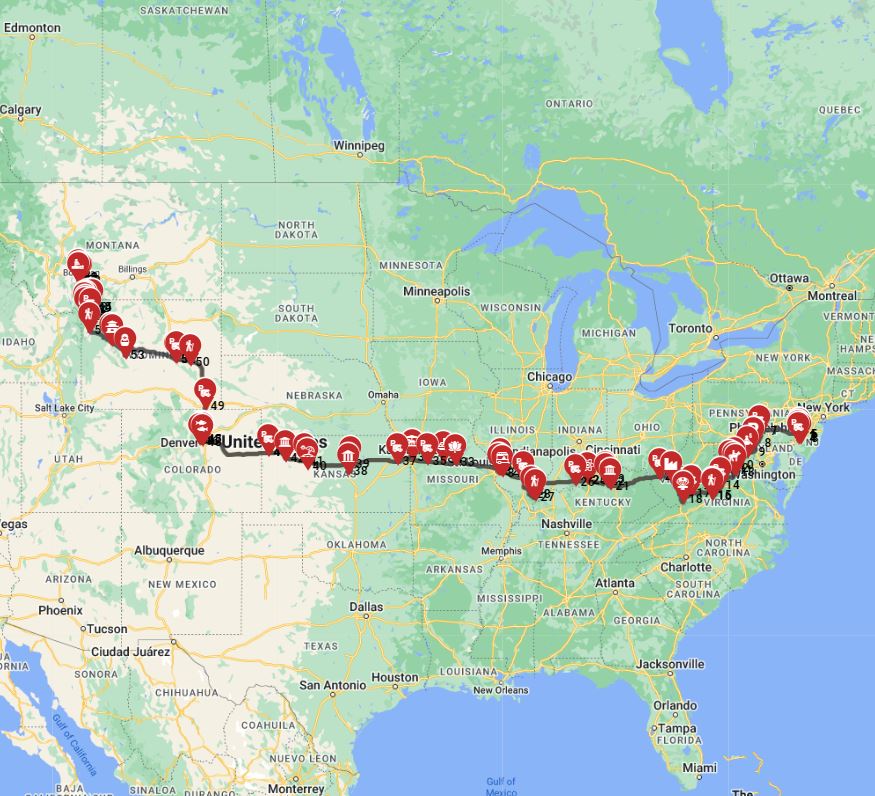
For RV rental beginners embarking on a Philadelphia adventure, meticulous route planning is key to a stress-free trip. Before heading into any congested urban areas, consult a map or GPS specifically designed for RVs to avoid narrow streets, low bridges, and areas with tight turns or limited parking. Always maintain a safe following distance-your rented motorhome will require more time and space to brake than a standard car-and regularly check all mirrors, including extended side mirrors, to manage blind spots effectively. We recommend a leisurely pace, traveling slowly, with a maximum average of 100-150 km per day. Take frequent breaks every 2-3 hours to combat fatigue, especially when traveling with family. Familiarize yourself with emergency contacts for roadside assistance before you depart. Consider a route plan from Chicago to Philadelphia - Freedom Wheels: From Chicago to Philly (15 days, 2305.7999999999997 km), which includes 2 Tourist Attractions and 2 Natural Features.Recommended RV Class for Philadelphia Roads
When choosing a rented RV for Philadelphia, both Class B campervans and Class C motorhomes offer excellent versatility. Bandana's Class TC - Truck Camper models, with an average length of 5.9m (19 feet), provide superior maneuverability and easier parking, making them ideal for couples or small families wanting maximum urban agility. For families of 2+2 to 6 seeking more living space and amenities for longer trips, Bandana's Class C - Alcove motorhomes, averaging 7.7m (25 feet) in length, are a popular choice. For example, a "24' Class C Motorhome" with a length of 7.46 meters offers ample space and features like a large refrigerator and microwave, perfect for preparing meals on the go. The key is to balance interior comfort with confidence in driving-all our motorhomes are designed to be manageable with careful attention, even for first-timers.Should I Choose a Compact Van Instead of a Large RV in Philadelphia?
A compact van or smaller campervan might offer marginally easier maneuverability and parking in Philadelphia's most congested urban areas, but larger RVs provide significantly more living space, amenities, and overall comfort for your trip. For example, a spacious Class C motorhome like the "MHC24" (7.3 meters long, sleeping 6 with a full kitchen) provides far more comfort than a compact van, without being unwieldy for city driving. Most Class C motorhomes are perfectly manageable within Philadelphia with careful driving and strategic route planning, as discussed in our RV Travel Guide to Philadelphia - Tips and Top Spots 2026. The decision ultimately depends on your priority: maximum urban agility (compact van) or enhanced comfort and full facilities (larger RV). Remember, drive slowly and carefully, and almost any RV size can navigate the city.Can I Park Anywhere? Free & Wild Camping Rules in Philadelphia
No, free or 'wild' camping is generally prohibited for RVs within Philadelphia city limits, and it's important to respect local ordinances. Travelers must utilize designated RV parks, private campgrounds, or approved overnight parking facilities to ensure a legal and safe stay. Always check local regulations for specific street parking restrictions, idling laws for larger vehicles, and rules concerning generator use, especially if you're staying at an RV park near residential areas. For example, the Philadelphia / West Chester KOA, just southwest of the city, offers full hookups and amenities for around $50-$80 per night. If you're looking to cook some delicious meals in your RV kitchen, check out our RV-friendly recipes playlist for inspiration. Remember to always call ahead before driving to any potential overnight spot to confirm availability and regulations.Can I Drive an RV Into the City Center? Heights, Tunnels & Local Signage
Yes, driving a rented RV into Philadelphia's city center is generally possible, but it absolutely requires extreme caution and meticulous planning. Pay constant and precise attention to local signage, especially for bridge height limits (which can be as low as 3.6-4.2 meters (12-14 feet) on older infrastructure), weight restrictions, and one-way streets. Navigating areas like Old City or Society Hill will involve heavy traffic congestion and narrower roads. A recommended strategy for RVers is to utilize 'Park & Ride' options by staying at campgrounds just outside the city, such as the Philadelphia / West Chester KOA or other RV parks in nearby Pennsylvania, and then taking public transit (SEPTA trains or buses) into the city core. This allows you to experience the city without the stress of navigating a large vehicle through its densest parts.Do you have to get a license for renting an RV in Philadelphia?
For renting an RV in Philadelphia, a standard driver's license (equivalent to a Class C in the U.S.) is typically sufficient for driving most recreational vehicles, including all Class B campervans and Class C motorhomes. This license category generally covers vehicles with a Gross Vehicle Weight Rating (GVWR) under 26,001 pounds. Ensure your license is valid and unexpired for the duration of your rental.What is the 3-3-3 rule when RVing in Philadelphia?
The 3-3-3 rule is a popular guideline for RV travel, suggesting you drive no more than 300 miles (approximately 480 km) per day. It also recommends arriving at your destination by 3 PM to allow ample daylight for setting up camp and advises staying for at least 3 nights to truly immerse yourself and enjoy the location. While this rule offers a relaxed pace, travelers should adapt it to their specific route in and around Philadelphia, considering local traffic and attractions. This is a great way to ensure slow travel and fully enjoy your journey, which we always recommend.What is the new law in Philadelphia for rent?
The "new law in Philadelphia for rent" primarily pertains to residential or commercial property rental regulations within the city, such as landlord licensing, eviction procedures, and tenant rights. These specific laws do not apply to the rental of recreational vehicles or motorhomes for vacation purposes. For detailed information on property rental laws in Philadelphia, individuals should consult the City of Philadelphia's official government resources.Do you need a special license to rent and drive an RV in Philadelphia?
No, you do not need a special license, such as a Commercial Driver's License (CDL), to rent and drive most RVs in Philadelphia or across the United States. A standard Class C driver's license is typically adequate for recreational vehicles with a Gross Vehicle Weight Rating (GVWR) under 26,001 pounds (about 11,794 kg), which includes virtually all Class B and Class C rental motorhomes. Only exceptionally large Class A motorhomes or those used for commercial purposes might require a different license class.What is the 4-4-4 rule for RVing in Philadelphia?
The '4-4-4 rule' is a lesser-known RV travel guideline that, similar to the 3-3-3 rule, promotes a leisurely pace, suggesting you drive no more than 4 hours a day, or roughly 400 kilometers (250 miles), and ideally park by 4 PM. This rule prioritizes safety and relaxation, allowing travelers ample time to enjoy their surroundings and set up their campsite without feeling rushed, a great approach for exploring the Philadelphia region. Our RV Rental Pennsylvania - Complete Guide 2026 offers more insights into leisurely travel across the state.How to obtain a Philadelphia Rental License?
Obtaining a Philadelphia Rental License is a requirement for property owners who rent out residential or commercial real estate within the city. This process is managed by the City of Philadelphia's Department of Licenses and Inspections (L&I), and it is entirely separate from renting or driving a recreational vehicle. RV renters do not need to obtain a property rental license.What license do you need to drive an RV in America from Philadelphia?
To drive a rented RV in America from Philadelphia, a standard Class C driver's license, typically the same license required for operating a passenger car, is generally sufficient. The crucial factor is the RV's Gross Vehicle Weight Rating (GVWR), which must be under 26,001 pounds (approximately 11,794 kg) for a standard license to be valid. An International Driving Permit (IDP) is recommended for visitors from non-English-speaking countries but is not a mandatory requirement in many states.Do you need a license to rent a property in Philadelphia?
Yes, a license is required for property owners in Philadelphia who wish to rent out residential or commercial property. This is a mandate from the City of Philadelphia's Department of Licenses and Inspections (L&I) to ensure properties meet specific standards. However, this regulation applies exclusively to real estate rentals and is entirely unrelated to renting a motorhome or campervan for a vacation trip.How much is a Rental License in Philly?
The cost for a Philadelphia Rental License applies to residential and commercial property owners, not to individuals renting an RV for a vacation. Fees vary based on factors such as the type of property, the number of rental units, and whether it's a new application or a renewal. Specific fee schedules are published by the City of Philadelphia's Department of Licenses and Inspections (L&I) and are irrelevant to the cost of an RV rental.What insurance covers RV rentals in Philadelphia?
RV rentals in Philadelphia typically come with basic liability insurance provided by the rental company, which covers damages to other parties. Most renters choose to purchase Supplemental Liability Insurance (SLI) to increase coverage limits, or an optional Collision Damage Waiver (CDW) from the rental company to cover physical damage to the rented RV itself. Your personal auto insurance policy may offer some extended coverage, but it's essential to confirm with your provider if they cover RV rentals and to what extent, as many policies have exclusions for larger recreational vehicles. Bandana also offers top-level deductible reimbursement as an optional upgrade for extra peace of mind during your travels.What You Shouldn't Miss
- **Explore Independence National Historical Park:** Park your RV at a nearby campground and take public transit or a shuttle to visit iconic sites like the Liberty Bell, Independence Hall, and the National Constitution Center in downtown Philadelphia.
- **Drive the Scenic Delaware River Byway:** This route offers picturesque views and charming small towns like New Hope and Lambertville, perfect for a slow travel day in your rented motorhome, just an hour north of the city.
- **Visit Valley Forge National Historical Park:** This expansive park, a crucial Revolutionary War site, is very RV-friendly with ample parking and open spaces to explore. It's an easy day trip from Philadelphia.
- **Indulge in Reading Terminal Market:** While parking a large RV nearby might be a challenge, this historic market offers an incredible array of food, from local produce to iconic cheesesteaks and soft pretzels. Consider a smaller group for this urban culinary adventure.
- **Wander Through Longwood Gardens:** Just an hour west of Philadelphia, these stunning botanical gardens are a world-renowned horticultural display, offering plenty of space and parking for RVs, making it a perfect RV-friendly stop.
Final Thoughts
Embarking on your first RV rental adventure from Philadelphia promises a unique blend of urban exploration and scenic escapes. While the idea of driving a larger vehicle in a bustling city might seem daunting, with careful planning, awareness of local regulations, and the right size motorhome or campervan, it's an incredibly rewarding experience. Remember our advice: drive slowly, plan your route, and embrace the freedom that a rented RV offers. At Bandana RV, we are with you every step of the way, from comparing prices across 50+ suppliers to confirming your booking. Our commitment to full transparency and unparalleled personal experience means you can plan your week-long trip or extended road trip with confidence. So, get inspired, choose your ideal RV, and prepare to create unforgettable memories from Philadelphia to the open road. Find Motorhome Rentals in PhiladelphiaOn the routes offered through RV PLANET routes, you can itemize and track every expense along the way for easy budgeting.