In This Guide
- Can You Drive an RV in North Europe? License & Age Rules
- Road Conditions & Terrain in North Europe
- RV Size Limits, Bridges & Restricted Zones
- Fuel: Diesel vs. Petrol & Cost per 100 km
- Tolls, Vignettes & Border Rules
- Driving Tips for airport rv rental Travelers
- Recommended RV Class for North Europe Roads
- Should I Choose a Compact Van Instead of a Large RV in North Europe?
- Can I Park Anywhere? Free & Wild Camping Rules in North Europe
- Can I Drive an RV Into the City Center? Heights, Tunnels & Local Signage
- What is the 3-3-3 rule for RV travel?
- What is the 333 rule for campervan?
- Can you drive an RV in Europe?
- What is the 444 rule for RV?
- Is Europe RV friendly?
- Can you park a motorhome anywhere in Europe?
- Can I drive an RV in America on a UK licence?
- What do I need to take my motorhome to Europe?
- Can you sleep anywhere in a campervan in Europe?
- What is the best travel insurance for Americans traveling to Europe?
- What You Shouldn't Miss
- Why Book with Bandana Caravan
- Final Thoughts
- Frequently Asked Questions
Embarking on a rented RV adventure from a North Europe airport opens up a world of breathtaking landscapes, from the majestic Norwegian fjords to the serene Finnish lakes and Danish coastlines. With a rented motorhome, you gain the freedom to explore at your own pace, creating unforgettable memories on the open road. For live availability and current prices, start with our RV Rental North Europe - Complete Guide 2026 guide. Bandana Caravan, founded in 2001, has over 23 years of experience helping tens of thousands of travelers discover the joy of RVing across 5 continents, making us true RV specialists who understand the ins and outs of international RV travel.
Can You Drive an RV in North Europe? License & Age Rules
Yes, you can absolutely drive a rented RV in North Europe, with most standard motorhomes (Class B and Class SI) weighing up to 3,500 kg requiring only a standard B driving license, which is commonly recognized for international visitors. For larger RVs exceeding 3,500 kg but remaining under 7,500 kg, such as some Class C or Class A models, a C1 license is typically required in Europe. Non-EU/EEA license holders, especially from non-English speaking countries, are often advised to carry an International Driving Permit (IDP) in conjunction with their national license for easier identification by local authorities, though it is not always mandatory. The minimum rental age for RVs in North Europe is generally 21 years old, with no young driver surcharges or vehicle class restrictions based on age through Bandana's partners. Before your trip, always confirm the specific license requirements with your chosen supplier to ensure a smooth journey.
Road Conditions & Terrain in North Europe
North European roads generally boast excellent quality, with major motorways and national routes in countries like Sweden, Denmark, and Finland ensuring smooth and comfortable RV travel. The terrain is wonderfully diverse, ranging from the dramatic fjords, winding coastal roads, and challenging mountain passes of Norway to the flatter, densely forested landscapes of Sweden and Finland, and the scenic islands of Denmark. Rural and more remote scenic routes may feature narrower lanes, steep inclines, and occasional gravel sections, necessitating slower speeds and careful driving. During colder months, particularly from October to April, winter conditions require proper preparation, including the use of winter tires (often legally required in Norway, Sweden, and Finland) and potentially snow chains, which can be provided by your rental supplier.
RV Size Limits, Bridges & Restricted Zones
While most main roads across North Europe readily accommodate rented RVs of various sizes, travelers should be mindful of specific vehicle restrictions. Height limits, commonly between 3.5m and 4.0m, are important for tunnels and low bridges, particularly when navigating older towns or specific mountain routes. Many North European cities, including Oslo and Stockholm, enforce environmental zones that restrict or impose high fees for older, higher-emission vehicles, so it is crucial to ensure your rental RV is compliant. Ferries are a common and often essential mode of transport for island hopping or crossing fjords in regions like Norway and Denmark, and tickets are typically priced based on your vehicle's length and height; pre-booking popular ferry routes is highly advisable, especially during peak season. Always pay close attention to local signage indicating vehicle restrictions, particularly when entering urban areas or historic centers.
Fuel: Diesel vs. Petrol & Cost per 100 km
The vast majority of rented RVs available for your North Europe adventure operate on diesel fuel, which is readily accessible at service stations throughout the region. Bandana's fleet typically sees common fuel consumption for Class SI (Semi-integrated) RVs at 10-11 Liters/100 km, Class C (Alcove) at 10-12 Liters/100 km, and more compact Class B (Camper Vans) at 8-10 Liters/100 km. Fuel costs in North Europe, particularly in the Nordic countries, are generally higher than the European average; travelers should budget accordingly, anticipating prices around €1.80-€2.20 per liter, although these prices are dynamic and change daily. Some rental providers may offer fuel discount cards or loyalty programs, which can provide minor savings over the course of your week-long trip or extended road trip. When planning your route and estimating overall costs, remember that RV PLANET routes allow you to itemize and track every expense along the way for easy budgeting. On the routes offered through RV PLANET routes, you can itemize and track every expense along the way for easy budgeting.
Tolls, Vignettes & Border Rules
Tolls are common in North Europe, especially noticeable in Norway for roads, bridges, and tunnels, and for major bridges in Denmark, such as the Øresund Bridge and Storebælt Bridge. Most toll systems in North Europe are electronic, like AutoPASS in Norway, which are often linked directly to the vehicle's license plate. It is essential to ensure your rented RV is properly registered or equipped with an appropriate transponder, which your rental supplier can usually assist with. Vignettes, which are pre-paid road tax stickers, are less prevalent in North Europe compared to some Central European countries, but always confirm specific country requirements before your trip. Border crossings within the Schengen Area are generally fluid with no routine passport checks, but you should always carry your passport/ID, valid driving license, and all vehicle documentation from your rental agency for any unexpected checks.
Driving Tips for airport rv rental Travelers
Planning your North Europe RV journey effectively enhances the experience, and using RV-friendly navigation apps is key, especially for families, to identify suitable rest stops and campgrounds. Embrace the opportunity to explore scenic routes, particularly along the breathtaking fjords and diverse coastlines, but always allow extra time as speeds will naturally be lower due to stunning photo opportunities and winding roads. Integrating ferry travel is crucial for connecting islands and crossing fjords in regions like Norway; pre-booking is often advisable for popular routes, especially if you're traveling with a larger RV. Be prepared for varying daylight hours: the long summer days of the Midnight Sun in the Arctic Circle mean you can explore almost 24/7, while short winter days require early planning for stops. Familiarize yourself with local road signs, paying particular attention to those indicating weight, height, and environmental restrictions common in North European towns.
Recommended RV Class for North Europe Roads
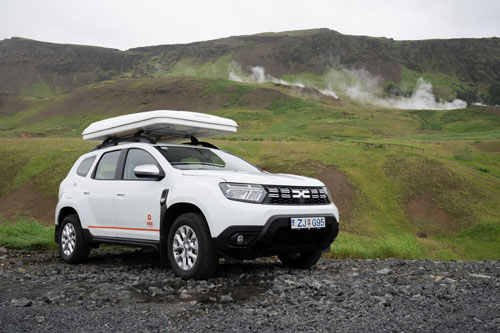
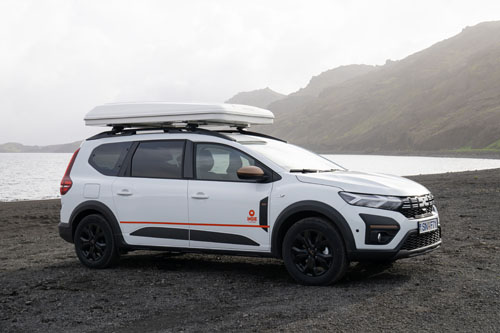
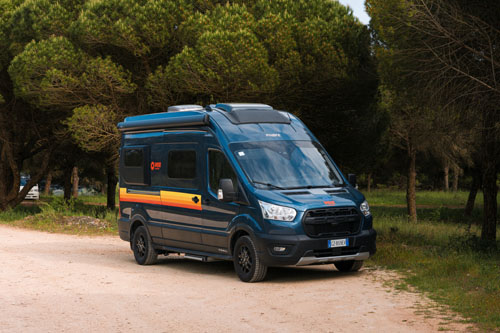
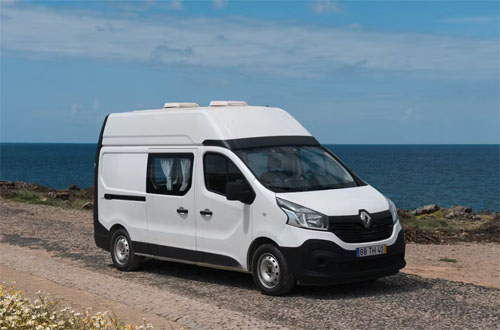
For a balanced experience combining comfort with maneuverability on North European roads, Class SI (Semi-integrated) RVs are highly recommended. These models, averaging around 6.9 meters in length, typically accommodate 3-4 adults comfortably and offer a good blend of living space and ease of driving. For couples or smaller groups seeking maximum agility to navigate tighter village streets and easier parking in urban areas, a Class B (Camper Van) with an average length of 5.8 meters is an ideal choice. While larger Class C (Alcove) and Class A (Integrated) RVs offer more extensive living space, often averaging 7.5 meters or more, their size might be less convenient for some very rural roads or older town centers, though they are perfectly suitable for main routes and highways. Options like the "V2L" (Class B, 5.99m length) or "K3" (Class SI, 6.99m length) from our fleet offer excellent choices for different travel styles.
Should I Choose a Compact Van Instead of a Large RV in North Europe?
For most major routes and designated camping areas in North Europe, you will find no issues driving any RV size, with comfort and indoor space often providing a significant advantage over slight maneuverability differences. A compact campervan (Class B), such as the "Duo" or "Combi Van" models (averaging 5.99m length), truly shines when your itinerary involves frequent navigation of narrow historic city centers, very tight mountain passes, or when you anticipate seeking easier street parking in urban areas. However, a larger RV like a Class SI or Class C, offering more amenities like a full bathroom and a more spacious kitchen, provides a significantly more comfortable experience for longer trips or families, which can be a better trade-off given the generally excellent road infrastructure. Consider your travel priorities: if extensive city exploration and nimble parking are paramount, a compact van is advantageous; if you prioritize scenic drives, remote nature, and onboard comfort, a larger RV is perfectly suitable for your North Europe adventure.
Can I Park Anywhere? Free & Wild Camping Rules in North Europe
In most of North Europe, you cannot generally park a rented RV or motorhome anywhere you wish for overnight stays; designated campgrounds or approved overnight parking spots are usually required. While countries like Sweden, Norway, and Finland uphold the 'Allemansrätten' (the right to roam), this traditional right primarily extends to respectful tent camping and hiking, and it typically does not apply to motor vehicles for extended overnight stays. Wild camping in an RV is often restricted, especially within national parks, protected areas, or on private land, where explicit permission is always necessary. Always adhere to local signage, respect private property, and utilize official campsites or 'stellplätze' (motorhome stops), which provide essential amenities and are legally sanctioned for overnight parking. Rules vary significantly by region and municipality, so always check local regulations and follow local laws before parking overnight. For finding campsites and campgrounds during your trip, we recommend using RV PLANET (rvplan.net) - a great resource for locating available spots along your route.
Can I Drive an RV Into the City Center? Heights, Tunnels & Local Signage
Yes, you can almost always drive a rented RV into city centers in North Europe without issues by driving slowly and carefully, but it requires diligent attention to local signage, height limits, and environmental regulations. Pay particular attention to signs indicating low bridges (some may be 3.5m), tunnel height restrictions, and narrow street warnings, especially in older, historic districts such as those found in Copenhagen or Stockholm. Many North European cities, including Oslo and Stockholm, operate environmental zones that restrict or charge for entry based on vehicle emissions; always verify if your rental RV is compliant. Some city areas may be pedestrianized or designated for local residents only, so always look for 'no entry' or 'restricted access' signs and plan to park in designated RV-friendly parking outside the immediate core if necessary, utilizing public transport to explore the inner city.
What is the 3-3-3 rule for RV travel?
The 3-3-3 rule for RV travel is a widely adopted guideline suggesting travelers aim to drive no more than 300 miles (or roughly 3 hours), arrive at their destination by 3 PM, and stay for a minimum of 3 nights. This rule promotes a more relaxed pace of travel, significantly reducing driver fatigue and allowing ample time to immerse yourself in each location rather than constantly rushing to the next spot. Adhering to this guideline also helps in securing desirable campsites, as arriving earlier increases availability, and a three-night stay minimizes the repetitive setup and breakdown time, maximizing your enjoyment of the scenery and local culture in North Europe.
What is the 333 rule for campervan?
The '333 rule' for campervans is essentially the same as the 3-3-3 rule for RVs, advising drivers to limit daily driving to approximately 300 kilometers (or 3 hours), settle into camp by 3 PM, and ideally stay for at least 3 nights. This guideline is particularly beneficial for campervan travelers in North Europe, encouraging a slower pace that allows for thorough exploration of charming towns, national parks, and stunning natural landscapes without feeling rushed. Applying this rule helps prevent burnout, allows ample time for provisioning (including cooking meals in your campervan's kitchen with help from our RV-friendly recipes playlist) and local activities, and ultimately ensures a more enjoyable and safer travel experience.
Can you drive an RV in Europe?
Yes, you can absolutely drive a rented RV in Europe, with its excellent infrastructure, diverse landscapes, and numerous campgrounds making it a popular and rewarding way to explore the continent. To rent a motorhome, ensure you possess the correct driving license for the vehicle's size (a standard B license for up to 3,500 kg, or a C1 for larger vehicles), and an International Driving Permit is highly recommended if your national license is not from an EU/EEA country. While main roads are generally well-suited for RVs, be prepared for occasional narrower streets in historic towns, varying wild camping regulations, and country-specific driving rules, such as mandatory safety equipment. For comprehensive planning, explore our RV Rental Europe - Complete Guide 2026.
What is the 444 rule for RV?
The 4-4-4 rule for RV travel is an alternative pacing guideline suggesting driving no more than 400 miles (or roughly 4 hours), arriving at your destination by 4 PM, and staying for a minimum of 4 nights. This rule is similar to the popular 3-3-3 rule but offers a slightly more extended daily drive and longer stays, which can be ideal for covering more ground comfortably or for those who prefer fewer, more immersive stops. It still emphasizes a relaxed travel style, allowing plenty of time for setting up camp, enjoying the campsite amenities, and thoroughly exploring the local area without the pressure of constant movement. This can be particularly useful for a country-wide tour of North Europe.
Is Europe RV friendly?
Yes, Europe is generally very RV friendly, offering a well-developed network of campsites, service areas, and stunning scenic routes, making it an ideal destination for motorhome travel. North Europe specifically provides excellent infrastructure, from modern highways and well-maintained national roads to dedicated RV parks with essential amenities, though a unique aspect is the emphasis on nature and often more remote locations. While rented RVs are widely welcome, travelers should be aware of regional differences in wild camping rules, urban environmental zones, and occasional narrower roads in older towns, which may require careful navigation. Overall, an RV rental in North Europe promises a comfortable and fulfilling adventure.
Can you park a motorhome anywhere in Europe?
No, you cannot generally park a rented motorhome anywhere you wish in Europe for an overnight stay; regulations for wild camping and overnight parking vary significantly by country and even by local municipality. While some countries, particularly in Scandinavia, may have more relaxed rules for short, inconspicuous overnight stops in certain areas (such as designated rest stops or quiet rural spots), it is safest and often legally required to use official campsites or approved 'stellplätze' (motorhome stops) for overnight stays. Violating local wild camping laws can result in fines, and it's always best practice to respect private property, avoid sensitive natural areas, and seek out authorized overnight spots for a hassle-free trip across North Europe. For route planning and overnight spots, resources like RV PLANET (rvplan.net) are invaluable.
Can I drive an RV in America on a UK licence?
Yes, generally you can drive an RV in America with a valid UK driving license, provided it is for a recreational vehicle under 26,000 pounds (typically a Class B or C RV). Most US states recognize valid foreign driving licenses for tourists for up to one year, but carrying an International Driving Permit (IDP) alongside your UK license is highly recommended as a translation and official endorsement. For RV travel in North Europe, a UK driving license is also valid for short visits (typically up to 6 months) within the EU/EEA, though an IDP is similarly recommended for ease of understanding by local authorities and for certain rental companies. This applies whether you are renting a campervan or a larger motorhome.
What do I need to take my motorhome to Europe?
When preparing for your rented motorhome adventure in North Europe, you will need essential documents including your valid driving license (plus an IDP if necessary for non-EU/EEA licenses), vehicle rental agreement, and proof of insurance, often requiring specific rental coverage. Mandatory safety equipment typically includes a reflective warning triangle, a high-visibility vest (for each occupant in some countries), and a first-aid kit. For North Europe specifically, especially if traveling during cooler seasons, consider region-specific items like winter tires (legally required in winter in Norway, Sweden, and Finland), headlight beam deflectors, and adapters for European electrical hook-ups at campsites. Packing efficiently is key, as highlighted in the RV Travel Guide to North Europe - Tips and Top Spots 2026.
Can you sleep anywhere in a campervan in Europe?
No, you cannot generally sleep anywhere in a rented campervan in Europe; laws regarding overnight parking and wild camping vary considerably by country and even by local region. While some areas may permit short, inconspicuous overnight stops (e.g., in service stations or designated parking bays), it is safest and often legally required to use official campsites or approved 'stellplätze' (aires) for overnight stays. Violating local wild camping laws can lead to fines, and it's always best practice to respect private property, avoid sensitive natural areas, and seek out authorized overnight spots for a hassle-free trip. In North Europe, while the "right to roam" exists in some areas, it typically applies to tent camping and not to motor vehicles for extended overnight stays. Ensure your campervan, like the "Camper Angel" or "Duo," is ready for designated stops.
What is the best travel insurance for Americans traveling to Europe?
The best travel insurance for Americans traveling to Europe should offer comprehensive coverage for medical emergencies, trip cancellation/interruption, and baggage loss, and ideally, include specific clauses for RV rental. Look for policies that explicitly cover international medical expenses, including emergency medical evacuation, and ensure they don't exclude 'adventure' activities you plan to undertake, such as hiking or kayaking in North Europe's stunning wilderness. Beyond general travel insurance, consider purchasing RV-specific vehicle insurance (often offered by rental companies as an optional upgrade or through third-party providers) to cover potential damage to the motorhome itself, as standard travel insurance typically won't. You can upgrade to a top-level deductible reimbursement for extra peace of mind when booking with Bandana Caravan.
What You Shouldn't Miss
North Europe is a land of incredible natural beauty and unique cultural experiences, perfect for exploring with a rented RV. Here are some must-do adventures:
- Drive Norway's Atlantic Ocean Road: This iconic 8.3 km (5.2 miles) stretch is renowned for its winding bridges that dip and swerve over the sea, connecting picturesque islands and providing breathtaking coastal views.
- Explore the Lofoten Islands, Norway: Venture into the Arctic Circle to discover dramatic mountains, white sandy beaches, and charming fishing villages. You can spend a week-long trip just exploring these stunning islands.
- Experience the Finnish Lakeland: Navigate through Finland's vast network of over 188,000 lakes, finding peaceful lakeside campgrounds to relax, swim, and enjoy the tranquil nature.
- Discover Copenhagen, Denmark: Park your RV just outside the city center and explore this vibrant capital by bicycle, visiting Tivoli Gardens, Nyhavn, and Christiania.
- Chase the Northern Lights (Auroral Oval): Head to northern regions of Norway, Sweden, or Finland between September and March for a chance to witness this magical celestial display from the comfort of your rented motorhome.
- Hike in Abisko National Park, Sweden: Known for its "blue hole" and being one of the best places on Earth to see the Northern Lights, this park offers incredible hiking opportunities in pristine Arctic wilderness.
Final Thoughts
Exploring North Europe by rented RV is an unparalleled adventure, offering a unique blend of comfort, freedom, and immersion in stunning natural beauty and rich cultural experiences. Whether you're navigating the dramatic fjords or enjoying the endless summer days, the region's excellent infrastructure and welcoming atmosphere make it a perfect destination for motorhome travel. Remember to travel slowly, aiming for a maximum of 100-150 km per day on average, to truly connect with the places you visit, savor the local food, and appreciate the incredible scenery.
With Bandana Caravan, you're supported every step of the way, from comparing the best airport RV rental options to confidently hitting the road with full transparency and peace of mind. We handle the details so you can focus on making lasting memories. So, pack your bags, choose your ideal motorhome or campervan, and get ready to discover the magic of North Europe!
Discover top destinations, planning tips, all in one place! Check North Europe RV Rental Prices Now.