In This Guide
- Can You Drive an RV in Namibia? License & Age Rules
- Road Conditions & Terrain in Namibia
- RV Size Limits, Bridges & Restricted Zones
- Fuel: Diesel vs. Petrol & Cost per 100 km
- Tolls, Vignettes & Border Rules
- Driving Tips for RV Rental Travelers
- Recommended RV Class for Namibia Roads
- Should I Choose a Compact Van Instead of a Large RV in Namibia?
- Can I Park Anywhere? Free & Wild Camping Rules in Namibia
- Can I Drive an RV Into the City Center? Heights, Tunnels & Local Signage
- How much does it cost to rent an RV in Namibia?
- Is it safe to RV in Namibia?
- What do I need to know before driving in Namibia?
- What is the best time of year to visit Namibia by RV?
- How long does it take to drive across Namibia?
- Is Namibia a good country for RV travel?
- Can you sleep in your car in Namibia?
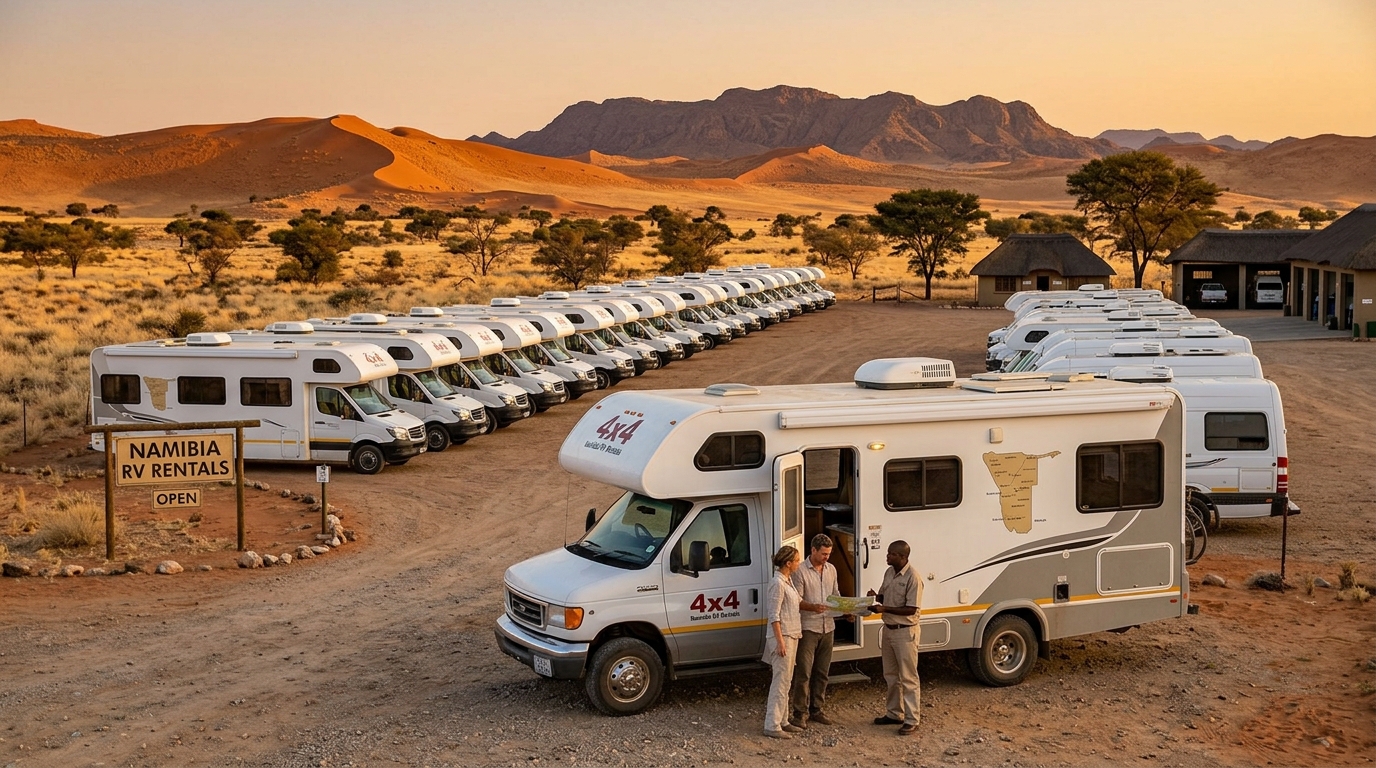
Embarking on an RV adventure from a Namibia airport offers an unparalleled sense of freedom, allowing you to discover this breathtaking country at your own pace. With a rented motorhome or campervan, you have a mobile headquarters to venture out to national parks, coastal towns, and vast desert landscapes, turning every day into a new exploration. For live availability and current prices, start with our RV Rental Namibia - Complete Guide 2026 guide. We are true RV specialists, with over 20 years of experience helping tens of thousands of travelers explore the world by RV.
🎬 Video coming soon
Can You Drive an RV in Namibia? License & Age Rules
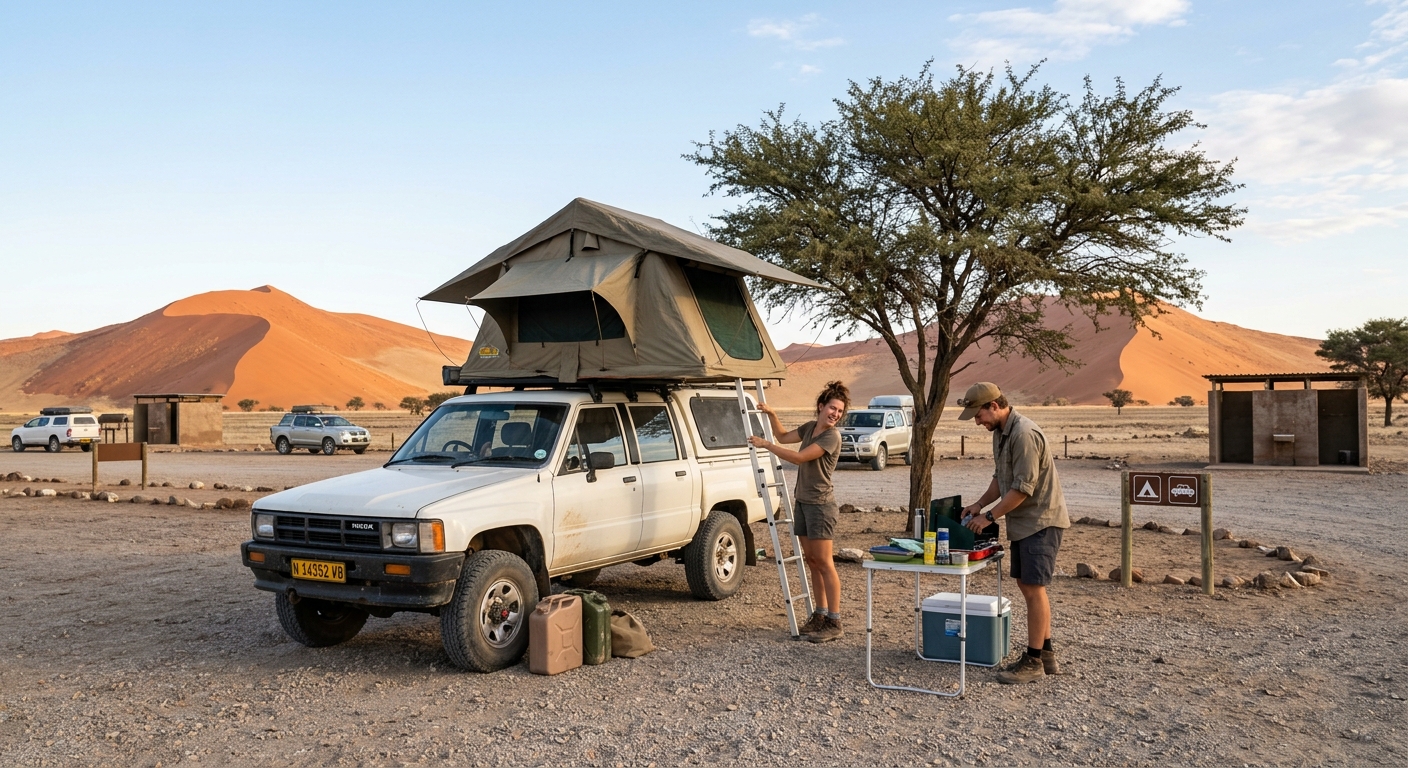
Yes, you can absolutely drive a rented RV in Namibia, and it's a fantastic way to experience the country. Foreign drivers generally require an International Driving Permit (IDP) alongside their national driver's license, though an IDP is recommended, it is not always mandatory for all nationalities, so it's wise to check current regulations. The minimum age for an RV rental in Namibia is typically 21 years old across most Bandana partner suppliers, with no young driver surcharges or vehicle class restrictions based on age.
For most standard motorhomes and campervans, a regular car driver's license (often classified as Code B in Namibia for vehicles up to 3,500 kg) is sufficient. You won't need a special Commercial Driver's License (CDL) or additional permits for any of our rental motorhomes. It’s all about embracing the journey and feeling confident behind the wheel of your chosen home-on-wheels. We handle the details, you live the journey, ensuring a smooth start from day one until your booking is confirmed.
Road Conditions & Terrain in Namibia
Namibia's road network offers a mix of well-maintained tar roads (B-roads), extensive gravel roads (C- and D-roads), and some challenging sandy tracks. The B-roads, connecting major towns like Windhoek, Swakopmund, and Walvis Bay, are typically in excellent condition and easy to navigate with any rented motorhome.
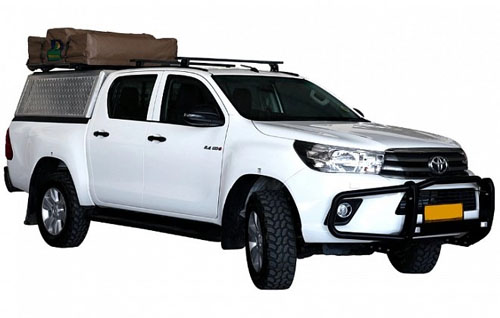
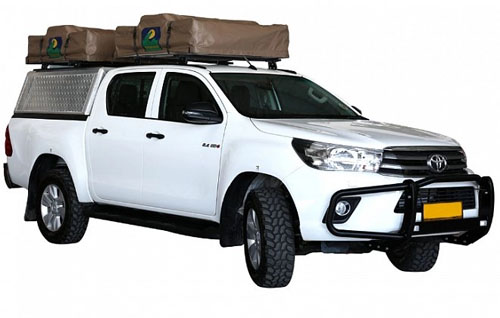
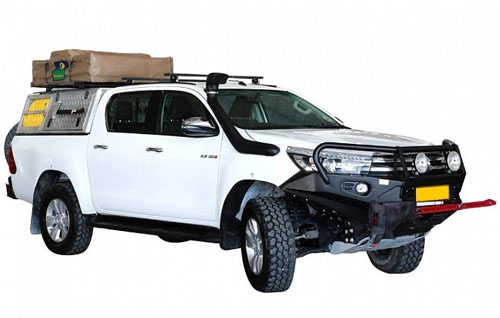
However, much of Namibia's charm lies off the main routes, on its vast network of gravel roads. These gravel roads can be corrugated in places, requiring reduced speeds of 60-80 km/h to prevent damage to your rented camper and maintain control. Driving slowly and carefully is key to enjoying these scenic routes without issues, using common sense and paying attention to changing conditions. Specific navigation for sand tracks and occasional dry river crossings might necessitate a 4x4-capable vehicle, like a "Patagonia Camper 4x4 double cab" (Class TC) which are known for their durability and higher ground clearance, ensuring you can reach more remote locations with confidence.
RV Size Limits, Bridges & Restricted Zones
Namibia's urban centers and main routes generally do not have restrictive low bridges or tight turns that would limit standard RV sizes. You can confidently drive almost anywhere without issues, regardless of your chosen motorhome's size. There is no need to stress about navigating through cities or towns; just use common sense and pay attention to basic traffic flow.
However, drivers should remain mindful of specific park regulations concerning vehicle dimensions, particularly in more remote or wilderness areas where tracks might be narrower. Always observe local signage for any temporary weight or height restrictions, especially on smaller bridges in rural regions. Your journey through Namibia will feel expansive, with plenty of room for your rented caravan, whether it's a compact campervan or a larger Class C motorhome.
Fuel: Diesel vs. Petrol & Cost per 100 km
Most rental RVs in Bandana's global fleet, including those ideal for Namibia, primarily run on diesel fuel, which is widely available at service stations across the country's major routes. It's always a good idea to fill up whenever possible, especially before heading into more remote areas where refueling stations can be sparse.
Fuel consumption for our diverse fleet typically ranges from 8-10 L/100 km for a nimble Class B Camper Van like a "2 Berth Hi Top", 10-11 L/100 km for a more spacious Class SI Semi-integrated model such as a "2 Berth Tamar", 10-12 L/100 km for a robust Class C Alcove like the "24' Class C Motorhome", and 12-17 L/100 km for specialized 4x4 Class TC Truck Campers like a "4x4 Truck Camper Gold". You can estimate your fuel costs by checking current Namibian diesel prices, which typically range from N$20-N$25 per liter. When considering the total trip cost for your RV adventure, remember that fuel can be a significant expense, especially given the vast distances you’ll cover in Namibia. RV PLANET routes allow travelers to itemize and track every expense along the way for easy budgeting, helping you manage your overall RV PLANET routes effectively. On the routes offered through RV PLANET routes, you can itemize and track every expense along the way for easy budgeting.
Tolls, Vignettes & Border Rules
Namibia does not have an extensive system of toll roads or require vignettes for general vehicle use, simplifying your travel within the country. This means fewer stops and no unexpected fees when cruising its vast landscapes in your rented mobile home.
If you plan to extend your adventure to neighboring countries, such as a multi-country itinerary including South Africa, detailed border crossing documentation is essential. This includes your vehicle registration, proof of ownership (provided by the rental supplier), and specific cross-border permits for rental RVs, which must be arranged in advance with your rental company. Ensure all passengers have valid visas for Namibia and any adjacent countries you intend to visit, and always confirm your vehicle insurance covers cross-border travel. This transparency in preparation is part of our commitment to no hidden fees, no surprises, ensuring you're fully ready for your journey.
Driving Tips for RV Rental Travelers
Driving a rented RV in Namibia is an incredible experience, but it requires some specific considerations to ensure a safe and enjoyable trip. Always drive defensively and slowly on gravel and corrugated roads, reducing your speed to prevent tire damage and loss of control. The recommended speed on gravel is generally 60-80 km/h, much lower than on paved roads.
Exercise extreme caution for wildlife, especially at dawn, dusk, and night, as animals are common on Namibian roads and may unexpectedly cross your path. Carrying ample water, spare fuel, at least two spare tires, and essential communication devices (like a satellite phone) is crucial due to the vast distances and limited cellular reception in many areas. For finding campsites and campgrounds during your trip, we recommend using RV PLANET (rvplan.net) - a great resource for locating available spots along your route. Always secure your vehicle, lock doors, and be aware of your surroundings, particularly in remote camping areas or towns. Engage respectfully with local communities, learn basic greetings, and consider supporting local businesses along your route to enrich your cultural experience. Remember, slow travel is the best travel; aim for a maximum of 100-150 km per day on average to truly feel the place, connect to the culture, the food, and the scenery.
Recommended RV Class for Namibia Roads
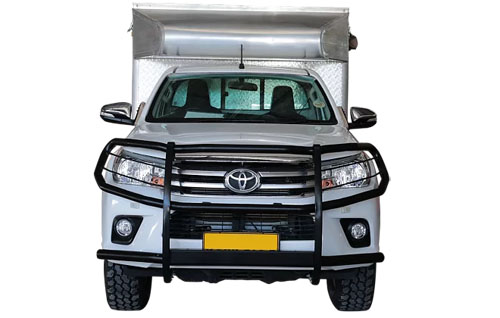
For Namibia's extensive gravel roads and potential for rougher tracks, a robust rental vehicle with good ground clearance is highly recommended. Class TC (Truck Camper) motorhomes are often the most suitable choice, as many are 4x4-capable, providing the durability and ground clearance necessary for more adventurous routes and sandy conditions.
A "Patagonia Camper 4x4 double cab" (Class TC), averaging 5.5m in length with common fuel consumption of 12-17 L/100 km, exemplifies the kind of vehicle that can confidently handle Namibia's diverse terrain. While a Class SI (Semi-integrated) RV, such as a "2 Berth Tamar," averaging 6.9m in length and typically consuming 10-11 L/100 km, offers more comfort and is suitable for well-maintained tar and some gravel roads, a 4x4 version is still preferred for deep exploration into national parks or remote conservancies. Our expertise as true RV specialists means we can help you choose the ideal vehicle for your Namibia itinerary, whether you're looking at a "Luxury RV Rental in Namibia - Premium Prices 2026" or a "Cheap RV Rental in Namibia - Budget Guide 2026".
Should I Choose a Compact Van Instead of a Large RV in Namibia?
While Class B Camper Vans, averaging 5.8m in length and consuming 8-10 L/100 km, offer agility and better fuel efficiency, a larger RV generally provides more comfort and self-sufficiency crucial for Namibia's vast and remote distances. For instance, a "Category Van" is nimble and easy to maneuver, but for longer trips with more demanding conditions, a larger vehicle excels.
Larger rental motorhomes, such as a Class C Alcove (average 7.5m, 10-12 L/100km) like the "24' Class C Motorhome" or a Class A Integrated (average 7.5m, 8-12 L/100km) like the "Exclusive First," feature bigger fresh and waste water tanks, more storage for provisions, and superior living space. This significantly enhances comfort and extends your ability to stay off-grid, which is a major advantage in a country with long stretches between amenities. In Namibia, the need for urban maneuverability (where compact vans excel) is less critical than the benefits of extended living capacity and ruggedness offered by more self-sufficient vehicles. For families, a "Family RV Rental in Namibia - Pricing Guide 2026" might guide you to a larger option.
Can I Park Anywhere? Free & Wild Camping Rules in Namibia
Free or 'wild camping' in Namibia is generally not permitted, especially within national parks, protected areas, and private land, due to safety risks, the ubiquitous presence of wildlife, and strict legal restrictions. Namibia takes its conservation seriously, and designated campsites are designed to ensure both traveler safety and environmental protection.
Overnight stays are mandatory in designated campsites within national parks like Etosha, private game reserves, and community conservancies. These sites offer varying amenities, from basic communal ablutions and braai (barbecue) facilities to more luxurious options with private bathrooms and swimming pools. Always book campsites in advance, particularly for popular destinations such as Etosha National Park or Sossusvlei, as availability can be limited. Many national/state parks reserve about 25-30% of spots for first-come-first-serve, so you'll find a spot; if not at the first campground, then the next one. Call ahead before driving. Adhere strictly to responsible camping practices, including proper waste management and fire safety, to preserve Namibia's pristine environment for future travelers.
Can I Drive an RV Into the City Center? Heights, Tunnels & Local Signage
Driving a rented RV into Namibia's city centers, such as Windhoek or Swakopmund, is generally unproblematic as these urban areas lack the restrictive low bridges, narrow streets, or tight tunnels common in older European cities. Drive slowly and carefully, and you can drive almost anywhere without issues. No need to stress - just use common sense and pay attention.
While navigating urban areas is straightforward, finding suitable parking for larger motorhomes might require checking designated parking zones or opting for perimeter parking during peak hours. Always observe local signage for any specific height restrictions, one-way streets, or residents-only zones, although these are rarely an issue for standard RVs in Namibia. The country's infrastructure is generally RV-friendly, even in its bustling towns, allowing you to easily access shops and attractions with your rental caravan.
How much does it cost to rent an RV in Namibia?
The total cost for an RV trip in Namibia varies significantly based on duration, vehicle type, and season, but a realistic budget for a two-week adventure for a couple might range from $2,500 to $6,000 USD (approximately €2,300 to €5,500). Daily rental fees for a Class C motorhome typically start from €100-€300+, with prices fluctuating dynamically like flight tickets based on availability and seasonality. Fuel expenses are a significant factor, as consumption ranges from 8-10 L/100 km for campervans to 12-17 L/100 km for 4x4 truck campers, and you'll cover considerable distances. Daily campsite fees range from N$150 to N$500 ($8-$27 USD), depending on amenities and location.
Budget for additional costs such as national park entry fees (N$150-N$200 per person per day plus vehicle fees), activity costs (e.g., guided safaris, dune activities), and provisions for self-catering, which can save you money compared to eating out. Compared to similar RV adventures in South Africa, Namibia can sometimes be slightly more expensive due to its vastness, remoteness, and specialized vehicle requirements (like 4x4 capabilities), but it offers unparalleled wilderness experiences. For a detailed breakdown of costs, including seasonal variations and vehicle comparisons, our "RV Rental in Namibia - Prices and Best Deals 2026" and "Weekly RV Rental in Namibia - Pricing 2026" guides are excellent resources. Remember, Bandana offers full transparency with no hidden fees, so what you see is what you get when you book.
Is it safe to RV in Namibia?
RV travel in Namibia is considered safe with proper precautions, focusing on defensive driving and situational awareness. Driving at night should be avoided due to the high risk of wildlife encounters and poor visibility on unlit roads. Security measures, like always locking your vehicle and being aware of your surroundings, are important, especially in remote areas or when leaving your rented campervan unattended. Solo female travelers, in particular, should consider sharing their itinerary with trusted contacts and utilizing secure, pre-booked campsites.
Prioritize health and wellness by ensuring you have necessary vaccinations (e.g., Hepatitis A/B, Tetanus), a comprehensive first-aid kit, and malaria prophylaxis if traveling to northern regions during the wet season (November to April). Travel insurance covering emergency medical evacuation is highly recommended due to the vast distances to medical facilities. Bandana supports you before, during, and after your booking, making sure you have all the information you need to travel safely. You can upgrade to a top-level deductible for extra peace of mind, an optional but valuable addition to your trip planning.
What do I need to know before driving in Namibia?
Before driving a rental RV in Namibia, thorough vehicle preparedness is crucial, often requiring a 4x4 motorhome with essential features like large fresh water tanks (e.g., 120-liter capacity), solar power for extended off-grid stays, robust tires (including at least two spares), and recovery gear such as jacks, an air compressor, and basic spare parts. Familiarize yourself with road conditions beyond tar, as many iconic routes involve corrugated gravel and potentially sandy sections or dry river crossings. Practicing slow and careful driving on these surfaces is key to preventing damage and ensuring safety.
Master the logistics of remote RV travel, including planning for limited water and power refills, proper waste disposal at designated points, and understanding the lack of cellular connectivity in vast regions. Reliable offline navigation tools like Tracks4Africa are indispensable, supported by physical maps and communication devices like satellite phones for emergencies. Remember that Namibia drives on the left side of the road. Always keep emergency numbers handy (e.g., 10111 for police, 922 for ambulance), and consider purchasing a local SIM card (available from MTC or Telecom Namibia) in major cities like Windhoek for limited connectivity in some areas. Our 24/7 support is there for you for pre-booking comparison and post-booking coordination, ensuring you're ready for your adventure.
What is the best time of year to visit Namibia by RV?
The optimal time for an RV trip to Namibia is during the dry season, from May to October, when temperatures are cooler and more pleasant, skies are clear, and gravel roads are generally easier to navigate. This period offers prime wildlife viewing opportunities, as animals congregate around shrinking waterholes, making national parks like Etosha particularly rewarding.
However, popular campsites and RV rentals should be booked well in advance during these months due to high demand. The wet season, from November to April, brings lush landscapes, dramatic thunderstorms, and spectacular migratory birdlife, but also higher temperatures and the risk of heavy rains making some gravel roads impassable, particularly in the northern regions. While it offers a unique beauty, wet season travel requires a more flexible itinerary and a capable 4x4 rental camper. Planning your itinerary through RV PLANET allows you to explore various routes and seasons to find the perfect fit for your adventure, and remember to travel slowly, max 100-150 km per day on average, to fully immerse yourself.
How long does it take to drive across Namibia?
The duration to drive across Namibia largely depends on your chosen route, desired pace, and how many incredible sights you wish to experience. A direct north-south transit, for example from Windhoek to the Orange River border with South Africa, could take approximately 5-7 days of focused driving, covering about 1,500-2,000 km.
However, a popular RV itinerary covering key highlights such as Etosha National Park, the coastal town of Swakopmund, and the iconic dunes of Sossusvlei typically requires 10-14 days for a well-paced journey with adequate sightseeing and relaxation. For a more comprehensive exploration of Namibia's diverse landscapes and remote regions, travelers should plan for three weeks or more to fully appreciate the experience without rushing. Remember, slow travel is highly recommended, allowing you to truly connect to the culture, the food (perhaps cooking some delicious meals in your rented RV kitchen using our RV-friendly recipes playlist), and the scenery. Our pre-planned routes at RV PLANET can offer excellent itineraries for varying durations.
Is Namibia a good country for RV travel?
Namibia is an excellent country for RV travel, providing unparalleled freedom to explore its vast, stunning natural landscapes, encounter unique wildlife, and access remote areas often inaccessible by other means. The extensive network of well-maintained (though often gravel) roads caters well to adventurous self-drivers, making it an ideal destination for a motorhome or campervan journey.
The RV format offers a unique blend of flexibility, self-sufficiency, and comfort, making it a cost-effective and immersive option for couples, families, or groups of friends desiring an unforgettable adventure. While demanding careful planning for remote logistics and a robust vehicle choice, the rewards of an RV journey through Namibia's dramatic deserts, abundant wildlife, and captivating culture far outweigh these considerations for adventurous travelers. As true RV specialists, we at Bandana believe Namibia offers some of the most rewarding RV experiences in Africa, a continent also highlighted in our "RV Rental Africa - Complete Guide 2026".
Can you sleep in your car in Namibia?
No, sleeping in your rented car or RV outside of officially designated campsites or private land with explicit permission is generally not permitted nor recommended in Namibia. This restriction is primarily due to significant safety concerns, especially the ubiquitous presence of wildlife (including large predators) in unfenced areas across much of the country. Beyond wildlife risks, adhering to land ownership and national park regulations is crucial for responsible tourism and to avoid legal issues.
Always plan and pre-book your overnight stops at established campsites, which are plentiful and offer a range of amenities. These include options within national parks, private reserves, and local community conservancies, ensuring your safety and providing essential facilities. Remember, whether you're starting your adventure from Windhoek - Airport, Swakopmund - Airport, or Walvis Bay - Airport, planning your campsites in advance is a key part of a successful Namibia RV trip. You'll find that secure camping provides the peace of mind to fully enjoy your extraordinary surroundings.
What You Shouldn't Miss
- **Etosha National Park:** Spend several days exploring its vast salt pan and incredible wildlife viewing, especially at floodlit waterholes like Okaukuejo Camp.
- **Sossusvlei & Deadvlei:** Witness the towering red dunes of the Namib Desert and the ghostly camel thorn trees in Deadvlei, best experienced at sunrise or sunset.
- **Swakopmund:** Enjoy the unique blend of German colonial architecture and coastal desert, with activities like quad biking, sandboarding, or dolphin cruises.
- **Fish River Canyon:** Visit Africa's largest canyon, offering breathtaking panoramic views and challenging hiking opportunities for the adventurous.
- **Damaraland:** Explore this rugged, beautiful region home to desert-adapted elephants and ancient rock engravings at Twyfelfontein, a UNESCO World Heritage site.
- **Skeleton Coast National Park:** For 4x4 capable RVs, a permit allows access to the southern section, revealing desolate coastlines, seal colonies, and shipwrecks.
Looking for expert insights from Avi Bandana? Top 5 Adventures - recommendations from Avi Bandana.
Final Thoughts
An RV rental in Namibia offers an extraordinary opportunity to connect with nature, witness incredible wildlife, and immerse yourself in breathtaking landscapes. It’s an adventure that promises flexibility and unforgettable memories, providing the freedom to chart your own course through one of Africa’s most captivating countries. By planning ahead, understanding the local driving conditions, and choosing the right motorhome, you're set for an experience of a lifetime.
Remember, we're here to support you every step of the way, from comparing prices and finding the perfect rental camper to coordinating all the details for your booking. Discover top destinations and planning tips, all in one place, as you prepare for your incredible journey. Get inspired for your next trip, and let Bandana RV help you make your Namibian RV dream a reality.
Ready to begin your journey? Compare Motorhome Prices for Namibia and start planning your ultimate African road trip now!