>
RV Size Limits, Bridges & Restricted Zones
Luxembourg generally accommodates standard RV sizes without widespread issues, but it's always prudent for drivers to be aware of specific height and weight restrictions. This is particularly important when entering older towns with narrow streets or navigating under low bridges and through tunnels. Most European RVs, typically under 7.5 meters in length and 3.5 meters in height, should navigate Luxembourg's roads without major problems. Always keep an eye out for road signs indicating reduced clearances. Currently, Luxembourg has not implemented widespread environmental or low-emission zones (LEZs) that restrict RV access based on emission standards, unlike some of its neighboring countries. While ferries are not a primary mode of transport within landlocked Luxembourg, if your onward journey involves coastal regions or cross-border travel that includes ferries, it's essential to check the specific length and weight limits imposed by ferry operators.
Fuel: Diesel vs. Petrol & Cost per 100 km
In Luxembourg, the vast majority of RVs operate on Diesel fuel, which is readily available at service stations throughout the country and is generally more cost-effective than petrol (gasoline). Based on Bandana's global fleet averages, Class SI (Semi-integrated) RVs typically consume between 10-11 Liters/100 km, while Class C (Alcove) models use around 10-12 Liters/100 km. More compact Class B (Camper Vans) models generally average a more economical 8-10 Liters/100 km. As Luxembourg is considered a high-cost country, fuel prices can be higher than in some other European nations. Therefore, budgeting for fuel is a critical part of your trip planning. Current average costs per 100 km for an RV can range approximately from €15 to €25, heavily dependent on the specific vehicle's fuel efficiency and the prevailing fuel prices at the time of travel. It's advisable to check with your rental provider regarding any included fuel discount cards or pre-paid fuel options that might be available to help manage these costs. When refueling, familiarize yourself with European fuel pump labels: Diesel is often marked 'Gazole' or 'Diesel,' while Petrol is usually indicated by 'Sans Plomb' or 'Essence.' On the routes offered through RV PLANET routes , you can itemize and track every expense along the way for easy budgeting.
Tolls, Vignettes & Border Rules
Good news for RVers exploring Luxembourg internally: the country does not currently have a toll road system or require vignettes for passenger vehicles or RVs to use its motorways. This means your travel within Luxembourg's borders is generally free of toll charges, allowing for more spontaneous exploration. However, it's crucial to remember that if your itinerary includes visits to neighboring countries such as Germany, France, or Belgium, you must be aware of their respective toll systems or vignette requirements. For instance, French motorways are tolled, and Germany requires environmental stickers (Umweltplakette) for access to certain city centers. Border crossings between Luxembourg and its Schengen Area neighbors are typically seamless, with no routine passport checks. Nonetheless, always carry valid identification for all passengers and ensure you have all necessary vehicle documentation readily accessible. While specific regional data on toll passes from our REGIONAL KNOWLEDGE block is unavailable, some rental RVs may offer options for pre-purchasing toll passes for ease of travel in these neighboring countries, helping to avoid potential fines and simplify transit. Always research the specific requirements for each country you plan to visit, as rules for tolls, vignettes, and environmental zones can vary significantly.
Driving Tips for airport rv rental Travelers
To ensure a smooth and safe RV journey through Luxembourg and beyond, familiarize yourself with European road signs. These signs largely use pictograms, making them largely standardized and easier to understand across different countries, aiding confident navigation. If you are traveling with family, it’s a good practice to plan for regular stops every 2-3 hours. This helps maintain comfort for everyone onboard and prevents driver fatigue, making the entire journey more enjoyable. If you are accustomed to automatic transmissions, consider opting for an RV equipped with one, as it can provide an easier driving experience on winding roads and in urban traffic. It's a legal requirement in some European countries and always a good safety practice to keep your headlights on, even during daylight hours. Always be mindful of the posted speed limits: generally, they are 50 km/h in urban areas, 90 km/h on open roads outside built-up areas, and 130 km/h on motorways, with a reduced limit of 110 km/h in rain.
Recommended RV Class for Luxembourg Roads
For navigating Luxembourg's diverse roads, a Class SI - Semi-integrated RV is highly recommended. These vehicles, typically averaging around 6.9 meters in length within Bandana's global fleet, offer an excellent balance of maneuverability and comfortable living space. Alternatively, Class B - Camper Vans, averaging a more compact 5.8 meters in length, are also an excellent choice, especially for couples or small families seeking superior agility for exploring smaller towns and easier parking. While larger Class C - Alcove (average 7.5m) and Class A - Integrated (average 7.5m) RVs provide more spacious accommodations for bigger groups, their increased length might require more caution on narrower rural roads or in tight parking situations. Across all RV classes suitable for well-maintained European roads, Bandana's global fleet generally offers good ground clearance, ensuring a comfortable travel experience on Luxembourg's highways and scenic routes.
Should I Choose a Compact Van Instead of a Large RV in Luxembourg?
While a compact camper van, often referred to as a Class B RV, offers superior maneuverability and can make parking in tighter spots significantly easier, it's important to note that any size RV can generally be driven in Luxembourg without significant issues on the main routes. The decision between a compact van and a larger RV often hinges on your travel priorities. A larger RV provides more indoor living space, enhanced amenities, and greater comfort, especially for extended trips or larger groups. Conversely, a compact van offers more agility and ease of navigation. A compact van may genuinely be more beneficial when navigating historic town centers with very narrow streets, or when accessing certain small, secluded campsites that larger vehicles might struggle with. However, for most of Luxembourg's attractions and designated RV parking areas, the added comfort and facilities of a larger Class SI or Class C RV often outweigh the minimal maneuverability advantages of a compact van, making it a worthwhile consideration.
Can I Park Anywhere? Free & Wild Camping Rules in Luxembourg
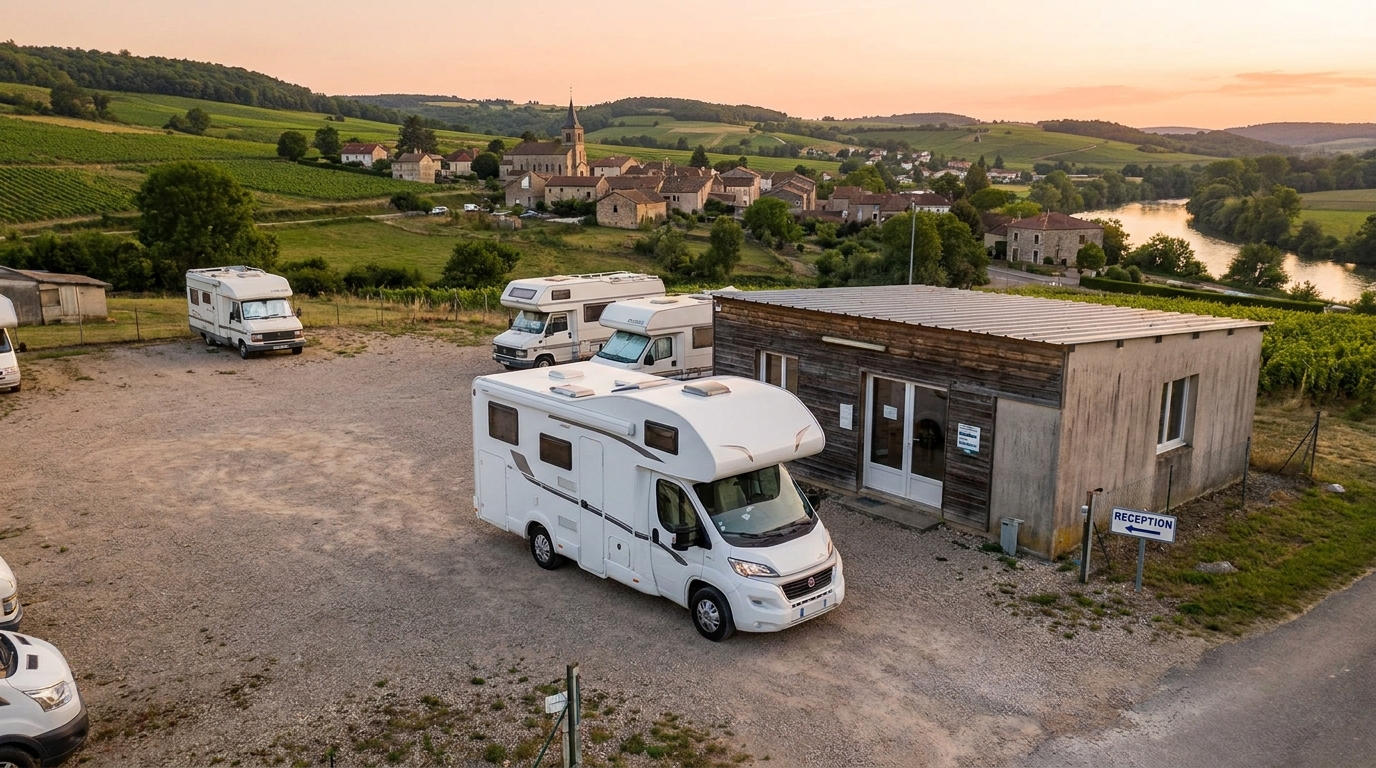
In Luxembourg, it's important to know that wild camping and unregulated overnight parking outside of designated areas are generally not permitted and can result in fines. To ensure a compliant and enjoyable trip, travelers should prioritize utilizing official campsites, which are plentiful and typically well-equipped, or designated motorhome 'aires' (also known as Stellplätze). These aires offer legal overnight parking, often with basic services such as waste disposal and water, and are frequently free or very low-cost. The concept of 'wild camping' as understood in some other European countries is largely restricted in Luxembourg, primarily to protect its natural landscapes and agricultural areas. Therefore, always opt for designated sites. For alternative, unique overnight stays, consider exploring options like farm stays, where you can park on private farmland with explicit permission from the landowner. Remember, rules can vary by region, so it's always best to check local regulations and follow local law before parking overnight to ensure compliance and avoid potential penalties.
Can I Drive an RV Into the City Center? Heights, Tunnels & Local Signage
Yes, you can generally drive an RV into Luxembourg's city centers, including the capital, Luxembourg City. However, it is crucial to pay close attention to local signage due to potential height restrictions, narrow streets, and designated zones that may prohibit larger vehicles. Always be vigilant for overhead height limits for tunnels and car parks, as well as signs indicating weight restrictions or 'residents-only' streets that might restrict access for RVs. Luxembourg City's historic core, for instance, has specific areas with restricted access. Fortunately, designated RV parking is often available on the outskirts of these urban centers or within reasonable walking distance of key attractions, making city exploration accessible. While there aren't widespread reports of permanent low bridges or tunnels that universally block RVs, drivers should always rely on standard European road signs indicating 'no entry for vehicles over X meters' or 'maximum weight Y tonnes' to ensure safe passage.
Detailed budgeting for RV travel in a high-cost country: specific breakdowns for fuel, groceries, camping, and activities, with concrete money-saving tips.
RV travel in Luxembourg, while offering immense freedom, requires careful budgeting as it is a high-cost country, particularly for fuel, groceries, and certain activities. Fuel costs, primarily for Diesel, can represent a significant portion of your daily expenses. Using Bandana's fleet averages of 8-12 Liters/100 km, budget approximately €15-€25 per 100 km, depending on the RV size and current fuel prices. To save on groceries, consider shopping at larger supermarkets located outside city centers or near borders, and prioritize meals that can be cooked in your RV's kitchen to minimize restaurant expenses. Camping costs for official sites typically range from €20-€40 per night, but leveraging free motorhome 'aires' (Stellplätze) where available can significantly reduce accommodation expenses. Practical money-saving tips include utilizing Luxembourg's unique free public transport system for exploring towns and cities, opting for free outdoor activities like hiking and cycling, and packing a reusable water bottle to avoid purchasing bottled water repeatedly. For ideas you can prep on the road, watch our RV-friendly recipes playlist on YouTube.
Specific practicalities for international (especially North American) RVers: guidance on European vehicle adaptations, driving permits, insurance requirements, navigating European road signs, and locating essential services like LPG/AdBlue.
International RVers, particularly those coming from North America, should be aware of several European vehicle adaptations and driving customs. These include driving on the right-hand side of the road, the generally narrower dimensions of European vehicles and roads, and the prevalence of manual transmissions, although automatic transmission RVs are available for rent. A valid national driver's license, complemented by an International Driving Permit (IDP) for non-EU/EEA residents, is essential; the IDP acts as a certified translation of your license. Ensure your rental insurance provides comprehensive coverage for breakdown assistance and theft across all the European countries you plan to visit. European road signs are largely pictorial and standardized, so familiarizing yourself with common signs for speed limits, parking regulations, and prohibited actions before your trip will greatly aid navigation. Locating essential services like LPG (often referred to as Autogas or GPL) for heating and cooking, and AdBlue for newer diesel engines, is crucial; useful apps like Campercontact or Park4Night can help you find stations dispensing these necessities.
Comprehensive clarification on camping regulations: beyond just 'rules,' explain the nuances of wild camping legality, designated motorhome aires (Stellplätze), and alternative unique overnight stays (e.g., farm stays).
While outright wild camping is generally prohibited across Luxembourg, the country thoughtfully embraces motorhome tourism through a well-developed network of designated 'Stellplätze' (motorhome aires). These sites provide legal and often free or low-cost overnight parking options, typically with essential services like waste disposal points. Stellplätze can range from simple designated parking spots to more equipped locations offering electricity and water hookups, serving as a convenient and legal alternative to traditional campsites. Beyond these official sites, consider exploring alternative unique overnight stays, such as farm stays, where you can park on private farmland with the explicit permission of the owner. This offers a more immersive cultural experience. Always seek explicit permission before parking on private land, as trespassing laws are strictly enforced. Prioritizing the use of official campsites and Stellplätze not only ensures legality but also provides access to necessary facilities and supports the local tourism infrastructure.
Deep dive into leveraging Luxembourg's free public transport system for RVers: practical strategies for parking outside cities and using buses/trains/trams to explore car-free, saving on parking and fuel.
Luxembourg offers a truly unique advantage for RV travelers: free public transport nationwide for everyone. This makes it incredibly beneficial for RVers to park their vehicle in designated areas outside city centers and then explore car-free. You can strategically locate RV-friendly parking areas or Stellplätze on the outskirts of major towns like Luxembourg City, Vianden, or Echternach, which are typically well-connected to the public transport network. From these parking spots, you can utilize the extensive bus network to reach central attractions, take advantage of train services for longer distances across the country, or use the tram for convenient travel within Luxembourg City—all at no cost. This approach not only saves significantly on potentially expensive urban parking fees and fuel but also allows for a more relaxed exploration without the stress of navigating busy city traffic in a larger vehicle. It’s wise to consult local public transport maps and schedules, readily available online or via dedicated apps, to plan your connections efficiently from your chosen RV parking spot.
Curated RV-friendly itineraries: rather than just 'what to see,' provide logical routes connecting unique natural landscapes (Mullerthal, Ardennes), historical sites (Schengen, castles), and practical overnight spots.
An ideal RV itinerary for Luxembourg could begin in the south, exploring the historic sites around Schengen and the picturesque Moselle wine region. Overnight stays can be comfortably arranged at vineyard campsites or local Stellplätze. From there, journey north to experience the Mullerthal region, often called 'Little Switzerland,' famous for its stunning hikes and unique sandstone rock formations; convenient parking is available at the Echternach campsite or nearby motorhome aires. Continue your route into the rugged Ardennes (Éislek) to visit captivating medieval castles like Vianden and Clervaux, utilizing their designated RV parking or nearby camping facilities. Consider a loop that seamlessly integrates nature, history, and cultural stops, ensuring each segment connects logically to accessible RV parking and utilizes the efficient public transport links for exploring urban centers. Remember to pre-book popular campsites, especially during peak season, and leverage apps like Park4Night to identify suitable overnight stops along your chosen route.
Cultural immersion and language tips: practical phrases beyond basic greetings, insights into local etiquette, navigating multilingual environments, and recommendations for authentic local food experiences and markets.
Luxembourg is a fascinating trilingual country, with Luxembourgish, French, and German being official languages. However, English is widely understood and spoken in tourist areas, making communication relatively easy for visitors. Learning a few basic phrases in French, such as 'Bonjour' (Hello), 'Merci' (Thank you), and 'S'il vous plaît' (Please), or German, like 'Guten Tag' (Good day), 'Danke' (Thank you), and 'Bitte' (Please), can greatly enhance your local interactions and demonstrate respect for the culture. Luxembourgers generally appreciate punctuality and politeness; a firm handshake is common upon meeting, and tipping for good service in restaurants (around 5-10%) is customary. For authentic local food experiences, seek out traditional dishes like 'Judd mat Gaardebounen' (smoked pork with broad beans) or 'Friture de la Moselle' (small fried fish from the Moselle River) at local eateries, particularly those found outside the main tourist hubs. Visiting local markets, especially in Luxembourg City or Diekirch, offers a chance to soak in the vibrant atmosphere, purchase fresh regional produce, and sample local delicacies such as artisanal cheeses and cured meats.
Integration into wider European RV trips: specific advice on seamless border crossings with neighboring countries (Germany, France, Belgium) and how Luxembourg fits into a longer multi-country itinerary.
Luxembourg serves as an excellent central hub for integrating into wider European RV trips due to its strategic location bordering Germany, France, and Belgium, all of which are part of the Schengen Area. This means border crossings are typically seamless, with no routine passport checks, but it's vital to ensure all occupants carry valid passports or EU/EEA ID cards and have all vehicle documents readily accessible. When planning a multi-country itinerary, remember to research and adhere to the different road rules, toll systems (like those in France), and environmental zone requirements (such as Germany's Umweltplakette) for each country you visit. Luxembourg fits perfectly as a 2-5 day stopover, offering a rich cultural and natural experience without demanding extensive travel time. It easily connects to longer routes, for example, through the Moselle Valley into Germany or towards the Champagne region in France. Consider starting or ending your European RV adventure in Luxembourg, leveraging its international airport for convenient rental pick-up and drop-off before extending your journey into the wider European continent.
What You Shouldn't Miss
Mullerthal Trail: Explore Luxembourg's "Little Switzerland" with its unique sandstone formations, canyons, and waterfalls – perfect for hiking enthusiasts.Vianden Castle: Visit one of the most beautiful medieval castles in Europe, perched dramatically on a hill overlooking the Our river.Schengen: Walk through the village where the Schengen Agreement was signed, symbolizing the freedom of movement across much of Europe.Luxembourg City: Discover the historic capital, a UNESCO World Heritage site, with its casemates, Bock casemates, and picturesque Grund district. Utilize the free public transport to explore!Moselle Valley Wine Route: Drive through charming wine villages, sample local wines, and enjoy the scenic river landscapes.Clervaux Castle: Explore this beautifully reconstructed castle in the heart of the Ardennes, offering a glimpse into Luxembourg's history.
Why Book with Bandana Caravan
Full Transparency
With Bandana Caravan, what you see is what you pay. We pride ourselves on having no hidden fees or surprises, ensuring your budget remains exactly as planned.
24/7 Support
Our dedicated support team is available around the clock to assist you, whether you're planning your trip or are already on the road. Real people are always there for you.
Travel with Peace of Mind
You can upgrade to a top-level deductible reimbursement for extra peace of mind, covering you against unexpected incidents and letting you focus on the adventure.
Bandana Caravan has been a true RV specialist since its founding in 2001, partnering directly with over 50 leading RV suppliers worldwide. This extensive network, including major names like El Monte, Cruise America, Apollo, and Britz, allows us to offer unparalleled choice and expertise exclusively in RV rentals. Through our sister company, RV PLANET (rvplan.net), we provide access to over 1,300 pre-planned routes across 5 continents, simplifying your journey planning. We operate in over 50 countries, offering bookings in more than 30 currencies with a commitment to full price transparency – no hidden fees, no conversion commissions. Our 25+ years of experience mean we understand RV travel down to the smallest detail, ensuring you get the best possible advice and support for your rental adventure.
"We sell the way we'd like to buy – with honesty. No hidden fees, no surprises, no tricks or gimmicks. What you see is what you get."
— Avi Bandana, Founder of Bandana Caravan
"Life is now!"
About the Author
Avi Bandana is the founder and CEO of Bandana Caravan , one of the world's leading RV rental comparison platforms. With over 25 years of hands-on experience in the motorhome travel industry, Avi has personally visited hundreds of destinations and tested countless RV models across 5 continents. His mission: make RV travel accessible, transparent, and joyful for everyone.
Final Thoughts
Embarking on an RV adventure in Luxembourg offers a unique blend of natural beauty, rich history, and exceptional convenience, especially with the country's commitment to free public transport. The ease of navigation, coupled with the stunning landscapes of the Ardennes and Mullerthal, makes it an ideal destination for a memorable road trip.
Remember that planning is key, from understanding driving regulations and vehicle suitability to budgeting for your journey. By leveraging resources like Bandana Caravan and RV PLANET (rvplan.net) for your rental and route planning, you can ensure a seamless and enjoyable experience. So, pack your bags, grab your driving license, and get ready to explore the enchanting heart of Europe at your own pace!
All the information is based on public information on the web.
All imagery sourced under Creative Commons licenses with attribution provided.
Always check trail conditions and opening hours before travel.