In This Guide
- Can You Drive an RV in Iceland? License & Age Rules
- Road Conditions & Terrain in Iceland
- RV Size Limits, Bridges & Restricted Zones
- Fuel: Diesel vs. Petrol & Cost per 100 km
- Tolls, Vignettes & Border Rules
- Driving Tips for rv rental Travelers
- Recommended RV Class for Iceland Roads
- Should I Choose a Compact Van Instead of a Large RV in Iceland?
- Can I Park Anywhere? Free & Wild Camping Rules in Iceland
- Can I Drive an RV Into the City Center? Heights, Tunnels & Local Signage
- Navigating Iceland's F-Roads: 4x4 RVs and Safety
- RVing in Iceland During Winter: Challenges and Rewards
- Sustainable RV Travel in Iceland: Leave No Trace Principles
- Emergency Preparedness for RV Trips in Iceland
- Unique Icelandic Experiences for RV Travelers
- Essential Packing List for an Iceland RV Adventure
Embarking on an RV adventure from Iceland Airport promises an unforgettable journey through a landscape of raw, breathtaking beauty. Imagine picking up your motorhome right after landing and setting off on your own schedule, with your home on wheels ready to explore glaciers, volcanoes, and geothermal wonders. For live availability and current prices, start with our RV Rental Iceland - Complete Guide 2026. We're here to ensure your RV rental experience in Iceland is as seamless and inspiring as the scenery itself, with full transparency and no hidden fees.
Can You Drive an RV in Iceland? License & Age Rules
Yes, you can absolutely drive a rented RV in Iceland, and it's a fantastic way to experience the country at your own pace. Most standard RVs in Iceland can be driven with a regular B-class driver's license, provided the vehicle's maximum authorized mass (MAM) does not exceed 3,500 kg.
Drivers must generally be at least 21 years old, depending on the rental company and vehicle class, and have held their license for a minimum of one year. Foreign drivers require a valid national driver's license printed in English, or an International Driving Permit (IDP) alongside their national license if it's not in English. For rented RVs exceeding 3,500 kg MAM, a higher license category (e.g., C1) is typically required, though most rental motorhomes for vacation travel fall under the standard B-class limit. We believe in full transparency, so all licensing requirements are clearly outlined before you book, ensuring no surprises when you pick up your vehicle.
Road Conditions & Terrain in Iceland
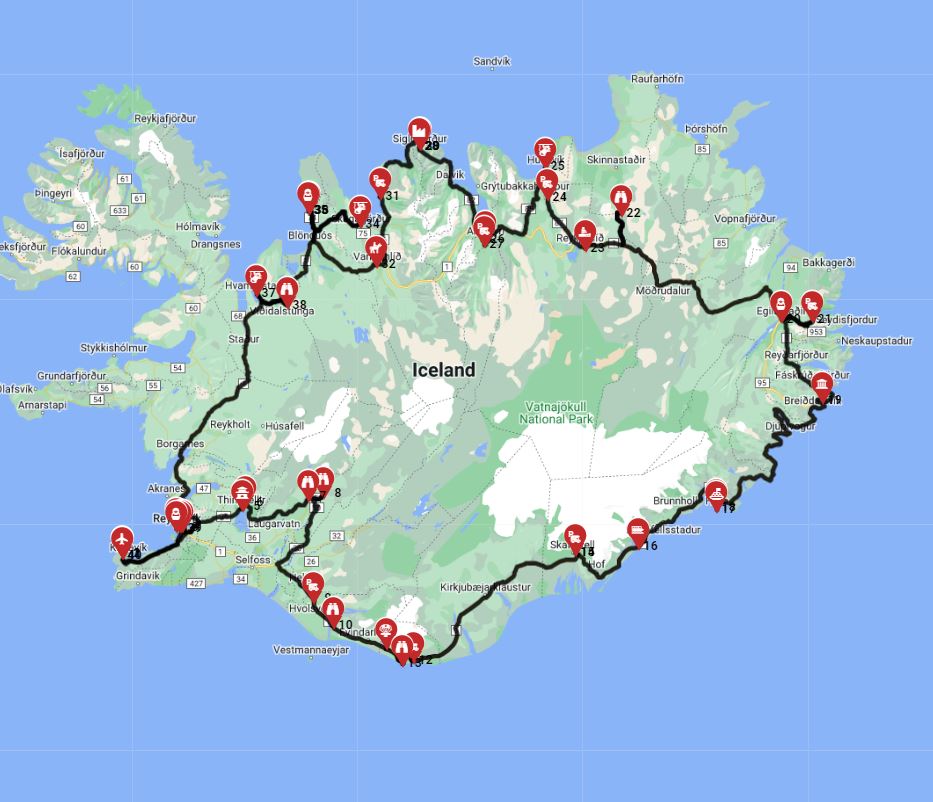
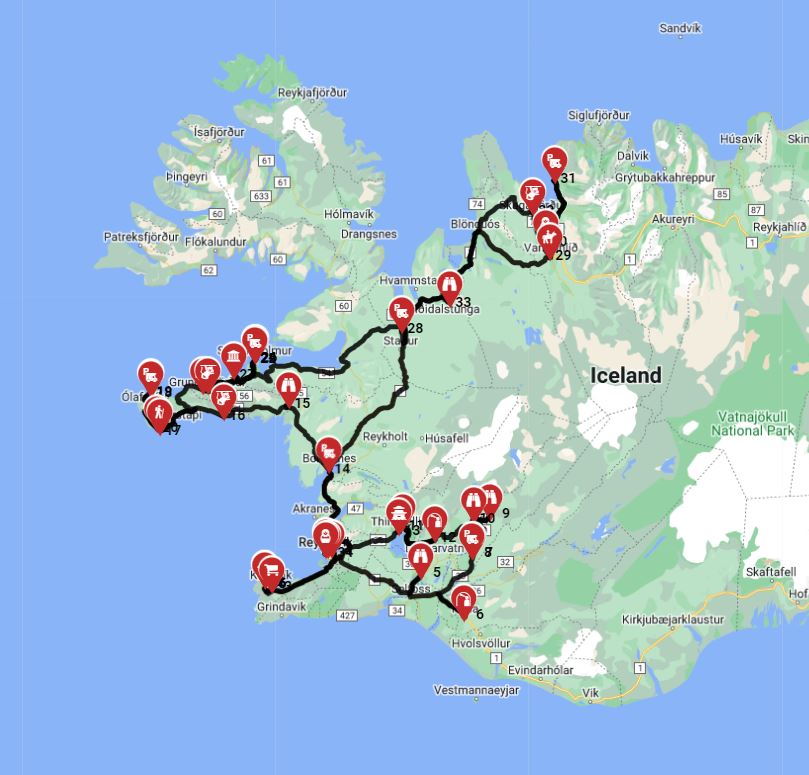
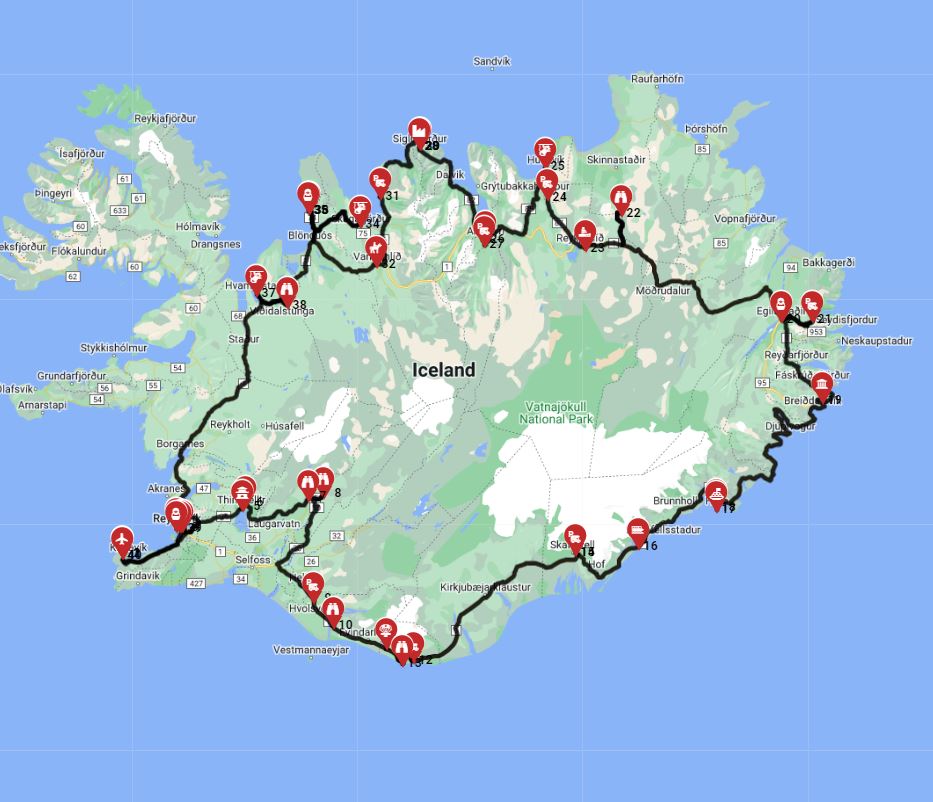
Iceland's road conditions vary significantly across the island, offering a diverse driving experience from well-maintained paved roads to challenging gravel tracks. The most famous route, the Ring Road (Route 1), is largely paved and in excellent condition, circling the entire country for 1,322 km.
However, venturing onto secondary routes and the Highlands (F-roads) will introduce you to gravel, unpaved sections, and varying terrain that includes flat coastal plains, mountainous regions, volcanic landscapes, and even river crossings. Drivers should always be aware of strong winds, sudden weather changes, and loose gravel on secondary roads, encouraging slow and scenic driving to fully appreciate the diverse Icelandic scenery. While many popular tourist attractions are accessible via paved roads, exploring off the main routes often leads to less traveled, more rugged paths. This is why we always recommend slow travel, averaging a maximum of 100-150 km per day, allowing you to truly immerse yourself in the place, connect to the culture, the food, and the scenery.
RV Size Limits, Bridges & Restricted Zones
While Iceland does not have widespread RV size limits or numerous low bridges like some older European cities, drivers must be mindful of specific areas, particularly unpaved F-roads, where larger vehicles might struggle. Always observe signage for height and weight restrictions, especially near older bridges or tunnels, though these are less common for standard RV routes.
Access to F-roads is generally restricted to 4x4 vehicles, and larger, heavier motorhomes are often unsuitable or explicitly prohibited due to rough conditions and river crossings. Environmental zones are less common than in some European cities, but adherence to Leave No Trace principles is paramount across the island to protect its pristine nature. Drive slowly and carefully, and you can drive almost anywhere without issues. No need to stress - just use common sense and pay attention.
🎬 Video coming soon
Fuel: Diesel vs. Petrol & Cost per 100 km
Most rental RVs in Iceland, including a significant portion of Bandana's fleet, are diesel-powered, which is readily available at fuel stations across the country, though petrol options exist. Average fuel consumption for our fleet typically ranges from 8-12 Liters per 100 km for Class B Camper Vans (e.g., a "Category Van" or "Combi Van" consume around 9-12 L/100 Km) and Semi-integrated RVs (e.g., an "EcoLine 2" is rated at 8-11 L/100 km), up to 12-17 Liters per 100 km for specialized Class TC Truck Campers or larger Class C motorhomes (e.g., a "MH-A" at 25 L/100Km for a much larger US market vehicle, but Icelandic ones are more efficient, typically 12-17L/100km).
While fuel costs in Iceland are generally higher than the European average, planning stops and utilizing any provided fuel discount cards from your RV rental supplier can help manage expenses. It's advisable to refuel whenever possible outside of remote areas, as fuel stations can be sparse in certain regions, especially in the East and Highlands. To help you budget for ancillary costs like fuel, tolls, and campground fees, remember that RV PLANET routes allow you to itemize and track every expense along the way. On the routes offered through RV PLANET routes, you can itemize and track every expense along the way for easy budgeting.
Tolls, Vignettes & Border Rules
Iceland does not use traditional tolls or vignettes for its main road network, simplifying travel for RVers compared to many other European countries. The only exception is the Vaðlaheiðargöng tunnel in Northern Iceland (near Akureyri), which requires a fee that can be paid online or at designated service stations.
There are no border rules to consider for RV travel within Iceland, as it is an island nation, meaning no neighboring countries or international crossings are involved. Renting an RV with options for pre-purchasing tunnel passes can help avoid potential fines for non-payment at the Vaðlaheiðargöng tunnel. This straightforward system contributes to the appeal of RV travel here, allowing you to focus on the spectacular landscapes rather than complex road charges.
Driving Tips for rv rental Travelers
Prioritize safety by always checking weather forecasts on vedur.is, as conditions in Iceland can change rapidly, particularly in winter, and adjust your route accordingly. Maintain appropriate speeds for gravel roads and strong winds; Icelandic law mandates headlights on at all times, even during daylight hours, for all vehicles including your rented motorhome.
Utilize designated campsites for overnight stays, as wild camping is largely prohibited to protect the pristine environment, ensuring you have planned stops for water, waste, and electricity. For families, plan frequent stops every 1.5-2 hours to allow for breaks, stretching, and appreciating the scenery, making the journey more enjoyable for everyone. We also encourage you to "Travel slowly - max 100-150 km per day. Take time to feel the place, connect to the culture, the food, and the scenery." For more in-depth planning, consider exploring a pre-planned route like "
Recommended RV Class for Iceland Roads
For general travel on Iceland's Ring Road and major paved routes, a Class SI Semi-integrated RV or a Class B Camper Van is highly recommended due to their balance of comfort, maneuverability, and fuel efficiency. Bandana's Class SI Semi-integrated RVs, with an average length of 6.9m and comfortable sleeping for 3-4 adults, offer ample living space without being overly cumbersome on Iceland's varied roads.
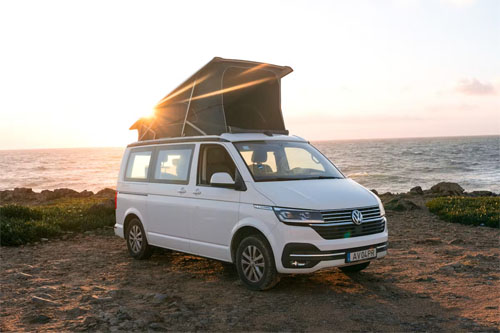
Class B Camper Vans, averaging 5.8m in length, provide excellent maneuverability and are ideal for couples or smaller groups (like a "MH2 - IDUNN" or "Duo") seeking a more compact and agile vehicle for exploring both paved and some light gravel roads. While larger Class C Alcove RVs (averaging 7.5m, such as a "MHC24" or "F2") offer more space for bigger families (up to 4-6 people), their size can be less forgiving on narrower roads or in high winds, though they are still perfectly manageable on main routes. Ultimately, the best RV rental in Iceland for you depends on your group size and desired amenities.
Should I Choose a Compact Van Instead of a Large RV in Iceland?
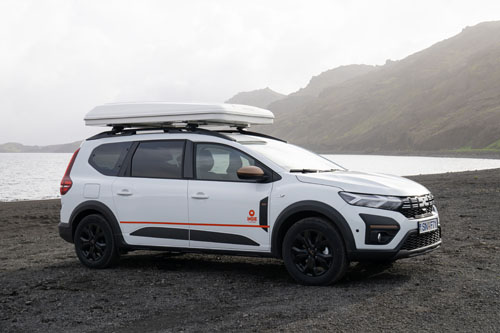
Choosing between a compact van and a large RV for an Iceland road trip depends on your group size, comfort preferences, and planned routes, as larger RVs generally pose no significant issues on main roads. Compact vans (Class B Camper Vans), like a "V2L" or "Combi Van", offer easier maneuverability, better fuel economy (e.g., 8-10 Liters/100 Km), and simpler parking, which can be advantageous in urban areas like Reykjavik or on narrower, less-traveled paths.
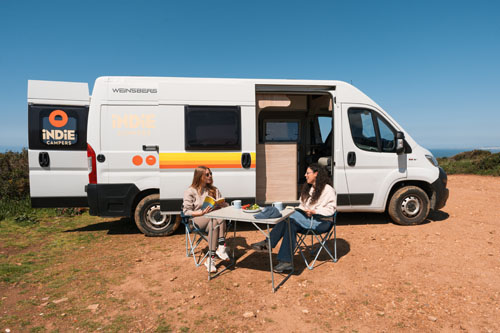
Larger RVs (Class SI, Class C, Class A, such as a "MH23 Medium - Economy" or "Glamys 40") provide significantly more indoor space, better amenities like full kitchens and bathrooms, and greater comfort for longer trips or larger families, enhancing the overall living experience. For exploring Iceland's main attractions via the Ring Road, the added comfort and facilities of a larger RV often outweigh the minor benefits of a compact van's maneuverability, especially given the open nature of Icelandic roads. Consider a "MH4-5 - SIF" if you need space for 4 while still being nimble.
Can I Park Anywhere? Free & Wild Camping Rules in Iceland
Wild camping is generally prohibited in Iceland, especially outside designated campsites or private land with explicit permission, to protect the country's pristine natural environment. Many areas, particularly those susceptible to environmental damage, are strictly monitored, and overnight parking in a rented RV is restricted to official campsites or designated spots.
Iceland has a well-developed network of over 170 campsites that offer essential facilities like water, electricity, and waste disposal, providing a legal and responsible way to spend the night. Rules vary by region, so always check local regulations and follow local law before parking overnight, as fines can be substantial for illegal parking or camping. For finding campsites and campgrounds during your trip, we recommend using RV PLANET (rvplan.net) - a great resource for locating available spots along your route.
Can I Drive an RV Into the City Center? Heights, Tunnels & Local Signage
Driving a rented RV into Reykjavik's city center and other Icelandic towns is generally possible, but attention to local signage, especially regarding parking, is crucial. There are no specific height or weight restrictions on standard city roads that would typically prevent a motorhome from entering, but drivers should always observe signs for potential low bridges, tunnels, or residential-only streets that might be encountered.
Parking for larger RVs can be challenging in crowded urban areas, so researching designated RV parking zones or opting for public transport into the very heart of the city from a peripheral campsite is often advisable. While environmental zones are not a common feature in Icelandic cities, respecting local parking regulations and avoiding restricted areas is essential for a smooth travel experience. Remember, drive slowly and carefully, and you can drive almost anywhere without issues. No need to stress - just use common sense and pay attention.
Navigating Iceland's F-Roads: 4x4 RVs and Safety
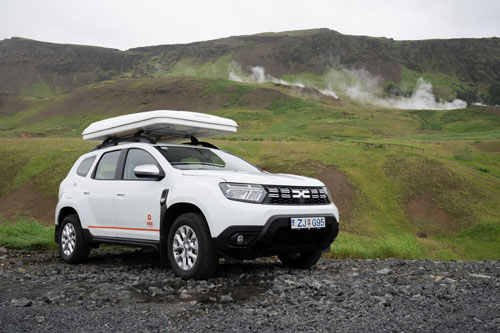
Navigating Iceland's F-roads, which are unpaved mountain roads, strictly requires a 4x4 vehicle due to challenging terrain, steep inclines, and unbridged river crossings. Most standard RVs (like Class SI or C) are not 4x4 capable and are explicitly prohibited on F-roads; only specialized 4x4 camper vans or truck campers (Class TC, such as a "4x4 Camper B - THOR" or "Patagonia Camper 4x4 double cab") are suitable for these adventurous routes.
Safety protocols for F-roads include checking road conditions before departure (via road.is), never attempting river crossings that appear too deep or fast, and always traveling with adequate supplies and communication. Driving on F-roads is often only possible during summer months (typically June to September) when conditions are safer, as they are closed or impassable due to snow and ice during other seasons. Our true RV specialists can advise you on suitable 4x4 rental options if F-roads are a must for your Iceland adventure.
RVing in Iceland During Winter: Challenges and Rewards
RVing in Iceland during winter presents unique challenges, including extreme weather with heavy snow, ice, strong winds, and limited daylight hours, but offers unparalleled views of the Northern Lights and snow-covered landscapes. Winter RVing requires specific gear such as studded tires (often standard on rentals for the season), tire chains, extra warm clothing, a robust heating system in the RV, and emergency supplies.
Route planning for winter must prioritize safety, sticking to main cleared roads (like the Ring Road) and avoiding F-roads or less-maintained routes, while regularly checking road.is for closures. Despite the difficulties, winter provides the unique opportunity to experience Iceland's dramatic beauty with fewer crowds and the magical phenomenon of the Aurora Borealis, making preparedness key to a rewarding trip. Many of our rented motorhomes, like the "2 Berth Hi Top" or "Category Family 5 AT", are "Winter Ready" and ideal for colder conditions.
Sustainable RV Travel in Iceland: Leave No Trace Principles
Practicing sustainable RV travel in Iceland is crucial for preserving its pristine environment and involves strict adherence to Leave No Trace principles, which are often legally enforced. This means always disposing of waste properly at designated facilities, avoiding off-road driving which damages fragile ecosystems, and respecting wildlife and vegetation.
Cultural etiquette with locals includes showing respect for private property, quiet hours at campsites, and understanding that Icelanders highly value their natural surroundings. Adhering to specific environmental regulations, such as never emptying grey water or black water tanks outside of authorized dumping stations, is fundamental to responsible RVing in Iceland. As true RV specialists, we emphasize that thoughtful travel ensures Iceland remains beautiful for everyone, and our 24/7 support means we're here to guide you before, during (pre-booking assistance), and after your booking, including advice on responsible travel practices.
Emergency Preparedness for RV Trips in Iceland
Emergency preparedness is vital for RV trips in Iceland's often remote and sparsely populated areas, requiring a proactive approach to safety. Detailed advice for breakdowns includes carrying a fully charged mobile phone, extra fuel (if safe and legal), and basic repair tools, along with knowing your rental company's roadside assistance contact number and Iceland's emergency services number (112).
For medical emergencies, know the location of nearest towns with medical facilities and consider carrying a comprehensive first-aid kit, especially if venturing off main routes. Dealing with extreme weather events involves staying informed through official weather warnings (vedur.is), being prepared to shelter in place, or adjusting travel plans to avoid dangerous conditions like severe winds or blizzards. Remember, with Bandana, you can upgrade to a top-level deductible for extra peace of mind, knowing you're covered in unexpected situations.
Unique Icelandic Experiences for RV Travelers
RV travelers can uniquely engage with Icelandic culture by visiting local farmers' markets for fresh produce, sampling regional specialties at roadside eateries, and exploring less-known geothermal spots accessible by RV. Beyond the main tourist circuit, RVers have the flexibility to discover hidden hot springs, explore charming fishing villages, and attend regional festivals that offer an authentic glimpse into Icelandic life.
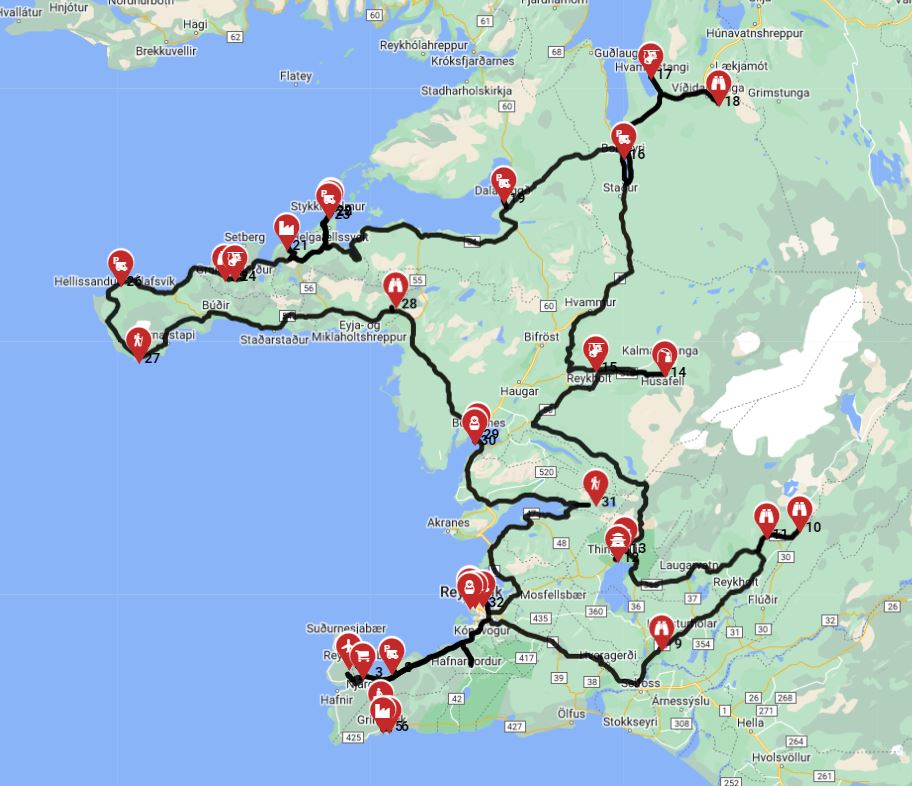
Sourcing local food directly from farms or small community shops not only supports local economies but also provides a fresh culinary experience on your RV adventure. Our RV-friendly recipes playlist can inspire your meals using these local ingredients. The freedom of a rented RV allows for spontaneous detours to geological wonders, unique art installations in rural areas, and stargazing opportunities away from light pollution, especially when hunting for the Northern Lights. Consider exploring a pre-planned route like "
Essential Packing List for an Iceland RV Adventure
An essential packing list for an Iceland RV adventure must be tailored to the country's famously variable weather, regardless of the season, and include layers for all conditions. Key clothing items include waterproof and windproof outerwear, thermal base layers, fleece mid-layers, sturdy waterproof hiking boots, and warm hats, gloves, and scarves.
Specific gear for activities should include a good camera for landscapes and potentially the Northern Lights, a swimsuit and towel for hot springs, and a small daypack for hikes. Other crucial items are an Icelandic road map (in addition to GPS, which may not always work in remote areas), a portable power bank, sunglasses, sunscreen (even in winter, due to glare), and any personal medications, ensuring readiness for all scenarios. Remember, Bandana RV specialists are always here to support you before your booking by answering any questions about what's typically included with your chosen RV rental.
What You Shouldn't Miss
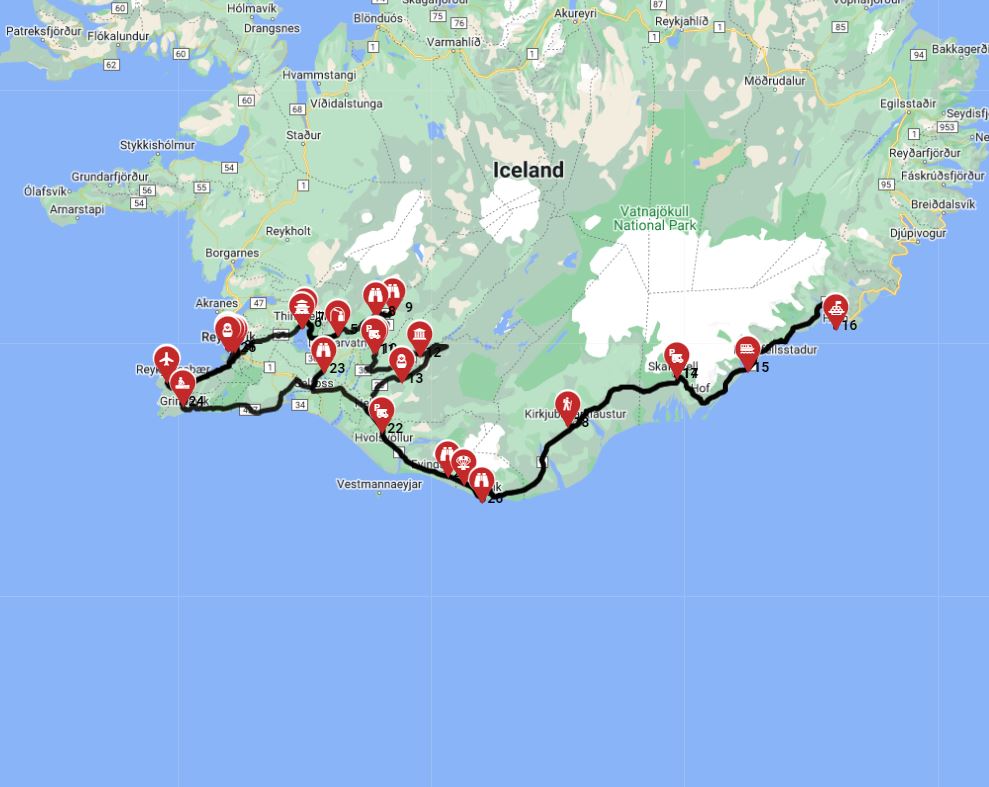
- **The Golden Circle:** This classic route, easily accessible from Keflavík, covers 300 km and includes Þingvellir National Park, Gullfoss waterfall, and the Geysir geothermal area.
- **Jökulsárlón Glacier Lagoon:** Witness icebergs calve from a glacier into a stunning lagoon, often frequented by seals, a truly magical natural feature.
- **The South Coast Waterfalls:** Chase waterfalls like Seljalandsfoss (where you can walk behind it) and Skógafoss, two of Iceland's most iconic cascades.
- **Myvatn Nature Baths:** Enjoy a relaxing geothermal soak in the north, a serene alternative to the more crowded Blue Lagoon.
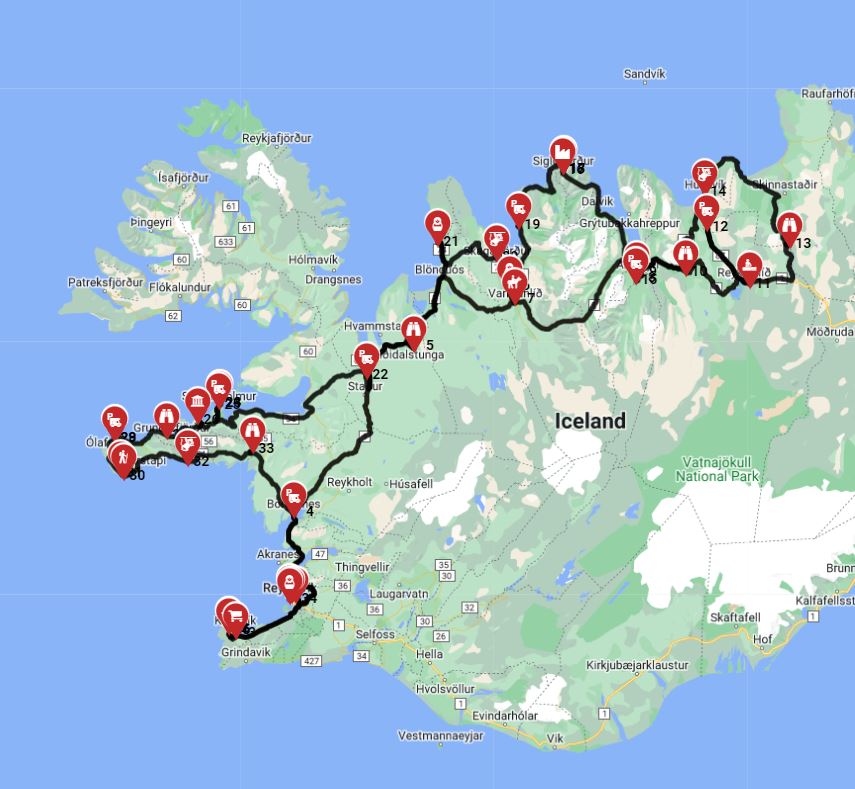
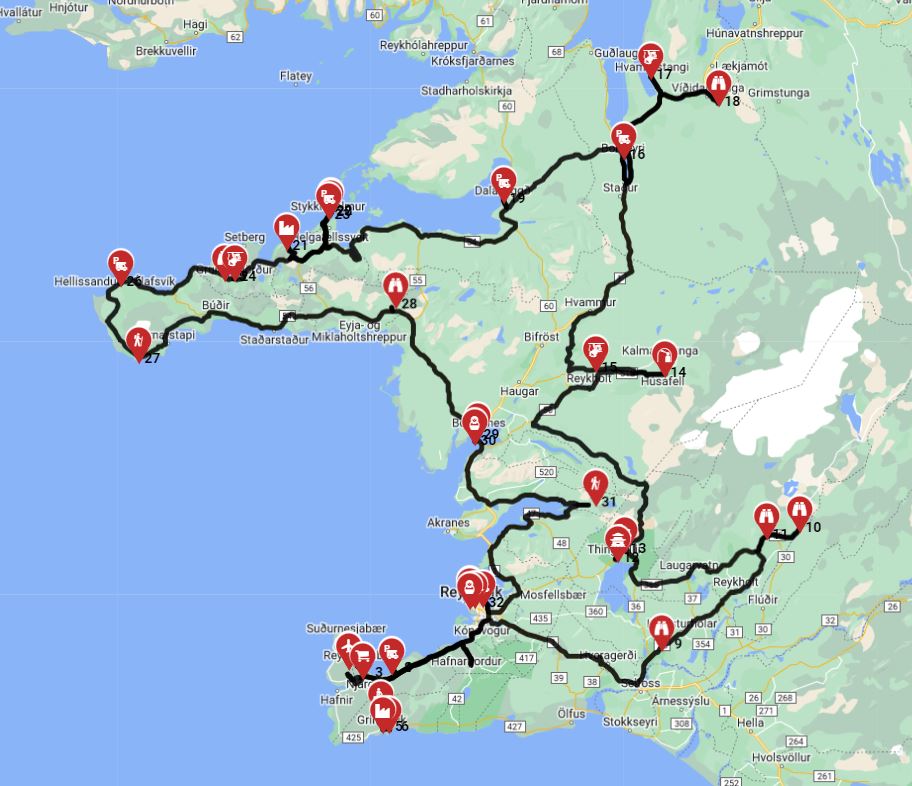
- **Snæfellsnes Peninsula:** Often called "Iceland in Miniature," this peninsula features black sand beaches, dramatic cliffs, and the iconic Kirkjufell mountain.
Looking for expert insights from Avi Bandana? Top 5 Adventures - recommendations from Avi Bandana
Final Thoughts
Renting an RV from Iceland Airport truly opens up a world of discovery, offering the freedom to navigate its stunning landscapes at your own pace. Whether you dream of tracing the Ring Road's 1,322 km or seeking out unique cultural experiences, an RV provides a flexible and comfortable base for your adventures. Remember to travel slowly, embrace the changing weather, and respect the natural beauty of this incredible island.
With Bandana Caravan, you're not just renting a vehicle; you're gaining a partner dedicated to making your journey transparent, supported, and unforgettable. Our expertise and commitment to your satisfaction ensure that every detail, from licensing requirements to choosing the perfect campervan, is handled with care. Get ready to create lasting memories on Iceland's open roads!
Discover top destinations, planning tips, all in one place, or explore available motorhome and campervan rentals for your Icelandic adventure today. Check Iceland RV Rental Prices Now!