In This Guide
- Can You Drive an RV in England? License & Age Rules
- Road Conditions & Terrain in England
- RV Size Limits, Bridges & Restricted Zones in England
- Fuel: Diesel vs. Petrol & Cost per 100 km in England
- Tolls, Vignettes & Border Rules in England
- Driving Tips for RV Rental Travelers in England
- Recommended RV Class for England Roads
- Should I Choose a Compact Campervan Instead of a Large RV in England?
- Can I Park Anywhere? Free & Wild Camping Rules in England
- Can I Drive an RV Into England City Centers? Heights, Tunnels & Local Signage
- How Do You Drive a Rented RV in England?
- Can You Overnight Park a Rented RV in England?
- How Much Does It Cost to Rent an RV in England?
- Can You Camp Anywhere in England with a Rented RV?
- Is It Hard to Drive an RV in England?
- What is the Best Month to RV in England?
- Where Can I Empty My Rented RV Waste in England?
- What Are the Rules for Wild Camping with a Rented RV in England?
- What You Shouldn't Miss
- Why Book with Bandana Caravan
- Final Thoughts
- Frequently Asked Questions
Embarking on a motorhome adventure from an England airport opens up a world of scenic routes, historic towns, and unforgettable experiences. England, with its rich tapestry of landscapes, from rolling hills to dramatic coastlines, offers a truly unique road trip experience. Whether you're planning a week-long trip to explore the Cotswolds or an extended road trip through the Lake District and beyond, renting an RV provides unparalleled freedom and flexibility. For live availability and current prices, start with our RV Rental England - Complete Guide 2026 guide.
Can You Drive an RV in England? License & Age Rules
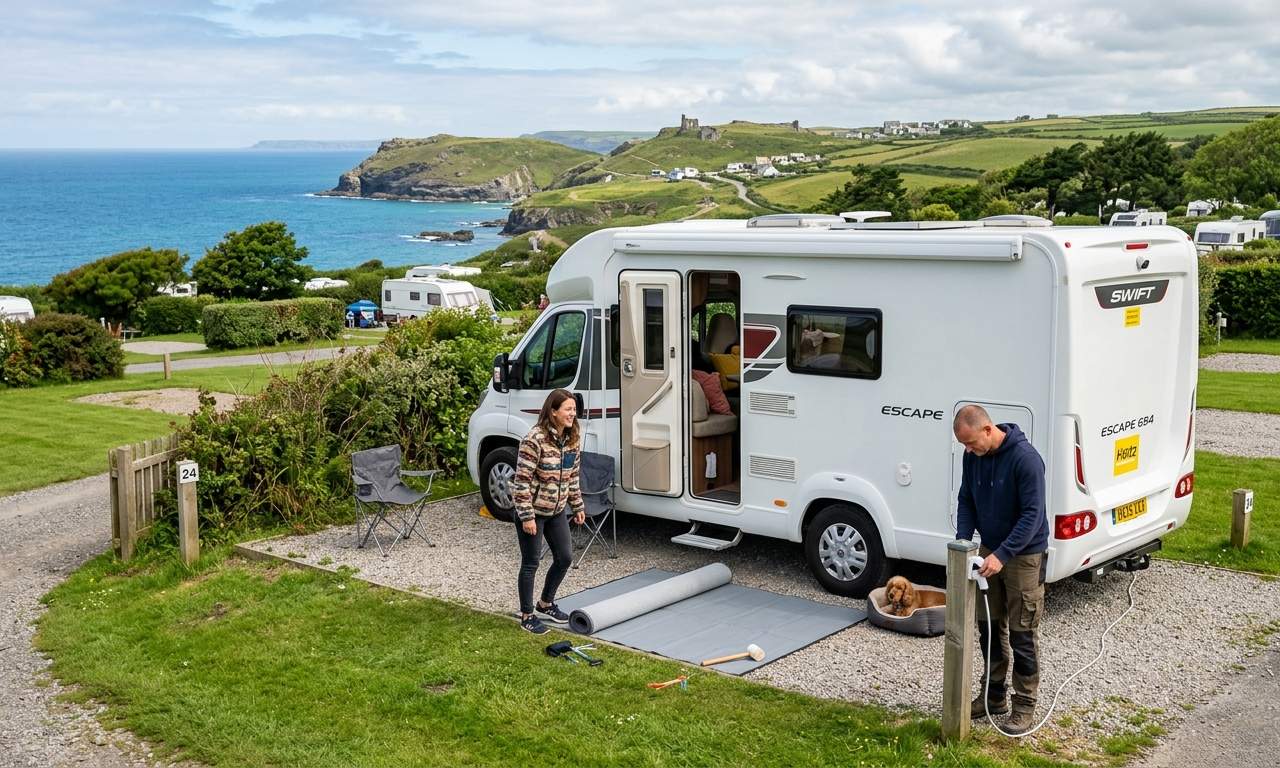
Yes, you can absolutely drive a rented RV in England, with a standard car driver's license generally being sufficient for most rental motorhomes. Most drivers with a Category B car license can operate RVs with a Maximum Authorised Mass (MAM) of up to 3,500 kg, which covers the majority of campervans and smaller Class C motorhomes available for rental. If your license was issued before 1997, you might automatically be entitled to drive vehicles up to 7,500 kg MAM, but for those issued after 1997, a Category C1 license would be required for RVs weighing over 3,500 kg. However, Bandana RV specializes in rentals that typically fall within the standard Category B license limits, ensuring a smooth experience.
For international visitors from non-English-speaking countries, an International Driving Permit (IDP) is highly recommended, though not always legally mandatory. It provides a translation of your home country's license and can be very useful for identification purposes with authorities or rental agencies. The minimum rental age for RVs in England is 21 years old with Bandana RV, and importantly, there are no young driver surcharges or vehicle class restrictions based on age, making RV travel accessible for a wider range of adventurers. Always check with your specific rental supplier for any particular requirements, but rest assured, driving a rented motorhome in England is a straightforward process.
Road Conditions & Terrain in England
England's road network is extensive and generally well-maintained, offering a diverse driving experience that ranges from multi-lane motorways to winding country lanes. Motorways like the M1 or M6 provide efficient travel between major cities, while A-roads offer a balance of speed and scenic beauty. However, a significant part of England's charm lies in its picturesque rural roads, which can be considerably narrower, winding, and often bordered by hedgerows or dry stone walls. Driving slowly and carefully, you can navigate almost anywhere without issues, without any need to stress - just use common sense and pay attention.
The terrain across England varies, including flat agricultural regions in the east, rolling hills in areas like the Cotswolds and Yorkshire Dales, and more mountainous landscapes in the North, such as the stunning Lake District. These diverse terrains mean you might encounter steep inclines and declines, particularly on smaller roads, but a modern rented motorhome is well-equipped to handle such conditions. Planning your route with awareness of the road types will ensure a more relaxed and enjoyable trip, aligning perfectly with our recommendation to travel slowly, averaging a maximum of 100-150 km per day, allowing you to truly connect with the culture, food, and scenery.
RV Size Limits, Bridges & Restricted Zones in England
Rented RVs in England must adhere to specific height and weight restrictions, with low bridges being a common sight, especially in rural areas and historic towns. Always pay close attention to road signage that indicates height, width, and weight limits, particularly when entering villages, using secondary roads, or attempting to enter car parks. Modern GPS systems often have RV-specific settings that can help you avoid potential hazards, but a quick visual check of signage is always the safest bet. It's a small detail that can make a big difference, and we always encourage our travelers to be mindful of these local nuances.
Furthermore, England has various environmental zones designed to reduce vehicle emissions. The most notable is the London Ultra Low Emission Zone (ULEZ), which charges daily fees for non-compliant vehicles. Clean Air Zones (CAZ) are also being implemented in other cities such as Birmingham and Bristol. Most modern rental motorhomes and campervans meet the emission standards for these zones, but it's essential to check your specific vehicle's compliance and pre-pay any charges if necessary to avoid fines. These zones are not a barrier to exploring cities, just an aspect to be aware of in your planning. By handling the details, we help you live the journey, ensuring you have all the information you need.
Fuel: Diesel vs. Petrol & Cost per 100 km in England
The vast majority of rented RVs and motorhomes available in England run on diesel fuel, which is readily available at service stations nationwide. While a few smaller campervans might use petrol, diesel is the standard for most recreational vehicles due to its efficiency for larger engines. Understanding your fuel costs is a crucial part of budgeting for your adventure. On the routes offered through RV PLANET routes, you can itemize and track every expense along the way for easy budgeting.
Based on Bandana's global fleet averages, a typical Class SI - Semi-integrated RV, often around 6.9m in length, generally consumes 10-11 Liters/100 km. At an estimated average diesel price of £1.68/liter (prices are dynamic and change daily), this translates to an approximate fuel cost of £16.80-£18.48 per 100 km. This provides a realistic estimation for your journey. For budgeting and tracking every expense along the way, RV PLANET routes offer detailed cost itemization tools. Some rental providers may also offer loyalty programs or fuel discount cards, which can help slightly reduce your running costs during your week-long trip or extended road trip.
🎬 Video coming soon
Tolls, Vignettes & Border Rules in England
England does not utilize a national vignette system for its roads, unlike some other European countries. Instead, tolls are specific to certain major roads, bridges, and tunnels. The most well-known examples include the M6 Toll motorway in the Midlands and the Dartford Crossing (M25) near London. These tolls are typically paid electronically or at a toll booth, so it's always wise to have a payment method ready, whether it's a credit card or some spare change. Some rental companies may offer electronic tag options for ease of use, which is worth inquiring about.
Beyond specific tolls, urban areas, particularly London, operate a Congestion Charge and the Ultra Low Emission Zone (ULEZ)/Clean Air Zone (CAZ) as mentioned previously. These are not tolls in the traditional sense but rather daily charges for driving in designated areas during specific hours. Traveling with a rented motorhome from England into Scotland or Wales is generally seamless, with no physical border checks or additional tolls incurred purely for crossing administrative boundaries. This makes multi-country UK adventures straightforward and allows you to truly explore the breadth of Great Britain.
Driving Tips for RV Rental Travelers in England
Driving a rented RV in England is a rewarding experience, and with a few key tips, you'll feel like a seasoned pro in no time. Firstly, always remember to **stay left** on the road and give way to the right on roundabouts. This is often the biggest adjustment for visitors from right-hand drive countries. Secondly, **take it slow**. RVs and campervans are larger and heavier than cars, so allow extra time for journeys, especially on narrow or winding country roads, and adjust your speed accordingly. Our recommendation is always to travel slowly, enjoying every moment rather than rushing.
Thirdly, **mind your mirrors** constantly. Due to the size of your rented motorhome, regularly checking your mirrors before turning, changing lanes, or reversing is crucial for safety. Fourthly, **plan ahead** using a GPS with RV-specific settings to avoid potential headaches like low bridges, weight limits, or extremely tight spots, particularly in historic towns and villages. Finally, familiarize yourself with **roundabout navigation**. England has many multi-lane roundabouts, which can seem daunting at first. Approach slowly, indicate your intentions clearly, and know your exit in advance. This expert advice will make your rented RV trip through England a breeze, allowing you to focus on the stunning scenery and cultural immersion.
Recommended RV Class for England Roads
Choosing the right size of rented RV is key to a comfortable and enjoyable trip through England. For many, Class SI - Semi-integrated RVs, typically averaging 6.9m in length, strike an excellent balance between interior comfort and maneuverability on England's varied roads. These models usually offer ample living space for couples or small families, along with essential amenities.
However, for those looking for maximum flexibility on narrower country lanes and in bustling urban environments, Class B - Camper Vans are highly recommended. With an average length of 5.8m, they are incredibly easy to drive and park. They offer a compact yet fully functional experience, perfect for couples or solo travelers who prioritize agility. While larger Class C (Alcove) and Class A (Integrated) RVs can certainly navigate England, their average lengths of 7.5m or more might make driving and parking more challenging in certain areas. It truly depends on your comfort level with a larger vehicle and your travel style, but rest assured, you can drive almost anywhere without issues if you proceed slowly and carefully.
Should I Choose a Compact Campervan Instead of a Large RV in England?
The choice between a compact campervan and a larger RV for your England adventure boils down to your priorities for space versus maneuverability. While there is usually no major issue driving most RV sizes in England, a compact Class B Camper Van, averaging 5.8m in length, offers superior maneuverability for extremely tight historic centers, very narrow country lanes, and generally easier parking. If your itinerary involves frequent stops in small villages or busy city hubs like York or Bath, a campervan can offer a more stress-free driving experience.
Conversely, a larger RV, such as a 7m+ Class SI - Semi-integrated or Class C (Alcove) model, provides significantly more indoor space, amenities, and comfort. This often outweighs the minor maneuverability advantages of a smaller vehicle for many travelers, especially families or groups on longer trips. The extra room for cooking in your RV kitchen, dining, and sleeping can make a huge difference to your overall enjoyment. Ultimately, your choice should balance your desired interior comfort and sleeping capacity with the frequency of navigating very confined spaces and your personal comfort level driving a larger vehicle. Remember, drive slowly and carefully, and you can drive almost anywhere without issues.
Can I Park Anywhere? Free & Wild Camping Rules in England
Wild camping and unsanctioned overnight parking in a rented RV are generally not permitted in England without the express permission of the landowner. This rule applies to most public roads, car parks, and private land across the country. Violating these rules can lead to fines or being asked to move on, which can disrupt your travel plans. Navigating England's overnight RV rules is essential for a stress-free trip.
However, legal alternatives abound for RVers! These include a vast network of commercial campsites offering a range of facilities from basic pitches to luxury glamping. Additionally, members of clubs like The Caravan and Motorhome Club can access exclusive Certified Locations (CLs) and Certified Sites (CSs), which are smaller, often charming sites on private land. A unique cultural phenomenon is the 'pub stop,' where many rural pubs welcome motorhome and campervan owners to park overnight for free, usually in exchange for purchasing a meal or drinks – a fantastic way to experience local culture and food. Schemes like BritStops also facilitate farm stays and other unique parking opportunities. Always check local regulations before parking overnight, and remember, you'll find a spot; if not at the first campground, then the next one. Call ahead before driving to confirm availability.
Can I Drive an RV Into England City Centers? Heights, Tunnels & Local Signage
Yes, you can generally drive a rented RV into most city centers in England, but it absolutely requires careful attention and common sense. Specific challenges include navigating narrow streets, often found in historic cores like Chester or Bristol, and being aware of potential height restrictions for low bridges, especially railway bridges or underpasses. Parking can also be a consideration, with many city center car parks having height barriers or being designed for smaller vehicles. However, many cities offer designated RV parking slightly outside the immediate center, with good public transport links into the heart of the action.
Local signage is your best friend when driving a motorhome in English cities. Always look out for signs indicating vehicle restrictions, weight limits, or environmental zones like the London ULEZ or other Clean Air Zones. No need to stress - just drive slowly and carefully, paying close attention to these signs, and you can drive almost anywhere without issues. With a bit of planning and awareness, you can easily explore cities like Birmingham, Bristol, and Derby with your rented motorhome.
How Do You Drive a Rented RV in England?
Driving a rented RV in England involves adapting to specific local driving customs and road conditions for a smooth and enjoyable journey. The primary adjustment for many international travelers is driving on the left-hand side of the road, a rule that applies across the entire UK. Roundabouts are ubiquitous and can be complex, often featuring multiple lanes and exits; approach slowly, select the correct lane, and signal clearly well in advance of your exit.
England's rural lanes are notoriously narrow, often bordered by high hedgerows or stone walls, making visibility limited. When driving your campervan or motorhome on these roads, reduce your speed significantly and be prepared to pull over into designated passing places (indicated by black-on-white diamond signs) to allow oncoming traffic to pass. Many rented RVs, such as the Cruise America Explorer (7.1m length and 2.78m width), are equipped with robust engines and good visibility, making them suitable for these conditions, but prudence is key. Moreover, be aware of pedestrian zones and local parking restrictions in towns and villages; planning your stops and relying on local public transport for city exploration can enhance your experience.
Can You Overnight Park a Rented RV in England?
Overnight parking a rented RV in England is generally restricted to designated campsites, official motorhome stopovers, or private land with explicit permission from the owner. Wild camping, or sleeping in your RV overnight in undesignated spots, is largely prohibited across England. This is a significant difference from some other countries and emphasizes the importance of pre-planning your overnight stays.
Beyond just stating 'it's illegal,' it's crucial to know your options. Legal alternatives include commercial campsites, which are plentiful and range from basic to luxurious, offering amenities like electrical hook-ups, fresh water, and waste disposal points. Membership in The Caravan and Motorhome Club can open up access to Certified Locations (CLs) and Certified Sites (CSs), which are often smaller, more intimate sites on farms or private grounds. The unique 'BritStops' scheme also allows for free overnight parking at participating pubs, farm shops, and vineyards, usually in exchange for a purchase, providing a fantastic way to immerse yourself in local culture and enjoy some local cooking, perhaps trying some RV-friendly recipes playlist with local produce. Always check regional variations and local council bylaws for any specific area, as rules can differ. If you are ever unsure, call ahead to your chosen stop before driving, ensuring peace of mind.
How Much Does It Cost to Rent an RV in England?
The cost to rent an RV in England varies significantly, dynamically changing daily based on factors such as RV class, rental duration, season, and included amenities, typically ranging from £80 to £200+ per night. Smaller campervans or older models might start at the lower end, while a premium Class A - Integrated motorhome or a recent model Class C like the "Motorhome MC6 Gold" will command higher prices. Peak season (July-August) and major holidays will always see higher rates and limited availability.
Beyond the rental fee, a comprehensive budget for your England RV trip should account for several ancillary costs. These include fuel (an estimated £16.80-£18.48 per 100 km for a diesel RV), campsite fees (averaging £25-£40 per night for a pitch with electrical hook-up), insurance (which can include an optional upgrade to a top-level deductible for extra peace of mind), specific tolls/charges like the London ULEZ, and potential add-ons such as cleaning fees, mileage packages, or equipment rentals (e.g., outdoor furniture). For a two-week adventure or longer, RV travel can be a very cost-effective option for families or groups, especially when compared to hotels and eating out for every meal. To help with budgeting, RV PLANET routes allow you to itemize and track every expense. For a more detailed breakdown, you can check out our "RV Rental in England - Prices and Best Deals 2026" guide.
Can You Camp Anywhere in England with a Rented RV?
No, you cannot legally camp anywhere in England with a rented RV; 'wild camping' in a motorhome or campervan is largely prohibited on public land and private property without the landowner's explicit permission. This regulation is stricter than in some other parts of the UK or Europe, emphasizing responsible and planned RV travel. You’ll need to rely on designated campsites or other approved overnight parking options for your journey.
Regulations on overnight parking and camping vary regionally, with local councils having specific bylaws. This makes it crucial to research rules for your intended destinations, especially if venturing off the main tourist routes. While many guides offer general advice, this guide emphasizes the nuances of legal versus illegal stops and highlights viable alternatives. These include the extensive network of commercial campgrounds, as well as unique options like BritStops, which facilitate overnight stays at participating pubs and farms. Always ensure you have a confirmed spot for your rented motorhome each night to avoid any unexpected issues and ensure a peaceful night's rest.
Is It Hard to Drive an RV in England?
Driving a rented RV in England is generally manageable but requires heightened awareness and a sensible approach, especially for those accustomed to driving smaller vehicles or on the right side of the road. Initial challenges often stem from navigating England's narrower rural roads, which can be particularly tight with hedgerows, and the prevalence of busy urban centers with their specific traffic flow and environmental zones. Our Class SI - Semi-integrated models, such as the 6.9m "2 Berth Tamar," offer a good balance of comfort and size, making adaptation easier.
Many drivers find they quickly adapt to these conditions with careful planning, particularly when using an RV-specific GPS to avoid unsuitable routes. Practicing driving on the left and familiarizing yourself with multi-lane roundabout etiquette before your trip can significantly ease any initial apprehension. No need to stress - just use common sense and pay attention, drive slowly and carefully, and you can drive almost anywhere without issues. Bandana Caravan is a true RV specialist, and we're here to support you with advice and resources, ensuring your journey is enjoyable from start to finish. Remember, traveling slowly, around 100-150 km per day, allows you to savour the experience and tackle any road confidently.
What is the Best Month to RV in England?
The best month to RV in England largely depends on your priorities, with late spring (May-June) and early autumn (September-October) generally offering the most balanced and enjoyable experience. These shoulder seasons provide a delightful combination of good weather, longer daylight hours, and significantly fewer crowds compared to the peak summer months. In May and June, England is vibrant with spring blooms, while September and October showcase stunning autumn foliage, particularly in areas like the Lake District or the New Forest.
Summer (July-August) provides the warmest weather and longest days, ideal for coastal trips or outdoor activities, but it also sees peak tourist numbers, higher prices for RV rentals and campsites, and busier roads. If you plan to travel during these months, booking your RV rental and campsites well in advance (3-6 months is often advisable) is critical. Winter (November-April) offers a unique charm with festive markets and cozy pub visits, but expect shorter days, colder temperatures, and potentially limited access to some attractions or campsites. Each season has its unique appeal and challenges, allowing you to tailor your trip to your preferences. Our "Weekly RV Rental in England - Pricing 2026" guide offers more insights into seasonal costs.
Where Can I Empty My Rented RV Waste in England?
Responsible RVing in England means knowing where to properly dispose of your greywater (wastewater from sinks and showers) and blackwater (from the toilet). These waste tanks can typically be emptied at designated 'disposal points,' often referred to as 'Elsan points' for chemical toilets, which are widely available across the UK. You'll find these essential facilities at most commercial campsites, many certified locations (CLs/CSs), and some larger service stations along major routes.
When planning your route, use resources like rvplan.net or dedicated camping apps to locate these disposal points in advance. Always ensure your waste tanks are emptied before they become too full, as driving with full tanks can impact fuel efficiency and vehicle handling. Finding propane/LPG refills is also important; most service stations do not stock these, so look for specialized camping or automotive accessory shops. For connectivity, consider a local SIM card or portable Wi-Fi device, as public Wi-Fi can be unreliable outside major towns. Bandana RV's knowledgeable team can offer guidance on these practicalities during your booking process.
What Are the Rules for Wild Camping with a Rented RV in England?
The rules for wild camping with a rented RV in England are quite strict: it is generally not allowed without the explicit permission of the landowner. The concept of 'right to roam' in England primarily applies to walking on certain designated access land and does not extend to overnight stays in vehicles on public or private land without prior consent. Most national parks, national trails, and coastal paths have clear regulations prohibiting motorhome or campervan wild camping, as do local councils for public car parks and roadside areas.
Exceptions for wild camping are very limited and usually pertain to tent camping in specific areas, such as parts of Dartmoor National Park, and typically do not apply to motorhomes. This section comprehensively details the nuances of legal versus illegal overnight stops and offers practical, authorized alternatives. These include the numerous established campsites, farm stay options, and the popular BritStops at pubs, which welcome RVers. Adhering to these regulations ensures you respect local communities and the environment, avoiding potential fines or inconvenient situations, and contributing to a positive experience for all RV travelers in England.
What You Shouldn't Miss
Looking for expert insights from Avi Bandana? Top 5 Adventures - recommendations from Avi Bandana:
- Explore the Cotswolds' Charming Villages: Navigate your campervan through honey-colored stone villages like Bourton-on-the-Water and Bibury. Park up at a local campsite and spend your days walking picturesque trails and enjoying cream teas.
- Drive the Northumberland Coast: Discover dramatic castles like Alnwick and Bamburgh, expansive sandy beaches, and ancient Roman history along Hadrian's Wall. This route offers breathtaking scenery perfect for a rented motorhome.
- Immerse in the Lake District National Park: While roads can be winding, the reward is stunning. Hike fells, enjoy boat trips on Windermere or Ullswater, and find peaceful campsites amidst majestic landscapes. Remember our suggestion for slow travel here, max 100-150 km a day.
- Discover the Jurassic Coast in Dorset: Drive along this UNESCO World Heritage site, famous for its dramatic cliffs, fossil hunting beaches, and iconic landmarks like Durdle Door. Excellent RV camping is available near coastal towns.
- Visit Historic Bath and Stonehenge: Park your RV outside Bath and take public transport into the city to explore its Roman Baths and Georgian architecture. Then, drive your motorhome to Salisbury Plain for the iconic Stonehenge, a truly ancient wonder.
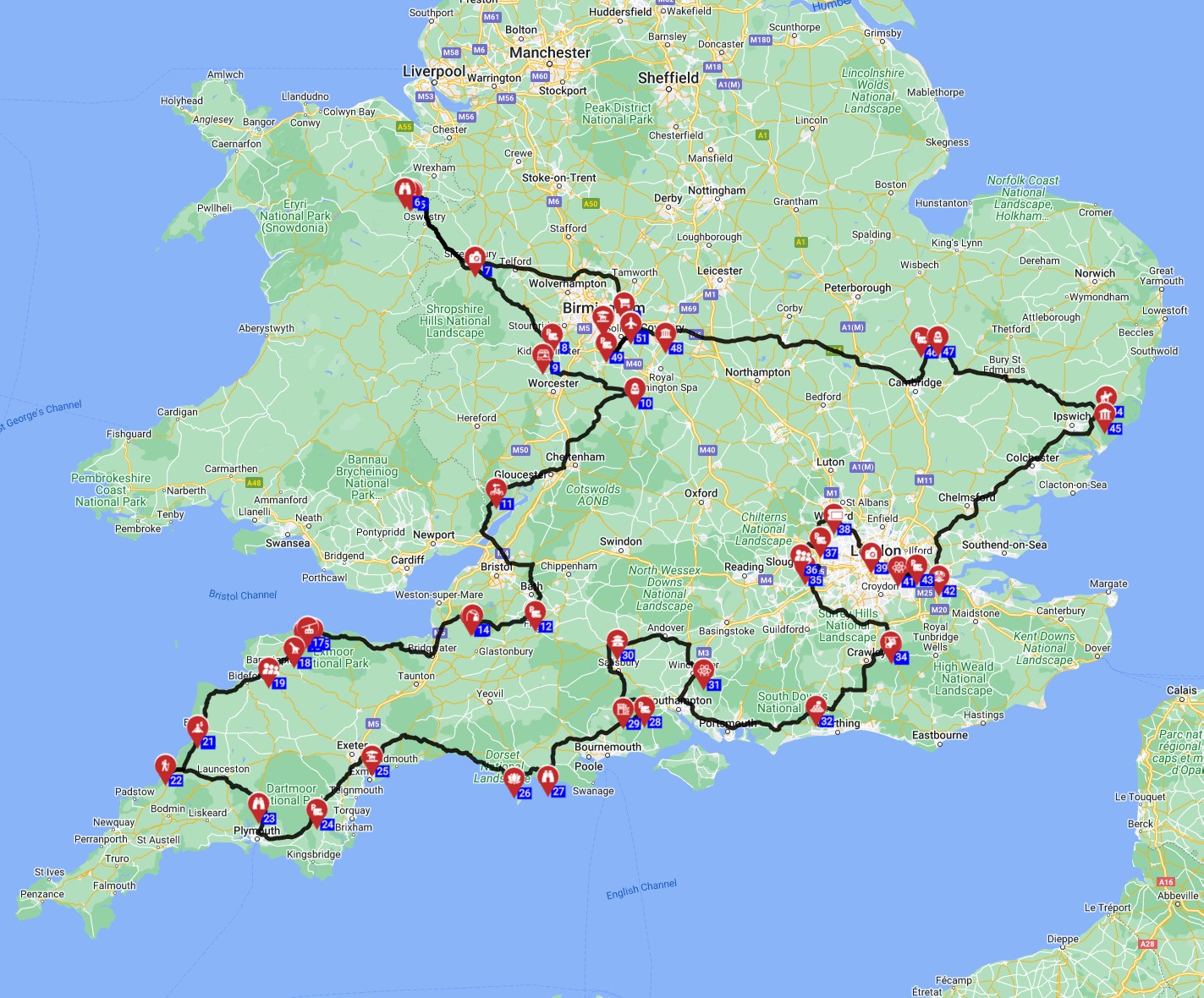
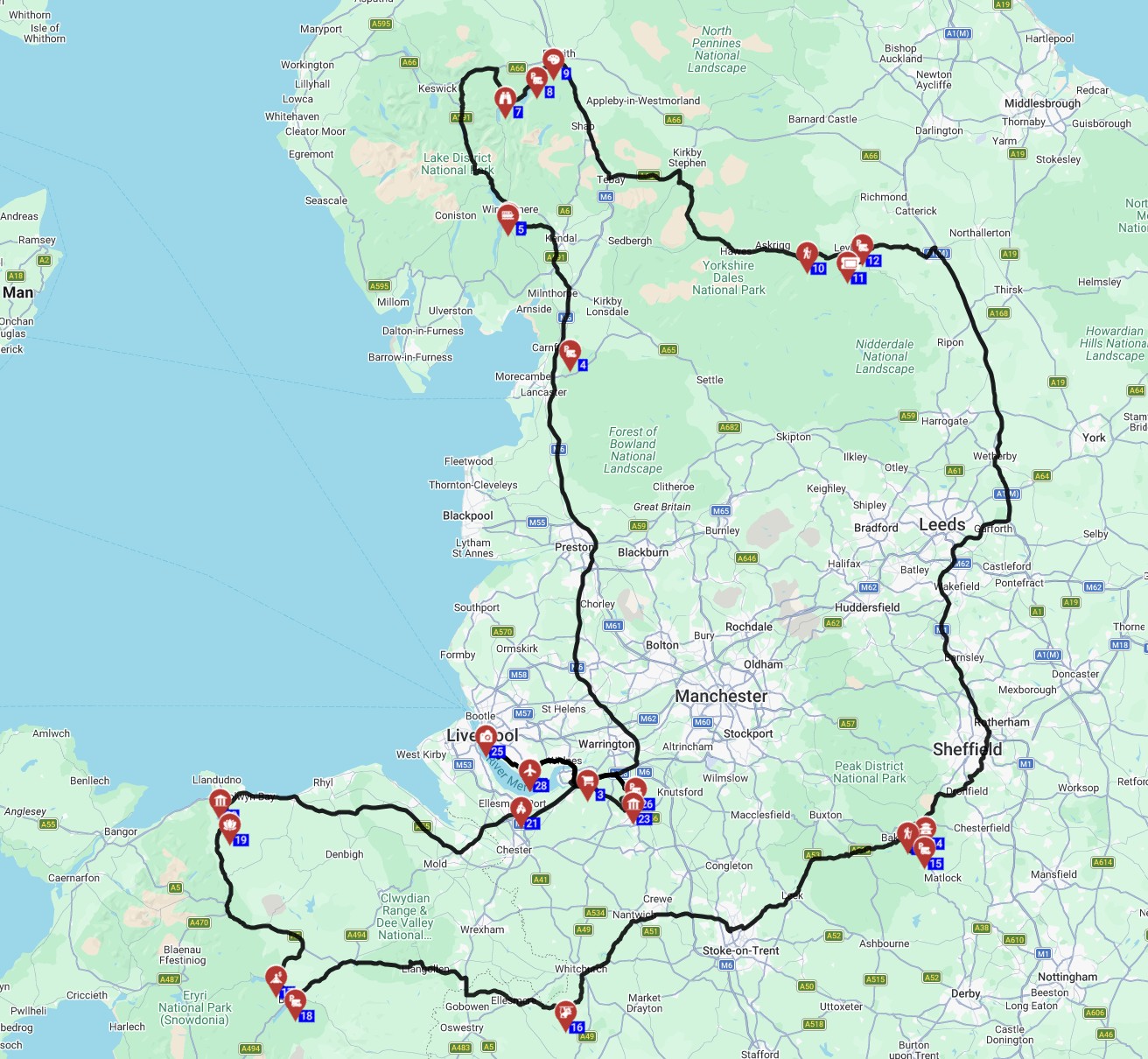
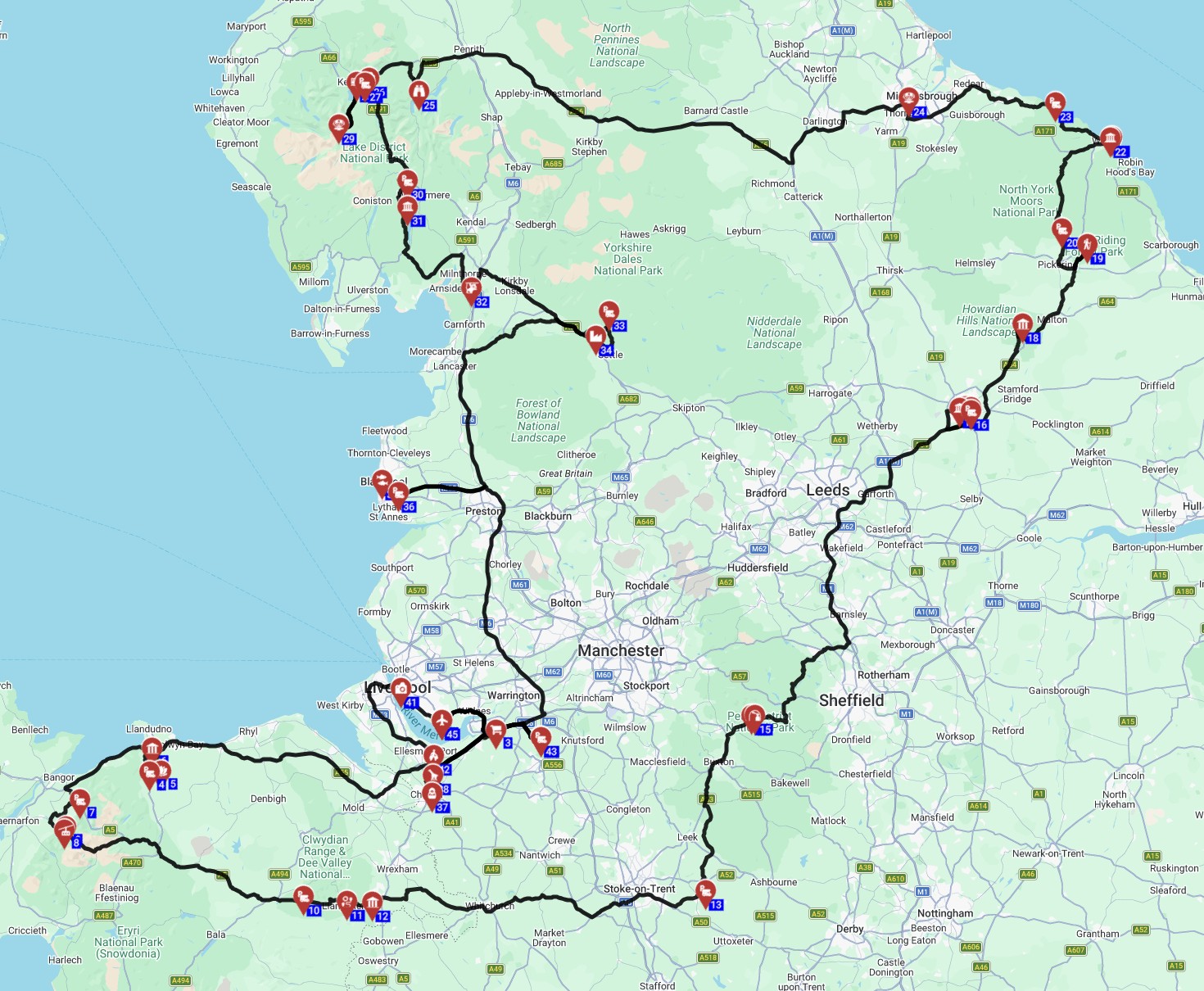
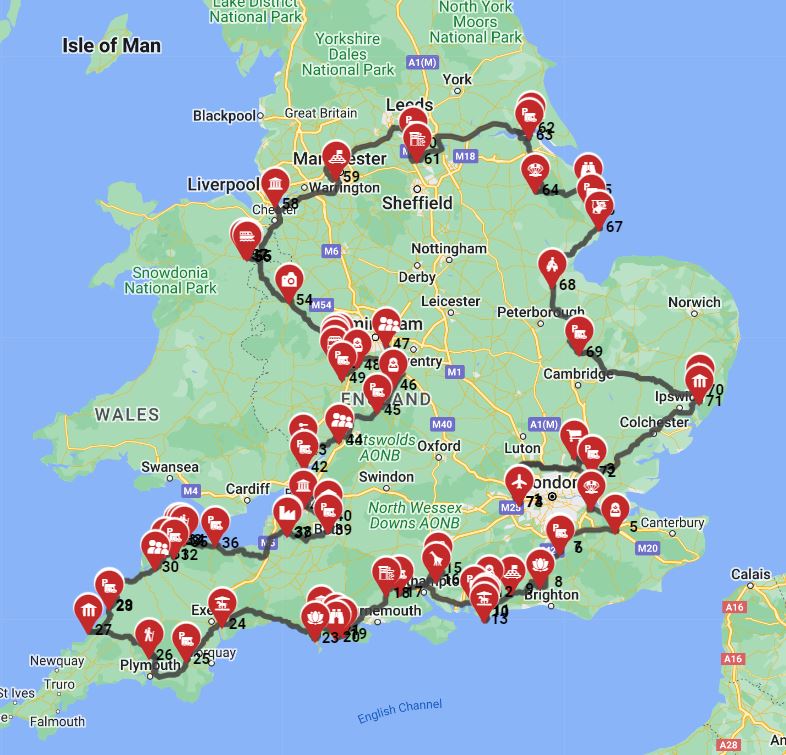
Plan a trip itinerary in advance with minimal effort and maximum enjoyment by exploring curated routes like the "

Final Thoughts
A rented RV adventure through England is truly an unparalleled way to experience this captivating country, offering freedom, flexibility, and a deep connection to its diverse landscapes and rich history. From the moment you pick up your motorhome at an England airport, a world of possibility unfolds before you. Whether you choose to explore historic cities, charming villages, or dramatic coastlines, the journey is yours to define.
We at Bandana RV are dedicated to making your travel dreams a reality. We're true RV specialists, ready to assist you every step of the way, providing transparent pricing and expert advice. So, take the plunge, compare motorhome prices for England, and embark on an unforgettable road trip. God is in the small details, and we take care of them. That's what makes the big difference!