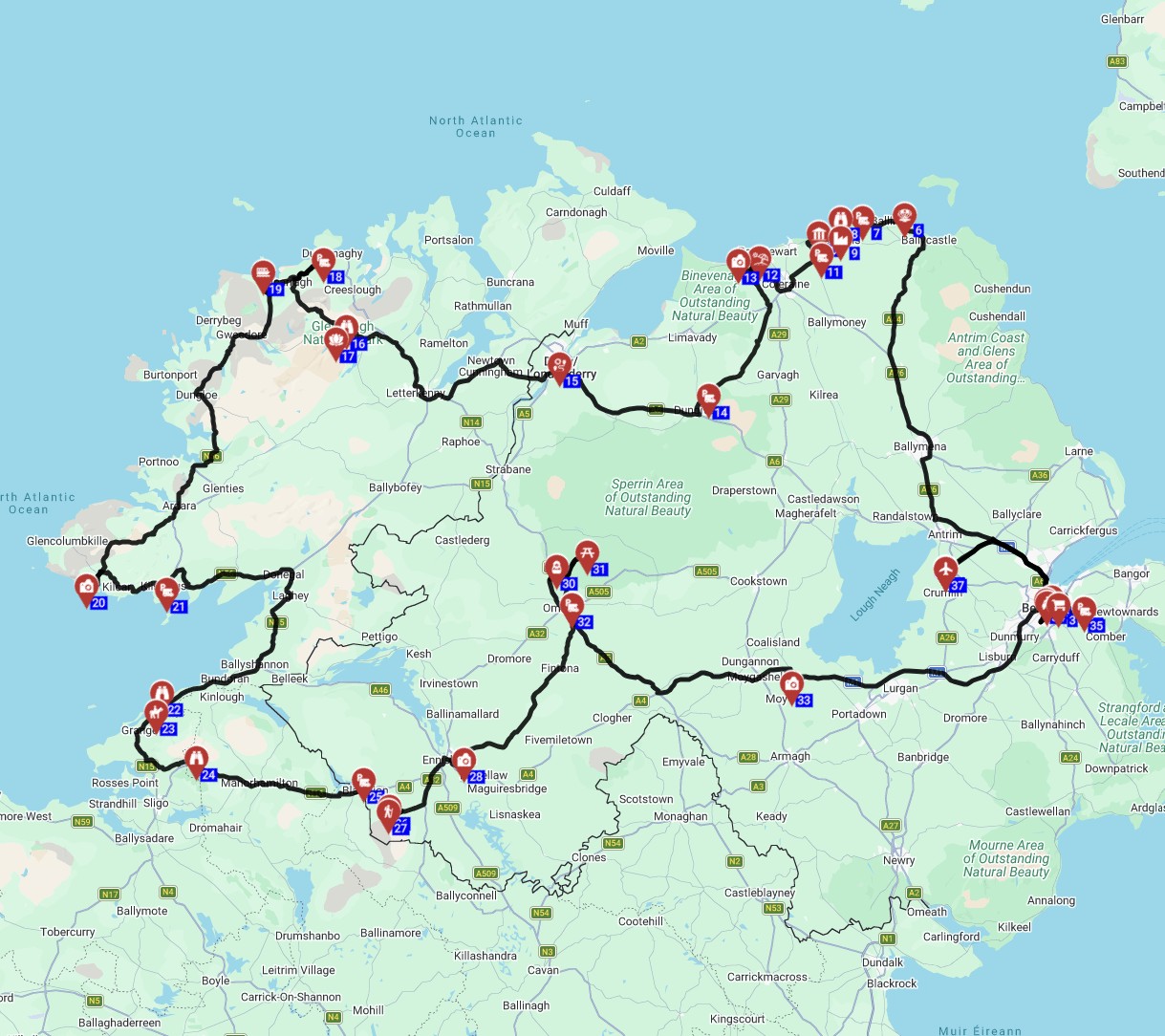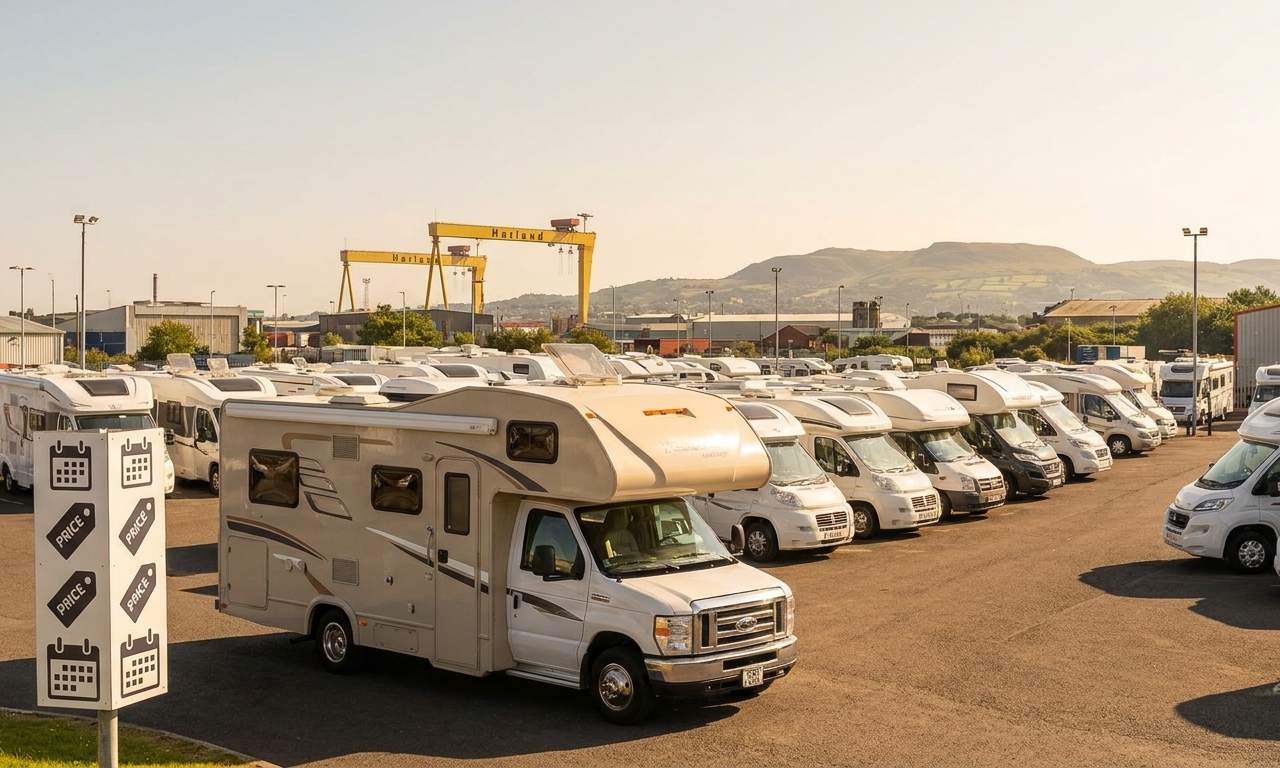
For live availability and current prices, start with our RV Rental Belfast - Complete Guide 2026 guide.
In This Guide
- Can You Drive an RV in Belfast? License & Age Rules
- Road Conditions & Terrain in Belfast
- RV Size Limits, Bridges & Restricted Zones
- Fuel: Diesel vs. Petrol & Cost per 100 km
- Tolls, Vignettes & Border Rules
- Driving Tips for airport rv rental Travelers
- Recommended RV Class for Belfast Roads
- Should I Choose a Compact Van Instead of a Large RV in Belfast?
- Can I Park Anywhere? Free & Wild Camping Rules in Belfast
- Can I Drive an RV Into the City Center? Heights, Tunnels & Local Signage
- What is the best time of year to visit Northern Ireland in an RV?
- Where can I park an RV in Belfast?
- How much does it cost to rent an RV in Northern Ireland?
- Is Northern Ireland good for motorhomes?
- Is Northern Ireland expensive to travel?
- Beyond Basic Campgrounds: Tailored RV Park Recommendations in Northern Ireland
- RV Essentials: Water, Waste, Propane & Connectivity
Can You Drive an RV in Belfast? License & Age Rules
Most standard UK driving licenses (Category B) or equivalent foreign licenses permit driving RVs up to 3,500 kg Maximum Authorised Mass (MAM). For RVs exceeding this weight, a higher license category, such as the UK's C1, is typically required. The minimum driver age for rentals generally ranges from 21 to 25, with some rental companies imposing age restrictions based on the specific RV class. For drivers from non-EU/EEA countries, an International Driving Permit (IDP) may be necessary in addition to your national license, so it's always wise to check the specific requirements with your chosen rental provider.
Road Conditions & Terrain in Belfast
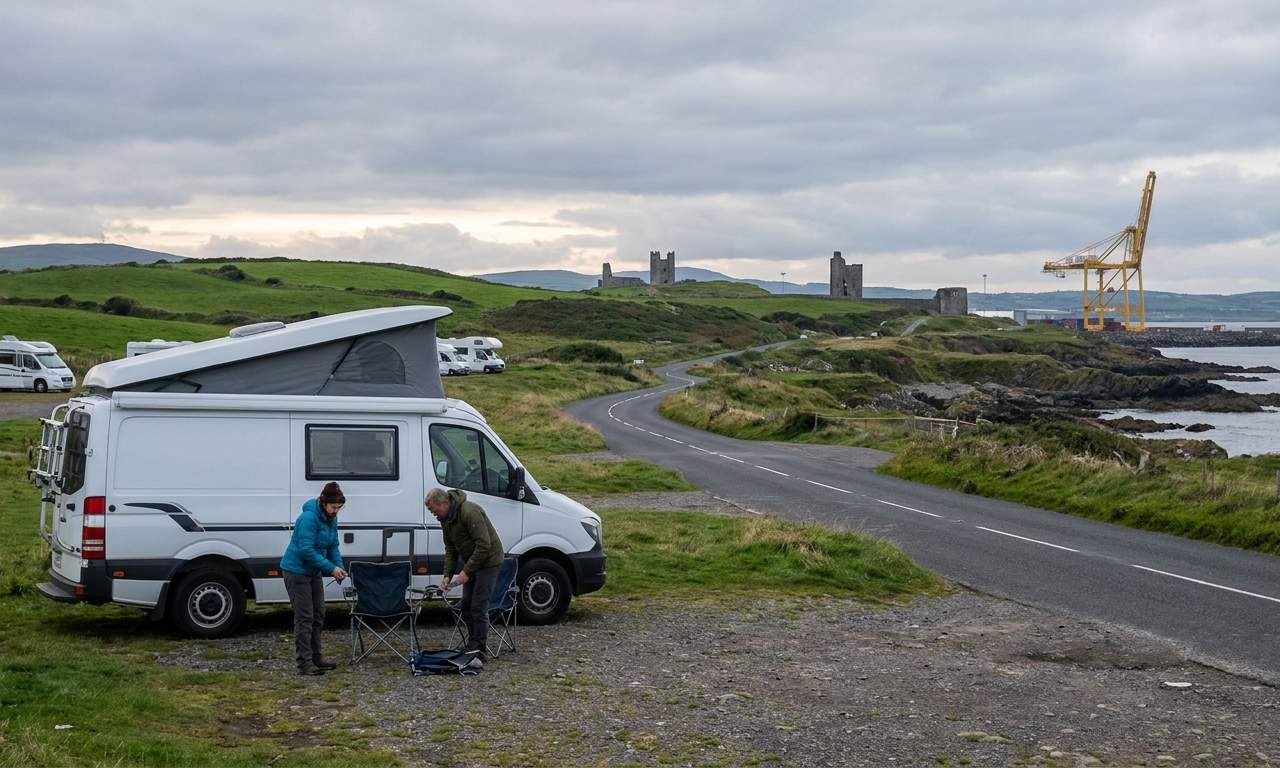
Northern Ireland's road network is generally well-maintained, particularly its major motorways and A-roads. However, when exploring the scenic coastal routes or more remote areas, you'll likely encounter narrower, winding roads that require careful navigation, especially for larger RVs. The terrain immediately around Belfast is relatively flat, but the surrounding regions, such as the picturesque Mourne Mountains, present a more hilly and mountainous landscape. We always encourage slow, scenic driving to fully appreciate the stunning landscapes and to safely manage the varied road conditions you might encounter.
RV Size Limits, Bridges & Restricted Zones
As an RV driver in Northern Ireland, it's essential to strictly observe all posted height and weight restrictions, particularly for older bridges and underpasses, which are more common outside the main routes. While Belfast city center does not currently enforce specific low emission zones for RVs, it's always advisable to check for any up-to-date local regulations and signage. Be aware that multi-story car parks in urban areas will almost always have height restrictions unsuitable for RVs, so surface parking is generally preferred. If you're considering ferry travel as part of your journey, remember that your RV's dimensions will directly impact pricing and booking availability.
Fuel: Diesel vs. Petrol & Cost per 100 km
Most rental RVs in Northern Ireland, including Bandana's Class SI, Class C, and Class B fleets, operate on diesel fuel, which is widely available at service stations across the country. For instance, Bandana's Class SI and Class C RVs typically average around 9.5 liters per 100 km, while the more compact Class B Camper Vans average approximately 8 liters per 100 km. Based on these averages and current diesel prices in Northern Ireland, estimated fuel costs for 2024 could range from £13-£18 per 100 km, depending on the specific RV class and fluctuating fuel prices. Some rental companies, including Bandana, may offer fuel discount cards or pre-paid fuel options to assist you in managing these costs. On the routes offered through RV PLANET routes, you can itemize and track every expense along the way for easy budgeting.
Tolls, Vignettes & Border Rules
Good news for RV travelers: Northern Ireland does not impose any road tolls or require vignettes for its road network, making your journey through the country straightforward. However, if your travel plans include crossing into the Republic of Ireland, it's important to be aware that there are several toll roads, predominantly located around Dublin and on major motorways. To ensure a smooth experience, some Bandana RVs may offer pre-purchased toll passes, or you'll receive guidance on how to pay tolls electronically or at designated payment points to avoid any potential fines.
Driving Tips for airport rv rental Travelers
When driving an RV in Northern Ireland, always remember to drive on the left-hand side of the road. Be mindful that many roads, especially in rural areas, can be narrow and winding, so plan your routes in advance, utilizing RV-specific GPS navigation where possible to avoid unsuitable roads, low bridges, or tight city streets. It's also a good idea to take frequent breaks, particularly when traveling with family, to stay refreshed and allow passengers to enjoy the scenery. Be prepared for changeable weather conditions, which can affect visibility and road surface quality; always adjust your driving speed and style accordingly. Finally, familiarize yourself with your RV's dimensions (height, width, length) to navigate new areas and parking spaces with confidence.
Recommended RV Class for Belfast Roads
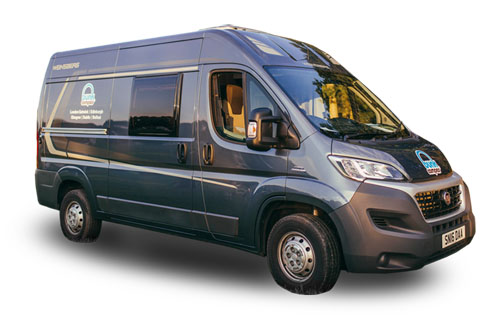
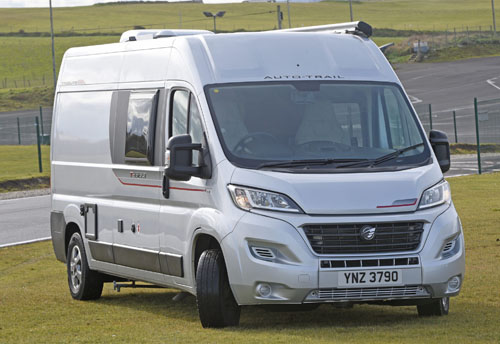
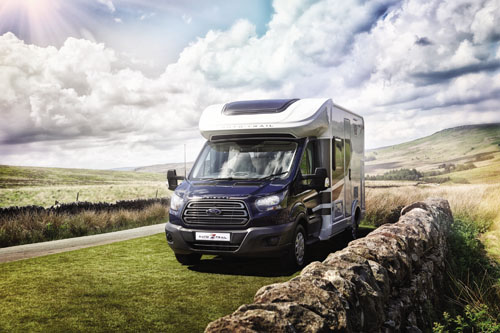
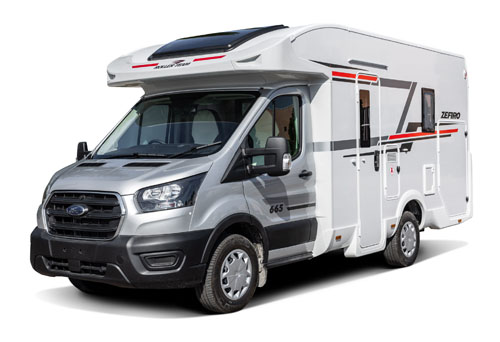
All RV classes available from Bandana, including Class B Camper Vans (averaging 6.3m in length), Class SI Semi-integrated (averaging 7.2m), and Class C Alcove (averaging 7.5m) motorhomes, are suitable for navigating Northern Irish roads. Class B Camper Vans, with their compact size, offer excellent maneuverability and easier parking, making them ideal for urban exploration in Belfast. The Class SI Semi-integrated and Class C Alcove motorhomes provide more living space and comfort for longer trips without significant issues on most main roads. Ultimately, your choice of RV class will largely depend on your comfort preferences and the number of travelers, rather than strict road limitations.
Should I Choose a Compact Van Instead of a Large RV in Belfast?
While a compact Class B Camper Van (averaging 6.3m in length) offers superior maneuverability for Belfast's tighter streets and easier access to smaller car parks, larger RVs are generally manageable with careful planning. For many travelers, the enhanced comfort, spaciousness, and amenities of a Class SI (averaging 7.2m) or Class C (averaging 7.5m) motorhome outweigh the slight decrease in maneuverability. The primary advantage of a compact van is navigating very tight historic centers or busy parking areas, which are less prevalent concerns for RV travel throughout most of Northern Ireland. Ultimately, the decision balances driving ease in specific urban scenarios against the desire for more onboard living space and facilities.
Can I Park Anywhere? Free & Wild Camping Rules in Belfast
Wild camping or free overnight parking in an RV is generally not legally permitted on public land in Northern Ireland without specific consent and is restricted to designated campsites or approved parking areas. While often tolerated in remote mountainous or coastal areas with landowner permission and strict adherence to 'leave no trace' principles, it is not a guaranteed legal right. For overnight stays in and around Belfast, it is crucial to use official campsites or designated RV parks to ensure compliance with local regulations. Rules can vary by region, so always check local ordinances and follow local law before parking overnight.
Can I Drive an RV Into the City Center? Heights, Tunnels & Local Signage
Yes, RVs can generally be driven into Belfast city center, but drivers must exercise extreme caution and pay close attention to local signage regarding height restrictions for multi-story car parks and specific street access. Most multi-story car parks in Belfast are unsuitable for RVs due to height limits; look for surface parking options or dedicated large vehicle bays, which are limited. A practical solution for exploring the city center is to consider parking on the outskirts of Belfast at an RV-friendly location and then utilizing the city's excellent public transport network for easy access to attractions. Always be aware of one-way systems, pedestrianized zones, and potential low bridges or tunnels that may be present on older city routes.
What is the best time of year to visit Northern Ireland in an RV?
The best time of year to visit Northern Ireland in an RV is typically from May to September, offering the mildest weather, longer daylight hours, and peak accessibility for attractions and campsites. July and August are the warmest and busiest months, potentially requiring advance booking for popular RV parks and attractions to secure your spot. The shoulder seasons of April, May, early June, and September can provide a more relaxed experience with fewer crowds and pleasant temperatures. Winter travel (October to March) is certainly possible but brings shorter days, colder temperatures, and some campsite closures, though it can offer unique, quiet experiences for those prepared for the conditions.
Where can I park an RV in Belfast?
Dedicated RV-friendly campsites situated on the outskirts of Belfast, such as those within a short drive of the city, are the most reliable options for overnight parking and access to essential amenities. For daytime visits, some larger supermarket car parks or designated 'Park and Ride' facilities outside the immediate city center may accommodate RVs, offering convenient public transport links into Belfast. It's advisable to check directly with major attractions like Titanic Belfast for their specific parking guidance, as RV parking can be limited or require prior arrangement. Always avoid attempting to park large RVs in central multi-story car parks due to their universal height restrictions.
How much does it cost to rent an RV in Northern Ireland?
The cost to rent an RV in Northern Ireland typically varies significantly based on the RV class, rental duration, and the season of travel. Daily rates can start from approximately £80-£120 for a compact Class B Camper Van during off-peak seasons, extending to £150-£250+ per day for larger Class SI or Class C motorhomes during peak summer months. Remember to factor in additional costs such as insurance, mileage allowances, cleaning fees, and optional extras like bedding or kitchen kits. Booking well in advance, especially for summer travel, can help you secure better rates and ensure availability. For ideas you can prep on the road, watch our RV-friendly recipes playlist on YouTube.
Is Northern Ireland good for motorhomes?
Northern Ireland is an excellent destination for motorhome travel, offering stunning scenic coastal routes like the world-renowned Causeway Coastal Route, numerous historical sites, and vibrant cities like Belfast. Its compact size allows travelers to explore a significant portion of the country without excessive driving, making it ideal for both shorter trips and longer explorations. The country boasts a growing number of dedicated campsites and RV-friendly facilities, providing comfortable and convenient overnight stops. Ultimately, motorhome travel here offers unparalleled flexibility to discover hidden gems and breathtaking landscapes at your own pace.
Is Northern Ireland expensive to travel?
While Northern Ireland can be comparable in price to other parts of the UK for accommodation and dining, traveling by RV offers a significantly more budget-friendly way to explore the country. Utilizing an RV for self-catering dramatically reduces restaurant costs, and campsite fees are generally more economical than hotel stays. The primary expenses for RV travel will include rental fees, fuel, campground nightly rates, and entrance fees for attractions. Strategic planning, such as cooking most meals on board, choosing more basic campsites, and taking advantage of free attractions, can help manage overall travel costs effectively.
Beyond Basic Campgrounds: Tailored RV Park Recommendations in Northern Ireland
Northern Ireland offers a diverse selection of RV parks and campsites, catering to various needs, from fully-serviced holiday parks with extensive family amenities to quiet, scenic sites for a peaceful getaway. Consider coastal campsites along the Causeway Coastal Route for breathtaking sea views, or opt for inland parks near national parks for hiking and outdoor activities. Many sites cater to specific needs, including pet-friendly options, parks with play areas for children, or those offering easy access to public transport for city excursions. It's always recommended to research specific park amenities, read reviews, and book well in advance, especially during peak season, to secure your preferred location.
RV Essentials: Water, Waste, Propane & Connectivity
Access to fresh water refill stations and designated dump stations for grey and black water waste is crucial, and these are readily available at most official RV campsites across Northern Ireland. Propane (LPG) refills for heating and cooking can typically be found at larger service stations or specialized dealers; it's advisable to verify connection types before you travel. While major towns and cities generally have good mobile internet (4G/5G) coverage, service can be patchy in very rural or mountainous areas, so it's wise to have a backup plan or download offline maps. It's also advisable to carry a basic toolkit, spare fuses, and be aware of the emergency breakdown service numbers provided by your rental company.
What You Shouldn't Miss
- The Causeway Coastal Route: A must-do for any RV traveler, this iconic route offers dramatic cliffs, the Giant's Causeway, and charming seaside villages.
- Titanic Belfast: Explore the history of the famous ship in this award-winning interactive museum located in Belfast's Titanic Quarter.
- Drive the scenic Glens of Antrim: Wind your way through nine glens, each with its unique character, offering stunning vistas and opportunities for peaceful overnight stops.
- Visit Castle Ward: A National Trust property with beautiful grounds, this estate also served as the filming location for Winterfell in Game of Thrones.
- Hike in the Mourne Mountains: For those who love the outdoors, these mountains offer breathtaking trails and are perfect for a scenic RV detour.
- Discover Armagh's historical sites: Explore St. Patrick's Cathedral and the Planetarium in Ireland's ecclesiastical capital.
Final Thoughts
Renting an RV from Belfast Airport opens up a world of possibilities for exploring Northern Ireland's stunning landscapes and rich culture. With a bit of planning and awareness of the local driving conditions, you're set for an unforgettable road trip adventure.
From the dramatic Causeway Coast to the vibrant city life of Belfast, your rented RV will be your cozy home on wheels, allowing you to discover this beautiful corner of Ireland at your own pace. Get inspired, plan your route, and get ready to hit the road!
Find Motorhome Rentals in Belfast