In This Guide
- The 5 RV Families Compared for Greece
- Class A (Integrated) — Best For
- Price Comparison by RV Class in Greece
- Class SI (Semi-Integrated) — Best For
- Class C (Alcove) — Best For
- Class B (Campervan) — Best For
- Class TC (Truck Camper) — Best For
- Side-by-Side Comparison Table
- Our Recommendation for cheap rv rental Travelers in Greece
- What is the best time to RV in Greece?
- Is wild camping allowed in Greece?
- Is it safe to RV in Greece?
- What are the rules for driving an RV in Greece?
- What documents do I need to rent an RV in Greece?
- How do you rent an RV in Greece?
- Can you take an RV on a ferry in Greece?
- What islands can you take an RV to in Greece?
- What is the best route for an RV in Greece?
- How much does it cost to rent an RV in Greece?
The 5 RV Families Compared for Greece
Choosing the right RV family is crucial for a cheap RV rental in Greece, significantly impacting maneuverability on diverse terrains, fuel efficiency, and overall comfort. Consider Greece's often narrow roads, mountainous regions, and island-hopping potential when selecting an RV class. The ideal choice depends on your group size, trip length, and budget priorities, balancing spaciousness with practicality. For instance, a campervan hire example B-21 offers compact efficiency, while a luxury rv rentals example Carthago Malibu 600 provides more space for longer journeys.
Class A (Integrated) — Best For
Class A integrated motorhomes, averaging 7.5m in length and sleeping 4.4 people, offer the most luxurious and spacious RV experience. They are best suited for larger families or groups prioritizing comfort and amenities on longer trips, despite their higher average fuel consumption of 11-12 Liter/100 km. While offering ample living space and a generous load capacity of 209.5kg, their size can make navigating Greece's narrow village roads and parking in historic centers challenging. For those prioritizing a premium experience, an rv rentals example A1 might be suitable, but consider the maneuverability in Greece.
Price Comparison by RV Class in Greece
RV rental prices in Greece are dynamic, varying significantly by RV class, rental duration, season, and how far in advance you book. Bandana's live search provides real-time pricing for different RV classes and rental periods, helping you find the most cost-effective option. Always check current prices for your specific travel dates and chosen RV class to secure the best cheap RV rental deal. For example, a budget campervan hire example Cheapa 2 Berth typically offers lower daily rates compared to a larger class like the motorhome hire australia example Genesis 43.
Because pricing is flex-rate, the table below pulls real example prices from Bandana's live search for various durations and RV classes.
| Family | Avg Length | Sleeps | Fuel Use | Best Use Case in Greece |
|---|---|---|---|---|
| Class A (Integrated) | 7.5m | 4.4 | 11-12 L/100km | Luxury, large groups, long trips (main roads) |
| Class SI (Semi-integrated) | 6.9m | 3.8 | 10-11 L/100km | Balanced comfort/maneuverability, small families/couples |
| Class C (Alcove) | 7.5m | 5.8 | 10-12 L/100km | Families with kids, budget-conscious groups (ample space) |
| Class B (Campervan) | 5.8m | 3.2 | 10 L/100km | Solo/couples, maneuverability, city & remote access |
| Class TC (Truck Camper) | 5.5m | 2.4 | 12-17 L/100km | Off-grid adventure, exploring rough terrain, flexibility |
Please note that these prices are estimates and update daily based on availability and demand. For the most accurate and up-to-date figures, use the search box at the top of the page.
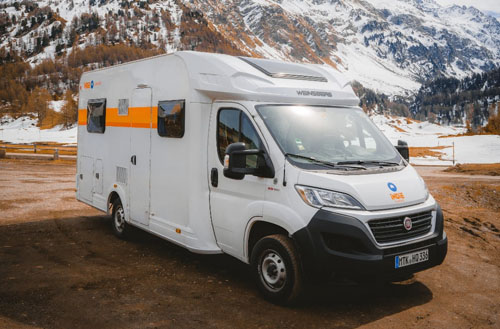
Class SI (Semi-Integrated) — Best For
Class SI semi-integrated motorhomes, averaging 6.9m in length and sleeping 3.8 people, offer a balanced blend of comfort and maneuverability. They are an excellent choice for couples or small families seeking more living space than a campervan without the bulk of a Class A, typically achieving 10-11 Liter/100 km fuel consumption. These models, like the camper hire example Cat B - Sky 20S, are often considered the sweet spot for cheap RV rental travelers in Greece, providing a good compromise for navigating both highways and moderately challenging local roads, with an average load capacity of 72.2kg.
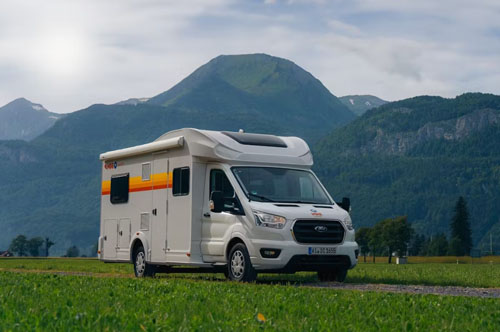
Class C (Alcove) — Best For
Class C alcove motorhomes, at an average length of 7.5m and sleeping 5.8 people, are ideal for families with children due to their distinctive over-cab sleeping area. They provide generous internal space and separate sleeping zones, making them a popular and often cost-efficient choice for family RV trips in Greece, with fuel consumption typically around 10-12 Liter/100 km. While larger, their robust design, similar to an alaska rv rental example Category C, can handle varied Greek road conditions, prioritizing maximum sleeping capacity and comfort for groups, with an average load capacity of 42.4kg.
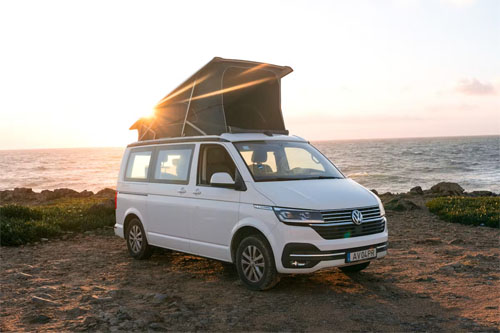
Class B (Campervan) — Best For
Class B campervans, with an average length of 5.8m and sleeping 3.2 people, are highly praised for their exceptional maneuverability and fuel economy, typically around 10 Liter/100 km. They are best for solo travelers, couples, or small groups who prioritize ease of driving on Greece's narrow roads, convenient parking in towns, and accessibility to more remote areas. Their compact size allows for a flexible and budget-friendly RV experience, ideal for those who value agility over extensive living space, with an average load capacity of 37kg. A great example would be the alaska rv rental example Paradise S/T.
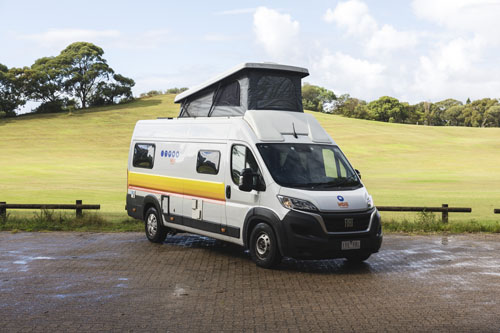
Class TC (Truck Camper) — Best For
Class TC truck campers, averaging 5.5m in length and sleeping 2.4 people, are the ultimate flexible option for adventurous travelers in Greece due to their detachable design and potential off-road capability. They are best suited for couples or solo adventurers who seek an off-grid experience and the freedom to explore rougher terrain away from traditional campsites, though with a higher fuel consumption of 12-17 Liter/100 km. Their ability to separate from the truck offers unique versatility, allowing for exploration of smaller towns without the RV body, appealing to a specific niche of cheap RV rental adventure seekers.
Side-by-Side Comparison Table
This comparison table provides a quick reference for key RV specifications, aiding in your decision for a cheap RV rental in Greece. Review average length, sleeping capacity, fuel efficiency, and ideal use cases to match an RV class to your specific travel needs and budget. Consider Greece's diverse landscapes—from bustling cities to winding coastal roads—when evaluating which RV family offers the best fit for your adventure.
| Family | Avg Length | Sleeps | Fuel Use | Best Use Case in Greece |
|---|---|---|---|---|
| Class A (Integrated) | 7.5m | 4.4 | 11-12 L/100km | Luxury, large groups, long trips (main roads) |
| Class SI (Semi-integrated) | 6.9m | 3.8 | 10-11 L/100km | Balanced comfort/maneuverability, small families/couples |
| Class C (Alcove) | 7.5m | 5.8 | 10-12 L/100km | Families with kids, budget-conscious groups (ample space) |
| Class B (Campervan) | 5.8m | 3.2 | 10 L/100km | Solo/couples, maneuverability, city & remote access |
| Class TC (Truck Camper) | 5.5m | 2.4 | 12-17 L/100km | Off-grid adventure, exploring rough terrain, flexibility |
Our Recommendation for cheap rv rental Travelers in Greece
For cheap RV rental travelers in Greece, the Class B Campervan is the primary recommendation due to its superior fuel economy (around 10 Liter/100 km) and unmatched maneuverability on Greece's often narrow and winding roads. Its compact size facilitates easier parking in towns and access to remote villages and archaeological sites, significantly reducing overall operational costs and stress. A strong runner-up is the Class SI Semi-integrated motorhome, which offers a great balance of comfort and space for small families or couples while remaining relatively fuel-efficient and manageable for Greece's varied terrain and road conditions, representing a good value proposition for those needing more amenities. Think of an RV rentals example A1 for a compact option or a Camper Angel for a slightly larger, yet still agile, choice.
What is the best time to RV in Greece?
The best time to RV in Greece for pleasant weather, fewer crowds, and more affordable prices is during the shoulder seasons: late April to early June and September to October. During these months, temperatures are comfortable for outdoor activities and sightseeing, tourist attractions are less congested, and RV rental rates along with campground fees tend to be significantly lower than the peak summer months. Summer (July-August) offers ideal beach weather but comes with higher costs, intense heat, and a greater influx of tourists, making it less suitable for a truly 'cheap' RV experience. On the routes offered through RV PLANET routes, you can itemize and track every expense along the way for easy budgeting.
Is wild camping allowed in Greece?
Wild camping, or free camping outside of designated campgrounds, is generally prohibited by law in Greece, with potential fines ranging from €150 to €300. However, enforcement can vary significantly by region and local authority, with greater leniency sometimes observed in very remote areas, especially during off-peak seasons, but it's always at your own risk. For practical and discreet overnight parking alternatives, many RVers utilize large supermarket parking lots, quiet roadside pull-offs away from populated areas, or ask permission from private landowners, always ensuring they leave no trace and avoid disturbing locals. Using RV PLANET routes can help you discover suitable parking options along your chosen itinerary.
Is it safe to RV in Greece?
RVing in Greece is generally safe, but travelers should be prepared for specific driving challenges and take standard precautions against petty crime. Road safety concerns include navigating narrow, winding mountain roads, congested city traffic, and often aggressive local driving habits, requiring focused attention and conservative driving from RVers. To prevent crime, always secure your RV, avoid leaving valuables in plain sight, especially in urban or popular tourist parking areas, and have a plan for emergency preparedness, including knowing local emergency numbers and having a basic first-aid kit.
What are the rules for driving an RV in Greece?
Driving an RV in Greece requires adherence to standard European road rules, including driving on the right, mandatory seatbelt use, and carrying your driver's license, vehicle registration, and insurance documents. Practical considerations involve navigating Greece's narrow rural roads and historic town centers where larger vehicles can struggle, understanding that local driving habits may differ from your own, and planning for limited parking solutions for different RV sizes. Toll systems operate on major highways, often with electronic transponders or manual payment booths, while fuel stations are widely available but may have limited hours in very remote areas, requiring foresight for longer journeys.
What documents do I need to rent an RV in Greece?
To rent an RV in Greece, you typically need a valid national driving license, a credit card for the security deposit, and often an International Driving Permit (IDP) if your license is not issued in a European Union country. Most rental companies require drivers to be at least 21-25 years old and to have held their license for a minimum of 1-3 years. It's crucial to confirm all specific document requirements directly with your chosen RV rental provider before your trip to ensure a smooth pickup process.
How do you rent an RV in Greece?
Renting an RV in Greece typically begins with an online search using platforms like Bandana, where you can compare vehicles by class, availability, and price for your desired dates and pick-up location. The process involves selecting an RV that fits your travel style and budget, providing necessary documentation (driver's license, IDP, credit card), and reviewing the rental agreement for details on insurance, mileage limits, and breakdown assistance. Booking well in advance, especially for popular seasons or specific RV types, is highly recommended to secure better rates and ensure a wider selection of vehicles, making a cheap RV rental more feasible. Remember to utilize comparison tools to find the best deals on cheap rv rental in Greece.
Can you take an RV on a ferry in Greece?
Yes, you can take an RV on ferries in Greece, which is a popular and practical way to explore the Greek islands, but advance booking is highly recommended, especially for larger vehicles and during peak season. Ferry surcharges for RVs depend significantly on the vehicle's exact length and height, often placing them into specific pricing tiers, so providing accurate dimensions during booking is crucial to avoid issues. When planning your budget, factor in these additional ferry costs, which can be substantial, and be aware that RV spaces can be limited on certain routes, making early reservations a key part of successful island hopping. For planning your inter-island journeys, the sister site RV PLANET is an excellent resource for route planning.
What islands can you take an RV to in Greece?
Several Greek islands are genuinely RV-friendly, with Crete, Lefkada, Evia, and Thassos being among the most popular choices due to their larger size, more developed infrastructure, and roads that are generally more accommodating for motorhomes. When planning an RV island-hopping adventure, it's essential to research specific ferry routes for RV capacity and pricing, as well as the local road conditions on smaller islands, which can often be narrow and winding. Unique itineraries can involve exploring diverse landscapes, from sandy beaches to mountainous villages, leveraging the RV for flexible exploration and staying at designated campgrounds, ensuring a blend of iconic sights and local immersion.
What is the best route for an RV in Greece?
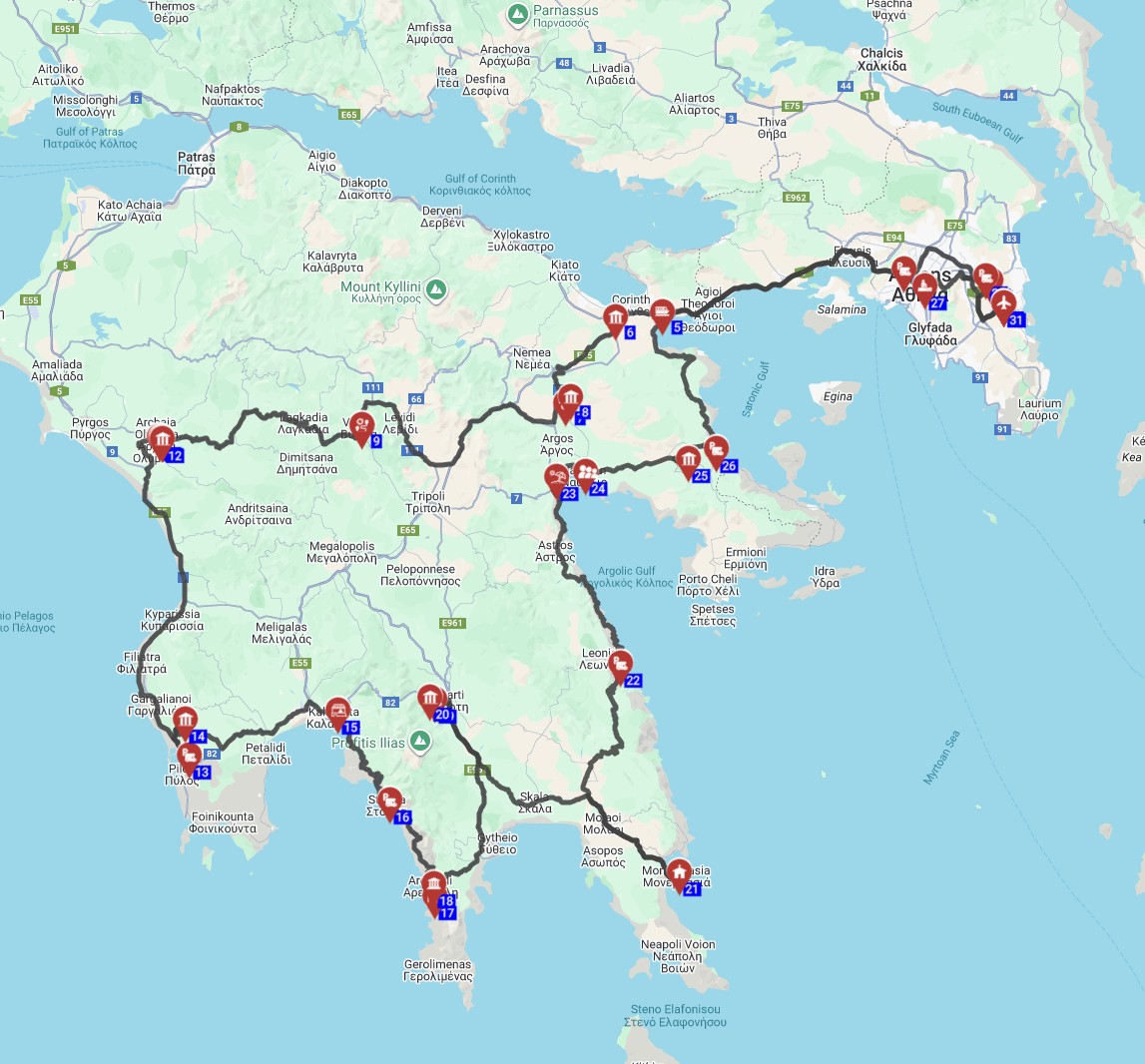
The 'best' RV route in Greece depends heavily on your interests, but popular and accessible itineraries often include the historical Peloponnese peninsula, the scenic northern mainland (Macedonia/Epirus), or a combination incorporating an RV-friendly island. For a classic journey, the Peloponnese offers ancient archaeological sites, stunning coastlines, and a good network of roads suitable for various RV sizes, with recommended stops at ancient Olympia, the Byzantine town of Monemvasia, and the charming port of Nafplio. When planning, consider routes that avoid excessively narrow mountain passes for larger RVs and prioritize areas with available campgrounds or suitable overnight parking; utilize apps and local forums for practical insights into parking availability at attractions and discovering authentic, off-the-beaten-path experiences.
How much does it cost to rent an RV in Greece?
The total cost for an RV trip to Greece extends beyond just the rental fee, encompassing significant variable expenses like fuel costs (which are generally higher in Greece than some other European countries), tolls on major highways, and specific ferry surcharges for RVs based on their length and height. Daily campground fees in Greece can range from €15 to over €40 depending on location, amenities, and season, while a realistic food and activities budget will fluctuate based on whether you primarily cook in your RV or dine out. To achieve a truly cheap RV rental experience, a granular cost breakdown should meticulously factor in average rental prices (as detailed in our comparison table), estimated fuel consumption for your chosen RV class, a contingency for unexpected expenses, and a clear understanding of local pricing for groceries and attractions. For a detailed cost breakdown of your potential trip, consider using the planning tools available on RV PLANET routes. For ideas you can prep on the road, watch our RV-friendly recipes playlist on YouTube.
What You Shouldn't Miss
- Drive your rented motorhome along the scenic coastal roads of the Peloponnese, stopping at ancient sites like Mycenae and Epidaurus.
- Explore the charming, narrow streets of traditional villages on islands like Crete, taking advantage of the maneuverability of a Class B campervan.
- Park your RV near accessible thermal springs for a relaxing soak after a day of sightseeing, perhaps along the routes in northern Greece.
- Experience ferry hopping with your RV to islands like Evia or Lefkada, enjoying the unique freedom of having your accommodation with you.
- Take a drive on the 'Roads of the Gods' in the Mani Peninsula, carefully navigating breathtaking cliffside views in your chosen motorhome.
- Discover the beauty of the Meteora monasteries by RV, parking at designated spots to explore these UNESCO World Heritage sites.
- Enjoy slow travel by parking your rented RV in a picturesque location and immersing yourself in the local culture, perhaps visiting a traditional taverna or market.
Final Thoughts
Embarking on an RV adventure in Greece offers unparalleled freedom and a unique way to connect with the country's stunning landscapes and rich history. From the ancient ruins of the Peloponnese to the charming islands of the Aegean, a rented RV provides the perfect mobile base for exploration.
By choosing the right vehicle class for your needs and planning your route with resources like RV PLANET, you can ensure a smooth, memorable, and budget-friendly journey. Remember to book in advance, especially during peak season, to secure the best rates and availability.
So, pack your bags, embrace the open road, and get ready to discover the magic of Greece from the comfort and convenience of your own home on wheels. Your Greek RV adventure awaits!