Quick Facts: Cheap rv rental in Namibia
Average Daily Cost: $100-$250 USD for Class C motorhomeBest Months: May-October (dry season, wildlife viewing)License Required: Standard driver's license / International permitTop Campground: Etosha National Park (Okaukuejo) with floodlit waterholesBooking Lead Time: 3-6 months recommended for popular parksBandana Advantage: Full price transparency, no hidden fees
Where to Camp in Namibia — Top Options
Namibia offers a diverse range of camping experiences for RV travelers, from well-equipped national park sites to more basic private wilderness camps, catering to various budgets and adventure levels. Popular regions for RV camping include the renowned Etosha National Park, perfect for wildlife enthusiasts, the unique coastal town of Swakopmund, and the dramatic desert landscapes surrounding Sossusvlei and Spitzkoppe. National parks, like those managed by Namibia Wildlife Resorts (NWR), provide organized campsites with essential amenities, ensuring a comfortable base for exploring. In contrast, private reserves often offer more luxurious or secluded experiences. Strategically choosing campsites near major attractions can significantly optimize your travel time and fuel consumption, making your Namibian RV adventure more efficient and enjoyable.
Campground Types in Namibia (National, Private, Wild)
Namibia's camping infrastructure primarily consists of National Park campgrounds, privately owned campsites, and a very limited, often discouraged, scope for wild camping. National Park sites, typically managed by Namibia Wildlife Resorts (NWR), offer essential facilities such as ablution blocks with showers and toilets, braai (barbecue) areas, and often a small shop for basic supplies, providing a cost-effective option for essential needs. Private campgrounds, frequently found near popular towns or attractions, generally provide higher standards of amenities, which can include swimming pools, restaurants, and more reliable electricity, though these come at a higher price point. Wild camping, also known as freedom camping, is largely prohibited and can be unsafe in Namibia due to wildlife and land ownership regulations, making designated campgrounds the only recommended and legal choice for RV travelers seeking a secure and responsible experience.
Featured RV Park or Campground in Namibia
A prime RV park in Namibia typically offers spacious, well-maintained sites with clean ablution blocks featuring hot showers, alongside essential services like water hookups and braai facilities, ensuring a comfortable stay. Look for campgrounds that provide secure parking, ideally with 24-hour security, which is crucial for peace of mind in both urban and more remote areas. The best options often feature additional amenities such as a small shop for basic supplies, a communal kitchen area for shared cooking, and sometimes even a swimming pool, offering a welcome respite after a day of driving and exploring. Campgrounds that offer easy access to local attractions or serve as convenient gateways to national parks are particularly valuable for maximizing your travel experience and minimizing transit time. For ideas you can prep on the road, watch our RV-friendly recipes playlist on YouTube.
Hookups & Amenities — What to Expect
Most formal RV campgrounds in Namibia provide essential hookups and amenities, though the level of service can vary significantly from basic to comprehensive. Electricity hookups are typically available, operating at 220-240V and often utilizing South African Type D/M/N plugs, so travelers should carry appropriate adapters. Water hookups for filling RV tanks are common, but water quality can vary, making it advisable to carry a water filter or rely on bottled water for drinking, especially in more remote areas. Dump stations for grey and black water are available at most established campsites, though their availability can be limited in very remote or basic sites. Wi-Fi is increasingly prevalent at private campgrounds and some national park resorts, but it often comes at an additional cost and may be slow; laundry facilities and hot showers, however, are standard at most mid-range to upscale sites, ensuring basic comforts are met. On the routes offered through RV PLANET routes , you can itemize and track every expense along the way for easy budgeting.
🎯 Fun Facts About Namibia
Etosha's Floodlit Waterholes: Many of Etosha National Park's campsites (like Okaukuejo and Halali) feature permanently floodlit waterholes, allowing RV campers to observe nocturnal wildlife like rhinos, elephants, and lions drinking, directly from their campsite at any time of night.Namibia's Unique Gravel Highway System: Namibia boasts an incredibly extensive and well-maintained network of gravel 'highways' (e.g., C roads) that serve as primary routes between major towns and attractions, making RV driving a unique skill-testing adventure.The World's Largest Meteorite is a Roadside Attraction: Near Grootfontein, you can drive to the Hoba Meteorite, the largest single meteorite ever found on Earth, weighing over 60 tons.Desert-Adapted Wildlife: Namibia is home to unique populations of desert-adapted elephants, rhinos, and lions that have evolved to survive in extremely arid conditions, offering rare wildlife viewing opportunities.Ghost Towns Swallowed by the Desert: Namibia is famously home to Kolmanskop, a diamond mining ghost town slowly being reclaimed by the desert sands, offering eerie yet stunning visual stops for RV travelers.
Booking Windows & Reservations in Namibia
For RV travelers planning a trip to Namibia, booking campsites in popular national parks or during the peak season (June-October) several months in advance is highly recommended to secure preferred spots. However, spontaneous travelers can often find availability, especially in private campgrounds or during the shoulder seasons, by calling ahead the same day or the day prior to arrival. It's important to note that many national park campgrounds operated by NWR release only 25%-30% of their spots for advance reservations, leaving the majority available on a first-come, first-served basis. Even if your first choice campground is full, you will almost certainly find a place elsewhere—if not at the first campground, then at the next one—emphasizing the importance of flexibility and calling ahead before driving long distances between potential sites.
Nearby Supermarkets & Resupply Points
RV travelers in Namibia can find reliable supermarkets and resupply points in major towns such as Windhoek, Swakopmund, and Walvis Bay, as well as smaller regional hubs like Tsumeb or Keetmanshoop. Look for well-known South African chains such as Shoprite, Checkers, Spar, and Pick n Pay, which offer a wide range of groceries, fresh produce, and general supplies. It's advisable to stock up thoroughly in larger towns before heading into remote areas, as smaller settlements may only have basic shops with limited selections and higher prices. Always carry sufficient water and non-perishable food supplies, especially for multi-day trips between major resupply points, as distances can be vast and services sparse across the country.
Best RV Class for Camping in Namibia
The best RV class for camping in Namibia depends on your budget, desired level of comfort, and the ruggedness of your intended routes, with Class B Camper Vans and Class TC Truck Campers often providing a good balance for adventure. Class B Camper Vans, which typically average 5.8 meters in length and consume around 8-10 Liters/100 km, offer excellent maneuverability and better fuel efficiency for general road conditions and accessible campsites. For more challenging gravel roads and remote boondocking-style camping, Class TC Truck Campers, averaging 5.5 meters in length, provide higher clearance and often 4x4 capabilities, though they generally consume more fuel, typically 12-17 Liters/100 km. While larger Class C Alcove (7.5m avg) or Class SI Semi-integrated (6.9m avg) RVs offer more living space, their size can be a disadvantage on narrow tracks or in compact campsites, and they are generally less suited for extensively remote travel.
How to Save on Campgrounds in Namibia
Saving on campgrounds in Namibia is achievable by utilizing discount cards, traveling during off-peak seasons, and selecting more economical campsite options. Travelers often benefit from specific campground discount cards offered by RV rental providers, which can significantly reduce daily rates at participating sites. Opting for municipal or regional campgrounds over private resorts often results in lower nightly costs, although amenities might be more basic. Staying for three or more nights at the same campground can sometimes qualify you for weekly rates or special discounts, proving more economical than frequent single-night stays. Traveling during Namibia's shoulder or low season (the rainy season, typically November-April) generally means fewer crowds and lower prices for both RV rentals and campsite fees, making it an ideal strategy for budget-conscious explorers.
How Much Does an RV Rental in Namibia Cost?
An RV rental in Namibia typically ranges from €80 to €250 per day, depending on the vehicle type, season, and rental duration, with additional significant costs for fuel, park fees, and camping. Budget-friendly options like Class B Camper Vans or smaller 4x4 campers usually fall on the lower end of this spectrum, while larger Class C or Class A models will incur higher daily rental fees. Beyond the rental cost, a substantial portion of your budget will go towards fuel, with consumption rates typically ranging from 8-17 Liters/100 km depending on the RV class and road conditions. Other essential expenses include national park entry fees (e.g., N$150-300 per person per day for international visitors), campsite fees (N$200-500 per night), vehicle insurance, and provisions, making RV travel potentially comparable to or even cheaper than lodge safaris if managed efficiently.
When is the Best Time to RV in Namibia?
The best time to RV in Namibia is generally during the dry winter months from May to October, offering pleasant temperatures, clear skies, and excellent wildlife viewing opportunities due to sparse vegetation and animals congregating at waterholes. Shoulder seasons, specifically April/May and November, provide a balance of good weather and fewer crowds, often accompanied by lower rental and camping rates, making them ideal for budget-conscious RV travelers. The rainy summer season (December to March) can offer lush landscapes and dramatic thunderstorms, but some roads may become challenging for 2WD RVs, and the intense heat can make camping less comfortable. For those seeking cheap RV rental in Namibia , consider the shoulder seasons to leverage reduced prices while still enjoying favorable conditions for exploring the diverse landscapes and abundant wildlife.
Do You Need a 4x4 RV for Namibia Roads?
While a 4x4 RV is highly recommended for exploring Namibia's more remote and rugged terrain, a 2WD RV can suffice for well-maintained gravel roads and primary routes connecting major attractions. Many of Namibia's main tourist routes, including paved roads leading to Etosha's main camps, Swakopmund, and Sossusvlei (up to Sesriem), are accessible with a standard 2WD RV. However, a 4x4 RV, such as a Truck Camper or a converted 4x4 camper, becomes essential for accessing deeper parts of national parks, navigating sandy tracks (like those leading to Sossusvlei), or driving on roads during the rainy season. Travelers aiming to truly go off the beaten path or seeking greater peace of mind on varied surfaces should prioritize a 4x4-capable vehicle for their Namibia RV adventure.
What are the Essential Logistics for Self-Sufficiency in a Namibia RV?
Essential logistics for self-sufficiency in a Namibia RV trip include meticulous planning for fuel, water, waste management, communication, and power, particularly when venturing into remote areas. Fuel availability is scarce outside major towns, necessitating RVers to carry extra jerry cans for long stretches, especially for vehicles with higher fuel consumption like our Class TC Truck Campers (12-17 L/100 km). Water sourcing and purification are critical; always fill up tanks at reliable sources, consider a portable water filter, and carry additional bottled water, as potable water can be scarce. Grey and black water disposal must adhere to regulations at designated dump stations, as illegal dumping is environmentally damaging and prohibited. For power, reliable solar panels or a robust battery system are crucial for off-grid camping, and securing a local SIM card (e.g., from MTC) is vital for patchy internet and emergency communication, as Wi-Fi is not guaranteed in many areas.
How to Choose the Right Campsite for Your RV in Namibia?
Choosing the right campsite for your RV in Namibia involves balancing location, amenities, budget, and your desired level of wilderness experience to match your travel style. For wildlife enthusiasts, campsites within national parks like Etosha (e.g., Halali, Okaukuejo) offer the unique advantage of floodlit waterholes and immediate access to game drives, though they often have more basic amenities. For those prioritizing comfort and extensive facilities, private campgrounds near towns like Swakopmund or Windhoek typically provide electricity, Wi-Fi, restaurants, and swimming pools. When traveling on a budget, consider municipal campsites or smaller private establishments that offer basic but clean facilities at lower prices, focusing on essential hookups if needed. Always consider campsite accessibility based on your RV type; some remote tracks may only be suitable for 4x4 vehicles, which will impact your campsite options.
Is RVing in Namibia Safe, and What Safety Precautions Should I Take?
RVing in Namibia is generally considered safe, but travelers should implement specific safety precautions regarding driving, wildlife, personal security, and remote area communication to ensure a secure journey. Driving safety includes adhering to speed limits on gravel roads, avoiding night driving due to wildlife presence, and carrying two spare tires as punctures are common. For wildlife safety in campsites, never approach animals, keep food secured within your RV, and remain aware of your surroundings, especially at night, as wild animals can roam freely in some unfenced camps. Personal safety involves securing valuables, being vigilant against petty crime in urban areas, and exercising caution at ATMs, treating your RV as a secure living space. In remote regions, it is advisable to carry a satellite phone or emergency beacon, inform family of your itinerary, and ensure your communication devices (like a local SIM card for mobile signal) are charged and accessible for emergencies.
What Unique Experiences Beyond Safari Can You Have with an RV in Namibia?
Beyond traditional safaris, an RV in Namibia opens up opportunities for unique cultural encounters, geological explorations, and coastal adventures, offering a rich and diverse travel experience. RV travelers can immerse themselves in cultural experiences by visiting Himba villages in the Kunene Region or interacting with San communities, gaining invaluable insights into ancient traditions. Explore breathtaking geological wonders such as the vast Fish River Canyon, the ancient rock art sites at Twyfelfontein, or the towering Brandberg Mountain, Africa's highest peak. Discover Namibia's dramatic coastline by RV, visiting charming coastal towns like Swakopmund and Luderitz, exploring shipwrecks, and engaging in activities like quad biking or kayaking with seals. An RV provides the ultimate flexibility to explore off-the-beaten-path desert drives, discovering secluded oases and stunning star-gazing locations away from the crowds, offering a true sense of freedom and adventure.
Class SI - Semi-integrated RVs for Namibia
Class SI (Semi-integrated) RVs, averaging 6.9 meters in length, offer a good balance of comfort and maneuverability, making them suitable for couples or small families exploring Namibia's main routes. With an average of 3.8 sleeping places and capacity for 3.4 adults in Bandana's global fleet, these RVs provide ample living space without being excessively large for most Namibian roads and campsites. Fuel consumption for Class SI RVs typically ranges from 10-11 Liters/100 km, representing a relatively economical option for longer journeys compared to larger, less aerodynamic models. While comfortable and practical, their standard 2WD nature means they are best suited for paved roads and well-maintained gravel roads, and are less ideal for very remote, sandy, or heavily corrugated tracks.
Class C - Alcove RVs for Namibia
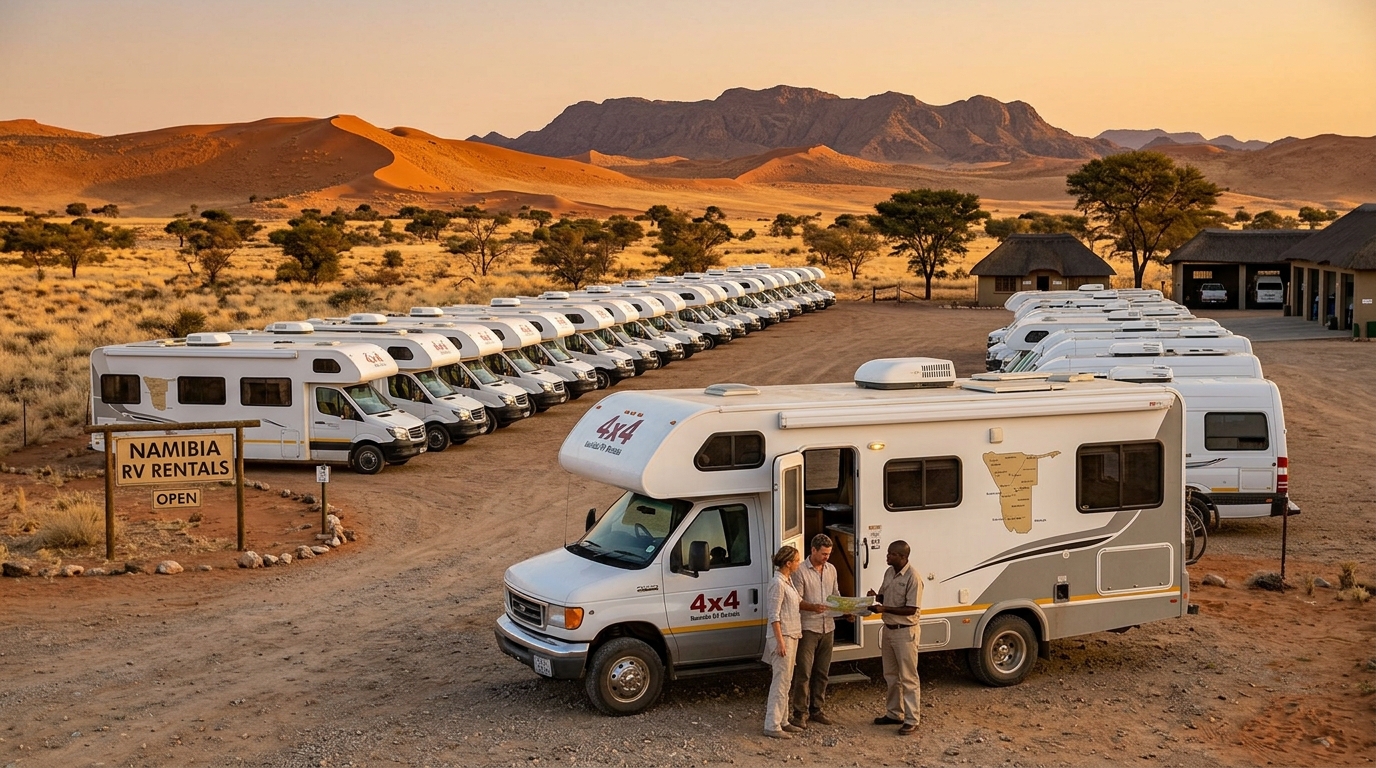
Class C (Alcove) RVs, easily identifiable by their characteristic bunk over the cab and averaging 7.5 meters in length, are an excellent choice for families or larger groups traveling through Namibia. Bandana's global fleet of Class C RVs typically accommodates around 5.8 sleeping places and 4.4 adults, providing ample space and privacy for multiple travelers. Their common fuel consumption averages between 10-12 Liters/100 km, which is reasonable for a vehicle of its size, although larger fuel tanks may be necessary for extended trips between towns in Namibia. While offering extensive amenities and comfort, their larger dimensions can present challenges on narrow gravel roads or in compact campsites, potentially limiting access to some of the more adventurous destinations in Namibia.
Class B - Camper Vans for Namibia
Class B Camper Vans are ideal for budget-conscious solo travelers or couples seeking flexibility and fuel efficiency (typically 8-10 Liters/100 km) on their Namibia adventure. Averaging 5.8 meters in length, these compact RVs from Bandana's global fleet are highly maneuverable, making them perfect for navigating both urban areas and less-traveled gravel roads with ease. Despite their smaller size, Class B vans typically offer essential amenities for self-sufficiency, usually including a kitchenette and sometimes a compact bathroom, with an average of 3.2 sleeping places and capacity for 2.7 adults. Their discreet profile allows for easier parking and a more 'stealth' camping experience where permitted, though they may lack the extensive storage or specialized off-road capabilities of larger specialty vehicles.
Class A - Integrated RVs for Namibia
Class A (Integrated) RVs, averaging 7.5 meters in length, provide the ultimate luxury and spaciousness for RV travel in Namibia, best suited for those prioritizing comfort on main, well-maintained routes. With an average of 4.4 sleeping places and capacity for 4 adults across Bandana's global fleet, these vehicles offer a premium experience akin to a mobile apartment, complete with expansive living areas and full-sized amenities. Common fuel consumption for Class A RVs typically ranges from 8-12 Liters/100 km (with some variations), which can represent a significant cost factor over long distances. Due to their substantial size and generally 2WD drivetrains, Class A RVs are best confined to paved roads and major, well-maintained gravel highways, as they are not typically designed for the rugged, off-road Namibian conditions.
Class TC - Truck Campers for Namibia
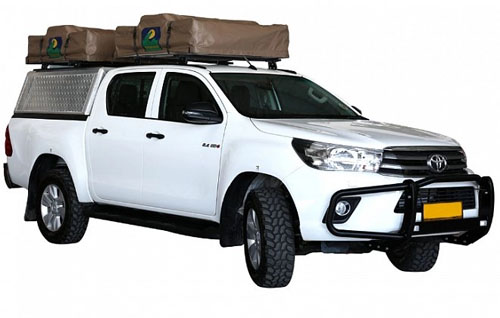
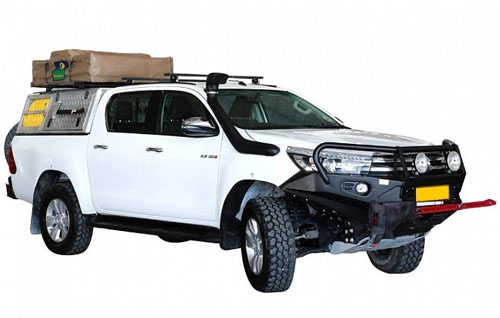
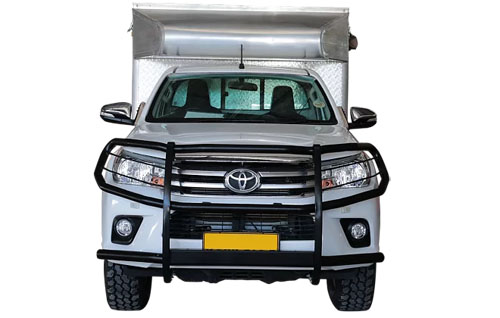
Class TC (Truck Campers) are uniquely suited for adventurous RVers in Namibia who prioritize off-road capability and access to remote wilderness areas. These compact units, averaging 5.5 meters in length, are mounted on 4x4 pickup trucks, making them ideal for tackling Namibia's challenging sandy tracks and corrugated gravel roads. While offering fewer sleeping places (avg. 2.4) and adult capacity (avg. 2.1) compared to larger RVs in Bandana's global fleet, they provide essential amenities in a rugged, capable package. However, their 4x4 capability comes with a trade-off in fuel efficiency, with common consumption rates typically between 12-17 Liters/100 km, necessitating careful planning for fuel stops in remote regions.
Why Book with Bandana Caravan
At Bandana Caravan, we're more than just a booking platform; we're true RV specialists, dedicated to making your motorhome adventure seamless and unforgettable. As a company founded in 2001, we've spent over two decades helping tens of thousands of travelers explore the world by RV. We pride ourselves on direct partnerships with over 50 leading RV suppliers worldwide, including well-known names like El Monte, Cruise America, Apollo, and Britz, ensuring you access to a vast and high-quality fleet. Our commitment to full price transparency means no hidden fees or surprises – what you see is what you pay. We offer over 1,300 pre-planned routes across 5 continents through our sister company, RV PLANET (rvplan.net), designed by professionals to inspire and simplify your journey. With bookings available in 30+ currencies and coverage across 50+ countries, we combine global reach with local expertise and support, ensuring you travel with peace of mind, knowing you have the best in the business behind you. We believe in savoring the journey, which is why we always recommend slow travel: max 100-150 km per day. Take time to feel the place, connect with the culture, the food, and the scenery – that’s the Bandana way.
"We sell the way we'd like to buy – with honesty. No hidden fees, no surprises, no tricks or gimmicks. What you see is what you get."
— Avi Bandana, Founder of Bandana Caravan
"Life is now!"
About the Author
Avi Bandana is the founder and CEO of Bandana Caravan , one of the world's leading RV rental comparison platforms. With over 25 years of hands-on experience in the motorhome travel industry, Avi has personally visited hundreds of destinations and tested countless RV models across 5 continents. His mission: make RV travel accessible, transparent, and joyful for everyone.
Final Thoughts
Embarking on an RV adventure in Namibia is an unparalleled way to experience its vast landscapes and unique wildlife. With careful planning and the right vehicle, you can navigate its diverse terrains and discover its hidden gems at your own pace. Remember to embrace slow travel, allowing yourself to truly connect with the stunning environment and rich culture this incredible country has to offer.
From the dramatic dunes of the Namib Desert to the abundant wildlife of Etosha, your rented RV will be your comfortable home on wheels, opening up experiences far beyond the typical tourist trail. Let Bandana Caravan help you find the perfect motorhome for your Namibian expedition, and get ready for an adventure that will stay with you long after you return home!
Ready to start planning your unforgettable Namibian journey? Compare RV rental prices and explore available vehicles to find the perfect match for your adventure. Discover top destinations and planning tips all in one place!

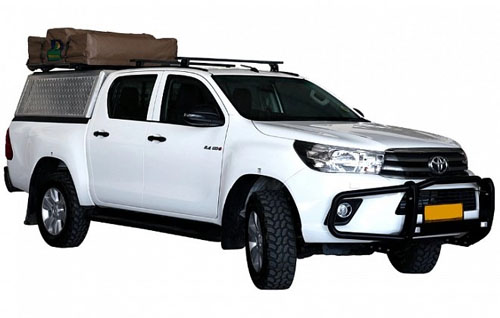
 Class TC - Truck Camper
Sleeps 2 5.5 × 2.1 m4 Wheel Drive Front Air condition Winter Readyfrom 78.0 € EUR per nightView & book
Class TC - Truck Camper
Sleeps 2 5.5 × 2.1 m4 Wheel Drive Front Air condition Winter Readyfrom 78.0 € EUR per nightView & book