In This Guide
- Where to Camp in Iceland - Top Options
- Campground Types in Iceland (National, Private, Wild)
- Featured RV Park or Campground in Iceland
- Hookups & Amenities - What to Expect
- Booking Windows & Reservations in Iceland
- Nearby Supermarkets & Resupply Points
- Best RV Class for Camping in Iceland
- How to Save on Campgrounds in Iceland
- How much does it cost to rent an RV in Iceland?
- What is the cheapest way to travel Iceland?
- Is it worth renting an RV in Iceland?
- Can you freedom camp in Iceland?
- Can you camp anywhere in Iceland?
- How do you camp in Iceland?
- Is an RV good for Iceland?
- How much is gas in Iceland?
- Is Iceland campervan friendly?
- Can you sleep anywhere in Iceland in a campervan?
Where to Camp in Iceland - Top Options
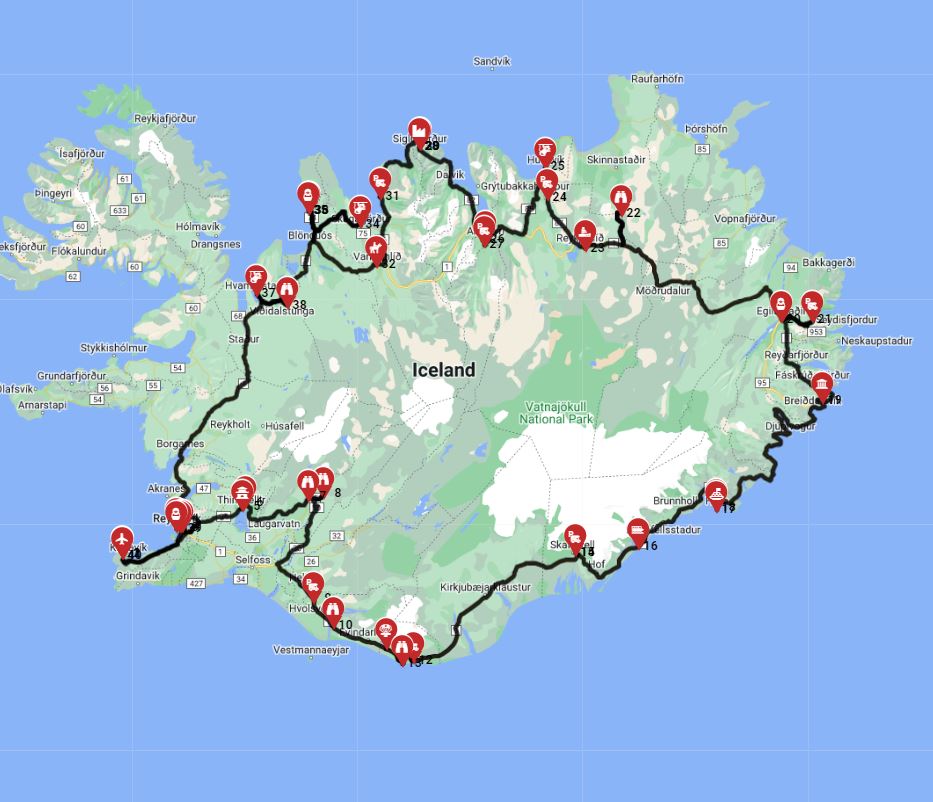
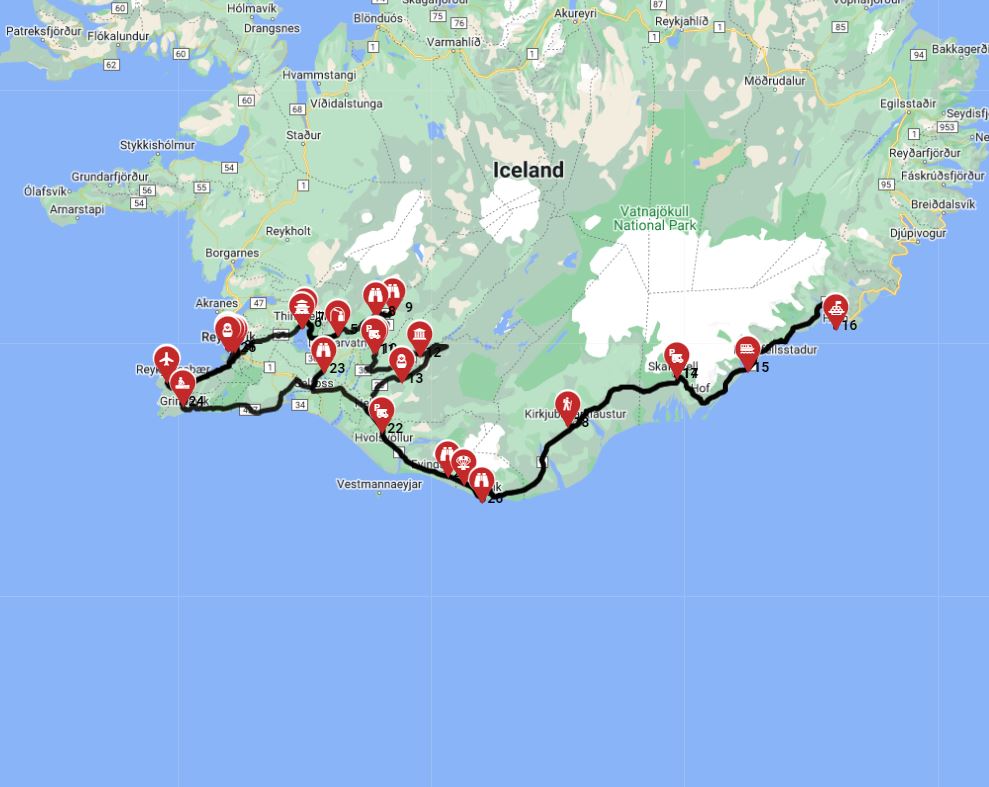
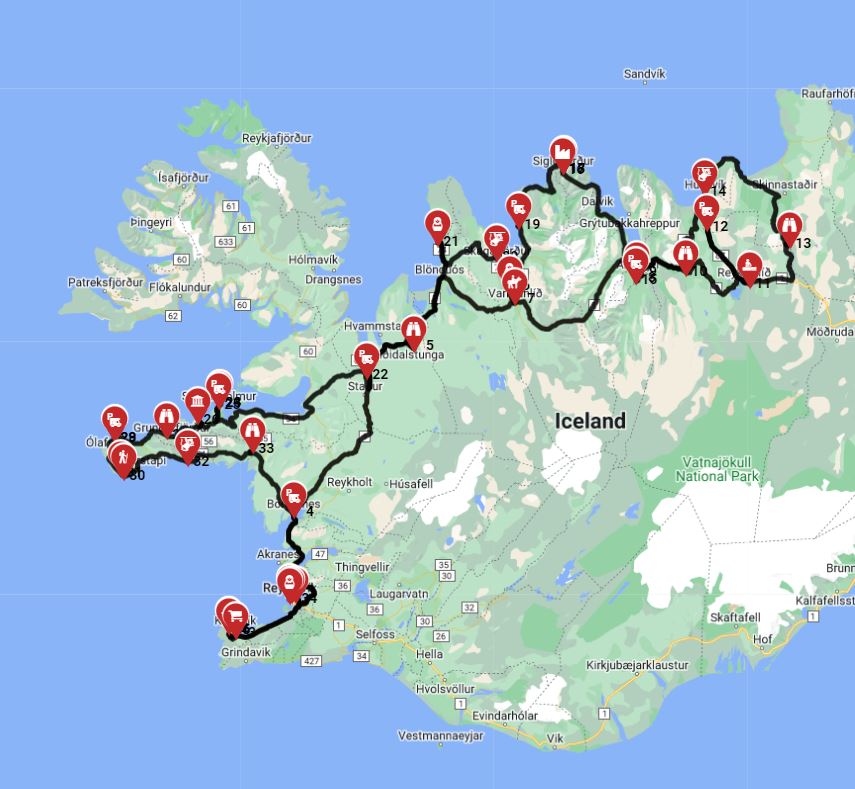
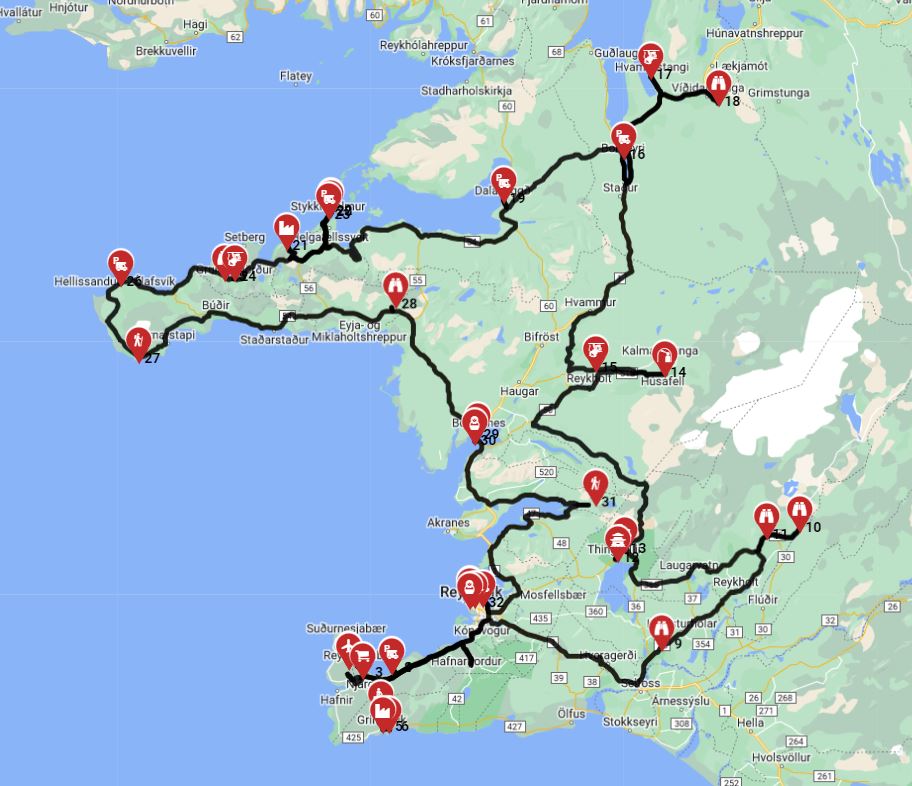
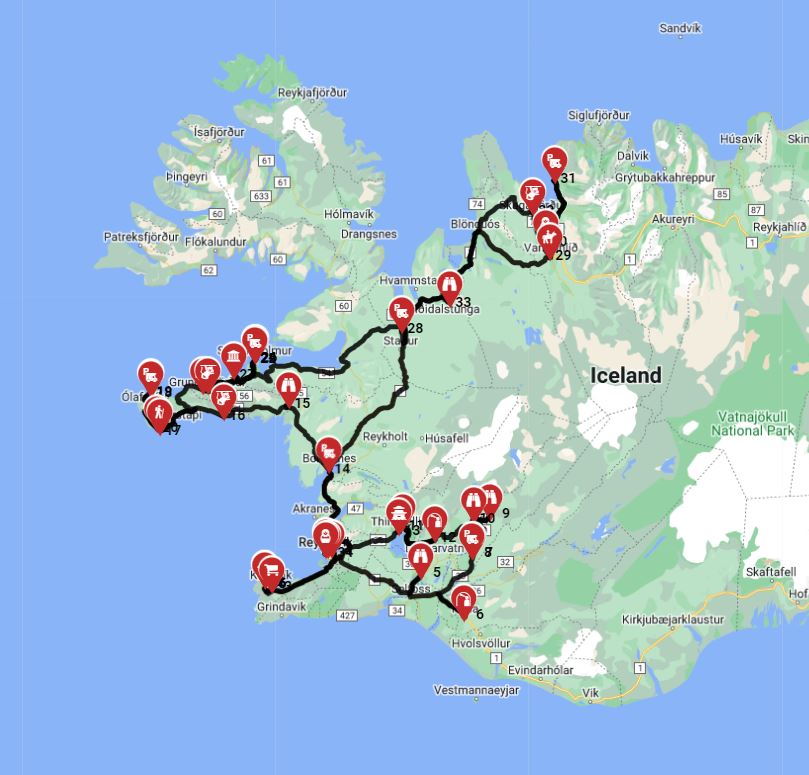
Official campgrounds are readily available throughout Iceland, especially along popular routes like the 1,322 km Ring Road. These designated sites offer essential facilities for a comfortable RV or campervan rental adventure, ensuring you have a safe and legal place to park each night. Popular regions for camping include the dramatic South Coast, the geothermal wonders of the Reykjanes Peninsula, and the stunning Snaefellsnes Peninsula, each offering unique landscapes and experiences. For live availability and current prices, start with our RV Rental Iceland - Complete Guide 2026 guide. Bandana RV specializes in connecting you with the perfect rented motorhome, making your planning straightforward and transparent. Exploring these areas with a rented RV allows you to fully immerse yourself in Iceland's raw beauty, from glaciers to black sand beaches. Remember, planning your route and securing your overnight spots is crucial, particularly during the busy summer months when campsites can fill up quickly. a well-planned route plan ensures a smooth and enjoyable trip without unexpected hassles.Campground Types in Iceland (National, Private, Wild)
Camping in Iceland for RVs and motorhomes is legally restricted to designated campgrounds to protect the country's incredibly fragile environment. Travelers will find a variety of options including national park sites, private campgrounds, and municipal campgrounds, each offering distinct features and amenities. True "wild camping" or "freedom camping" for RVs and other motor vehicles is explicitly illegal, and violating this regulation can result in significant fines starting from 20,000 ISK. Most official campgrounds cater specifically to motorhome and campervan travelers, offering amenities vital for a comfortable stay. If you're considering camping on private land, explicit, prior permission from the landowner is absolutely required, which is rarely granted for motorized vehicles. Respecting these local regulations is paramount to preserving Iceland's pristine nature and ensuring a positive experience for everyone. For inspiration and to map out your stops, consider exploring RV PLANET routes, where you can itemize and track every expense, including campground fees, along the way for easy budgeting.Featured RV Park or Campground in Iceland
When selecting an RV park in Iceland, prioritize locations that are easily accessible to key attractions and major routes while offering essential services. Look for campgrounds that provide comprehensive amenities such as reliable electrical hookups (often requiring a CEE 7/4 or CEE 7/7 hybrid adapter for 220-240V), fresh water access, and proper grey/black water disposal facilities. For extended stays, many sites also offer communal kitchen areas for preparing meals, laundry services, and sometimes Wi-Fi access, though quality can vary. Skógafoss Campsite, located directly next to the iconic Skógafoss waterfall, is a highly-rated option offering stunning views and convenient facilities, including a heated service house with toilets and showers (usually coin-operated at 500 ISK for 5 minutes). This is a great example of a site that combines natural beauty with practical comforts for your rented campervan. Consider the popular Golden Circle route, where you can find campgrounds near Geysir or Þingvellir National Park. These locations make a perfect base for exploring the region's 5 natural features and 2 traditional visits as highlighted in the "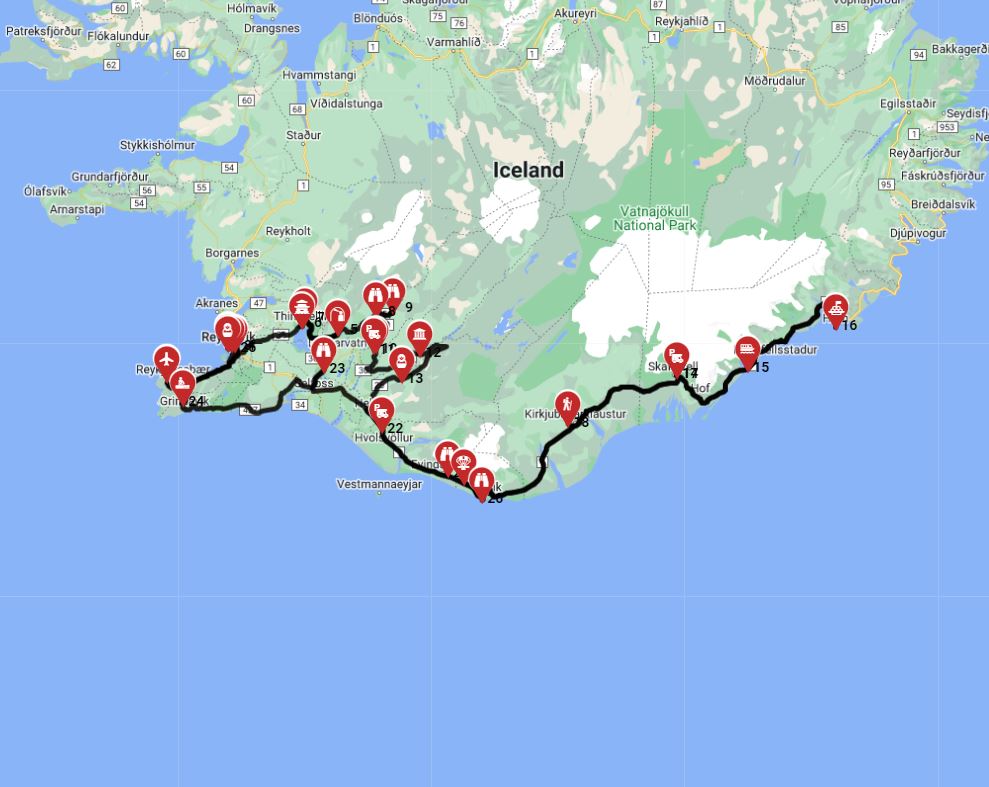
Hookups & Amenities - What to Expect
Most Icelandic campgrounds provide essential hookups and amenities designed for comfortable motorhome and campervan travel. Electrical hookups are commonly available, typically supplying 220-240V power; remember to bring a CEE 7/4 (Schuko) or CEE 7/7 hybrid plug adapter to ensure compatibility. Fresh water access points and dedicated grey/black water disposal stations are standard, making it easy to maintain your rented RV's systems. You can also expect to find showers at most sites, which often operate on a coin-payment system, usually around 500 ISK for 5 minutes, so keeping a supply of small change is a good idea. Many campgrounds also offer additional facilities to enhance your stay, such as communal kitchen areas where you can prepare meals, reducing the need for expensive restaurant visits. For those on longer trips, laundry services are often a welcome amenity. While Wi-Fi is increasingly common, its quality and availability can vary significantly between locations, particularly in more remote areas. Always verify specific amenities directly with the campground or through resources like rvplan.net before your arrival to avoid surprises. Stocking your onboard kitchen with essentials is also a great way to save money, and our RV-friendly recipes playlist offers plenty of inspiration.Booking Windows & Reservations in Iceland
For RV travel in Iceland during peak season (June-August), it is highly advisable to book popular campgrounds well in advance, ideally 3-6 months out, to secure your preferred spots. However, even during busy periods, many national and state park campgrounds manage their capacity by releasing only 25%-30% of their spots for advance reservations, leaving the remaining 70%-75% available on a first-come, first-served basis. This system benefits both meticulous pre-planners and more spontaneous travelers. If you prefer a flexible itinerary and are booking closer to your travel dates, don't stress: you will almost certainly find a spot. If not at the first campground you check, then the next one along your route will often have availability. We recommend calling ahead before driving long distances, especially during the middle of the day or on weekends, to confirm space. This flexibility is key to enjoying your cheap RV rental in Iceland without the pressure of rigid schedules. Our 24/7 support team is here to assist with pre-booking comparisons and post-booking coordination, ensuring a smooth start to your adventure.Nearby Supermarkets & Resupply Points
RV travelers in Iceland can easily resupply their rented motorhome with groceries and essentials at major supermarket chains such as Bónus, Krónan, and Nettó, which are conveniently located in most towns and villages along primary travel routes, especially the Ring Road. These stores offer cost-effective options for fresh produce, pantry staples, and local delicacies, allowing you to maximize your budget for your cheap RV rental in Iceland. It's always a smart strategy to stock up on supplies when you pass through larger towns like Reykjavik or Akureyri, as options can become quite limited or more expensive in remote areas. Beyond supermarkets, smaller local shops and gas station mini-marts can be found even in more isolated spots, offering basic necessities and snacks, though prices tend to be higher. Planning your grocery stops efficiently helps save money and ensures you have everything you need for comfortable onboard cooking and an enjoyable travel experience. Many travelers find that preparing meals in their RV is a fantastic way to stretch their budget.Best RV Class for Camping in Iceland
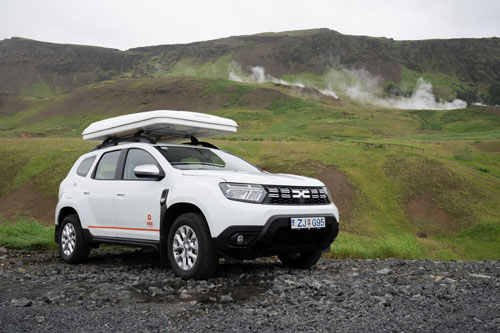
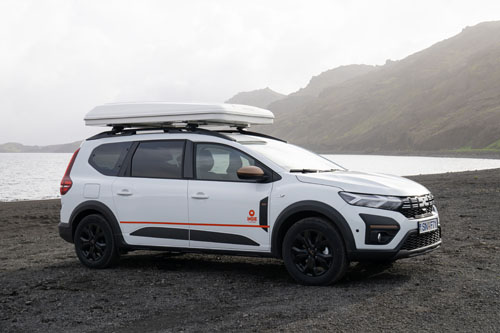
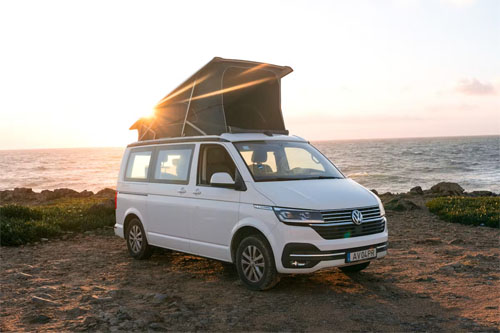
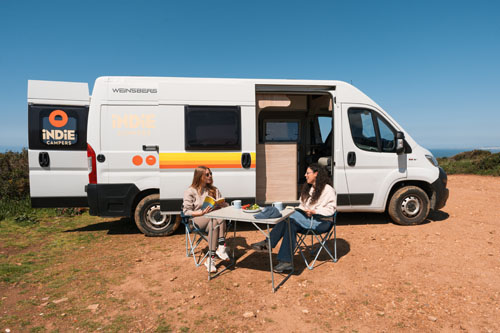
For cheap RV rental in Iceland, Class B Camper Vans and Class SI Semi-integrated RVs offer the most advantageous balance of maneuverability, fuel efficiency, and essential comfort. Class B Camper Vans, averaging around 5.8 meters in length with sleeping places for 2-3 people, are excellent for couples or small families, providing the flexibility needed for narrower roads and easier parking while consuming approximately 10 Liters/100 km of fuel. For example, a "Category Van" or "rv rental denver example Category Van" offers features like "Front Air condition," a "Shower," and a "Toilet," ideal for a compact, self-contained journey. Class SI Semi-integrated RVs, typically around 6.9 meters long and sleeping 3-4 people, provide more generous living space and amenities without being excessively bulky, consuming 10-11 Liters/100 km on average. These vehicles, such as a "2 Berth Rover" or "2 Berth Tamar," offer a comfortable camping experience for up to 3-4 adults. While larger Class C Alcove motorhomes can accommodate more people (e.g., up to 6 in a "Class C - Alcove" like a "6 Berth Deluxe"), their increased size can impact fuel consumption and access to some smaller or more challenging roads. Ultimately, opting for a smaller, efficient campervan or semi-integrated motorhome is often the cheapest and most practical choice for navigating Iceland's unique landscape, especially if sticking to the main Ring Road and well-maintained secondary routes. Drive slowly and carefully, and you can drive almost anywhere without issues. No need to stress - just use common sense and pay attention.How to Save on Campgrounds in Iceland
Purchasing a Camping Card can significantly reduce your campground costs in Iceland, offering a flat fee for up to 28 nights of camping at numerous participating sites across the country for two adults and up to four children. This card, typically costing around 179 EUR, can quickly pay for itself, especially on week-long trips or longer RV adventures. Choosing municipal or regional campgrounds over private resorts often results in lower nightly prices, with basic amenities like fresh water and waste disposal still available. Traveling during the shoulder season (May-June or September-October) provides cheaper campground rates and fewer crowds compared to the peak summer months. Additionally, some campgrounds offer discounts for staying three or more consecutive nights, or even weekly rates, so always inquire upon arrival. By being flexible with your travel dates and taking advantage of these options, you can enjoy a cheap RV camping experience in Iceland without compromising on comfort or access to stunning natural sites. For a deeper dive into optimizing your budget, check out our Cheap RV Rental in Iceland - Budget Guide 2026.How much does it cost to rent an RV in Iceland?
The cost of renting an RV in Iceland typically ranges from €100 to €400+ per day, influenced primarily by the vehicle class, rental season, and duration of your trip. Prices are generally highest during the peak summer months (June-August) when demand is at its peak, and for larger, more feature-rich motorhomes. For example, a compact campervan might start at €100-€150 per day in shoulder season, while a family-sized Class C motorhome could easily reach €300-€400+ per day in July. Budget for additional expenses beyond the daily rental rate, including comprehensive insurance, unlimited mileage packages (often an add-on), and particularly high fuel costs, which are consistently among Europe's highest. Factor in campground fees, which usually range from 1,500-3,000 ISK (approximately €10-€20) per person per night, plus charges for electricity hookups (around 1,000 ISK or €7). Booking well in advance, especially 3-6 months out, often secures better rates and a wider selection of vehicles. Our RV Rental in Iceland - Prices and Best Deals 2026 provides more pricing insights. For a detailed cost breakdown and to track all your ancillary expenses for any route, remember that RV PLANET routes allow you to itemize and track every cost along the way for easy budgeting.What is the cheapest way to travel Iceland?
An RV rental, particularly a smaller campervan or a compact Class B motorhome, often emerges as one of the most cost-effective ways to travel Iceland by smartly combining accommodation and transportation costs. While the initial rental fee might seem significant, it eliminates the need for separate car rental and expensive hotel bookings, which can quickly add up in Iceland's high-cost environment. Self-catering within your rented RV significantly reduces food expenses, as dining out frequently in Iceland can be very costly; preparing meals like hearty breakfasts and simple dinners on board can save hundreds of euros over a week-long trip. Compared to relying on car rentals plus hotels or joining structured organized tours, a rented RV offers unparalleled freedom and greater control over your overall budget. Utilizing campground discount cards, choosing off-peak travel times (shoulder season), and being flexible with your itinerary can further minimize expenses, making a cheap RV camping adventure a truly accessible and rewarding option.Is it worth renting an RV in Iceland?
Renting an RV in Iceland is unequivocally worth it for the unparalleled freedom and flexibility it provides to explore the country's stunning natural beauty at your own pace. Imagine waking up to a glacier view or parking next to a black sand beach, with your mobile headquarters right there to provide warmth and comfort. An RV allows you to tailor your itinerary dynamically, chasing good weather, lingering longer in a favorite spot like Jökulsárlón Glacier Lagoon, or spontaneously detouring to a hidden hot spring. This immersive experience brings you closer to nature than traditional hotel stays ever could. Furthermore, an RV can be a more economical choice than combining car rental with pricey hotel accommodations, especially for families or groups who can share cooking and sleeping spaces. However, be aware that larger RVs are generally not permitted on Iceland's challenging F-roads (Highland roads), which strictly require 4x4 vehicles. Always verify road conditions and legal access before attempting any route. Adhering to strict camping regulations, which mandate staying in designated campsites, is also crucial to avoid fines and protect Iceland's delicate environment. For those interested in premium experiences, our Luxury RV Rental in Iceland - Premium Prices 2026 offers options for a higher budget.Can you freedom camp in Iceland?
No, freedom camping, also known as wild camping, for RVs and motor vehicles is largely illegal in Iceland and is strictly prohibited outside of designated campsites on public land. Specific legislation, such as the Nature Conservation Act, was implemented to protect Iceland's extremely fragile environment from damage caused by unregulated camping and waste disposal. Violations of these rules can result in significant fines, often starting from 20,000 ISK, and responsible tourism mandates strict adherence to "Leave No Trace" principles. While it might seem appealing to simply pull over and camp wherever you find a beautiful spot, doing so with a rented motorhome is illegal and environmentally damaging. Camping is permitted only at official, recognized campgrounds or on private land with explicit, prior written permission from the landowner, which is rare for motorized vehicles. Always plan your overnight stays at registered campgrounds to ensure compliance with Icelandic law and to support the sustainable preservation of its unique landscapes.Can you camp anywhere in Iceland?
No, you absolutely cannot camp anywhere in Iceland with an RV or motor vehicle; all motorized camping must legally occur at recognized, designated campsites. This regulation is strictly enforced across the entire country, including rural areas, national parks, and popular tourist routes, to prevent environmental degradation and maintain public order. Roadside parking for overnight sleeping in a campervan or motorhome is generally prohibited and can lead to fines from local authorities. Iceland's delicate ecosystems are easily damaged by indiscriminate camping, and authorities are vigilant in protecting them. The vast network of official campgrounds ensures that you always have a legal and equipped place to stay. These sites provide essential services like fresh water, waste disposal, and often electrical hookups, which are crucial for a comfortable RV trip. For planning your journey, you can find a comprehensive list of campgrounds and facilities on rvplan.net. Always respect local signage and regulations regarding camping and parking.How do you camp in Iceland?
Camping in Iceland with a rented RV involves driving your motorhome to one of the country's many official campgrounds, checking in upon arrival, and setting up in a designated spot. These campgrounds are usually well-equipped, providing necessary amenities such as fresh water fill-ups, grey and black water disposal points, and often electrical hookups for your campervan. You should utilize these provided facilities responsibly and always adhere to "Leave No Trace" principles, ensuring all waste is properly collected and disposed of. Be prepared for seasonal variations in your camping experience: summer (June-August) offers long daylight hours, sometimes almost 24 hours of sun, which is fantastic for extended exploration. However, it's also the busiest time, so popular sites can fill up. Autumn and spring bring fewer crowds and potential opportunities for witnessing the Northern Lights, but also more unpredictable weather and some highland road closures. Many campgrounds remain open year-round, but services might be reduced outside of peak season, so checking ahead before you drive is essential. For comprehensive route plans and campsite locations, RV PLANET (rvplan.net) is an invaluable resource.Is an RV good for Iceland?
An RV is an excellent choice for exploring Iceland, providing a convenient and comfortable mobile base for experiencing its diverse and breathtaking landscapes. Having a rented motorhome means you have your accommodation, kitchen, and often a bathroom with you, offering incredible flexibility to stop wherever stunning views appear. This is especially valuable given Iceland's unpredictable weather, as your RV provides a warm and dry refuge. While an RV is perfect for traversing the main Ring Road, which is fully paved and circles the island over approximately 1,322 km, it's crucial to understand limitations for other routes. Larger RVs are typically not permitted on challenging F-roads (Highland roads), which are unpaved, often involve river crossings, and are strictly reserved for smaller 4x4 vehicles. Always confirm road conditions and access restrictions before planning your itinerary, especially for routes like those outlined in "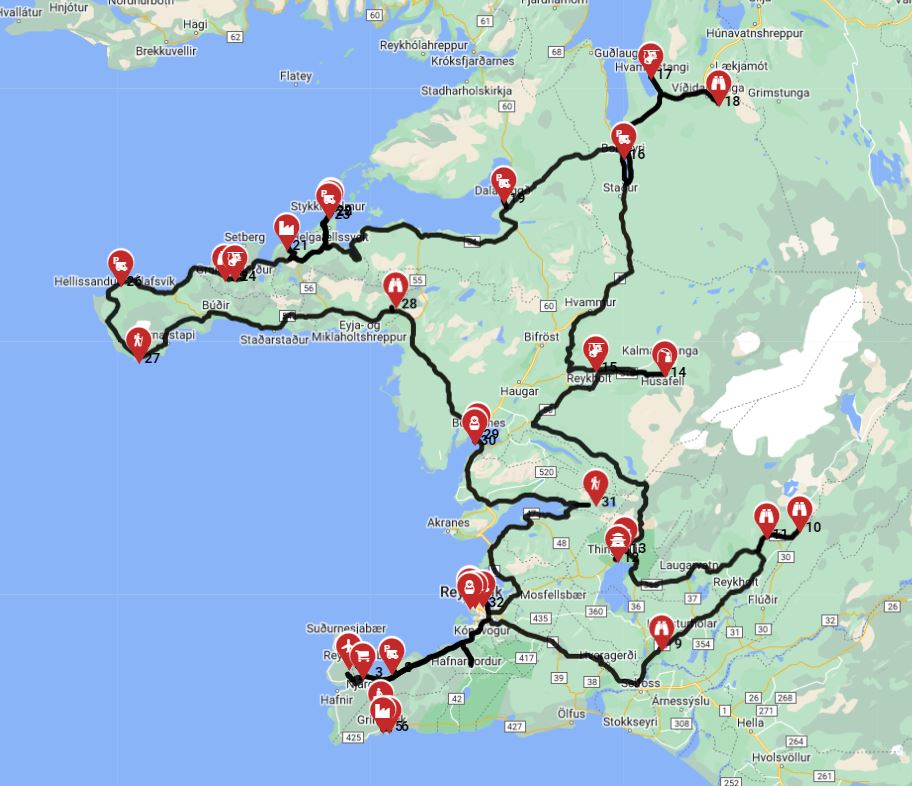
How much is gas in Iceland?
Gas prices in Iceland are consistently among the highest in Europe, making fuel a significant factor in any RV travel budget. Travelers should budget carefully for this expense, as both petrol (gasoline) and diesel are expensive, though diesel is often slightly cheaper per liter. Prices can fluctuate frequently, so it is wise to use local apps or websites (such as Gasverð á Íslandi) to find the cheapest stations along your route. Always fill up your rented RV's fuel tank whenever possible, especially before heading into remote areas where gas stations are scarce or can be few and far between. Many rental motorhomes, such as a Class B Camper Van like the "Combi Van" with its 80-liter fuel tank and 9-12 Liters/100 km fuel consumption, offer reasonable range, but remote driving requires vigilance. Fuel consumption for a typical Class C motorhome like the "CA-25" is around 23 Liters / 100 km, highlighting the importance of fuel costs. This careful planning helps prevent unexpected stops or running low on fuel in sparsely populated regions.Is Iceland campervan friendly?
Iceland is exceptionally campervan-friendly, with smaller Class B camper vans and compact Class C motorhomes being particularly well-suited for its unique travel conditions and extensive network of campgrounds. Campervans offer superior maneuverability on the country's narrower roads, making navigation easier in small towns and on scenic routes where larger vehicles might feel cumbersome. They generally provide better fuel economy, which is a considerable advantage given Iceland's high gas prices, and are much easier to park at popular attractions and campgrounds. While nimble and ideal for exploring, remember that specialized 4x4 vehicles are still required for accessing Iceland's F-roads, and standard campervans should not attempt these routes unless specifically designed and allowed by the rental company. A rented campervan provides a comfortable, self-contained travel solution, enabling you to cook your own meals, sleep in a proper bed, and have a mobile base for exploring. This makes cheap RV camping in Iceland both practical and enjoyable for many travelers.Can you sleep anywhere in Iceland in a campervan?
No, you cannot sleep anywhere in Iceland in a campervan; overnight sleeping in motor vehicles is legally restricted to designated campsites or private land with explicit prior permission. This regulation is rigorously enforced across Iceland to protect its fragile environment and ensure public order and safety for all visitors and residents. Attempting to sleep in your rented campervan outside of official campsites or approved private areas can result in fines that can quickly add up, along with other unwanted legal issues. Planning your overnight stops at registered campgrounds is not only a legal requirement but also a practical one, as these sites provide necessary amenities like fresh water, waste disposal, and often electrical hookups, which are vital for a comfortable RV trip. Always use resources like rvplan.net to locate available campgrounds along your intended route and call ahead to confirm availability, especially during busy travel seasons or when exploring less-frequented areas. Our focus is on full transparency and helping you plan a fantastic trip, free of surprises.Top Cities for RV Rental in Iceland
Iceland offers several convenient cities for picking up your rented RV, setting the stage for your adventure.- Reykjavik: The capital city is the primary hub for RV rentals, offering the widest selection of motorhomes and campervans. It's the perfect starting point for any Ring Road or Golden Circle adventure.
- Keflavík - Airport: Located just 50 km from Reykjavik, Keflavík International Airport (KEF) is another major pickup location, making it incredibly convenient for international arrivals to start their RV journey immediately.
- Kopavogur: A rapidly growing city adjacent to Reykjavik, Kópavogur also provides RV rental options and is a great alternative for those looking for slightly different availability.
- Hafnarfjörður: Known for its Viking heritage, this charming town near Reykjavik is another convenient spot for motorhome pickups, offering easy access to the Reykjanes Peninsula.
- Reykjanesbær: Situated on the Reykjanes Peninsula, this municipality, which includes Keflavík, is a practical choice for renting a campervan, especially if you plan to explore the geothermal wonders of the peninsula first.
What You Shouldn't Miss
- Drive the Golden Circle: This iconic 300-kilometer route from Reykjavik to Reykjavik offers three major natural attractions- Gullfoss waterfall, Geysir geothermal area, and Þingvellir National Park- perfect for a 1-2 day rented RV trip.
- Explore the South Coast: Witness black sand beaches, basalt columns, and magnificent waterfalls like Seljalandsfoss and Skógafoss with your campervan. This area is easily accessible for motorhomes and offers abundant camping opportunities.
- Relax in the Blue Lagoon: While a premium experience, budgeting for a visit to this world-famous geothermal spa near Keflavík is unforgettable. Book your tickets well in advance!
- Hunt for the Northern Lights: During autumn and winter, a rented motorhome gives you the flexibility to drive away from city lights into darker skies for optimal aurora viewing.
- Visit Jökulsárlón Glacier Lagoon: Marvel at floating icebergs and possibly spot seals at this stunning glacier lagoon on the southeastern coast, easily reached via the Ring Road.
- Discover the Snaefellsnes Peninsula: Often called "Iceland in miniature," this peninsula offers diverse landscapes, charming fishing villages, and dramatic coastal scenery, ideal for a 2-3 day detour with your RV.
🎬 Video coming soon
Looking for expert insights from Avi Bandana? Top 5 Adventures - recommendations from Avi Bandana
Avi Bandana, our founder, has personally traversed Iceland multiple times in an RV, always seeking out the hidden gems and most breathtaking routes. His top recommendation for any traveler looking to experience the true essence of Iceland is to venture beyond the typical tourist spots. "Don't just stick to the Ring Road," Avi advises. "While it's incredible, take detours on well-maintained gravel roads to discover secluded hot pots, explore less-visited fishing villages, and truly connect with the local culture. Travel slowly, max 100-150 km per day on average. Take time to feel the place, connect to the culture, the food, and the scenery." He emphasizes that a smaller campervan, like a "Class B Camper Van" with a length of 5.8 meters, is ideal for navigating these charming detours comfortably.
Final Thoughts
Embarking on a cheap RV camping adventure in Iceland is more than just a trip; it's an opportunity to connect with an extraordinary landscape on your own terms. Imagine the freedom of waking up to new, breathtaking vistas every day, with all the comforts of home just a step away. From the dynamic costs of a "BudgetVan 55" to the more spacious "Category Large 5 AT," our transparent pricing and expert insights ensure you find the perfect rented motorhome without hidden fees or surprises. We’re here to support you every step of the way, making sure your booking process is smooth and confident. By embracing slow travel, exploring pre-planned routes, and taking advantage of money-saving tips like the Camping Card, your Icelandic journey will be an unforgettable experience filled with discovery and wonder. Get inspired for your next trip! Compare cheap RV rental in Iceland and discover the freedom of the open road.On the routes offered through RV PLANET routes, you can itemize and track every expense along the way for easy budgeting.