In This Guide
- Where to Camp in England — Top Options
- Campground Types in England (National, Private, Wild)
- Featured RV Park or Campground in England
- Hookups & Amenities — What to Expect
- Booking Windows & Reservations in England
- Nearby Supermarkets & Resupply Points
- Best RV Class for Camping in England
- How to Save on Campgrounds in England
- How much does a motorhome rental cost in England for a week?
- Is wild camping allowed with an RV in England?
- What are the driving rules for motorhomes in England?
- What is the best motorhome size for touring England?
- What are some scenic routes for RVs in England?
- Class SI - Semi-integrated Motorhome for England
- Class C - Alcove Motorhome for England
- Class B - Camper Van for England
- Class A - Integrated Motorhome for England
- Class TC - Truck Camper for England
Where to Camp in England — Top Options
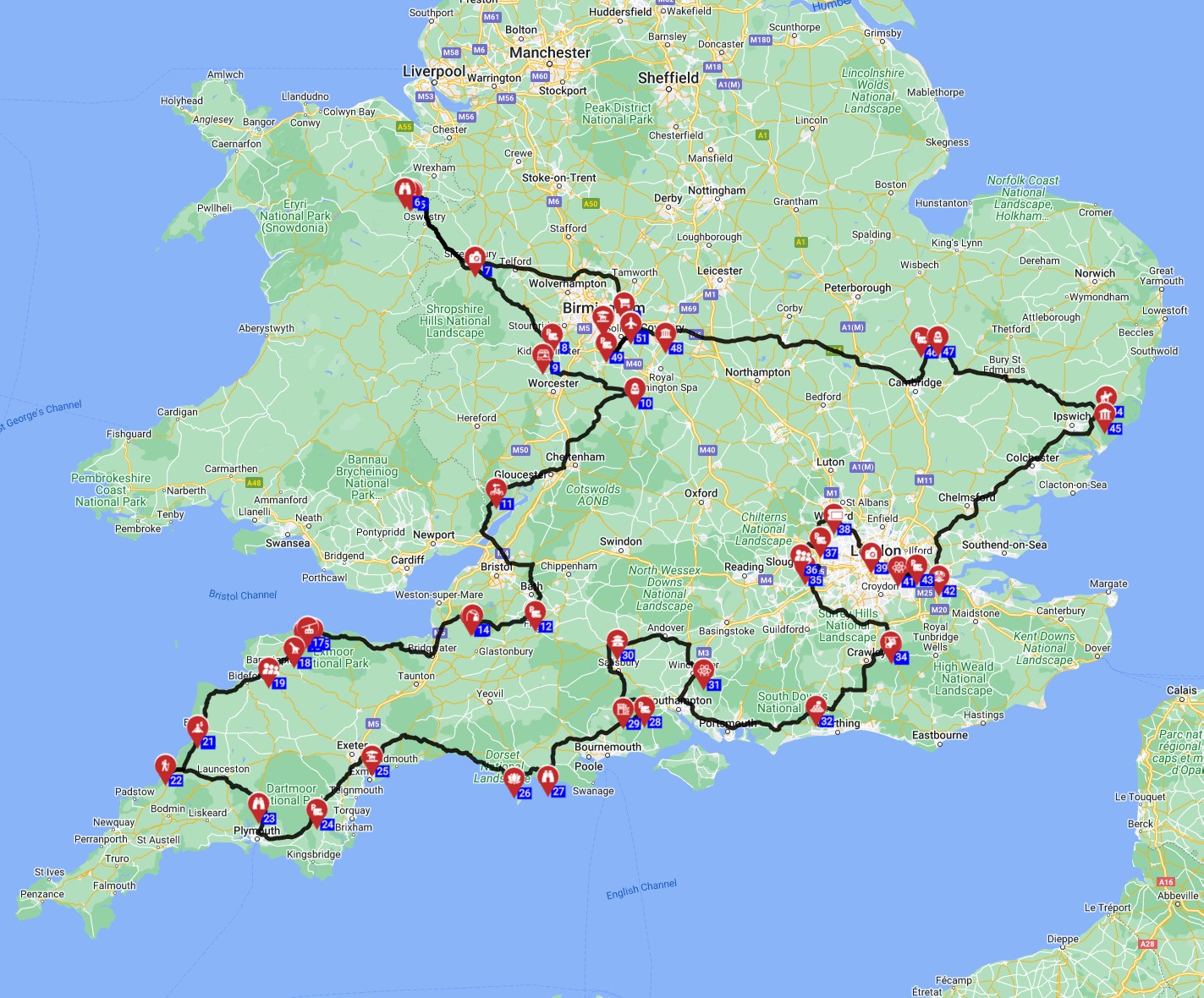
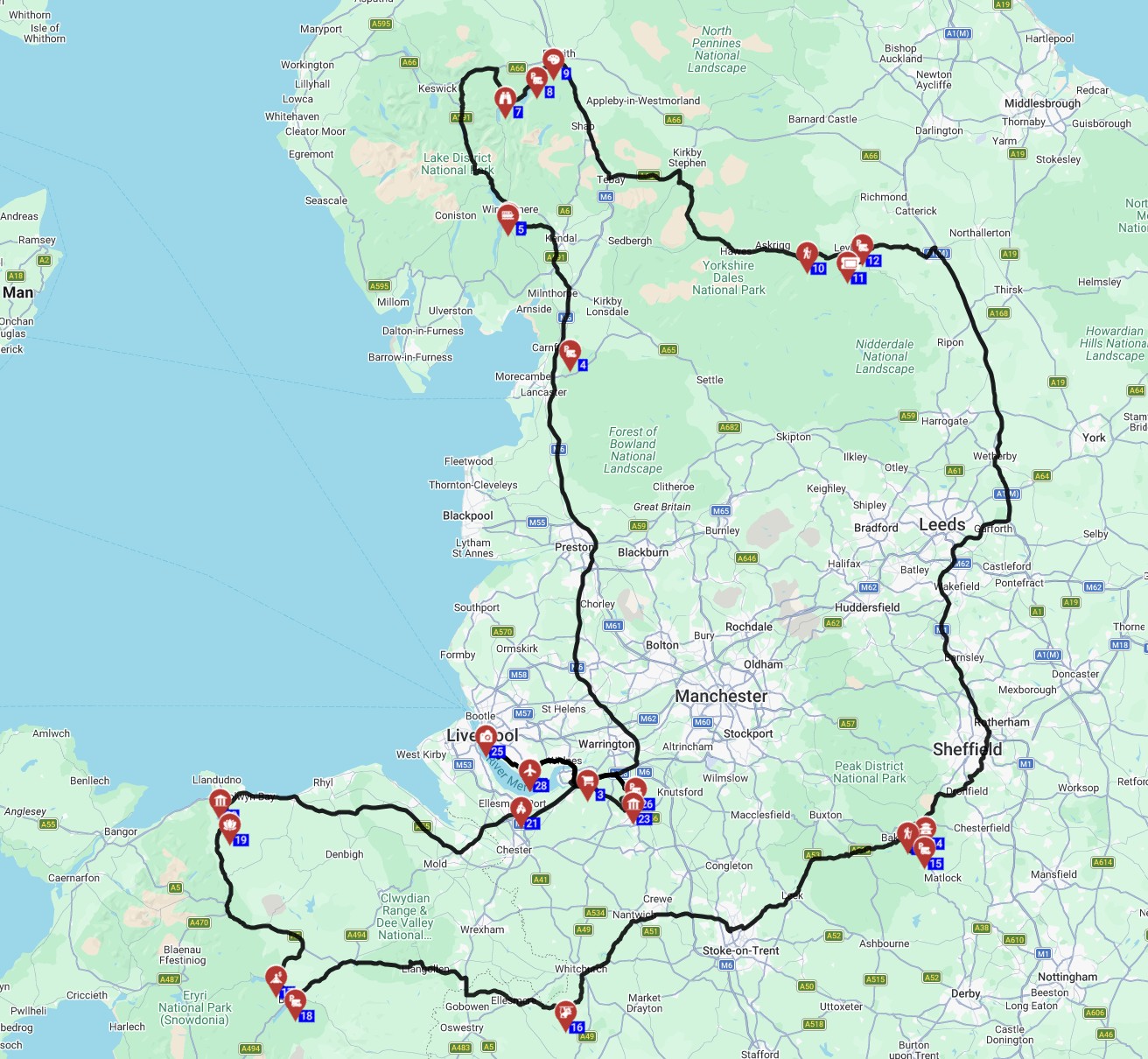
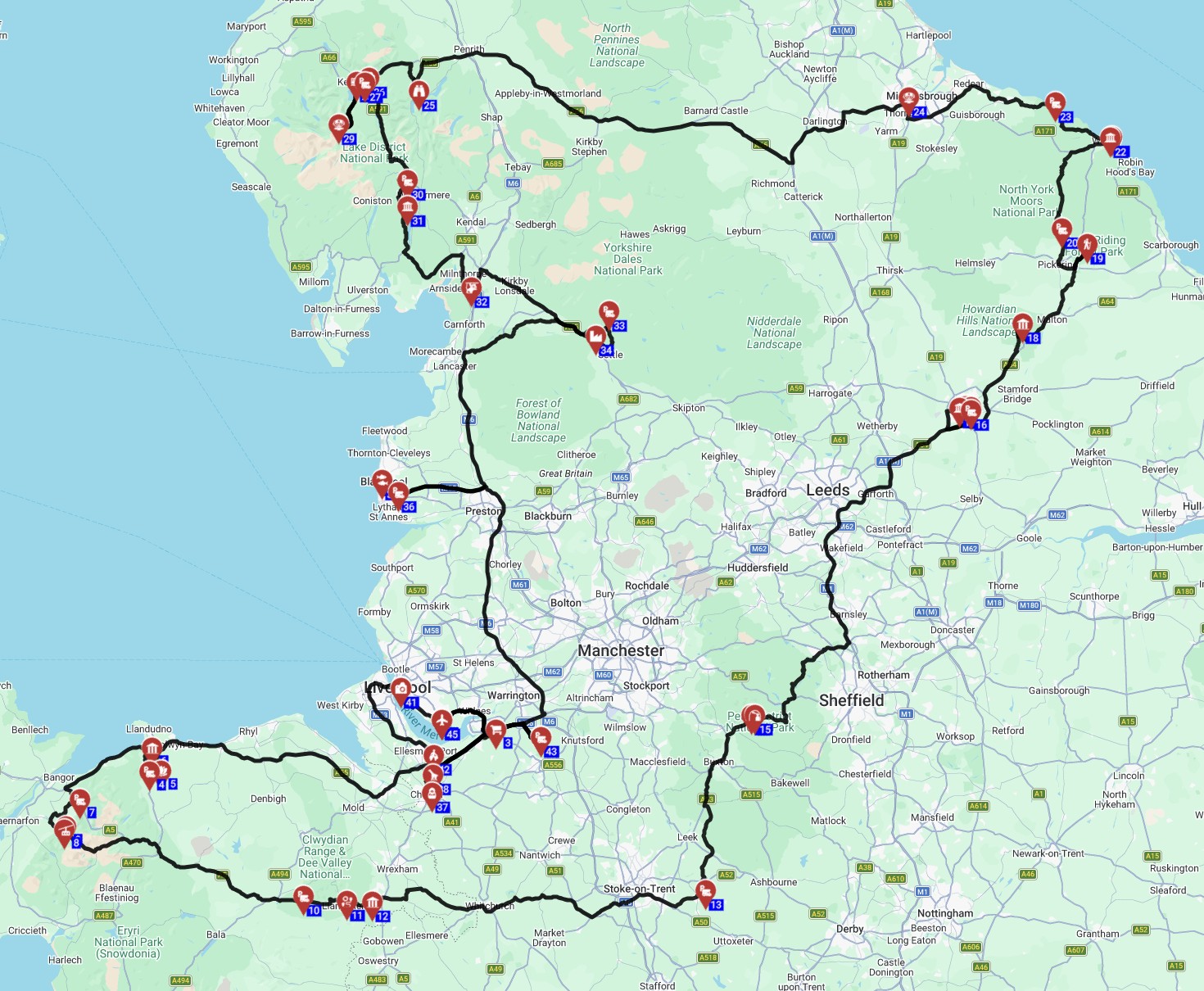
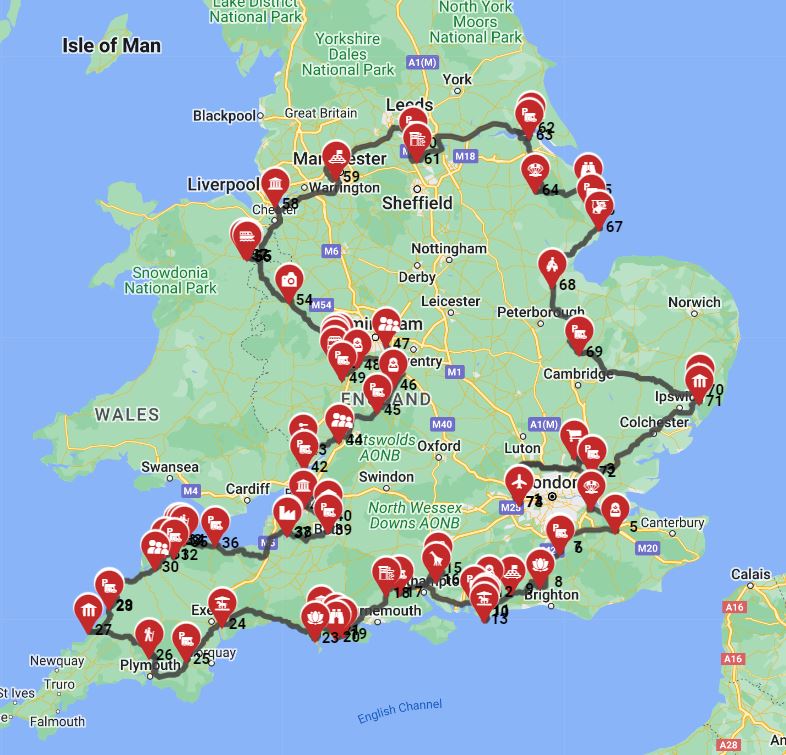
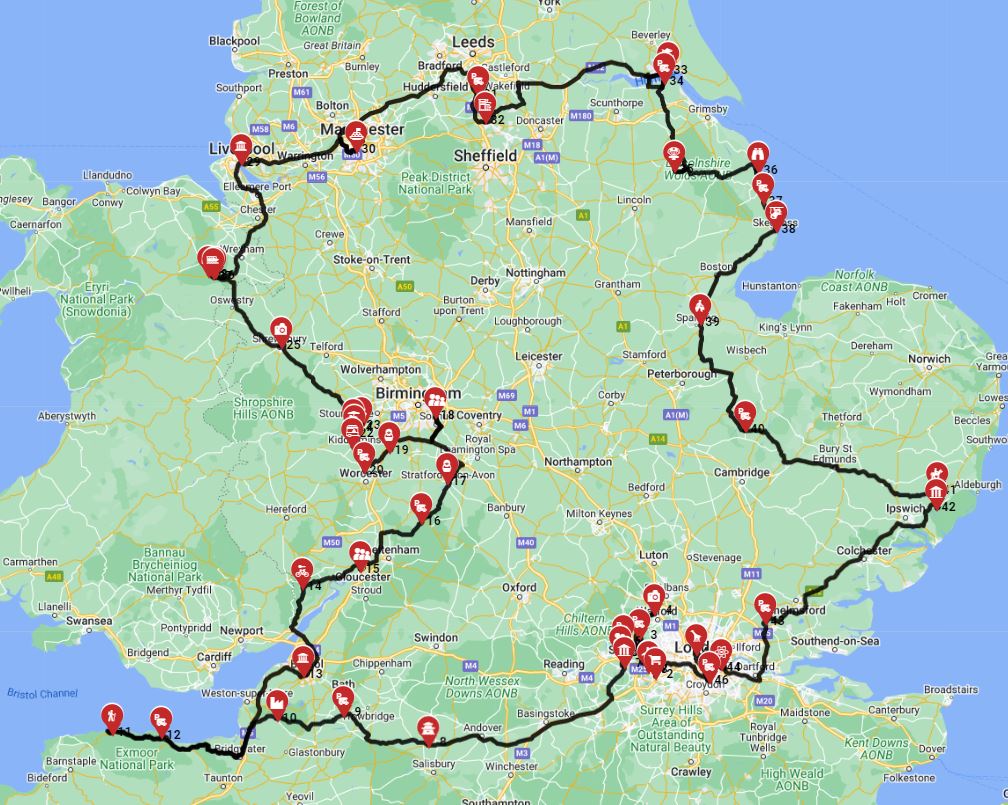
England offers a diverse range of camping experiences for RV travelers, with regions like the Lake District, Cornwall, and the Peak District providing distinct and beautiful environments. The Lake District is renowned for its stunning natural beauty, perfect for hiking and water sports, making it an ideal base for an RV adventure. Cornwall entices with its dramatic coastal drives, golden beaches, and rich history, offering a picturesque setting for exploring by motorhome. For those seeking rugged moorlands and charming dales, the Peak District provides ample walking trails and scenic drives. The New Forest, with its ancient woodlands and free-roaming ponies, offers a truly unique natural escape, showcasing the varied landscapes available for RV camping across the country.
Campground Types in England (National, Private, Wild)
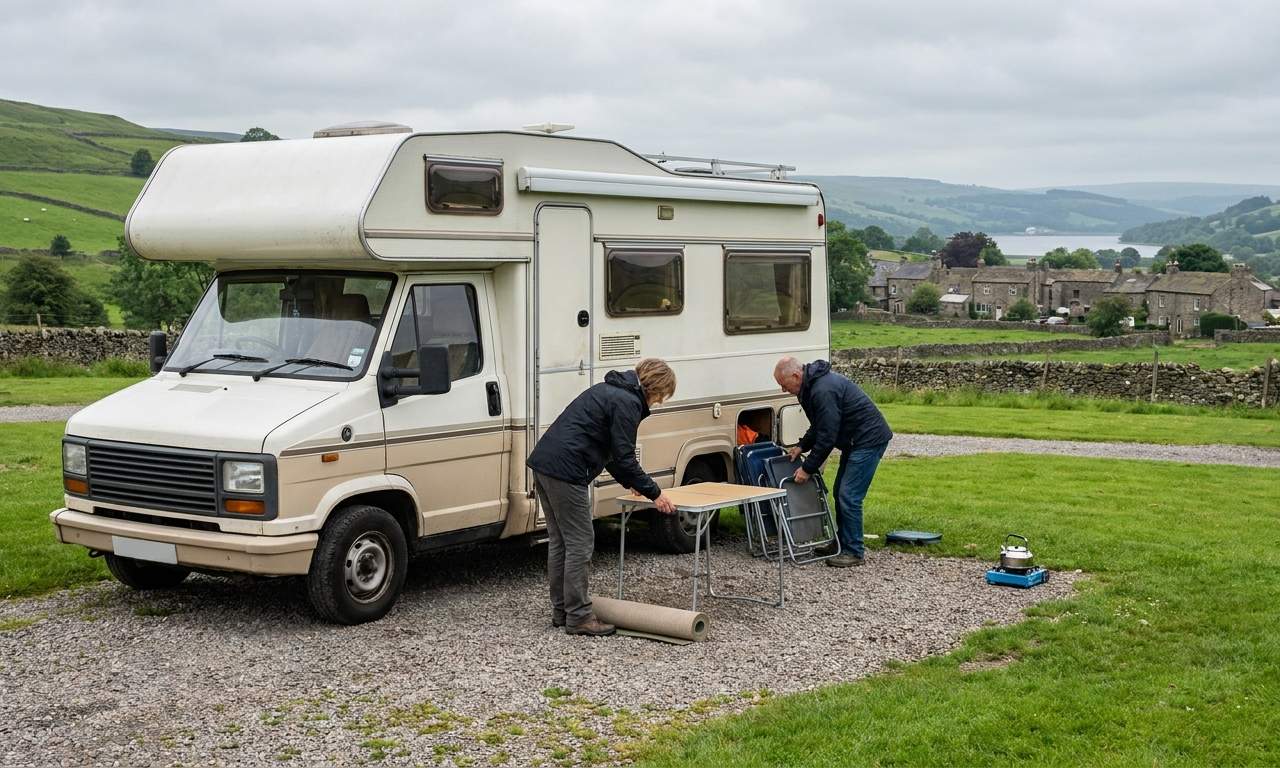
England primarily offers two main types of designated campgrounds: National Park sites and private commercial campgrounds. While wild camping with an RV is generally not permitted, there are limited circumstances where it might be tolerated. National Parks and Forestry England sites often provide a more rustic, scenic experience at a good value, though amenities can be basic. It's crucial to book these in advance, as many spots are allocated first-come, first-served (typically 25-30% for reservations, the rest for walk-ins). Private campgrounds vary significantly, from simple pitches to full-service resorts with extensive amenities, typically commanding higher prices but guaranteeing facilities like hookups. Wild camping with a motorhome is largely prohibited across England without explicit landowner permission, unlike the more relaxed rules for tent camping in specific areas like Dartmoor. While strict legal wild camping for motorhomes is rare, some rural pubs may grant permission for overnight parking to patrons.
Featured RV Park or Campground in England
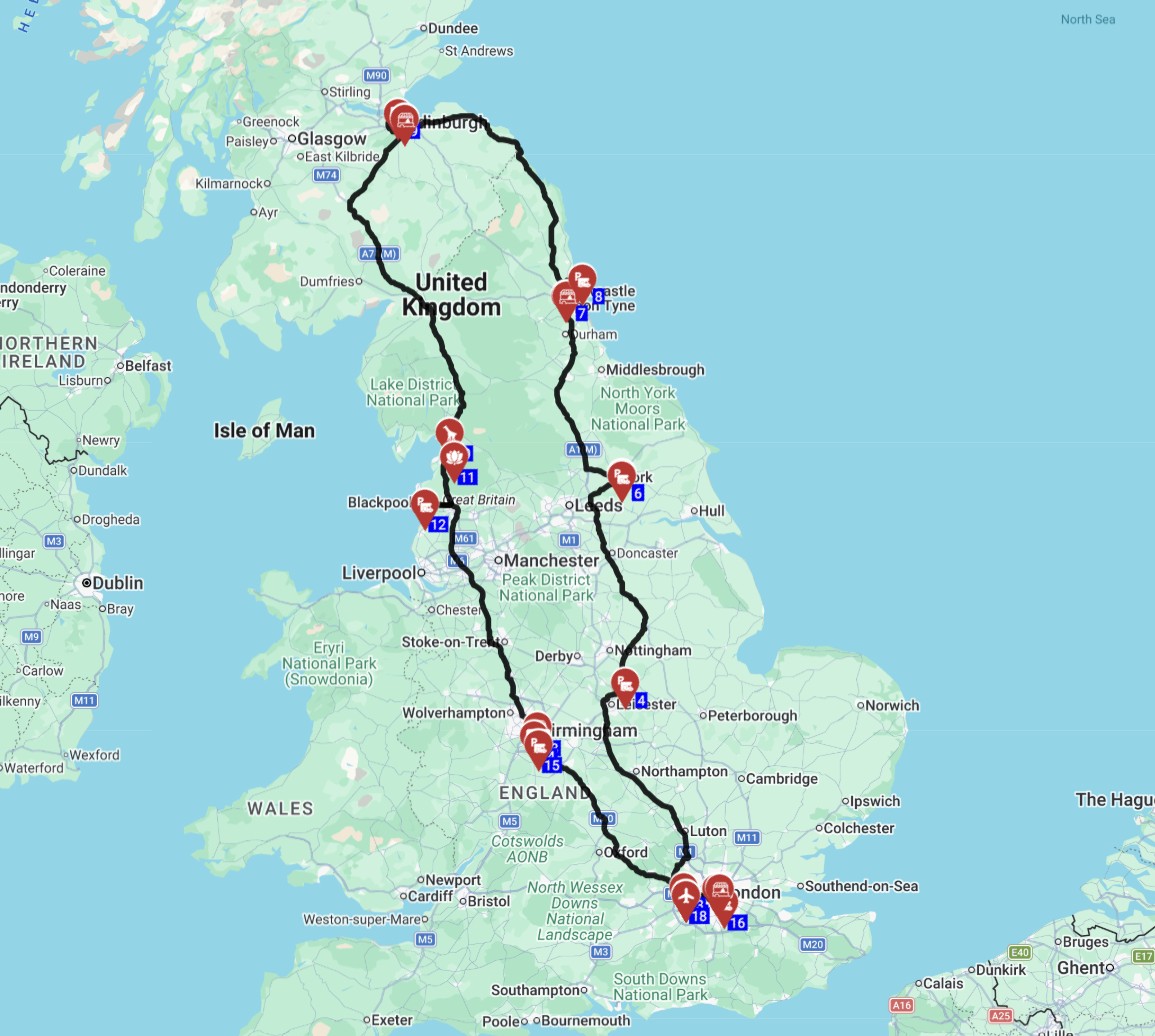
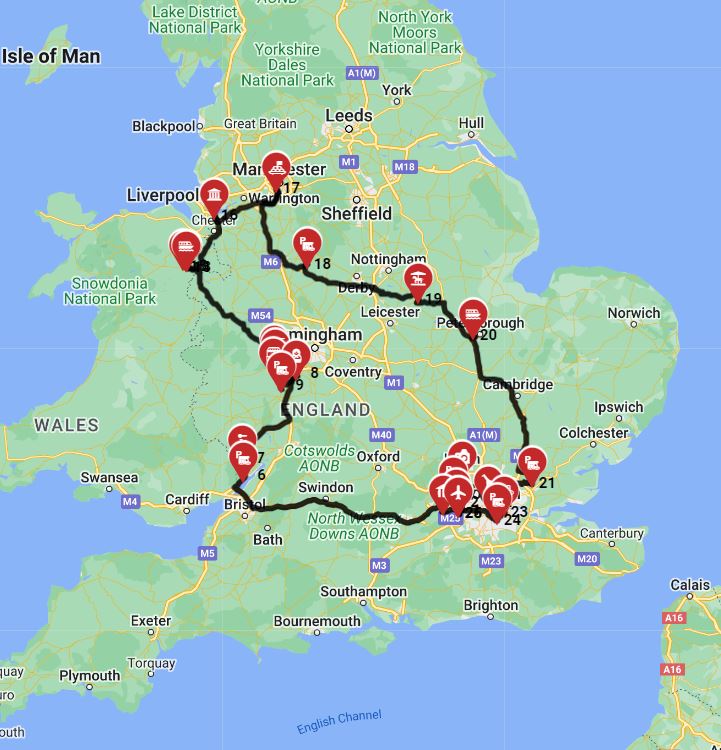
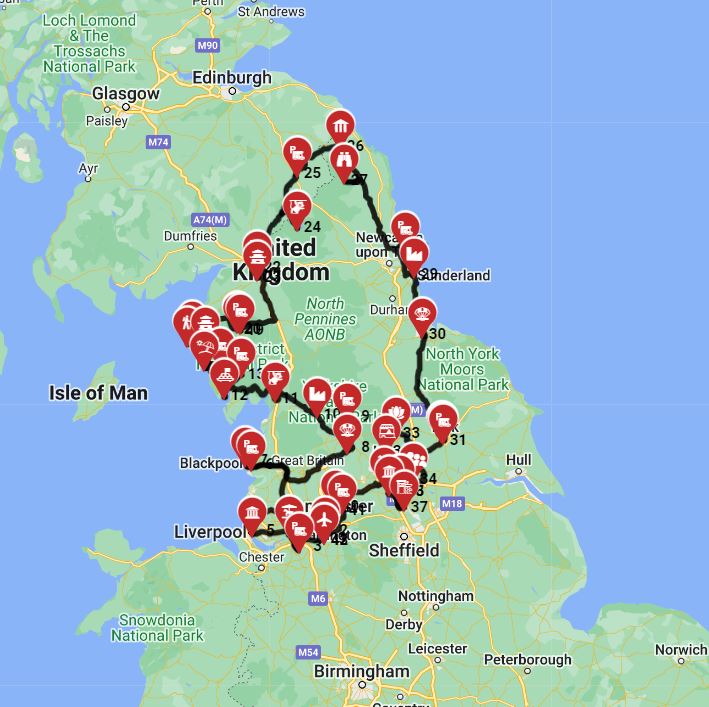
When seeking an affordable and well-equipped RV park in England, look for sites that balance essential amenities with reasonable nightly rates. These are often found slightly away from major tourist hubs. Prioritize parks affiliated with reputable organizations like The Camping and Caravanning Club or the Caravan and Motorhome Club, as they frequently offer good facilities and member discounts. Ensure the park provides standard electric hook-ups, fresh water access, and a waste disposal point (dump station). Considering locations near public transport can also minimize the need for urban driving and parking. Always take the time to read recent reviews regarding cleanliness, noise levels, and staff helpfulness to guarantee a pleasant and cost-effective stay for your cheap RV rental. On the routes offered through RV PLANET routes, you can itemize and track every expense along the way for easy budgeting.
Hookups & Amenities — What to Expect
RVers in England can generally expect campgrounds to provide electric hook-ups (240V with a standard blue CEEform connector), fresh water taps, and designated grey and black water disposal points (dump stations). Wi-Fi and laundry facilities are commonly available, though often for an additional fee. It's important to note that electric hook-ups operate at 240V, utilizing a distinct blue CEEform plug, meaning standard continental European adaptors are unsuitable without a step-down transformer. Fresh potable water taps and designated grey and black water dump points are standard amenities across most campgrounds. Additional facilities like showers, toilets, coin-operated laundry, limited or paid Wi-Fi, small shops, and children's play areas are frequently offered, with the variety depending on the campground's type and price point.
Booking Windows & Reservations in England
For cheap RV rentals in England, planners benefit from booking campgrounds well in advance, especially for popular areas and during peak season (summer holidays, bank holidays). Spontaneous travelers can often find same-day or next-day spots, particularly during shoulder seasons or by calling ahead. Planners should aim to book 3-6 months ahead for peak season and sought-after national park sites to secure their preferred locations and potentially better rates. Spontaneity offers opportunities, as many national park campgrounds typically release only 25%–30% of their spots for reservations, leaving the remainder for first-come, first-served arrivals. While you will almost certainly find a place—if not the first campground, then the next—it is highly recommended to call ahead before driving to confirm availability, especially if you're on a budget and seeking a cheap rental. Consider midweek stays or non-holiday periods for better prices and selection.
Nearby Supermarkets & Resupply Points
England offers ample resupply opportunities for RV travelers, boasting a dense network of major supermarket chains. You'll find Tesco, Sainsbury's, Asda, and Morrisons readily available across the country, alongside budget-friendly options like Lidl and Aldi. Major chains often have large stores with petrol stations, and smaller 'Express' or 'Local' formats are common in urban and suburban areas. For cost savings, budget supermarkets such as Lidl and Aldi are excellent choices, typically offering competitive prices and usually providing sufficient parking for larger vehicles. Beyond the major chains, many villages feature independent convenience stores or charming farm shops, which are perfect for sourcing fresh, local produce. Utilizing supermarket locator apps or Google Maps can help you efficiently plan resupply stops along your route.
Best RV Class for Camping in England
For camping in England, especially with a focus on affordability and navigating narrower roads, compact Class B Camper Vans and smaller Class SI Semi-integrated Motorhomes are generally the most suitable choices. These vehicles offer better maneuverability, fuel efficiency, and easier parking, making them ideal for British roads. Class B Camper Vans, typically averaging 5.8m in length and accommodating around 3.2 sleeping places, are highly recommended for their car-like handling, superior fuel economy (around 8-10 Liters/100 Km), and flexibility for more off-grid camping. Class SI Semi-integrated Motorhomes, averaging 6.9m and sleeping about 3.8 people, strike a good balance between living space and manageable dimensions, suitable for couples or small families seeking more comfort for traditional campground stays. Larger RVs, such as Class C Alcove or Class A Integrated models (averaging 7.5m), while offering more space, can present significant challenges on many UK country lanes, in historic town centers, and when attempting to park, making them less ideal for budget-conscious or first-time visitors.
How to Save on Campgrounds in England
To significantly reduce accommodation costs during an RV trip in England, consider leveraging discount cards, traveling during off-peak times, choosing municipal or regional campgrounds, and opting for longer stays to access weekly rates. Purchasing a membership to organizations like the Caravan and Motorhome Club or The Camping and Caravanning Club can provide access to member-only sites and discounted rates. Traveling in the shoulder season, such as April-May or September-October, typically results in lower prices and fewer crowds compared to the peak summer months. Opting for municipal or regional campgrounds is often more affordable than private resort-style sites and can offer a more authentic experience. Many campgrounds offer reduced nightly rates for extended stays of 3, 5, or 7 nights or more, while choosing non-electric or basic pitches can also save money if your RV is equipped for off-grid camping for a night or two. For finding campsites and campgrounds during your trip, we recommend using RV PLANET (rvplan.net) — a great resource for locating available spots along your route.
How much does it cost to rent an RV in England for a week?
The total cost of renting an RV in England for a week typically ranges from £500 to £1,500, varying significantly based on the RV class, time of year, rental duration, and additional expenses like fuel, insurance, and campsite fees. Rental fees themselves are lowest for small campervans (Class B) during off-peak seasons and highest for larger motorhomes (Class C, A) in peak summer months (June-August). Fuel is a significant expense in the UK, with Bandana's fleet typically consuming 8-12 Liters/100 km, so budgeting substantial amounts for diesel is essential. Beyond the rental, factor in daily campsite fees (typically £20-£50 for a serviced pitch), comprehensive insurance or excess reduction, and potential road charges. These include the M6 Toll, Dartford Crossing, and urban emission zone charges like the London Congestion Charge, ULEZ, and CAZ in other cities, which can substantially increase the overall trip cost if not planned for. On the RV PLANET routes, travelers can itemize and track every expense along the way for easy budgeting.
Is wild camping allowed with an RV in England?
Wild camping with an RV in England is generally not legally permitted without express permission from the landowner, distinguishing it significantly from backpacking wild camping rules in specific Scottish regions or limited areas of Dartmoor for tents. Under English and Welsh private land ownership laws, any form of camping, including in an RV, requires explicit permission from the property owner. While strict legal wild camping for motorhomes is rare, some rural pubs may grant permission for overnight parking to patrons, and specific informal sites managed by Forestry England might exist but are not widespread for RVs. Unlike continental Europe, England lacks a formal, extensive 'Aire' system for free overnight RV parking, meaning unauthorized parking can lead to fines, being asked to move on, or even vehicle towing.
What are the driving rules for motorhomes in England?
Driving a motorhome in England requires adherence to specific UK traffic laws, including particular licensing requirements, understanding vehicle size restrictions for navigating narrow roads, and awareness of urban congestion and emission zone charges. A standard B driving license is generally sufficient for motorhomes up to 3,500kg Maximum Authorised Mass (MAM), but vehicles between 3,500kg and 7,500kg may require a C1 category license depending on the issue date of the license. UK roads, especially in rural areas and historic towns, can be exceptionally narrow, winding, and feature height/width restrictions, necessitating careful route planning and cautious driving, particularly for larger RVs. Be aware of specific speed limits for motorhomes over 3,000kg MAM (often lower than cars), and plan for challenges with parking in urban areas, which often incur significant costs or necessitate utilizing park-and-ride facilities. Critical financial considerations include London's Congestion Charge, the Ultra Low Emission Zone (ULEZ), and Clean Air Zones (CAZ) in various cities like Birmingham and Bath, which apply daily charges to certain vehicles and must be factored into your budget.
What is the best motorhome size for touring England?
The best motorhome size for touring England is generally a compact Class B Camper Van or a smaller Class SI Semi-integrated model. Their maneuverability makes navigating England's often narrow roads, quaint villages, and limited parking much easier. Class B Camper Vans, typically averaging 5.8m in length, are highly recommended for couples or solo travelers due to their excellent handling, superior fuel economy (8-10 Liters/100 Km), and ability to access a wider range of locations. Class SI Semi-integrated Motorhomes, averaging 6.9m in length, offer a good balance for small families, providing more living space while still being relatively manageable on most UK roads. Larger vehicles, such as Class C Alcove and Class A Integrated motorhomes (Bandana's fleet both average 7.5m in length), while offering more comfort and capacity, can face significant challenges on England's often tight country lanes, in historic town centers, and when trying to find suitable parking, making them best suited for main routes and larger, well-equipped campsites.
What are some scenic routes for RVs in England?
England offers numerous picturesque routes perfect for RV travel, including coastal drives like the North Norfolk Coast, mountainous landscapes in the Lake District, and historic trails through the Cotswolds, providing diverse scenic experiences. The Lake District National Park features winding roads around stunning lakes and fells (e.g., Windermere, Ullswater), though some can be steep and narrow, offering breathtaking natural beauty. Driving through the Cotswolds Area of Outstanding Natural Beauty reveals charming honey-coloured stone villages and rolling hills, best explored via smaller B-roads away from main thoroughfares. The Northumberland Coastal Route showcases dramatic castles, expansive beaches, and quaint fishing villages along England's northeastern coastline. For those who appreciate rugged moorlands and limestone dales, the Peak District National Park provides ideal scenery for hiking and scenic drives, though some roads can be challenging for larger vehicles. Cornwall's coastal roads offer spectacular sea views and charming seaside towns, but RVers should be prepared for very narrow and winding lanes in certain areas.
Class SI - Semi-integrated Motorhome for England
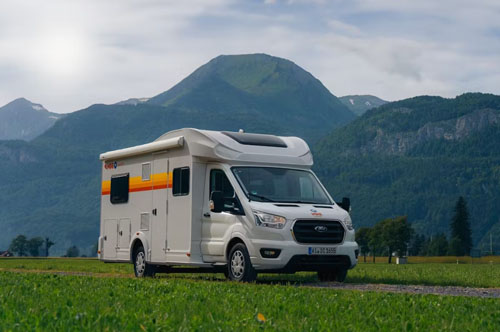
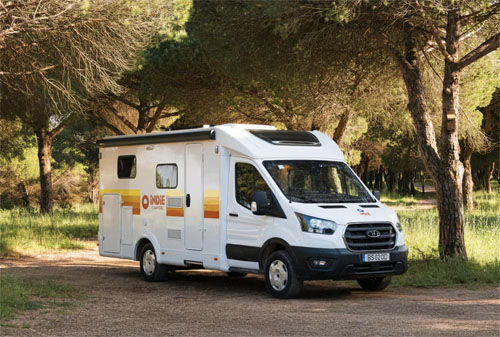
Bandana's Class SI Semi-integrated motorhomes, typically averaging 6.9m in length and accommodating 3.8 sleeping places, are an excellent choice for RV travel in England. They strike a balance between comfortable living space and manageable dimensions suitable for British roads, offering better maneuverability than larger classes. These motorhomes, with their average length of 6.9m, are suitable for most UK campgrounds and many rural roads. They typically sleep 3.8 people (averaging 3.4 adults), making them great for couples or small families. The advantages include an integrated cabin and living space, often with a fixed bed, kitchen, and bathroom, making them ideal for exploring national parks and the countryside while enjoying good amenities without excessive bulk. Bandana's global fleet average indicates common fuel consumption ranges from 10 – 11 Liter/100 km for these vehicles. For ideas you can prep on the road, watch our RV-friendly recipes playlist on YouTube.
Class C - Alcove Motorhome for England
Bandana's Class C Alcove motorhomes, averaging 7.5m in length and sleeping 5.8 people, provide ample space for larger families or groups touring England. However, their increased size requires careful navigation on narrower British roads. With an average length of 7.5m, these are among the larger RV options for UK travel. Sleeping an average of 5.8 people (averaging 4.4 adults), they are excellent for families or groups needing more room. Common fuel consumption for Bandana's global fleet averages 10 – 12 Liter/100 km, reflecting their larger dimensions and greater capacity. These motorhomes offer generous living and sleeping areas, often featuring a spacious over-cab bed, making them suitable for extended stays at campgrounds. However, their size can present challenges on very narrow country lanes and in historic town centers, necessitating careful route planning.
Class B - Camper Van for England
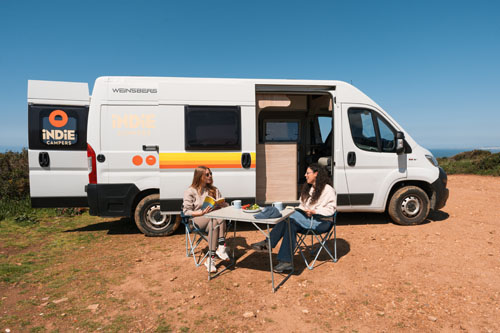
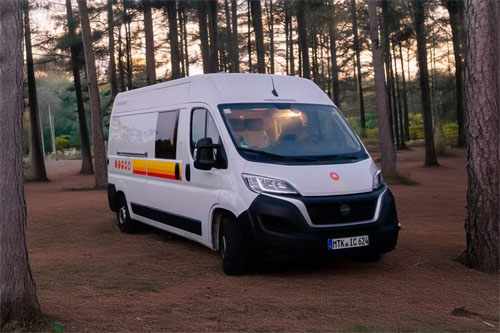
Bandana's Class B Camper Vans, typically 5.8m long and designed for 3.2 sleepers, are arguably the most versatile and cost-effective choice for exploring England. They offer excellent maneuverability, fuel efficiency, and ease of parking, making them perfect for navigating tight UK roads and smaller campground pitches. These camper vans typically sleep 3.2 people (averaging 2.7 adults), ideal for solo travelers, couples, or small families. Bandana's global fleet average shows common fuel consumption of 8-10 Liter/100 Km, making them highly economical. Their compact size makes them excellent for navigating narrow country lanes, parking in towns, and often suitable for more impromptu overnight stops where permitted, establishing them as the best option for budget travelers prioritizing flexibility and access to remote locations.
Class A - Integrated Motorhome for England
Bandana's Class A Integrated motorhomes, with an average length of 7.5m and capacity for 4.4 sleepers, offer the most luxurious and spacious RV experience in England. However, their considerable size necessitates careful route planning and limits access to some areas. These motorhomes have an average length of 7.5m, placing them among the largest vehicles on UK roads, and typically sleep 4.4 people (averaging 4 adults), providing ample space for comfortable group travel. Common fuel consumption for Bandana's global fleet ranges from 8-12 Liter/100 Km, which can be similar to Class C models but potentially higher depending on the specific model and driving style. While offering a panoramic front window, spacious interior, high-end finishes, and extensive amenities, their size can be a significant challenge on narrow country roads, in historic town centers, and when finding suitable parking or even some campsite pitches, making them best suited for main routes and larger, well-equipped campsites.
Class TC - Truck Camper for England
Bandana's Class TC Truck Campers, averaging 5.5m in length and accommodating 2.4 sleepers, provide a compact and versatile RV option for England. They offer the flexibility of a detachable living unit combined with a robust pickup truck base. With an average length of 5.5m (when attached), these units are relatively compact and maneuverable for UK roads, and typically sleep 2.4 people (averaging 2.1 adults), making them best suited for couples or solo travelers. Common fuel consumption for Bandana's global fleet averages 12 – 17 Liter/100 km, generally higher than other smaller RV classes due to the truck base. Their primary advantage is the ability to detach the camper unit, allowing the truck to be used independently for exploring, offering unique flexibility, though they are a more niche option and potentially less common for budget-focused rentals due to higher fuel costs and a distinct driving experience.
What You Shouldn't Miss
- Explore the dramatic coastline of Cornwall, with its charming fishing villages and stunning beaches, by opting for a Class B campervan to navigate the narrow, winding lanes.
- Immerse yourself in the breathtaking scenery of the Lake District National Park, utilizing pre-planned routes from RV PLANET to discover the most scenic, RV-friendly routes around the lakes and fells.
- Wander through the picturesque villages of the Cotswolds, enjoying the honey-coloured stone cottages and rolling hills, which are best experienced by taking smaller, less-trafficked B-roads.
- Discover the historic charm of the New Forest, taking advantage of ample space in a Class SI semi-integrated motorhome to explore its ancient woodlands and encounter the famous free-roaming ponies.
- Experience the dramatic Northumberland Coast, with its castles and beaches, by staying at smaller, often quieter, regional campgrounds, potentially saving on nightly fees.
Final Thoughts
Renting an RV and exploring England offers an unparalleled sense of freedom and flexibility. From the rolling hills of the countryside to the dramatic coastal vistas, there’s a scenic route and a welcoming campground waiting for you. Remember to book in advance for popular areas and consider traveling in the shoulder seasons to maximize your budget.
With Bandana Caravan, you gain access to a vast network of rental options and expert-planned routes through RV PLANET (rvplan.net), ensuring your journey is smooth from start to finish. We're here to help you plan every detail, so you can focus on creating unforgettable memories on the open road.
Get inspired for your next trip! Discover top destinations, planning tips, all in one place. Plan a trip itinerary in advance with minimal effort and maximum enjoyment. We handle the details, you live the journey – personal service from day one until your booking is confirmed.