For live availability and current prices, start with our RV Rental Chile - Complete Guide 2026 guide.
In This Guide
- Where to Camp in Chile — Top Options
- Campground Types in Chile (National, Private, Wild)
- Featured RV Park or Campground in Chile
- Hookups & Amenities — What to Expect
- Booking Windows & Reservations in Chile
- Nearby Supermarkets & Resupply Points
- Best RV Class for Camping in Chile
- How to Save on Campgrounds in Chile
- How much does it cost to rent an RV in Chile
- What is the best time of year to RV in Chile
- What type of RV is best for Chile
- Is it safe to RV in Chile
- Can you wild camp in Chile
- Do you need a special license to drive an RV in Chile
- Are there tolls in Chile
- Connectivity and Communication for RVers in Chile
- Essential Packing List for RV Travel in Chile
- Tips for Cultural Immersion and Local Interactions in Chile
- How long does it take to drive the length of Chile
Where to Camp in Chile — Top Options
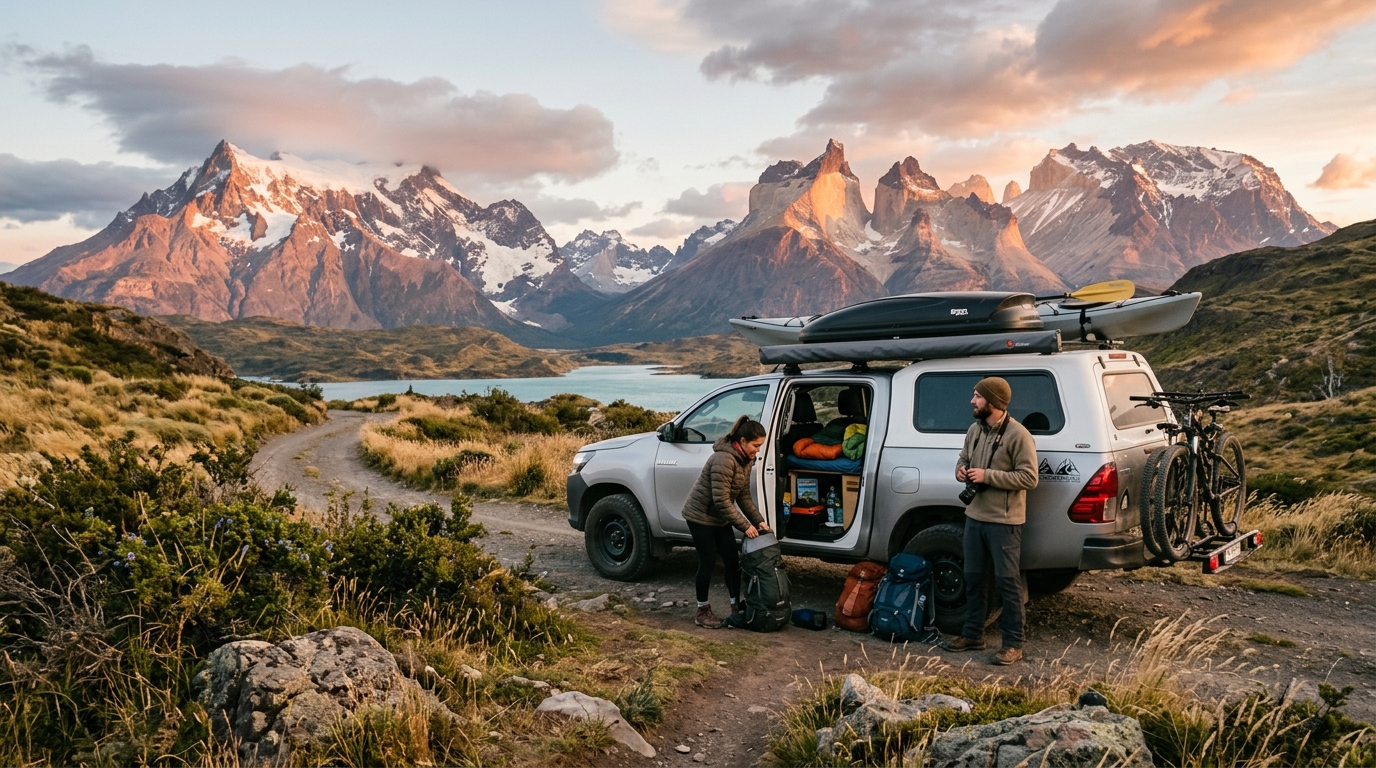
Chile offers a stunning diversity of camping experiences, from the arid north to the glacial south, making it a prime destination for RV adventurers. Popular regions for motorhome travel include the stark beauty of the Atacama Desert, the lush Lake District, and the dramatic landscapes of Torres del Paine National Park in Patagonia. The Atacama Desert is a must-visit for its otherworldly desert vistas and unparalleled stargazing opportunities, perfect for setting up camp under incredibly clear skies. Further south, the Lake District captivates with its chain of volcanoes, soothing hot springs, and verdant, green scenery that feels like a postcard come to life. For those seeking truly epic views, Patagonia, particularly Torres del Paine, presents a breathtaking panorama of rugged mountains, imposing glaciers, and abundant wildlife, offering unforgettable RV camping experiences.
Campground Types in Chile (National, Private, Wild)
When planning your RV journey through Chile, you'll encounter three primary types of camping: national park campgrounds, private campgrounds, and wild camping (boondocking). Each offers a unique way to experience Chile's natural beauty. National park campgrounds are typically nestled in stunning natural settings and provide basic facilities, often requiring advance reservations, especially during the busy summer months. Private campgrounds usually offer more amenities, such as hot showers, laundry services, and sometimes electrical hookups, though they generally come at a higher cost. For the truly adventurous and self-sufficient RVer, wild camping or boondocking is a popular choice. It's largely tolerated in many rural, non-private areas across the country, allowing for free, secluded camping as long as you strictly adhere to Leave No Trace principles and ensure no 'No Camping' signs are present.
Featured RV Park or Campground in Chile
When selecting a place to park your rented RV in Chile, prioritize campgrounds that offer secure parking, essential basic facilities, and, ideally, a prime location close to natural attractions or breathtaking views. While specific RV parks vary significantly by region, many travelers find success with campgrounds that provide a safe haven and convenient access to hiking trails or scenic spots. Always look for sites that clearly offer potable water and a dedicated dump station for waste disposal. For instance, campgrounds with mountain backdrops in Patagonia or lakeside settings in the Lake District are highly sought after. Prioritizing establishments known for their security and scenic beauty will greatly enhance your camping experience across Chile. On the routes offered through RV PLANET routes, you can itemize and track every expense along the way for easy budgeting.
Hookups & Amenities — What to Expect
RV campgrounds in Chile generally offer a range of hookups and amenities, though they may differ from what you're accustomed to in North America or Europe. You can typically expect access to water and dump stations, with electrical connections being less universally available, especially in national parks. Where electrical hookups are provided, they typically operate at 220V, so ensure you have the correct Type C or L plug adapter for your appliances. Potable water access is common, though sometimes it's via shared standpipes. Dump stations are more frequently found at larger private campgrounds. Wi-Fi is often available, but it can be slow and sometimes limited to reception areas or common spaces; relying on your own mobile data plan is often a more dependable option. Showers and laundry facilities are more commonly available at private campgrounds, and these services may incur an additional fee.
Booking Windows & Reservations in Chile
For popular national parks and during Chile's peak season travel (December to February), booking your RV campground spots well in advance is highly recommended, especially for destinations like Patagonia and the Lake District. Many national park campgrounds release only a portion of their sites for online reservations, with the remainder being available on a first-come, first-served basis upon arrival. For those seeking flexibility and budget-friendly options, traveling during the shoulder seasons (March to May and September to November) can significantly improve your chances of finding spontaneous spots. Even if you're a spontaneous traveler, it's always wise to call ahead to a campground before driving long distances, particularly if you anticipate arriving late or outside of peak season, to confirm availability and avoid disappointment.
Nearby Supermarkets & Resupply Points
Throughout your Chilean RV adventure, resupplying your pantry is conveniently managed at major supermarket chains readily available in most towns and cities, even in more remote regions. Look for familiar names like Jumbo, which offers a wide selection, often catering to international tastes, and Lider, a Walmart affiliate providing competitive prices. Unimarc is also widespread, offering a solid range of essentials across most regions. Don't hesitate to supplement these supermarket trips with visits to local markets, known as 'ferias' or 'verdulerías,' for fresh, often cheaper, fruits, vegetables, and unique regional specialties. In the most remote areas, small local shops might be your only option, so planning your stock-ups when passing through larger towns is always a good strategy.
Best RV Class for Camping in Chile
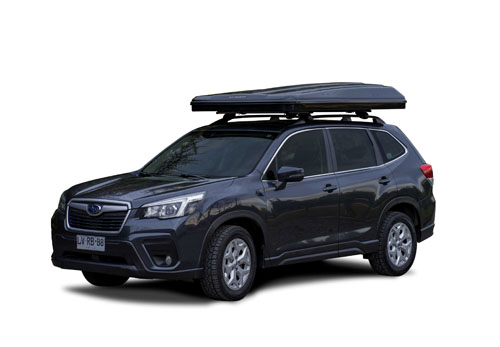
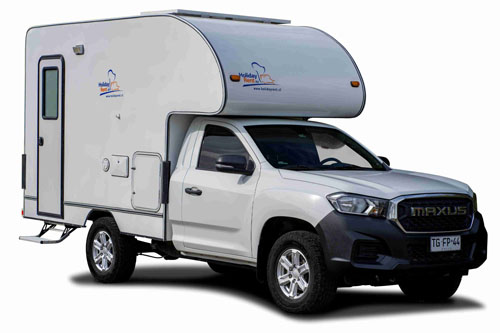
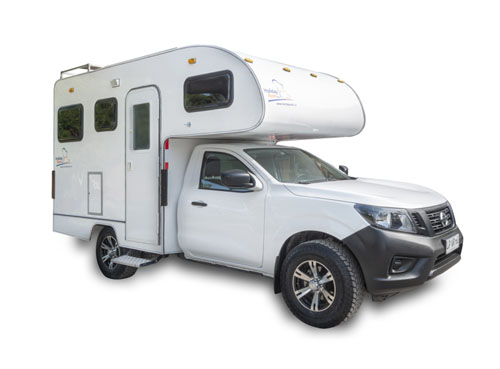
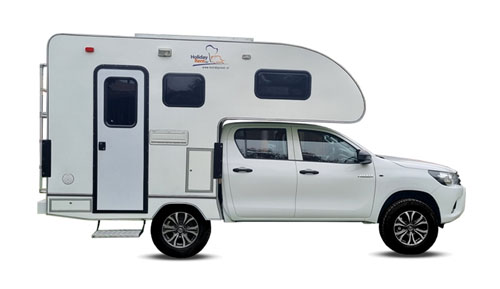
For navigating Chile's diverse terrain and reaching those picturesque campsites, a Class B Camper Van or a Class TC Truck Camper is often the ideal choice. These vehicles, generally ranging from 5.5 to 5.8 meters in length, offer excellent maneuverability and fuel efficiency, making them well-suited for unpaved roads and mountain passes common in Chile. For example, a typical Class B Camper Van from Bandana's fleet, averaging 5.8 meters, might sleep 3 people and consume 8-10 liters/100 km, perfect for both city exploration and rugged tracks. A Class TC Truck Camper, averaging 5.5 meters and often 4x4 capable, provides even greater access to remote spots. While larger Class SI (Semi-integrated) or Class C (Alcove) RVs, ranging from 6.9 to 7.5 meters, offer more space and comfort, they are generally better suited for well-maintained paved or smoother gravel roads and might struggle on particularly rough terrain. Always prioritize an RV with sufficient ground clearance to prevent damage on Chile's challenging roads.
How to Save on Campgrounds in Chile
To make your cheap RV rental in Chile even more budget-friendly, consider several strategies for saving on campground costs. Utilizing campground discount cards, if offered by your rental company or through travel partnerships, can provide significant savings. Traveling during the shoulder seasons (March–May and September–November) often means lower campground rates and fewer crowds compared to the peak summer months. Opting for municipal or regional campgrounds ('campings municipales') over private resorts can also substantially reduce your nightly expenses, though they may offer fewer amenities. Don't hesitate to inquire about weekly or monthly rates, as many campgrounds offer discounts for extended stays. If traveling with other RVers, consider the possibility of sharing an electrical hookup when permitted, which can sometimes lower the overall cost for everyone involved.
How much does it cost to rent an RV in Chile
The cost to rent an RV in Chile typically ranges from $100 to $250 USD per day. This price can fluctuate significantly based on the class of RV, the duration of your rental, the season of travel, and any additional fees. Smaller Class B Camper Vans generally represent the more budget-friendly options, with rates starting from approximately $100-$180 USD per day. Larger Class C or SI models might command daily rates from $150-$250 USD. Remember to factor in other significant expenses like fuel, with diesel (common for RVs) averaging around $1.00-$1.20 USD per liter, potentially higher in remote areas. Camping fees can vary from free (for wild camping in permitted zones) to $10-$30 USD per night for national park sites, and $20-$50 USD per night for private campgrounds with full amenities. A realistic daily budget for food, assuming self-catering, is around $20-$40 USD per person, while dining out will add considerably to your expenses. Don't forget to include national park entry fees, which typically range from $10-$35 USD per person, and any costs associated with planned activities or tours.
What is the best time of year to RV in Chile
The ideal time to RV in Chile is highly dependent on your desired destinations due to its extreme north-south length and varied climate. For the southern regions like Patagonia and the Lake District, December to March offers the warmest weather, more accessible roads, and longer daylight hours, though this is also the peak tourist season with higher prices and more crowds. Central Chile, including Santiago and Valparaíso, is most pleasant during spring (September to November) and autumn (March to May), providing mild temperatures and fewer tourists. The Atacama Desert in the north is generally suitable for RV travel year-round due to its consistently dry climate, though nights can be very cold during the Southern Hemisphere winter (June to August). Be mindful that road accessibility can be an issue in winter (June to August) as some high-altitude passes and remote Patagonian routes may close due to snow or adverse weather conditions.
What type of RV is best for Chile
Choosing the right type of RV for Chile depends on your itinerary and comfort needs. For navigating Chile's diverse terrain, including unpaved roads and mountain passes, a 4x4-capable Class TC Truck Camper or a compact Class B Camper Van is often recommended. A 4x4 Truck Camper, for instance, offers superior ground clearance and traction, essential for adventurous trips into remote areas or along the 'ripio' (gravel) sections of the Carretera Austral. Class B Camper Vans are highly maneuverable and fuel-efficient, making them versatile for both urban exploration and less demanding rural tracks. While larger Class SI (Semi-integrated) and Class C (Alcove) RVs offer more living space, they are generally better suited for well-maintained paved or smoother gravel roads and may present challenges on rougher terrain. Always prioritize an RV with adequate ground clearance to prevent damage on Chile's often unpredictable road surfaces.
Is it safe to RV in Chile
Generally, RVing in Chile is considered safe, particularly when sticking to areas outside major urban centers. However, travelers should always exercise standard precautions against petty crime, remain aware of diverse road conditions, and be prepared for potential natural events like earthquakes or volcanic activity, given Chile's location in a seismically active zone. In cities like Santiago or Valparaíso, vigilance is key; secure valuables out of sight, lock your RV at all times, and opt for secure campgrounds or well-lit parking areas. Be prepared for Chilean roads outside major highways which can be unpaved ('ripio'), narrow, or winding, necessitating slower speeds and careful driving. It's crucial to remember that headlights must be on at all times, day and night. Familiarize yourself with basic earthquake safety procedures and heed any local advisories regarding volcanic activity. Planning your routes, informing someone of your itinerary, carrying a comprehensive first-aid kit, and being prepared for varying weather conditions are all essential steps for a safe and enjoyable RV adventure.
Can you wild camp in Chile
Wild camping, or boondocking, is a practice that is largely tolerated and widely enjoyed in many rural and non-private areas across Chile, particularly in the vast expanses of Patagonia and the Atacama Desert, provided no 'No Camping' signs are visible and you strictly adhere to Leave No Trace principles. While not explicitly legal in every remote location, it's generally accepted on public land away from marked private property or designated national park campgrounds. Popular spots often discovered through resources like iOverlander include secluded beaches (where permitted), quiet roadside pull-offs in remote areas, and scenic backcountry locations. Essential gear for wild camping includes a portable toilet or trowel for proper waste disposal, ample water storage, solar panels or auxiliary batteries for power, and trash bags to pack out everything you pack in. Respecting wildlife, local communities, and minimizing your impact are paramount to preserving this freedom.
Do you need a special license to drive an RV in Chile
For most standard RVs available for rent in Chile, including Class B, C, and SI vehicles, a valid driver's license from your home country, along with an International Driving Permit (IDP), is generally sufficient. This is especially true if your national license is in English or Spanish. The IDP serves as a crucial translation of your national license and is often a requirement by rental companies and for potential interactions with local authorities. Ensure your home country's driver's license remains valid for the entire duration of your RV trip in Chile. Additionally, most rental companies have a minimum driver age requirement, typically 21 or 25 years old, with some potentially imposing higher age limits for larger vehicles or specific insurance coverage.
Are there tolls in Chile
Yes, Chile features a system of tolls on its major highways, particularly along the Ruta 5, also known as the Pan-American Highway, which most RV travelers will encounter. Many of these tolls utilize an electronic system called 'TAG' or 'Free Flow,' where charges are processed after your rental period, often billed by the rental company. Some regional roads and older highway sections may still have traditional cash toll booths, so it's advisable to carry small denominations of Chilean pesos (CLP). For border crossings, especially between Chile and Argentina, a mandatory 'permiso de salida' (exit permit) from your RV rental company is required, and you should allocate significant time for customs and immigration procedures. Always keep all necessary vehicle documentation, passports, and personal identification readily accessible when approaching border crossings or national park entrances, as specific permits or fees may apply. Remember that unique Chilean driving regulations include the mandatory use of headlights at all times (day and night) and strict enforcement of speed limits, typically 50 km/h in urban areas, 100 km/h on rural roads, and 120 km/h on highways.
Connectivity and Communication for RVers in Chile
Maintaining connectivity while RVing in Chile often involves a combination of strategies. Purchasing a local prepaid SIM card from providers like Entel, Movistar, or Claro upon arrival is highly recommended, with Entel often noted for providing the best coverage in more remote areas. Cellular coverage is generally reliable near populated centers and along major routes, but it becomes spotty or nonexistent in many national parks and vast remote regions like deep Patagonia or the high Andes. Wi-Fi is available at most private campgrounds (though often limited to reception areas), cafes, and public hotspots in towns, but speeds can vary and may be slower than anticipated. For extensive off-grid travel or critical communication needs in areas without cellular signal, consider renting or purchasing a satellite phone or a satellite messenger device. Ensuring your RV has sufficient power generation, such as solar panels or an auxiliary battery, is key to keeping all your communication devices charged without constant reliance on shore power.
Essential Packing List for RV Travel in Chile
An essential packing list for RV travel in Chile should prioritize versatility for Chile's diverse climates and terrains, alongside practical gear for self-sufficiency and safety. Pack layered clothing suitable for extreme weather variations, including moisture-wicking base layers, insulating mid-layers, and a waterproof/windproof outer shell. Don't forget sun protection like a hat, sunglasses, and high-SPF sunscreen, especially for desert regions. Include a robust water filtration system or purification tablets, along with spare water containers, particularly if you plan on extensive wild camping or traveling in remote areas. For vehicle preparedness, carry a basic tool kit, tire pressure gauge, jumper cables, and consider recovery tracks or a tow strap if tackling unpaved or challenging roads. Essential safety items include a comprehensive first-aid kit, headlamps or flashlights, a reliable power bank for devices, and copies of all important documents like your passport and IDP.
Tips for Cultural Immersion and Local Interactions in Chile
To truly enrich your RV trip in Chile, actively seek opportunities for cultural immersion. Learning a few basic Spanish phrases, such as greetings, courtesies, and simple questions about directions or prices, will significantly enhance your interactions with local communities. Always approach interactions with respect for local customs and traditions, particularly when visiting indigenous communities or rural areas, and always ask for permission before taking photos of individuals. Seek out unique cultural experiences by visiting local markets ('ferias'), participating in regional festivals when possible, or trying traditional Chilean cuisine from local vendors. Supporting local economies by purchasing goods and services from small, independent businesses often provides a more authentic and memorable experience than relying solely on larger chains. Remember that the perception of time can be more relaxed in Chile than in some Western cultures, especially in informal settings.
How long does it take to drive the length of Chile
Driving the full length of Chile, from Arica in the far north to Punta Arenas in the south, involves a journey of approximately 4,300 kilometers (2,700 miles). Pure driving time alone would take around 40-50 hours, ideally necessitating a minimum of two to three weeks to appreciate the diverse landscapes without rushing. The primary route typically follows sections of the Ruta 5 (Pan-American Highway) and includes the iconic Carretera Austral in the south. However, the Carretera Austral itself comprises many unpaved ('ripio') sections and requires multiple ferry crossings, significantly increasing overall travel time. To genuinely experience Chile's varied regions, from the Atacama Desert to the glacial fjords of Patagonia, allocating at least 2-3 weeks is recommended for a focused journey, or ideally 4+ weeks for a more leisurely and comprehensive exploration.
What You Shouldn't Miss
- Explore the Atacama Desert: Drive your RV to San Pedro de Atacama and marvel at the Valle de la Luna (Moon Valley) and the El Tatio Geysers. Consider camping in the Elqui Valley, a Dark Sky Sanctuary, for incredible stargazing.
- Drive the Carretera Austral: Experience one of the world's most scenic and adventurous road trips, navigating through fjords, rainforests, and glacial landscapes, with planned stops for ferry crossings and remote camping.
- Discover Patagonia's Majesty: Tour Torres del Paine National Park, finding designated RV spots to witness iconic granite peaks, turquoise lakes, and abundant wildlife like guanacos and condors.
- Immerse Yourself in the Lake District: Explore towns like Puerto Varas and Pucón, enjoying stunning views of volcanoes, relaxing in natural hot springs, and finding beautiful lakeside campgrounds for your RV.
- Experience the Northern Deserts and Coast: Drive north to explore the unique landscapes of the Atacama, visiting salt flats and geyser fields, and perhaps enjoying coastal drives with opportunities for RV parking and scenic views.
- Wander through Central Chile's Wine Regions: Navigate your RV through the fertile valleys around Santiago, stopping at vineyards for wine tasting and finding pleasant campgrounds amidst the rolling hills.
Final Thoughts
Embarking on an RV adventure through Chile offers an unparalleled opportunity to connect with its diverse landscapes and vibrant culture. From the otherworldly beauty of the Atacama Desert to the dramatic peaks of Patagonia, a rented RV provides the freedom and flexibility to explore at your own pace. By planning ahead, choosing the right vehicle, and embracing the local way of travel, you're set for an incredible experience.
Remember to book your RV rental through a reliable platform like Bandana Caravan to ensure transparency and support throughout your journey. With our commitment to no hidden fees and 24/7 assistance, you can focus on the adventure. So, pack your bags, plan your route using resources like RV PLANET (rvplan.net), and get ready to discover the magic of Chile from the comfort of your own mobile home!