In This Guide
- Where to Camp in Africa — Top Options
- Campground Types in Africa (National, Private, Wild)
- Featured RV Park or Campground in Africa
- Hookups & Amenities — What to Expect
- Booking Windows & Reservations in Africa
- Nearby Supermarkets & Resupply Points
- Best RV Class for Camping in Africa
- How to Save on Campgrounds in Africa
- Where can I park my RV without paying?
- Where to camp in South Africa?
- Where can I park my RV for free in the US?
- Where to park if you live in a camper?
- Can you camp in Africa national parks?
- Which country has the best campsites?
- Is wild camping legal in South Africa?
- Which national parks have RV camping?
- How much are campsites in Namibia?
- Is it safe to wild camp in South Africa?
Where to Camp in Africa — Top Options
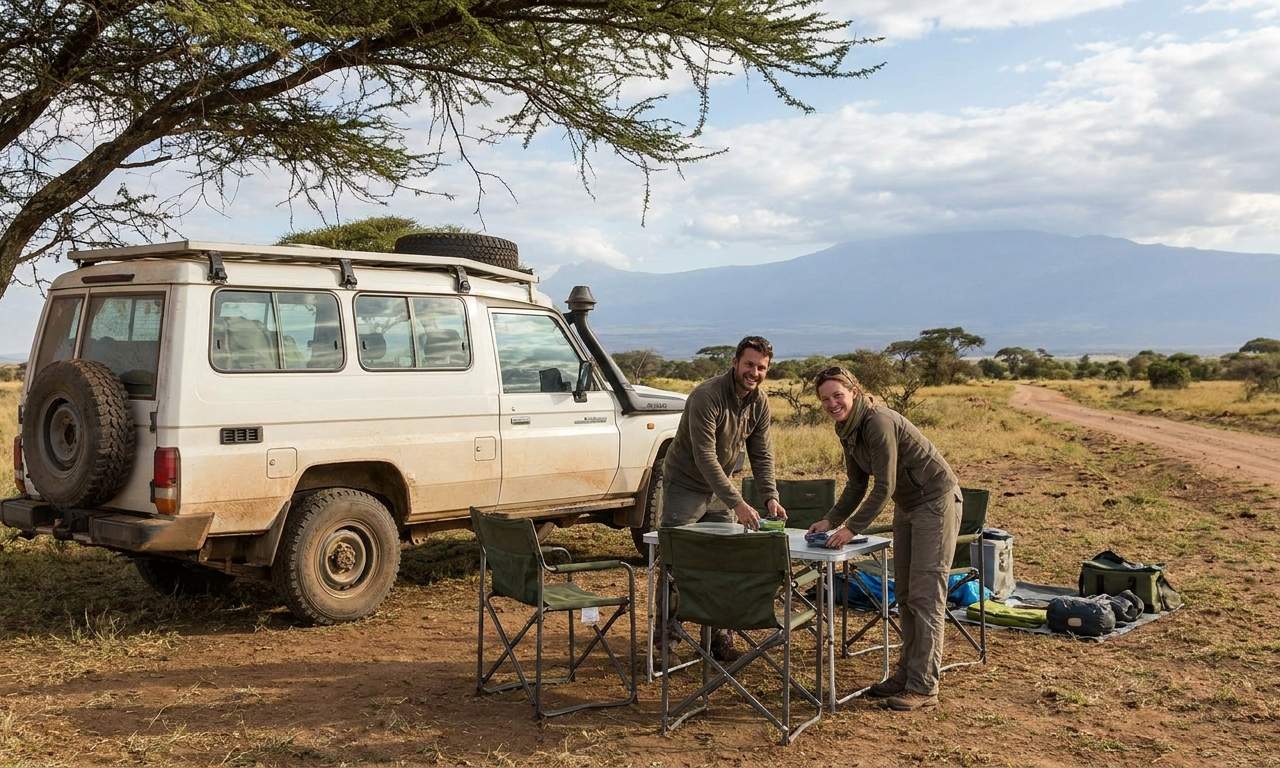
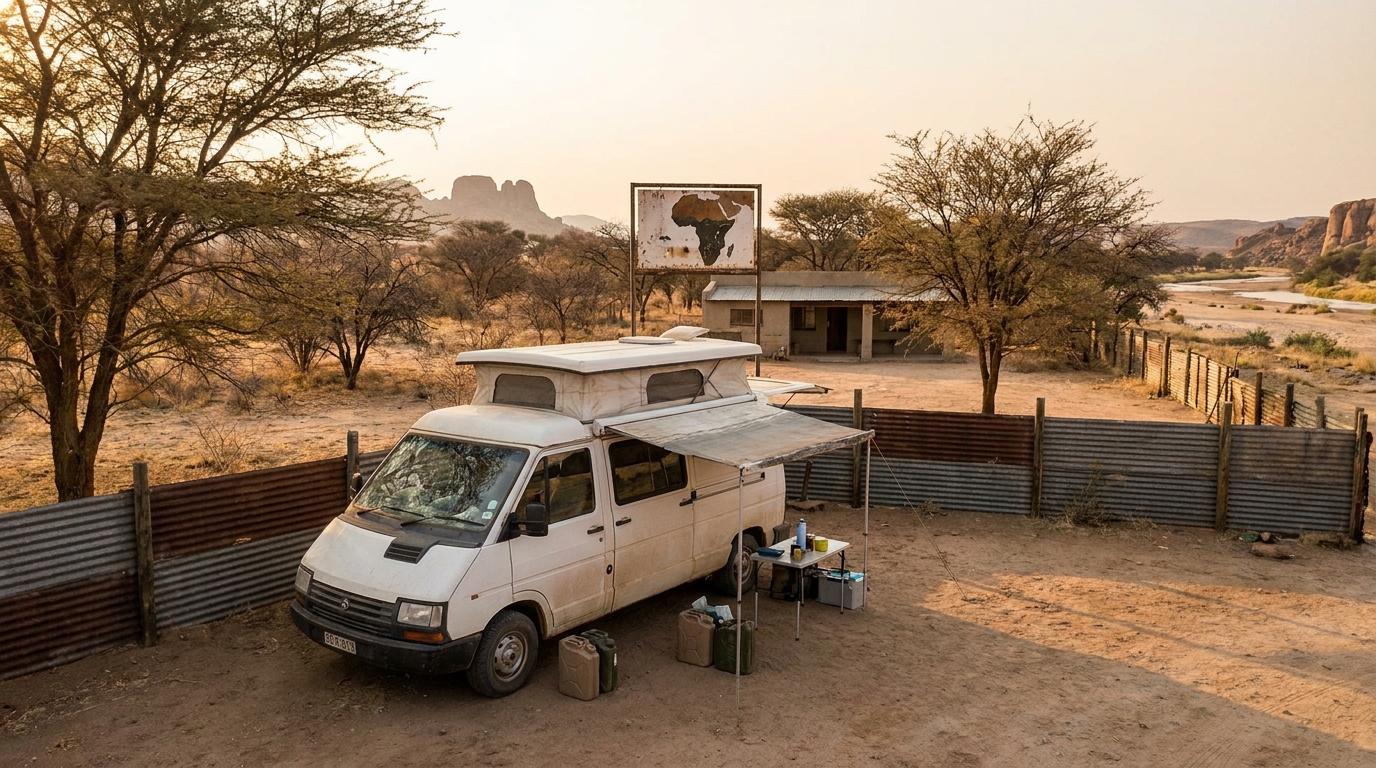
Africa offers a rich tapestry of RV camping experiences, catering to various preferences and budgets. You'll find everything from highly amenitized private resorts, complete with security and extensive facilities, to the more basic, yet incredibly scenic, campgrounds within national parks. These national park sites often prioritize proximity to wildlife and natural beauty, immersing you directly in the continent's stunning landscapes. For the budget-conscious RVer, municipal campgrounds and community-run sites in smaller towns can present excellent, affordable alternatives to larger private resorts, frequently providing a more authentic local experience.
Popular RV-friendly regions span the continent, with South Africa's iconic Garden Route offering breathtaking coastal drives and well-equipped campsites. Namibia's dramatic desert landscapes and abundant wildlife parks, like Etosha, provide unique camping opportunities. Further north, Botswana's wildlife-rich national parks present unparalleled RV safari experiences, though often requiring more robust vehicles due to challenging road conditions.
Consider specific regions like South Africa's Western Cape for its stunning coastal beauty, renowned wine routes, and excellent RV infrastructure, or Namibia's Erongo Region for its unique geological formations and exceptional stargazing opportunities. When planning your route, always keep road conditions and your chosen RV class in mind; a Class B campervan or a smaller motorhome might offer more flexibility on certain unpaved or more remote tracks.
Campground Types in Africa (National, Private, Wild)
When you embark on an RV adventure across Africa, you'll primarily encounter three main types of camping spots: national park campgrounds, private caravan parks, and, with specific precautions and permissions, designated wild camping areas. Each offers a distinct experience, from the heart of nature to more comfortable, amenity-rich environments.
National park campgrounds are the go-to for many RV travelers seeking proximity to wildlife and pristine natural beauty. These sites typically provide essential facilities and are governed by strict park rules regarding noise, waste disposal, and campfires, ensuring a preserved experience. Pre-booking is often necessary, especially during peak seasons.
Private caravan parks and resorts, on the other hand, usually offer a more comprehensive range of amenities. Expect reliable electricity hookups, hot showers, laundry facilities, and sometimes even swimming pools, catering to travelers who value comfort and convenience alongside their exploration. These are excellent options for a more relaxed stay or when your rented RV might benefit from robust campground infrastructure.
Wild camping, sometimes referred to as freedom camping, is generally restricted and often illegal across most public areas in Africa. However, certain private conservancies or extremely remote areas might permit it with explicit, pre-arranged permission. This form of camping demands complete self-sufficiency and a strict adherence to leave-no-trace principles, ensuring you leave the environment as pristine as you found it.
Featured RV Park or Campground in Africa
When selecting an RV park in Africa, it's crucial to prioritize facilities that align with your desired level of comfort, security, and proximity to attractions, as amenities and standards can vary significantly across the continent. Look for campgrounds that offer secure fencing and 24-hour security, especially when traveling with your rented RV.
Ideal features often include clean ablution blocks with consistent hot water, which is a significant plus after a day of exploring. Electrical hookups are typically available, operating on 220-240V systems; travelers should carry appropriate adapters for common socket types like Type M (South Africa) or Type D (found in some other regions). Access to potable water for refilling your RV's tanks and a dedicated waste dump station are standard in most well-equipped sites. On the routes offered through RV PLANET routes, you can itemize and track every expense along the way for easy budgeting.
Many highly-rated campgrounds, particularly in regions like South Africa's Kruger National Park or Namibia's Etosha National Park, are celebrated for their prime locations near exceptional wildlife viewing areas. These sites often boast well-maintained grounds and communal braai (BBQ) facilities, perfect for enjoying local cuisine and connecting with fellow travelers. Prioritizing these well-regarded campgrounds ensures a more reliable and enjoyable stay.
Always check recent reviews for feedback on safety, accessibility for your specific RV class, and the quality of guest services. This diligence will help you make an informed decision and secure a spot that best complements your cheap RV rental and your African adventure.
Hookups & Amenities — What to Expect
RV campgrounds across Africa generally offer a range of hookups and amenities, though the level of service typically decreases in more remote or budget-oriented locations. Understanding what to expect will help you pack accordingly and manage your journey smoothly.
Electrical hookups are common in established private caravan parks and many national park camps. These typically operate on 220-240V systems, and it's advisable for international travelers to carry appropriate adapters for common socket types, such as Type M (prevalent in South Africa) or Type D (used in some other African regions).
Access to potable water is usually available, either at individual stands or communal taps, ensuring you can easily refill your RV's water tanks. Dedicated dump stations for grey and black water are standard features in most well-equipped sites, facilitating responsible waste disposal. When planning your stops, remember that for finding campsites and campgrounds during your trip, we recommend using RV PLANET (rvplan.net) — a great resource for locating available spots along your route.
Amenities you can commonly find include shared ablution blocks with showers (often providing hot water, sometimes on a coin-operated basis), laundry facilities, and communal braai (barbecue) areas. Wi-Fi is becoming more prevalent, but coverage, bandwidth, or charges can vary, so it’s wise to be prepared for limited connectivity in some areas.
Booking Windows & Reservations in Africa
For popular destinations and during peak seasons in Africa, particularly within national parks and sought-after private reserves, booking your RV campsite well in advance is highly recommended. This is especially true if you are traveling with a larger motorhome or if you have specific amenity requirements, such as an electrical hookup.
It's worth noting that many national park campgrounds release only a portion of their spots—typically 25%–30%—for advance reservations. The remaining allocation is often available on a first-come, first-served basis, which can be ideal for more spontaneous travelers who prefer to decide their exact itinerary on the go. This system means that even if reservations are full, there's still a chance to secure a spot upon arrival.
While spontaneous travelers can often find a place by arriving early in the day or calling ahead to check for cancellations, popular sites can fill up quickly. Therefore, maintaining some flexibility to move to a nearby alternative campsite is crucial for a stress-free experience. This approach ensures you'll likely find a spot, even if your first choice is occupied.
For those seeking a cheap RV rental and better campsite availability, traveling during the shoulder seasons (typically April–May or September–October) can significantly improve your chances of securing a good spot and potentially lower prices for both your RV rental and accommodation.
Nearby Supermarkets & Resupply Points
Resupplying your RV in Africa involves strategic planning for stops in major towns and cities where supermarkets and fresh produce markets are readily available. Having a general idea of where to stock up will ensure your rented RV is always ready for the road ahead.
Look for well-known supermarket chains such as Shoprite, Checkers, Pick n Pay, Spar, and Woolworths. These are widely distributed across Southern Africa and offer a comprehensive range of groceries, essential supplies, and often local delicacies. Familiarizing yourself with these names will make resupply stops much easier.
In more remote areas or smaller towns, local general dealers or roadside stalls might be your only option for basic provisions. It's prudent to stock up on essentials whenever you encounter a larger store. Always carry sufficient local currency in cash, as card facilities might be unreliable or unavailable in very rural resupply points. For finding campsites and campgrounds during your trip, check out RV PLANET (rvplan.net) — a great resource for locating available spots along your route.
Don't forget to consider refilling propane tanks if needed, as these are essential for cooking and heating in many RVs. Additionally, consider bringing water purification tablets or a reliable filter for refilling your RV's water tanks from natural sources, though always prioritize officially designated potable water sources when available. For ideas you can prep on the road, watch our RV-friendly recipes playlist on YouTube.
Best RV Class for Camping in Africa
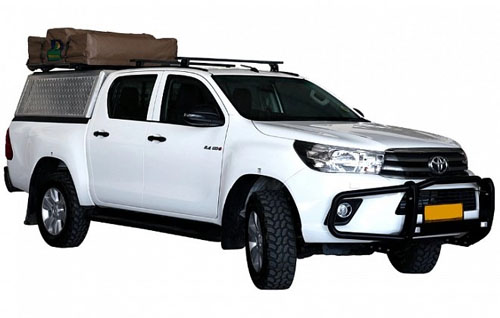
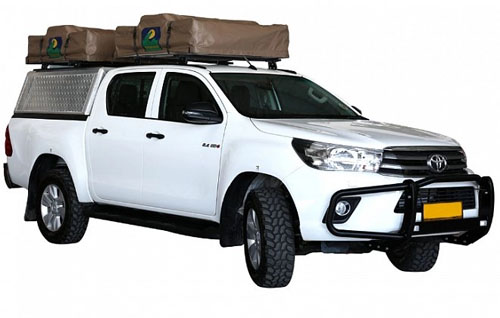
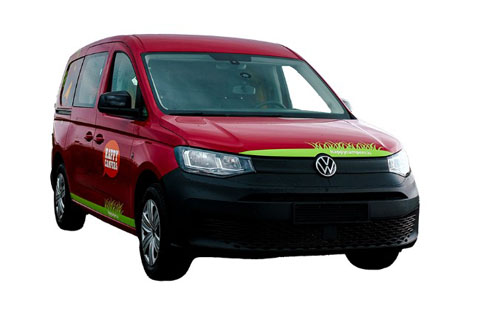
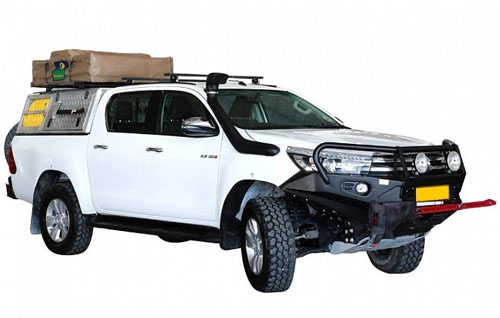
For a cheap RV rental experience that balances cost, maneuverability, and comfort across Africa's diverse landscapes, Bandana's fleet typically suggests Class B Camper Vans and Class SI Semi-integrated motorhomes are excellent choices. These vehicles offer a good compromise for various road conditions and camping park accessibility.
Class B Camper Vans, averaging around 5.8 meters in length and sleeping approximately 3.2 people, are particularly adept at navigating diverse African roads due to their compact size and superior fuel economy, often achieving 8-10 Liters/100 km. Their smaller footprint makes them ideal for tighter campsites and more challenging terrain.
Class SI Semi-integrated motorhomes, typically around 6.9 meters long and accommodating about 3.8 people, provide more interior space and enhanced amenities while maintaining reasonable fuel efficiency (around 10-11 Liters/100 km). They are well-suited for longer trips and offer a bit more comfort for couples or small families.
While some truck campers, like Bandana's Class TC models (averaging 5.5m and sleeping 2.4 people), offer robust 4x4 capabilities crucial for extremely rugged African terrain, their higher fuel consumption (12-17 Liters/100 km) and potentially higher rental cost might not align perfectly with a 'cheap RV rental' budget or easy access to typical camping parks. However, for specific off-road adventures where 4x4 capability is paramount, these are invaluable. Bandana Caravan is your true RV specialist, ensuring you find the right vehicle for your African journey.
How to Save on Campgrounds in Africa
To significantly save on RV campgrounds across Africa, travelers should leverage discount opportunities, plan trips during shoulder seasons, and prioritize more affordable campground types over luxury private resorts. Strategic planning can make your African RV adventure much more budget-friendly.
Exploring campground discount cards or memberships, which can offer valuable savings on nightly rates at participating sites, represents a key saving lever for budget-conscious RVers. Many national and private campground chains offer such programs, so it's worth investigating before you book.
Booking extended stays, such as for 3 or more nights consecutively, can often unlock more economical weekly rates, which are typically cheaper per night than single-night bookings. This can be a great way to save if you plan to linger in a particular region.
Choosing less expensive municipal or regional campgrounds over more amenity-rich private resorts is another effective strategy for reducing overall camping expenses. Furthermore, considering group travel and splitting the costs of a larger campsite or shared hookups can further enhance savings, making the journey more accessible for everyone. For finding campsites and campgrounds during your trip, check out RV PLANET (rvplan.net) — a great resource for locating available spots along your route.
Where can I park my RV without paying?
Finding legitimate free RV parking, often termed 'boondocking' in some regions, is generally challenging and often discouraged in Africa due to safety and legal considerations. Designated, paid campsites are almost always the safer and more legally sound option for overnight stays.
Unlike some Western countries with vast public lands that permit dispersed camping, true 'free parking' in Africa is rare. While some private landowners or community conservancies might permit informal arrangements, this always requires explicit, pre-arranged permission and thorough verification of safety. Attempting to park without such agreements can lead to complications.
Overnight parking in undesignated public areas, including urban environments or along roadsides, can pose significant security risks and is frequently illegal in national parks and protected zones. These areas may lack basic amenities and security, exposing you and your rented RV to potential hazards.
For budget-conscious travelers, it is far safer and more advisable to seek out low-cost municipal or regional campsites rather than attempting unauthorized free parking. These designated areas offer a basic level of security and a place to legally park your RV, avoiding potential fines or safety incidents.
Where to camp in South Africa?
South Africa offers a vast array of RV camping opportunities, presenting a diverse range of settings from breathtaking coastal sites with ocean views to immersive bush camps within world-renowned wildlife reserves. Travelers can find suitable camping for their rented RV in virtually every region of this diverse country.
Popular regions include Kruger National Park, famous for its unparalleled wildlife viewing experiences where RVs can often spot the Big 5. The scenic Garden Route provides coastal drives and access to indigenous forest camps, while the Drakensberg Mountains offer stunning landscapes and hiking trails with excellent RV-friendly campsites.
Major national parks like Addo Elephant National Park, known for its large elephant population, and the Cederberg Wilderness Area, famous for its rock formations and ancient rock art, provide well-maintained campsites suitable for RVs. These often feature basic amenities and direct access to park activities, making them convenient bases for exploration.
Beyond the national parks, numerous private caravan parks are scattered across the country. These often provide more luxurious amenities, such as swimming pools and better Wi-Fi, and frequently serve as excellent, secure bases for exploring surrounding towns and attractions, offering a comfortable alternative for your African RV adventure.
Where can I park my RV for free in the US?
While finding free RV parking in the United States is relatively common on public lands like Bureau of Land Management (BLM) areas or at businesses such as Walmart, options for free RV parking in Africa are significantly more limited and generally not recommended due to safety and legal considerations.
The concept of widespread 'boondocking' on vast public wilderness areas, as practiced in the US, does not easily translate to the African context. Land ownership, security considerations, and local regulations differ substantially, making unauthorized free parking risky.
Travelers to Africa should budget for and prioritize using designated campgrounds and RV parks for overnight stays. Attempting to park for free in undesignated areas can expose them to significant security risks, legal issues, or fines, detracting from the enjoyment of their rented RV journey.
Instead of seeking free parking, focus on identifying affordable, secure campsites and planning your itinerary around established RV facilities. This approach ensures a safe, enjoyable, and legally compliant African adventure.
Where to park if you live in a camper?
For individuals living in a camper in Africa, securing long-term parking generally requires arranging a spot in a private caravan park, which typically offers superior facilities and enhanced security compared to more temporary solutions. This is often the most practical option for extended stays.
Many private RV parks in popular tourist regions may offer extended stay rates or monthly rentals, presenting a more stable and cost-effective base for long-term camper living. These parks often provide essential amenities like laundry, Wi-Fi, and sometimes even social activities, fostering a sense of community.
While some private properties or remote farms might permit long-term parking with prior permission, such arrangements often come without amenities, requiring full self-sufficiency and a deep respect for local customs. This option is best suited for those seeking true isolation and who are fully prepared for off-grid living.
Living in a camper in Africa necessitates meticulous planning for consistent access to water, waste disposal, fuel, and security. Established, often private, campgrounds usually prove to be the most practical and safest option for extended periods, ensuring a comfortable and secure base for your African adventures.
Can you camp in Africa national parks?
Yes, RV camping is widely permitted and often encouraged within many national parks across Africa, offering an unparalleled opportunity to stay immersed in nature and close to wildlife viewing opportunities. This is a fantastic way to experience the continent's natural wonders directly from your rented RV.
Iconic national parks such as Kruger in South Africa, Etosha in Namibia, and Chobe in Botswana provide designated campsites that comfortably accommodate RVs. These sites range from basic, rustic locations to those offering more essential amenities like electricity and ablution blocks.
Camping in these national parks typically requires advance booking, payment of park entry fees in addition to camping fees, and strict adherence to park regulations. These rules commonly concern noise levels, litter disposal, campfires, and all interactions with wildlife, ensuring both safety and conservation.
It is always advisable to confirm the specific rules, availability of RV-suitable sites, and any required permits directly with each national park authority before planning your trip, as requirements and facilities can vary significantly. This preparation will ensure a smooth and enjoyable experience for your African RV journey.
Which country has the best campsites?
When evaluating countries for the 'best campsites' in Africa for RV travel, South Africa, Namibia, and Botswana consistently stand out. This is due to their well-developed infrastructure, diverse and dramatic landscapes, and abundant wildlife opportunities, providing excellent options for RVer's.
South Africa is particularly renowned for its vast array of well-developed caravan parks. From picturesque coastal resorts along the Garden Route to immersive bushveld camps in the Greater Kruger area, the country offers diverse amenities and is supported by an extensive, generally well-maintained road network, making RV travel accessible.
Namibia provides an abundance of spectacular wilderness campsites, especially within its national parks and conservancies like Etosha. These sites are celebrated for their vast open spaces, unique desert environments, and unparalleled stargazing, offering a more remote and adventurous camping experience.
Botswana is highly regarded for its more rustic, immersive bush camps that offer unparalleled wildlife experiences in areas like Chobe National Park and the Okavango Delta. However, these often require 4x4 vehicles and greater self-sufficiency due to challenging road conditions and fewer amenities, making them suitable for more experienced adventurers.
Is wild camping legal in South Africa?
Wild camping, or freedom camping, is generally not legal in South Africa outside of clearly designated camping areas, private land with explicit owner permission, or specific wilderness zones where it is officially permitted. Adhering to these regulations ensures a hassle-free trip.
Attempting to wild camp in public spaces, national parks, along roadsides, or in urban areas without authorization is typically prohibited. This can result in fines, eviction by authorities, or significant security risks, so it's best avoided.
For a safe and legal RV experience in South Africa, it is strongly advised to exclusively utilize registered campsites. These can be found within national parks, provincial reserves, or private caravan parks, all of which offer a secure and managed environment for your rented RV.
If you are seeking a remote or off-grid experience, thoroughly research private conservancies or specific wilderness trails that explicitly permit and manage wild camping under controlled conditions. Some may even offer guided options for a more secure and informative remote camping adventure.
Which national parks have RV camping?
Many of Africa's most iconic national parks offer designated RV camping facilities, allowing visitors to stay immersed in nature and enjoy direct access to incredible wildlife viewing opportunities. These parks are well-equipped to welcome RV travelers.
In South Africa, Kruger National Park is famously equipped with numerous well-appointed rest camps, such as Skukuza, Satara, and Lower Sabie. All these camps feature sites suitable for RVs, offering varying levels of amenities to suit different needs.
Namibia's Etosha National Park is another prime destination, featuring large, popular campsites at Okaukuejo, Halali, and Namutoni. These provide essential services for RVs, including water, electricity, and ablution blocks, ensuring a comfortable stay.
Botswana's national parks, including Chobe (particularly Ihaha campsite) and Moremi Game Reserve (e.g., Xakanaxa), also offer RV-friendly camping. However, be aware that these are often more rustic, unfenced, and may require 4x4 vehicles due to challenging road conditions, necessitating advanced planning and self-sufficiency for a successful trip.
How much are campsites in Namibia?
Campsite prices in Namibia vary widely depending on factors such as location, included amenities, and seasonality, generally ranging from budget-friendly municipal or community sites to more expensive options within national parks or private lodges. Budgeting for these costs is key to a smooth trip.
Expect to pay anywhere from NAD 200 (approximately $10–$15 USD) per person for basic municipal or community campsites to NAD 400–800+ (approximately $20–$50+ USD) per person per night for well-equipped sites within national parks like Etosha or private reserves. Prices can fluctuate based on demand and included services.
It's important to note that many national park sites, like those in Etosha, price their fees per person, while some private sites might charge per stand or site. This can make group travel potentially more economical if you can share a stand.
Booking during the high season (typically June to October) usually incurs higher costs. Traveling during the shoulder season can help secure more affordable rates for both your campsite and your rented RV, offering a way to manage your overall trip budget effectively.
Is it safe to wild camp in South Africa?
Wild camping in South Africa, while appealing for its solitude and immersion in nature, generally carries significant safety risks related to both personal security and potential wildlife encounters, making it largely unsafe and often illegal outside of permitted areas.
Personal safety concerns include vulnerability to crime in isolated or remote areas, which can be a deterrent for many travelers. Wildlife encounters, ranging from curious animals to dangerous predators, especially in unfenced or unprotected natural spaces, also pose a considerable risk that must be managed.
It is strongly advised to exclusively utilize designated, secure campsites within national parks, private reserves, or established caravan parks. These locations typically feature fences, professional guards, and readily available emergency services, significantly enhancing your safety.
For any truly remote camping experience, ensure you have robust emergency communication devices, sufficient water and supplies, and are fully aware of local wildlife behavior and potential human risks. Traveling in a convoy or with experienced local guides can also substantially mitigate risks and enhance your safety, ensuring a more secure adventure.
What You Shouldn't Miss
- Experience a self-drive safari: Many national parks in South Africa, Namibia, and Botswana are designed for self-drive exploration. Your rented RV becomes your mobile basecamp for wildlife viewing, offering unparalleled freedom and flexibility.
- Star gaze in the Namib Desert: Namibia's minimal light pollution offers some of the world's clearest night skies. Camp in designated spots within national parks or conservancies and prepare for a breathtaking celestial display.
- Explore the Garden Route, South Africa: This iconic stretch offers stunning coastal scenery, diverse ecosystems, and numerous well-equipped campsites perfect for RVs, easily accessible from major cities.
- Visit Victoria Falls (Zimbabwe/Zambia): While not directly an RV camping experience, many routes can incorporate a visit to this natural wonder. RVers can find campgrounds on both the Zambian and Zimbabwean sides, offering a spectacular sight.
- Discover ancient rock art: Regions like South Africa's Cederberg Wilderness Area offer RV-accessible sites with opportunities to view ancient San rock art, blending cultural exploration with the natural landscape.
- Embrace the local culture: Venture into smaller towns and interact with local communities. Many municipal campgrounds offer a chance to experience authentic African hospitality and learn about local traditions.
Final Thoughts
Embarking on an RV adventure in Africa offers an unparalleled way to experience the continent's vast landscapes, incredible wildlife, and vibrant cultures. From the well-appointed campsites of South Africa to the rugged beauty of Namibia, a rented motorhome provides the freedom and flexibility to explore at your own pace.
Remember to plan ahead, especially for popular parks and peak seasons, and to pack smartly for the diverse conditions you might encounter. With Bandana Caravan, you can compare and book your perfect RV with complete transparency, knowing our team of true RV specialists is here to support you. Get inspired for your next trip and discover the magic of Africa from the unique perspective an RV provides!
Ready to start planning your unforgettable African RV journey? Explore our extensive selection of rental vehicles and compare prices across leading suppliers to find the best fit for your adventure. Plan your trip itinerary in advance with minimal effort and maximum enjoyment!