Campervan rental prices in Keflavík for 2027
Live prices for a round trip from Keflavík, starting 1 April, 24 July and 30 September 2027. Prices update daily and are shown by Bandana at the time you view this page.
| Start date · trip length | Campervan class B |
|---|---|
| 01/04/2027 · 1 week (return 08/04) | 1,315.64 € EUR |
| 01/04/2027 · 2 weeks (return 15/04) | 2,041.18 € EUR |
| 01/04/2027 · 1 month (return 01/05) | 3,813.10 € EUR |
| 24/07/2027 · 1 week (return 31/07) | 1,456.40 € EUR |
| 24/07/2027 · 2 weeks (return 07/08) | 2,087.75 € EUR |
| 24/07/2027 · 1 month (return 23/08) | 3,890.72 € EUR |
| 30/09/2027 · 1 week (return 07/10) | 1,315.64 € EUR |
| 30/09/2027 · 2 weeks (return 14/10) | 2,041.18 € EUR |
| 30/09/2027 · 1 month (return 30/10) | 3,813.10 € EUR |
Prices and availability change. Confirm the final total in your search before booking. Search live prices in Keflavík
In This Guide
- Campervan Hire in Iceland - What You Get
- Campervan Models Available for Iceland
- What Fits Inside a campervan - Sleeping, Kitchen, Bathroom
- Driving and Parking a campervan in Iceland
- Campervan vs. Larger Motorhome in Iceland
- Campervan Hire Costs in Iceland (2026)
- How much does a campervan trip to Iceland really cost beyond the rental fee?
- Where to Sleep and Resupply in Iceland by campervan
- Where can you find groceries and cook effectively in an Iceland campervan?
- How do you manage water, waste, and propane in a campervan in Icelandic conditions?
- Is wild camping allowed with a campervan in Iceland and how do I do it responsibly?
- How to stay safe and prepare for emergencies when traveling by campervan in Iceland?
- What are the best campervan routes in Iceland beyond the Ring Road?
- What are the unique challenges and rewards of campervan travel in Iceland's off-season?
- Is a campervan Right for Your Iceland Trip?
Imagine yourself on the route, surrounded by Iceland's dramatic landscapes, from towering glaciers to black sand beaches. Campervan hire in Iceland offers an unparalleled way to experience the country's raw beauty, providing both flexibility and a connection to nature. For live availability and current prices, start with our campervan Rental Iceland - Complete Guide 2026 guide. It's truly a magical adventure, and we at Bandana are here to help you every step of the way, ensuring full transparency with no hidden fees or surprises.
To begin your Icelandic campervan adventure, you'll likely pick up your vehicle from one of the main rental depots. The nearest rental stations for Bandana partners include Rent Easy ICE - Hafnarfjörður (about 175 km in a straight line), McRent ICE - Keflavík - Airport (about 202 km in a straight line), and Touring Cars ICE - Keflavík - Airport (about 203 km in a straight line from central Iceland). Be aware that these stations are a drive away from the heart of the country, so factor in travel time to reach your pickup point.
Campervan Hire in Iceland - What You Get
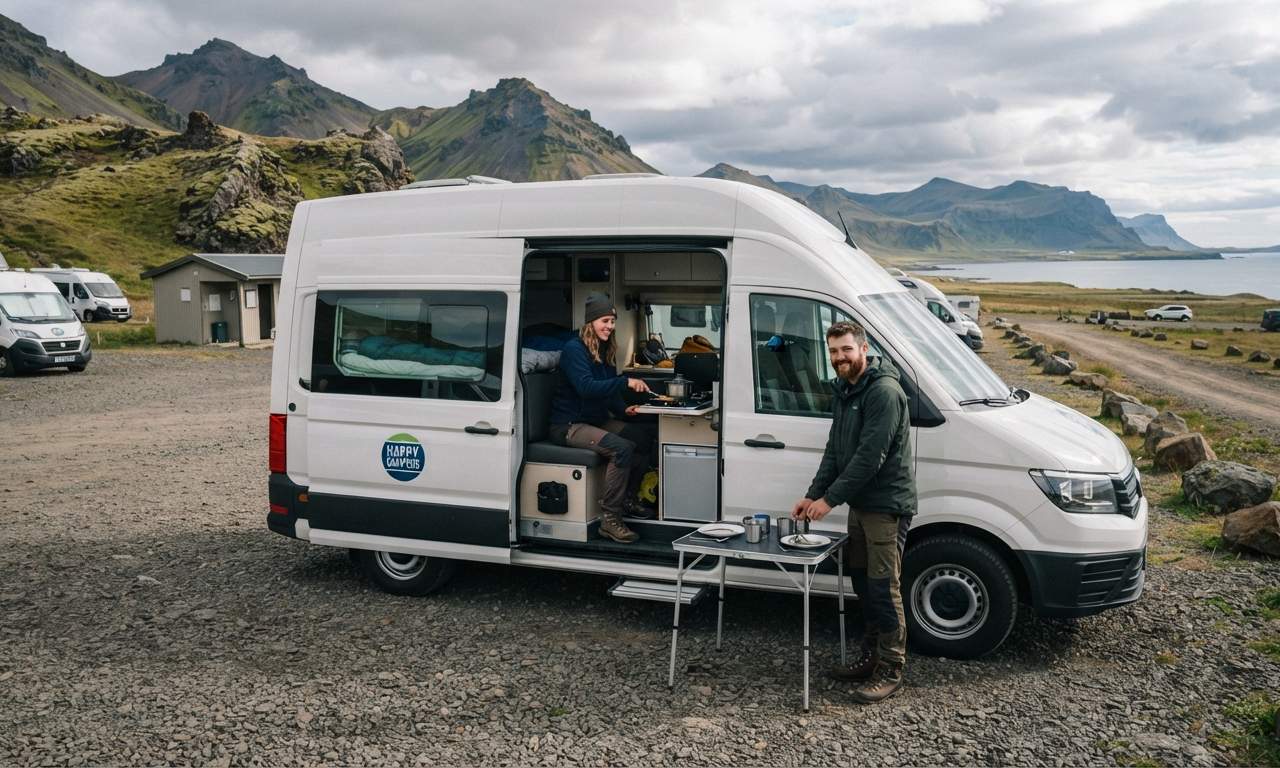
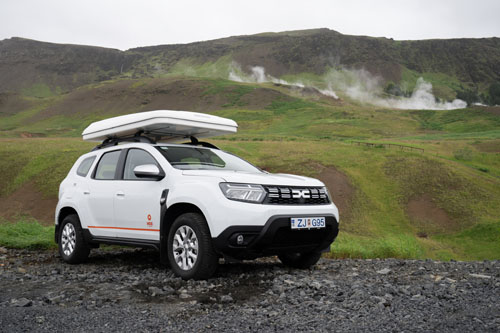
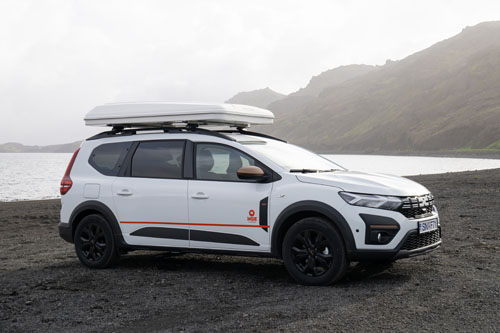
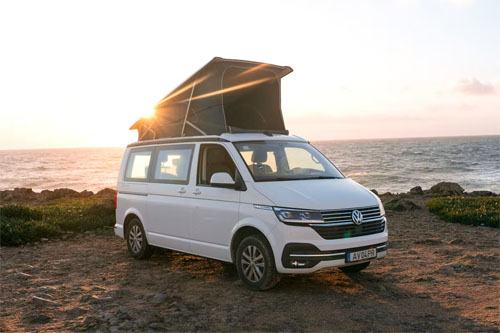
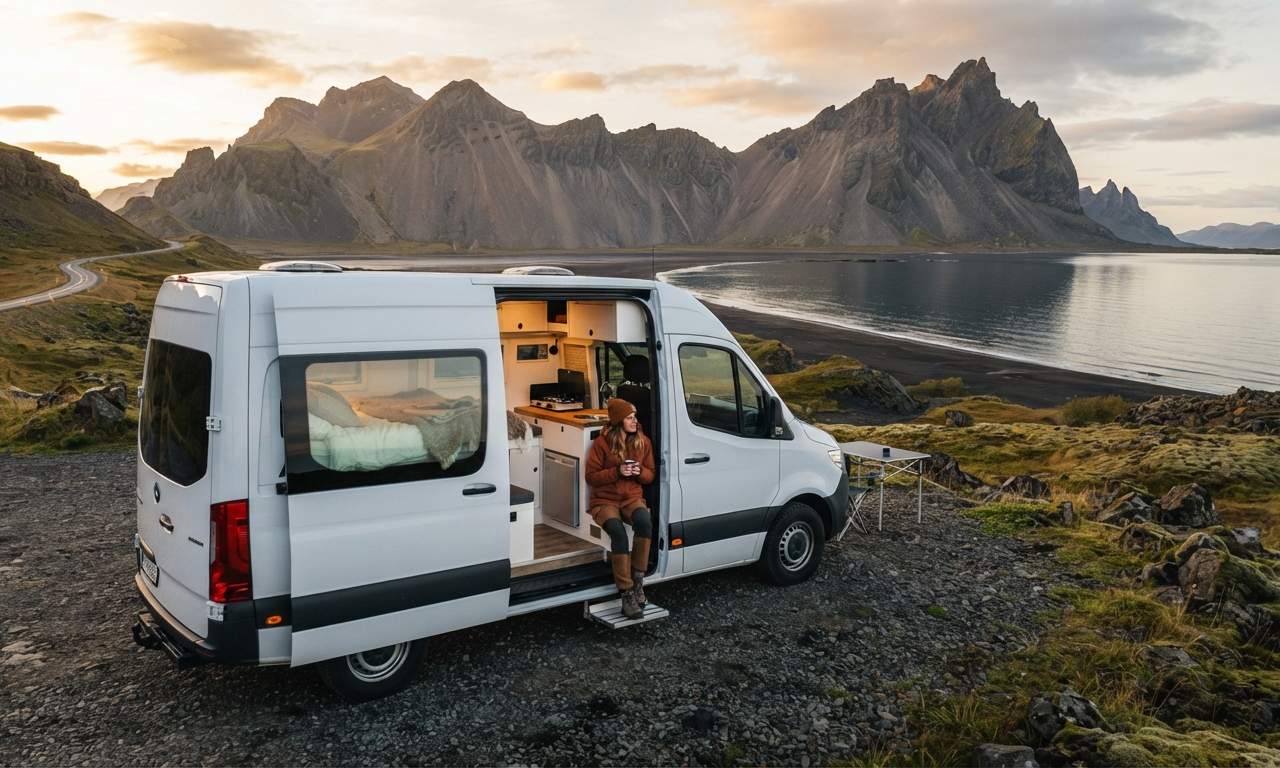
Campervans in Iceland offer a compact, self-sufficient travel experience ideal for individuals or small groups, providing a comfortable mobile base to explore the island. These nimble vehicles typically include sleeping arrangements, a basic kitchenette with a small fridge and stove, and sometimes a portable toilet, prioritizing easy maneuverability over extensive onboard facilities. You'll find a campervan well-suited for travelers prioritizing flexibility, closer immersion in nature, and easier navigation on Iceland’s diverse roads compared to larger motorhomes. Renting a campervan allows you to truly set your own pace, changing plans spontaneously as Iceland's weather and your desires dictate, all while enjoying the freedom of a mobile home.
Choosing a rented campervan can also be a significant upgrade over a standard car rental paired with hotel stays. With a campervan, you set your own pace, effortlessly combining the luxury of occasional hotel nights with the profound experience of waking up immersed in nature. These vehicles typically come equipped with a small kitchen including a fridge, allowing you to prepare your own meals and save on dining out, an en-suite bathroom for convenience, and a comfortable bed perfect for a healthy midday siesta. The price difference between a campervan and a standard car rental combined with hotel accommodation is often not dramatic, especially for travelers seeking the best of both worlds: access to stunning natural sites paired with comfortable amenities and the flexibility to choose where you spend your nights.
Campervan Models Available for Iceland
Iceland's campervan fleet includes a variety of models designed for different travel styles and group sizes, ensuring you find the perfect match for your adventure. Models like the 'Camper 2 - LOKI' from Camper Iceland are popular, offering a compact length of about 4.2 meters and an exterior height of 1.8 meters, comfortably sleeping 2 people. For slightly more space, the 'Happy 2' from Happy Campers Iceland provides a length of approximately 5.4 meters and an exterior height of 1.98 meters, designed to sleep 3 travelers. These diverse models, including others like 'Happy 1 EX AUTO', offer varying dimensions and layouts, all while maintaining excellent fuel efficiency crucial for Icelandic roads. Selecting the right model ensures your comfort and ease of travel across the country's varied terrain, from coastal routes to more challenging gravel paths.
When considering different models, it's important to think about your group size and how much gear you'll be carrying. A 'Happy 1' or 'Urban Plus' might be perfect for a solo traveler or a couple with minimal luggage, offering excellent fuel economy. For two or three people needing a bit more storage, a 'Happy 3' could be a better fit, providing additional living and sleeping space without compromising too much on maneuverability. All these options emphasize efficiency and practicality, making your rented campervan an ideal base for exploring Iceland's natural wonders.
What Fits Inside a campervan - Sleeping, Kitchen, Bathroom
Inside a campervan, sleeping arrangements typically involve a convertible bed area, often ingeniously transforming from a seating or dining space into a comfortable sleeping surface for two to three people. These layouts maximize limited space, making your compact campervan surprisingly functional for overnight stays. Kitchenette facilities are standard, comprising a small fridge for groceries, a sink with a water tank, and a portable or built-in gas stove, suitable for preparing simple meals and hot drinks after a day of exploring. Preparing meals on board, perhaps with ingredients from local markets, is a fantastic way to connect with the culture and save on dining out. For finding groceries and cooking tips, our Campervan-friendly recipes playlist offers great ideas. On the routes offered through RV PLANET routes, you can itemize and track every expense along the way for easy budgeting.
Onboard bathroom facilities in most campervans are often limited to a portable toilet or are entirely absent, meaning travelers rely on campsite amenities for showers and full toilet services. This design choice contributes to the campervan's compact size and fuel efficiency, making it easier to navigate Iceland's roads. Most designated campsites across Iceland are well-equipped with clean, heated shower facilities and modern restrooms, providing comfortable and convenient options for personal hygiene during your rental adventure. The key is to embrace the camping lifestyle, knowing that while your campervan offers independence, communal facilities are an integral part of the experience.
Driving and Parking a campervan in Iceland
Driving a campervan in Iceland offers significant advantages due to its compact size, allowing easier navigation through city streets, access to smaller car parks, and enhanced maneuverability on narrow or unpaved roads. Iceland drives on the right side of the road, and speed limits are typically 50 km/h in urban areas, 80 km/h on gravel roads, and 90 km/h on paved rural roads. While generally more agile than larger vehicles, drivers must always check posted height clearances for multi-storey car parks and tunnels against their van's exterior height, as many city center parking garages are too low for campervans. For parking your rented campervan, designated campervan-friendly car parks are usually available near major attractions, but overnight parking is strictly regulated.
Overnight parking and wild camping are strictly regulated in Iceland; motorized vehicles are generally permitted to park overnight only in designated campsites or with explicit permission from private landowners, to protect the fragile environment and comply with local laws. This means you'll mostly be staying at established campgrounds which are plentiful and well-equipped. Drive slowly and carefully, and you can drive almost anywhere without issues. No need to stress - just use common sense and pay attention to road signs, especially those indicating gravel roads or F-roads. For finding campsites and campgrounds during your trip, we recommend using RV PLANET (rvplan.net) - a great resource for locating available spots along your route.
Campervan vs. Larger Motorhome in Iceland
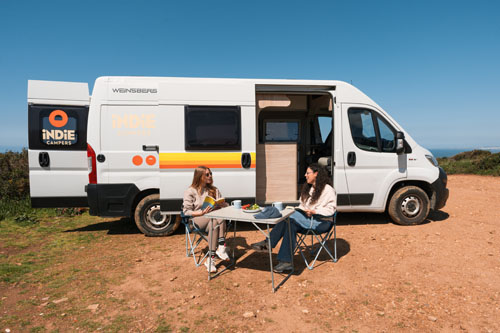
Choosing between a campervan and a larger motorhome in Iceland involves trade-offs in fuel efficiency, accessibility, and living space, each suiting different travel preferences. A campervan like the 'Camper 2 - LOKI' offers superior fuel economy compared to a larger motorhome such as the 'MH2 - IDUNN'. This difference in fuel consumption can significantly impact your overall trip budget, especially given Iceland's fuel prices. On the other hand, larger motorhomes - such as Class C models, which average about 7.5 meters in length and accommodate 4–6 adults - offer significantly more living space, making them ideal for families or those who prioritize onboard amenities like larger kitchens and separate dining areas.
While campervans excel in accessing remote spots, navigating tighter roads, and are generally easier to handle in windy conditions, larger motorhomes provide more interior comfort and space, making them a better choice for families or groups prioritizing extensive onboard amenities over extreme mobility. However, a 'Happy 4x4' offers greater versatility for exploring more challenging terrains, though their interior space will be more compact. Consider your group size, desired comfort level, and the types of roads you plan to travel when making your choice.
Campervan Hire Costs in Iceland (2026)
The cost of campervan hire in Iceland varies significantly by season, with higher daily rates typically found during the peak summer months of June, July, and August. Rental prices generally include the vehicle, basic insurance coverage, and essential kitchen equipment, providing a solid foundation for your trip. However, add-ons such as additional insurance coverage for a top-level deductible, bedding packages, or camping chairs incur extra fees, allowing you to customize your rental experience. You can upgrade to a top-level deductible for extra peace of mind, protecting your travel budget from unexpected damages. The final price is always set at the actual booking time, as prices are dynamic, similar to flight tickets, changing daily based on availability, seasonality, and supplier marketing decisions.
For a realistic understanding of rental costs, consider these typical price comparison points for a 7-day or 14-day campervan rental for 2026:
- April 1st rental: Expect lower shoulder-season rates, offering a more budget-friendly option before the summer rush.
- July 24th rental: This falls squarely in peak season, meaning higher demand and consequently higher prices for campervans.
- September 30th rental: As autumn sets in, prices typically drop again, providing a good balance between milder weather and more affordable rental rates.
Current prices for these specific dates will be displayed in the live price table, reflecting real-time availability. Bandana offers full price transparency, ensuring no hidden fees or surprises.
How much does a campervan trip to Iceland really cost beyond the rental fee?
Beyond the rental fee, a comprehensive budget for a campervan trip in Iceland must account for significant daily expenses including fuel, groceries, campsite fees, and potential tolls, which collectively form a substantial part of your total trip cost. Fuel is a major variable cost, with prices among the highest in Europe; budgeting for 8-10 Liters per 100 km for a standard campervan is a practical starting point, plus unexpected driving detours due to weather or spontaneous exploration. Other essential costs include daily campsite fees, which are mandatory for overnight stays in your rented campervan. Groceries can be expensive, especially outside discount stores like Bónus and Krónan, so smart shopping is key. You'll find very few 'hidden' fees beyond expected taxes and optional extras like additional insurance or bedding. For easy budgeting and tracking all these expenses, consider using the tools available on RV PLANET routes.
Flexibility is key to finding the cheapest campervan rental; consider traveling during the shoulder seasons (April-May, September-October) or being flexible with your dates to leverage off-peak pricing and better availability. Last-minute campervan rental deals in Iceland can sometimes be found, especially outside peak season, but availability is dynamic. While pre-planners often book 3-6 months out, spontaneous travelers can often find a suitable campervan and campsites, especially since many national/state parks reserve 25-30% of spots for first-come, first-serve campers. Always call ahead before driving to a specific campground.
Where to Sleep and Resupply in Iceland by campervan
In Iceland, campervans must primarily use designated campsites for overnight stays, which are widely available across the country and offer essential facilities such as showers, toilets, and electricity, making your week-long trip comfortable. These official campsites are your reliable hubs for rest and replenishment. Resupplying water, emptying greywater (from sinks), and disposing of black water (from toilets) are typically done at these official campsites, as they are equipped with the necessary infrastructure for responsible waste management and environmental protection. For finding campsites and campgrounds during your trip, we recommend using RV PLANET (rvplan.net) - a great resource for locating available spots along your route.
Grocery shopping is easily accomplished at supermarkets like Bónus, Krónan, and Nettó, which are found in most towns along main routes, allowing travelers to maintain a consistent rhythm of provisioning for their journey. Planning your stops around these towns ensures you can keep your campervan fridge stocked with fresh ingredients. Remember, Bandana ensures real support when it matters, helping you navigate your rental journey, but finding campsites and planning your resupply stops is part of the adventurous spirit of a campervan trip.
Where can you find groceries and cook effectively in an Iceland campervan?
Groceries for campervan travel in Iceland are best sourced from larger supermarkets like Bónus and Krónan, which offer the most affordable prices and widest selection, particularly in larger towns and near Reykjavik. These stores are identifiable by their distinct pink (Bónus) or green (Krónan) logos and are where budget-conscious travelers will find the best value. Cooking effectively in a small campervan kitchen involves planning simple meals, utilizing readily available local Icelandic ingredients like fresh fish, lamb, and dairy products, and relying on efficient, single-pot recipes. Embrace the opportunity to try local Icelandic delicacies in your own mobile kitchen! You can find inspiration and practical tips on our Campervan-friendly recipes playlist.
Safe drinking water is readily available from taps across Iceland, eliminating the need to buy bottled water and significantly reducing your environmental footprint. Campsites provide facilities for washing dishes and basic food preparation, making it easy to keep your campervan clean and organized. Remember to always use biodegradable soap when washing dishes at campsites to protect Iceland's pristine environment. With a little planning, your campervan kitchen can be a hub for delicious and economical meals throughout your adventure.
How do you manage water, waste, and propane in a campervan in Icelandic conditions?
Managing water in Icelandic campervans involves regular refills of fresh water tanks at campsites, which are well-equipped with potable water hookups, and utilizing the readily available, safe tap water from most public sources. Always ensure your fresh water tank is topped up before heading into more remote areas. Waste disposal, including emptying graywater (from sinks and showers) and blackwater (from toilets), is exclusively performed at designated dump stations found at nearly all official campsites, emphasizing environmental protection and local regulations. It's crucial to never dump waste anywhere else, as Iceland's natural environment is extremely fragile.
Propane for heating and cooking is typically managed through exchange systems at gas stations or rental depots, ensuring a continuous supply throughout your trip, especially important during colder seasons. Your rental company will provide instructions on how to exchange or refill your propane tank. Before setting off on an extended journey, especially in the off-season, always confirm your propane levels and locate exchange points along your route. This meticulous planning is part of the detail-oriented service Bandana champions: "God is in the small details, and we take care of them. That's what makes the big difference."
Is wild camping allowed with a campervan in Iceland and how do I do it responsibly?
Wild camping with a campervan in Iceland is generally forbidden by law for motorized vehicles outside of designated campsites or without explicit permission from landowners, enacted to protect the country's fragile environment and natural resources. This is a crucial distinction from some other countries; in Iceland, you cannot simply pull over and camp anywhere. While traditional 'wild camping' for campervans is not permitted, responsible practices for any short stops include strictly adhering to Leave No Trace principles, ensuring you leave absolutely no rubbish or sign of your presence. Ethical alternatives to wild camping involve utilizing the extensive network of official campsites, some of which are very basic and remote, offering a true connection to nature while respecting the law. Alternatively, respectfully seeking permission from private landowners for an overnight stay is an option, though you should always confirm this in advance.
For any overnight stay in your rented campervan, you are expected to use designated campgrounds. These facilities are designed to handle waste and provide essential services, helping to preserve Iceland's unique landscapes for everyone. Remember that true campervan specialists like Bandana prioritize transparent information and responsible travel, ensuring you have the knowledge to enjoy Iceland while respecting its laws and environment. Planning ahead for your overnight stops is an integral part of campervan travel in Iceland.
How to stay safe and prepare for emergencies when traveling by campervan in Iceland?
Staying safe in an Iceland campervan requires vigilant preparedness for rapidly changing weather, including extreme winds, sudden snowstorms, and heavy rain, by checking road and weather forecasts daily on websites like Road.is and Vedur.is. These resources are indispensable for planning your route and assessing conditions, especially when traveling off the Ring Road. Emergency packing essentials should include warm, waterproof clothing layers, extra food and water supplies, a fully charged phone with an external power bank, a comprehensive first-aid kit, and a small shovel, particularly when venturing into remote areas or during the colder months. Always inform someone of your route plans, especially if heading into less populated regions.
In case of vehicle breakdown or extreme weather in areas with limited cell service, staying with the vehicle, having emergency contact numbers (112 for all emergencies in Iceland), and ensuring your rental company offers roadside assistance are crucial safety measures. Bandana support is available during business hours for pre-booking comparison and coordination. Outside business hours, help is limited to serious emergencies such as injury accidents or illness. For technical breakdowns, only the local rental supplier's support team has the technical knowledge and authority to tell the renter what to do. Always confirm your rental agreement's breakdown procedures and emergency contacts before you depart. Travel slowly, max 100-150 km per day on average, to allow ample time to react to conditions and truly feel the place.
🎬 Video coming soon
What are the best campervan routes in Iceland beyond the Ring Road?
Beyond the popular Ring Road, Iceland offers several dramatic and less-traveled campervan routes that promise unique adventures. The Westfjords offer a rugged and stunning itinerary, featuring dramatic fjords, remote villages, and abundant wildlife, though roads can be winding and unpaved in parts, making a compact campervan like a 'Happy 4x4 EX' a good choice. The Snæfellsnes Peninsula, often called 'miniature Iceland,' is easily accessible for campervans and provides a condensed tour of Iceland’s diverse landscapes, including black sand beaches, lava fields, and picturesque mountains. This is an excellent option for a shorter week-long trip, offering a taste of everything Iceland has to offer.
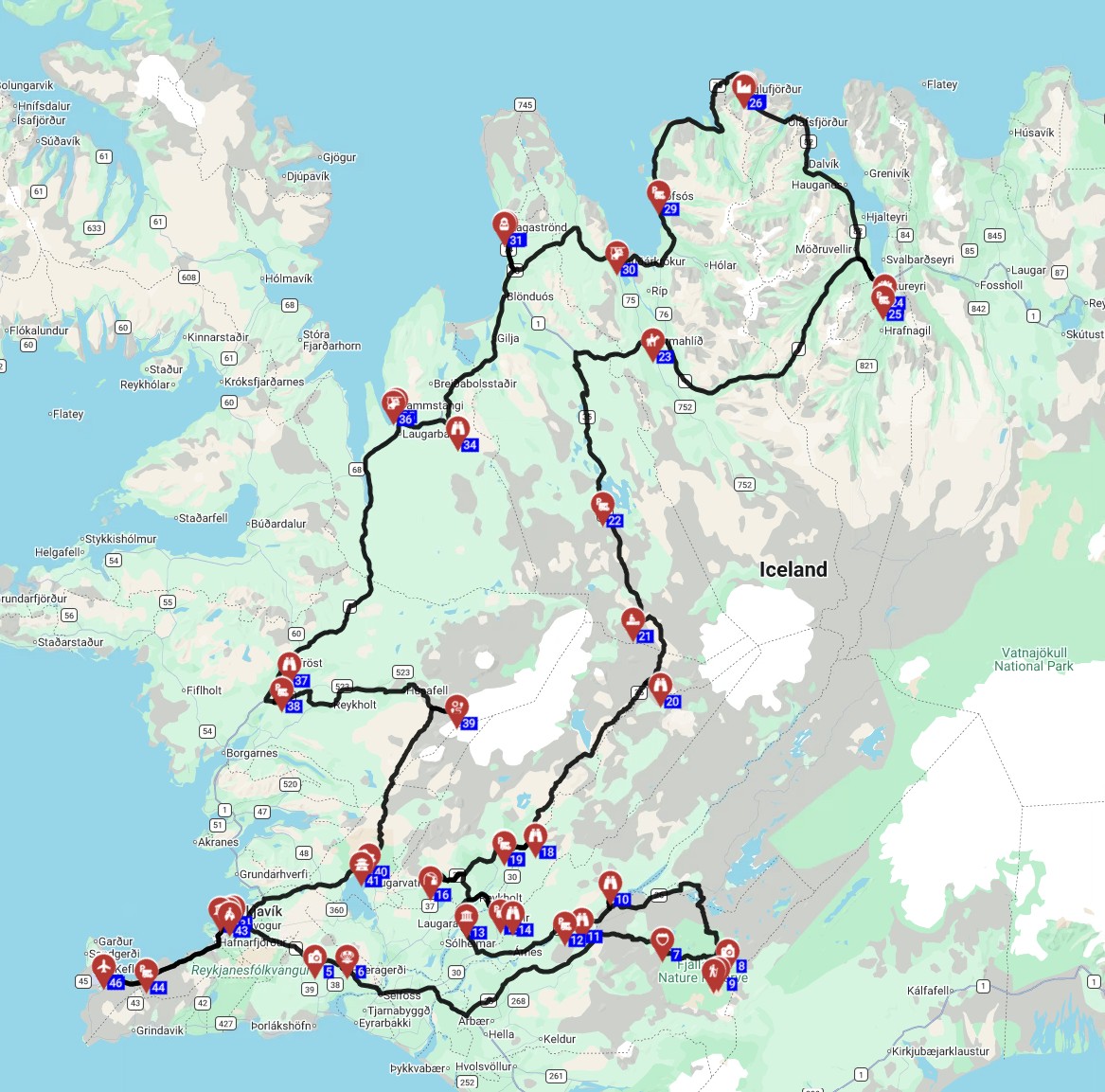
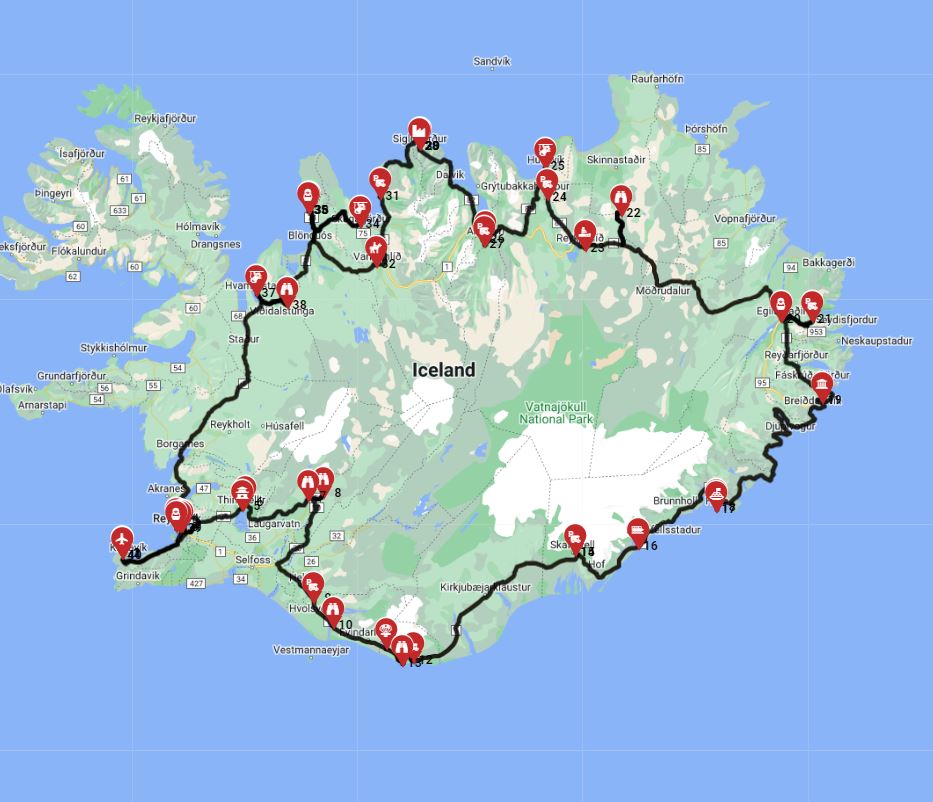
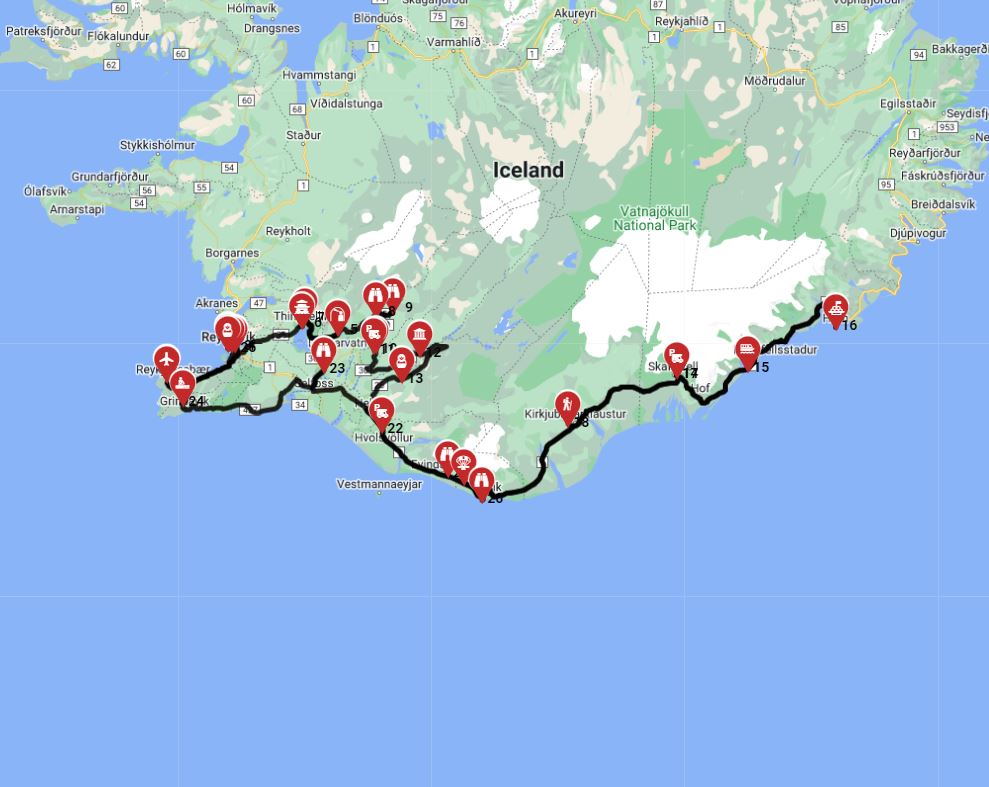
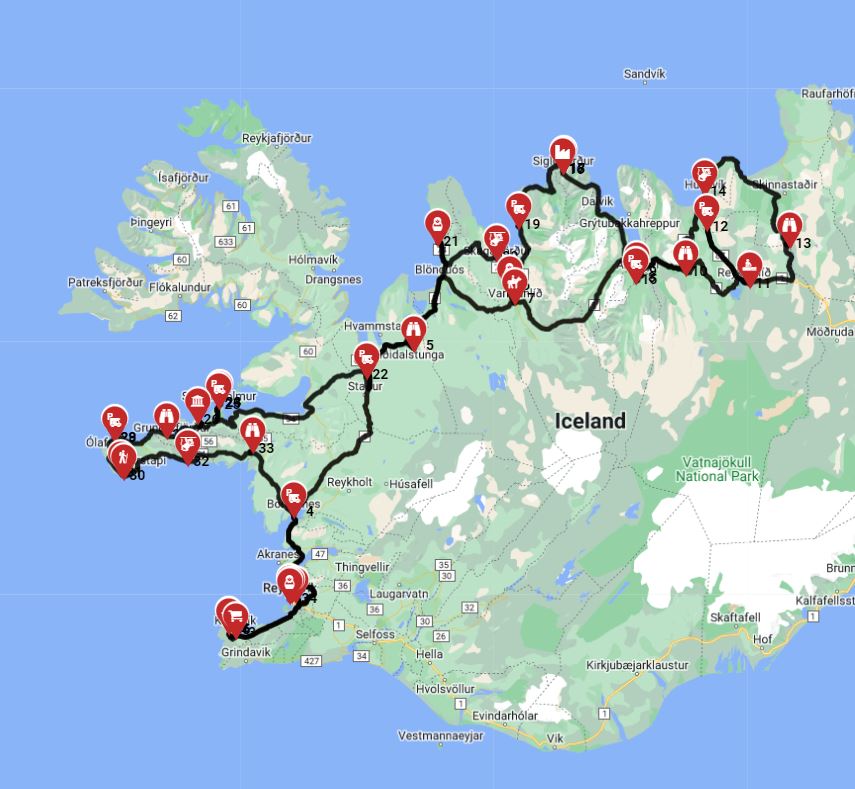
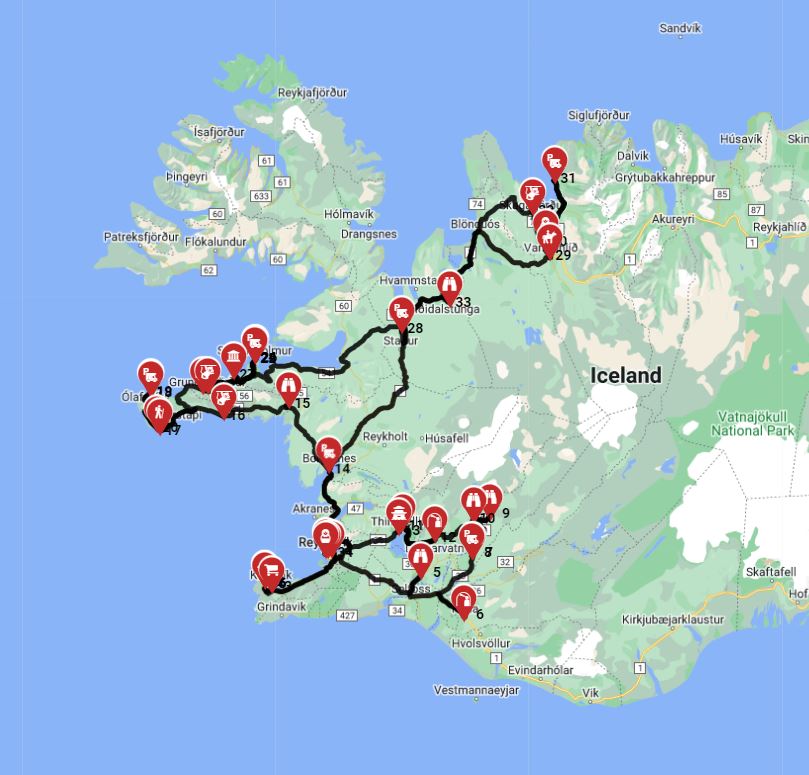
Certain accessible parts of the Highlands, such as routes to Landmannalaugar (on F-roads only suitable for 4x4 campervans and often with specific rental restrictions), offer unparalleled solitude and unique volcanic landscapes, requiring careful planning and awareness of F-road rules. Always check with your rental company regarding F-road access before attempting these routes. For pre-planned routes by professionals, consider Rent&Plan options from RV PLANET, which includes detailed itineraries like a 12-day journey covering one of the RV PLAN routes listed below. This itinerary gives you a fantastic mix of coastal beauty, historical sites, and geothermal wonders, making sure you don't miss a thing. By using RVPLAN.net, you can also benefit from a 25% planning discount, rewarding you for using their expertise.
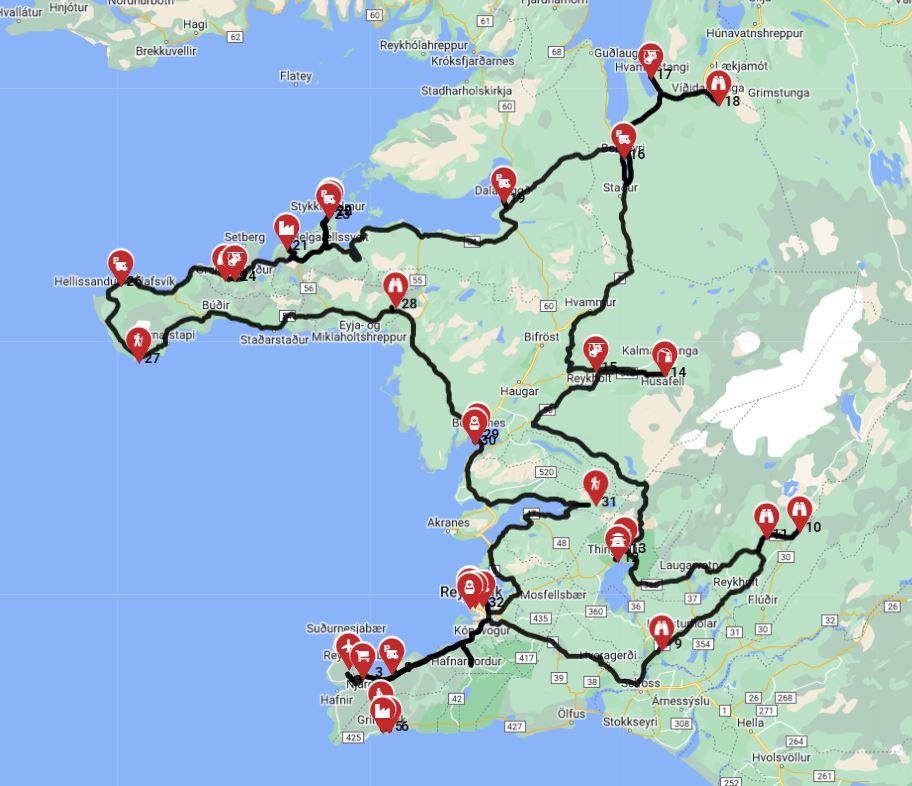
Another excellent option for an extended road trip is one of the RV PLAN routes listed below, a 15-day journey that showcases the country's diverse regions, from the South Coast waterfalls to the Eastfjords' serene beauty. If you're looking for a slightly different northern experience, one of the RV PLAN routes listed below offers 11 days of exploring botanical gardens, museums, and natural features, perfect for those who want to combine scenic drives with cultural insights.
For those interested in the iconic Golden Circle and the surrounding southwest, one of the RV PLAN routes listed below is a 9-day adventure packed with geothermal spas, heritage sites, and breathtaking natural features, making it a perfect introduction to Iceland for first-time campervan renters.
What are the unique challenges and rewards of campervan travel in Iceland's off-season?
Traveling by campervan in Iceland during the off-season (winter, spring, or fall) presents challenges such as unpredictable extreme weather (high winds, snow, ice), limited daylight hours, and potential road closures, particularly in more remote areas. These conditions demand greater vigilance and flexibility in your travel plans. Reduced services, including fewer open campsites and attractions, necessitate thorough planning and often booking ahead, while specific gear like winter tires (often included by rental companies), extra warm clothing, and emergency supplies are crucial. Always confirm campsite availability during the off-season, as many close or operate with limited facilities.
Despite the difficulties, off-season campervan travel offers unique rewards like witnessing the Northern Lights dancing across the dark skies, experiencing Iceland's iconic landscapes without the summer crowds, and often finding more affordable rental rates. This period provides a more rugged and intimate adventure, allowing for deeper connection with the serene, dramatic beauty of Iceland. A 4x4 campervan might be a preferred choice for enhanced traction and stability during these months. Remember to embrace slow travel, allowing ample time to enjoy each location and adapt to any weather changes. Discover top destinations and planning tips, all in one place!
Is a campervan Right for Your Iceland Trip?
Deciding if a campervan is right for your Iceland trip depends entirely on your travel style, budget, and desired level of comfort. For a couple seeking flexibility, freedom, and closeness to nature without needing extensive onboard amenities, a compact campervan like the 'Camper 2 - LOKI' or 'Happy 1 EX' is an excellent choice for navigating Iceland's diverse landscapes. These vehicles offer the perfect balance of mobility and self-sufficiency for a memorable week-long or two-week adventure. Two friends traveling together will find models like the 'Happy 2', with its capacity for three people, offer a comfortable and economical solution for exploring, particularly when sharing driving and camping duties and embracing the communal experience of campsite amenities.
For off-season adventurers who value solitude and are prepared for colder conditions, a campervan provides the mobility to experience Iceland's unique winter beauty, though a 4x4 model might be preferred for certain routes and added peace of mind on potentially icy roads. If you're a family with kids or desire more space and a dedicated onboard bathroom, a larger motorhome might be more suitable. Ultimately, a rented campervan in Iceland promises an unforgettable journey, allowing you to discover the heart of the country at your own pace. Get inspired for your next trip and check Iceland campervan rental prices now!
What You Shouldn't Miss
- Golden Circle Loop: Experience geysers, waterfalls (Gullfoss), and historical sites in a single day trip from Reykjavik.
- South Coast Waterfalls: Chase Skógafoss and Seljalandsfoss, two of Iceland's most iconic waterfalls, easily accessible from the Ring Road.
- Jökulsárlón Glacier Lagoon: Marvel at floating icebergs and possibly spot seals in this stunning glacial lagoon, a truly unique natural feature.
- Black Sand Beaches of Reynisfjara: Witness the dramatic basalt columns and powerful waves at this world-famous black sand beach near Vik.
- Snæfellsnes Peninsula: Explore this "miniature Iceland" with its diverse landscapes, charming fishing villages, and the iconic Kirkjufell mountain.
Looking for expert insights from Avi Bandana? Top 5 Adventures - recommendations from Avi Bandana.
Suggested RV PLAN Routes
Ready-made itineraries from our sister site RV PLANET, each with daily stops, campgrounds and attractions along the way.

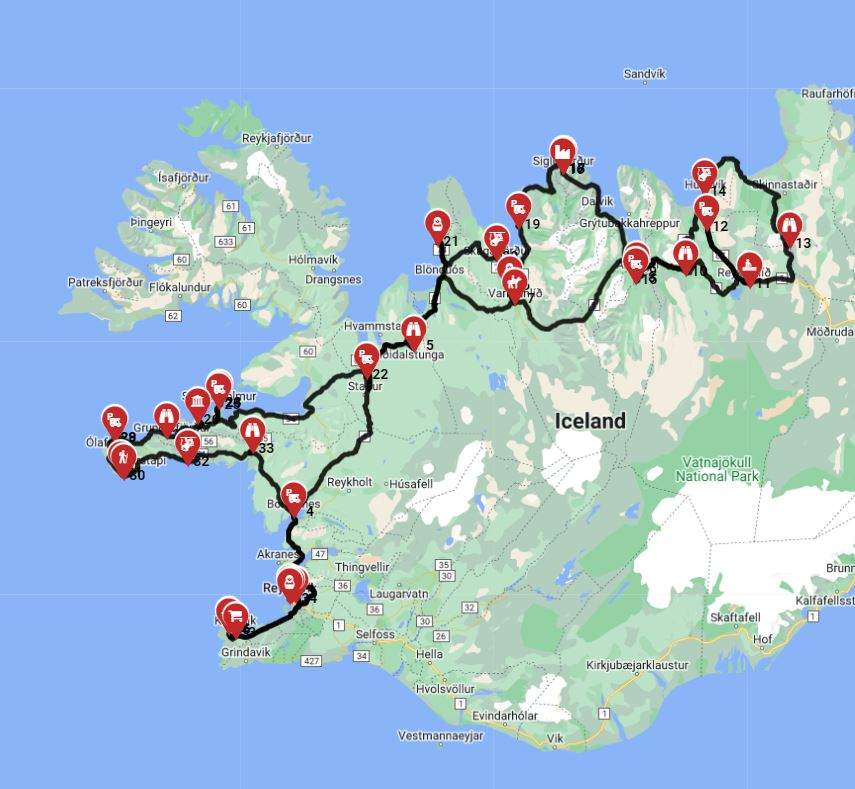
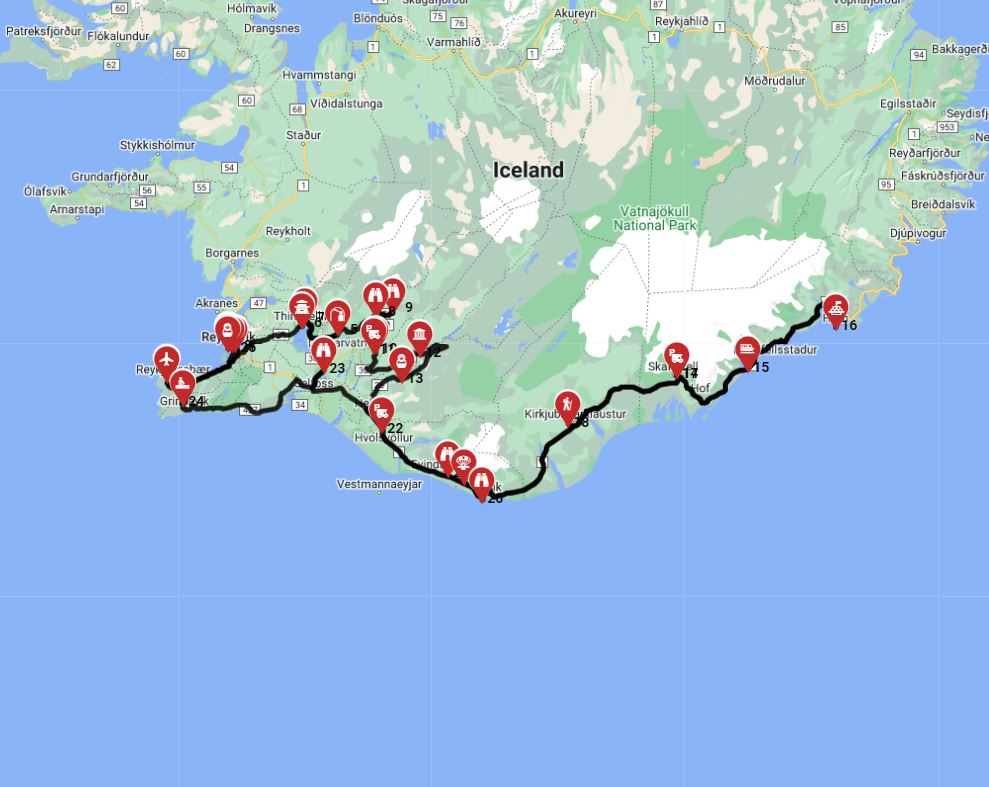
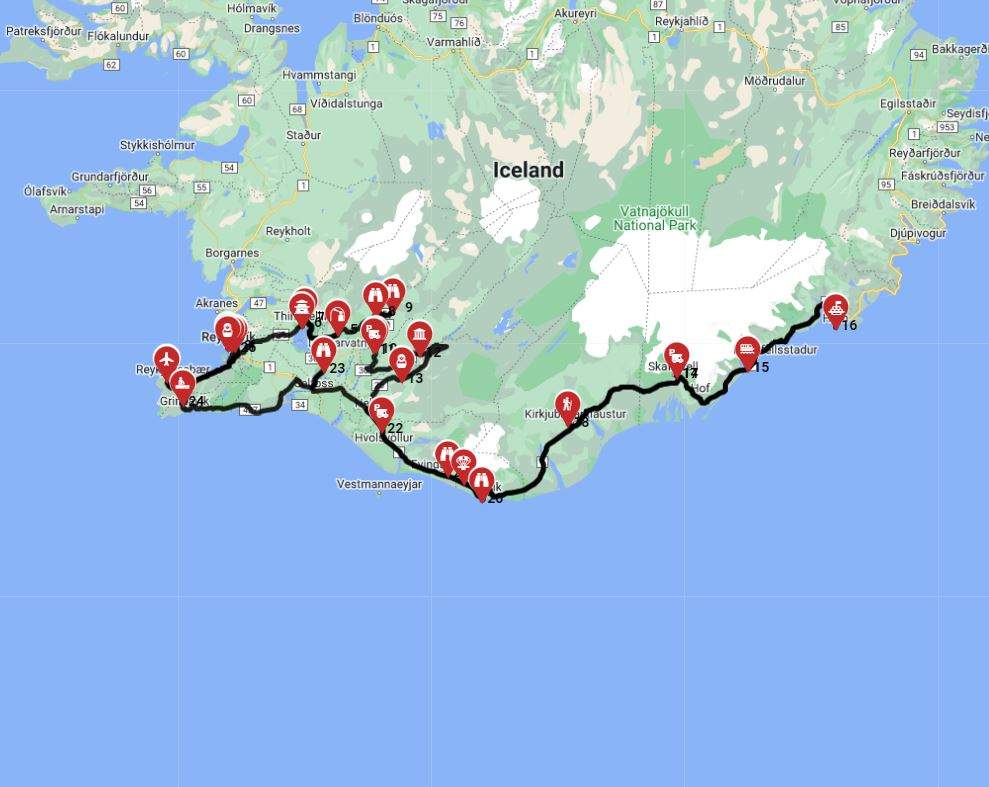
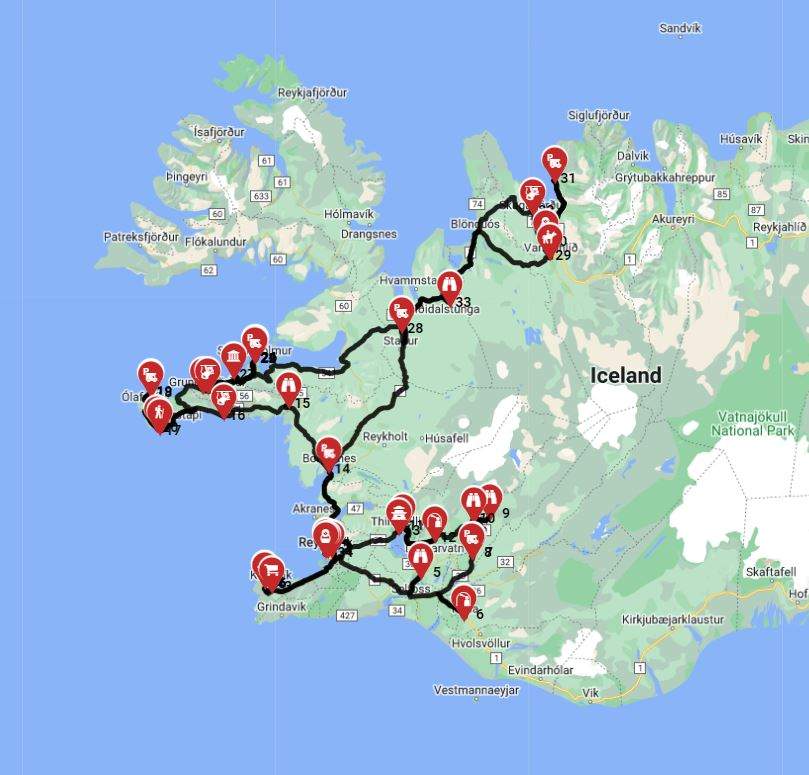
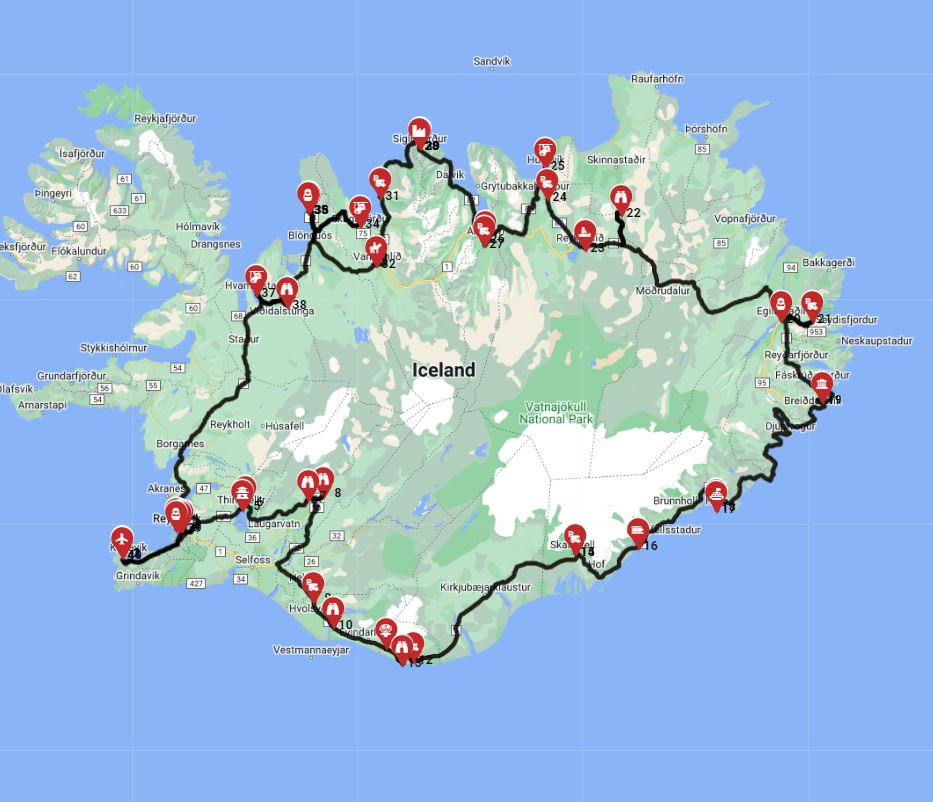
Iceland - North west + South west
Why Book with Bandana Caravan
Full Transparency, No Surprises
We believe in honest dealings. Our commitment to full transparency means you'll never encounter hidden fees or unexpected charges. What you see is what you get, ensuring complete peace of mind from booking to return.
Real Support When It Matters
Bandana provides dedicated business-hours support for all your pre-booking questions and coordination needs. For serious emergencies during your trip, our support extends to critical situations like injury accidents or illness, ensuring you're never truly alone.
True campervan Specialists
We aren't a side department of a general travel agency. Bandana is solely focused on campervan rentals, with over 20 years of direct, hands-on experience. This specialized knowledge means you get expert advice and unparalleled attention to detail.
Travel with Confidence
Founded in 2001, Bandana has over 20 years of helping tens of thousands of travelers explore the world by campervan. We have direct partnerships with 50+ leading campervan suppliers worldwide, including trusted names like El Monte, Apollo, and Britz. Our network spans 50+ countries with local expertise, offering over 1,300 pre-planned routes via RV PLANET (rvplan.net). We offer bookings in 30+ currencies with full price transparency and no conversion commissions.
Final Thoughts
Exploring Iceland by campervan is truly an experience of a lifetime. The freedom to wake up to a new, breathtaking view every day, the flexibility to follow your curiosity, and the intimate connection to nature are unparalleled. From the dramatic landscapes of the Golden Circle to the remote beauty of the Westfjords, your rented campervan serves as your cozy, self-sufficient base, allowing you to discover Iceland's magic at your own pace.
Remember that careful planning, especially regarding weather, road conditions, and campsite bookings, will greatly enhance your adventure. With Bandana, you have a partner committed to honesty, transparency, and genuine support, helping you handle the details so you can fully live the journey. So, pack your bags, prepare for wonder, and get ready to create unforgettable memories on your Iceland campervan trip!
Plan a trip itinerary in advance with minimal effort and maximum enjoyment. Find campervan rentals in Iceland now!
Driver age: The minimum driver age is 18–21, depending on the rental company and location.
Renting a campervan can be a meaningful upgrade over combining a standard car rental with hotel stays. It lets you set your own pace and balance stays at luxurious hotels with occasional nights spent immersed in nature. Even from day to day, choosing a campervan instead of a standard car gives you a kitchen with a fridge, an en-suite bathroom, and a comfortable bed for a healthy midday siesta. Overall, the price difference between renting a campervan and a standard car is not dramatic for travelers who want the best of both worlds, combining the pleasures of nature with stays at luxurious hotels.