In This Guide
- Top 5 Tips for cheap rv rental RV Rental in Tokyo
- Before You Book - Class, Dates, Insurance
- Pre-Trip Prep - Packing Checklist for Tokyo
- On the Road - Driving, Fueling, Navigation
- At the Campground - Setup, Hookups & Etiquette
- cheap rv rental-Specific Tips for Tokyo
- Common Mistakes to Avoid in Tokyo
- What are the unique challenges of RVing in Tokyo?
- Where can I park an RV overnight in Tokyo and are Michi-no-Eki an option?
- How do Japanese RV parks and auto-camps near Tokyo differ from Western campgrounds?
- How to navigate Tokyo's roads with an RV and overcome language barriers?
- What RV-friendly day trips and attractions are accessible from Tokyo?
- Where can RVers find public bathhouses and sanitation facilities in Tokyo?
- What is the local RV culture and etiquette in highly urbanized Japan?
Exploring Tokyo and its surrounding regions with a rented motorhome offers unparalleled freedom and flexibility, allowing you to discover both the bustling cityscapes and serene natural beauty at your own pace. For live availability and current prices, start with our RV Rental Tokyo - Complete Guide 2026 guide. While Japan's capital is a vibrant metropolis, savvy travelers know that experiencing it on a budget with a campervan or motorhome is entirely possible with the right tips and planning. We're here to share our expert knowledge from over 23 years in the RV rental business, ensuring your Tokyo adventure is not only unforgettable but also affordable.
Top 5 Tips for cheap rv rental RV Rental in Tokyo
Securing a cheap RV rental in Tokyo involves strategic planning to minimize overall trip expenses effectively. First, consider booking your vehicle at least 3-6 months in advance, especially if you plan to travel during peak tourist times like cherry blossom season (late March to early April) or the autumn foliage period (October to November), as this can often lead to savings of up to 25% on daily rates. Early booking also ensures a wider selection of compact and budget-friendly models like a "Category Van" or an "Active Pop Top" which are ideal for Tokyo's narrower roads. On the routes offered through RV PLANET routes, you can itemize and track every expense along the way for easy budgeting.
Second, opt for a smaller vehicle class, such as a campervan or a compact Class C motorhome like the "cruise america example EX-Group A" (5.99m length), as these are more fuel-efficient and incur lower tolls on expressways around Tokyo. Third, plan your itinerary to take advantage of off-peak seasons (e.g., winter excluding New Year's) to benefit from reduced rental prices and fewer crowds at popular attractions. Fourth, research and utilize free or low-cost overnight parking options, such as designated Michi-no-Eki (roadside stations) outside the immediate city center, which offer basic amenities for a comfortable rest.
Finally, factor in potential additional costs from the outset, including highway tolls, fuel, and specific RV park fees, which can significantly impact your overall budget. Leveraging promotional deals, especially during shoulder seasons (spring and autumn outside major holiday spikes), can also help you find a truly cheap RV rental in Tokyo. Remember, full transparency and no hidden fees are our promise at Bandana RV, so you'll always know your costs upfront. You can find more detailed price breakdowns in our "Cheap RV Rental in Tokyo - Budget Guide 2026."
Before You Book - Class, Dates, Insurance
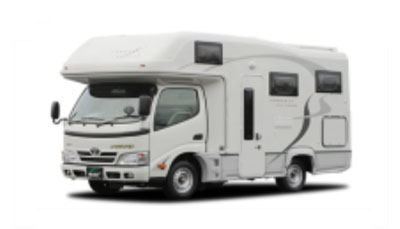
When booking a motorhome rental in Tokyo, carefully consider the RV class to suit the urban environment, lock in your dates well in advance for better rates, and thoroughly understand your insurance options for peace of mind. For navigating Tokyo's dense road networks and finding parking, smaller RV classes like a campervan (e.g., "Category Van," often under 5 meters) or a compact Class C motorhome (such as the "cruise america example EX-Group A" with a length of 5.99 meters and 100 Liter fresh water tank) are highly recommended. These smaller vehicles are significantly easier to maneuver on Japan's narrower streets, consume less fuel, and typically incur lower tolls, contributing to a more budget-friendly trip.
Booking your RV rental 6-12 months ahead of time, especially for high-demand periods like the cherry blossom season or summer holidays, typically secures the most favorable rates and ensures vehicle availability. Just like flight tickets, RV rental prices are dynamic and can change daily based on availability and seasonality. Regarding insurance, basic coverage is always included with your rental. For comprehensive peace of mind, you can upgrade to a top-level deductible reimbursement option, which covers unexpected costs without hidden fees. We compare final prices across more than 50 suppliers worldwide, ensuring full transparency in your booking. Review collision damage waivers (CDW) and liability coverage options carefully, considering potential deductibles and exclusions, particularly for minor damage that might occur in tight city spaces like those found in Shinjuku or Shibuya.
Pre-Trip Prep - Packing Checklist for Tokyo
Preparing for an RV trip in Tokyo involves packing light yet strategically, considering local customs, the compact nature of rented RVs, and Tokyo's varying climate. Space inside Japanese rental motorhomes, often like the "hire campervan example Paradise S/T" or other campervans, is optimized, so prioritize essentials and versatile items to avoid clutter.
- Lightweight, breathable clothing suitable for walking around Tokyo's districts and potentially warmer climates.
- Layers for fluctuating temperatures, especially during spring and autumn when evenings can be cool.
- Comfortable walking shoes for extensive city exploration and potential nature walks outside the city.
- Small, quick-drying towels, as many campgrounds and public bathhouses (sento/onsen) might not provide them or charge extra.
- Universal travel adapter and a power bank to keep your devices charged on the go.
- Portable Wi-Fi device (e.g., Pocket Wi-Fi) or an international SIM card for reliable internet access and navigation.
- Reusable shopping bag, as plastic bags often cost extra at Japanese supermarkets.
- Basic cooking essentials (e.g., small bottle of oil, salt/pepper, instant coffee) to prepare meals in your RV, saving money. Check out our RV-friendly recipes playlist for inspiration.
- Collapsible water bottles to refill and stay hydrated without constantly buying plastic bottles.
- First-aid kit and any personal medications, as specific brands might be hard to find locally.
- Sunscreen and insect repellent, especially for outdoor activities in parks or near lakes.
- Copies of your passport, International Driving Permit, and RV rental documents for easy access.
- Credit cards and a sufficient amount of Japanese Yen cash for tolls, smaller shops, and Michi-no-Eki vendors.
- Translation app (e.g., Google Translate with camera function) for reading signs and basic communication.
- Offline maps (e.g., Google Maps, Apple Maps) downloaded to your devices for navigation without relying on mobile data.
- Small trash bags, as public trash cans are scarce in Japan due to strict waste disposal rules.
On the Road - Driving, Fueling, Navigation
Navigating Tokyo's roads with a rented RV requires careful attention to detail, understanding local fueling practices, and using RV-friendly navigation tools to ensure a smooth and budget-conscious journey. In Japan, you will drive on the left side of the road, and it's essential to be mindful of the country's strict traffic laws and polite driving culture, which emphasizes courtesy and caution. For instance, roads in residential areas of Shibuya or Shinjuku can be particularly narrow, so driving slowly and carefully is key to avoid issues, regardless of your RV size.
Highway tolls in Japan can be quite expensive; to streamline your journey and potentially benefit from discounts on certain routes, consider purchasing an ETC (Electronic Toll Collection) card with your rental RV. Gas stations are plentiful throughout Tokyo and surrounding areas, but you'll need to check for 'Full Service' vs. 'Self Service' options and familiarize yourself with basic Japanese fuel types: Regular (レギュラー), High-Octane (ハイオク), and Diesel (軽油). Make sure to return your fuel tank full to avoid additional charges. For finding campsites and campgrounds during your trip, we recommend using RV PLANET (rvplan.net) - a great resource for locating available spots along your route, and their RV PLANET routes allow you to itemize and track every expense, including fuel, for easy budgeting.
Utilize a reliable GPS system with English language support, and ideally, one that allows for inputting your RV dimensions to avoid height or weight-restricted roads. This is crucial in Tokyo's dense urban environment and when planning trips to areas like the Tokyo Bay Aqua-Line or quieter routes in the Izu Peninsula. Our "RV Travel Guide to Tokyo - Tips and Top Spots 2026" offers more navigation insights.
At the Campground - Setup, Hookups & Etiquette
Proper setup and adherence to local etiquette are crucial for a smooth RV park experience in Japan, often differing from Western campgrounds due to cultural norms and facility specifics. Upon arrival at a Japanese auto-camp, such as those near Lake Kawaguchiko or Nikko, always check in at the reception desk to receive your site number, a list of rules, and information for facility access.
When parking your rented campervan or motorhome, carefully position it within the designated lines, as sites are frequently smaller and more compact than what you might find in North American or European campgrounds. For utility hookups, connect electricity first (always verify voltage compatibility), then water, and finally manage gray/black water tanks responsibly at designated dump stations. Be aware that full individual water or sewer hookups might not be available at every site, especially for smaller vehicles like the "Category Van" or "Patagonia Camper 4x4 double cab" models.
Observing quiet hours, typically starting around 9 PM or 10 PM, is paramount; maintain low noise levels out of respect for neighboring campers and the peaceful environment. Cleanliness is paramount in Japanese campgrounds, reflecting the country's high standards of public hygiene; always leave shared facilities like communal bathrooms (often immaculately clean), kitchens, and laundry rooms spotless, and carefully sort and dispose of trash in designated bins, as Japan has strict recycling regulations.
cheap rv rental-Specific Tips for Tokyo
Tailoring your motorhome rental experience in Tokyo for budget-consciousness means focusing on compact RVs, strategically utilizing low-cost overnight parking options, and preparing your own meals. To begin, choose the smallest RV class that comfortably accommodates your group, such as a campervan or a compact Class C like the "rent rv example A1" (Shower, Toilet, Ideal for a couple), to significantly save on rental costs, fuel, and the often-high highway tolls.
Prioritize booking campsites outside central Tokyo, as these are generally more affordable and offer more spacious sites than urban options. Consider utilizing Michi-no-Eki (roadside stations) for free, short-term overnight parking when feasible, though remember these are for resting, not full camping setups. Cooking your own meals in your RV kitchen using groceries purchased from local supermarkets is significantly cheaper than dining out, especially within Tokyo's expensive dining scene. Learning a few simple RV-friendly recipes playlist can be a game-changer for your budget.
Once you’ve parked your rented RV at a cheaper, peripheral location, utilize Tokyo’s world-class public transportation system (trains, subways) to explore the city center, saving on exorbitant urban parking fees. Finally, look for rental deals during the off-season (e.g., winter, excluding the busy New Year's period) or shoulder seasons (late spring, early autumn) to take advantage of lower rental rates and fewer crowds, enhancing your experience while keeping your cheap RV rental in Tokyo affordable. For more tips on cost-saving, check out "RV Rental in Tokyo - Prices and Best Deals 2026" and "Cheap RV Rental in Tokyo - Budget Guide 2026."
Common Mistakes to Avoid in Tokyo
Avoiding common pitfalls like underestimating tolls or ignoring local parking rules can significantly enhance your RV trip in Tokyo and prevent unnecessary expenses or fines. First, instead of attempting to drive an oversized RV (like a large Class A or C motorhome) into central Tokyo, which incurs high tolls and faces immense parking challenges, consider parking your rented campervan or motorhome at an auto-camp on the city's outskirts, such as those in Chiba or Saitama, and utilizing Tokyo's efficient public transport for city exploration.
Second, rather than relying solely on credit cards, carry some Japanese Yen cash for expressway tolls, purchases at smaller shops, and vendors at Michi-no-Eki, as not all places accept card payments. Third, avoid attempting to wild camp or park overnight in undesignated areas; instead, always plan your overnight stays at official Michi-no-Eki, dedicated auto-camps, or designated parking lots to respect local regulations and avoid fines. Fourth, do not underestimate the importance of obtaining an International Driving Permit (IDP) with a valid driver's license, as it is legally required for foreign drivers in Japan.
Finally, instead of ignoring local waste disposal rules, familiarize yourself with Japan's strict garbage sorting regulations and dispose of waste only at designated facilities at campgrounds or specific collection points. Mismanaging trash can lead to fines and is considered disrespectful to local customs. These practices ensure a smoother, more enjoyable, and truly cheap RV rental experience in Tokyo.
What are the unique challenges of RVing in Tokyo?
RVing in Tokyo presents unique challenges, such as navigating exceptionally narrow urban streets, managing high highway tolls, finding suitable and affordable RV-specific parking, and adapting to a dense, urbanized environment that differs significantly from generic Japan RV travel. Tokyo's metropolitan expressways and local roads, particularly in older districts like Asakusa or Yanaka, can be very narrow, making driving larger motorhomes cumbersome and potentially stressful, especially for those unfamiliar with left-hand traffic. We always recommend driving slowly and carefully.
Highway tolls in Japan are among the highest globally, requiring careful budget planning for extensive travel around the region, with an ETC card being highly recommended for efficiency and ease of payment. Suitable overnight parking for RVs within Tokyo's central districts is extremely limited and expensive, necessitating pre-booking spots at dedicated auto-camps on the city's outskirts or utilizing Michi-no-Eki with restrictions. Understanding Japanese road signs, which include both standard international symbols and unique local pictograms, is crucial for safe and efficient navigation, highlighting why a GPS with English support and RV-specific routing is invaluable.
Where can I park an RV overnight in Tokyo and are Michi-no-Eki an option?
Overnight RV parking within Tokyo's immediate urban area is generally limited and can be expensive, often requiring pre-booked spots at dedicated auto-camps or understanding that Michi-no-Eki (roadside stations), while common nationwide, have specific rules and limited availability in an urban context. Dedicated RV parks (auto-camps) or campsites are available on the outskirts of Tokyo or in surrounding prefectures, such as those in Chiba or Kanagawa, offering amenities and secure overnight parking, but usually require advance reservations, especially for Class C motorhomes like the "rv rentals example Comfort Class" (RV size - Large).
Michi-no-Eki are excellent options for a free, short-term overnight stay (known as 'car camping' or 'park-and-rest') across Japan, but those immediately surrounding Tokyo may have more restrictions or be less suitable for extended RV stays due to higher traffic and demand. While they offer facilities like restrooms, shops, and sometimes restaurants, they are primarily rest stops, and setting up camp (e.g., deploying awnings or chairs) is generally prohibited. Some large shopping centers or public facilities might permit overnight parking, but it's essential to check specific rules and obtain permission to avoid issues. Always look for official 'RV Park' or 'Auto Camp' signs and never park overnight in residential areas or small public parking lots without explicit permission.
How do Japanese RV parks and auto-camps near Tokyo differ from Western campgrounds?
Japanese RV parks and auto-camps near Tokyo typically offer distinct amenities and operational styles compared to Western campgrounds, often featuring smaller, meticulously maintained sites, highly clean communal facilities, and sometimes shared service areas rather than full individual hookups at every site. Campsites, even for a compact "Category Van," are generally more compact, prioritizing efficient use of space, and may not comfortably accommodate very large Class A motorhomes common in North America.
Many auto-camps, particularly those outside central Tokyo, emphasize communal facilities such as sparkling clean shared kitchens, laundry rooms, and traditional bathhouses (sento or onsen), often lacking individual water/sewer hookups at each site. The emphasis on quiet hours, strict waste sorting, and overall cleanliness is more pronounced in Japan, reflecting deep-rooted cultural values. Bookings are almost always required in advance, especially during peak seasons like Golden Week, and check-in/check-out times are strictly adhered to, differing from the often more flexible approach found in some Western campgrounds. These differences are vital to understand for a smooth and respectful RV rental experience in Tokyo. Our "RV Rental Japan - Complete Guide 2026" has broader information on camping across the country.
How to navigate Tokyo's roads with an RV and overcome language barriers?
Navigating Tokyo's dense road network with a rented RV requires a reliable English-compatible GPS system with RV-specific features, proactive route planning to avoid extremely narrow streets, and preparation for language barriers through translation apps or basic Japanese phrases. Most modern rental motorhomes, including models like the "rent rv example A2" (ideal for a couple), come equipped with GPS systems. Before setting off, it's crucial to ensure your GPS offers English guidance and, if possible, allows for inputting your RV's dimensions to help avoid height or weight-restricted roads or tunnels.
Proactively plan your routes, especially for the first-mile and last-mile sections near your pickup location or desired destination, to avoid unexpected narrow alleys or dead ends not suitable for an RV. Tokyo's central areas like Ginza or Akihabara can be challenging, so focusing on major arteries or parking on the outskirts and using public transport is often the best strategy. For language barriers, download offline translation apps like Google Translate, which often features a camera function for instant translation of signs and menus. Learning a few essential Japanese phrases for directions (e.g., "Migi desu ka?" - "Is it right?"), fuel, and emergencies will also significantly enhance your confidence and independence.
Pay close attention to road signs, as some are only in Japanese; however, universal pictograms are common, and understanding common patterns for tolls, parking, and speed limits will be very helpful. Remember to drive slowly and carefully, paying attention to your surroundings.
What RV-friendly day trips and attractions are accessible from Tokyo?
Several RV-friendly day trips from Tokyo, such as excursions to Hakone, the Fuji Five Lakes area (Mt. Fuji), Nikko, or the Izu Peninsula, offer attractions accessible by RV and opportunities for a base camp approach, allowing for exploration beyond the urban core. These destinations provide a fantastic contrast to Tokyo’s bustling city life, offering nature, culture, and stunning landscapes.
- Hakone: This popular hot spring resort is easily reachable within 1.5-2 hours drive from Tokyo. It's known for Lake Ashi, the Hakone Open-Air Museum, and breathtaking views of Mt. Fuji. RV-friendly parking is often available near major attractions and Hakone Yumoto station, with several scenic routes through the mountains.
- Fuji Five Lakes (Kawaguchiko, Yamanakako): Located around the base of Mt. Fuji, this area is excellent for scenic drives, lakeside activities (boating, fishing), and camping. Numerous auto-camps and Michi-no-Eki offer stunning, unobstructed views of Mt. Fuji, making it an ideal destination for a rented motorhome or campervan.
- Nikko: Famous for its UNESCO World Heritage shrines and temples, including Toshogu Shrine, along with beautiful natural landscapes like Kegon Falls. Nikko is about a 2-hour drive north of Tokyo, with several campgrounds and roadside stations accessible for RVs.
- Izu Peninsula: Offering beautiful coastal drives, numerous hot springs (onsen), and fresh seafood, the Izu Peninsula is a popular RV destination roughly 2-3 hours south of Tokyo. It boasts various camping options and roadside stations along its scenic routes. Remember to travel slowly, averaging 100-150 km per day, to fully immerse yourself in the culture and scenery.
Always research specific attraction parking in advance, as some popular spots might have height or size restrictions for larger RVs, though compact options like a "Combi Van" or a "2 Berth Hi Top" typically fit without issue. For detailed route plans to these and other destinations, RV PLANET (rvplan.net) offers professional pre-planned itineraries that can save you time and stress.
🎬 Video coming soon
Where can RVers find public bathhouses and sanitation facilities in Tokyo?
Given the compact size of many rental RVs in Japan and the potential lack of full hookups at every site, RVers in Tokyo can readily utilize local public bathhouses (sento) and hot springs (onsen) for showering and sanitation needs, with many accessible options found throughout the city and surrounding areas. This is a common and culturally ingrained practice that enhances the RV travel experience.
Sento are neighborhood public bathhouses, typically affordable (often around ¥400-¥500, or $3-4 USD) and easily found in residential areas of Tokyo, offering basic showering and bathing facilities. They are a fantastic way to experience local life. Onsen (hot springs) are more elaborate bathing facilities, often located in natural hot spring regions (like Hakone or the Izu Peninsula, easily accessible from Tokyo), providing a more luxurious and relaxing experience, with entry fees ranging from ¥800-¥2,000 ($6-15 USD).
Additionally, many larger Michi-no-Eki and auto-camps include excellent showering and laundry facilities specifically catering to travelers. For finding dump stations for gray and black water, reliable resources like RV PLANET (rvplan.net) are invaluable. Look for 'sento' or 'onsen' signs in local areas, or use online maps with filters for bathhouses to locate convenient options, ensuring you maintain cleanliness and hygiene throughout your rented RV adventure.
What is the local RV culture and etiquette in highly urbanized Japan?
The RV culture in highly urbanized Japan emphasizes respect for public spaces, meticulous cleanliness, adherence to quiet hours, and often involves using specific designated facilities for waste disposal, differing significantly from more informal Western camping norms. Japanese RVers, whether in a "hire campervan example Paradise S/T" or a larger "rent rv example D1" (3 double beds), highly value peace and quiet; keeping noise levels low, especially during designated quiet hours (typically from evening to early morning, 9 PM to 7 AM), is a strong expectation at campgrounds and Michi-no-Eki.
Waste disposal is strictly regulated; RVers are expected to sort their trash meticulously into designated categories (e.g., burnable, non-burnable, plastics, cans) and only dispose of it at specified collection points or their campsites. This attention to detail is part of the country's broader cultural reverence for cleanliness. Personal space is deeply respected; avoid encroaching on neighboring sites or setting up extensive outdoor equipment like awnings, tables, and chairs without sufficient room, particularly at shared Michi-no-Eki.
Michi-no-Eki are primarily intended for resting, not extended camping; while short-term overnight parking is tolerated, treating them as full campgrounds is generally frowned upon or prohibited. There's a strong emphasis on maintaining the pristine condition of shared facilities like bathrooms and kitchens; always leave them as clean or cleaner than you found them. Embracing this considerate local RV culture ensures a more positive and respectful travel experience for everyone.
What You Shouldn't Miss
- Experience Shibuya Crossing: Witness the iconic scramble crossing, best observed from the Starbucks QFRONT building overlooking it. Park your rental campervan at a nearby station like Shinjuku-Gyōenmae and take the subway.
- Wander through Shinjuku Gyoen National Garden: A tranquil oasis amidst the city's skyscrapers, offering meticulously manicured landscapes. Ideal for a peaceful afternoon after navigating Tokyo's bustling streets.
- Explore the Electric Town of Akihabara: Immerse yourself in anime, manga, and electronics culture. RV parking might be challenging directly in Akihabara, so consider parking further out and using public transport.
- Day trip to Kawaguchiko for Mt. Fuji views: Drive your rented motorhome (approx. 2 hours from Tokyo) to one of the Fuji Five Lakes for breathtaking panoramic views of Mt. Fuji, especially stunning in early morning. Several RV-friendly campgrounds are available.
- Visit the historic Senso-ji Temple in Asakusa: Tokyo’s oldest temple offers a glimpse into traditional Japan. Find parking on the outskirts of Asakusa and enjoy a stroll through Nakamise-dori.
- Drive the Tokyo Bay Aqua-Line: Experience the impressive 4.4 km underwater tunnel and the unique Umihotaru PA (rest stop) built on a man-made island, offering stunning bay views. This is a truly unique RV-friendly route.
Final Thoughts
Embarking on a cheap RV rental adventure in Tokyo is an incredible way to experience Japan's dynamic culture and stunning landscapes without breaking the bank. By choosing a compact campervan like the "hire campervan example Paradise S/T", booking in advance, exploring off-peak seasons, and embracing local customs, you can unlock a truly unique and affordable journey. Remember to travel slowly, averaging no more than 100-150 km per day, allowing yourself time to savor every moment, from the neon-lit streets of Shinjuku to the tranquil shores of Lake Kawaguchiko.
With Bandana Caravan, you're not just renting an RV; you're gaining a trusted partner dedicated to full transparency, unmatched expertise, and unwavering support before, during, and after your booking. We take care of the small details so you can focus on the big adventure. So, are you ready to plan a trip itinerary in advance with minimal effort and maximum enjoyment?
Find Motorhome Rentals in Tokyo