In This Guide
- Top 5 Tips for Cheap RV Rental in South Africa
- Before You Book - Class, Dates, Insurance
- Pre-Trip Prep - Packing Checklist for South Africa
- On the Road - Driving, Fueling, Navigation
- At the Campground - Setup, Hookups & Etiquette
- Cheap RV Rental-Specific Tips for South Africa
- Common Mistakes to Avoid in South Africa
- What safety tips are crucial for RV rental in South Africa?
- What is the true cost of an RV rental trip in South Africa?
- What cultural etiquette should RVers know for South Africa?
- How do RV logistics and infrastructure work in South Africa?
- Is wild camping or overnight parking allowed for RVs in South Africa?
- What RV type is best suited for South African roads and terrains?
- Can I take an RV rental across borders from South Africa?
- What are some unique, less-traveled RV destinations in South Africa?
- Top Cities for RV Rental in South Africa
- What You Shouldn't Miss
Exploring South Africa by rented RV or campervan offers an incredible blend of freedom and adventure, allowing you to discover its stunning landscapes and vibrant cultures at your own pace. With Bandana RV, we believe that discovering the magic of South Africa in a mobile home should be accessible and budget-friendly. Whether you dream of spotting the Big Five in Kruger National Park, driving the iconic Garden Route, or simply enjoying the breathtaking coastal scenery, a cheap RV rental in South Africa makes it possible without breaking the bank. For live availability and current prices, start with our RV Rental South Africa - Complete Guide 2026 guide.
Top 5 Tips for Cheap RV Rental in South Africa
To secure better rates for your RV adventure in South Africa, booking your campervan rental significantly in advance is a key strategy, especially if you plan to travel during peak seasons like December-February or June-August, where prices can increase by up to 30%. Consider extending your trip during the shoulder seasons of April-May or September-October for lower rental prices and fewer crowds at popular attractions like the Panorama Route. Opting for a smaller, more fuel-efficient RV or campervan, such as a "Paradise Family 5" with 13L/100km fuel consumption, can significantly reduce both your daily rental and overall fuel costs across your itinerary. On the routes offered through RV PLANET routes, you can itemize and track every expense along the way for easy budgeting.
Planning to prepare most of your meals in your rented RV's kitchen can drastically cut down food expenses, especially by utilizing local markets for fresh produce and unique South African ingredients. Many campsites come equipped with a braai (barbecue) stand, making communal outdoor cooking a delightful and economical option. Finally, prioritize free or low-cost activities and natural attractions, such as hiking trails in the Drakensberg Mountains, scenic drives along the Wild Coast, or relaxing on public beaches, to maximize your budget while experiencing South Africa's diverse beauty.
Before You Book - Class, Dates, Insurance
Choosing a suitable RV class for a cheap RV rental in South Africa involves balancing space with cost-effectiveness, with smaller campervans (like a "Category Van" or "Patagonia Camper 4x4 double cab") often being the most budget-friendly options for 2-4 travelers. To lock in the best dates and prices, particularly for a cost-effective RV rental in South Africa, pre-planners typically book at least 3-6 months in advance, while spontaneous travelers can often find day-to-day availability, though prices might be higher. Many national and state parks reserve only 25-30% of their spots, leaving the rest for first-come-first-serve arrivals; you'll find a spot, and if not at the first campground, then the next one, but it's always wise to call ahead before driving.
When considering insurance options for your rented motorhome, basic third-party liability is always included with your rental, ensuring you meet minimum legal requirements. For extra peace of mind, you can upgrade to a top-level deductible for more comprehensive coverage, reducing your financial exposure in case of an incident. Our insider tip: to see prices including the most comprehensive coverage, simply select that option during your search on Bandana RV, and all relevant insurance options will be displayed with full transparency, ensuring no hidden fees or surprises.
Pre-Trip Prep - Packing Checklist for South Africa
A well-organized packing checklist tailored for South Africa’s diverse climate and RV living is crucial for a smooth and enjoyable trip, ensuring you have everything you need without overpacking. Most RV rentals include basic kitchenware and bedding, but it’s always smart to confirm specifics with your supplier.
Pack essentials to ensure comfort and preparedness for varied conditions:
- Lightweight, breathable clothing for warm days
- Warmer layers (fleece, jacket) for cool evenings and higher altitudes, especially in regions like the Drakensberg
- Rain jacket or poncho
- Comfortable walking shoes and sandals
- Swimsuit for coastal adventures or camp pools
- Sunscreen (SPF 30+) and after-sun lotion
- Wide-brimmed hat or cap and sunglasses
- Insect repellent, particularly important for bushveld and wetland areas
- Basic cooking spices and oil (to save money and personalize meals)
- Reusable water bottles to stay hydrated and reduce plastic waste
- Small cutting board and knife for fresh market produce
- Coffee/tea supplies for your morning routine
- First-aid kit (band-aids, antiseptic, pain relievers, allergy medication)
- Personal medications with prescriptions and a copy of your doctor’s note if traveling internationally
- Hand sanitizer
- Flashlight or headlamp for navigating campsites at night
- Multi-tool or utility knife for various on-the-road needs
- Copies of passport, visa, and driver's license (keep digital and physical copies separate)
- RV rental agreement and insurance details readily accessible
- Emergency contact information (local and international)
- Physical maps or downloaded offline maps, as mobile data coverage can be intermittent in certain remote regions of South Africa.
- Power bank for charging devices
For tips tailored to your specific trip, talk to rent-motorhome.
On the Road - Driving, Fueling, Navigation
In South Africa, remember to drive on the left side of the road, and always be mindful of varying speed limits which are clearly signposted, typically 120 km/h on national highways, 100 km/h on secondary roads, and 60 km/h in urban areas. Drive slowly and carefully, and you can drive almost anywhere without issues; there's no need to stress about navigating larger motorhomes through cities-just use common sense and pay attention. Planning your fueling stops, especially in remote areas like the Karoo or northern regions, is essential as petrol stations can be sparse outside of major towns; both cash and credit/debit cards are generally accepted, but always carry some cash for smaller, rural stations. Utilize reliable navigation tools, such as GPS with offline map capabilities (e.g., Google Maps, Maps.me), as mobile data coverage can be intermittent in certain regions.
Always be aware of road conditions, which can range from well-maintained highways to gravel roads and occasional potholes, particularly on less-traveled routes, and adjust your driving speed and style accordingly. South Africa has some toll roads, especially around major cities like Johannesburg and Cape Town, which can be paid with cash, card, or through an electronic tag system. Ensure your rental motorhome is equipped with a spare tire and basic tools, as roadside assistance might be delayed in very remote locations. Remember to take frequent breaks, especially on long driving days, and enjoy the journey; we recommend slow travel, averaging max 100-150 km per day, to truly feel the place, connect to the culture, the food, and the scenery.
At the Campground - Setup, Hookups & Etiquette
Upon arriving at your campsite in South Africa, the optimal setup sequence for a rented RV involves first leveling your vehicle using ramps or blocks to ensure proper drainage and comfort, especially if your motorhome has a shower and toilet. Next, connect electricity by plugging your RV's power cord into the campsite's pedestal, ensuring a secure connection and confirming power flow to your RV; South African campgrounds typically use Type M sockets, so an adapter might be necessary for international travelers. For water hookups, connect a potable water hose from the campsite's water tap to your RV's fresh water inlet, using a pressure regulator if available to protect your system from high water pressure.
When managing waste, connect your sewer hose to the RV's black water (toilet waste) outlet and the campground's sewer connection, opening the black tank valve first to flush solids, then the grey tank (sink/shower water) valve to clean the hose. Always ensure these connections are secure and that the hose is properly positioned to prevent spills, maintaining hygiene and respect for fellow campers. Adhering to campground etiquette, such as observing quiet hours (typically 10 PM to 7 AM), keeping your site tidy, and respecting fellow campers' privacy, helps ensure a pleasant experience for everyone. Many sites feature communal braai areas, offering a wonderful opportunity for social interaction while enjoying local cuisine.
Cheap RV Rental-Specific Tips for South Africa
To effectively maintain a cheap RV rental budget in South Africa, prioritizing self-catering meals is paramount, which you can achieve by stocking up at local supermarkets like Checkers or Pick n Pay and vibrant farmers' markets for fresh, affordable produce, significantly reducing restaurant expenses. Imagine cooking up a delicious braai with locally sourced boerewors (sausage) right at your campsite. Find inspiration and ideas with our RV-friendly recipes playlist.
Seek out affordable or free overnight spots, which may include designated rest areas, certain farm stays that welcome RVs for a small fee (often including access to fresh farm produce), or smaller, less commercial campgrounds that offer basic amenities at a fraction of the price of larger resorts. Traveling during South Africa's shoulder or off-peak seasons (late autumn or early spring) generally results in lower rental rates and fewer crowds at popular attractions, offering better value for your adventure. Efficient packing helps avoid unnecessary purchases on the road, so bring essentials like refillable water bottles, basic toiletries, and entertainment options such as books or downloaded movies. For comprehensive budgeting, note that on RV PLANET routes, travelers can itemize and track every expense along the way for easy financial management, from fuel to campground fees.
Common Mistakes to Avoid in South Africa
Instead of failing to book your RV rental and popular campsites far in advance, especially during peak seasons like December and January, secure your preferred vehicle and locations by booking early to avoid disappointment and higher last-minute prices. Many prime spots, particularly in national parks like Kruger, can be reserved 6-12 months ahead, but 25-30% of spots are also available first-come, first-served. Rather than neglecting to understand your rented RV insurance options, thoroughly review your coverage to avoid unexpected costs in case of an incident; always remember that a top-level deductible is an optional upgrade for enhanced peace of mind, not included by default. Bandana RV offers full transparency in pricing and insurance options so there are no surprises.
Instead of underestimating South African road conditions, research your planned routes for potential gravel roads, potholes, or remote stretches, and choose an appropriate RV or campervan for your journey; a standard Class C motorhome is generally fine for main routes, but a 4x4 camper (like a "4x4 Camper B - THOR") might be preferable for very remote or unpaved tracks. Drive slowly and carefully, and you can drive almost anywhere without issues - no need to stress - just use common sense and pay attention. Rather than overpacking, which can lead to limited space, higher fuel consumption, and difficult maneuvering, pack lightly and only bring essentials suited to the South African climate and planned activities, leaving more room for souvenirs and spontaneous adventures.
🎬 Video coming soon
What safety tips are crucial for RV rental in South Africa?
Ensuring safety during an RV rental in South Africa involves understanding regional risks and implementing practical precautions to protect yourself and your belongings. Research specific safe routes, for example, understanding that certain segments of the N1 and N2 highways are well-maintained major arteries, and always plan your journey to avoid driving at night, especially in remote areas or unfamiliar cities, due to potential increased risks. Implement robust vehicle security measures, always locking doors and not leaving valuables in plain sight when parked, even for short stops.
Keep a list of local emergency contacts, including roadside assistance for your rental company, police (10111), and medical services (10177), and be aware of designated safe zones or well-lit parking areas in urban environments. Familiarize yourself with basic steps for handling common scenarios such as vehicle breakdowns in remote locations, like having a charged cell phone with airtime, and informing someone of your itinerary. Our 24/7 support is available for pre-booking comparisons, booking assistance, and post-booking coordination, offering real people behind you every step of the way.
What is the true cost of an RV rental trip in South Africa?
The true cost of an RV rental trip in South Africa extends beyond the initial rental fee, encompassing significant variables such as fuel, camping, activities, and food budgets. Budget for fuel by calculating estimated costs per kilometer (diesel and petrol prices can vary, but generally expect to pay around ZAR 23-25 per liter), noting that distances can be substantial on extended road trips, such as the 800 km Garden Route. Factor in diverse camping fees, which vary greatly from basic national park sites (e.g., Kruger National Park entry fees starting from ZAR 460 per adult per day for international visitors, plus ZAR 300-600 per night for a campsite) to private resorts with full amenities (potentially ZAR 600-1200 per night). Allocate funds for activity permits, such as national park entry fees or specific tour bookings like shark cage diving or safari drives, and plan a realistic food budget, allowing for both self-catering with your RV's kitchen and occasional dining out to experience local cuisine.
Always include a contingency fund of at least 15-20% of your total budget for unexpected expenses like minor repairs, unforeseen tolls (e.g., N1 tolls can add ZAR 100-200 per major section), or medical needs. Additional costs might include propane refills, dump station fees (though many campgrounds include this), and optional add-ons like extra mileage packages or camping chairs from your rental supplier. Bandana RV promotes full transparency with no hidden fees, and on RV PLANET routes, travelers can itemize and track every expense along the way for easy budgeting and to ensure you stick to your financial plan.
What cultural etiquette should RVers know for South Africa?
Understanding local cultural etiquette enhances an RV trip in South Africa, promoting respectful interactions with communities and enriching your travel experience. When interacting with locals, a friendly greeting (e.g., 'Hello' or 'Sawubona' in Zulu/Xhosa, followed by 'How are you?') and a genuine smile are always appreciated. Be aware of local tipping customs; it's customary to tip waiters (10-15%), petrol attendants (ZAR 5-10 for fuel and often tire checks/windscreen cleaning), car guards (ZAR 5-20 depending on duration and service), and sometimes even grocery baggers. Engage respectfully with communities, particularly when visiting local markets or smaller towns, by asking permission before taking photos of people, which is considered polite and avoids misunderstandings.
Support small businesses by purchasing local crafts, produce, or services directly from vendors, contributing directly to the local economy and gaining authentic experiences. Remember that South Africa is a diverse nation with 11 official languages and many distinct cultures, so approach interactions with an open mind and a willingness to learn. Dress modestly when visiting rural areas or places of worship. Traveling slowly, as we recommend, allows you more opportunities to connect to the culture and local communities authentically, averaging max 100-150 km per day.
How do RV logistics and infrastructure work in South Africa?
Managing RV logistics in South Africa involves familiarizing oneself with local infrastructure for water, waste, fuel, and potential vehicle maintenance to ensure a smooth journey. Locate reliable water refilling points, often available at official campgrounds or larger petrol stations along major routes, and ensure your rented motorhome has sufficient water storage (e.g., a "Paradise Family 5" has a 30L fresh water tank, while a "24' Class C Motorhome" might have 166 Liters). Utilize designated waste disposal facilities at campgrounds for both grey and black water to maintain hygiene and environmental standards; these 'dump stations' are widely available at most caravan parks.
Propane (LPG) for cooking and heating inside your RV is widely available at most major fuel stations and hardware stores across the country, though adapter requirements should be checked with your rental supplier. Understand varying electricity hookups, as some campgrounds may offer different amperage (typically 15 amp), and carry appropriate adapters if advised by your rental company. Be prepared for diverse road conditions, including gravel roads in national parks and occasional potholes on lesser-maintained provincial roads, and know where to access basic vehicle maintenance or repair networks if needed; always carry your rental company's roadside assistance contact. Our status as true RV specialists, not a side department of a travel agency, means we understand these details and can offer expert advice before your trip.
Is wild camping or overnight parking allowed for RVs in South Africa?
Wild camping for RVs in South Africa is largely discouraged or illegal in many areas due to safety and legal reasons, making official campgrounds or designated safe stops the recommended choice for overnight stays. It is generally not permitted to sleep in your rented RV or campervan outside of official, registered campgrounds, national parks, or private caravan parks. Disregarding these regulations can lead to fines, safety risks, and disrespect for local communities and wildlife protection efforts. Secure alternatives for overnight parking include designated rest stops along major highways, secure truck stops (though facilities may be minimal), or pre-arranged farm stays that specifically welcome RVs and offer a more unique, safe experience, especially in scenic areas like the Western Cape.
Always verify local regulations for specific areas you plan to visit, as rules regarding overnight parking can vary significantly by municipality or private land ownership. Utilizing resources like RV PLANET (rvplan.net) can help you locate available and legal campsites along your route. By choosing official sites, you benefit from amenities like water, electricity, and waste disposal, contributing to a more comfortable and responsible RV adventure.
What RV type is best suited for South African roads and terrains?
The best RV type for South African roads and terrains depends significantly on your planned itinerary and desired level of adventure, with standard 2WD models suitable for main routes and 4x4 options for more rugged off-pavement exploration. For most major tourist routes, including the paved sections of the Garden Route, Panorama Route, and national highways (N1, N2, etc.), a standard 2WD campervan (such as a "Combi Van" or "Active Pop Top") or a Class C motorhome (like a "24' Class C Motorhome" or "Explorer") with good ground clearance is generally sufficient and offers comfort and fuel efficiency. These vehicles, often measuring around 6-7 meters in length, provide ample living space without being overly cumbersome.
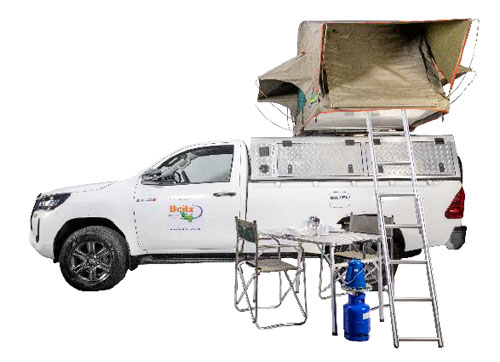
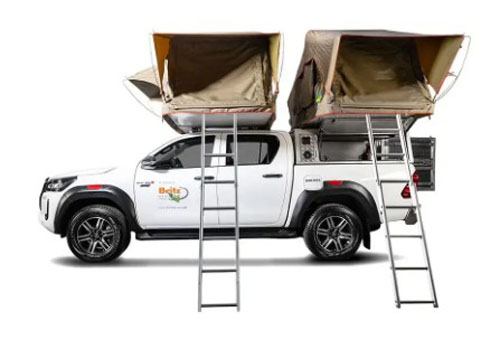
A 4x4 RV, such as a "4x4 Camper B - THOR" or "Discoverer FunXA 4x4," is truly necessary if you plan to venture into more remote national parks (e.g., specific gravel roads within Kruger, Kgalagadi Transfrontier Park, or deep into the Cederberg Mountains) or tackle unpaved, challenging roads, where higher clearance and all-wheel drive are crucial. Regardless of the RV type, ensure it has robust tires, and consider essential gear like at least one spare tire and basic recovery equipment (e.g., a high-lift jack, tow strap), particularly for remote travel where assistance may be far away. Bandana RV offers a range of options from compact campervans to larger motorhomes, allowing you to choose the perfect fit for your South African adventure, backed by our team of true RV specialists.
Can I take an RV rental across borders from South Africa?
Taking an RV rental from South Africa into neighboring countries is typically permissible, but it requires pre-approval from the rental company and specific documentation to avoid issues at border crossings. Most RV rental companies, including Bandana's partners, allow cross-border travel to countries like Namibia, Botswana, Lesotho, and Eswatini, but this must be arranged well in advance (often 2-4 weeks prior to pickup). Expect to pay additional cross-border fees (which can range from $100-$300 USD per country) and obtain specific documentation, such as a Letter of Authorization (LoA) from the rental company, which is legally required at all South African border posts. This letter confirms that you have permission to take the vehicle across international lines.
Ensure all necessary vehicle registration papers, insurance details (some policies may not cover international travel without prior arrangement), and your personal travel documents (passports, valid visas for each country you plan to visit, and an International Driving Permit (IDP) if your license is not in English) are in order for every country you plan to enter. Always double-check the specific requirements for each border crossing, as they can vary and change. Planning an extended road trip into Africa is an incredible experience, and with Bandana RV, we provide transparency and support for your journey.
What are some unique, less-traveled RV destinations in South Africa?
Beyond popular destinations like the iconic Garden Route or world-renowned Kruger National Park, South Africa offers a wealth of unique, less-traveled RV destinations for adventurous and culturally curious travelers. Explore the vast semi-desert landscapes of the Karoo for unparalleled stargazing and unique geological formations, such as the Valley of Desolation near Graaff-Reinet, offering a stark contrast to coastal routes. Venture into the rugged Cederberg Mountains (about 2-3 hours north of Cape Town) for spectacular sandstone rock formations, ancient San rock art, and remote hiking trails, perfect for a nature-focused RV trip that gets you off the beaten path.
Consider the Wild Coast in the Eastern Cape for its dramatic, rugged coastline, pristine beaches, and immersive Xhosa culture, offering a truly off-the-beaten-path experience, though roads can be challenging in some sections. Discover smaller, less-known nature reserves or charming local towns like Clanwilliam (famous for rooibos tea) or McGregor (known for its tranquility and local artisan community) to experience authentic local culture and unique landscapes, often with fewer tourists. Traveling slowly through these areas, as Bandana RV advocates (max 100-150 km per day), allows you to truly connect with the local environment and its hidden gems.
Top Cities for RV Rental in South Africa
South Africa offers several excellent starting points for your RV adventure, each providing access to different regions and attractions. Here are some top cities for cheap RV rental in South Africa:
- Johannesburg: As the largest city and a major international hub, Johannesburg offers the widest selection of RVs and motorhomes, acting as a gateway to Kruger National Park and the Drakensberg Mountains. Explore your options for RV Rental in Johannesburg.
- Cape Town: Known for its stunning Table Mountain, vibrant city life, and access to the Cape Winelands and the Garden Route, Cape Town is a popular choice for coastal and scenic adventures. Search for RV Rental in Cape Town or pick up directly from RV Rental in Cape Town - Airport.
- Durban: On the eastern coast, Durban provides access to the Indian Ocean beaches, the Zulu Kingdom, and the uKhahlamba-Drakensberg Park. Look into RV Rental in Durban or consider RV Rental in Durban - Airport for convenience.
- George: A central point along the famous Garden Route, George is ideal for exploring the Western Cape's lush forests, lagoons, and beautiful coastline.
- East London: Located in the Eastern Cape, this city offers a relaxed atmosphere and serves as a good base for exploring the Wild Coast and other Eastern Cape attractions. Compare options at RV Rental in East London - Airport.
For those planning a broader exploration of the continent, our RV Rental Africa - Complete Guide 2026 offers a comprehensive overview.
What You Shouldn't Miss
- Safari in Kruger National Park: Experience the thrill of spotting the Big Five in one of Africa's most iconic wildlife reserves, easily accessible with a rented motorhome and offering numerous well-equipped campsites.
- Driving the Garden Route: Embark on a scenic coastal journey along the N2 highway from Mossel Bay to Storms River, discovering charming towns, indigenous forests, and breathtaking ocean views.
- Table Mountain in Cape Town: Take the cable car or hike to the summit of Table Mountain for panoramic views of Cape Town, Lion's Head, and the Atlantic Ocean.
- Exploring the Drakensberg Mountains: Hike through dramatic peaks, discover ancient rock art, and immerse yourself in the stunning natural beauty of this UNESCO World Heritage site, offering diverse camping opportunities.
- Wine Tasting in Stellenbosch: Spend a day (or two!) exploring the historic towns and world-class vineyards of the Cape Winelands, just a short drive from Cape Town, enjoying exquisite wines and local cuisine.
Final Thoughts
Embarking on a cheap RV rental adventure in South Africa is an experience that combines incredible natural beauty with cultural richness, offering unparalleled freedom to explore this diverse country. By following these budget-friendly tips and being prepared for the road ahead, you can create a memorable and affordable journey, whether you're seeking wildlife, mountains, or pristine coastlines. Remember that Bandana RV is with you every step of the way, providing transparent pricing and expert support to make your dream trip a reality.
Imagine waking up to the sounds of the African bush, enjoying a fresh cup of coffee in your campervan, and setting off for another day of discovery, all while staying within your budget. Travel slowly, savoring every moment and truly connecting with the spirit of South Africa. Your unforgettable adventure awaits!
Discover top destinations and planning tips all in one place, and compare Motorhome Prices for South Africa today.