In This Guide
- Top 5 Tips for rv rental RV Rental in Denver
- Before You Book — Class, Dates, Insurance
- Pre-Trip Prep — Packing Checklist for Denver
- On the Road — Driving, Fueling, Navigation
- At the Campground — Setup, Hookups & Etiquette
- rv rental-Specific Tips for Denver
- Common Mistakes to Avoid in Denver
- What to know before renting an RV?
- How much to rent an RV for a week in Colorado?
Top 5 Tips for rv rental RV Rental in Denver
Your top priority for a budget-friendly motorhome trip in Denver is to balance advance planning with on-the-road flexibility to manage costs effectively. Imagine waking up to a crisp Rocky Mountain morning, coffee in hand, with a day of adventure ahead. That freedom starts with a bit of smart preparation. From navigating high-altitude driving to finding the best value campsites, a few key tips will transform your journey from good to unforgettable, all while keeping your wallet happy.
First, get familiar with Denver's elevation. At 5,280 feet, the "Mile High City" demands acclimatization for both you and your rented motorhome. Drink plenty of water in the days leading up to your trip and take it easy for the first 24 hours. Your RV's engine will also feel the altitude, potentially losing a bit of power on steep climbs, which is completely normal. Second, master basic mountain driving techniques before you head for the hills. Use lower gears on descents to save your brakes and give yourself plenty of room between you and the vehicle ahead. A detailed look at our "RV Rental Denver - Complete Guide 2026" can provide even more localized driving advice.
Third, plan your city logistics. While exploring Denver in a rented mobile home is a fantastic experience, know where you can park, resupply, and find services. Use apps to locate RV-friendly parking lots on the city's outskirts and consider using public transport to explore the downtown core. For finding campsites and campgrounds during your trip, we recommend using RV PLANET (rvplan.net) - a great resource for locating available spots along your route. Fourth, create a comprehensive budget. Ancillary costs like fuel, campground fees, propane, and groceries can add up. On the detailed RV PLANET routes, you can itemize and track every expense, which makes budgeting simple and transparent. Finally, be flexible with your campsite bookings. While it's wise to book key locations, remember many parks hold spots for first-come, first-serve arrivals, giving spontaneous travelers a great opportunity to find a place to stay. On the routes offered through RV PLANET routes, you can itemize and track every expense along the way for easy budgeting.
Before You Book — Class, Dates, Insurance
Choosing the right motorhome class, travel dates, and insurance for your Denver trip is the foundational step to ensuring a comfortable and worry-free adventure. The type of rented RV you select balances your need for space and amenities with maneuverability on mountain roads. For couples, a Class B campervan offers agility, while families often prefer a Class C motorhome with its separate sleeping areas and larger living space. Class A motorhomes provide the most luxury and room, and with careful driving, they are perfectly suitable for exploring Colorado's stunning landscapes.
When it comes to dates, flexibility is your best tool for saving money. Prices for motorhome rentals are dynamic, much like airline tickets. Traveling during the shoulder seasons of May, September, or October can offer significant savings compared to the peak summer months of June through August. You'll also find fewer crowds at popular spots like Rocky Mountain National Park. If you're flexible, use a comparison tool to check rates across a few different weeks to find the best deal. For more on finding deals, our "Cheap RV Rental in Denver - Budget Guide 2026" has plenty of tips.
Finally, understanding insurance provides crucial peace of mind. Basic liability coverage is always included with your rental. However, for traversing mountain passes and unpredictable weather, upgrading your coverage is a smart move. At Bandana, we believe in full transparency, so you'll see all your options clearly during the booking process. You can upgrade to a top-level deductible for extra peace of mind, which significantly reduces your financial responsibility in case of an accident. It's a small price to pay for a stress-free journey through the Rockies.
Pre-Trip Prep — Packing Checklist for Denver
A well-thought-out packing list tailored to Denver's unique climate is essential for a comfortable and budget-savvy RV trip. The key is to pack in layers. Denver's weather can change in an instant, with warm, sunny afternoons followed by cool evenings, especially as you gain elevation. Bring lightweight shirts, fleece jackets, and a waterproof outer layer. This allows you to adapt to temperature swings without overpacking. Also, don't forget sun protection: a hat, sunglasses, and sunscreen are non-negotiable at high altitudes where the sun is more intense.
While your motorhome rental comes equipped with a kitchen, stocking it smartly can save you a lot of money. Plan your meals in advance and do a big grocery shop before you leave the city. Packing basics like spices, cooking oil, coffee, and tea from home means you won't have to buy them on the road. For inspiration, check out our RV-friendly recipes playlist for easy and delicious meal ideas. A reusable water bottle for everyone in your group is also a must to stay hydrated in the dry climate.
Beyond clothes and food, consider your tech and safety gear. Download maps and route plans for offline use, as cell service can be spotty in the mountains. A portable power bank is great for charging devices when you're not hooked up at a campground. Finally, pack a basic first-aid kit with essentials for scrapes, blisters, and altitude sickness, along with any personal medications. Being prepared lets you handle minor issues yourself and get back to enjoying the adventure. Get inspired for your next trip!
On the Road — Driving, Fueling, Navigation
Navigating Denver's city streets and Colorado's mountain passes in a rented RV requires a bit of awareness but is entirely manageable with the right approach. In the city, the key is to be patient and observant. Drive slowly and carefully, and you can drive almost anywhere without issues. No need to stress - just use common sense and pay attention to road signs, especially those indicating bridge height clearances. When parking, look for larger lots at shopping centers or parks on the edge of downtown, like near Empower Field at Mile High, and consider using the light rail system to explore central areas like LoDo and the 16th Street Mall.
Once you head into the Rockies, embrace a slower pace of travel. We always recommend covering a maximum of 100-150 km per day on average. This gives you time to truly connect with the scenery and reduces driving fatigue. When descending steep grades, shift your automatic transmission into a lower gear (L, 2, or 3) to let the engine do the braking. This prevents your brakes from overheating and is the number one safety tip for mountain driving. Remember that your RV's fuel efficiency will decrease when climbing, so plan to refuel whenever you see a station and your tank is half-full.
For navigation, a multi-layered approach is best. While your smartphone's GPS is great, download offline maps for your entire route before you leave Denver, as cell service is unreliable in many mountain areas. An RV-specific GPS can be a helpful tool for routing around low clearances or sharp turns, but a classic paper road atlas is an invaluable, fool-proof backup. Plan a trip itinerary in advance with minimal effort and maximum enjoyment by using a dedicated planner like RV PLANET (rvplan.net), which helps you map out fuel stops, points of interest, and campgrounds all in one place.
At the Campground — Setup, Hookups & Etiquette
A smooth campground arrival and setup process is the perfect start to a relaxing evening after a day of exploring Denver's surroundings. The first rule upon arriving at your site is to park and level your rented motorhome before doing anything else. Use leveling blocks if the ground is uneven, and always secure the vehicle with wheel chocks. Once level and stable, you can extend any slide-outs and begin connecting your utilities. This simple sequence prevents stress on the slide-out mechanisms and ensures all your onboard systems function correctly.
When connecting to campground utilities (hookups), follow a specific order for safety and hygiene. First, connect your sewer hose to the campground's drain, ensuring a secure fit. Next, connect your fresh water hose, using a water pressure regulator to protect your RV's plumbing. Finally, plug in your electrical cord. Following this order prevents any potential cross-contamination and protects your electrical system from power surges. When you depart, simply reverse the process: unplug electrical, disconnect water, and then handle the sewer last.
Good campground etiquette ensures a pleasant stay for everyone. Be mindful of your neighbors by respecting quiet hours, which are typically from 10 PM to 7 AM. If you need to run your generator, do so only during designated hours and try to position your RV so the exhaust points away from your neighbors' sites. Keep your site tidy, dispose of all trash in the proper receptacles, and always follow the campground's rules regarding pets and campfires. A little consideration goes a long way in the friendly community of RV travelers.
rv rental-Specific Tips for Denver
Families renting a motorhome for a Denver adventure should look for models with dedicated sleeping spaces like bunk beds or a private rear bedroom. A Class C motorhome is often the perfect balance, offering an over-cab bunk for kids and ample living space. When planning your route, build in plenty of downtime and choose campgrounds with family-friendly amenities like playgrounds or swimming pools, such as the sites at Jellystone Park of Estes Park. Travel slowly and plan for shorter driving days to keep everyone happy and relaxed.
For couples or budget-conscious travelers, a Class B campervan rental can be an ideal choice. These nimble vehicles are easy to drive and park, making them perfect for navigating both city streets and winding mountain roads. They are also more fuel-efficient, which helps keep costs down. To save even more, seek out state park campgrounds like Golden Gate Canyon State Park, or explore dispersed camping options in nearby national forests. Apps can help you locate free water fill-ups and dump stations to minimize daily expenses. If you're looking for more ways to save, check out "RV Rental Deals in Denver - Latest Offers 2026".
Those seeking a high-end experience can opt for a "Luxury RV Rental in Denver - Premium Prices 2026". A luxurious Class A motorhome with multiple slide-outs, premium interiors, and residential-style appliances will elevate your trip. Pair it with a stay at a high-end RV resort like Tiger Run Resort in Breckenridge, which offers full hookups, concierge services, and stunning mountain views. No matter your travel style, consider a visit during the shoulder seasons of spring or fall. You'll find lower rental rates, fewer people, and beautiful scenery, though you should always be prepared for more variable weather in the mountains.
Common Mistakes to Avoid in Denver
The most common mistake first-time RV renters make in Denver is underestimating the effects of the high altitude. At over 5,000 feet, the thinner air affects both your body and your vehicle. To avoid altitude sickness, drink more water than you think you need and avoid strenuous activity for the first day. Be aware that your rented RV's engine will have slightly less power for climbing steep mountain roads; this is normal, so simply allow for extra time and don't push the engine too hard.
Another frequent error is failing to plan for RV-specific logistics within the city. Driving a large motorhome into the heart of downtown Denver can be stressful due to narrow streets and limited parking. Instead, a smarter strategy is to park at a large lot on the city's perimeter, such as near a light rail station like the one at Lincoln Station, and use public transportation to explore the central business district. This saves you the headache of navigating tight spaces and searching for oversized parking spots.
Ignoring mountain driving techniques is a mistake that can lead to unsafe conditions. Relying solely on your brakes during long, steep descents can cause them to overheat and fail. Always downshift to a lower gear and let the engine's resistance help control your speed. Finally, avoid the mistake of booking your rented motorhome or popular campsites too late, especially for a summer trip. While last-minute options exist, planning ahead gives you the best selection and prices. However, don't panic if you're a spontaneous traveler. Many campgrounds, even in national parks, keep a large portion of their sites as first-come, first-serve, so you can often find a spot by arriving early in the day.
What to know before renting an RV?
Before renting an RV for your Denver trip, it's essential to match the vehicle to your group's size and comfort level. You'll find three main types of motorhomes: Class A (large, bus-style), Class B (van-sized), and Class C (truck-chassis with an over-cab bunk). A standard car driver's license is sufficient for all of them, with no special permit required for drivers 21 and over. Consider where you plan to go; a smaller Class B is nimble for city streets, while a larger Class C provides more living space for families exploring the national parks.
Take time to understand the full cost and what's included. Our platform provides full transparency with no hidden fees, so what you see is what you pay. Check the daily mileage allowance and estimate your planned route to see if you need to purchase extra miles. Also, confirm what's included in the kitchen and linen kits, as this can vary by supplier. We partner directly with over 50 leading suppliers like Cruise America and El Monte, ensuring you can compare options and find the perfect fit for your budget. Planning a "Weekly RV Rental in Denver - Pricing 2026" can often provide better daily rates than shorter trips.
Finally, insist on a thorough walkthrough when you pick up your rented motorhome. Ask the station staff to demonstrate how to operate all the key systems: the generator, water hookups, sewer drainage, and control panel. Don't be shy about asking questions or taking videos on your phone for later reference. Knowing how everything works before you hit the road is the single best way to ensure a smooth, stress-free start to your Colorado adventure.
How much to rent an RV for a week in Colorado?
Renting an RV for a week-long trip in Colorado typically costs between $700 and $2,500, but the price is dynamic and changes based on the vehicle class, time of year, and how far in advance you book. A smaller Class B campervan might range from $100 to $200 per night, while a larger, family-friendly Class C motorhome could be $150 to $350 per night. Prices are generally highest during the peak summer season from June to August and lowest during the shoulder seasons of spring and fall.
🎬 Video coming soon
Beyond the base rental rate, you must budget for additional costs. Fuel is a major expense, with most motorhomes getting between 8-15 miles per gallon; for a week of exploring, a fuel budget of $300-$800 is a realistic estimate, acknowledging that mountain driving will consume more fuel. Campground fees vary widely, from free dispersed camping on public lands to $20-$40 per night at state parks and $50-$100+ at private RV resorts with full amenities.
Other potential costs include mileage overages (typically $0.30-$0.75 per mile beyond the included daily limit), generator use (sometimes charged hourly), and optional add-ons like kitchen kits or linen packages. To get the clearest picture, it's wise to use a comparison tool that shows the total price upfront, as Bandana does, ensuring no surprises at the rental counter. A "One-Way RV Rental in Denver - Price Guide 2026" can help you budget for trips that don't start and end in the same city.
What You Shouldn't Miss
A rented motorhome from Denver is your gateway to some of the most spectacular scenery in North America. Here are a few spots you absolutely shouldn't miss:
- Rocky Mountain National Park: Drive the Trail Ridge Road, the highest continuous paved road in North America, for jaw-dropping views and wildlife spotting opportunities. Park your RV at the Moraine Park Campground and use the park's free shuttle to explore the trailheads.
- Garden of the Gods: Just south in Colorado Springs, this National Natural Landmark features stunning red rock formations. The main loop road is RV-friendly, and nearby Cheyenne Mountain State Park offers excellent camping with views of the formations.
- Historic Mining Towns: Take a short drive west on I-70 to Idaho Springs or Georgetown. You can park your RV and explore the charming Victorian architecture, tour a historic gold mine, and feel the legacy of the Gold Rush.
- Red Rocks Amphitheatre: Even if you're not seeing a concert, this world-famous venue is a must-visit. The surrounding park has hiking trails with great views of the iconic red rocks and the Denver skyline. Parking for RVs is available in the upper lots on non-event days.
- Cherry Creek State Park: An oasis right in the Denver metro area, this park offers a large reservoir for boating and swimming, miles of trails, and a beautiful, modern campground with full hookups. It's the perfect basecamp for your first or last night.
Looking for expert insights from Avi Bandana? Top 5 Adventures — recommendations from Avi Bandana are a great place to start planning an unforgettable itinerary.
Professionally Planned Itineraries from Denver
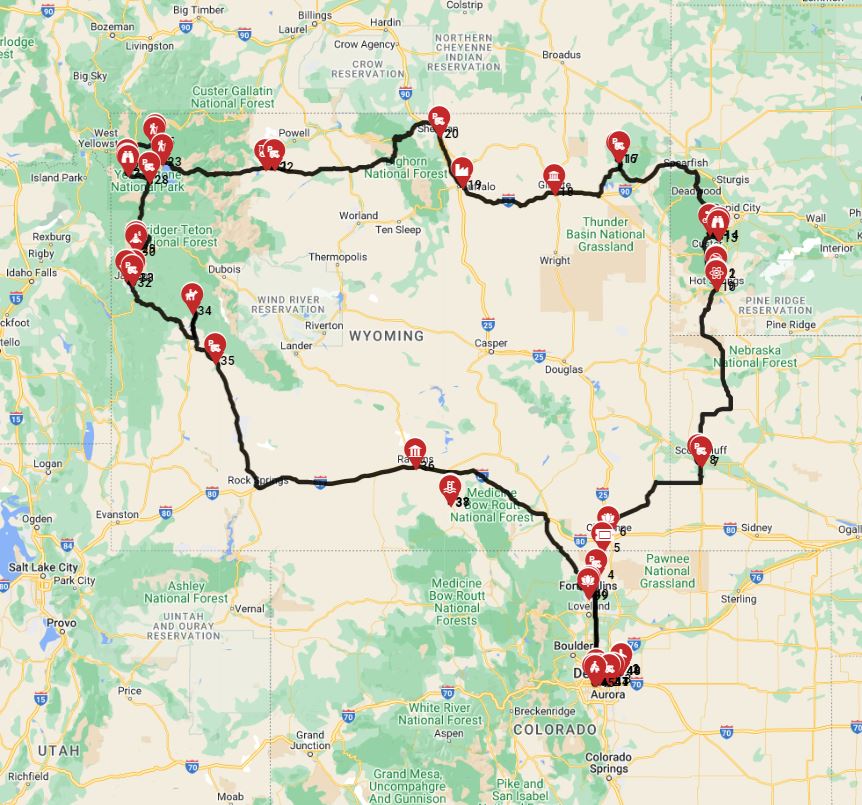
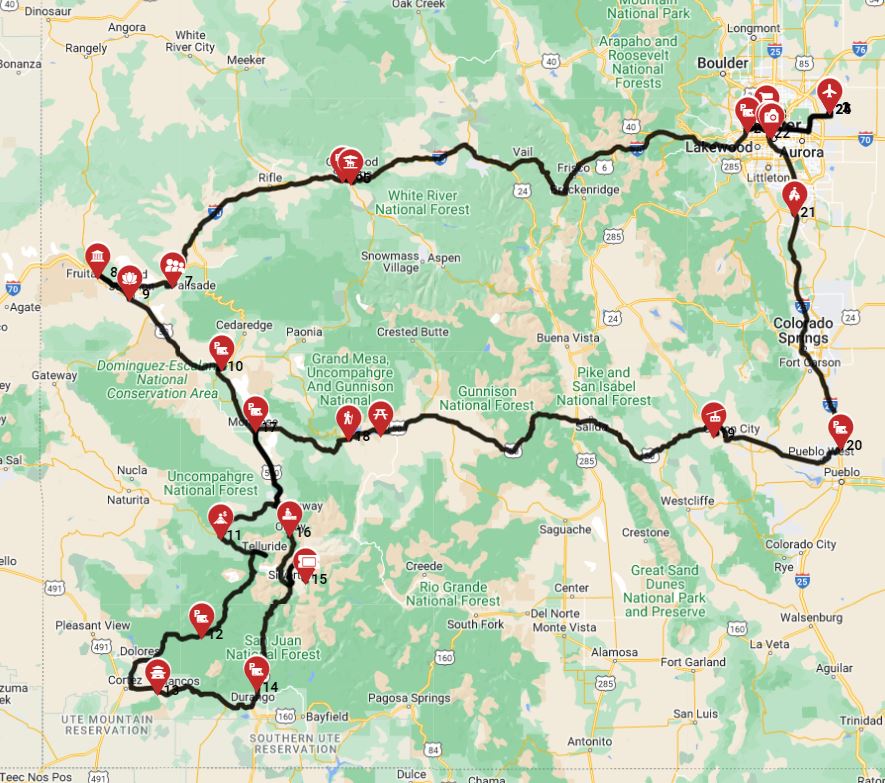
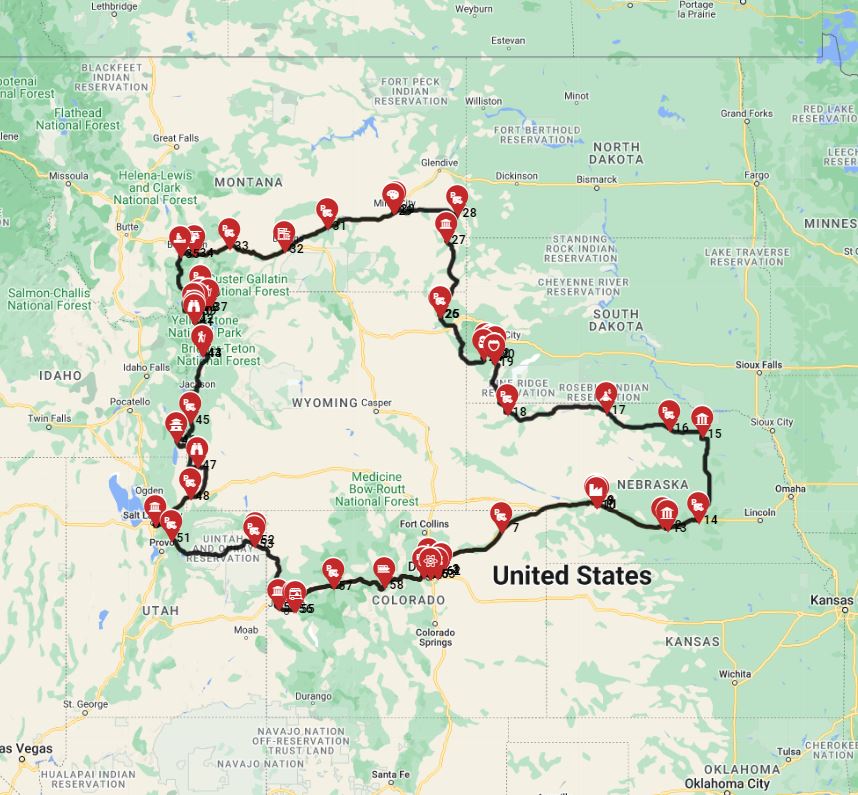
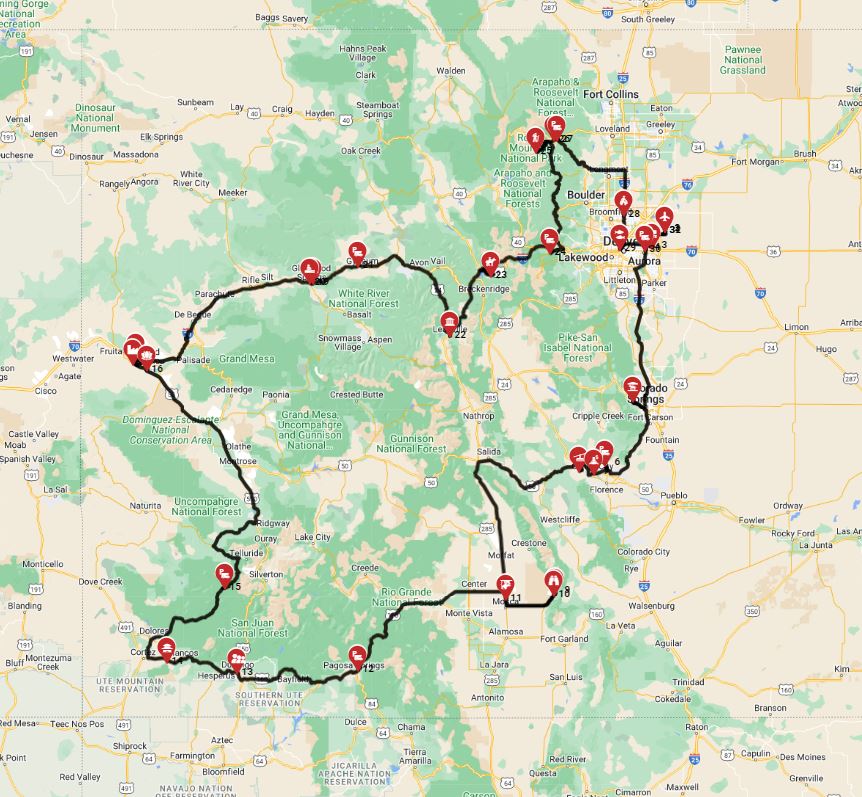
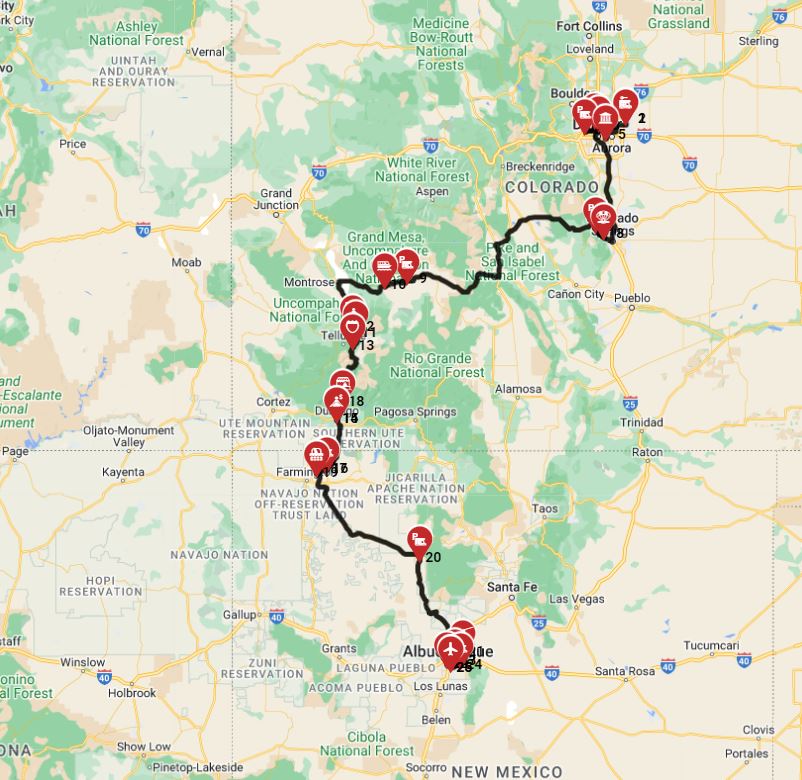
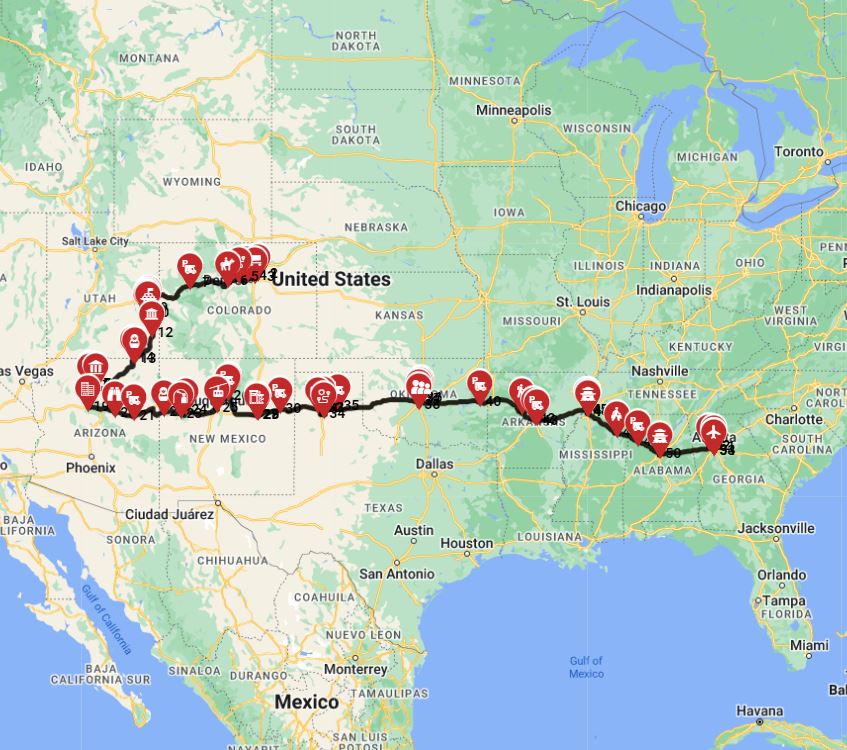
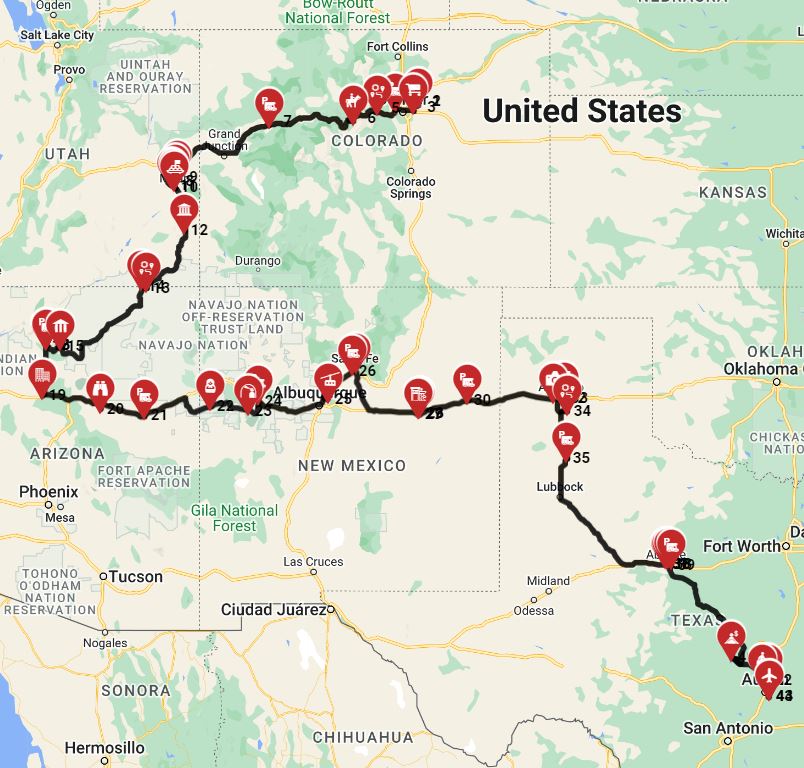
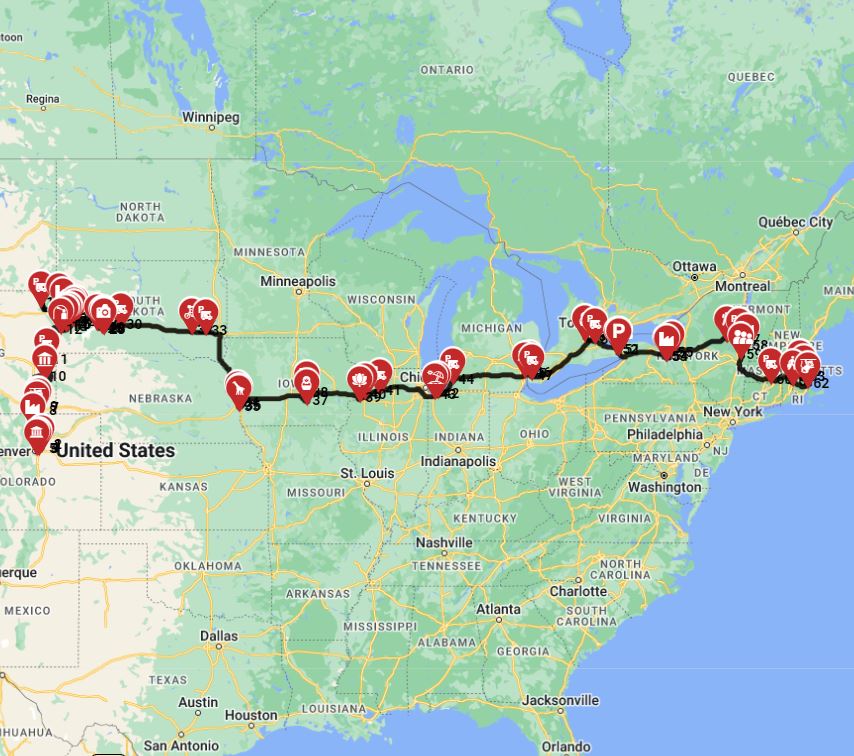
For a stress-free journey with all the highlights included, consider a pre-planned route. Our sister company, RV PLANET, has crafted incredible itineraries starting or ending in Denver, with every campsite, attraction, and driving day mapped out for you. Here are a couple of traveler favorites:
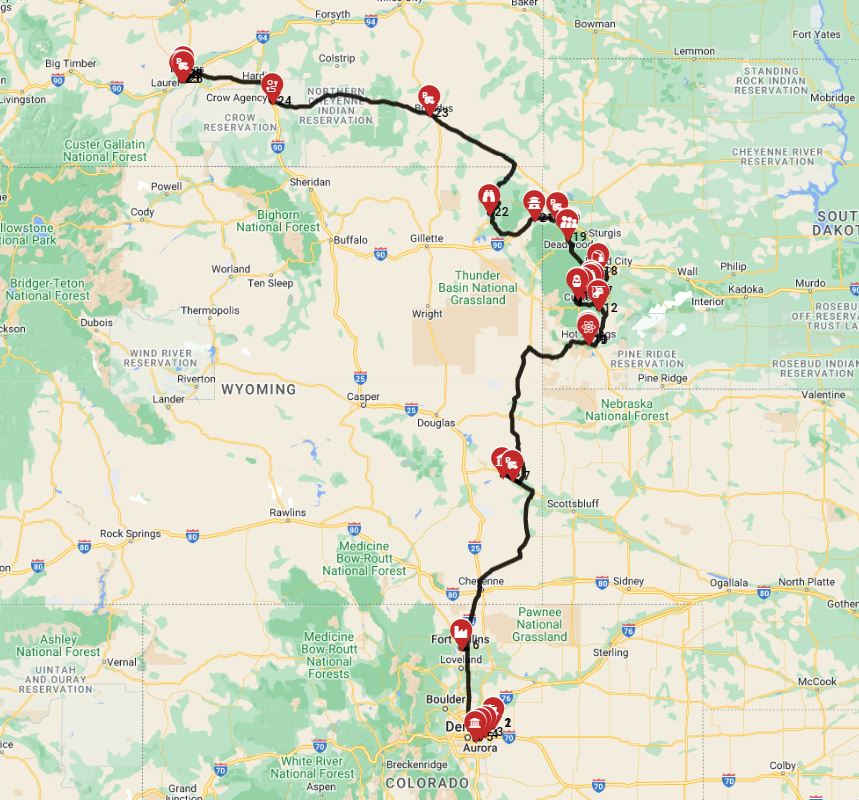
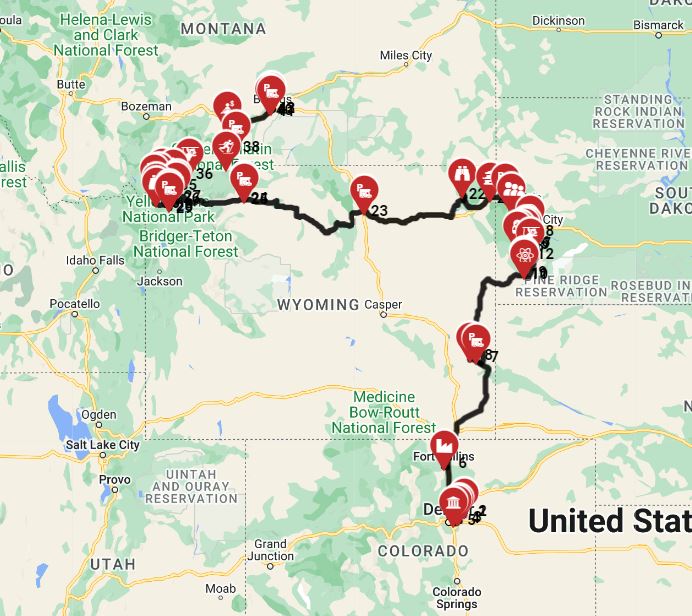
If you're coming from the north, the 13-day journey from Billings to Denver is a deep dive into the heart of the American West, featuring iconic national parks and historic sites.
Final Thoughts
Renting a motorhome in Denver is more than just a vacation; it's an invitation to freedom and discovery. It's about waking up to the smell of pine trees in the crisp mountain air, sharing stories around a campfire under a blanket of stars, and creating memories that will last a lifetime. With a little bit of planning and a spirit of adventure, you can navigate the stunning landscapes of Colorado affordably and with confidence.
At Bandana, we believe that God is in the small details, and we take care of them so you don't have to. From comparing prices transparently to offering expert advice, we're here to support you in planning your dream road trip. The Rocky Mountains are calling, and your mobile home base is ready and waiting. The open road is yours to explore.
Find Motorhome Rentals in Denver