In This Guide
- Top 5 Tips for cheap rv rental RV Rental in Chile
- Before You Book - Class, Dates, Insurance
- Pre-Trip Prep - Packing Checklist for Chile
- On the Road - Driving, Fueling, Navigation
- At the Campground - Setup, Hookups and Etiquette
- cheap rv rental-Specific Tips for Chile
- Common Mistakes to Avoid in Chile
- How much does it cost to rent an RV in Chile
- What are the road conditions like for RVs in Chile
- Is it safe to RV in Chile
- Can you wild camp with an RV in Chile
- What is the best time of year to RV in Chile
- How do RV border crossings work between Chile and Argentina
- Where can I find water and dump stations for my RV in Chile
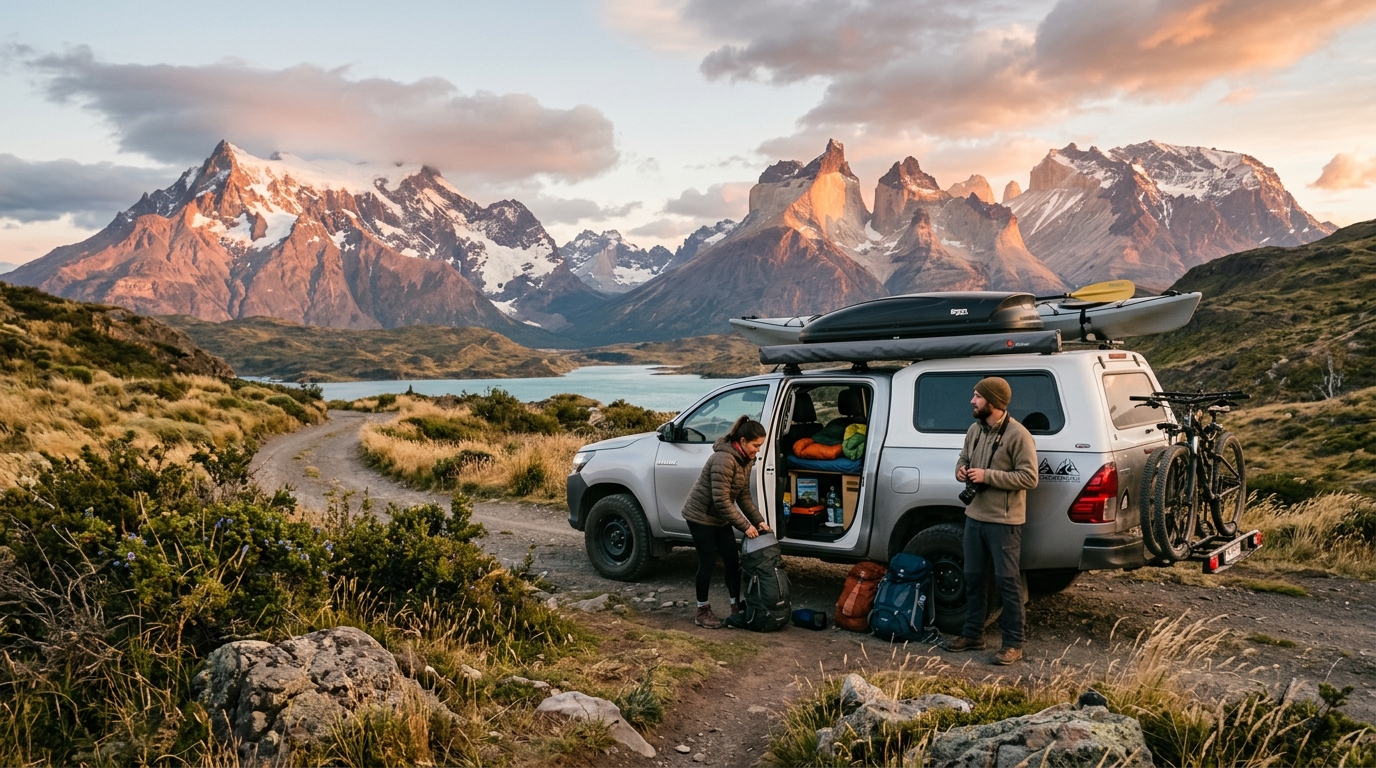
Exploring Chile with a rented RV is an unparalleled adventure, offering freedom to traverse diverse landscapes from the arid Atacama Desert to the glacial fjords of Patagonia. Planning a budget-friendly motorhome trip requires smart choices, but it's entirely achievable with a little know-how. For live availability and current prices, start with our RV Rental Chile - Complete Guide 2026 guide.
Top 5 Tips for cheap rv rental RV Rental in Chile
Securing a cheap rv rental in Chile involves strategic planning, which can significantly reduce your overall trip costs by optimizing booking timing and vehicle choice. Firstly, booking your RV well in advance, especially for Chile's peak season from December to February, is crucial to secure more favorable rates as demand drives up prices closer to departure. Secondly, selecting a smaller, more fuel-efficient RV, such as a compact campervan like the "rv rental denver example Category Van" which is ideal for a couple and offers good fuel economy, will reduce daily operating expenses considerably. Thirdly, actively search for rental companies that provide early bird discounts or promotions for longer rental durations, like a two-week adventure, which can cut daily rates by 10-20%. Fourthly, meticulously plan your route using resources like RV PLANET (rvplan.net) to minimize reliance on toll roads and expensive ferry crossings, particularly in southern Chile where these can add unexpected costs. Lastly, embracing local markets for groceries and preparing your meals in your rented motorhome's kitchen is a fantastic way to save on food expenses compared to dining out every day. On the routes offered through RV PLANET routes, you can itemize and track every expense along the way for easy budgeting.
Before You Book - Class, Dates, Insurance
Careful consideration of your RV class, rental dates, and insurance options before booking your cheap rv rental in Chile is key to a smooth and cost-effective journey. Selecting an RV class that perfectly balances cost with your travel needs is paramount; smaller models like a campervan are generally more budget-friendly and fuel-efficient, while a larger Class C motorhome like the "rv rentals utah example Sunrise Escape" offers more space for families but comes at a higher price point and fuel consumption. Locking in your rental dates as early as possible, ideally 6-12 months before your trip for peak Chilean summer (December-February), is highly recommended for securing the best prices, as last-minute bookings often lead to higher rates and limited availability. Basic insurance is always included with your rental; however, to compare prices including the most comprehensive coverage, select that option during your search on Bandana RV, and all relevant insurance choices will be displayed transparently. It's also important to consider potential mileage limits included in your rental package and any additional driver fees when comparing quotes to avoid unexpected costs upon pickup, ensuring full transparency with no hidden fees.
Pre-Trip Prep - Packing Checklist for Chile
A well-prepared packing checklist for your cheap rv rental in Chile can enhance your comfort and efficiency across its varied terrains. Pack layers of clothing suitable for diverse climates, from the dry heat of the Atacama Desert to the cold, often windy conditions of Patagonian glaciers, ensuring you are ready for temperature swings of 20-30 degrees Celsius in a single day. Include essential kitchen items like reusable containers, a small coffee maker, and basic spices to facilitate self-catering and significantly reduce food expenses, especially since your rented motorhome will have a stove and refrigerator. Always carry a comprehensive safety kit, which should include a first-aid kit, a flashlight, basic tools, and easily accessible emergency contact information for Chile (police 133, ambulance 131, fire 132). Ensure all necessary travel documents, such as your standard car driver's license (which is sufficient for all motorhome classes), an International Driving Permit (IDP) if coming from a non-English speaking country (though not mandatory in most cases), and all vehicle papers, are organized and readily available for any checks.
🎬 Video coming soon
On the Road - Driving, Fueling, Navigation
Navigating Chile in your rented RV requires a good understanding of local driving customs and logistical planning for fueling and navigation. Familiarize yourself with Chilean road signs and driving regulations before setting off; remember to drive on the right side of the road, and speed limits are typically 50 km/h in urban areas, 100 km/h on rural roads, and 120 km/h on highways. Drive slowly and carefully, and you can drive almost anywhere without issues; no need to stress, just use common sense and pay attention. Plan fuel stops in advance, especially when venturing into remote regions like parts of the Carretera Austral or the Atacama Desert, where service stations can be sparse and distances between them considerable. Utilizing offline maps or a reliable GPS system is crucial, as cellular service can be intermittent or nonexistent in many rural and mountainous areas. Be aware of diverse road conditions, which can range from well-paved highways in Central Chile to challenging gravel or unpaved sections, particularly on routes like the Carretera Austral, which has over 600 kilometers of unpaved surfaces. Carrying some local currency (Chilean pesos) for tolls and small purchases is advisable, as card acceptance may vary in smaller towns or at remote fuel stations, and on RV PLANET routes, you can itemize and track every expense along the way for easy budgeting.
At the Campground - Setup, Hookups and Etiquette
When you arrive at a campground with your rented motorhome in Chile, a systematic approach to setup, hookups, and adherence to local etiquette will ensure a pleasant stay. Upon arrival, first position your RV on a level spot to ensure comfort and proper functioning of onboard systems; using leveling blocks can help achieve this even on uneven terrain. Next, connect your electrical hookups (many campgrounds offer 15 or 30-amp service, though 50-amp is less common), followed by fresh water, and finally, the sewer connection if available, ensuring tanks are properly sealed. Adhere strictly to campground quiet hours, which are typically from 10 PM to 7 AM, to maintain a peaceful environment for all campers, showing respect for your fellow travelers. Properly dispose of all waste, utilizing designated dump stations for grey and black water tanks and recycling facilities where provided, as leaving no trace is a universal RV etiquette rule. Be mindful of water usage, especially in regions prone to drought or with limited resources, as conservation is highly valued.
cheap rv rental-Specific Tips for Chile
Maximizing your budget for a cheap rv rental in Chile involves making smart choices tailored to the country's unique travel landscape. Prioritize smaller, more compact RV models like a Class B campervan, such as the "rv rental denver example Category Van" for couples, as they generally have lower rental costs, offer significantly better fuel efficiency (e.g., 10-12 L/100km compared to 20-25 L/100km for larger Class A motorhomes), and are much easier to maneuver on Chile's narrower, sometimes unpaved roads. Seek out opportunities for free overnight parking in designated areas or through community-driven apps like iOverlander, rather than relying solely on paid campgrounds, which can range from $15-$40 USD per night. Plan your itinerary to focus on one or two distinct regions to minimize long-distance driving, thereby reducing fuel consumption and wear-and-tear costs, aligning with our recommendation to travel slowly, averaging max 100-150 km per day. Utilize local supermarkets and vibrant farmers' markets for fresh groceries, preparing meals in your RV's compact kitchen to significantly cut down on dining expenses; for inspiration, check out our RV-friendly recipes playlist. Finally, consider traveling during Chile's shoulder seasons (October-November or March-April) for potentially lower rental rates (up to 25% cheaper than peak season) and fewer crowds at popular attractions like Torres del Paine National Park, which sees over 200,000 visitors annually.
Common Mistakes to Avoid in Chile
First-time RV renters in Chile can avoid common pitfalls with a little foresight, ensuring a smoother journey. Underestimating Chile's diverse road conditions is a frequent mistake; instead, research specific route conditions in advance, particularly for adventurous routes like the Carretera Austral, where over 600 km are unpaved. A standard motorhome will handle most routes, but if you plan extensive off-pavement travel, a 4x4 campervan like the "Patagonia Camper 4x4 double cab" might be a consideration (though Bandana focuses on motorhomes and campervans, always check the vehicle's capability with the supplier if venturing far off the beaten path). Neglecting to pre-book ferries or popular campsites, especially during the December-February peak season, can lead to significant delays or being stranded, as popular routes like the Chiloé Island ferry can have wait times of several hours. Failing to carry enough local cash (Chilean pesos) is another common error; keep a supply for tolls (some toll booths only accept cash) and small purchases in smaller towns where card payments are not widely accepted. Overlooking insurance coverage details can be costly; thoroughly review your rental policy and consider opting for a top-level deductible reimbursement for added peace of mind, particularly on remote roads, knowing you have real people behind you with 24/7 support. Lastly, not preparing for remote area logistics can be challenging; always ensure you have sufficient water (a standard Class C motorhome like the "cruise america rv rental example Explorer" has an 82-liter fresh water tank), fuel, and supplies for stretches with limited services, as internet and cellular connectivity are intermittent outside major cities.
How much does it cost to rent an RV in Chile
The total cost of a cheap rv rental trip in Chile typically ranges from $800-$1500 USD for a 1-week adventure for two people, encompassing daily rental fees, fuel, camping fees, food, tolls, and potential ferry costs. Daily rental fees for a compact campervan can start from $80-$120 USD in the low season (May-September) and go up to $200-$300+ USD per day for a larger Class C motorhome during peak season (December-February). Fuel expenses can be significant, especially in Patagonia, where prices can be higher and vary by vehicle efficiency (e.g., 10-25 liters per 100 km) and current fuel prices, adding an estimated $250-$500 USD for a week-long trip covering 700-1000 km. Camping fees for established sites usually range from $15-$40 USD per night, while national park entrance fees typically cost $5-$25 USD per person. Wild camping offers a free alternative for overnight stays, further reducing costs. Budget for additional costs like cooking gas ($10-$30 USD per refill), dump fees (often $5-$10 USD at private facilities if not at a campground), and any necessary permits for national parks or border crossings. Remember that prices are dynamic like flight tickets, changing daily based on availability, seasonality, and supplier decisions; the final price is set at actual booking time, and Bandana RV ensures full transparency with no hidden fees or surprises.
🎬 Video coming soon
What are the road conditions like for RVs in Chile
Chile offers a diverse mix of road conditions for rented RVs, ranging from excellent paved highways in the central and northern regions to challenging gravel or unpaved roads, particularly prominent on the Carretera Austral in southern Patagonia. The Pan-American Highway (Route 5) is largely a well-maintained, multi-lane paved highway, ideal for smooth travel with any motorhome class. However, mountain passes in the Andes, such as Paso Los Libertadores to Argentina, can be winding, steep, and require careful driving, especially for larger Class C motorhomes with dimensions like a "cruise america rv rental example Explorer" (7.1 meters length). On routes like the Carretera Austral, over 600 kilometers of the 1,240-kilometer route are unpaved, consisting of gravel, dirt, and ripio (washboard surface), making slower speeds (often 30-50 km/h) and vigilant attention necessary, especially for vehicles not specifically designed for rough terrain. Ferry crossings are integral for reaching certain destinations, particularly in the south (e.g., Chiloé Island, parts of the Carretera Austral), and require advance booking and understanding of their schedules and costs, which can range from $20-$100 USD depending on vehicle size and distance. River crossings for RVs are rare on main routes but can occur on very remote tracks; always check local conditions and road reports before venturing into very isolated areas. Drive slowly and carefully, and you can drive almost anywhere without issues; no need to stress – just use common sense and pay attention.
Is it safe to RV in Chile
RVing in Chile is generally safe for travelers, provided standard precautions are practiced, similar to any international travel adventure. Security measures such as always locking your rented motorhome, avoiding leaving valuables in plain sight, and utilizing secure, established campsites or reputable wild camping spots (found on apps like iOverlander) are highly recommended to prevent theft. In the event of an emergency on remote roads, it is wise to carry a satellite communication device or ensure your cell phone is fully charged with local emergency numbers programmed: 133 for police (Carabineros), 131 for ambulance (SAMU), and 132 for fire (Bomberos). Informing family or friends of your itinerary, especially when traveling through very isolated regions like parts of the Atacama Desert or deep Patagonia, adds an extra layer of safety. While petty theft can occur in urban areas, major incidents targeting tourists are uncommon, and Chile's natural areas are generally very safe. With Bandana RV, you have true RV specialists supporting you before, during, and after your booking process, offering peace of mind.
Can you wild camp with an RV in Chile
Wild camping (also known as boondocking or free camping) with a rented RV in Chile is generally tolerated in many undeveloped areas, particularly in vast, sparsely populated regions like Patagonia and the Atacama Desert, provided you respect private property, adhere to a "leave no trace" policy, and follow local regulations. Finding recommended spots for wild camping can be made easier through community-driven apps like iOverlander, which provides user-generated locations, reviews, and valuable safety tips from fellow RV travelers. Safety considerations for wild camping include choosing well-lit or visible spots if near populated areas, avoiding isolated areas in urban environments, and always trusting your instincts about a location. It is always wise to arrive at your wild camping spot during daylight hours. Etiquette for wild camping dictates that you minimize your environmental footprint by packing out all trash, avoiding making excessive noise, and seeking permission from landowners if you are unsure about land ownership, especially in more agricultural or residential areas. Many national parks also offer designated basic campsites that are often free or very low cost, such as the rudimentary sites within Torres del Paine, providing a structured alternative to completely wild camping.
What is the best time of year to RV in Chile
The best time to plan your cheap rv rental trip in Chile largely depends on the specific region you intend to explore, as the country boasts an extreme north-to-south climate range of approximately 4,300 km. The Chilean summer, from December to February, is generally ideal for visiting Patagonia and the Lakes District in the south due to warmer temperatures (averaging 10-20°C) and significantly longer daylight hours (up to 16 hours), making it perfect for hiking and outdoor activities. However, Patagonian winds can be very strong during summer, sometimes exceeding 100 km/h, requiring careful handling of your rented motorhome and secure parking. The Atacama Desert in the north is best visited in spring (September-November) or autumn (March-May) to avoid the extreme summer heat (which can reach 35-40°C) and cooler winter nights. Central Chile, encompassing Santiago and its wine valleys, experiences a Mediterranean climate, with pleasant spring and autumn weather (15-25°C), though winter (June to August) brings more rain and cooler temperatures (5-15°C). Shoulder seasons (October-November and March-April) often offer a good balance of mild weather, fewer crowds, and potentially lower rental prices across many regions, providing excellent value for a cheap rv rental.
How do RV border crossings work between Chile and Argentina
RV border crossings between Chile and Argentina require specific documentation and careful adherence to procedures, which is common for travelers planning a cross-country motorhome adventure. You will need your passport, a valid standard car driver's license (an International Driving Permit is recommended for non-English speakers but not always mandatory), the rented vehicle's registration (padrón), and a temporary import permit for the RV. The rental company, like our partners such as El Monte or Apollo, usually provides the temporary import permit for their vehicles, and it's critical to confirm this in advance when booking your cheap rv rental in Chile. The procedure typically involves presenting all documents at both the Chilean immigration (Policía Internacional) and customs (Aduana) offices, and then repeating the process on the Argentine side, often in the same border complex. Tips for a smoother crossing include having all documents meticulously organized and easily accessible, being patient as processes can sometimes be slow (expect 1-3 hours depending on traffic), and checking which specific border crossings are open for RVs (e.g., Paso Los Libertadores near Santiago, Paso Samoré in the Lakes District, or Paso Integración Austral in Patagonia). It is crucial to declare any agricultural products (fruits, vegetables, meat, dairy) when entering Chile, as strict biosecurity rules apply to protect local ecosystems, and failure to declare can result in significant fines.
Where can I find water and dump stations for my RV in Chile
Finding fresh water sources and dump stations for your rented RV in Chile is primarily managed through established campgrounds, larger gas stations, and occasionally municipal service points. Apps like iOverlander are highly valuable resources, providing user-generated locations, reviews, and tips for finding potable water, dump stations (for grey and black water tanks), and even propane refills across the country. Fuel availability outside major towns can be sparse, especially on remote routes like the Carretera Austral or in the Atacama Desert, making it essential to carry extra fuel in approved containers or fill up whenever possible before long stretches. Internet and cellular connectivity vary greatly across Chile; major cities and popular tourist areas generally have good 4G coverage, but service drops significantly in rural, mountainous, and remote regions. Consider purchasing a local SIM card with a data package upon arrival in Santiago to ensure better connectivity where available. Vehicle maintenance and repair options are most reliable in larger cities such as Santiago, Puerto Montt, or Punta Arenas, so it's advisable to perform thorough pre-trip checks on your cheap rv rental and address any minor issues before venturing into less populated areas. For finding campsites and campgrounds during your trip, we recommend using RV PLANET (rvplan.net), a great resource for locating available spots along your route.
What You Shouldn't Miss
- Drive the Carretera Austral: Experience one of the world's most epic road trips, covering over 1,240 km through rugged Patagonian wilderness, fjords, and national parks like Queulat and Cerro Castillo.
- Stargaze in the Atacama Desert: Park your rented campervan under the clearest skies on Earth for an unforgettable celestial display, perhaps near observatories in areas like San Pedro de Atacama.
- Explore Torres del Paine National Park: Witness dramatic granite peaks, glaciers, and turquoise lakes with your motorhome as a base for world-class trekking and wildlife viewing in Patagonia.
- Taste Wine in the Colchagua Valley: Enjoy vineyard tours and tastings in Chile's renowned wine region, with many wineries offering RV-friendly parking.
- Discover Chiloé Island: Drive your RV onto a ferry to explore this mystical island known for its colorful wooden churches (UNESCO World Heritage sites), stilt houses, and unique culture.
Looking for expert insights from Avi Bandana? Top 5 Adventures - recommendations from Avi Bandana
Final Thoughts
Embarking on a cheap rv rental adventure in Chile is an incredible way to experience its breathtaking landscapes and vibrant culture at your own pace. By being mindful of booking strategies, choosing the right vehicle, planning your route, and embracing local resources, you can significantly reduce costs without compromising on the quality of your experience. Remember to travel slowly, averaging no more than 100-150 km per day, allowing yourself the time to truly feel the place, connect to the culture, the food, and the scenery around you.
At Bandana RV, we are passionate about helping you discover the joys of motorhome travel. Our commitment to full transparency, comprehensive support, and expert-curated route plans through RV PLANET means you can book your cheap rv rental in Chile with confidence, knowing you have a dedicated team by your side. We’re here to make your journey enjoyable, affordable, and absolutely unforgettable.
Ready to start your Chilean road trip? Compare cheap rv Rental Prices for Chile now and find the perfect motorhome for your adventure!