In This Guide
- Can You Drive an RV in Toronto? License & Age Rules
- Road Conditions & Terrain in Toronto
- RV Size Limits, Bridges & Restricted Zones
- Fuel: Diesel vs. Petrol & Cost per 100 km
- Tolls, Vignettes & Border Rules
- Driving Tips for cheap rv rental Travelers
- Recommended RV Class for Toronto Roads
- Should I Choose a Compact Van Instead of a Large RV in Toronto?
- Can I Park Anywhere? Free & Wild Camping Rules in Toronto
- Can I Drive an RV Into the City Center? Heights, Tunnels & Local Signage
- What is the new RV law in Ontario?
- Can Americans RV in Canada?
- Can you park an RV on the street in Toronto?
- What is the 3-3-3 rule for RVs?
- Do they search your RV at the Canadian border?
- Can I sleep in RV while driving?
- Does Costco Canada have RV insurance?
Embarking on an RV adventure in Toronto means combining the excitement of city exploration with the freedom of the open road, all while keeping a keen eye on your budget. Imagine the convenience of having your accommodation and kitchen on wheels as you explore iconic landmarks like the CN Tower, roam through the historic Distillery District, or venture out to the scenic Niagara Escarpment. With a rented RV, you unlock a unique way to experience the vibrant pulse of Toronto and the natural beauty of Ontario.
At Bandana Caravan, we believe in full transparency, which is why we clearly outline all costs and policies upfront, ensuring no hidden fees or surprises. We've been helping tens of thousands of travelers explore the world by RV since 2001, offering direct partnerships with 50+ leading RV suppliers worldwide, including trusted names like El Monte, Cruise America, Apollo, and Britz. Our expertise means you're in good hands from the moment you start comparing prices to the end of your unforgettable journey. For live availability and current prices, start with our RV Rental Toronto - Complete Guide 2026 guide.
Can You Drive an RV in Toronto? License & Age Rules
Yes, you can absolutely drive a rented RV in Toronto, and generally, most motorhomes under 11,000 kg (24,250 lbs) can be operated with a standard G class license for Ontario residents. Visitors from other regions can use their valid home license for up to three months, or an International Driving Permit (IDP) alongside their foreign license for longer stays, though an IDP is recommended but not mandatory in most cases. The minimum age for an RV rental in Toronto is typically 21 years old across our suppliers, with no additional young driver surcharges or vehicle class restrictions based on age, making it accessible for a wider range of adventurers. Even larger Class A motorhomes are covered by a standard license in Canada, so you won't need any special permits or a Commercial Driver's License (CDL).
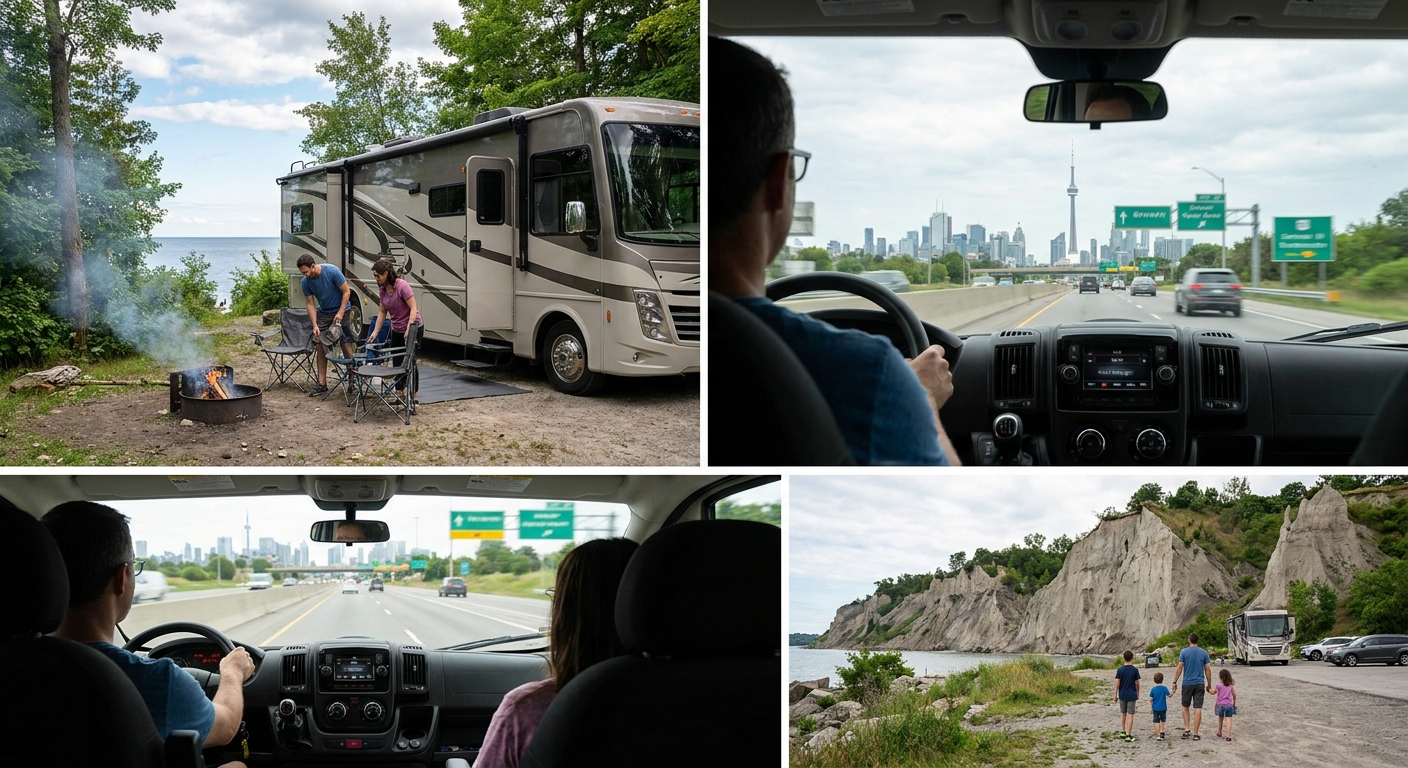
Heavier RVs exceeding 11,000 kg or those equipped with air brakes may necessitate a higher class license in Ontario, such as an A, D, or Z endorsement, though these are uncommon for typical rental motorhomes. We recommend reviewing the specific requirements of your chosen motorhome class, but rest assured, a standard driver's license is sufficient for the vast majority of our rental fleet. Our goal is to make your RV planning as smooth as possible, providing true RV specialists who genuinely know the ins and outs of motorhome travel.
Road Conditions & Terrain in Toronto
Toronto's road conditions are predominantly paved, though travelers should expect dense urban traffic, occasional potholes, and active construction projects, especially on major arteries like the Gardiner Expressway or along Yonge Street. The terrain across Toronto and the Greater Toronto Area (GTA) is generally flat, presenting few challenges related to steep inclines or mountainous driving for RVs, making it a relatively easy city to navigate. Navigating city streets requires heightened vigilance due to frequent intersections, numerous traffic signals, and significant pedestrian and cyclist activity, particularly in popular areas like downtown or around Kensington Market. Drive slowly and carefully, and you can drive almost anywhere without issues. No need to stress - just use common sense and pay attention.
For finding campsites and campgrounds during your trip, we recommend using RV PLANET (rvplan.net) - a great resource for locating available spots along your route. You'll often find that many national and state parks reserve only 25-30% of their spots for advance booking, with the rest available on a first-come, first-served basis, meaning you'll find a spot; if not at the first campground, then the next one. Just remember to call ahead before driving.
RV Size Limits, Bridges & Restricted Zones
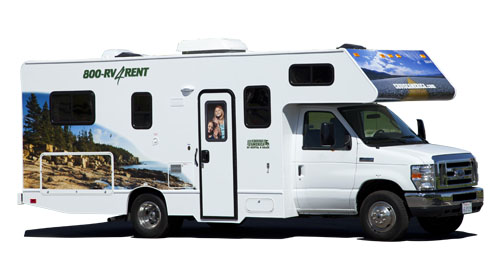
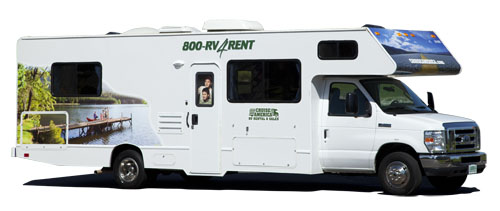
While no blanket RV size limits prohibit general driving in Toronto, drivers must strictly adhere to all posted height and weight restrictions, particularly for bridges, underpasses, and multi-level parking structures. Low bridges are a concern in specific older city districts and industrial areas, such as those found around the Don Valley Parkway exits or certain routes in the Port Lands; always consult signage for clearance heights. For example, a "cruise america rv rental example Explorer" Class C motorhome, measuring around 7.1 meters long, will need careful attention to overhead clearances. Toronto currently does not implement specific environmental or low-emission zones that would restrict RV access based on vehicle emissions standards, offering greater freedom for your rented motorhome.
Before heading out, a quick check of your specific RV's dimensions and a review of your planned route on a GPS or navigation app that includes RV-specific data can save you from unexpected detours. For instance, routes around the historic Queens Quay area, while scenic, might have narrower sections requiring extra caution. We believe in being supportive before, during, and after your booking, so don't hesitate to consult our resources for guidance on navigating specific areas.
Fuel: Diesel vs. Petrol & Cost per 100 km
RV rentals in Toronto typically operate on either petrol (gasoline) or diesel fuel, with fuel consumption being a key factor in your budget. Smaller Class B Camper Vans and Class TC Truck Campers, like a "rv rental denver example Category Van" or a "Patagonia Camper 4x4 double cab," generally consume around 11–17 Liters/100 km. Larger Class C Alcove motorhomes, such as a "rent a motorhome example CA-25" or a "camper for rent example Big Six," average 25–30 Liters/100 km, while a particularly large Class A motorhome like "MHLUX" could consume even more. Both petrol and diesel are readily available at service stations throughout Toronto and across Ontario, including major chains like Esso, Shell, and Petro-Canada, which are abundant along highways like the 401 and within city suburbs.
Budget for fuel costs of approximately CAD $1.60-$1.80 per liter, though prices are dynamic and can fluctuate daily based on global markets and local taxes. For an RV consuming 25 L/100km, this translates to about $40-$45 per 100 km in fuel expenses. Some rental companies may offer fuel discount cards or mileage packages, which can help offset running costs during your trip. When planning your route itineraries, remember that RV PLANET routes allow you to itemize and track every expense along the way for easy budgeting. RV PLANET routes are an invaluable resource for this, helping you keep track of all ancillary costs beyond the rental itself. On the routes offered through RV PLANET routes, you can itemize and track every expense along the way for easy budgeting.
Tolls, Vignettes & Border Rules
Ontario's Highway 407 ETR (Express Toll Route) is a prominent electronic toll highway to be aware of, especially when traversing the Greater Toronto Area east or west, as it operates entirely without toll booths and uses license plate recognition. No vignettes are necessary for RV travel in Ontario or Canada; tolls are typically applied on a pay-per-use basis on specific roadways, mainly the 407 ETR, and bills are usually sent to the rental company who then forwards the charge to you, often with an administrative fee. When crossing the Canada-US border in your rented motorhome, RVs are subject to standard customs and immigration protocols, and it's essential to have all passenger passports, vehicle registration, and rental agreement documents readily available.
Some rental providers, especially those offering one-way rentals to or from the USA, may offer pre-purchased toll passes for renter convenience, which can simplify your journey and potentially save on administrative fees. Our One-Way RV Rental in Toronto - Price Guide 2026 offers more details on cross-border travel logistics. Always check with your specific rental supplier regarding their policies for toll roads and border crossings before your trip to ensure a smooth, surprise-free experience. As true RV specialists, we ensure full transparency in all our booking processes, so you'll know exactly what to expect.
Driving Tips for cheap rv rental Travelers
Planning your route carefully is crucial for cheap RV rental travelers in Toronto; utilize RV-specific GPS or navigation apps to proactively avoid potential hazards such as low bridges near the Don River, excessively narrow streets in older neighborhoods like Cabbagetown, and challenging turns within Toronto's dense urban core. Schedule regular breaks every 2-3 hours to mitigate driver fatigue, allowing passengers to stretch and explore attractions like High Park or Scarborough Bluffs. Actively monitor fuel levels, especially when venturing north of Toronto into less populated regions of Ontario where gas stations may be less frequent than in the city.
Before navigating busy Toronto parking lots, such as those at Woodbine Beach, or setting up at campgrounds like Glen Rouge Campground, practice parking and backing up your rented RV in a spacious, empty area. Remember that in Canada, vehicles drive on the right side of the road; always maintain safe following distances and be prepared for assertive urban driving habits, particularly on busy routes like Lake Shore Boulevard or the Don Valley Parkway. Travel slowly, max 100-150 km per day on average, to truly take time to feel the place, connect to the culture, the food, and the scenery. For additional insights on exploring the city, check out the RV Travel Guide to Toronto - Tips and Top Spots 2026.
Recommended RV Class for Toronto Roads
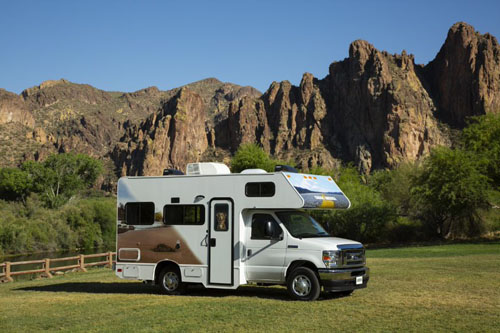
For optimal navigation of Toronto's urban landscape while maintaining comfort, a Class B Camper Van or Class TC Truck Camper is generally recommended due to their compact size and maneuverability. Class B Camper Vans, like the "rv rental denver example Category Van" at approximately 6.3 meters in length, and Class TC Truck Campers, averaging 6 meters, offer superior agility and easier parking options compared to larger RV units. These more compact classes provide adequate amenities for 2-3 adults and typically consume less fuel, ranging from 11–17 Liters/100 km, in contrast to larger Class C Alcoves (averaging 8.2m) like the "MH-B" motorhome which consumes 25-30 L/100km.
However, keep in mind that even larger Class C motorhomes, such as a "cruise america rv rental example Explorer" (7.1m long), can be driven in Toronto with a bit more planning and careful attention to routes. The choice truly depends on your comfort level, the number of travelers (families of 4-6 might prefer the extra space of a Class C like a "Category Family 5" which offers a full kitchen with a 3-burner stove and a 103-liter refrigerator, perfect for preparing RV-friendly recipes from our RV-friendly recipes playlist), and the duration of your trip. We offer top-level deductible reimbursement, an optional upgrade, to ensure you travel with peace of mind regardless of your chosen vehicle size.
Should I Choose a Compact Van Instead of a Large RV in Toronto?
While a compact campervan certainly offers enhanced maneuverability and simpler city parking in Toronto, most RV sizes can be driven in the city with diligent planning, and the increased comfort and indoor space of a larger motorhome often outweigh minor maneuverability trade-offs for longer journeys. Compact vans, like a "luxury rv rentals example Carthago Malibu 600" (5.99m long), excel in extremely tight historic centers or very narrow thoroughfares, though Toronto's primary roadways are typically wide enough to accommodate larger RVs. For families of 4-6 people or those planning an extended week-long trip, a larger RV like a Class C Alcove offers significantly more living space, amenities such as separate shower and toilet, and storage, which can greatly enhance the overall travel experience despite slightly more challenging urban driving scenarios.
Ultimately, the best choice for your cheap RV rental in Toronto depends on your travel style and group size. A "Category Small AT" Class SI motorhome might suit a couple seeking comfort but wanting easier parking, while a "Comfort Family Select" Class C motorhome could be perfect for a family needing multiple sleeping areas and a spacious dining area. Remember, drive slowly and carefully, and you can drive almost anywhere without issues. No need to stress - just use common sense and pay attention. We are true RV specialists, ready to help you compare final prices and find the perfect motorhome or campervan for your adventure.
Can I Park Anywhere? Free & Wild Camping Rules in Toronto
Free camping or "wild camping" is generally not permitted within Toronto city limits or on public streets; overnight RV parking is restricted to designated campgrounds or private properties with express permission. For legal overnight accommodation, travelers should prioritize booking stays at established RV parks and campgrounds within the Greater Toronto Area (GTA), such as Glen Rouge Campground in Scarborough, which offers electrical hookups and proximity to public transit for city access, or further out at Indian Line Campground near Toronto Pearson International Airport. Always verify local municipal bylaws for current parking restrictions before attempting to park your rented motorhome.
Outside of Toronto, Crown Land camping is permissible in some areas of Ontario, subject to specific regulations and a 21-day limit for non-residents, but such sites are typically not found in close proximity to major urban centers. For finding detailed information on campsites and their amenities, rvplan.net is an excellent resource. This ensures you’ll always find a spot, and if not at the first campground, then the next one. It’s always a good idea to call ahead before driving to confirm availability and current fees.
Can I Drive an RV Into the City Center? Heights, Tunnels & Local Signage
Yes, you can generally drive a rented RV into Toronto's city center, but it necessitates careful observance of all local signage, especially concerning height restrictions for tunnels and underpasses like those along the Gardiner Expressway or near Union Station, and potential weight limits on certain bridges. Be particularly mindful of busy one-way streets, active tram lines on routes like Queen Street West or King Street, and pedestrian-heavy zones, which can complicate navigation for larger vehicles. Always pay close attention to posted height clearances, especially for parking garage entrances in downtown Toronto, which are typically too low for most motorhomes, and construction zones, which are common.
For a smoother experience, consider parking your RV at an RV-friendly lot on the city outskirts, such as the parking lots near the ferry terminal for the Toronto Islands, and then utilizing Toronto's extensive public transit system (TTC) to explore the downtown core. This strategy allows you to enjoy city attractions like the CN Tower and Ripley's Aquarium of Canada without the stress of urban RV maneuvering. Drive slowly and carefully, and you can drive almost anywhere without issues. No need to stress - just use common sense and pay attention to signs and surroundings. Finding a cheap RV rental in Toronto doesn't mean sacrificing comfort, but rather smart planning.
🎬 Video coming soon
What is the new RV law in Ontario?
As of 2026, there isn't one singular "new RV law" that has dramatically altered RV operation in Ontario, but regulations are continuously updated, and drivers should stay informed of changes in the Highway Traffic Act and municipal bylaws. Recent legislative discussions and updates often focus on areas such as distracted driving, impaired driving, and specific bylaws pertaining to overnight parking or camping in both urban and rural settings. RVers should primarily concentrate on adhering to existing license requirements, practicing safe driving, and complying with local parking ordinances relevant to their specific RV class, such as those governing residential streets in Toronto.
For example, new bylaws regarding noise or waste disposal in certain areas might impact how and where you can stop your motorhome. Always refer to official government of Ontario sources for the most current information. We, as true RV specialists, keep abreast of general regulations that impact your rental experience and communicate important updates to ensure you have a transparent and enjoyable trip. Your journey should be about exploration, not bureaucratic headaches.
Can Americans RV in Canada?
Yes, Americans can absolutely RV in Canada, provided they fulfill standard entry requirements for visitors, which include possessing a valid passport, and comply with all Canadian customs and immigration laws. Ensure your RV insurance policy extends coverage for driving in Canada; many US policies do, but it is crucial to confirm this and ideally obtain a Canadian Non-Resident Inter-Provincial Motor Vehicle Liability Insurance Card (often referred to as a "yellow card") from your insurer, which proves you have sufficient coverage. Be prepared to present vehicle registration, proof of ownership, and any necessary permits, especially if the RV is a rental or not personally owned. Most rental suppliers like Cruise America or El Monte will provide all necessary documentation for border crossings.
Be aware of Canadian regulations on prohibited items when crossing the border in your rented motorhome; for instance, certain food items, firearms, or excessive alcohol/tobacco are restricted or require declaration. For detailed and up-to-date information on border rules and duty-free allowances, consult the Canada Border Services Agency (CBSA) website before your trip. Our support team is available before and during your booking to help clarify any general pre-trip requirements, embodying our commitment to being supportive every step of the way.
Can you park an RV on the street in Toronto?
Parking a rented RV on the street in Toronto for extended durations or overnight is generally prohibited by municipal bylaws, primarily due to vehicle size restrictions and the city's residential parking permit system. Short-term parking for tasks like loading or unloading might be permitted in some specific areas, but drivers must always meticulously check posted signs for time limits, permit requirements, and vehicle size restrictions. For example, parking a Class C motorhome like an "Explorer" around Toronto's downtown core can be challenging and costly due to limited spots and high fees.
For any overnight stays, it is strongly advised to utilize designated RV parks, private campgrounds, or secure private lots located outside the immediate city core. Glen Rouge Campground on the eastern edge of the city is a popular option, offering amenities and transit access to downtown. Failure to comply with parking regulations can result in significant fines or even towing, adding unnecessary stress and expense to your cheap RV rental in Toronto. For broader information on camping in the province, refer to RV Rental Ontario - Complete Guide 2026.
What is the 3-3-3 rule for RVs?
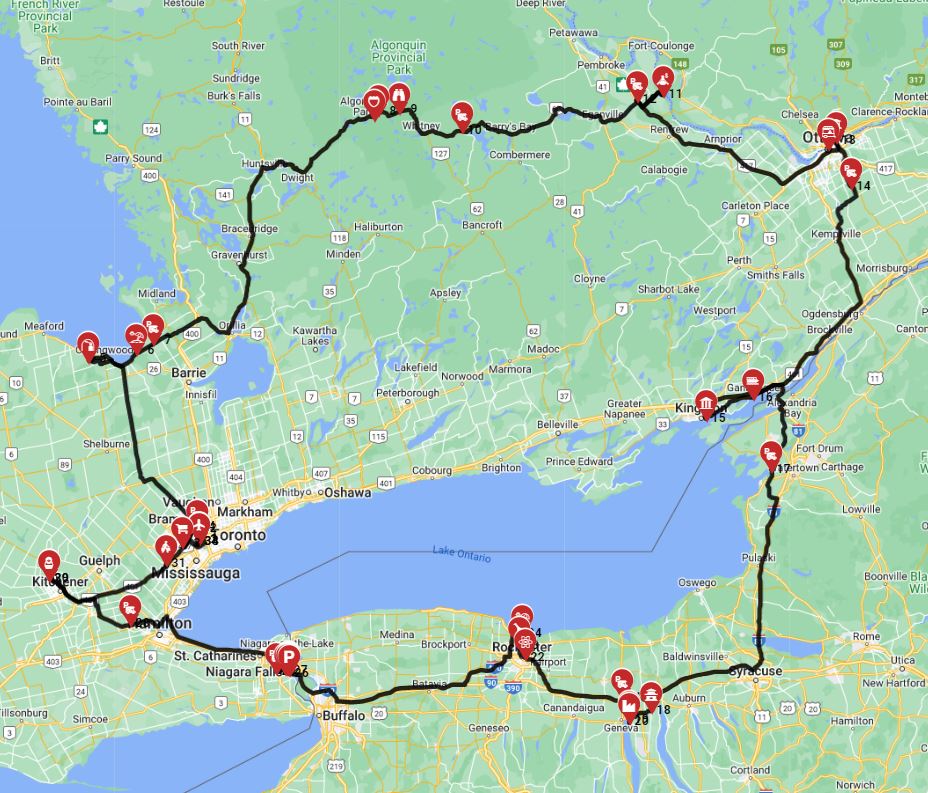
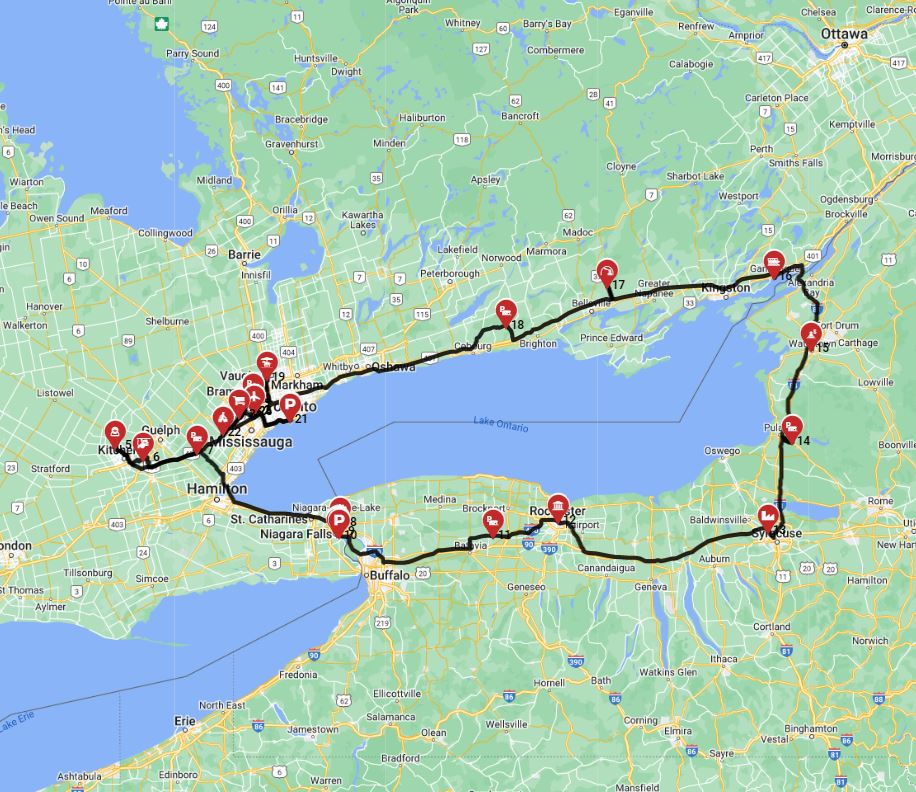
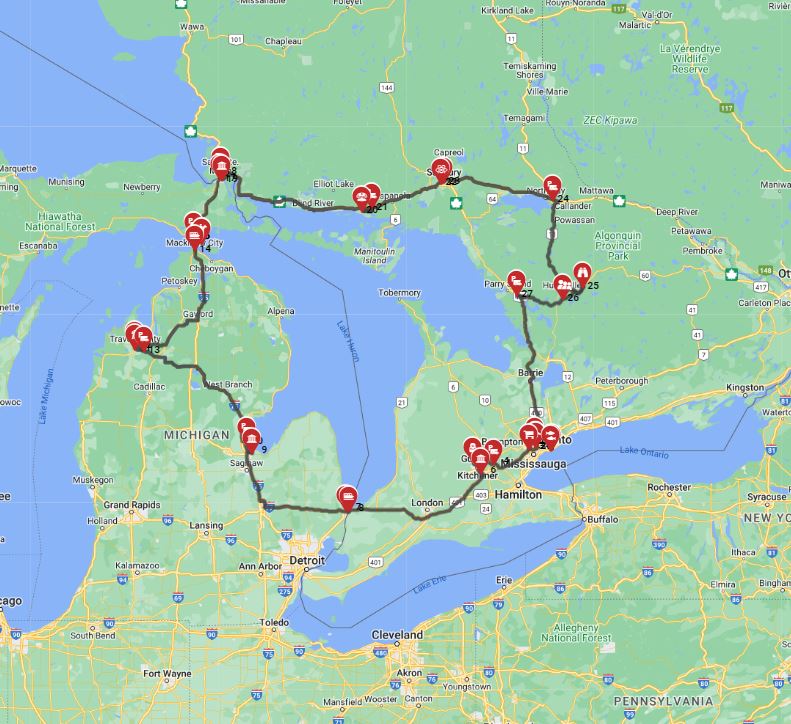
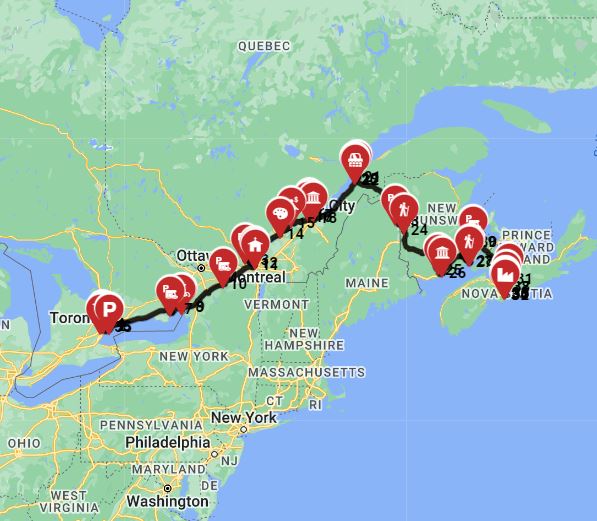
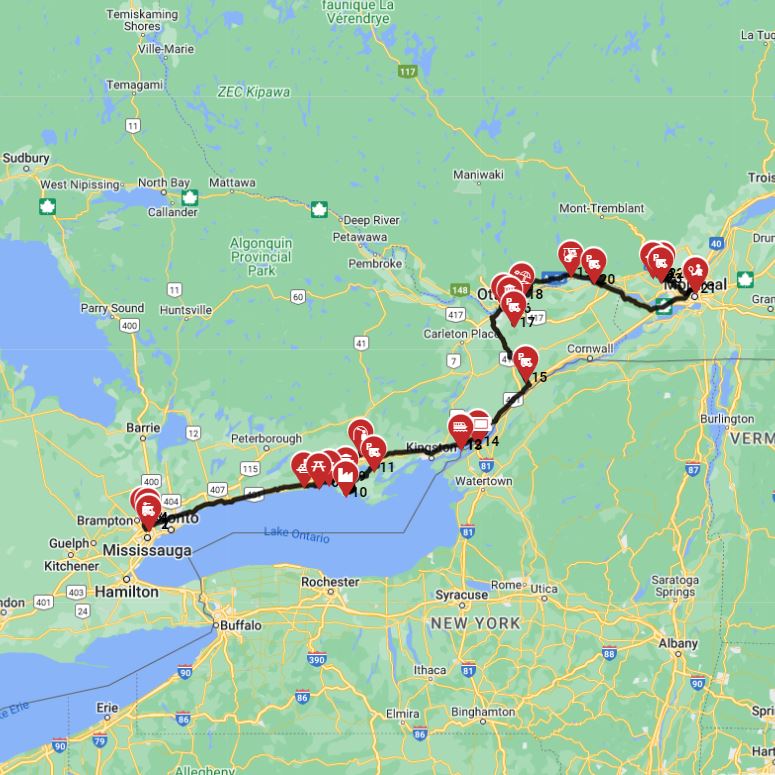
The "3-3-3 rule" is a widely endorsed guideline for RV travel, suggesting that you drive no more than 300 miles (approximately 480 km) per day, arrive at your designated destination by 3 PM, and plan to stay for at least 3 nights. While highly beneficial for more relaxed, scenic routes across Canada, this rule may require adaptation for urban travel in Toronto, where daily driving distances might be shorter, and securing an RV park within city limits for three consecutive nights could prove challenging or costly. For instance, an 11-day route plan like "Montreal to Toronto" involves 1326.6 km, averaging just over 120 km per day, perfectly aligning with a slower travel philosophy.
For a visit to Toronto, consider the 3-3-3 rule as a recommendation for a slower pace of travel, perhaps by establishing an RV base camp outside the city (like an RV park in Milton or Stouffville) and utilizing public transit or ride-sharing for urban sightseeing. This approach allows you to truly take time to feel the place, connect to the culture, the food, and the scenery of Toronto without rushing. It also aligns with our philosophy: travel slowly, max 100-150 km per day on average, to maximize your experience.
Do they search your RV at the Canadian border?
Yes, Canadian border services officers possess the authority to search your RV at the border, a procedure consistent with that applied to any other vehicle entering Canada. Searches are typically conducted to ensure compliance with import/export regulations, to check for prohibited items (such as firearms, specific agricultural products like fruits or meats, or excessive alcohol/tobacco), and to verify all declarations. To facilitate a smooth border crossing, ensure all required items are declared, have all necessary documents readily accessible (passports, rental agreement, driver's license), and verify that your rented RV is free of any prohibited goods. This transparency is key to avoiding delays.
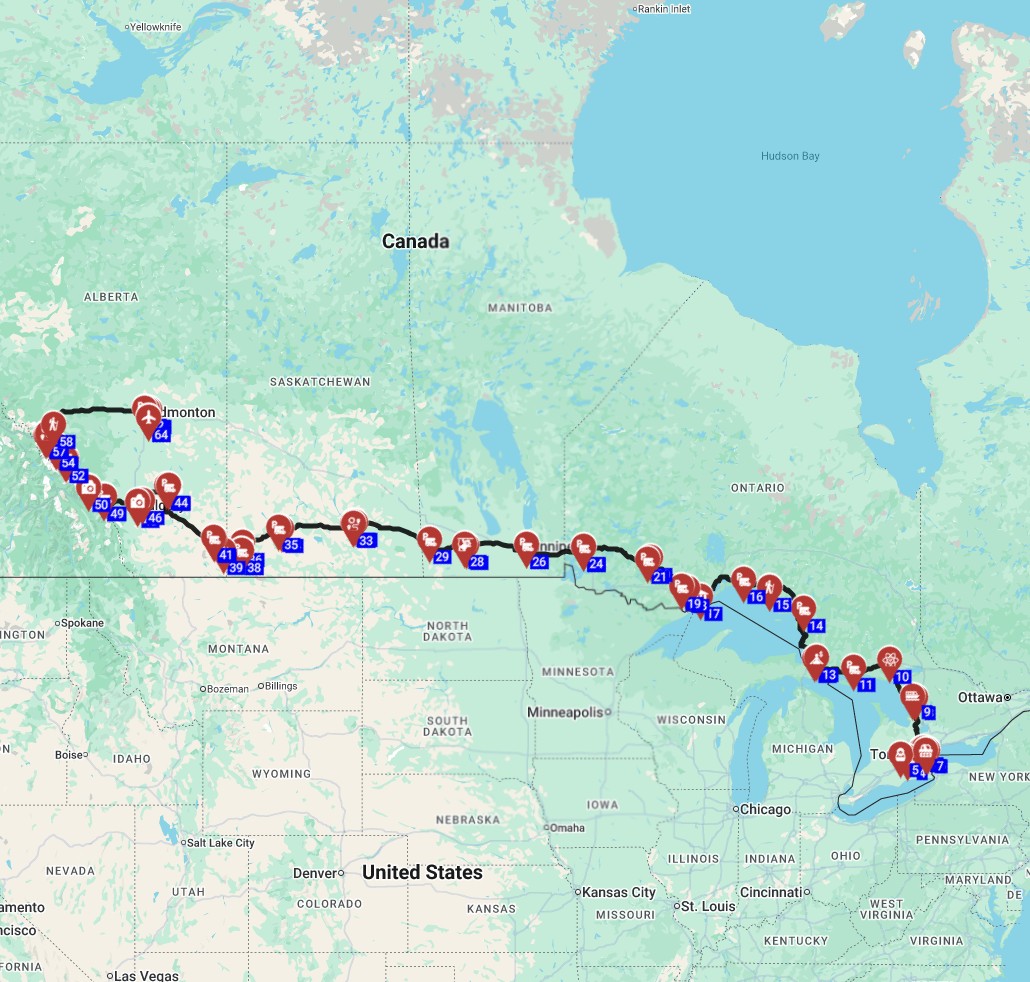
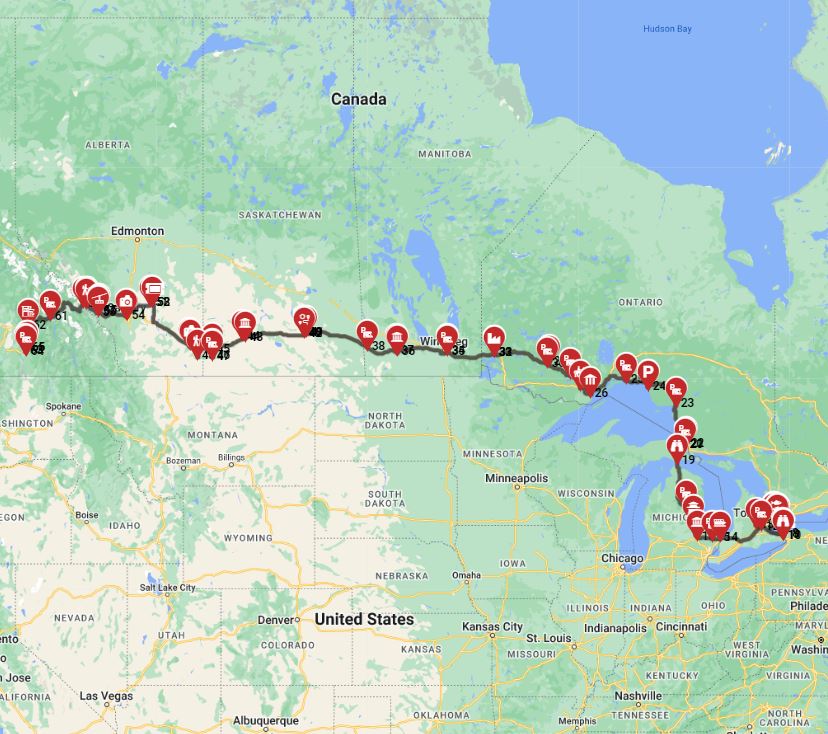
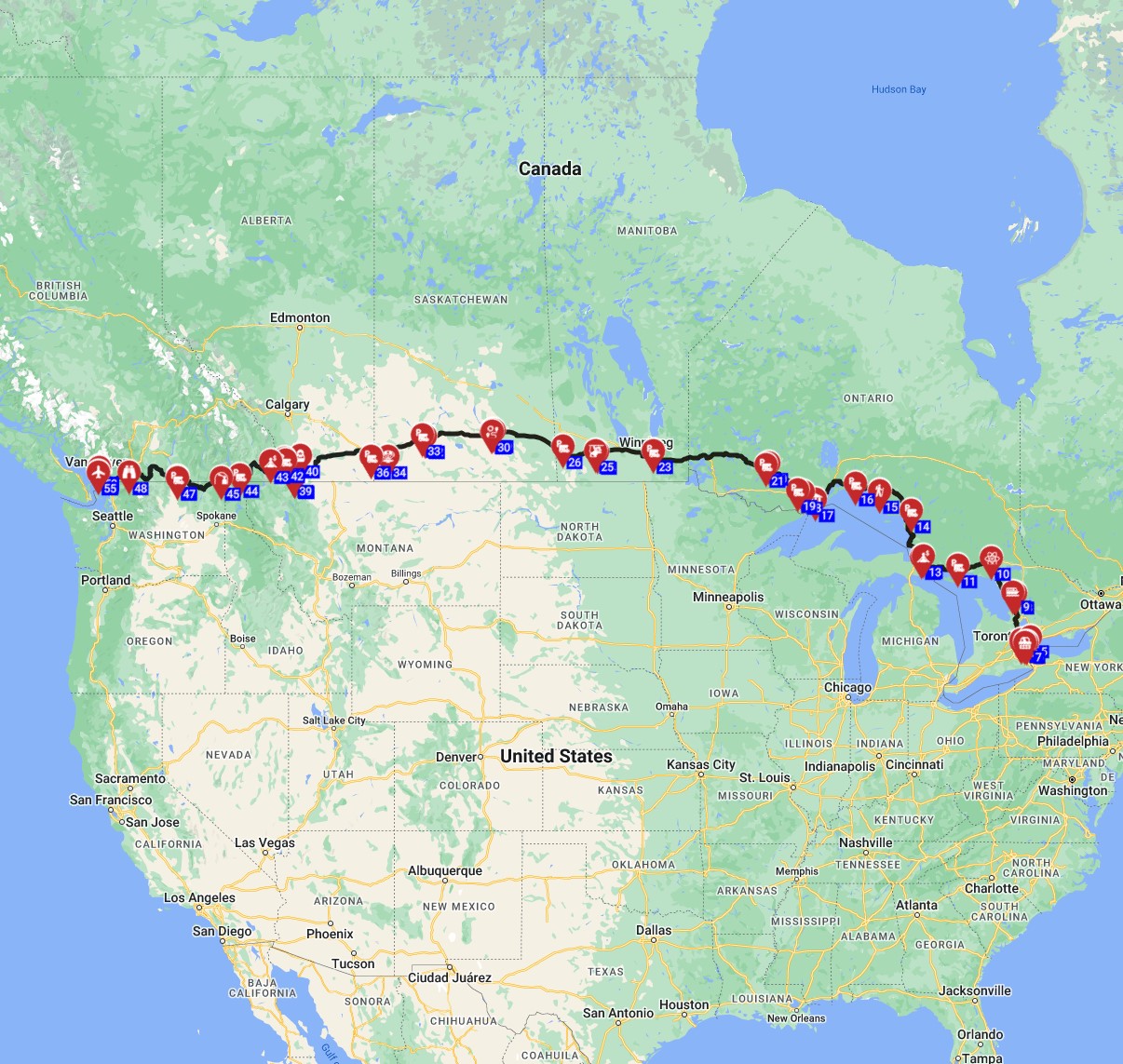
It's always best to be prepared and honest when interacting with border officials. Remove any items that could cause suspicion, such as undeclared gifts or commercially packaged goods in large quantities. For comprehensive pre-planned itineraries that include border crossings, check out our RV PLANET routes, such as "Toronto to Edmonton - Trans Canada - Big Lakes, Prairie Skies, Rocky Mountain High" which covers 5125.2 km over 23 days, requiring careful border preparation. At Bandana Caravan, we strive for full transparency in helping you understand travel requirements and provide support before and during your booking process.
Can I sleep in RV while driving?
No, it is unequivocally illegal and exceedingly unsafe for any passenger to sleep in an RV while the vehicle is in motion in Canada; all occupants must be properly seated and restrained with seatbelts, as per Ontario's Highway Traffic Act. This applies to all classes of motorhomes and campervans, from compact Class B vehicles like a "rent rv example A1" to larger Class C models such as a "Comfort Family 5." The only rare exception would be for drivers operating an RV with specifically designed separate sleeping compartments that allow a second driver to rest, but the vehicle must be explicitly engineered for this, and the individual must still be considered "off duty" and not actively driving. Always ensure that every passenger is securely belted in a designated seat while your rented RV is underway.
Prioritizing safety is paramount in RV travel, and this includes adhering strictly to seatbelt laws. If you're planning longer distances, ensure you have multiple drivers if needed, and schedule plenty of stops for rest and relaxation. Remember our advice: travel slowly, max 100-150 km per day on average, to avoid driver fatigue and truly enjoy the journey without needing anyone to sleep while driving. The safety of you and your fellow travelers is our highest priority.
Does Costco Canada have RV insurance?
Yes, Costco Canada, through its collaborative partnerships with various insurance providers such as Connect by Intact Insurance, offers a diverse array of insurance products that can encompass RV insurance for its members. Both Canadian residents and visiting RVers are strongly advised to compare quotes from multiple insurance providers to identify the most suitable coverage and competitive rates for their specific rented RV and planned travel itinerary, whether it's a Class B Camper Van like a "Combi Van" or a larger Class C "Discovery - 5 berth motorhome with rear U-lounge." For non-Canadian RVers, it is paramount to confirm whether your existing insurance policy provides coverage in Canada or to acquire supplementary travel insurance that includes comprehensive vehicle liability for your RV. Often, your rental supplier will offer optional insurance or deductible reduction packages, like our top-level deductible reimbursement upgrade, for additional peace of mind.
When budgeting for your RV trip, don't overlook insurance costs as an ancillary expense. Always read the fine print of any policy to understand what is covered, especially in situations like breakdowns or accidents. We believe in providing full transparency and support before, during, and after your booking, helping you understand all aspects of your rental, including insurance options, to ensure you make informed decisions for your RV adventure in Toronto and beyond.
What You Shouldn't Miss
- Explore Kensington Market: A vibrant, bohemian neighborhood near downtown Toronto, perfect for strolling, sampling diverse foods, and discovering unique shops. Park your RV at a nearby lot and take the TTC.
- Visit the CN Tower: An iconic Canadian landmark, offering breathtaking panoramic views of Toronto and Lake Ontario. Purchase tickets in advance for timed entry.
- Wander through the Distillery District: A historic area featuring Victorian-era industrial architecture, now home to art galleries, boutiques, and restaurants. It's pedestrian-only, so park your RV on the outskirts and enjoy a leisurely walk.
- Day Trip to Niagara-on-the-Lake: Take your rented motorhome on a scenic 1.5-hour drive south to Ontario's wine country. Enjoy vineyard tours and picturesque small-town charm.
- Hike in Rouge National Urban Park: Discover Canada's only urban national park, offering extensive hiking trails and diverse ecosystems within Toronto's eastern limits, accessible with your RV for a nature escape.
- Looking for expert insights from Avi Bandana? Top 5 Adventures - recommendations from Avi Bandana.
Final Thoughts
Exploring Toronto by rented RV offers an unparalleled sense of freedom, allowing you to discover Canada's largest city at your own pace while enjoying the comforts of home on wheels. By understanding local driving rules, planning your routes with an eye for efficiency, and leveraging resources like RV PLANET, you can easily manage your budget and make the most of your adventure. Remember, travel slowly, max 100-150 km per day on average, to truly immerse yourself in the culture and beauty of this incredible region.
At Bandana Caravan, we're dedicated to making your cheap RV rental in Toronto as straightforward and enjoyable as possible. With our transparent pricing, extensive selection from top suppliers, and expert guidance, you’re all set for an unforgettable journey. So, pack your bags, fire up the engine, and get ready to experience Toronto and beyond!
Find Motorhome Rentals in Toronto