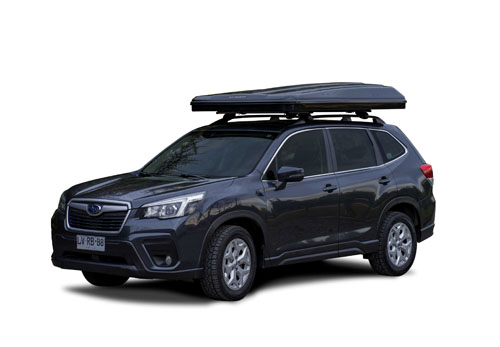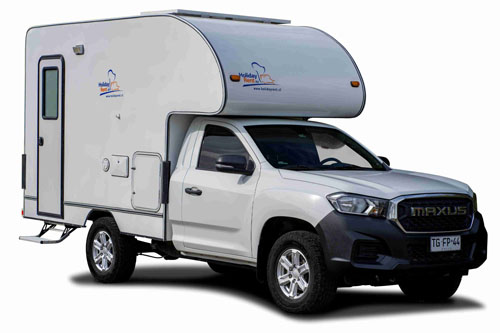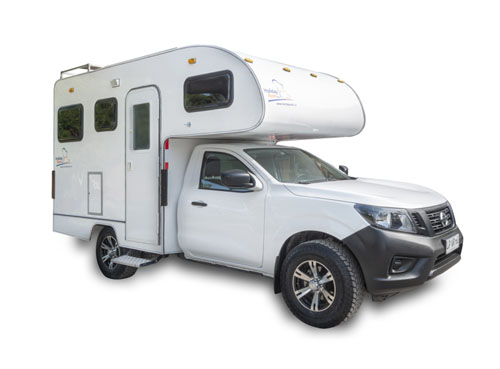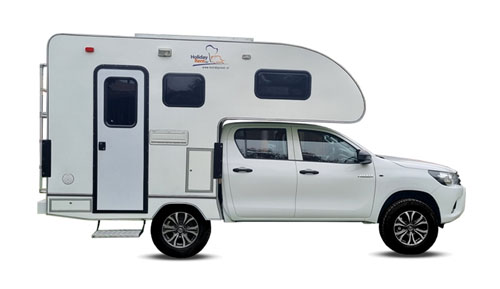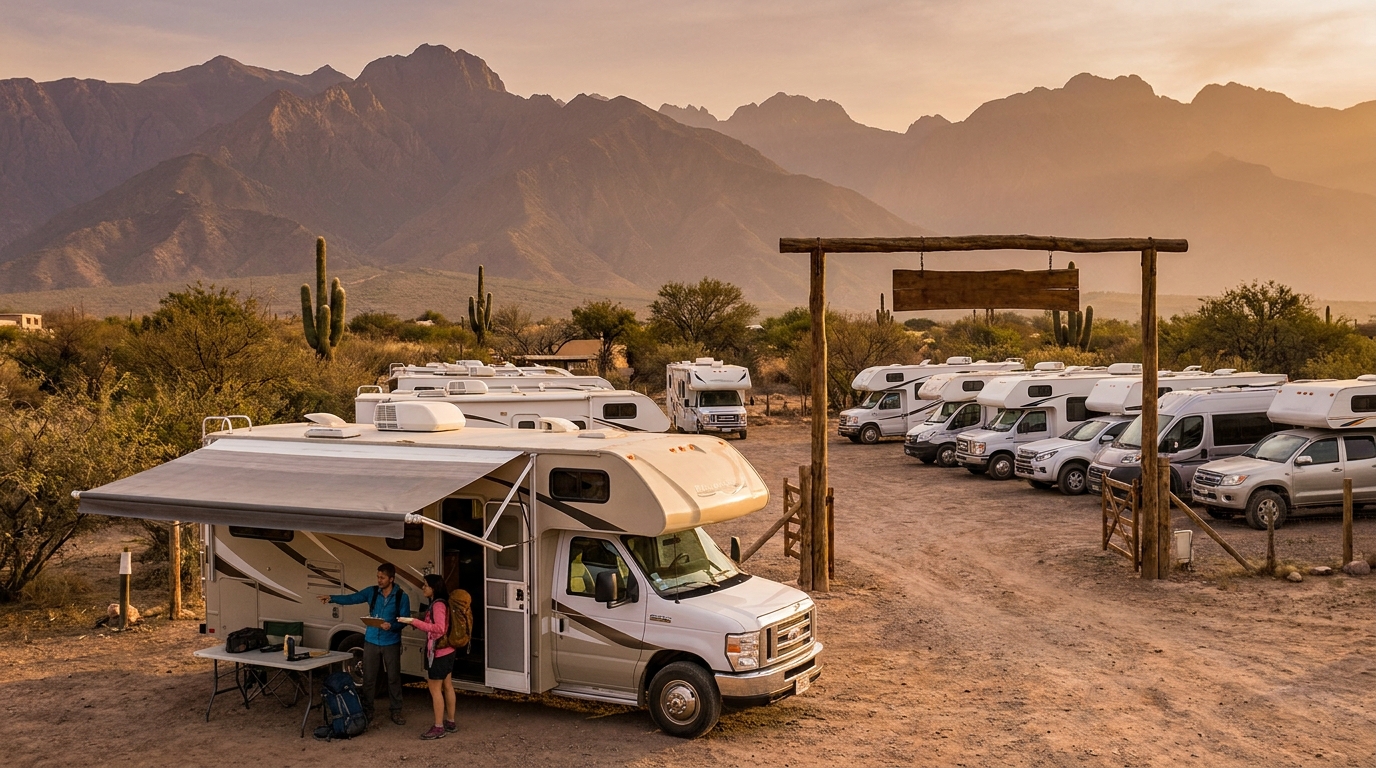
For live availability and current prices, start with our RV Rental South America - Complete Guide 2026 guide.
In This Guide
- Can You Drive an RV in South America? License & Age Rules
- Road Conditions & Terrain in South America
- RV Size Limits, Bridges & Restricted Zones
- Fuel: Diesel vs. Petrol & Cost per 100 km
- Tolls, Vignettes & Border Rules
- Driving Tips for Cheap rv rental Travelers
- Recommended RV Class for South America Roads
- Should I Choose a Compact Van Instead of a Large RV in South America?
- Can I Park Anywhere? Free & Wild Camping Rules in South America
- Can I Drive an RV Into the City Center? Heights, Tunnels & Local Signage
- What is the 3-3-3 rule for RV travel?
- What is the cheapest and safest country in South America?
- What is the 333 rule for campervan?
- Can you RV in South America?
- What is the cheapest safe South American country to visit?
- What part of South America can you not drive through?
- What is the 3-3-3 rule for RV living?
- Which South American country is both the cheapest and safest?
- Where is the cheapest place in Europe to buy a camper van?
- Who has the least expensive RV insurance?
Can You Drive an RV in South America? License & Age Rules
Most foreign visitors can indeed drive a rented RV in South America with a valid national driver's license and an International Driving Permit (IDP). An IDP translates your national license into multiple languages, and while not strictly mandatory in every country, it is highly recommended or legally required in many South American nations to avoid potential issues with local authorities and to facilitate insurance claims. Drivers renting a motorhome or campervan in South America are typically required to be 21 years old, with some suppliers or vehicle classes having a minimum age of 25. There are no young driver surcharges or vehicle class restrictions based on age when booking through Bandana, making cheap RV rental in South America accessible for many adventurers. For live availability and current prices, start with our RV Rental South America - Complete Guide 2024. When planning your trip, ensure your travel insurance includes coverage for driving a rented RV in South America, and always clarify vehicle-specific insurance requirements with your rental provider, especially concerning cross-border travel.Road Conditions & Terrain in South America
Road conditions in South America can vary dramatically, ranging from well-maintained, modern highways to unpaved, gravel, or even challenging mountain and jungle routes. While major arterial routes, including sections of the Pan-American Highway, are generally paved and offer smooth travel, secondary roads, especially in remote or mountainous regions like the Andes, can be rough, prone to potholes, or become impassable during rainy seasons. Expect significant elevation changes, particularly in countries like Bolivia, Peru, and Chile, which necessitate careful driving, lower speeds, and a rented RV with adequate engine power and ground clearance. Traveling slowly, ideally max 100-150 km per day on average, allows for greater appreciation of the stunning scenic landscapes and provides more time to react to unexpected road hazards, local traffic, and livestock. You'll encounter diverse terrains, from the coastal roads of Peru to the high-altitude passes of Patagonia and the humid jungle areas, each requiring different driving considerations and careful preparation. For budgeting your adventure, remember that on RV PLANET routes, you can itemize and track every expense, including fluctuating fuel costs, along the way.RV Size Limits, Bridges & Restricted Zones
While South America generally accommodates various RV sizes, travelers should be mindful of potential limitations regarding height, weight, and length, especially in older cities or specific rural areas. Low bridges and tunnels, though less common on main routes, can be encountered; always pay close attention to local signage indicating height restrictions. For instance, a typical Class SI Semi-integrated RV has an average length of 6.9 meters, while a Class C Alcove motorhome can be around 7.5 meters. Ferries, which are essential for crossing major rivers or reaching certain islands, impose length and weight limits, and larger rented RVs may incur significantly higher costs or require advance booking. Some cities or environmental zones may have restrictions on vehicle access based on size, age, or emissions; always research specific city regulations if planning to drive into historic centers. Ensure your chosen rental RV's dimensions are suitable for your planned itinerary, considering potential challenges on narrow mountain roads or small village entrances.Fuel: Diesel vs. Petrol & Cost per 100 km
Diesel fuel is widely available across South America and is generally cheaper per liter than petrol, making diesel-powered rented RVs more cost-effective for extended journeys. Bandana's global fleet averages indicate that Class SI Semi-integrated RVs typically consume 10-11 Liter/100 km, Class C Alcove RVs 10-12 Liter/100 km, and Class B Camper Vans are the most efficient at 8-10 Liter/100 km. Fuel costs vary significantly by country; for example, Venezuela historically has very low fuel prices, while countries like Chile and Uruguay tend to have higher costs. It's always advisable to refuel frequently in rural areas, as distances between service stations can be substantial, especially when venturing off main highways. While specific fuel cards or discount perks are less common for general RV rentals in South America, some premium packages might include pre-paid fuel options; always clarify this with your rental provider.Tolls, Vignettes & Border Rules
Tolls are common on major highways in many South American countries, including Argentina, Chile, Brazil, and Peru, and are typically paid in local currency, sometimes cash-only. Vignettes (pre-paid road use stickers) are not a standard system across South America as they are in parts of Europe; instead, tolls are usually paid per passage at booths. Border crossings between South American nations require specific documentation, including your passport, vehicle registration, your rental agreement, and an International Driving Permit. For rental RVs, suppliers like El Monte, Cruise America, Apollo, and Britz typically provide the necessary vehicle ownership documents for border crossings, but it's crucial to confirm all required paperwork and processes before attempting to cross into a new country. Allow significant time for border procedures, as they can be complex and involve multiple stops for immigration, customs, and vehicle permits, sometimes requiring patience and flexible scheduling. Bandana RV, founded in 2001, has over two decades of experience helping tens of thousands of travelers navigate these details and can assist with pre-booking comparison and document coordination.Driving Tips for Cheap rv rental Travelers
Prioritize safety and awareness when driving a rented RV in South America. Drive defensively, always avoid night driving due to poor road lighting and potential hazards, keep valuables out of sight, and research local 'no-go' areas or political stability concerns for your specific route. For enhanced security in remote regions, some travelers consider caravan travel with other RVs. To maintain connectivity, secure local SIM cards upon arrival for GPS and emergency communication; consider a satellite communication device for extremely remote areas where mobile service is nonexistent. Given varying road conditions and the potential for remote breakdowns, ensure your cheap RV rental comes with a good spare tire, basic tools, and a local roadside assistance contact number. Familiarize yourself with local traffic laws, such as speed limits, right-of-way rules, and appropriate horn usage, and engage respectfully with local communities, learning basic Spanish or Portuguese phrases to enhance your interactions. For cooking delicious meals in your RV, check out our RV-friendly recipes playlist. Always carry ample potable water or a reliable water filtration system, and be cautious about street food or unfamiliar water sources to prevent common travel ailments.🎬 Video coming soon
Recommended RV Class for South America Roads
For navigating South America's diverse roads and terrains, a Class SI (Semi-integrated) RV or a Class B (Camper Van) is often recommended due to their balance of maneuverability, comfort, and fuel efficiency. Class SI Semi-integrated RVs, with an average length of 6.9 meters and seating for 3-4 adults in Bandana's fleet, offer a good compromise between interior space and ease of driving on varied terrain. These are ideal for couples or small families seeking both comfort and flexibility. Class B Camper Vans, averaging 5.8 meters in length and accommodating 2-3 adults, are highly agile for navigating narrower roads, city centers, and more challenging unpaved sections, consuming typically 8-10 Liters/100 km, making them a top choice for cheap RV rental in South America. While larger Class C Alcove motorhomes (7.5m average length) or Class A Integrated motorhomes (7.5m average length) offer more living space, their size can be a disadvantage on very unpaved roads, tight mountain passes, and in densely populated urban areas. True RV Specialists like Bandana can help you compare final prices across suppliers for the perfect motorhome or campervan, with what you see being what you pay, and no surprise fees at pickup.Should I Choose a Compact Van Instead of a Large RV in South America?
Generally, there is no inherent issue driving any RV size in South America, and the additional comfort and indoor space of a larger RV often outweigh minor maneuverability advantages of a compact van. Drive slowly and carefully, and you can drive almost anywhere without issues. No need to stress - just use common sense and pay attention. A compact van (Class B Camper Van) genuinely helps in situations requiring high agility, such as navigating extremely tight historic city centers, very narrow mountain passes, or finding parking in crowded urban areas. However, for longer trips or those traveling with families, a larger motorhome like a Class SI Semi-integrated or a Class C Alcove provides much-needed living space, a larger kitchen area, and more comfortable sleeping arrangements. The main trade-off for a larger RV includes potentially higher fuel consumption, slightly more challenging parking in congested areas, and occasionally slower progress on very poor roads. Ultimately, the best choice depends on your specific itinerary, comfort priorities, and driving confidence, as most main routes can accommodate standard RV sizes. Consider exploring "Cheap RV Rental in South America - Budget Guide 2024" for more detailed cost comparisons by vehicle size.Can I Park Anywhere? Free & Wild Camping Rules in South America
Free and wild camping (often called boondocking) in a rented RV is generally tolerated in many remote and rural areas across South America, particularly in less developed regions, but specific rules vary significantly by country and even by municipality. In national parks, designated camping areas are usually required, and unauthorized wild camping can lead to fines; always check park regulations upon entry. Many overlanders utilize informal spots like gas station parking lots (with permission), alongside beaches, or in small town squares, especially when seeking a safe overnight stop. Safety is a primary concern with wild camping; always prioritize well-lit areas, seek local advice, and avoid isolated spots, particularly near urban centers. Rules vary by region-always check local regulations and follow local law before parking overnight, respecting private property and environmental guidelines. Remember that Bandana connects you with direct partnerships with 50+ leading RV suppliers worldwide, offering you the best options for your adventure. For finding campsites and campgrounds during your trip, we recommend using RV PLANET (rvplan.net) - a great resource for locating available spots along your route.Can I Drive an RV Into the City Center? Heights, Tunnels & Local Signage
Yes, you can almost always drive a rented RV into city centers in South America, though it often requires careful attention to local signage and a willingness to navigate narrow streets. Drive slowly and carefully, and you can drive almost anywhere without issues. No need to stress - just use common sense and pay attention. Pay close attention to local signage indicating height limits for tunnels, underpasses, and parking garages, which can be significantly lower than standard RV heights. Environmental zones, or 'restricción vehicular' based on license plate numbers, are implemented in some major cities (e.g., Bogotá, Santiago) to reduce traffic and pollution; research these specific restrictions for your planned dates. Older, colonial city centers often feature very narrow streets, sharp turns, and limited parking, making driving a larger RV challenging; consider parking on the outskirts and using public transport or taxis. Always be vigilant for low-hanging wires, tree branches, and overhead structures that could pose a risk to taller RVs, especially in older or less developed urban areas.What is the 3-3-3 rule for RV travel?
The 3-3-3 rule for RV travel is a widely adopted guideline for safe and enjoyable road trips, recommending that you drive no more than 300 miles (approximately 480 km), arrive by 3 PM, and stay for at least 3 nights. This rule is designed to prevent driver fatigue, allow ample time for unexpected delays, and ensure you reach your destination campsite before dark, which is particularly important in unfamiliar South American terrain. Arriving by 3 PM provides sufficient daylight to set up camp, explore the immediate surroundings, and relax without rushing. Staying for at least 3 nights encourages a slower pace of travel, allowing for deeper immersion in a location and reducing the constant packing and unpacking associated with daily moves. Adhering to the 3-3-3 rule can significantly enhance safety and reduce stress, making for a more pleasant RV experience, especially on long journeys through diverse regions like South America. This approach aligns perfectly with Bandana’s philosophy: "Travel slowly - max 100-150 km per day on average. Take time to feel the place, connect to the culture, the food, and the scenery."What is the cheapest and safest country in South America?
While 'cheapest' and 'safest' can be subjective and vary by region, countries like Ecuador and Peru are often cited as offering a good balance of affordability and relative safety for RV travelers in South America. Ecuador boasts a lower cost of living and a generally stable environment, with varied landscapes from the Andes to the Amazon, making it attractive for budget-conscious explorers. Peru offers incredible value for its rich cultural experiences, ancient sites, and diverse natural beauty, with safety improving significantly in major tourist areas. Both countries generally have well-trodden tourist routes where infrastructure supports visitors, and local communities are accustomed to travelers. Despite their general reputation, it is crucial for RV travelers to research specific regions within any country for current safety advisories and to adhere to actionable safety strategies such as avoiding night driving and securing parking. To find deals for these destinations, check out "RV Rental Deals in South America - Latest Offers 2024".What is the 333 rule for campervan?
The 333 rule for campervan travel is identical to the RV travel rule, recommending that drivers cover no more than 300 miles (approximately 480 km) a day, arrive at their destination by 3 PM, and stay for at least 3 nights. This guideline is particularly beneficial for campervan users who often prioritize flexibility and slower travel, ensuring they aren't rushed and can fully enjoy each stop. Applying the 333 rule helps campervan travelers explore areas more thoroughly, find suitable parking or campsites before dark, and avoid the fatigue associated with continuous driving. Even for a smaller campervan, respecting these limits improves road safety and allows for more spontaneous experiences, such as stopping at scenic viewpoints or engaging with local culture. For an in-depth understanding of how to apply this rule to your journey, refer to the section 'What is the 3-3-3 rule for RV travel?' or read our "Cheap RV Rental in South America - Budget Guide 2024" for tips on economical travel.Can you RV in South America?
Yes, RVing in South America is not only possible but also a highly rewarding way to explore the continent's diverse landscapes and cultures. Many travelers successfully undertake extended RV trips through countries like Chile, Argentina, Peru, and Ecuador, utilizing the Pan-American Highway and various scenic routes. The experience requires thorough planning for road conditions, border crossings, and cultural nuances, but the freedom and immersion it offers are unparalleled. For detailed information on licenses, age rules, and specific requirements, please refer to the section 'Can You Drive an RV in South America? License & Age Rules'. The continent offers a wide array of destinations suitable for RV travel, from the Patagonia region to the Amazon basin, catering to various adventure levels. Our pre-planned itineraries on RV PLANET can guide you to these destinations.What is the cheapest safe South American country to visit?
Considering both cost-effectiveness and safety, Ecuador and Peru frequently emerge as excellent choices for RV travelers seeking an affordable and secure experience in South America. These nations offer a compelling combination of lower daily expenses for fuel, food, and activities, alongside generally established safety measures for tourists. Their popularity among overlanders has led to a relatively developed infrastructure for RV travel, including campsites and repair services in more frequented areas. While both countries are generally safe, always consult current government travel advisories and implement personal safety measures, especially in urban centers or less-traveled routes. Argentina and Bolivia can also be very affordable, especially for groceries and camping, though specific safety considerations, like political stability in Bolivia or specific urban areas in Argentina, require careful research. For further details on budgeting and safety, review the sections 'What is the cheapest and safest country in South America?' and "Cheap RV Rental in South America - Budget Guide 2024".What part of South America can you not drive through?
The primary geographical barrier that prevents continuous driving through South America is the Darién Gap, a dense expanse of jungle and swampland bordering Panama and Colombia. There are no roads connecting Central America and South America through the Darién Gap, making it impossible to drive an RV from one continent to the other without shipping the vehicle. This undeveloped region is characterized by extremely challenging terrain, environmental protection, and historical issues with security, rendering it impassable by road vehicles. RV travelers wishing to move between Central and South America must arrange for their vehicle to be shipped by sea, typically between ports like Colón (Panama) and Cartagena (Colombia). Within South America itself, while most regions are accessible by road, certain remote areas of the Amazon rainforest or very high Andean passes may be seasonally impassable due to extreme weather or lack of maintained roads.What is the 3-3-3 rule for RV living?
The 3-3-3 rule for RV living, identical to the RV travel and campervan rules, is a popular guideline suggesting driving no more than 300 miles (480 km), arriving by 3 PM, and staying for at least 3 nights. While Bandana caters exclusively to RV rental travelers for vacation experiences, this rule still provides a sustainable pace for extended trips, preventing burnout from constant relocation and allowing time to truly experience each location. It promotes a balanced lifestyle on the road, ensuring adequate time for setting up, chores, leisure, and deeper exploration of a region. By adhering to this rule, RV renters can manage their energy levels, maintain their rented vehicle, and foster a stronger connection with the places they visit, making their cheap RV rental in South America journey more enjoyable. More details on the benefits and application of this guideline can be found in the section 'What is the 3-3-3 rule for RV travel?'.Which South American country is both the cheapest and safest?
Considering both cost-effectiveness and safety, Ecuador and Peru are frequently highlighted as excellent choices for RV travelers seeking an affordable and secure experience in South America. These nations offer a compelling combination of lower daily expenses for fuel, food, and activities, alongside generally established safety measures for tourists. Their popularity among overlanders has led to a relatively developed infrastructure for RV travel, including campsites and repair services in more frequented areas. While both countries are generally safe, always consult current government travel advisories and implement personal safety measures, especially in urban centers or less-traveled routes. For further details on budgeting and safety, review the sections 'What is the cheapest and safest country in South America?' and 'What is the cheapest safe South American country to visit?'. You can also explore "RV Rental in South America for Couples - Pricing 2024" or "RV Rental in South America for Seniors - Pricing 2024" for specific budget considerations.Where is the cheapest place in Europe to buy a camper van?
While this article focuses on cheap RV rentals in South America, for those interested in purchasing a campervan in Europe, countries like Germany, the Netherlands, and France are often cited for having large used campervan markets and competitive prices. Germany, in particular, has a robust market for both new and used recreational vehicles, offering a wide selection and often good value. Eastern European countries can also present cheaper initial purchase prices, though selection might be more limited and quality can vary. When considering purchasing in Europe, factors like vehicle registration, import taxes, and long-term ownership costs should be thoroughly researched. This topic is outside the scope of cheap RV rentals in South America, but understanding purchase options in other regions can provide context for overall RV travel costs.Who has the least expensive RV insurance?
Determining 'who has the least expensive RV insurance' is highly dependent on factors such as the RV's value, your driving record, the coverage level desired, and the country or region of travel. For RV rentals in South America, comprehensive vehicle insurance is typically included in your rental agreement, or offered as an optional add-on, covering damage to the rental vehicle itself. Beyond vehicle insurance, travelers should invest in robust travel insurance that specifically covers medical emergencies, evacuation, trip cancellation, and third-party liability for driving a rented RV internationally. You can upgrade to a top-level deductible for extra peace of mind with many rental packages. Some international insurance providers specialize in overlander policies that can cover cross-border travel in South America more comprehensively than standard rental insurance. Comparing quotes from multiple providers, both local (if available) and international, is the best approach to find the most cost-effective and appropriate insurance for your specific RV trip in South America.What You Shouldn't Miss
- **Patagonia's Glacial Majesty:** Drive a rented motorhome along Ruta 40 in Argentina or Chile's Carretera Austral for breathtaking views of glaciers, fjords, and the Andes, stopping at El Chaltén or Torres del Paine National Park.
- **Andean Cultural Immersion:** Explore the high-altitude landscapes and vibrant indigenous markets of Peru and Bolivia, visiting ancient sites like Machu Picchu (requires parking outside main access points) and experiencing Lake Titicaca.
- **Amazon Basin Gateway:** From cities like Manaus (Brazil) or Iquitos (Peru), leave your RV at a secure campsite and take a boat excursion deep into the Amazon rainforest for unparalleled wildlife viewing.
- **Coastal Wonders of Brazil:** Cruise the scenic coastline of Brazil in a rented campervan, discovering pristine beaches, charming colonial towns like Paraty, and the vibrant culture of cities like Rio de Janeiro.
- **Wine Country in Chile and Argentina:** Indulge in the world-class vineyards of Mendoza (Argentina) or the Maipo Valley (Chile), enjoying wine tastings and picturesque drives through sun-drenched landscapes.
- **Atacama Desert's Alien Beauty:** Journey through Chile's Atacama Desert, the driest non-polar desert in the world, to witness incredible geological formations, geysers, and star-filled night skies, easily accessible with a robust Class B Camper Van.
Final Thoughts
Embarking on a cheap RV rental adventure in South America is an incredible way to experience the continent's breathtaking landscapes, rich cultures, and vibrant cities. While the roads can be diverse and require mindful driving, the freedom and flexibility a rented motorhome or campervan provides are truly unmatched. Imagine waking up to a Patagonian sunrise, cooking a fresh breakfast with a stunning Andean backdrop, or exploring ancient Incan ruins at your own pace. With Bandana, you’re not just getting a vehicle; you’re gaining a partner dedicated to transparency and support, ensuring your trip is as smooth and enjoyable as possible. Our expertise and commitment to no hidden fees mean you can focus on the journey, not the worries. So, what are you waiting for? Your South American road trip awaits! Find Cheap RV Rentals in South AmericaOn the routes offered through RV PLANET routes, you can itemize and track every expense along the way for easy budgeting.