
In This Guide
- Can You Drive an RV in Osaka? License & Age Rules
- Road Conditions & Terrain in Osaka
- RV Size Limits, Bridges & Restricted Zones
- Fuel: Diesel vs. Petrol & Cost per 100 km
- Tolls, Vignettes & Border Rules
- Driving Tips for cheap rv rental Travelers
- Recommended RV Class for Osaka Roads
- Should I Choose a Compact Van Instead of a Large RV in Osaka?
- Can I Park Anywhere? Free & Wild Camping Rules in Osaka
- Can I Drive an RV Into the City Center? Heights, Tunnels & Local Signage
- What are the best RV itineraries for Osaka and the Kansai region?
- What unique RV-friendly experiences are there in Osaka?
- Can I use Osaka as a base to explore Kansai by RV?
- Is it better to park my RV outside Osaka city center?
- Where can I park my RV in Osaka?
- How do I navigate Osaka's urban environment with an RV?
- What are the typical costs for RV travel in Osaka?
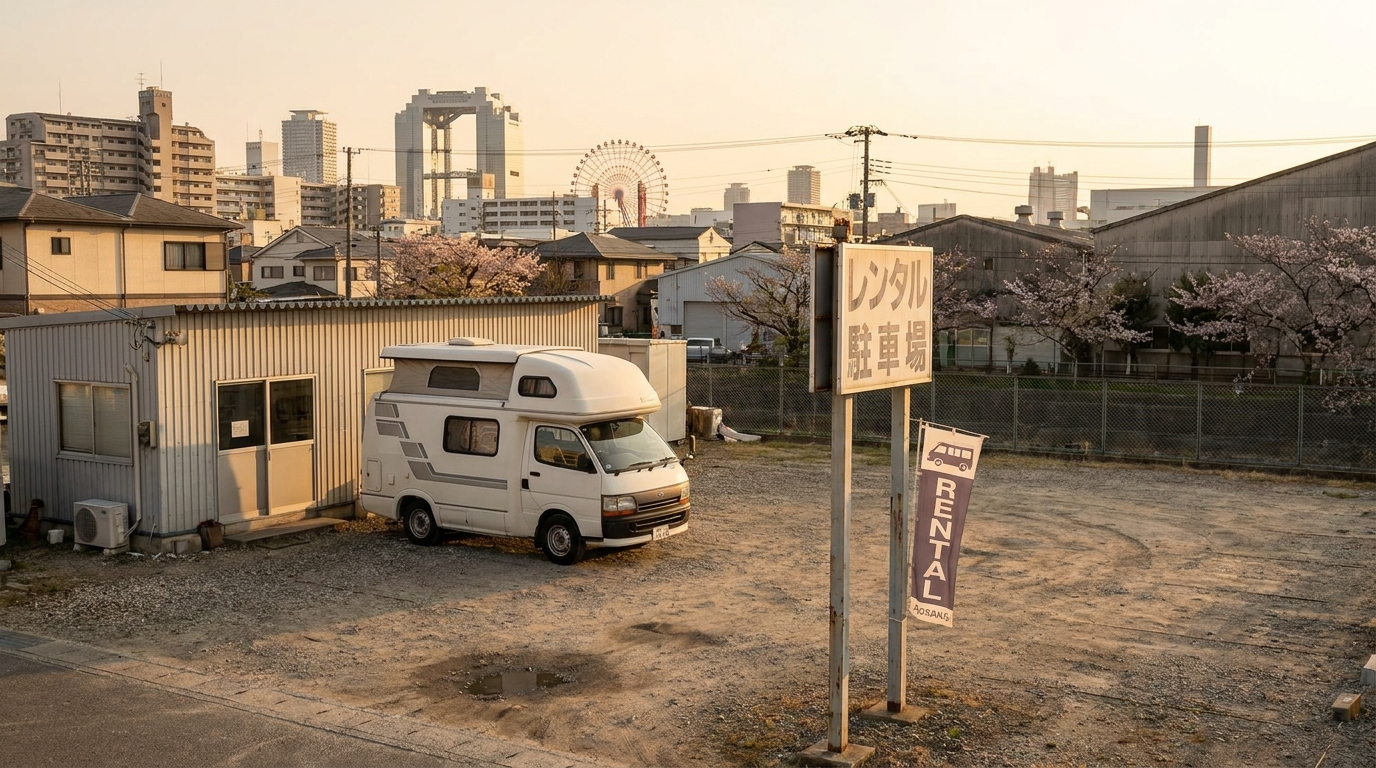
Exploring Osaka, Japan's vibrant "nation's kitchen" and a cultural powerhouse, with a rented RV opens up a world of flexibility and unique experiences. Imagine yourself waking up to the gentle sounds of nature, enjoying a homemade breakfast in your mobile home, and then heading out to explore historic temples or bustling city markets. This is the freedom that a cheap RV rental in Osaka can offer, turning your trip into an unforgettable adventure. For live availability and current prices, start with our RV Rental Osaka - Complete Guide 2026 guide.
Can You Drive an RV in Osaka? License & Age Rules
Foreign drivers can operate RVs in Osaka with an International Driving Permit (IDP) alongside their national license, provided they meet age requirements and the rented RV's weight does not exceed specific limits. Most rental motorhomes in Japan fall under the standard B/C class license, typically covering vehicles up to 3.5 tonnes (3,500 kg), which is sufficient for Bandana's common fleet like Class B Camper Vans and Class SI Semi-integrated models. The minimum driving age for RV rentals in Japan is generally 21 years old, although the legal driving age in Japan is 18. An IDP, obtained in your home country before departure, is mandatory for most foreign nationals to drive legally in Japan. Remember, at Bandana, we believe in full transparency, so all licensing and age requirements are clearly outlined before you book.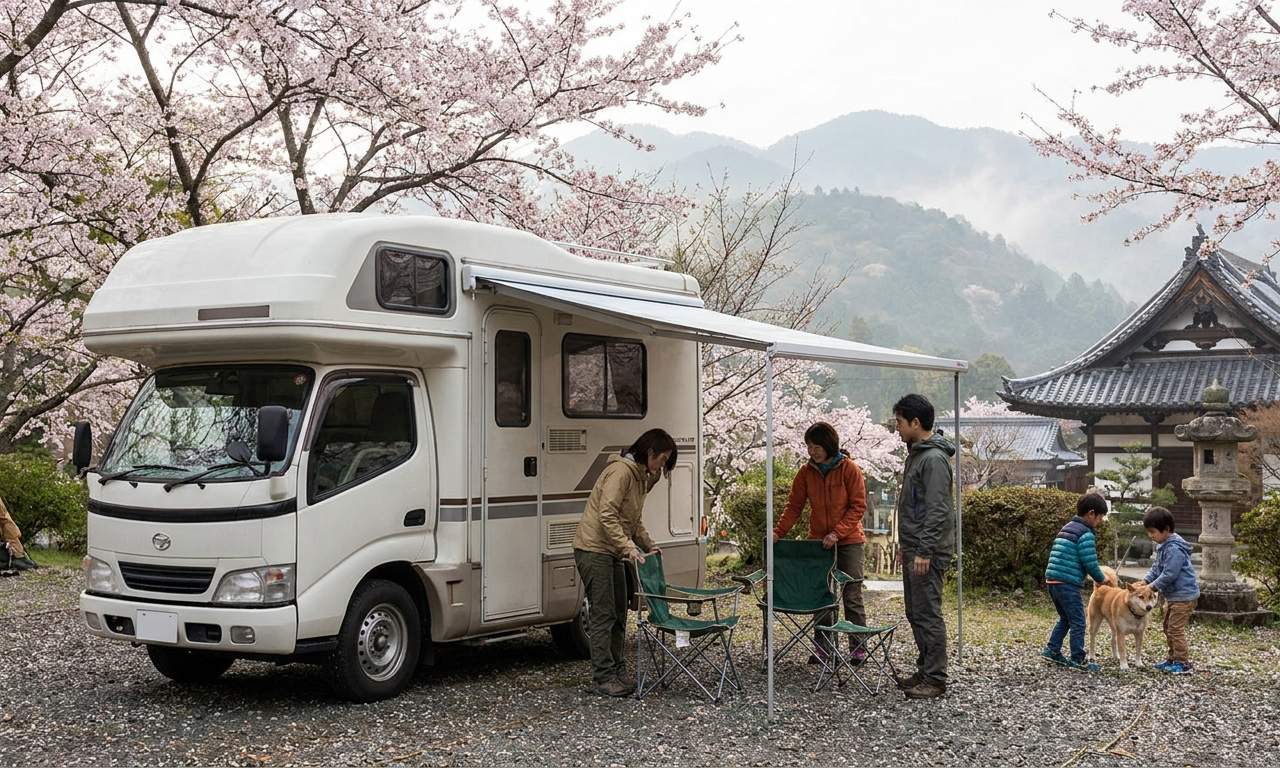
Road Conditions & Terrain in Osaka
Osaka's roads are generally well-maintained and feature modern expressways, but also significant urban density with potentially narrow local streets and dense traffic, while the surrounding Kansai region offers diverse terrain from flat plains to winding mountainous areas. Within the city, major roads are smooth and multi-lane, but navigation requires careful attention to signage and other vehicles due to high traffic volume. Outside the immediate urban core, especially when heading towards destinations like Nara or Wakayama, roads can become winding, particularly in hilly or mountainous regions, encouraging a slower, more scenic driving pace suitable for RV travel. Drive slowly and carefully, and you can drive almost anywhere in Osaka and its surroundings without issues. No need to stress - just use common sense and pay attention.RV Size Limits, Bridges & Restricted Zones
While there are no universal blanket RV size limits for general roads in Osaka, drivers must be vigilant for local signage indicating specific height restrictions in tunnels, underpasses, and multi-story parking garages, particularly for larger Class C Alcove models. Common height restrictions in urban areas and parking structures can range from 2.5m to 3.5m; Class C Alcove RVs, with an average length of 7.5m, often exceed 3 meters in height. Most rented RVs, including Bandana's typical Class SI (average 6.9m length) and Class B Camper Van (average 5.8m length), are below the weight thresholds that trigger heavy vehicle restrictions, but drivers should always confirm actual vehicle dimensions with their supplier. Pay close attention to specific local signage for any temporary or permanent restricted zones, such as residents-only streets or areas with limitations on vehicle types or operating hours.Fuel: Diesel vs. Petrol & Cost per 100 km
Most RVs in Bandana's global fleet typically run on diesel fuel, which is widely available at service stations across Japan, though petrol options are also common. For Bandana's global fleet, common fuel consumption averages are: Class SI - Semi-integrated at 10-11 Liters/100 km; Class C - Alcove at 10-12 Liters/100 km; and Class B - Camper Van at 8-10 Liters/100 km. To estimate cost per 100 km in Osaka, multiply the rented RV's average consumption by the current local fuel price (e.g., if diesel is ¥180/L and your RV consumes 10 L/100 km, budget ¥1800 per 100 km). Always check the fuel type required for your specific rental upon pickup. When discussing ancillary trip costs, remember that on RV PLANET routes, travelers can itemize and track every expense along the way for easy budgeting.Tolls, Vignettes & Border Rules
Japan utilizes an extensive and often expensive toll road network, particularly for expressways around Osaka and throughout the Kansai region, which typically operate on a per-use basis rather than a vignette system. Electronic Toll Collection (ETC) cards are highly recommended for seamless passage through toll gates on Japanese expressways, offering convenience and occasionally discounts. Many Bandana partner suppliers allow pre-purchasing ETC passes or renting an ETC card, which can help avoid fines and streamline travel, especially when navigating Osaka's surrounding expressway network. Border rules are not applicable for domestic RV travel within Japan; focus instead on understanding the domestic toll system to ensure a smooth journey.Driving Tips for cheap rv rental Travelers
For cheap RV rental travelers in Osaka, effective planning includes familiarizing yourself with Japanese road signs and etiquette, managing expectations for urban navigation, and budgeting for the extensive toll road system. Driving on the Left: Japan drives on the left side of the road; ensure you're comfortable with this before driving your rented RV. Navigation: Use a reliable GPS system with up-to-date Japanese maps, often provided with rental RVs, to navigate complex urban intersections and find specific destinations like Osaka Castle or the Umeda Sky Building. Toll Management: Consider acquiring an ETC card (Electronic Toll Collection) from your rental provider to simplify payments and potentially gain discounts on Japan's extensive expressway tolls. Parking Strategy: Plan parking in advance, especially in Osaka's dense urban core; utilize suburban park-and-ride options or designated RV parks on the outskirts to save on costs and stress. Breaks for Families: If traveling with family, plan frequent stops at 'Michi-no-Eki' (roadside stations) which offer restrooms, local shops, and rest areas, typically every 2-3 hours of driving.Recommended RV Class for Osaka Roads
For navigating Osaka's urban environment and comfortably exploring the surrounding Kansai region, Class B - Camper Vans and Class SI - Semi-integrated RVs are generally recommended due to their balanced size and maneuverability. A Class B - Camper Van, with an average length of 5.8m, is highly suitable for Osaka's roads, offering excellent maneuverability, easier parking in tighter spots, and better fuel efficiency, averaging 8-10 Liters/100 km. A Class SI - Semi-integrated, averaging 6.9m in length, provides a good balance of living space and manageability, making it a solid choice for exploring both urban peripheries and regional attractions without being overly cumbersome, averaging 10-11 Liters/100 km. Larger Class C - Alcove (average 7.5m length) and Class A - Integrated (average 7.5m length) motorhomes offer more interior space but may present greater challenges with parking and navigating very narrow city streets or low overhead clearances.Should I Choose a Compact Van Instead of a Large RV in Osaka?
While larger RVs typically pose no inherent issue on major Osaka roads and regional highways, choosing a compact van might genuinely benefit travelers planning to extensively explore very tight historic city centers or specific narrow mountain passes, though often at the expense of indoor comfort and amenities. A compact van, like a Class B Camper Van with an average length of 5.8m from Bandana's global fleet, offers superior maneuverability, easier parking in dense urban areas, and potentially lower fuel costs, making it ideal for deeply exploring specific city neighborhoods like Dotonbori. However, a larger motorhome, such as a Class SI Semi-integrated at 6.9m or a Class C Alcove at 7.5m, provides significantly more living space, a full bathroom, kitchen facilities, and greater comfort for longer journeys and families, which often outweighs the marginal challenges of urban driving if you plan to park on the outskirts and use public transport for city center access. The decision ultimately balances the priority of unrestricted urban access versus the desire for on-board comfort and space for your entire trip.Can I Park Anywhere? Free & Wild Camping Rules in Osaka
True 'wild camping' or unsanctioned overnight parking is generally not permitted and highly discouraged in Osaka and throughout Japan; instead, designated RV parks, official campsites, and 'Michi-no-Eki' (roadside stations) serve as primary and legal overnight parking options. While 'Michi-no-Eki' allow overnight parking for rest purposes, they are not designated campsites, meaning activities like setting up awnings, chairs, or cooking outside are typically prohibited. For amenities like power hookups, fresh water, and waste disposal, travelers should seek out dedicated RV parks or auto campgrounds, which are available around Osaka and throughout the Kansai region. Our guide on RV Camping in Osaka - Best Campgrounds 2026 offers more specific recommendations. Rules vary by region- always check local regulations and follow local law before parking overnight to avoid issues.Can I Drive an RV Into the City Center? Heights, Tunnels & Local Signage
Yes, you can generally drive an RV into Osaka's city center, but drivers must pay extremely close attention to local signage, particularly for height restrictions in tunnels and multi-story parking garages, and be prepared for challenges with narrow streets and expensive parking. Be vigilant for height limit signs, especially when approaching underpasses, bridges, and any enclosed parking facilities; typical restrictions can range from 2.5 to 3.5 meters. Osaka's dense urban core features many narrow side streets that can be difficult to navigate with larger RVs, making advanced route planning essential to avoid problematic areas. Always adhere to local signage indicating environmental zones, residents-only streets, or specific vehicle restrictions that may apply at certain times. Remember, driving a rented motorhome slowly and carefully allows you to navigate most areas without issues.What are the best RV itineraries for Osaka and the Kansai region?
An ideal Osaka RV itinerary balances urban exploration with easy access to the scenic and cultural attractions of the broader Kansai region, leveraging Osaka as a central hub for day trips while keeping the RV parked on its periphery. For an Urban Exploration & Foodie Tour: Park your rented RV at a suburban RV park or 'Michi-no-Eki' (roadside station) on Osaka's outskirts (e.g., around Sakai or Izumisano), then use Osaka's efficient public transport (trains/subways) to explore Dotonbori, Osaka Castle, Shinsekai, and various food markets. If you're looking for delicious food options, check out our RV-friendly recipes playlist for ideas you can cook in your motorhome kitchen. A Kansai Cultural Loop (3-5 days): Use Osaka as a starting point. Drive your RV to Nara (for Todai-ji Temple and deer park, utilizing RV-friendly parking outside the main site), then head to Kyoto (parking outside the city center near a train station like Arashiyama or Fushimi Inari to explore temples and gardens), and finally consider a coastal drive south to Wakayama for temples like Koyasan or scenic views along the coast. For a Nature & Onsen Escape: Focus on the RV-friendly mountainous areas and coastal regions surrounding Osaka, such as the Kii Peninsula in Wakayama, which offers beautiful drives, hot springs, and numerous campsites accessible by RV. Our RV PLANET at rvplan.net provides 1,300+ pre-planned routes across 5 continents, including excellent options for Japan.What unique RV-friendly experiences are there in Osaka?
Beyond major tourist spots, Osaka offers several unique RV-accessible experiences that blend local culture with convenient parking or proximity to attractions, often found by exploring the surrounding Kansai region. Michi-no-Eki Exploration: Discover regional specialties, fresh produce, and unique souvenirs at the various 'Michi-no-Eki' (roadside stations) located on the outskirts of Osaka and throughout Kansai, many of which offer overnight RV parking. Onsen & RV Park Combinations: Seek out RV parks or campsites in the Kansai region (e.g., in Wakayama or Shiga prefectures) that are integrated with or close to traditional Japanese hot springs (onsen), providing a relaxing and culturally immersive experience. Coastal Drives and Seafood Markets: Drive south along the coast from Osaka towards Wakayama Prefecture, where you can find RV-friendly parking near fishing villages and local seafood markets for incredibly fresh catches. Local Festival Access: Research seasonal festivals in smaller towns near Osaka, which often have temporary parking solutions or more accessible areas for RVs compared to central city events, offering a glimpse into local traditions. For video insights, consider checking out the RV Travel Guide to Osaka - Tips and Top Spots 2026.Can I use Osaka as a base to explore Kansai by RV?
Yes, Osaka serves as an excellent strategic base for exploring the entire Kansai region by RV due to its central location, robust transportation links, and a variety of accessible RV-friendly campgrounds and parking options on its periphery. Leveraging Osaka as a base allows you to minimize the stress of navigating dense city centers daily; you can park your rented RV at a designated site just outside the immediate city core (e.g., an RV park or 'Michi-no-Eki') and use Osaka's highly efficient public transport system for day trips into the city. From Osaka, popular RV-friendly destinations like Nara (famous for deer and temples), Kyoto (historic capital), Kobe (port city), and the scenic coastal and mountainous areas of Wakayama are all within an easy 1-3 hour drive. This strategy provides the flexibility of RV travel for regional exploration combined with the convenience of public transport for urban sightseeing.Is it better to park my RV outside Osaka city center?
Parking your RV on the outskirts of Osaka's city center and utilizing public transportation for urban exploration is generally a more practical, less stressful, and often more cost-effective strategy, balancing urban accessibility with the challenges of city driving and parking. The pros of outskirts parking include access to more affordable and plentiful parking options (dedicated RV parks, larger suburban lots, or 'Michi-no-Eki'), avoiding the stress of navigating Osaka's narrow city streets and dense traffic, and reducing potential height restriction issues in central parking garages. The cons of city center parking are that central Osaka parking for large vehicles is extremely expensive, very limited, and often involves navigating tight spaces with height restrictions, consuming valuable vacation time and budget. This approach allows you to enjoy the comfort and flexibility of your rented motorhome for regional travel across Kansai while seamlessly experiencing Osaka's vibrant city life via its excellent public transportation network.Where can I park my RV in Osaka?
RV parking in Osaka requires strategic planning, with recommended options including dedicated RV parks, specific 'Michi-no-Eki' (roadside stations) on the city's periphery, and suburban park-and-ride lots with public transport connections. Seek out official RV parks or auto campgrounds located within an hour's drive of central Osaka, such as those found in neighboring prefectures or the outer districts, which often provide essential amenities like power hookups, water, and waste disposal. Several 'Michi-no-Eki' around Osaka's greater metropolitan area permit overnight parking for rest, serving as a free or low-cost alternative, though they typically do not allow full 'camping' setups. Research large parking lots near suburban train stations (e.g., along JR or private railway lines) that can accommodate a rented RV, from which you can easily take public transport into Osaka's core. Always confirm specific parking rules and availability, especially for overnight stays, as regulations can vary significantly, and local laws must be respected.How do I navigate Osaka's urban environment with an RV?
Navigating Osaka's dense urban environment with an RV demands careful attention to narrow streets, efficient toll management, and adherence to local driving etiquette, often favoring strategic parking on the outskirts for extensive city exploration. Mind Narrow Streets: Many parts of central Osaka and older districts feature very narrow streets. Utilize GPS systems that can factor in vehicle dimensions and be prepared to take longer routes on wider roads if necessary. Toll Management with ETC: For seamless travel on Osaka's extensive expressway network, an ETC (Electronic Toll Collection) card is crucial; it simplifies payments and avoids the need for cash at toll booths, which can be challenging with a larger vehicle. Driving Etiquette: Adhere strictly to Japanese traffic laws, including speed limits, traffic signals, and courteous driving; be especially cautious of pedestrians and cyclists in urban areas. Public Transport Integration: For exploring the most densely packed areas like Dotonbori or Umeda, it is highly advisable to park your rented RV at a designated spot on Osaka's periphery and utilize the city's excellent public transportation network. You'll find that driving slowly and carefully makes navigating Osaka a breeze.What are the typical costs for RV travel in Osaka?
The typical costs for RV travel in Osaka encompass rental fees, fuel, expressway tolls, and parking/campground fees, with total expenses varying significantly based on RV class, rental duration, and your planned itinerary. Rental Fees: These vary widely by RV class, season, and duration; generally, a Class B Camper Van (average 5.8m length) or Class SI Semi-integrated (average 6.9m length) may offer more budget-friendly daily rates than larger Class C Alcoves (average 7.5m length). For instance, a week-long rental might range from ¥80,000 to ¥180,000, but these prices are dynamic, much like flight tickets. Fuel Costs: Based on Bandana's global fleet data, budget for consumption ranging from 8-12 Liters per 100 km, factoring in current Japanese diesel or petrol prices (which can fluctuate, currently around ¥170-¥190/L). Tolls: Japan's expressways are extensive and costly; budget a significant portion for tolls, especially if planning long distances or frequent expressway use around Kansai. An ETC card helps streamline these payments. Parking & Campground Fees: Designated RV parks and campsites typically cost ¥2,000-¥5,000+ per night. 'Michi-no-Eki' (roadside stations) are usually free for overnight parking (not camping). Urban parking garages are very expensive and often have height restrictions. For specific pricing details, exploring "RV Rental in Osaka - Prices and Best Deals 2026" will give you a clearer picture.What You Shouldn't Miss
- Explore Dotonbori: Experience Osaka's vibrant entertainment district with its iconic Glico Man sign. Park your rented RV on the outskirts and take public transport in for the best experience.
- Visit Osaka Castle: Immerse yourself in history at this magnificent landmark, offering stunning views of the city from its observation deck.
- Take a Day Trip to Nara: Drive your motorhome to Nara (about 1 hour east of Osaka) to feed the friendly deer and visit the colossal Buddha statue at Todai-ji Temple.
- Wander through Shinsekai: Discover this retro neighborhood with its Tsutenkaku Tower and enjoy kushikatsu (deep-fried skewers) from local eateries.
- Discover the Kii Peninsula: Embark on an extended road trip south from Osaka into Wakayama Prefecture for scenic coastal drives, sacred sites like Koyasan, and relaxing onsen. This region is perfect for slow travel, allowing you to truly connect with the culture and scenery.
- Sample Local Delicacies: Dive into Osaka's famous food scene trying takoyaki, okonomiyaki, and kitsune udon. The joy of having a kitchen in your RV means you can even try recreating some of these dishes with local ingredients you pick up!
Final Thoughts
A cheap RV rental in Osaka is more than just transportation; it's your ticket to unparalleled freedom and discovery in one of Japan's most captivating regions. Whether you're a couple seeking a romantic week-long trip, a family with kids looking for a fun and flexible adventure, or friends embarking on a cultural journey, a motorhome or campervan provides the perfect base. You'll have the independence to explore vibrant cityscapes, serene temples, and breathtaking natural beauty at your own pace.Remember to embrace the philosophy of slow travel: average around 100-150 km per day. Take your time to truly feel the place, connect to the local culture, savor the incredible food, and immerse yourself in the stunning scenery of Osaka and the wider Kansai region. We handle the details, you live the journey- that's the Bandana promise.
So, are you ready to plan your perfect Japanese road trip? Let Bandana Caravan help you find the ideal cheap RV rental in Osaka, ensuring your adventure is transparent, supported, and utterly unforgettable. Discover top destinations, planning tips, all in one place!
Find Motorhome Rentals in OsakaOn the routes offered through RV PLANET routes, you can itemize and track every expense along the way for easy budgeting.
