
In This Guide
- What RV Rental Costs in Osaka (2026)
- Seasonal Pricing — Peak vs. Shoulder vs. Off-Season in Osaka
- What's Included vs. What's an Add-On
- Hidden Costs to Budget For in Osaka
- How to Save on RV Rental in Osaka
- How much does it cost to rent an RV in Japan for a week
- How much does it cost to RV in Japan
- Can foreigners rent RV in Japan
- Where can I park an RV overnight in Japan
- What are the driving laws in Japan
- Are RVs popular in Japan
- Is an international driving permit required for Japan
- What is a Michi-no-Eki
What RV Rental Costs in Osaka (2026)
The cost of renting an RV in Osaka can fluctuate significantly based on several factors, with prices for a week-long trip typically ranging from approximately ¥50,000 to ¥150,000. For specific, real-time estimates tailored to your travel dates and desired vehicle class, it's best to utilize the dynamic pricing tool available through our platform.
When planning your budget, remember that the base rental fee is just one component. Additional expenses such as tolls, fuel, and campsite fees will also contribute to your overall trip cost. For instance, Japan's extensive toll road system can add up, and fuel costs will vary depending on the RV's fuel efficiency and type. On the routes offered through RV PLANET routes, you can itemize and track every expense along the way for easy budgeting.
Seasonal Pricing — Peak vs. Shoulder vs. Off-Season in Osaka
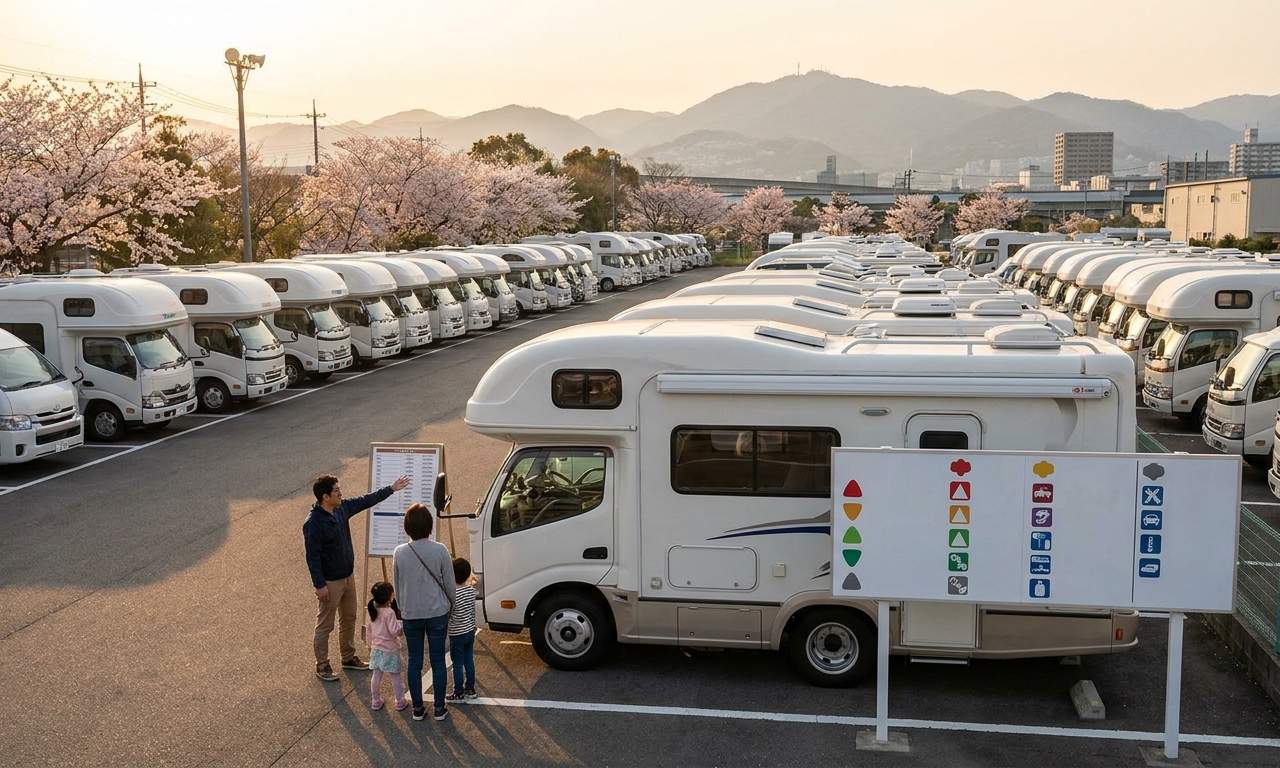
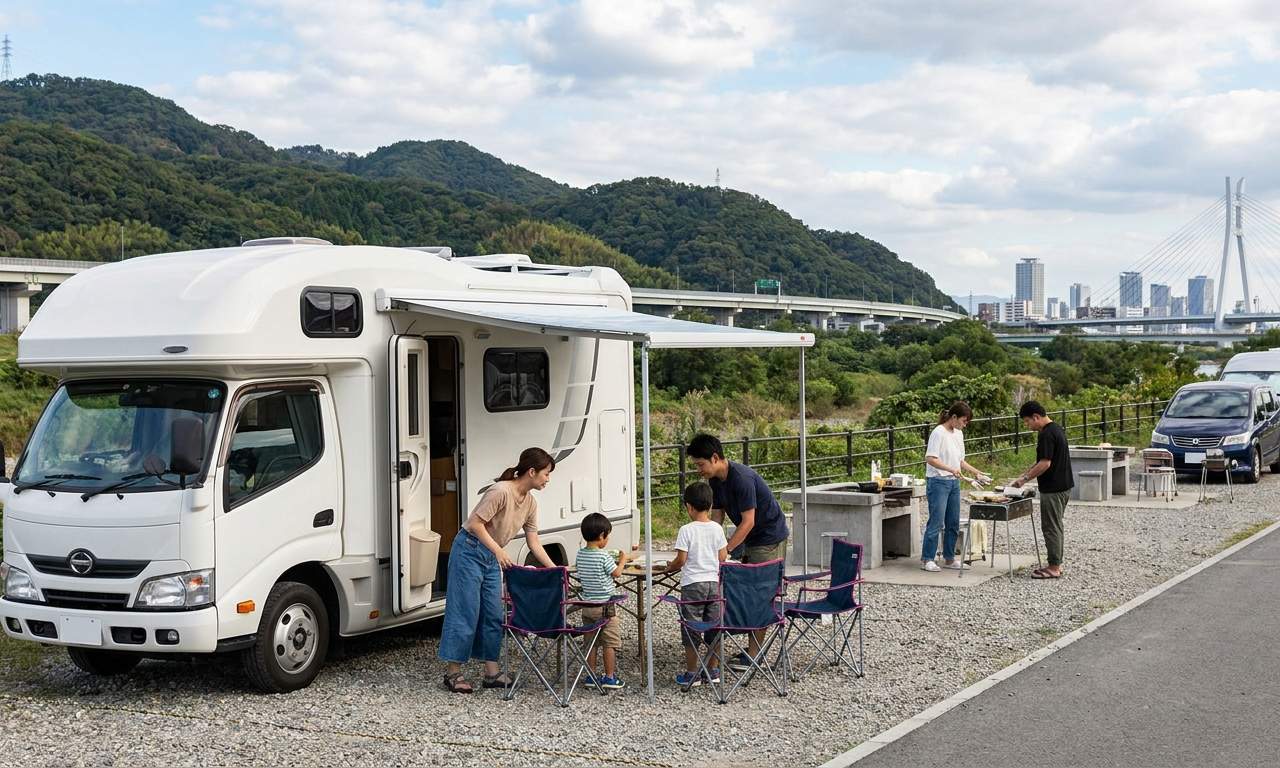
RV rental prices in Osaka are heavily influenced by seasonal demand, impacting your budget depending on when you choose to travel. Peak season, generally encompassing July and August along with the popular Golden Week holiday, will see the highest rental rates due to increased demand.
Shoulder seasons, typically spanning May to June and September to October, offer a more moderate pricing structure and are often accompanied by pleasant weather, making them an excellent time to explore. The off-season, from November through April (excluding major holidays), typically presents the lowest prices, with April frequently being the cheapest month for rentals.
It's important to note that these prices are often subject to "flex-rates," meaning they can change daily based on availability. For this reason, booking earlier, especially for peak periods, is highly advised to secure better rates and ensure availability.
What's Included vs. What's an Add-On
Understanding what's included in your RV rental and what constitutes an add-on is crucial for accurate budgeting and avoiding surprises. Inclusions can vary significantly between different RV models and rental stations; therefore, it is essential to verify the specifics for each booking.
Basic insurance coverage is typically always included in the rental price. However, comprehensive coverage is usually an optional add-on that provides extra peace of mind. Common add-ons that you might consider include unlimited mileage packages, generator usage, kitchen kits (containing utensils, tableware, and cookware), and bedding sets.
Many rental platforms, including ours, offer a comparison toggle that allows you to easily see what is included and which items are available as add-ons, helping you customize your rental to your needs and budget. Always check the exact inclusions for your desired rental before confirming your booking.
Hidden Costs to Budget For in Osaka
Beyond the base rental fee, several other costs should be factored into your RV travel budget for Osaka and Japan. One significant consideration is Japan's extensive toll road system; many expressways require payment, and investing in an ETC (Electronic Toll Collection) card can streamline passage and may offer discounts.
Campground fees are another predictable expense, generally ranging from ¥3,000 to ¥6,000 per night, though this can vary based on amenities and location. Fuel costs are variable, influenced by the RV's type (gasoline or diesel) and current market prices. You might also encounter occasional charges for using dump stations to dispose of waste water and toilet contents.
When exploring routes through platforms like RV PLANET (rvplan.net), you can often itemize and track these ancillary costs, making budgeting much easier. Some rental providers also offer perks such as pre-purchasing toll usage or providing discount cards for campgrounds and fuel, which can be valuable savings.
How to Save on RV Rental in Osaka
To optimize your RV rental budget in Osaka, consider a few strategic approaches. Traveling during the shoulder seasons, specifically May to June or September to October, often yields better rates compared to the peak summer months.
Another way to save is by pre-purchasing tolls or inquiring about any available discount cards, such as ETC or campground-specific cards, which can reduce overall travel expenses. If your group size and travel style permit, choosing a smaller RV class can not only lower the rental cost but also ease navigation and parking in Japan's urban areas.
Booking for longer durations often results in a better daily rate. Keep an eye on flex-rate fluctuations, as monitoring price drops can help you secure optimal booking times. Finally, diligently verify the vehicle's inclusions to avoid unnecessary add-on purchases that might inflate your final bill.
How much does it cost to rent an RV in Japan for a week
Renting an RV in Japan for a week typically costs between ¥50,000 and ¥150,000, depending on the RV's class and the time of year you plan to travel. These figures represent the base rental cost.
It’s essential to also budget for additional expenses that can significantly impact your overall trip cost. These include substantial toll charges on expressways, fluctuating fuel costs that vary by vehicle type, and nightly fees for campsites, which generally range from ¥3,000 to ¥6,000 per night.
For a detailed breakdown and real-time estimates specific to your travel dates in Osaka, please refer to the pricing table or use the search functionality on our platform.
How much does it cost to RV in Japan
The total cost to RV in Japan encompasses several key components: rental fees, significant toll charges, fluctuating fuel costs, and campground fees. Daily rental rates can range broadly from approximately ¥7,000 for a compact RV during the off-season to ¥25,000 or more for a larger model during peak season.
Be prepared for substantial toll charges, as expressways can cost between ¥500 to ¥1,000 per 100 kilometers traveled. Campsite fees typically fall between ¥3,000 and ¥6,000 per night, depending on the facilities offered. It's wise to also account for additional expenses such as insurance upgrades, optional add-ons like kitchen kits or GPS, and potential waste disposal fees.
Understanding these varied costs will help you create a comprehensive budget for your Japanese RV adventure. For navigating the complexities of the Japanese road system, our guide on Driving an RV in Japan - Complete Guide 2026 offers valuable insights.
Can foreigners rent RV in Japan
Yes, foreigners can rent an RV in Japan, provided they meet the necessary legal requirements. The most critical document is a valid International Driving Permit (IDP) issued under the 1949 Geneva Convention; this must be presented alongside your original driver's license.
Renters generally need to be between 20 and 25 years old, depending on the rental company, and must present a valid passport and visa or entry stamp. It's important to ensure your IDP covers the class of vehicle you intend to rent, although standard RV endorsements are rarely an issue.
Familiarizing yourself with Japan's driving laws is also essential. For detailed information, consult our guide on Driving an RV in Japan - Complete Guide 2026, which covers key regulations and road sign interpretation.
Where can I park an RV overnight in Japan
Overnight RV parking in Japan is primarily available at designated campgrounds or at 'Michi-no-Eki' (Roadside Stations). Campgrounds typically offer full facilities, including utility hookups, providing a comfortable and well-equipped stay.
Michi-no-Eki, on the other hand, serve as safe rest stops that facilitate overnight parking, though they generally lack utility hookups. It is important to note that 'wild camping' is generally discouraged and often illegal in Japan; always adhere to local regulations and cultural etiquette.
While some public parking lots might permit overnight RV parking, it is crucial to check signage or inquire locally to confirm the rules. Understanding these parking options is vital for planning your itinerary, and our guide on Driving an RV in Japan - Complete Guide 2026 provides further details.
What are the driving laws in Japan
Driving in Japan requires adherence to specific laws, including always driving on the left side of the road and respecting posted speed limits. A zero-tolerance policy for drunk driving is strictly enforced, and seatbelts are mandatory for all passengers.
International drivers should be prepared to interpret Japanese road signs, although many major routes feature bilingual (Japanese and English) signage. Navigating with an RV requires an awareness of the vehicle's dimensions, especially considering Japan's potentially narrow roads and low overhead clearances. It is also important to be prepared for breakdowns and potential language barriers in emergency situations.
Parking restrictions are prevalent, particularly in urban areas, so always be mindful of signage. For a comprehensive overview of driving in Japan, our guide Driving an RV in Japan - Complete Guide 2026 is a valuable resource.
Are RVs popular in Japan
RVs are steadily growing in popularity in Japan, driven by an increasing domestic travel trend and a desire among travelers for unique exploration experiences. Particularly favored are smaller, compact RV models, which are well-suited for navigating Japan's often narrower roads and tighter parking spaces, a fact that often surprises foreign RVers.
The extensive network of Michi-no-Eki (Roadside Stations) significantly supports and facilitates RV travel across the country, providing convenient rest stops and local amenities. The RV rental and sales industry in Japan is thriving, catering to both local enthusiasts and the growing number of international visitors seeking this mode of travel.
For those planning an RV trip, understanding the local RV culture is key. Our guide on Driving an RV in Japan - Complete Guide 2026 offers helpful insights into navigating Japan's roads and customs.
Is an international driving permit required for Japan
Yes, an International Driving Permit (IDP) is absolutely essential for non-resident foreigners to legally drive in Japan. The IDP must be issued under the 1949 Geneva Convention, and you must present it alongside your original valid driver's license when driving.
It's crucial to understand that IDPs issued under the 1968 Vienna Convention are not accepted in Japan. Additionally, citizens from certain countries, such as Switzerland, Germany, and France, require an official Japanese translation of their domestic license in addition to the IDP.
Ensuring you have the correct documentation is vital for a smooth RV rental experience. For more on driving requirements, please refer to our Driving an RV in Japan - Complete Guide 2026.
What is a Michi-no-Eki
A Michi-no-Eki, translating to 'Roadside Station,' is a government-designated rest stop network found throughout Japan. These stations offer a variety of facilities, including restrooms, markets selling local produce, restaurants, and tourist information centers.
For RVers, Michi-no-Eki serve as convenient and accepted spots for overnight parking, providing a safe place to rest. However, they typically lack utility hookups, so be prepared for self-contained living. It is important to adhere to cultural etiquette at these locations: maintain quiet hours, avoid setting up full camping gear, limit stays to one night, and ensure proper waste disposal.
These stations are a fantastic resource for RV travelers seeking authentic local experiences. To learn more about planning your routes and finding these unique stops, consider exploring the professional route plans available at RV PLANET routes.
What You Shouldn't Miss
- Explore Osaka Castle and its surrounding Nishinomaru Garden for a glimpse into Japan's feudal past, easily accessible with your rented RV.
- Wander through Dotonbori, the vibrant entertainment district, and experience its iconic Glico Running Man sign and street food.
- Visit the Umeda Sky Building for panoramic city views from its Floating Garden Observatory, offering a unique perspective of Osaka's urban landscape.
- Take a scenic drive along the coastline accessible from Osaka, perhaps exploring the scenic routes of the Setonaikai National Park.
- Discover the cultural richness of Shitennoji Temple, one of Japan's oldest Buddhist temples, offering a peaceful retreat from the city bustle.
- Experience the unique urban drive through the Gate Tower Building, where the Hanshin Expressway passes through an office building.
Final Thoughts
Renting an RV in Osaka opens up a world of possibilities for exploring Japan at your own pace, offering a unique blend of freedom and immersion in the local culture. From navigating the vibrant city streets to discovering serene natural landscapes, an RV provides the perfect mobile base for your adventure.
Remember to plan ahead, consider the seasonal pricing, and take advantage of savings opportunities by booking in advance. With Bandana Caravan, you can be confident in finding a transparent and reliable rental that meets your needs, supported by our dedicated team throughout your journey.
Find Motorhome Rentals in OsakaFor ideas you can prep on the road, watch our RV-friendly recipes playlist on YouTube.
