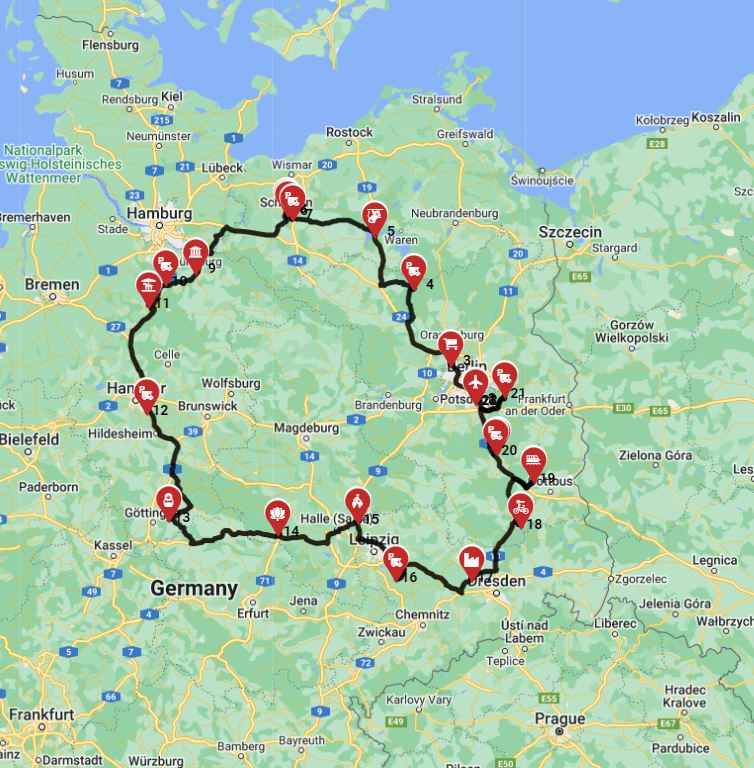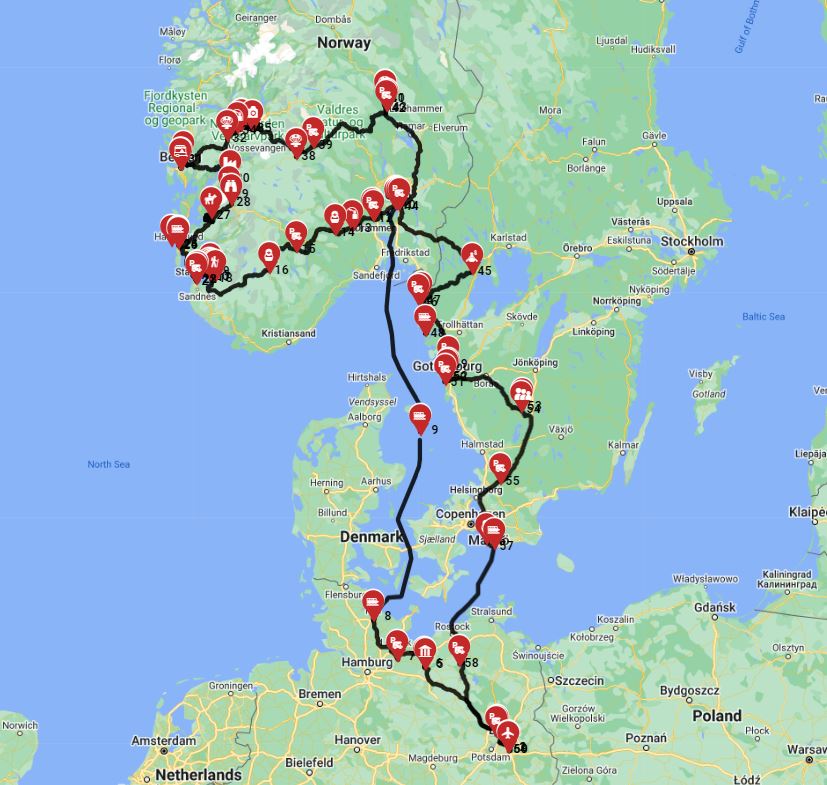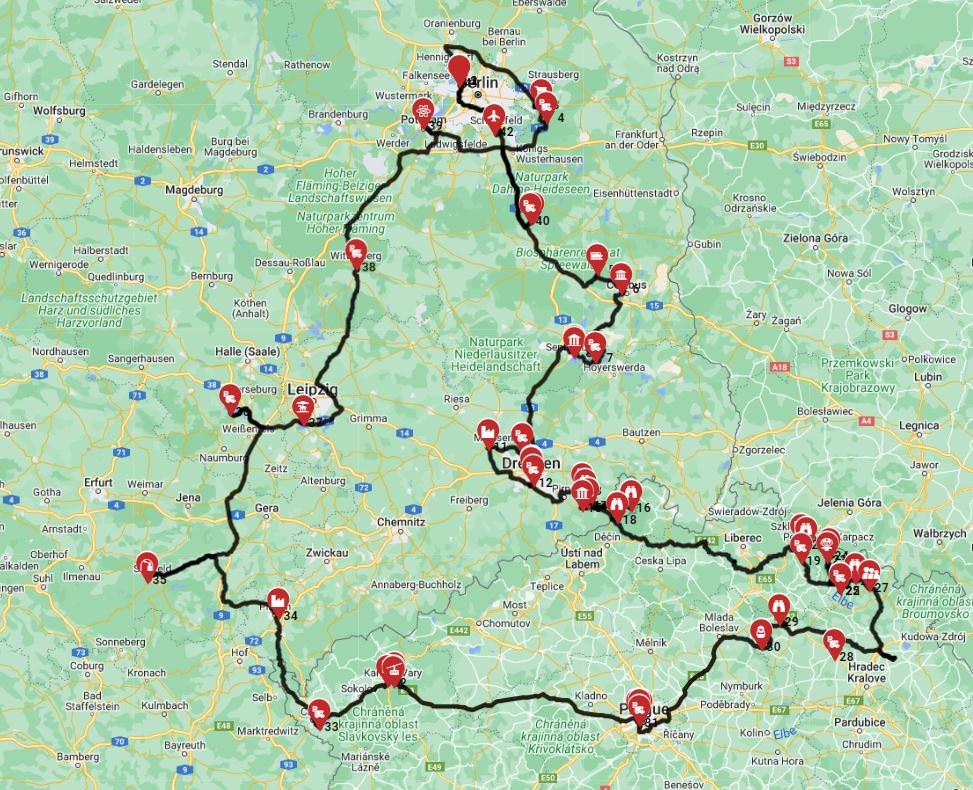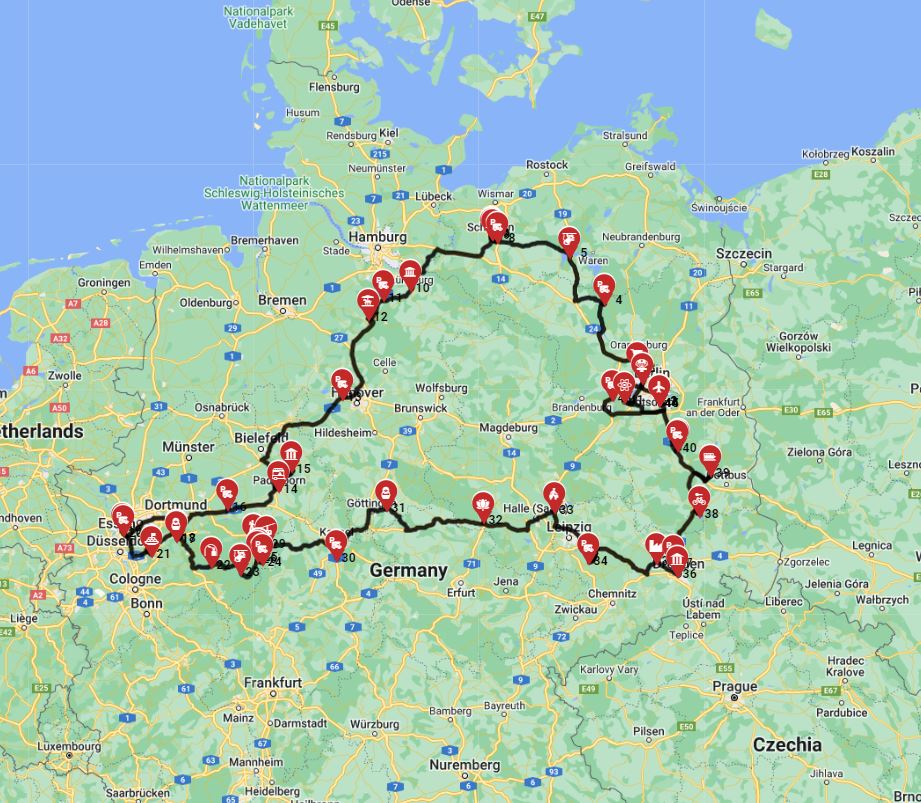
For live availability and current prices, start with our RV Rental North Europe - Complete Guide 2026 guide.
Can You Drive an RV in North Europe? License & Age Rules
Navigating North Europe in a rented RV is an accessible adventure, with most standard driver's licenses being sufficient. Typically, a Category B license, valid in most countries, allows you to drive RVs with a Maximum Authorised Mass (MAM) of up to 3,500 kg. This weight class encompasses a wide variety of popular rental campervans and smaller motorhomes, making them ideal for exploring the region.
For larger RVs, specifically those between 3,500 kg and 7,500 kg, a Category C1 license is generally required for drivers from EU/EEA countries. Similar weight-based licensing categories apply to drivers holding non-EU licenses, so it's crucial to verify your license's validity for the specific vehicle class you book.
RV rental companies in North Europe typically set a minimum driver age of 21, with some larger vehicle classes or specific suppliers requiring drivers to be at least 25 years old. In all cases, you'll need to have held a valid driver's license for a minimum of one to three years. For international travelers, carrying an International Driving Permit (IDP) alongside your national license is highly recommended, as it can facilitate understanding for local authorities and rental agencies, though it's not always mandatory.
Always ensure your rental provider specifies the exact license requirements for the RV you select. Bandana Caravan, as true RV specialists, facilitates this comparison, ensuring you have all the necessary information before you book your cheap RV rental in North Europe.
Road Conditions & Terrain in North Europe
North European countries generally boast excellent road infrastructure, making RV travel comfortable on main arteries and highways. However, the terrain can vary significantly, from the relatively flat landscapes of Denmark to the dramatic fjords and mountains of Norway, and the vast forests of Sweden and Finland.
Expect well-maintained highways, but be prepared for narrower, winding roads, especially in rural and coastal areas. Norway's fjord country, for instance, is renowned for its scenic, albeit sometimes challenging, routes with frequent turns and inclines. Similarly, mountainous regions in Sweden can present narrower passages.
Some more remote routes, particularly in the northern parts of Finland or Norway, may involve gravel sections. Driving these roads requires slower speeds and careful handling of your RV to ensure safety and prevent damage. The emphasis in North Europe is often on scenic driving rather than high speeds, which perfectly suits those seeking a relaxed journey in a cheap RV rental, allowing ample time to appreciate the stunning natural beauty.
RV Size Limits, Bridges & Restricted Zones
Drivers of RVs in North Europe must be mindful of vehicle dimension restrictions. Height, width, and weight limits are particularly relevant for older bridges, tunnels, and certain ferry routes, especially in Norway's fjord regions, where vehicles exceeding specific dimensions might be restricted or incur higher fees. Always pay close attention to local signage indicating maximum vehicle dimensions.
Several major North European cities, including Stockholm, Gothenburg, Oslo, and Copenhagen, operate Low Emission Zones (LEZs) or environmental zones. These zones may restrict access for older or more polluting RVs unless they possess proper permits or meet specific emission standards. Non-compliance can result in significant penalties, so it's essential to research the LEZ regulations for any city you plan to visit.
Booking ferries in advance is highly advisable, especially for longer RVs, as capacity can be limited, and booking categories are often based on vehicle length. This proactive approach can save time and prevent disappointment, ensuring a smoother journey through this scenic region.
Fuel: Diesel vs. Petrol & Cost per 100 km
The vast majority of rental RVs in North Europe operate on diesel fuel, which is widely available at service stations across all countries in the region. At Bandana, our global fleet averages indicate that a Class SI - Semi-integrated RV typically consumes around 10-11 liters per 100 km, while a more compact Class B - Camper Van generally uses 8-10 liters per 100 km.
Considering an average diesel price of €1.80 per liter (though this can fluctuate), a 100 km drive in a Semi-integrated RV would cost approximately €18.00-€19.80. For a Camper Van, this figure would be around €14.40-€18.00. It's worth noting that fuel prices in North Europe tend to be higher compared to other European regions. Therefore, factoring these costs into your budget is essential for a 'cheap RV rental' experience.
Some rental companies may offer fuel discount cards or promotions, so it's always worth inquiring. Planning your routes efficiently to minimize mileage can also contribute to significant fuel savings throughout your North European adventure.
Tolls, Vignettes & Border Rules
Navigating North Europe with an RV involves understanding various toll systems and border regulations. Norway, for instance, operates an extensive automatic toll system called AutoPASS. Charges are applied to most major roads, bridges, and tunnels, with RVs, especially those exceeding 3,500 kg, often facing higher rates. Registering your RV with AutoPASS or ensuring your rental provider offers a transponder is advisable to avoid administrative fees from mailed toll invoices. On the routes offered through RV PLANET routes, you can itemize and track every expense along the way for easy budgeting.
Denmark has tolls for its major bridges, notably the Øresund Bridge connecting to Sweden and the Storebælt Bridge. These should be factored into your travel budget. Sweden primarily utilizes congestion charges in cities like Stockholm and Gothenburg, along with some specific bridge tolls, but does not employ a national vignette system.
Traveling between Nordic countries – Denmark, Sweden, Norway, Finland, and Iceland – generally involves open borders with no routine passport or customs checks. However, it's crucial to ensure your vehicle insurance is valid for all countries you plan to visit, and to carry all necessary documentation. For the most up-to-date information on specific toll costs and border procedures, always check official government or road authority websites.
Driving Tips for Cheap RV Rental Travelers
When embarking on your North European RV journey, several practical tips can enhance your experience. **Pre-planning Ferry Crossings** is particularly important in Norway, where popular ferry routes can be booked in advance to save time and potentially money, as fares often increase closer to departure.
For Norway's toll system, **utilizing AutoPASS** by registering your RV or confirming your rental provider offers a transponder is key to managing costs and avoiding administrative fees.
Embrace the **Nordic Pace of Driving**. Roads are often designed for enjoyment rather than speed; adopting a slower, more deliberate driving style is not only safer and more fuel-efficient but also allows for a better appreciation of the stunning scenery. Remember to **Budget for High Fuel Costs**, as North Europe has some of the highest fuel prices in Europe, making route planning and efficient driving crucial. Finally, **Stay Informed on Environmental Zones** in cities; checking which urban areas have LEZs and whether your rental RV complies or requires pre-registration is vital to avoid fines, especially when driving into city centers.
Recommended RV Class for North Europe Roads
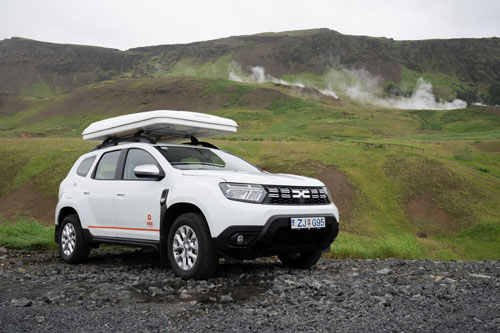
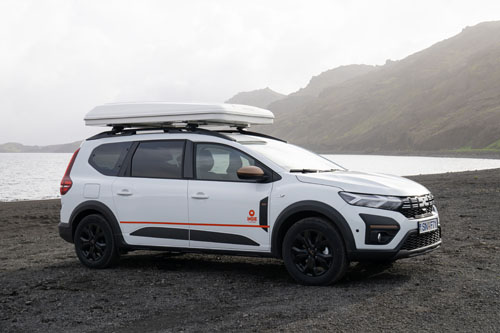
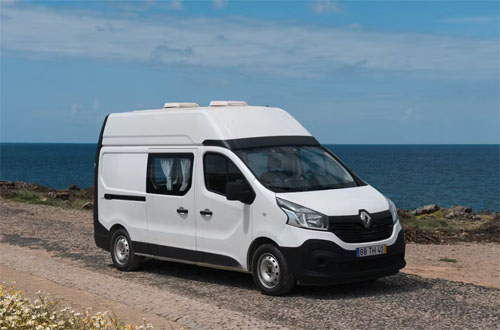
For optimal maneuverability and comfort on North European roads, Class B - Camper Vans and Class SI - Semi-integrated RVs are highly recommended. Bandana's Class B - Camper Vans, with an average length of 5.8 meters, are exceptionally agile. They are well-suited for navigating narrow rural roads, fitting into tighter parking spaces, and often benefit from lower ferry rates due to their smaller footprint, all while providing essential amenities for a comfortable trip.
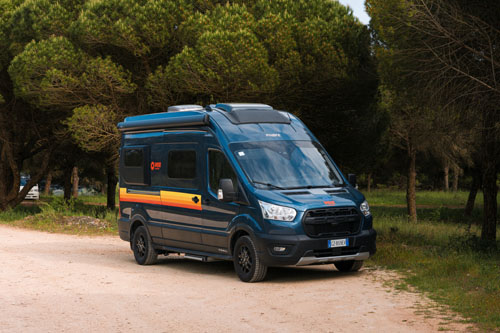
The Class SI - Semi-integrated RVs, averaging 6.9 meters in length, offer a fantastic balance between spacious living areas and manageable dimensions. These RVs are suitable for most main roads and campsites across North Europe, providing a comfortable and practical base for exploration.
Both these classes represent a cost-effective choice for a 'cheap RV rental' in North Europe, primarily due to their relatively better fuel consumption (typically 8-11 Liters/100 km combined) compared to larger, heavier integrated models. This makes them ideal for budget-conscious travelers who still desire comfort and convenience.
By choosing these vehicle classes, you’re setting yourself up for a more relaxed and enjoyable driving experience, allowing you to focus on the breathtaking landscapes of North Europe.
Should I Choose a Compact Van Instead of a Large RV in North Europe?
The decision between a compact van (like a Class B Camper Van) and a moderately larger RV (like a Semi-integrated model) in North Europe hinges on your priorities for maneuverability versus onboard comfort and amenities. Both options offer distinct advantages for exploring this diverse region.
A compact van, such as Bandana's Class B Camper Vans (averaging 5.8m in length), excels in urban environments. They are easier to navigate through narrow historic streets, fit into standard parking spots, and often qualify for lower ferry rates due to their smaller footprint. This makes them a superb choice for travelers who plan to visit many cities and smaller villages.
Conversely, a larger RV, like a Class SI Semi-integrated (averaging 6.9m), provides significantly more living space, often featuring a dedicated shower and toilet, more storage, and enhanced comfort. This extra space can be invaluable during longer trips or in cooler weather, allowing for a more relaxed experience. While a compact van might offer marginally cheaper rental and lower fuel costs, the superior comfort and amenities of a slightly larger RV are frequently a worthwhile trade-off for most North European adventures, as the road infrastructure generally accommodates both well.
Ultimately, the 'best' choice depends on your travel style and itinerary. If your focus is on city exploration and flexibility, a compact van is ideal. If comfort, space, and comprehensive amenities are paramount for your journey, a semi-integrated RV might be the better fit.
Can I Park Anywhere? Free & Wild Camping Rules in North Europe
The concept of 'free camping,' or 'wild camping,' is permissible in several North European countries, notably Sweden, Norway, and Finland, thanks to the unique principle of *Allemansrätten* (every man's right). This long-standing tradition allows temporary overnight stays on most uncultivated land, provided you respect nature, privacy, and local regulations. Key guidelines include parking a reasonable distance from houses, not blocking gates or roads, leaving no trace of your stay, and avoiding protected areas or cultivated land.
In contrast, Denmark and Iceland generally have stricter regulations where wild camping is largely prohibited outside of designated campsites or official overnight parking areas. Violations in these countries can lead to substantial fines. It's imperative to research specific country and regional laws before attempting to wild camp, always prioritize designated sites, and adhere strictly to 'leave no trace' principles.
Respecting these rules ensures the preservation of North Europe's pristine natural environments and fosters positive relations with local communities, contributing to a sustainable and enjoyable RV travel experience. Always check local signage and regulations before parking your rented RV overnight.
Can You Drive an RV Into the City Center? Heights, Tunnels & Local Signage
Yes, you can almost always drive an RV into city centers in North Europe, but it requires vigilant attention to local signage, particularly concerning vehicle dimensions and environmental restrictions. While the intention is to provide access, thorough awareness of specific rules is key.
Be extremely cautious of height restrictions for tunnels, underpasses, and multi-story parking garages, as these are almost universally too low for RVs. Additionally, historic city districts can feature very narrow streets that may be challenging for larger vehicles.
As mentioned, many North European cities, including Oslo, Stockholm, and Copenhagen, implement environmental zones (LEZs). These may restrict access for older or heavier RVs without specific permits or prior registration, or they may levy congestion charges. Understanding these regulations before entering a city center is crucial to avoid fines and ensure a smooth experience.
Always observe 'residents-only' parking signs and consider parking your RV at the periphery of city centers. Utilize designated RV-friendly parking spots or campsites, and then take advantage of the excellent public transport systems available in most North European cities. This approach is often the most practical and stress-free way to explore urban areas.
What is the 3-3-3 Rule for RV Travel?
The 3-3-3 rule for RV travel is a widely adopted guideline designed to enhance safety and enjoyment on long road trips, particularly when exploring diverse regions like North Europe. It serves as a simple yet effective framework for managing driving time and encouraging deeper immersion in destinations.
The rule advises limiting your daily driving to a maximum of 300 miles (approximately 480 km) or 3 hours of driving, whichever comes first. This limitation is crucial for preventing driver fatigue, which is paramount for safe travel, and also allows more time for exploration and spontaneous stops.
Another key component suggests aiming to conclude your driving for the day by 3 PM. This timing provides ample daylight hours to locate a suitable campsite or overnight parking spot, set up your rented RV comfortably, and still have time to explore the immediate surroundings before dusk. The third '3' often encourages staying in each location for at least 3 nights. This practice fosters a slower travel pace, allowing for a more profound connection with the local culture and environment, and reduces the constant effort of packing and unpacking.
What is the 444 Rule for RVs?
The '444 rule' for RV travel is another popular guideline focused on ensuring a safe and manageable journey, particularly for those new to RVing or tackling extensive routes in regions such as North Europe. It offers a slightly more flexible approach to daily driving limits while still promoting moderation and safety.
It suggests not driving more than 400 miles (approximately 640 km) in a single day. While this allows for covering more ground than the 3-3-3 rule, it still promotes a sense of moderation and prevents excessive fatigue. The rule also recommends stopping for the day by 4 PM. This allows sufficient daylight hours to find a suitable overnight parking spot or campsite and comfortably establish your temporary home, avoiding the stress of searching in the dark.
Additionally, it advises taking a substantial break every 4 hours of driving. These breaks, which could include a meal, a short walk, or simply stretching, are essential for combating fatigue and maintaining alertness behind the wheel. Adhering to these simple guidelines can make your North European RV adventure significantly more enjoyable and secure. For ideas you can prep on the road, watch our RV-friendly recipes playlist on YouTube.
Can You Drive an RV in Europe?
Yes, you can absolutely drive an RV in Europe, including throughout North Europe, provided you possess the appropriate driver's license for the vehicle's weight and adhere to all local traffic laws and regulations. Europe offers an exceptional infrastructure for RV travel, featuring a vast network of well-maintained roads, numerous designated campsites, and breathtaking scenic routes, making it a premier destination for motorhome adventures.
It's essential to ensure your RV meets European safety standards, your insurance is valid for all planned countries, and you are aware of country-specific rules regarding speed limits, tolls, and environmental zones. For detailed information on license requirements and specific North European driving rules, please refer to the 'Can You Drive an RV in North Europe? License & Age Rules' section above.
Bandana Caravan's platform allows you to easily compare rental options across various European countries, ensuring you find the perfect RV for your journey.
Can You Sleep Anywhere in a Campervan in Europe?
No, you generally cannot sleep anywhere in a campervan across all of Europe. Regulations for overnight parking and 'wild camping' differ significantly by country and local municipality, making a blanket 'yes' impossible.
While countries like Sweden, Norway, and Finland permit some degree of wild camping in uncultivated areas under their *Allemansrätten* provisions, strict rules apply regarding proximity to homes, environmental impact, and duration of stay. These are not carte blanche permissions but rather guidelines for respectful temporary use of the land.
In many other European nations, including Denmark and Iceland within North Europe, overnight parking outside of official campsites or designated *stellplatz* (motorhome parking areas) is typically prohibited and can result in fines. Therefore, always research specific country and regional laws before attempting to wild camp, prioritize official sites, and practice 'leave no trace' principles to respect local environments and communities.
Is Europe RV Friendly?
Yes, Europe is very RV friendly, offering a highly developed and comprehensive infrastructure for motorhome and campervan travel across its diverse landscapes, including the unique environments of North Europe. The continent features an extensive network of campsites, dedicated service areas, and dump stations, alongside generally high-quality road systems suitable for various RV sizes.
With relatively compact distances and open borders within the Schengen Area, cross-country RV trips are straightforward. This seamless travel allows you to explore multiple cultures and natural wonders without significant border-crossing hassles. North Europe, in particular, is renowned for its stunning natural beauty, abundant outdoor recreation opportunities, and often a strong emphasis on sustainability, making it an excellent and welcoming region for RV enthusiasts.
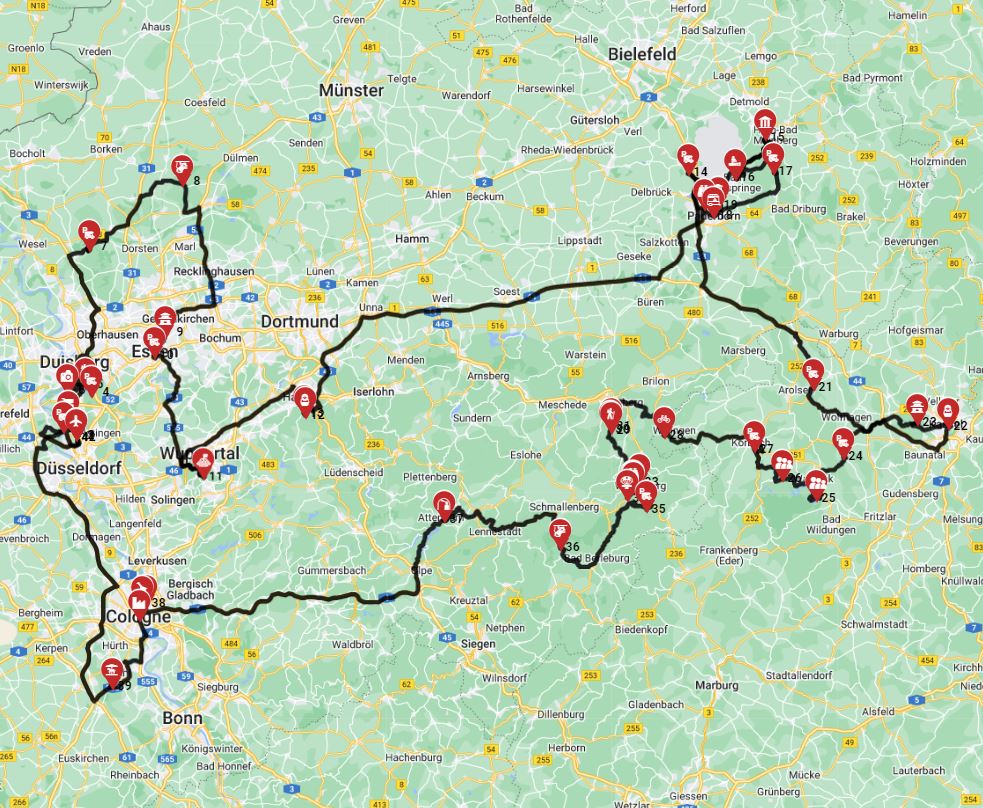
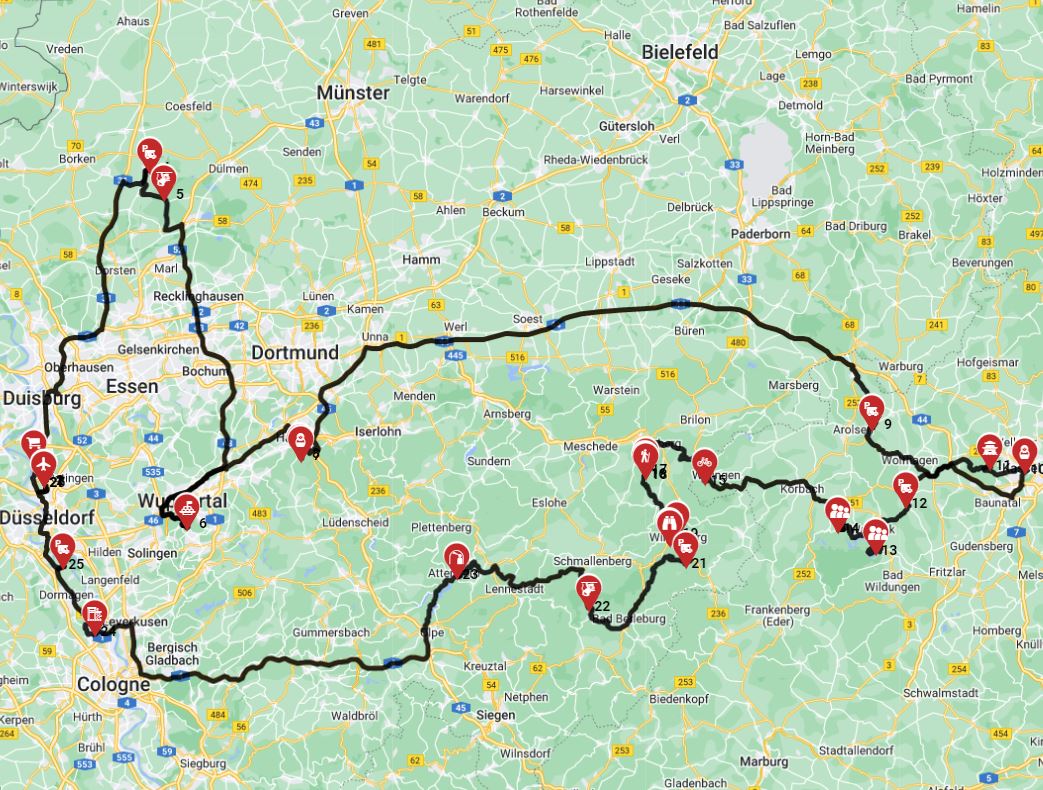
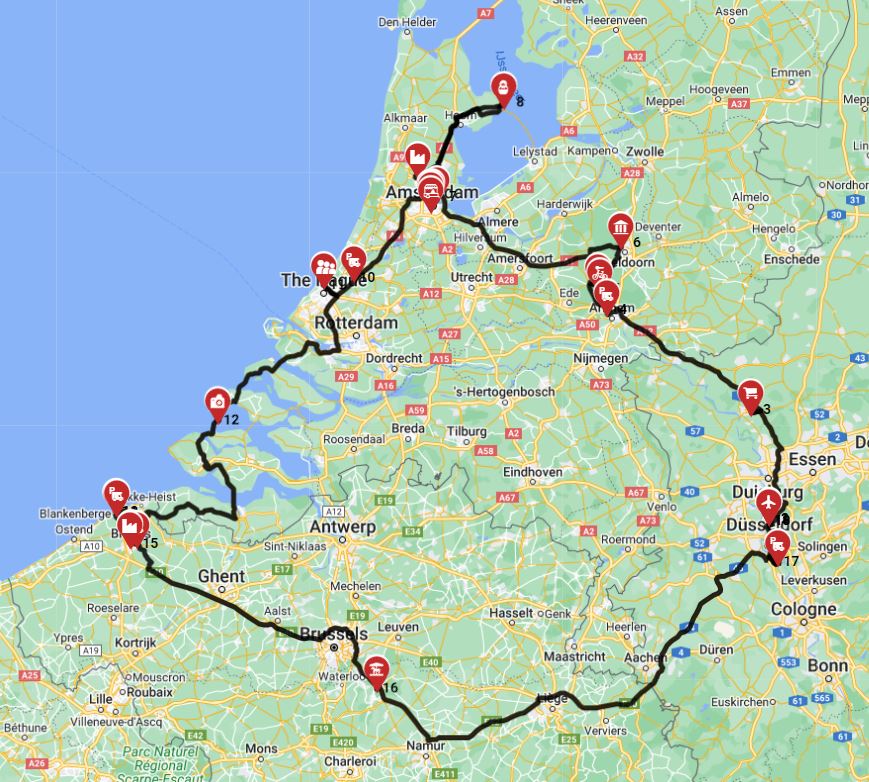
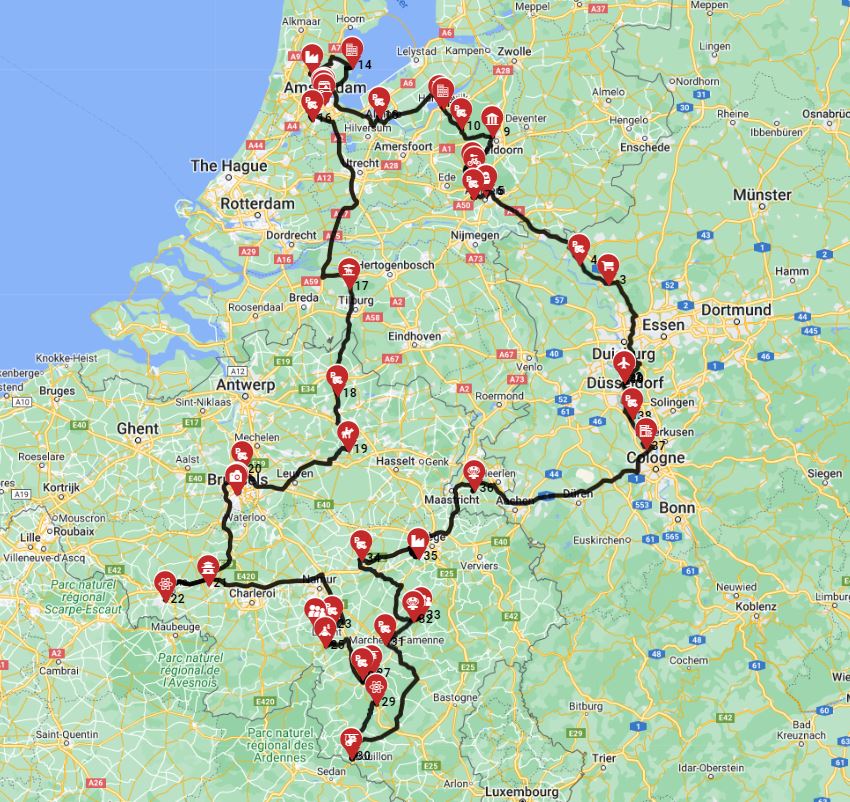
Exploring North Europe by RV is an ideal way to experience its captivating scenery at your own pace. Use RV PLANET (rvplan.net) to discover routes and find campsites that cater to RV travelers.
What is the 333 Rule for Campervans?
The '333 rule' for campervans is essentially the same guiding principle as the '3-3-3 rule' for RVs, serving as a practical framework for planning safe and enjoyable road trips in regions like North Europe. It focuses on a balanced approach to driving and resting.
It primarily suggests limiting daily driving to around 300 miles (approximately 480 kilometers) or a maximum of 3 hours. This aims to minimize driver fatigue and ensure a relaxed travel experience, allowing for more flexibility and less stress on the road. A key recommendation is to conclude driving by 3 PM, which allows ample daylight to find and set up at a campsite or suitable overnight parking spot, and to comfortably explore your surroundings.
The rule also often advises staying at each destination for at least 3 nights. This promotes deeper engagement with locations, allowing you to truly experience the local culture and environment, and reduces the constant effort of packing and unpacking.
Can You Park a Motorhome Anywhere in Europe?
No, you cannot park a motorhome anywhere in Europe for overnight stays. Parking regulations are strictly enforced and vary significantly across different countries and local jurisdictions to manage traffic, protect natural environments, and ensure public order.
While daytime parking for motorhomes is generally permitted in public spaces, provided the vehicle fits and adheres to local parking signage, overnight parking outside of designated campsites or official motorhome parking areas (*stellplatz* or *aires*) is often prohibited. Even in countries with a 'right to roam' or similar provisions for wild camping, such as Sweden, Norway, and Finland, these rights usually apply to specific types of land and come with strict 'leave no trace' rules, not universal parking freedom.
To avoid fines and ensure a positive experience, always consult local signage, tourist information centers, or use dedicated RV apps to locate legal and safe overnight parking options for your motorhome. Responsible campervan travel is key to preserving these beautiful destinations for future visitors.
Which European Country is the Cheapest to Get a Driver's License?
The question of which European country offers the cheapest driver's license is largely irrelevant for travelers planning to rent an RV in North Europe. Rental companies require you to already possess a valid license from your country of residence that permits you to drive the intended vehicle class.
Costs for obtaining a driver's license vary significantly across European countries, influenced by local driving school fees, examination charges, and administrative expenses. However, for the purpose of RV rental, the critical factor is ensuring your existing national driver's license is valid for the vehicle's weight (e.g., Category B for RVs up to 3,500 kg) and that it's internationally recognized. Consider obtaining an International Driving Permit (IDP) if recommended by your rental provider or for added convenience.
Focus on confirming your current license's validity and necessary endorsements rather than attempting to acquire a new, potentially cheaper, European license for a short-term rental, as this is generally not feasible or necessary.
Can You Drive an RV in America on a UK Licence?
Yes, typically, you can drive an RV in America on a valid UK driving license for short visits, provided your license is current and permits you to drive the specific class of vehicle you intend to rent.
However, it is strongly recommended, and sometimes required by rental companies or certain states, to also carry an International Driving Permit (IDP) alongside your UK license. An IDP serves as a translation of your domestic license and can facilitate communication with local authorities and rental providers.
While this question pertains to driving in America, the underlying principle of verifying your national license's validity and considering an IDP is a general best practice for any international RV travel. Always confirm specific requirements directly with your RV rental provider in America and research any state-specific regulations for the areas you plan to visit.
Can You Park Your Campervan Anywhere in Europe?
No, you cannot park your campervan anywhere in Europe for overnight stays. Strict regulations are in place to control parking, protect natural environments, and ensure public order, and these rules vary widely by region.
While daytime parking generally follows standard vehicle parking rules (if your campervan fits and adheres to local signage), overnight parking or 'wild camping' is often restricted to designated campsites, *stellplatz*, or officially approved areas. Even in North European countries where 'right to roam' allows some freedom for temporary stays in uncultivated areas, this is not an invitation to park indiscriminately anywhere, especially not in urban or protected zones.
Responsible campervan travel necessitates using official facilities, respecting private property, and adhering to 'leave no trace' principles. Always check local signage or regulations for permitted overnight spots to avoid fines and contribute to the preservation of these beautiful destinations.
What You Shouldn't Miss
- Drive Norway's scenic Atlantic Ocean Road (Atlanterhavsveien), a stunning route with dramatic bridges and coastal vistas perfect for RV exploration.
- Experience the Northern Lights in Swedish Lapland during winter – a truly magical spectacle best viewed away from city lights in your cozy RV.
- Explore Iceland's iconic Ring Road, circling the entire island and offering unparalleled access to glaciers, geysers, and volcanic landscapes.
- Discover the Finnish Lakeland by RV, with its thousands of lakes and extensive network of well-equipped campgrounds often featuring traditional saunas.
- Enjoy the midnight sun phenomenon in Northern Norway during summer, offering endless daylight hours for extended RV adventures.
- Cross the Øresund Bridge between Denmark and Sweden, a marvel of engineering offering spectacular sea views as you travel with your rented RV.
Final Thoughts
Renting an RV for your North European adventure offers unparalleled freedom and flexibility. Imagine waking up to stunning fjord views in Norway, exploring Sweden's vast forests, or driving along Iceland's dramatic coastlines, all on your own schedule.
With Bandana Caravan, planning your dream trip is straightforward. We take the complexity out of comparing suppliers, so you can focus on the excitement of the journey. Our transparent pricing and dedicated support ensure a seamless experience from booking to your return.
Get inspired for your next trip! Discover top destinations, planning tips, and more, all in one place. Plan your itinerary in advance with minimal effort and maximum enjoyment, and truly embrace the spirit of slow travel as you discover the unique beauty of North Europe.
Ready to start planning your ultimate North European RV adventure? Compare RV rental prices for North Europe with Bandana Caravan today!