In This Guide
- Can You Drive an RV in Madrid? License & Age Rules
- Road Conditions & Terrain in Madrid
- RV Size Limits, Bridges & Restricted Zones in Madrid
- Fuel: Diesel vs. Petrol & Cost per 100 km in Madrid
- Tolls, Vignettes & Border Rules for RVs in Spain
- Driving Tips for RV Rental Travelers in Madrid
- Recommended RV Class for Madrid Roads
- Should I Choose a Compact Van Instead of a Large RV in Madrid?
- Can I Park Anywhere? Free & Wild Camping Rules in Madrid
- Can I Drive an RV Into the City Center? Heights, Tunnels & Local Signage
- What do I need to drive my motorhome in Spain?
- Can I drive in Madrid with a US license?
- What are the new motorhome rules in Spain?
- What requirements do you need to drive an RV?
- Is Spain camper van friendly?
- Do you need a license to get an RV?
- What is the typical cost of RV insurance?
- What is the best insurance company in Spain?
Embarking on a motorhome adventure in Madrid and its stunning surroundings offers unparalleled freedom, allowing you to discover Spain's heart at your own pace. With Bandana RV, you’ll find that planning a budget RV driving trip in Madrid can be both enjoyable and cost-effective, ensuring you save on fuel and other expenses while experiencing the vibrant culture and breathtaking landscapes. For live availability and current prices, start with our RV Rental Madrid - Complete Guide 2026 guide. We pride ourselves on full transparency, meaning no hidden fees and no surprises when you book your perfect rental motorhome.
Can You Drive an RV in Madrid? License & Age Rules
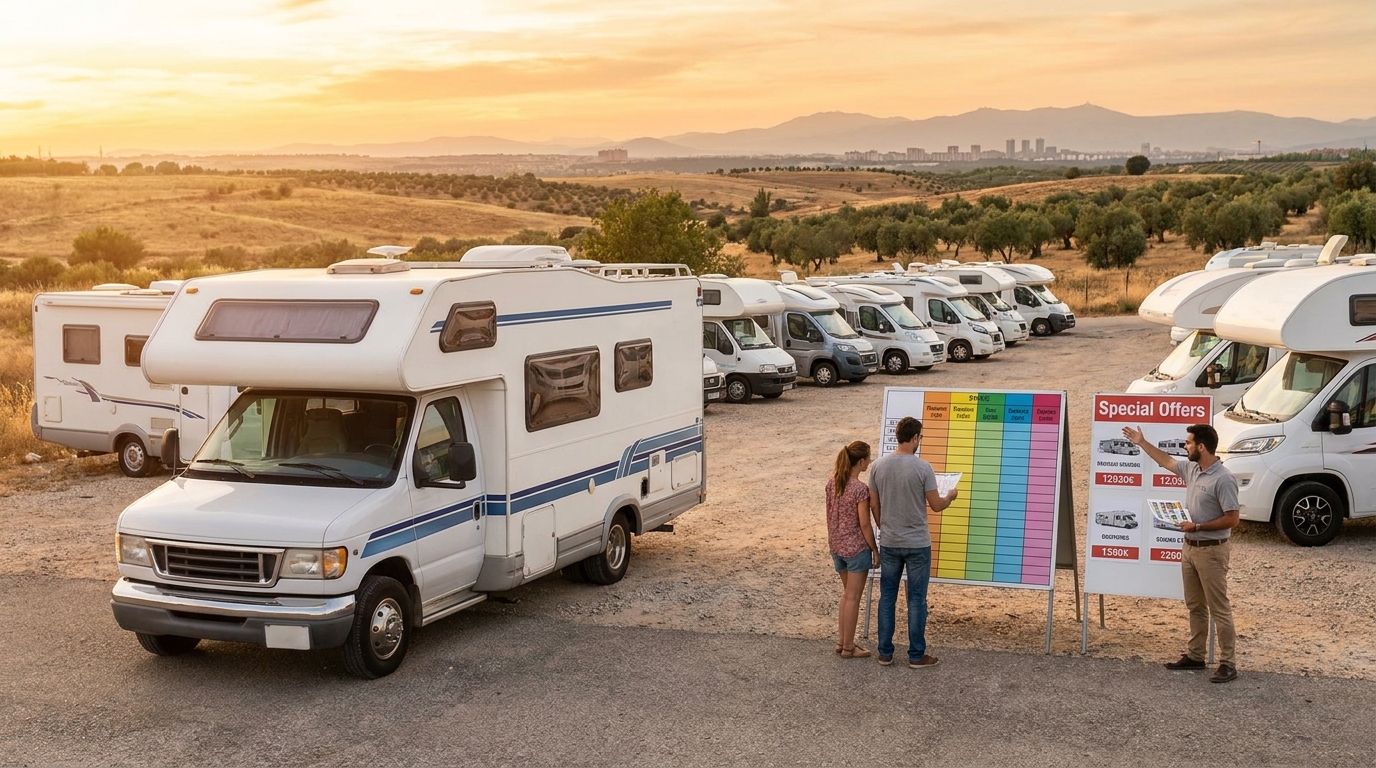
Most RVs under 3,500 kg, including many Class B campervans and Class SI semi-integrated models, can be driven in Madrid with a standard B (car) license, which is the same as for a regular passenger car. For larger motorhomes between 3,500 kg and 7,500 kg, such as some Class C alcoves or Class A integrated models, a C1 license is required. Renters must generally be at least 21 years old to rent an RV in Madrid, with many suppliers requiring this minimum age regardless of vehicle class. Non-EU/EEA drivers will need to carry an International Driving Permit (IDP) alongside their valid national driver's license for stays in Spain up to six months, ensuring they comply with local regulations. Always be sure to have all your necessary documents on hand.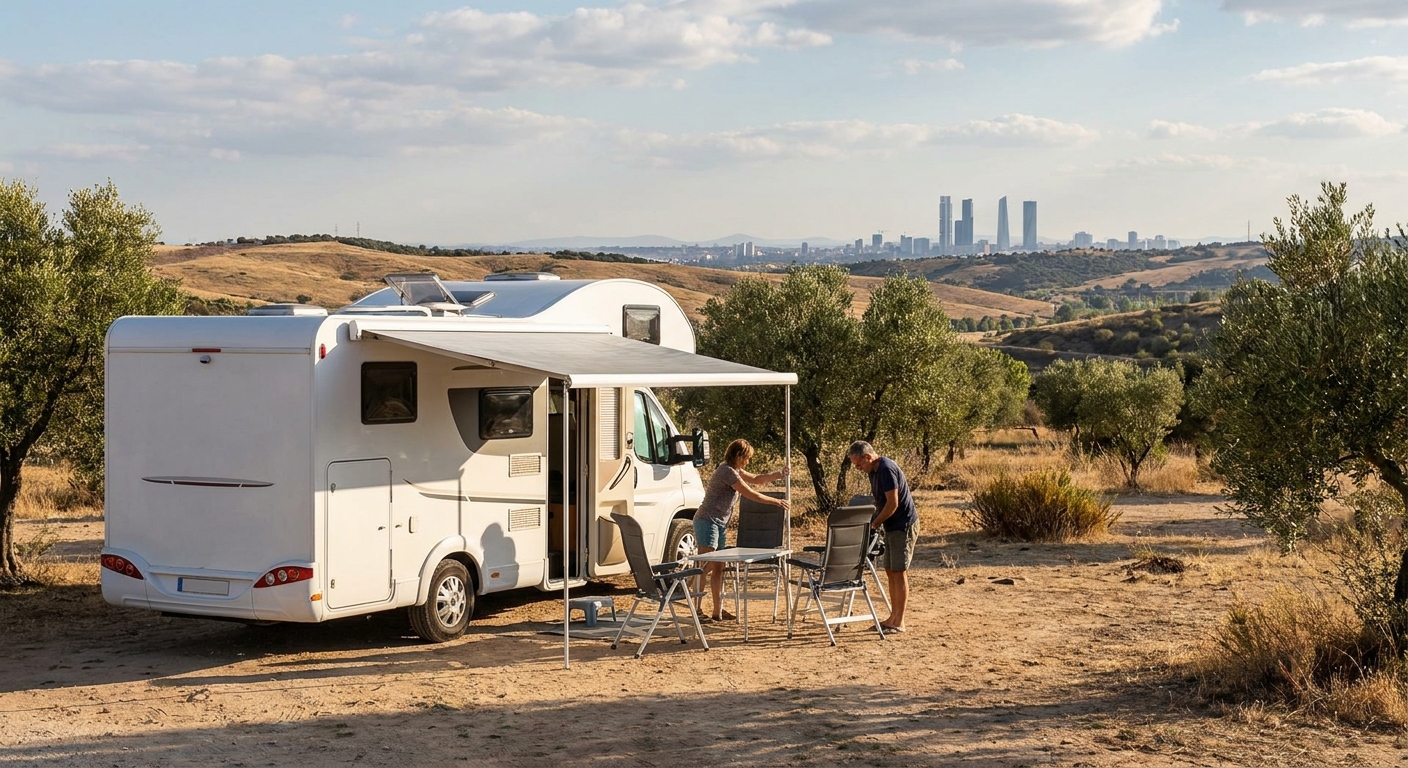
Road Conditions & Terrain in Madrid
Madrid boasts excellent motorway infrastructure, including autovías and autopistas, which provide smooth and efficient driving for rented RVs to and from the city, as well as across the wider region. Urban roads in Madrid can be narrower and more congested, especially in central areas like Puerta del Sol or near the Royal Palace, making peripheral parking and utilizing public transport a smart strategy for larger motorhomes. The diverse terrain surrounding Madrid ranges from the flat central plateau, perfect for easy cruising, to the mountainous Sierra de Guadarrama National Park to the north and west, which offers winding scenic routes and diverse driving experiences. When venturing onto rural roads leading to natural parks or smaller villages, be mindful that these may be less maintained and require careful navigation for larger vehicles. Remember to travel slowly, averaging 100-150 km per day, to truly absorb the scenery and culture.RV Size Limits, Bridges & Restricted Zones in Madrid
Standard RVs under 3,500 kg generally face no height or weight restrictions on Spanish roads, but all drivers should pay close attention to local signage in specific areas of Madrid. The city operates a Low Emission Zone (ZBE - Zona de Bajas Emisiones) that covers central Madrid, restricting access based on a vehicle's environmental label. You should check your rental RV's 'Distintivo Ambiental' (environmental sticker) and current local regulations before planning to drive into the very center of Madrid, especially near Gran Vía or Plaza Mayor. While low bridges are uncommon on major routes, always be mindful of your motorhome's height, especially in older towns or when considering underground parking facilities, as many are not designed for taller vehicles. Larger RVs exceeding 3,500 kg might encounter specific routing restrictions on some urban roads; always refer to posted signs for guidance.Fuel: Diesel vs. Petrol & Cost per 100 km in Madrid
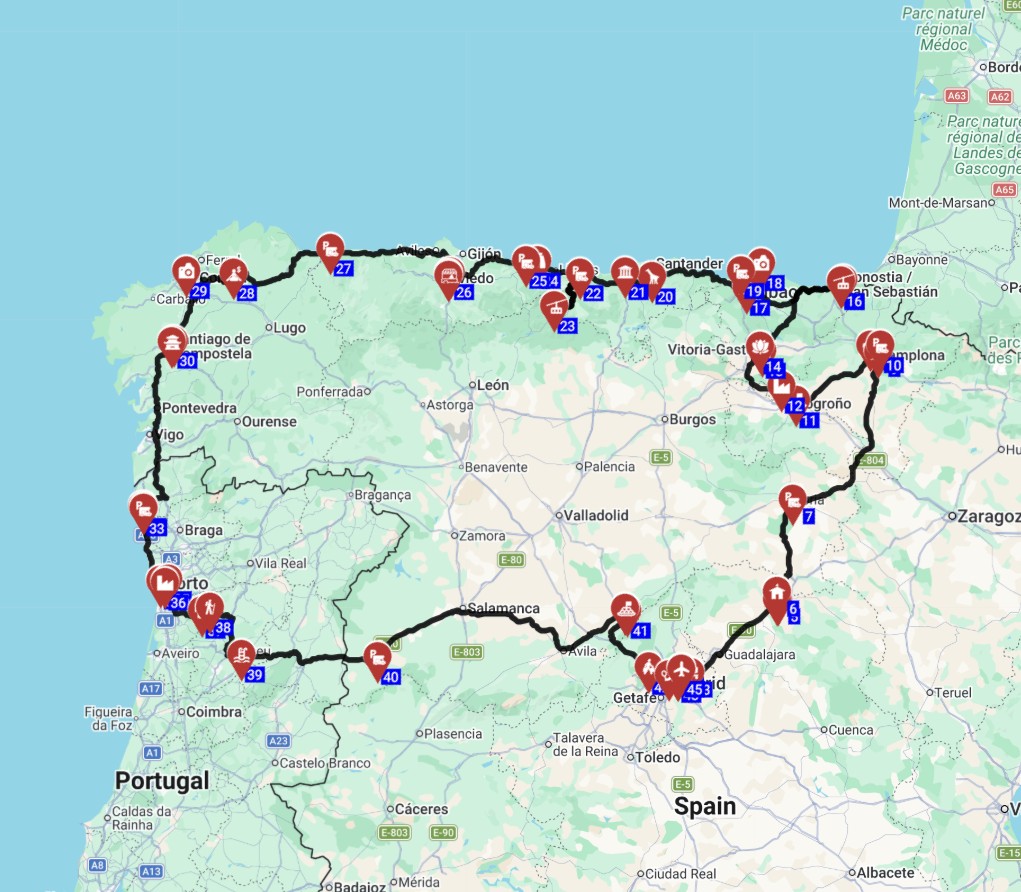
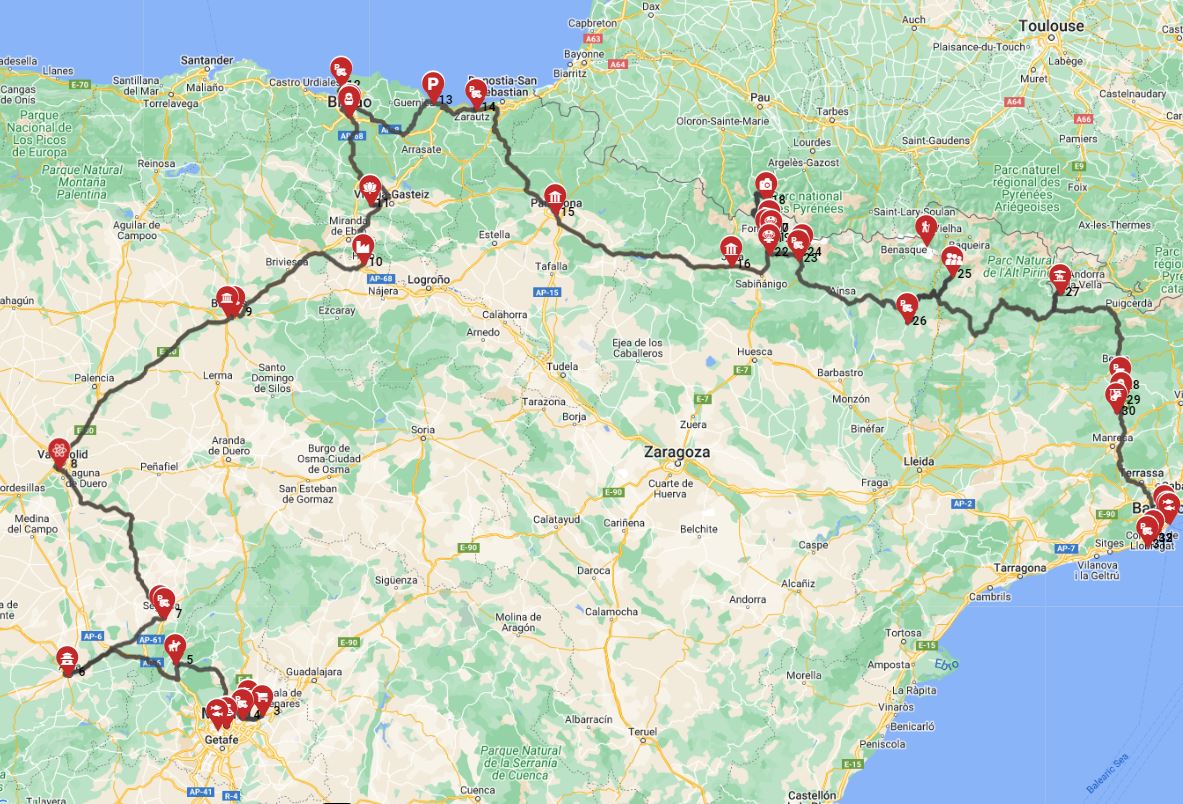
Most RVs in Bandana's extensive fleet are diesel-powered, a fuel type that is universally available at petrol stations across Spain, including those on major routes around Madrid and smaller towns like Aranjuez. For example, a Class SI semi-integrated RV typically consumes around 10-11 Liters per 100 km, while a larger Class C alcove motorhome might average 10-12 Liters per 100 km. Based on these consumption rates and current average fuel prices in Spain, travelers can expect to spend approximately €16.50 to €19.80 for every 100 km driven. Remember that prices are dynamic, much like flight tickets, changing daily based on availability and market conditions. To help manage your overall travel budget, it’s worth noting that on RV PLANET routes, you can itemize and track every expense along the way for easy budgeting, ensuring full transparency in your trip costs.Tolls, Vignettes & Border Rules for RVs in Spain
Spain operates a system of tolls (peajes) on specific motorways, particularly on major, well-maintained routes that might take you from Madrid towards other significant cities like Valencia or Bilbao, rather than requiring a national vignette system. Many of Madrid's surrounding autovías are toll-free, making local exploration less costly. However, tolls will likely apply if you venture further afield on certain autopistas, especially when heading towards coastal regions or France. No vignettes are required for driving a rented RV in Spain; tolls are paid per-use, either manually at toll booths, using a credit card, or via an electronic tag if available. Some Bandana RV rentals may offer pre-purchased toll passes, which can significantly streamline your travel and help you avoid potential fines by ensuring automatic payment, adding to your peace of mind on the road.Driving Tips for RV Rental Travelers in Madrid
Planning your route meticulously is crucial, especially when approaching urban areas like central Madrid, to avoid unexpected narrow streets and Low Emission Zones (ZBEs). Drive slowly and carefully, and you can drive almost anywhere without issues. No need to stress - just use common sense and pay attention. As RVs are larger than standard cars, practicing wider turns and utilizing all your mirrors extensively is vital to compensate for bigger blind spots. Always account for longer braking distances and increased sensitivity to crosswinds due to the motorhome's size and weight. A highly recommended strategy for visiting Madrid's city center is to park your rented RV on the outskirts at a designated 'área de autocaravanas' or a well-located campsite, then utilize Madrid’s efficient public transport (metro, bus) for convenient central access, eliminating parking worries. Taking frequent breaks, especially on extended journeys, helps prevent driver fatigue and ensures a safer, more enjoyable trip. When you rent a motorhome with Bandana, our true RV specialists provide comprehensive support before, during, and after your booking, ensuring you feel confident on the road.Recommended RV Class for Madrid Roads
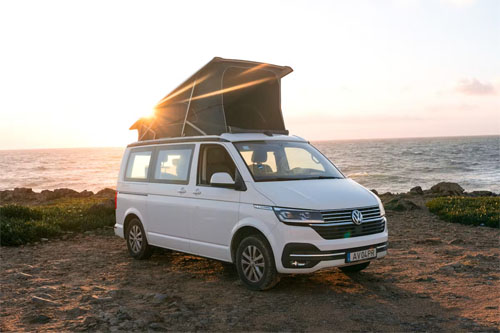
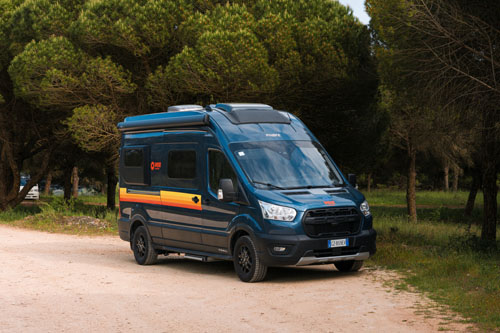
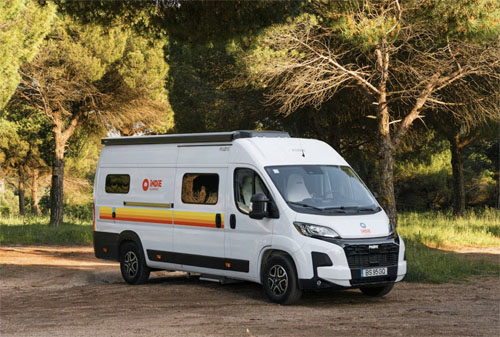
For travelers seeking a balanced blend of comfort and maneuverability on Madrid's varied roads and in its charming surrounding areas, a Class SI - Semi-integrated RV is highly recommended. These motorhomes, like many in Bandana's global fleet, average around 6.9 meters in length, making them manageable for most Spanish roads while offering ample living space for 3-4 adults. Imagine having a comfortable living area, a well-equipped kitchen to prepare your meals (RV-friendly recipes playlist awaits!), and a dedicated bathroom as your mobile base. Alternatively, a Class B - Camper Van, often averaging about 5.8 meters in length, provides superior agility for navigating tighter urban spaces near historical landmarks like Plaza Mayor and offers greater flexibility for parking in smaller, picturesque towns around Madrid, such as Chinchón or Alcalá de Henares.Should I Choose a Compact Van Instead of a Large RV in Madrid?
While a compact campervan (Class B) offers superior maneuverability and easier parking in Madrid's tighter spots and historic centers, a larger motorhome like a Class SI or C generally presents no major issues on the main Spanish roads. A compact van is genuinely beneficial for navigating very narrow mountain passes in the Sierra de Guadarrama or seeking inconspicuous parking in smaller villages where a 7.6-meter long RV rental example Sunrise Escape might find it challenging. However, for extended road trips prioritizing comfort, indoor space, a dedicated bathroom, and more expansive living areas, opting for a larger Class SI or C RV often provides a better trade-off, especially for families of 2+2 or groups of friends. The decision ultimately depends on your travel style and how much time you plan to spend directly within the dense urban core versus exploring the wider Madrid region, such as on the "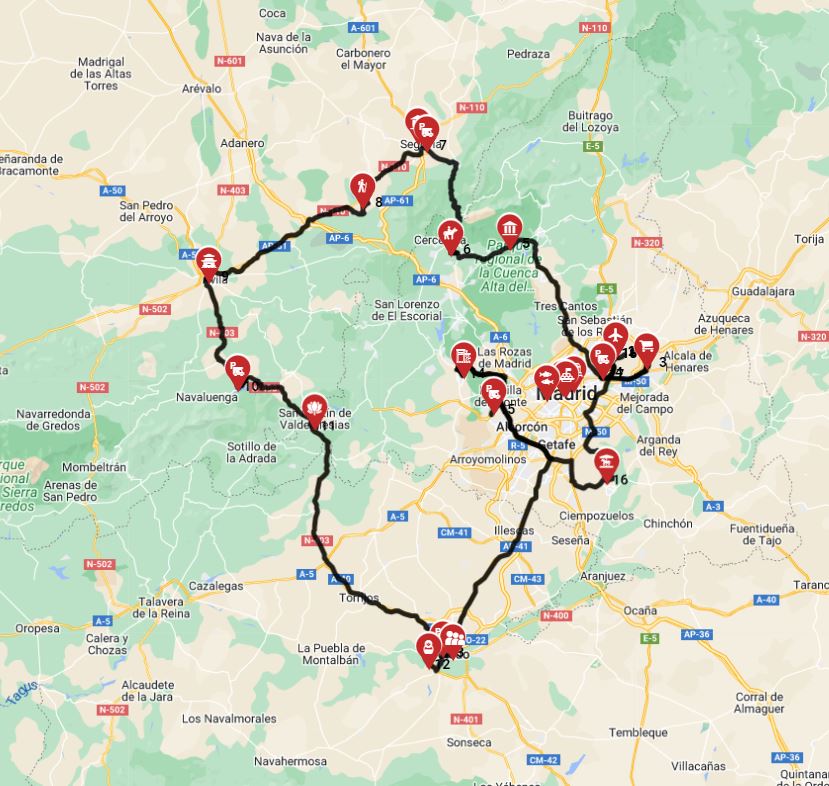
Can I Park Anywhere? Free & Wild Camping Rules in Madrid
In Spain, it is generally legal to park a rented RV in any spot where a standard car can legally park, provided you are strictly 'parked' and not 'camped.' This distinction is critical: being 'parked' means no external elements are extended (awning, outdoor tables, chairs), no waste is discharged, and you are not occupying more space than your vehicle's footprint. Wild camping, which involves setting up a camp outside designated areas, is largely prohibited across Spain, including the Madrid region and its beautiful natural parks, and can lead to significant fines. For overnight stays, you should seek out municipal 'áreas de autocaravanas' (motorhome service areas) like the one near Madrid Río, private campsites, or legal parking areas that explicitly permit overnight stays. Always verify local regulations, as rules can vary by region and municipality within the Madrid Community, particularly when exploring popular areas.Can I Drive an RV Into the City Center? Heights, Tunnels & Local Signage
Yes, driving a rented RV into parts of Madrid's city center is generally possible, though specific restrictions apply, and parking on the periphery is often the more practical and recommended approach. The primary challenge for motorhomes entering central Madrid is the Low Emission Zone (ZBE), which restricts access for vehicles without the appropriate environmental labels, especially on many streets within the central core. Pay close attention to local signage, which will clearly indicate height limits for tunnels (many underground car parks are unsuitable for RVs), weight restrictions, or warnings for narrow streets around historic areas like Barrio de las Letras. For a truly stress-free visit, consider utilizing designated RV parking areas or campsites such as Camping Osuna near Barajas Airport, and then taking the city's efficient public transport (like the Metro from Campo de las Naciones station) to access central attractions. This approach allows you to explore the bustling city without the headache of maneuvering a larger vehicle.What do I need to drive my motorhome in Spain?
To drive a rented motorhome in Spain, you need a valid driving license, which can be an EU/EEA license, or a national license accompanied by an International Driving Permit (IDP) for non-EU/EEA citizens for stays up to six months. You must also carry your physical identification, such as a passport or national ID card, along with the vehicle's registration documents and proof of valid insurance. For most common rental RVs, which are typically under 3,500 kg, a standard B (car) license is sufficient. For larger vehicles between 3,500 kg and 7,500 kg, a C1 license is required. It is also a legal requirement in Spain to carry a high-visibility vest and two warning triangles within the vehicle for roadside emergencies.Can I drive in Madrid with a US license?
Yes, you can drive a rented RV in Madrid with a valid US driver's license for tourist stays lasting up to six months, provided it is accompanied by an International Driving Permit (IDP). The IDP is essentially a multilingual translation of your US license and is easily obtainable from organizations like AAA before you depart the US. For longer stays exceeding six months, US citizens would generally need to apply for a Spanish driving license or convert their existing one, but this process is typically not relevant for short-term RV rental tourists. Always carry both your physical US license and your IDP, along with your passport, when driving your motorhome in Spain, especially around Madrid or on routes like "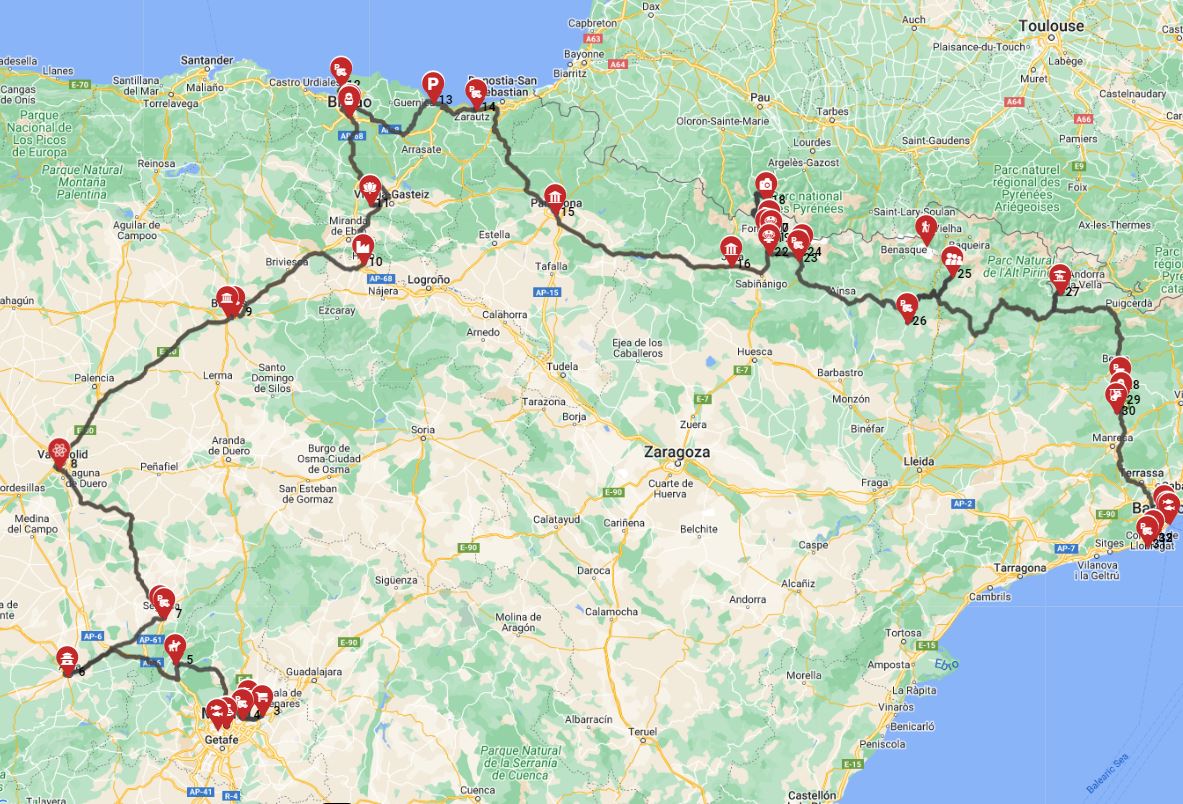
What are the new motorhome rules in Spain?
The most significant 'new' motorhome rules in Spain, clarified by the DGT (Dirección General de Tráfico), primarily distinguish between 'parking' and 'camping,' aiming to regulate overnight stays without outright prohibiting legal parking. A motorhome is considered 'parked' when it occupies only the space of the vehicle, has no external elements extended (e.g., awnings, tables), does not emit liquids or make excessive noise, and adheres to standard parking regulations. Conversely, 'camping' involves deploying external elements, discharging waste, or occupying public space beyond the vehicle's footprint, and is generally restricted to designated campsites or 'áreas de autocaravanas' like those found along the A-4 towards Aranjuez. Additionally, Low Emission Zones (ZBEs) in cities like Madrid are becoming more prevalent, impacting older or less environmentally friendly RVs; ensure your rental vehicle has the correct environmental label to avoid fines.What requirements do you need to drive an RV?
To legally drive a rented RV in Spain, the primary requirement is a valid driving license appropriate for the vehicle's maximum authorized mass (MAM) or gross vehicle weight rating (GVWR). For most campervans and many semi-integrated motorhomes up to 3,500 kg, a standard Class B (car) license is sufficient. For larger RVs with a MAM between 3,500 kg and 7,500 kg, a Class C1 license is necessary. Most rental companies, including Bandana, require drivers to be at least 21 years old and possess at least 1-3 years of driving experience. If you are a non-EU/EEA citizen, an International Driving Permit (IDP) alongside your national license is mandatory for driving in Spain for short periods. Essential documentation to carry includes your passport or ID, vehicle registration papers, and proof of insurance, all of which are usually provided with your rental.Is Spain camper van friendly?
Yes, Spain is genuinely very campervan friendly, offering a fantastic experience for those who rent a mobile home. The country boasts a steadily growing infrastructure that caters exceptionally well to RV and campervan travelers, including designated 'áreas de autocaravanas' near major cities like Madrid and throughout rural regions. These areas provide essential services such as water refills, waste disposal, and often affordable or free overnight parking. Local attitudes towards campervans are increasingly welcoming, reflecting the growing popularity of this travel style, particularly in the diverse landscapes from the Pyrenees to the Andalusian coast. While wild camping is generally prohibited, the sheer diversity of landscapes, excellent road conditions, and numerous official stopping points make Spain an ideal destination for a campervan adventure. Bandana RV specialists can help you select the perfect campervan for your exploration, offering options like the Class B - Camper Van that is ideal for a couple, featuring shower and toilet.Do you need a license to get an RV?
Yes, a valid driving license is absolutely required to operate any rented RV or campervan in Spain, just as it is for any other motor vehicle. The specific type of license needed depends directly on the RV's maximum authorized mass (MAM) or gross vehicle weight rating (GVWR). For RVs with a MAM up to 3,500 kg, which includes most campervans and many semi-integrated models from our fleet, a standard Class B (car) license is sufficient. For larger RVs with a MAM between 3,500 kg and 7,500 kg, a Class C1 license is necessary. When you rent a motorhome through Bandana, we ensure you have full transparency on all requirements, so there are no surprises about licensing when you pick up your vehicle in Madrid.What is the typical cost of RV insurance?
For RV rentals in Madrid, basic comprehensive insurance is almost always included in the daily rental price, providing coverage for third-party liability and typically for collision damage, though this comes with an excess (deductible). The typical cost of *additional* insurance coverage, such as options to significantly reduce the deductible, cover specific exclusions like tires or windshields, or enhance roadside assistance, can range from €15 to €40 per day. These supplementary options are usually offered by the rental company directly, or you might find them through third-party travel insurance providers. Factors influencing your total insurance costs include the specific rental campervan or motorhome model, the chosen level of coverage, your age and driving experience, and the duration of your trip. You can upgrade to a top-level deductible for extra peace of mind, a key differentiator offered by Bandana RV, ensuring you travel with confidence.What is the best insurance company in Spain?
For RV renters in Madrid, the 'best' insurance is often the supplementary coverage specifically chosen to complement the basic policy provided by the rental company, with a focus on deductible reduction or coverage for common risks. While major Spanish insurers like Mapfre, Generali, and Catalana Occidente offer comprehensive vehicle policies, these are typically for owners, not renters. For renters, international travel insurance providers such as Allianz or AXA also offer policies that can cover rental vehicle excess, providing an alternative to the rental company's direct add-ons. It is always recommended to meticulously compare specific policies, their terms and conditions, especially concerning deductible amounts, coverage details (e.g., tires, windows, undercarriage), and available roadside assistance services, rather than focusing on a single 'best' company. Bandana works with 50+ leading RV suppliers worldwide, including El Monte, Cruise America, Apollo, and Britz, to ensure you get comprehensive coverage options for your motorhome rental.What You Shouldn't Miss
- Explore El Retiro Park by Bike: Rent a bike near the Retiro Park entrance (e.g., near Puerta de Alcalá) and spend a leisurely afternoon cycling its wide paths, rowing on the lake, and admiring the Crystal Palace.
- Day Trip to Toledo: Drive your rented campervan approximately 70 km south of Madrid to the UNESCO World Heritage city of Toledo. Park on the outskirts and take local transport into the ancient city to explore its medieval streets, Gothic cathedral, and El Greco masterpieces.
- Savor Tapas in La Latina: Immerse yourself in Madrid's culinary scene by enjoying traditional tapas in the lively La Latina neighborhood, particularly around Calle Cava Baja, a bustling street known for its authentic taverns.
- Hike in Sierra de Guadarrama: Head north about an hour from Madrid to the Sierra de Guadarrama National Park for stunning mountain hikes, like the trail to Peñalara Lagoon, offering incredible natural beauty and a refreshing escape from the city.
- Visit the Prado Museum: Dedicate a morning to the world-renowned Prado Museum, home to masterpieces by Goya, Velázquez, and El Greco. Book tickets online in advance to save time.
- Discover the Royal Palace and Almudena Cathedral: Wander through the majestic Royal Palace of Madrid and the adjacent Almudena Cathedral, offering a glimpse into Spain's royal history and stunning architectural grandeur in the heart of the city.
🎬 Video coming soon
Final Thoughts
Madrid, with its rich history, vibrant culture, and stunning natural surroundings, is an incredible destination to explore by rented RV or campervan. The freedom a mobile home provides allows you to delve deeper into the region, moving at your own pace and discovering hidden gems far from the usual tourist trails. Whether you're navigating the city's main avenues or winding through the Sierra de Guadarrama, remember that careful planning and choosing the right vehicle from a trusted provider like Bandana RV will make all the difference. We're here to support you every step of the way, from comparing prices and understanding local driving rules to helping you visualize your ideal itinerary. Imagine waking up to a different Spanish vista each morning, with all the comforts of home at your fingertips. It's an experience that truly connects you to the heart of Spain. Don't wait to start your adventure; life is now! Find Motorhome Rentals in MadridOn the routes offered through RV PLANET routes, you can itemize and track every expense along the way for easy budgeting.