
For live availability and current prices, start with our RV Rental India - Complete Guide 2026 guide.
In This Guide
- Can You Drive an RV in India? License & Age Rules
- Road Conditions & Terrain in India
- RV Size Limits, Bridges & Restricted Zones
- Fuel: Diesel vs. Petrol & Cost per 100 km
- Tolls, Vignettes & Border Rules
- Driving Tips for cheap rv rental Travelers
- Recommended RV Class for India Roads
- Should I Choose a Compact Van Instead of a Large RV in India?
- Can I Park Anywhere? Free & Wild Camping Rules in India
- Can I Drive an RV Into the City Center? Heights, Tunnels & Local Signage
- What are the practical logistics of RV travel in India?
- Is RV travel safe in India? Security and overnight parking tips.
- How can RV travelers experience local culture and unique stays in India?
- What are the best RV-friendly routes and off-the-beaten-path destinations in India?
- What permits are required for RV travel in specific Indian regions?
- How can I stay connected with mobile data and Wi-Fi while RVing in remote India?
- What are responsible RVing practices and environmental considerations in India?
- What RV maintenance and roadside assistance options are available in India?
Can You Drive an RV in India? License & Age Rules
Driving an RV in India is permissible, with licensing requirements dependent on the vehicle's Gross Vehicle Weight (GVW). For most common RVs, typically under 7500 kg, a standard Indian driving license for Light Motor Vehicles (LMV) or an equivalent foreign license paired with an International Driving Permit (IDP) is sufficient. For vehicles exceeding 7500 kg, a Commercial/Heavy Vehicle license is generally required. The minimum driving age in India is 18, though most RV rental companies set their minimum age at 21 or even 25 for insurance purposes. Foreign drivers must possess a valid IDP, obtained in their home country, alongside their original national driving license.
Road Conditions & Terrain in India
Road conditions in India are incredibly diverse, ranging from newly constructed, smooth national highways to narrow, pothole-ridden rural lanes and challenging mountain passes. While major cities boast decent infrastructure, urban areas are often characterized by dense traffic and chaotic driving. Traveling by RV allows access to stunning landscapes, from the flat plains of Rajasthan to the winding, high-altitude roads of the Himalayas. RV travelers should anticipate varying surfaces, from tarmac to gravel, and remain vigilant for unexpected obstacles like stray animals, pedestrians, and unique traffic etiquette. Embracing a slower, more scenic pace of driving is highly recommended for safety and enjoyment when exploring India by RV.
RV Size Limits, Bridges & Restricted Zones
While India does not have widely publicized specific RV size limits distinct from general commercial vehicle regulations, RV travelers must be mindful of infrastructure limitations. Many urban areas, older towns, and rural routes may feature narrow roads, low bridges, and smaller tunnels that could pose challenges for larger RVs. It is crucial to check the height and width of your rented RV and be aware of any posted restrictions. Additionally, certain sensitive environmental zones, national parks, or tribal areas across India may have restricted access for larger vehicles or require specific permits due to ecological concerns or local regulations. Always research your route and potential destination restrictions beforehand.
Fuel: Diesel vs. Petrol & Cost per 100 km
In India, most RVs, particularly those suitable for longer journeys and belonging to Bandana's global fleet, are diesel-powered. Diesel is generally more widely available than petrol in rural areas and offers better fuel economy for larger vehicles. For a Class SI - Semi-integrated RV (averaging 6.9m length), common fuel consumption is around 10 – 11 Liters/100 km. Class C - Alcove RVs (averaging 7.5m length) typically consume 10 – 12 Liters/100 km. More compact Class B - Camper Vans (averaging 5.8m length) are more efficient, consuming around 8-10 Liter/100 km. While fuel prices fluctuate, assuming an average diesel price of ₹90 per liter (as of 2026), a Class SI RV would cost approximately ₹900 - ₹990 per 100 km, a Class C RV ₹900 - ₹1080 per 100 km, and a Class B Camper Van ₹720 - ₹900 per 100 km. Some rental packages may include fuel discount cards, which can help manage costs.
Tolls, Vignettes & Border Rules
India's road network, particularly its national highways, frequently features toll plazas. While specific regional data for India's toll costs or vignette systems is not provided, most tolls are collected manually or, increasingly, through electronic FASTag systems. Unlike some European countries, India does not utilize a vignette system; tolls are paid per stretch of road used. For cheap RV rental travelers on a budget, factoring in toll costs is important for route planning. Crossing international borders into neighboring countries with a rented RV from India is highly complex and generally not recommended without extensive prior arrangement, as it involves navigating multiple customs regulations, vehicle import/export laws, and specific permits for the vehicle and occupants. Some Bandana rental partners may offer pre-purchased toll passes for convenience and to avoid on-the-spot payment delays, though this is not universally available. On the routes offered through RV PLANET routes, you can itemize and track every expense along the way for easy budgeting.
Driving Tips for cheap rv rental Travelers
For cheap RV rental travelers in India, mindful driving is key to a smooth journey. Embrace defensive driving, anticipating sudden stops, unexpected obstacles like livestock, and varying traffic etiquette. Always use your horn judiciously as a 'please be aware' signal rather than an aggressive one. Plan your routes in advance, especially considering road conditions and potential congestion in major cities, which can add significant travel time. If traveling with family, schedule stops every 2-3 hours for rest and refreshments. It's advisable to avoid driving after dusk, particularly on rural or unfamiliar roads, due to poor lighting and increased hazards. While GPS navigation is highly useful, be prepared for occasional connectivity issues or map inaccuracies in remote regions, and consider having physical maps as backup.
Recommended RV Class for India Roads
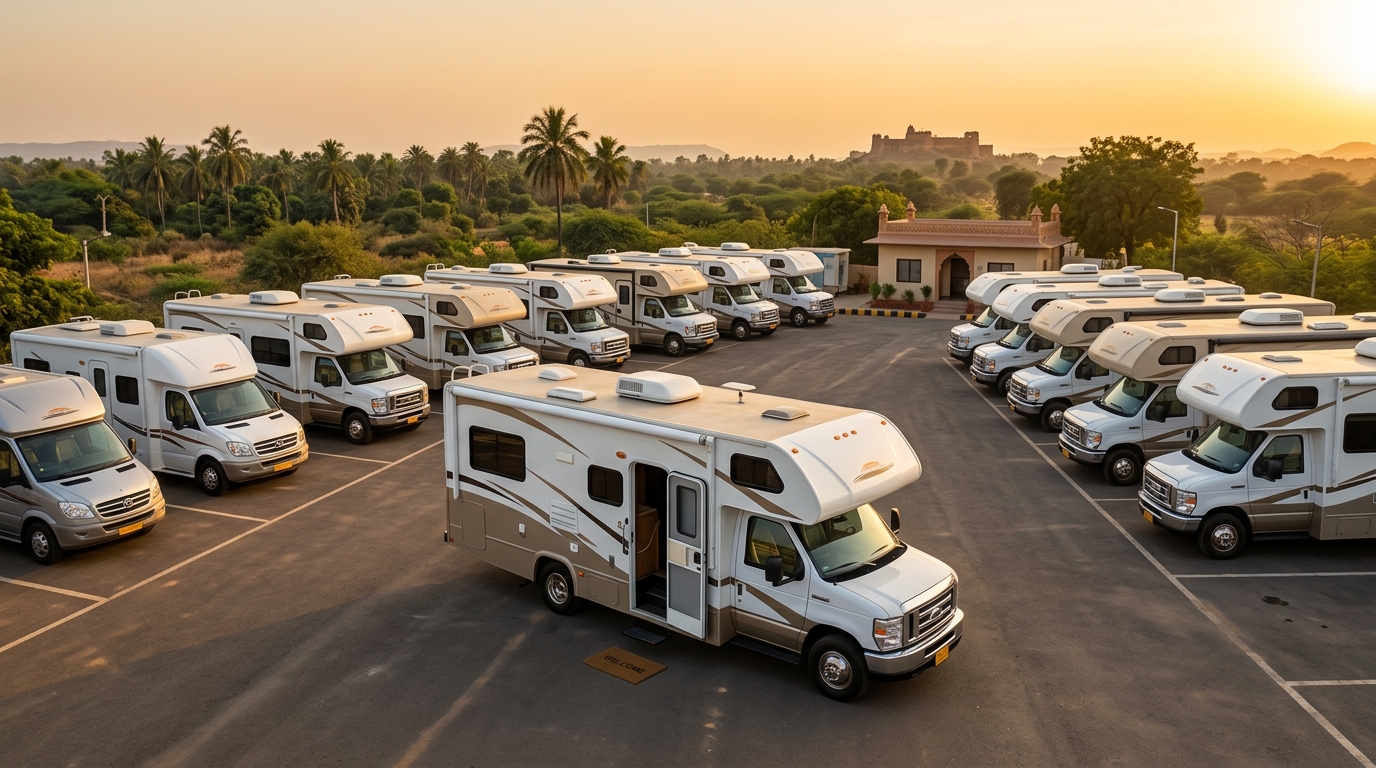
For navigating India's diverse road network, a balance between comfort and maneuverability is crucial for cheap RV rental travelers. Bandana's Class B - Camper Vans are highly recommended, averaging a compact 5.8 meters in length, making them easy to handle in congested cities, on narrow rural roads, and winding mountain passes. They offer sufficient ground clearance and agile driving dynamics. For those seeking a bit more space and amenities without sacrificing too much maneuverability, Class SI - Semi-integrated RVs (averaging 6.9 meters in length) are an excellent choice. They provide enhanced living space for 3-4 adults while still being manageable for most Indian road conditions, offering a good compromise between a compact van and a larger motorhome. Both these classes are well-suited for a budget-conscious yet adventurous RV journey across India.
Should I Choose a Compact Van Instead of a Large RV in India?
Generally, there isn't an overarching issue with driving any RV size in India; however, the choice between a compact van and a larger RV often comes down to personal comfort versus maneuverability. A Class B - Camper Van (averaging 5.8m length) excels in tight historic city centers, bustling markets, and very narrow mountain passes, offering easier parking and less stressful navigation. However, if your itinerary involves longer stays at destinations or you prioritize indoor space, a larger Class SI (averaging 6.9m) or Class C (averaging 7.5m) RV might be preferable. These offer more sleeping places, greater load capacity (e.g., Class SI averages 72.2kg, Class C 42.4kg load capacity for gear), and more comprehensive kitchen/bathroom facilities. While larger RVs require more caution, particularly with heights and widths, the added comfort and amenities often outweigh the slight increase in driving challenge for many travelers, making the journey more enjoyable and less about just getting from A to B. For ideas you can prep on the road, watch our RV-friendly recipes playlist on YouTube.
Can I Park Anywhere? Free & Wild Camping Rules in India
While specific, nationally codified rules regarding free or wild camping for RVs in India are not readily available, it is generally understood that unauthorized overnight parking or 'wild camping' is not a widely practiced or formally recognized concept. Unlike some Western countries, designated wild camping spots are rare. Travelers should exercise caution and avoid simply parking anywhere, especially in remote or isolated areas, due to security concerns and local sensitivities. It is always recommended to seek permission from local landowners, village heads, or authorities before parking overnight in non-designated areas. For peace of mind, opting for secure parking at guesthouses, hotels with ample space, or established campsites (though limited for RVs) is often the safest and most respectful approach. Rules vary by region — always check local regulations and follow local law before parking overnight, and prioritize safety.
Can I Drive an RV Into the City Center? Heights, Tunnels & Local Signage
Yes, driving an RV into most Indian city centers is generally possible, but it requires heightened awareness and careful navigation. Major cities are often characterized by dense, chaotic traffic, narrow streets, and numerous two-wheelers, which can be challenging for larger vehicles. It is crucial to constantly observe local signage for height limits, low bridges, restricted tunnels, and any environmental or residents-only zones, particularly in older, historic city parts. While specific India-centric data on city-center restrictions is not provided, general watchouts include poorly marked one-way systems, unofficial parking areas, and varying levels of road maintenance. Planning your route to reach your accommodation or parking outside the busiest areas and using local transport to explore the city center might offer a less stressful experience.
What are the practical logistics of RV travel in India?
Navigating the practical logistics of RV travel in India beyond just rental costs involves several considerations. **Waste disposal** for black and grey water can be challenging as dedicated RV waste stations are not common; travelers often need to inquire at larger hotels, guesthouses, or dispose of waste responsibly in designated bins. **Water refilling** can be managed by carrying a robust supply, refilling at petrol stations, guesthouses, or purchasing bottled water for drinking. **Electricity access** is typically available at more established campsites or guesthouses offering hookups; otherwise, onboard batteries and solar panels are essential for off-grid power. **Traffic etiquette** is unique: expect constant horn usage (often as a warning, not aggression), diverse road users (pedestrians, animals, bicycles), and highly variable driving styles. Patience and defensive driving are paramount.
Is RV travel safe in India? Security and overnight parking tips.
RV travel in India can be a safe and rewarding experience provided travelers adopt comprehensive safety and security guidelines. Always ensure your RV is locked when unattended, and valuables are out of sight. Keep emergency contacts readily accessible, including local police (dial 112 for all emergencies) and your RV rental provider's roadside assistance. Regarding safe overnight parking, it is strongly advised to avoid isolated or unlit areas. Instead, opt for secure parking at guesthouses, hotels, dhabas (roadside eateries with parking), or designated truck stops where there's activity and usually a watchman. Seeking permission from local residents or authorities before parking in a village can also enhance security. Prioritizing well-lit, populated, and secure locations significantly reduces potential risks.
How can RV travelers experience local culture and unique stays in India?
RV travel offers unparalleled opportunities for cultural immersion in India. To enhance local interaction, learn a few basic phrases in the local language (Hindi is widely understood, but regional languages vary) and observe local customs and etiquette – for example, dressing modestly, especially when visiting religious sites. Instead of just designated campsites, consider reaching out to unique village stays or homestays that might offer parking space for your RV, providing a more authentic interaction with local life. Sourcing local food from village markets, street vendors, and small dhabas not only supports local economies but also offers the freshest and most authentic culinary experiences. Be open to spontaneous interactions; often, the most memorable experiences come from unexpected invitations or conversations with curious locals.
What are the best RV-friendly routes and off-the-beaten-path destinations in India?
India offers a plethora of RV-friendly routes, balancing well-maintained national highways with scenic, off-the-beaten-path destinations. Popular routes include the Golden Triangle (Delhi-Agra-Jaipur), which provides excellent highway connectivity to iconic sights. For cultural immersion, consider a circuit through Rajasthan, connecting cities like Udaipur, Jodhpur, and Jaisalmer via good state highways. For breathtaking natural beauty, Himachal Pradesh offers stunning mountain drives, though careful navigation on winding roads is essential. Off-the-beaten-path destinations accessible by RV might include the serene backwaters of Kerala, the historical ruins of Hampi in Karnataka, or lesser-known wildlife sanctuaries in Madhya Pradesh, provided roads are suitable for your RV's class. Curated itineraries should balance popular tourist spots with the charm of undiscovered villages and natural landscapes, allowing for a truly unique journey.
What permits are required for RV travel in specific Indian regions?
For RV travel in India, beyond standard vehicle registration, specific permits may be required for certain regions. These often include entry permits for national parks, wildlife sanctuaries, and protected forest areas, which are typically obtained from the local forest department offices or park entry gates. Furthermore, some tribal areas or regions close to international borders (e.g., parts of the North East, Ladakh) may require Inner Line Permits (ILPs) or Protected Area Permits (PAPs) for all visitors, including Indian nationals and foreigners. These permits are crucial for legal entry and movement. It is vital for cheap RV rental travelers to thoroughly research their intended itinerary well in advance to identify all necessary permits and understand the application process and associated costs. Failure to obtain required permits can lead to fines or denial of entry.
How can I stay connected with mobile data and Wi-Fi while RVing in remote India?
Staying connected while RVing in remote India can be managed with foresight. The most reliable solution is to purchase a local SIM card from major providers like Jio or Airtel upon arrival. These networks offer extensive 4G and increasingly 5G coverage across much of the country, though connectivity can be intermittent or non-existent in very remote or mountainous regions. Ensure your phone is unlocked to use a local SIM. For multiple devices, a portable Wi-Fi hotspot device with a local SIM can provide a convenient internet bubble. For areas with known connectivity blackspots, it's crucial to download offline maps, essential travel documents, and entertainment beforehand. Local dhabas or larger guesthouses might also offer Wi-Fi, though speeds can vary.
What are responsible RVing practices and environmental considerations in India?
Responsible RVing in India is paramount for preserving its natural beauty and respecting local communities. Travelers should adhere strictly to 'Leave No Trace' principles: pack out all trash, including organic waste, and dispose of it in designated bins, not in nature. Minimize water and energy consumption, particularly in regions facing scarcity, and use eco-friendly cleaning products. Avoid disturbing wildlife or natural habitats; stay on marked roads and trails. Be mindful of noise pollution in quiet areas. Additionally, support local economies by purchasing food, handicrafts, and services from small local businesses. Engage with communities respectfully, seeking permission before photographing individuals, and being aware of cultural sensitivities. Your choices can significantly impact the environment and the people you encounter.
What RV maintenance and roadside assistance options are available in India?
While RVs are specialized vehicles, general vehicle maintenance and roadside assistance are available throughout India. For a rented RV, your rental company (like Bandana's partners) will almost certainly provide comprehensive roadside assistance, including breakdown support and emergency repairs. It's crucial to have their contact number readily available. For minor issues or routine checks, local mechanics, especially those specializing in commercial vehicles, can be found in most towns and cities. However, in very remote areas, services might be limited, so carrying a basic toolkit, spare tire, and understanding simple fixes (like changing a tire) is advisable. Always review your rental agreement for details on what maintenance and assistance are covered, and what procedures to follow in case of a breakdown, ensuring a smoother journey.
What You Shouldn't Miss
- Golden Triangle: Experience the iconic route of Delhi, Agra (home to the Taj Mahal), and Jaipur, easily navigable by RV and offering a quintessential introduction to India's history and culture.
- Rajasthan's Royal Circuit: Explore the desert landscapes and magnificent forts of Udaipur, Jodhpur, and Jaisalmer by RV, immersing yourself in the regal history and vibrant traditions of this northwestern state.
- Himachal Pradesh's Mountain Roads: For the adventurous RV traveler, the winding, scenic routes through the Himalayas in Himachal Pradesh offer unparalleled natural beauty, though careful driving is essential.
- Kerala's Backwaters: Discover the serene beauty of Southern India by RV, exploring the lush landscapes and unique waterways of Kerala, a stark contrast to the northern desert regions.
- Hampi's Ancient Ruins: Venture south to Karnataka to explore the breathtaking UNESCO World Heritage site of Hampi, a vast landscape dotted with ancient ruins, temples, and boulder-strewn hills, offering a unique RV destination.
Final Thoughts
Embarking on an RV adventure in India promises a journey filled with incredible diversity, from bustling cities to serene landscapes. By understanding the nuances of driving, fuel, and local customs, you can ensure a safe, enjoyable, and truly memorable experience.
Remember that flexibility and patience are your best companions on an Indian road trip. Embrace the unexpected, savor the local flavors, and let the open road guide you to unforgettable discoveries.
Ready to plan your Indian RV adventure? Explore our curated routes and compare rental options to find the perfect motorhome for your journey. Get inspired for your next trip!
