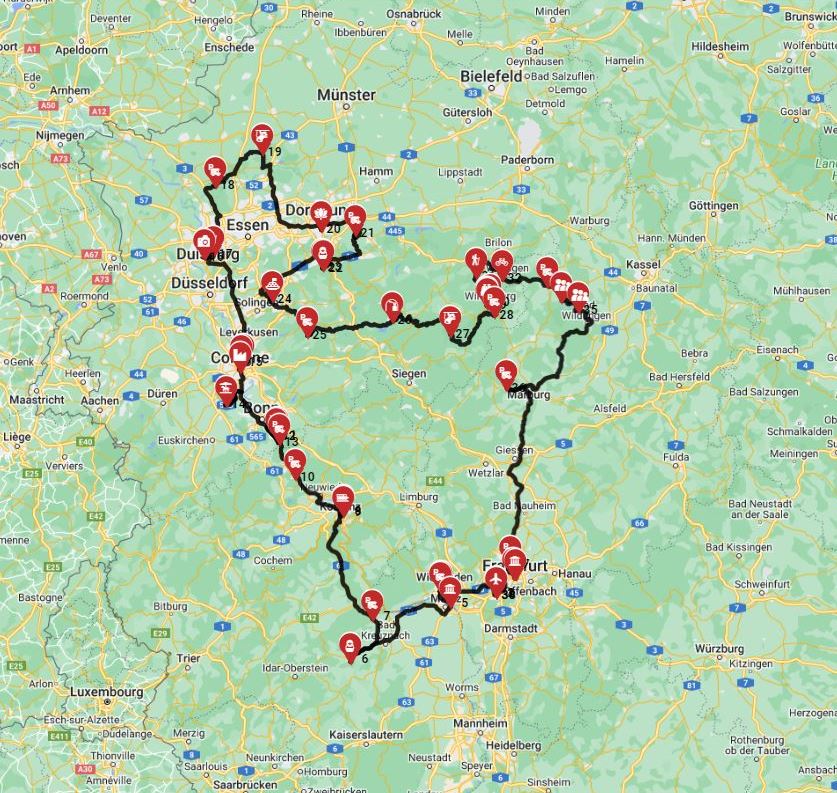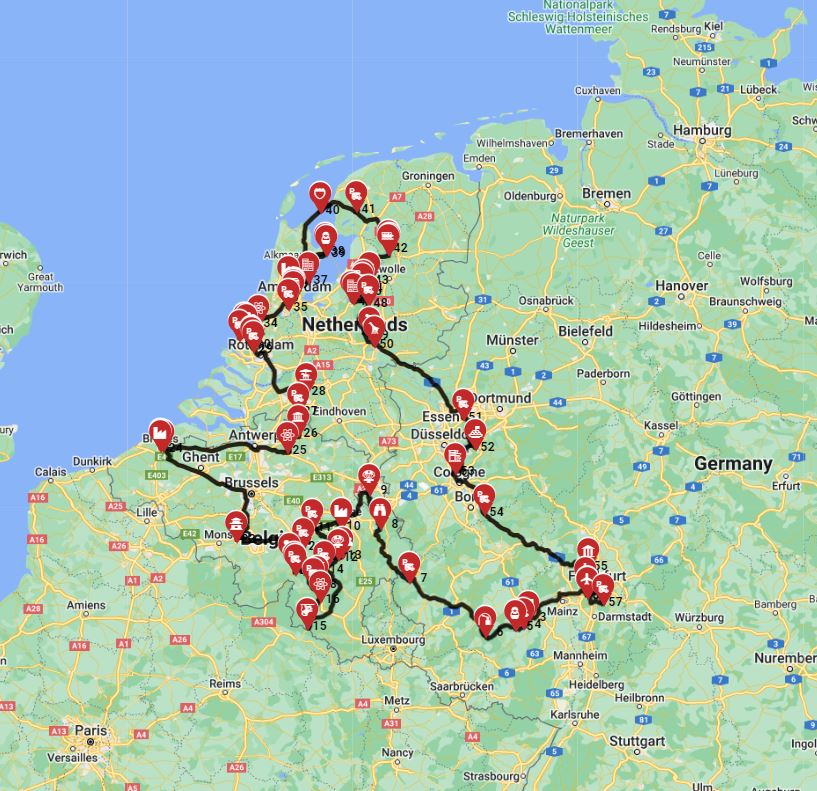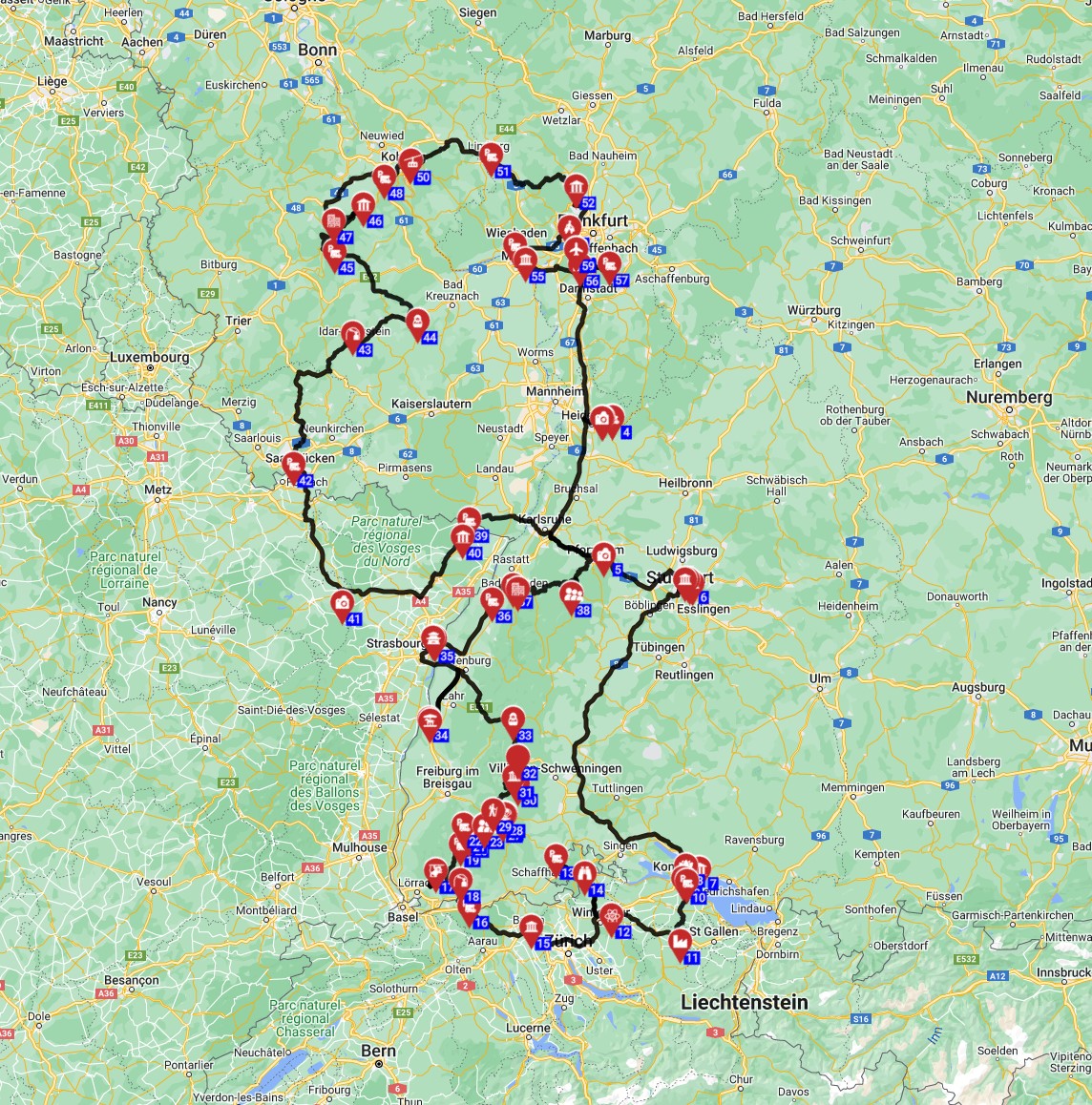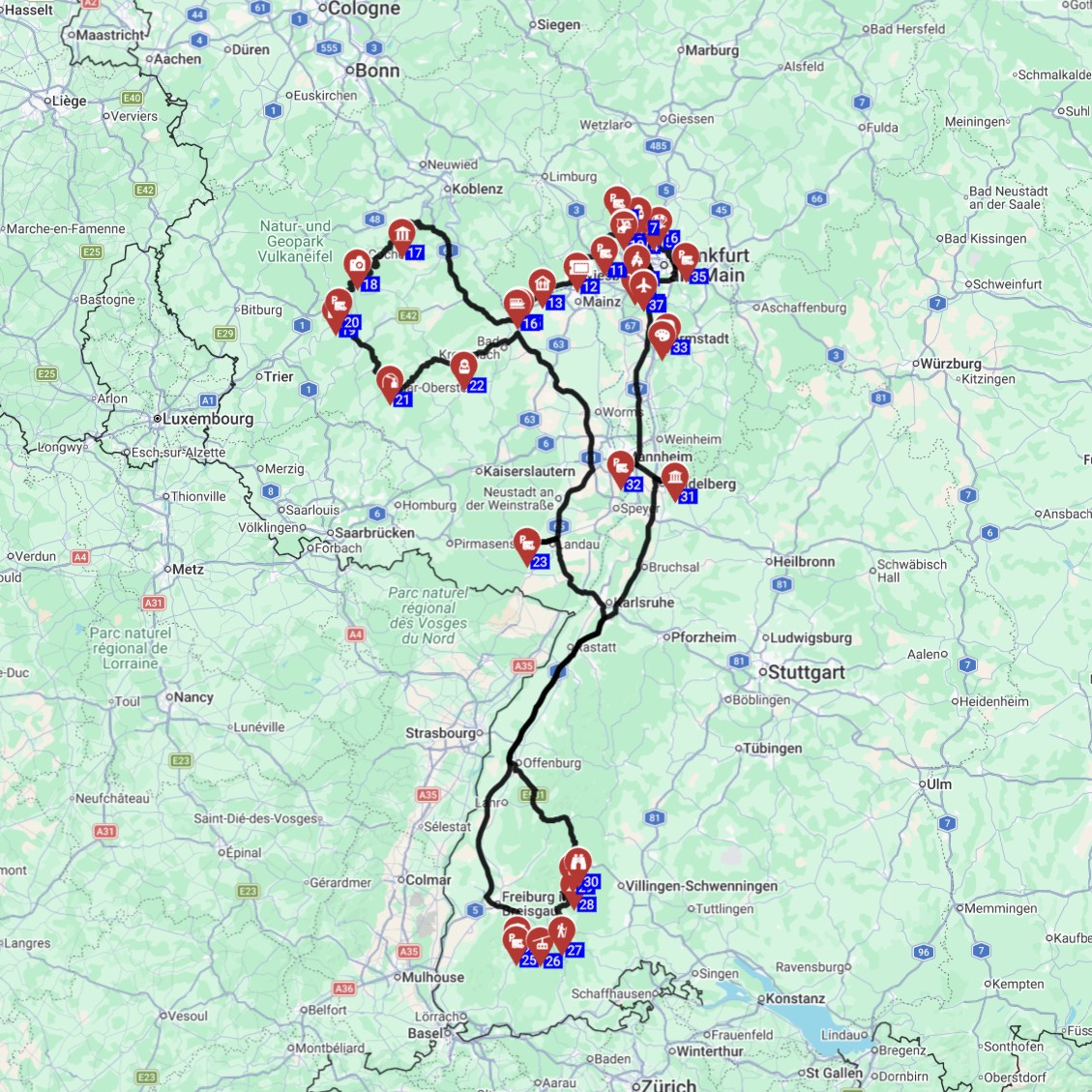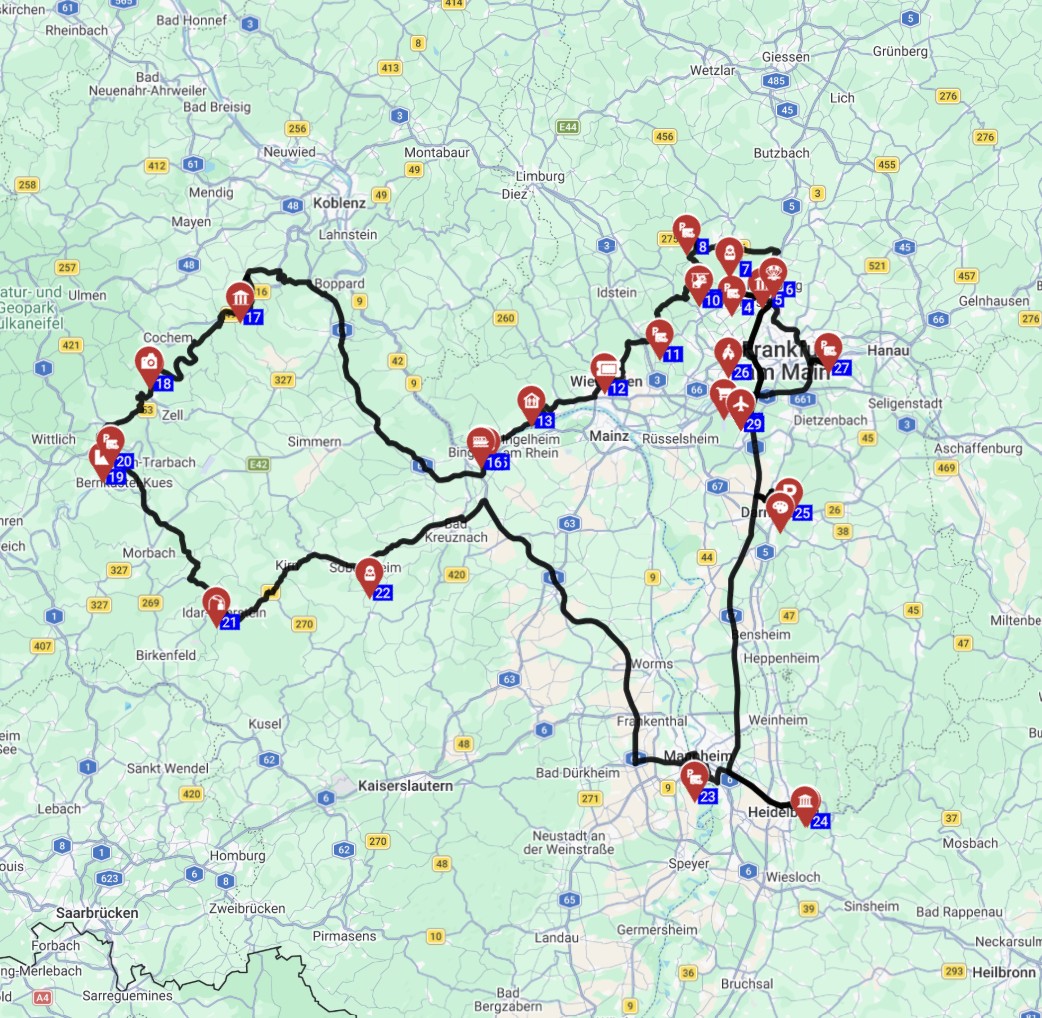
For live availability and current prices, start with our RV Rental Frankfurt - Complete Guide 2026 guide.
In This Guide
- Can You Drive an RV in Frankfurt? License & Age Rules
- Road Conditions & Terrain in Frankfurt
- RV Size Limits, Bridges & Restricted Zones
- Fuel: Diesel vs. Petrol & Cost per 100 km
- Tolls, Vignettes & Border Rules
- Driving Tips for Cheap rv rental Travelers
- Recommended RV Class for Frankfurt Roads
- Should I Choose a Compact Van Instead of a Large RV in Frankfurt?
- Can I Park Anywhere? Free & Wild Camping Rules in Frankfurt
- Can I Drive an RV Into the City Center? Heights, Tunnels & Local Signage
- What do I need to drive my motorhome in Germany?
- Are RVs Allowed in Germany?
- Can You Sleep Anywhere in a Campervan in Germany?
- What is the largest campervan you can drive on a car licence?
- Can You Park a Campervan Anywhere in Germany?
- Is Germany Good for Campervans?
- Does My US Car Insurance Cover Me in Germany?
Can You Drive an RV in Frankfurt? License & Age Rules
To legally drive a rented RV in Frankfurt, you'll generally need to be at least 21 years old. Some rental companies might have a higher minimum age requirement, often 25, particularly for larger motorhome classes. Crucially, you must possess a valid driver's license. For RVs with a Gross Vehicle Weight (GVW) of up to 3,500 kg, a standard European Category B license or an equivalent international driving permit for non-EU drivers is sufficient. However, if the RV exceeds this weight limit, typically ranging from 3,500 kg up to 7,500 kg, a C1 license (or its equivalent) becomes necessary. For international visitors, an International Driving Permit (IDP) is recommended and often required in conjunction with your national license for driving in Germany.
Road Conditions & Terrain in Frankfurt
Frankfurt and the surrounding Hessian region are known for their excellent and well-maintained road infrastructure. You'll find high-speed Autobahns that are generally wide and suitable for RVs, as well as scenic, well-kept rural roads. While the immediate urban area of Frankfurt is relatively flat, venturing a short distance east or west can lead you into rolling hills and forested areas like the Taunus or Spessart, offering picturesque routes perfect for an RV journey. Driving within Frankfurt itself can be dense with traffic, requiring constant attention to road signs and local regulations. However, major access routes into the city are typically wide enough to accommodate most standard RV sizes. For the most enjoyable and budget-conscious experience, we always recommend embracing slower, scenic driving on country roads to truly appreciate the region's beauty and to optimize fuel consumption.
RV Size Limits, Bridges & Restricted Zones
While Germany doesn't enforce a universal RV size limit across the board, it's essential for drivers to be vigilant and observe posted height, weight, and width restrictions, especially in older towns and within urban centers. Frankfurt, like many German cities, has specific 'Umweltzonen' (environmental zones). Entry into these zones is restricted to vehicles that display a valid 'Umweltplakette' (emission sticker), typically green, with RVs lacking the correct sticker being prohibited and subject to fines. Be aware that low bridges and narrow streets are more commonly encountered in historic city centers and smaller villages. Major access roads leading to and within Frankfurt are generally designed to accommodate standard RV dimensions. Always prioritize paying close attention to local road signs that clearly indicate any vehicle restrictions.
Fuel: Diesel vs. Petrol & Cost per 100 km
The vast majority of RVs available for rent in Frankfurt are diesel-powered. Diesel is widely available at German fuel stations and offers superior fuel efficiency, which is beneficial for budget-conscious travelers. For a Class B Camper Van, you can expect typical fuel consumption to be around 6-11 liters per 100 km. Larger Class SI Semi-integrated models generally average between 8-12 liters per 100 km. For the biggest RVs, such as Class A Integrated or Class C Alcove models, consumption typically falls between 10-14 liters per 100 km. Fuel prices in Germany can fluctuate, but a reasonable estimate for diesel in 2026 would be approximately €1.50 - €2.50 per liter, translating to roughly €15-€25 per 100 km for budgeting purposes. Some rental RVs may also include fuel discount cards, offering an additional opportunity for savings. On the routes offered through RV PLANET routes, you can itemize and track every expense along the way for easy budgeting.
Tolls, Vignettes & Border Rules
Good news for RV drivers in Germany: private RVs generally do not incur tolls on federal motorways (Autobahns). The 'LKW-Maut' (truck toll) system primarily targets commercial vehicles exceeding 7.5 metric tons GVW. Furthermore, there are no national vignettes required for driving on German roads, unlike in some neighboring European countries. However, if your journey from Frankfurt extends into nearby countries such as Austria or Switzerland, be prepared for vignette requirements or specific tolls (e.i., the Brenner Pass). It's advisable to purchase these in advance or at the border to ensure smooth travel and avoid potential fines. To simplify cross-border excursions, some rental RVs offer the option to pre-purchase toll passes for these neighboring countries.
Driving Tips for cheap rv rental Travelers
Plan Your Route Wisely: Utilize RV-specific navigation apps that can help you avoid low bridges, narrow roads, and restricted zones, particularly when navigating around Frankfurt's historic districts. For families traveling with children, planning for frequent stops every 2-3 hours at Autobahn service areas or scenic viewpoints is crucial for breaks and stretching. To drive more economically, maintain a steady speed to optimize fuel consumption and consider purchasing groceries from larger supermarkets rather than pricey convenience stores at rest stops. When parking your cheap RV rental in Frankfurt, look for designated 'Stellplätze' (motorhome parking spaces) or larger supermarket parking lots rather than attempting to fit into tight city spaces. Lastly, be aware that many budget-friendly RVs in Germany come with manual transmissions; if an automatic transmission is preferred, make sure to specify this during your booking.
Recommended RV Class for Frankfurt Roads
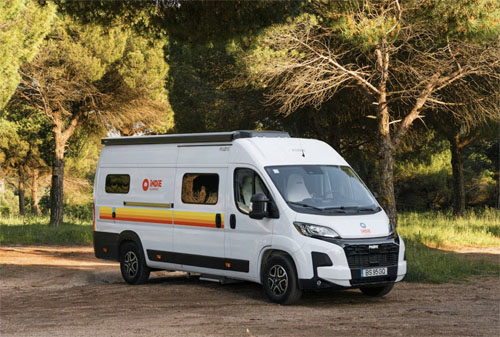
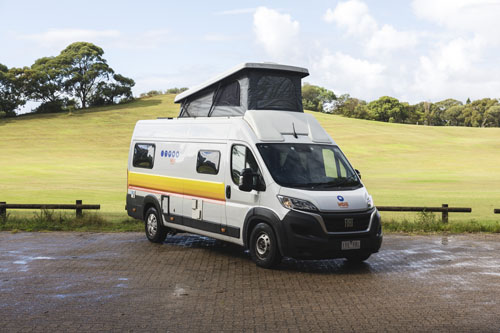
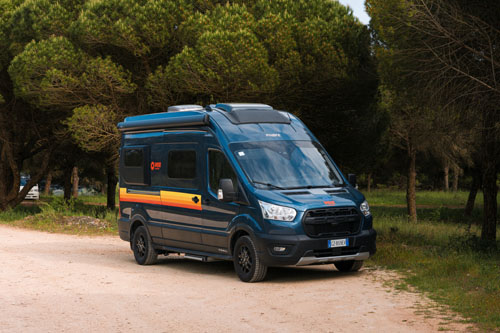
For navigating Frankfurt and the surrounding scenic German roads effectively, a Class B Camper Van or a Class SI Semi-integrated RV is generally recommended. Class B Camper Vans, typically averaging around 5.5 meters in length, offer excellent maneuverability, making them easier to park in urban settings and navigate tighter spots in smaller towns around Frankfurt. Class SI Semi-integrated RVs, usually around 6.9 meters long, strike a good balance between providing ample indoor living space and maintaining manageable dimensions for German roads, including the Autobahns and most country routes. These classes offer a good compromise for exploring the region comfortably.
Should I Choose a Compact Van Instead of a Large RV in Frankfurt?
While a compact van, like a Class B Camper Van, certainly offers superior maneuverability and makes parking in historic centers and crowded urban areas significantly easier, most rental RV sizes can comfortably navigate Frankfurt's main roads and the broader region. The primary advantage of a compact van is its car-like driving experience, which can be less intimidating for first-time RVers and makes finding parking in smaller villages much simpler. However, larger RVs, such as Semi-integrated, Alcove, or Integrated models, provide considerably more interior living space and greater comfort, especially for longer trips. They also often feature better amenities, like larger kitchens and bathrooms, which might be a worthwhile trade-off for comfort over minor gains in maneuverability. Consider your travel itinerary: if your plan primarily involves extensive city exploration with limited parking, a compact van is a strong contender. For more relaxed countryside drives and prioritizing comfort, a larger RV might be the preferred choice, especially as Frankfurt's main routes are well-equipped to handle them.
Can I Park Anywhere? Free & Wild Camping Rules in Frankfurt
In Germany, true 'wild camping' – essentially sleeping in your campervan or RV outside of designated areas – is largely prohibited and can lead to fines. While you can generally park an RV in any legal parking spot for short periods, overnight parking specifically for camping purposes is restricted to designated 'Stellplätze' (motorhome parking spots) or official campgrounds. Frankfurt and its surrounding areas offer numerous 'Stellplätze,' which are often equipped with basic amenities like water hookups and waste disposal points, alongside traditional campgrounds. These options provide legal, safe, and convenient overnight solutions. Parking for the sole purpose of resting to 'restore driving ability' is often tolerated in unmarked public parking areas, but this is strictly for rest, not for setting up a full camp with chairs, awnings, or outdoor cooking. Regulations can vary by municipality, so it's always best to check local regulations and signs before deciding to park overnight. For ideas you can prep on the road, watch our RV-friendly recipes playlist on YouTube.
Can I Drive an RV Into the City Center? Heights, Tunnels & Local Signage
Yes, you can generally drive an RV into Frankfurt's city center, but it requires close attention to local signage, particularly concerning height limits, tunnel restrictions, and environmental zones. Frankfurt operates a strict 'Umweltzone' (environmental zone), and entry into the city center typically mandates a green 'Umweltplakette' (emission sticker) for your RV. Drivers should also be wary of potential low bridges or narrow historic streets, especially in older parts of Frankfurt, which are usually clearly marked with height or width restrictions. Keep in mind that many city centers, including areas within Frankfurt, feature residents-only parking or restricted access zones. Always look for clear signage indicating permitted vehicle types and parking regulations before proceeding.
What do I need to drive my motorhome in Germany?
To legally drive a rented motorhome in Germany, you generally need a valid driver's license. For RVs up to 3,500 kg, a Category B license is typically sufficient, while vehicles between 3,500 kg and 7,500 kg often require a C1 license. For non-EU citizens, an International Driving Permit (IDP) is crucial and must be carried alongside your national license. Ensure your driver's license is current and covers the specific weight class of the motorhome you intend to rent. Rental companies will also require a credit card for the security deposit and proof of identity, such as a passport. It's also highly advisable to familiarize yourself with basic German road rules and signage, as these can differ from those in other countries, ensuring a safe and compliant journey.
Are RVs Allowed in Germany?
Absolutely! RVs are not only permitted but are a very popular and well-supported mode of travel throughout Germany. The country boasts an extensive and well-maintained infrastructure that caters specifically to motorhome tourism. You'll find numerous dedicated RV parking spots, known as 'Stellplätze,' and a vast network of well-equipped campgrounds spread across the nation, making it easy to find legal and convenient places to stop overnight. Germany's excellent road quality, including the famous Autobahns and a variety of scenic regional routes, is highly suitable for RV travel, although specific restrictions may apply in urban centers. Overall, Germany is very RV-friendly, with many amenities designed to enhance the motorhome travel experience.
Can You Sleep Anywhere in a Campervan in Germany?
No, you generally cannot sleep anywhere in a campervan in Germany as wild camping is largely prohibited, with strict rules against overnight parking for camping purposes outside designated areas. While stopping for a single night to 'restore driving ability' is often tolerated in legal public parking spots, such as rest areas or large car parks, this is strictly for rest and not for setting up a full camp with chairs, awnings, or outdoor cooking. For multi-night stays or genuine camping experiences, you must utilize official campgrounds or designated motorhome parking areas ('Stellplätze'), which are plentiful throughout Germany and readily available around Frankfurt. Always respect local signage and regulations to avoid significant fines for illegal wild camping.
What is the largest campervan you can drive on a car licence?
In Germany, with a standard Category B car license, you can drive a campervan or motorhome with a Gross Vehicle Weight (GVW) of up to 3,500 kg (3.5 metric tons). This weight limit typically encompasses most Class B Camper Vans, which usually average around 5.5 meters in length, and many Class SI Semi-integrated RVs, averaging about 6.9 meters in length, that are commonly available for rental in Frankfurt. For RVs exceeding the 3,500 kg threshold, such as larger Class C Alcove models (averaging 7.3 meters) or Class A Integrated RVs (averaging 7.2 meters), a higher license category, specifically the C1 license (allowing up to 7,500 kg), is required. Always confirm the exact GVW of your chosen rental RV and ensure it aligns with your driving license category before finalizing your booking.
Can You Park a Campervan Anywhere in Germany?
While you can generally park a campervan in any legal public parking spot that accommodates its size, specific rules are in place for overnight parking and 'camping' in Germany. This means you cannot park just anywhere for an extended stay or to sleep. Parking a campervan for a short period, such as for sightseeing or shopping, is typically permitted in public parking areas, provided there are no specific restrictions like height barriers or 'residents only' signs. However, overnight parking for sleeping or camping purposes is primarily restricted to designated 'Stellplätze' (motorhome parking spaces) or official campgrounds, which offer necessary amenities and ensure safety. Always look for appropriate signage and familiarize yourself with local regulations in Frankfurt and other regions to avoid penalties when considering leaving your vehicle overnight.
Is Germany Good for Campervans?
Germany is exceptionally well-suited for campervan travel, offering a fantastic combination of excellent infrastructure, diverse landscapes, and a strong RV culture that makes it an ideal destination for motorhome exploration. The country boasts high-quality roads, numerous 'Stellplätze' (motorhome parking sites) with a variety of amenities, and an extensive network of well-equipped campgrounds. From the scenic Rhine Valley and the enchanting Black Forest to historic cities like Frankfurt and the majestic Bavarian Alps, Germany provides a wide array of attractions easily accessible by RV, catering to diverse interests and travel preferences. Coupled with clear regulations for driving and parking, and readily available services for waste disposal and fresh water, Germany offers a remarkably stress-free and enjoyable campervan experience.
Does My US Car Insurance Cover Me in Germany?
Typically, your standard US car insurance policy will not provide comprehensive coverage for a rental RV in Germany, and often extends only limited coverage, if any, to rental cars and rarely to RVs. Rental RVs in Germany usually include basic third-party liability insurance, which covers damages to other vehicles or property, but often comes with a high deductible for damage sustained by your rental RV. For this reason, it is highly recommended for international travelers to purchase supplemental Collision Damage Waiver (CDW) or Loss Damage Waiver (LDW) directly from the rental company or through a third-party travel insurance provider to minimize your financial liability for any damage to the rental RV. Always review your personal policy and consult with both your US insurer and the Frankfurt RV rental company to fully understand the exact coverage and any necessary additional insurance before your trip.
What You Shouldn't Miss
- Frankfurt's Römerberg: Explore the historic heart of Frankfurt, with its charming reconstructed medieval buildings, the Römer (city hall), and St. Nicholas Church. It’s a perfect starting point for understanding the city's past.
- Palmengarten: Escape to this beautiful botanical garden in Frankfurt, offering diverse plant collections, greenhouses, and tranquil landscapes – a peaceful retreat for RV travelers.
- Taunus Mountains Scenic Drive: Just a short drive north of Frankfurt, the Taunus region offers picturesque roads perfect for RVs, leading to quaint villages and viewpoints, ideal for a leisurely day trip.
- Heidelberg Castle and Old Town: A slightly longer drive south (approx. 1.5 hours) brings you to the stunning Heidelberg Castle and its well-preserved historic Old Town, a popular and rewarding detour for RV adventurers.
- Rhine Valley Wine Region: Embark on a scenic drive along the Rhine River, exploring vineyards, charming towns like Rüdesheim, and medieval castles, easily accessible from Frankfurt for a memorable itinerary.
- German Museum of Technology (Deutsches Technikmuseum) in Berlin: If your route includes Berlin, this comprehensive museum offers fascinating insights into Germany's industrial and technological heritage, a great stop for history enthusiasts.
Final Thoughts
Renting an RV for your Frankfurt adventure offers unparalleled freedom and flexibility, allowing you to craft a truly personalized journey. By understanding the driving regulations, choosing the right vehicle, and planning your route, you're set for an incredible experience. Remember, the journey itself is often as rewarding as the destination when you're exploring by motorhome.
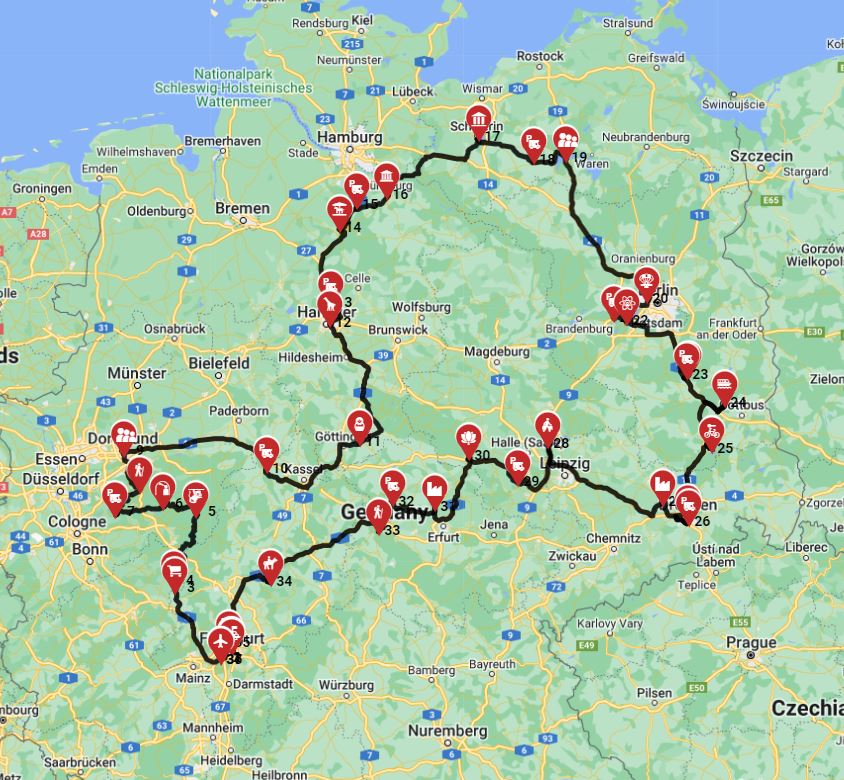
Don't forget to utilize resources like RV PLANET (rvplan.net) to discover curated itineraries and find the perfect campsites along your route. We're here to help you navigate the details so you can focus on the adventure. Ready to hit the road?
Find Motorhome Rentals in Frankfurt