In This Guide
- Can You Drive an RV in East Europe? License & Age Rules
- Road Conditions & Terrain in East Europe
- RV Size Limits, Bridges & Restricted Zones
- Fuel: Diesel vs. Petrol & Cost per 100 km
- Tolls, Vignettes & Border Rules
- Driving Tips for cheap rv rental Travelers
- Recommended RV Class for East Europe Roads
- Should I Choose a Compact Van Instead of a Large RV in East Europe?
- Can I Park Anywhere? Free & Wild Camping Rules in East Europe
- Can I Drive an RV Into the City Center? Heights, Tunnels & Local Signage
- What is the 3-3-3 rule for RV travel?
- What is the 333 rule for campervan?
- Can you drive an RV in Europe?
- What is the 444 rule for RV?
- Is Europe RV friendly?
- Where is the cheapest place in Europe to buy a camper van?
- What is the cheapest country in Europe to get a driver's license?
- Which European country is the easiest to get a driver's license?
- Who has the least expensive RV insurance?
Can You Drive an RV in East Europe? License & Age Rules
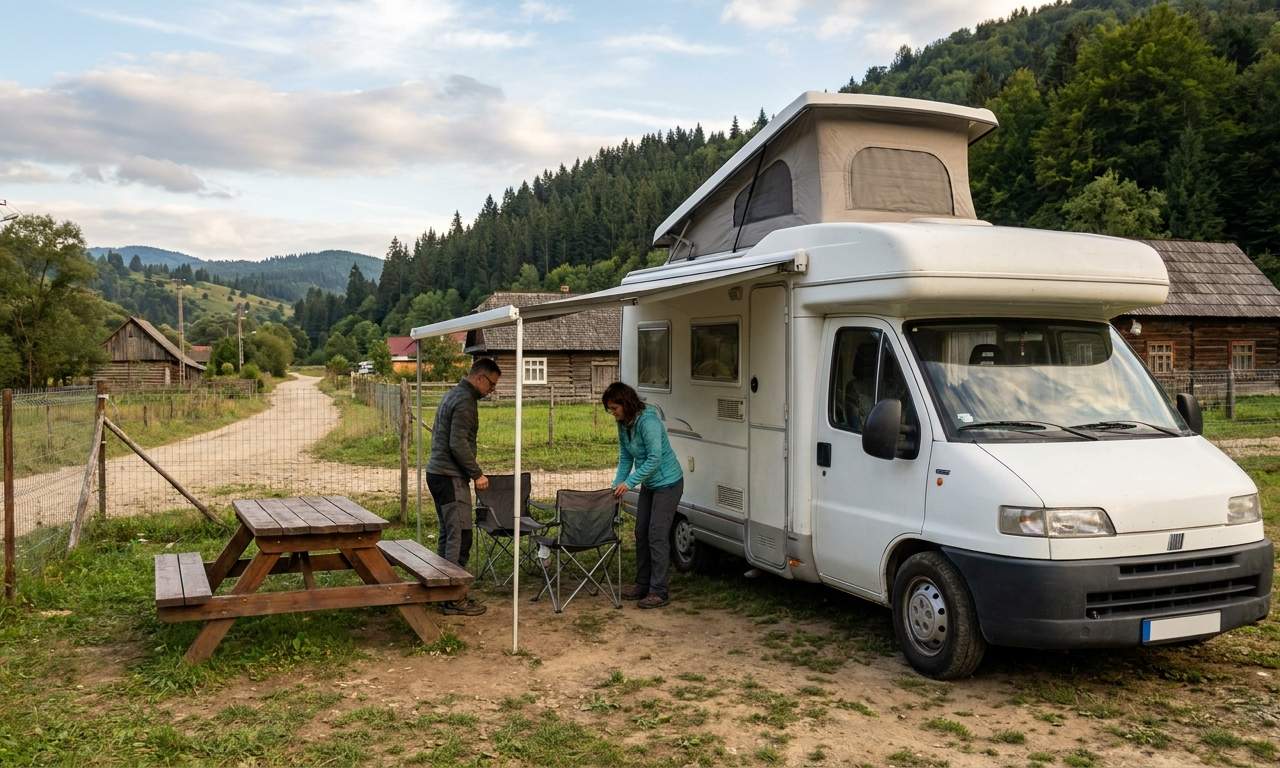
Yes, you can absolutely drive an RV in East Europe! A standard Category B driver's license, the same one you use for cars, is generally sufficient for RVs up to 3,500 kg. This covers most rental camper vans and smaller motorhomes, making the transition to RV travel smooth. However, for heavier RVs exceeding 3,500 kg, you might need a higher license category, such as a C1 or C, depending on your home country's regulations. It's always best to check with your rental provider to confirm specific requirements for the vehicle you choose.
Rental companies typically enforce a minimum driver age, usually between 21 and 25 years old, and often require at least two years of driving experience. An International Driving Permit (IDP) is strongly recommended and can be legally required for non-EU Eastern European countries like those in the Western Balkans, Moldova, and Ukraine. Always ensure you carry your original national license, your IDP if applicable, your passport, and all vehicle documentation, including the Green Card insurance, provided by your rental company. Additionally, be aware of specific visa requirements and border crossing procedures if your itinerary includes non-Schengen or non-EU countries.
Road Conditions & Terrain in East Europe
East Europe offers a diverse range of road conditions and terrains, from well-maintained highways to more rugged rural routes. Major highways in EU member states like Poland, the Czech Republic, Hungary, and Croatia are generally in excellent condition, providing a smooth journey for your rented RV. However, as you venture into more rural or mountainous areas, especially further east and in the Western Balkans, you might encounter varied conditions. Expect some sections with potholes, unpaved surfaces, and narrower roads. Mountain passes, such as those in the Carpathians or the Dinaric Alps, demand cautious driving and slower speeds, but reward you with stunning scenic views. It's worth noting that infrastructure outside major cities may offer fewer dedicated RV rest stops or service points, so planning your stops is key. Embracing slow, scenic driving is the best way to adapt to changing road quality and truly enjoy the diverse landscapes that East Europe has to offer with your cheap RV rental.
For navigating these varied conditions, smaller, more agile RVs, like Class B camper vans, often offer greater comfort on less-developed roads. Their compact size makes them easier to maneuver through narrower routes and park in quaint villages. However, even larger motorhomes can handle most East European roads with careful driving. Bandana Caravan offers a range of vehicle classes to suit your comfort and itinerary needs.
RV Size Limits, Bridges & Restricted Zones
While most East European roads are RV-friendly, always pay close attention to road signage, particularly for height and width restrictions. It's crucial to know your RV's exact dimensions, such as its height (e.g., 2.5m for camper vans, potentially over 3.2m for alcove models), before entering tunnels, underpasses, or historic city centers where low clearances are common. Weight restrictions are less frequent but can appear on older bridges or smaller rural routes; always confirm your RV's Gross Vehicle Weight Rating (GVWR).
Be aware that environmental or Low Emission Zones (LEZs) are becoming increasingly common in major cities across Europe. These zones may restrict access based on your vehicle's emission standards, often requiring a specific sticker. It's advisable to check the regulations for each city you plan to visit to avoid fines. If you plan on using ferries, for example, to explore the Croatian islands, be aware that they may have length or weight-based pricing or even vehicle limitations. Booking and confirming your RV dimensions in advance with the ferry operator is essential.
For larger RVs, consider parking on the city outskirts and utilizing public transport to navigate narrow historic town streets. This approach not only simplifies city exploration but also reduces the stress of finding suitable parking in bustling urban centers.
Fuel: Diesel vs. Petrol & Cost per 100 km
In East Europe, diesel fuel, often labeled as 'Nafta' or 'Gasoil', is the primary choice for RVs and is widely available at petrol stations across the region. Bandana's fleet data indicates that Class B Camper Vans typically consume around 8-10 liters per 100 km. For larger motorhomes like Class SI Semi-integrated or Class C Alcove models, fuel consumption generally ranges from 10-12 liters per 100 km. Larger Class A Integrated RVs might consume slightly more, around 8-12 liters per 100 km, while Class TC Truck Campers can be in the 12-17 liters per 100 km range.
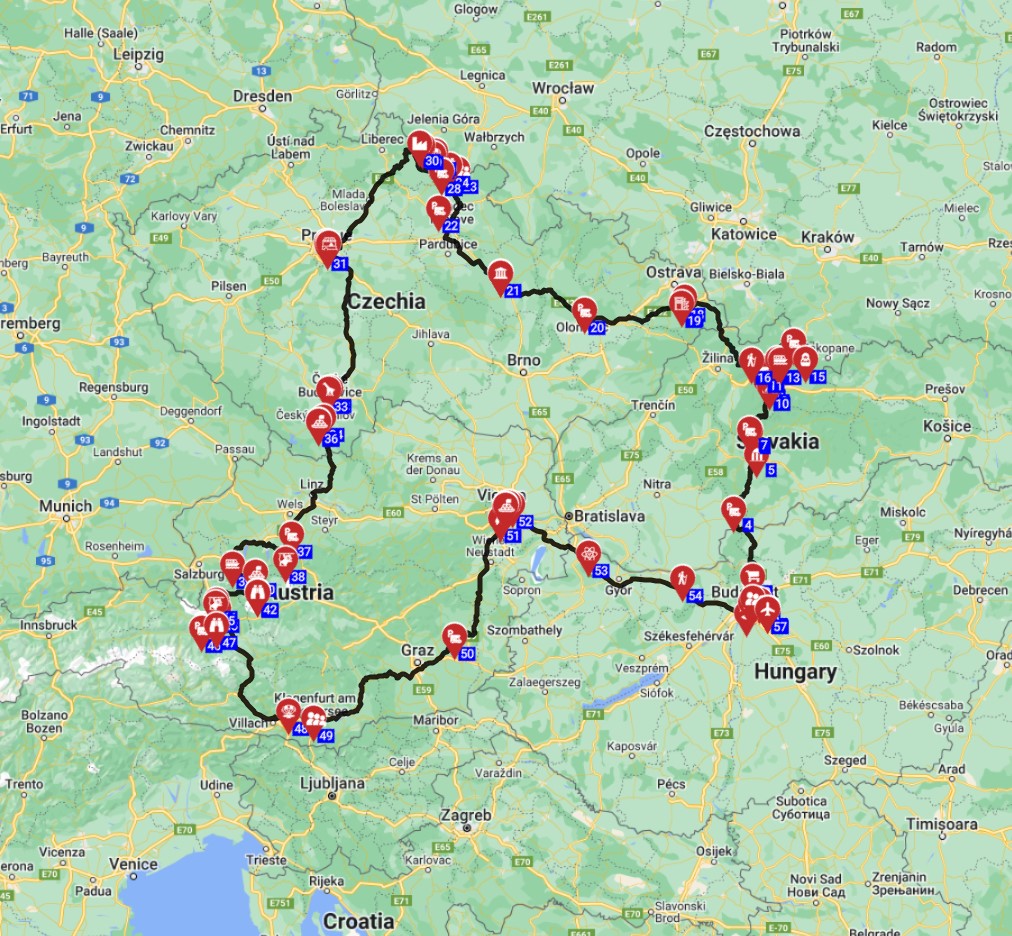
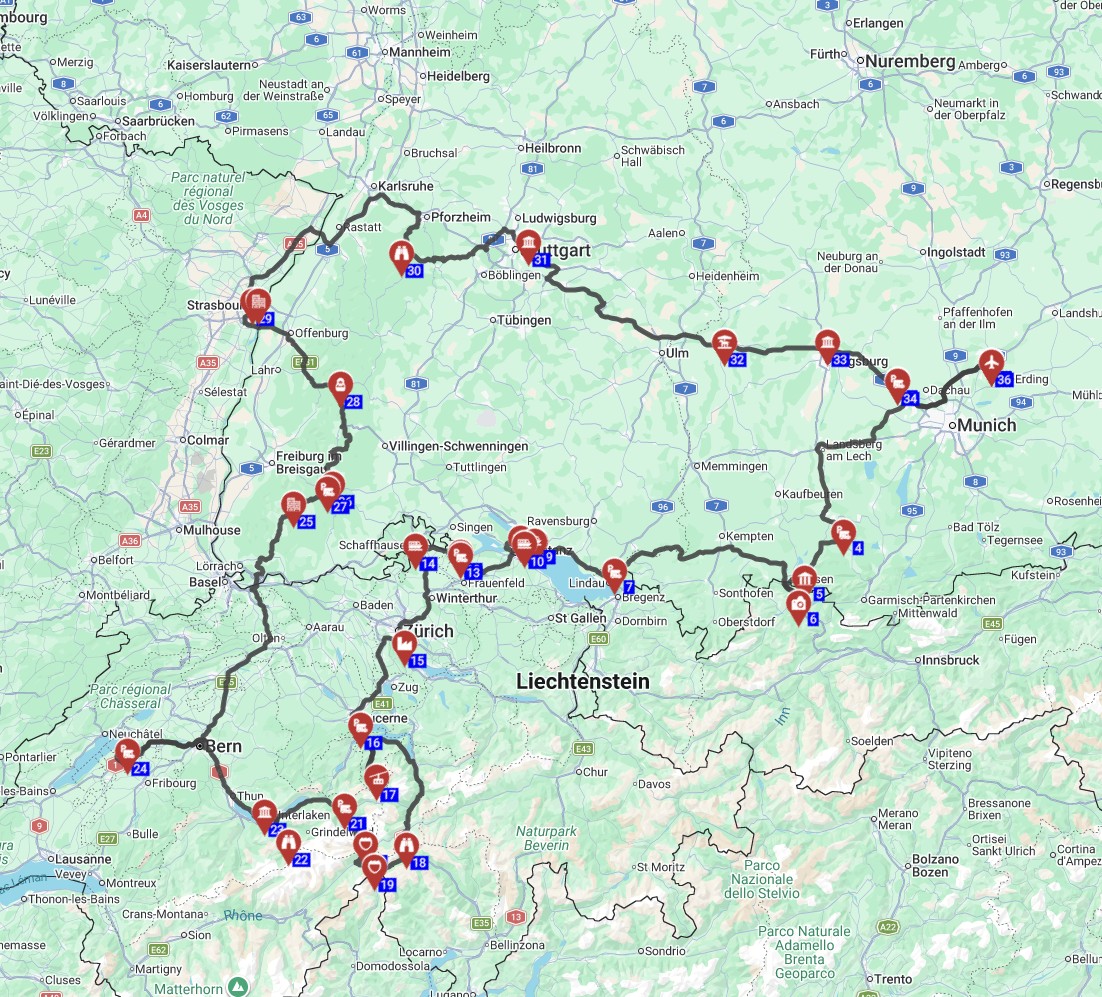
Fuel prices can fluctuate significantly by country. You might find prices in EU member states to be higher compared to some non-EU Balkan nations. It's wise to budget accordingly for these variations. Payment at petrol stations is usually straightforward, accepted via card or cash. However, carrying small amounts of local currency is always advisable for those occasions where card payments might not be available. Some rent-motorhome providers may also offer fuel discount cards, which can be a helpful tool for budgeting your cheap RV rental trip. On the routes offered through RV PLANET routes, you can itemize and track every expense along the way for easy budgeting.
Tolls, Vignettes & Border Rules
Navigating East Europe by RV often involves dealing with tolls and vignettes. Many countries, including Slovenia, Hungary, the Czech Republic, Bulgaria, and Romania, utilize electronic vignettes for motorway access. These e-vignettes can typically be purchased online in advance or at border crossings, so ensure you acquire them before or immediately upon entering their motorway systems to avoid penalties. Poland and Croatia primarily use traditional toll booths where you pay based on distance traveled, accepting both cash and card payments.
Crossing borders into non-Schengen or non-EU countries like Albania, Bosnia & Herzegovina, Montenegro, Serbia, Moldova, or Ukraine will involve passport checks and verification of vehicle documents, including customs inspections. It's crucial to allow extra time for these border crossings. Ensure your rental RV's insurance, particularly the 'Green Card,' explicitly covers all countries on your itinerary, especially those outside the EU. Some rent-motorhome providers may offer pre-purchased toll passes or vignettes as part of their packages, which can streamline your journey and help you avoid fines. Always keep small amounts of local currency handy for tolls or potential unexpected border fees where card payments might not be accepted.
Driving Tips for cheap rv rental Travelers
When driving your cheap RV rental in East Europe, always carry the mandatory vehicle equipment. This typically includes reflective vests for all occupants, a first-aid kit, a fire extinguisher, and spare bulbs, as these are legally required in many countries. Driving defensively is paramount, especially on rural roads where you might encounter agricultural vehicles, pedestrians, or varied road surfaces. Being aware of your surroundings and anticipating potential hazards will ensure a safer journey.
Utilize reliable GPS apps, such as Google Maps or Maps.me (for offline use), and ensure they can consider RV dimensions for route planning. Download maps for areas with spotty mobile coverage. Prioritize secure overnight parking by looking for designated areas or well-lit spots. Apps like Park4Night can be excellent resources for locating safe and approved overnight parking locations. Remember to know the European emergency number, which is 112, and have your rental company's roadside assistance contact readily available.
Learning a few basic local language phrases can significantly enhance your interactions and show respect for the local culture. Budget for local markets and experiences to truly enrich your cheap RV rental trip, and always carry local currency for smaller purchases or in case card facilities are unavailable. Plan your water and waste disposal points, as well as gas cylinder availability, in advance, as these facilities can be less frequent in less-developed areas. Finally, consider making stops every 2-3 hours to combat fatigue, especially on longer driving days, to ensure you remain alert and refreshed.
Recommended RV Class for East Europe Roads
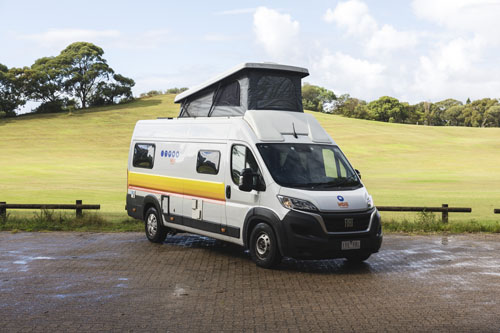
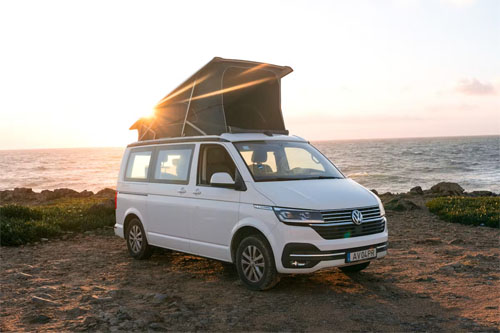
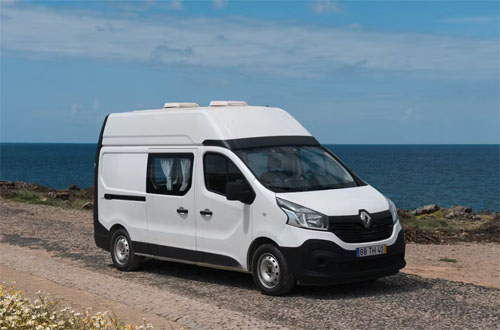
For exploring East Europe, Class B Camper Vans are highly recommended due to their agility. With an average length of 5.8 meters and fuel consumption of 8-10 liters per 100 km (based on Bandana's fleet data), they are ideal for navigating narrow roads and finding parking in towns. These are perfect for 2-3 adults, offering flexibility and efficiency.
Alternatively, Class SI Semi-integrated RVs strike an excellent balance between comfort and maneuverability. Averaging 6.9 meters in length and consuming 10-11 liters per 100 km, they offer more interior space suitable for 3-4 adults or families, making them great for longer trips or when more living space is desired. Both Class B and Class SI RVs provide a comfortable and adaptable experience for your cheap RV rental adventure in East Europe, ensuring you can explore with ease.
Should I Choose a Compact Van Instead of a Large RV in East Europe?
Choosing between a compact camper van and a larger RV for your East European adventure depends on your priorities. A compact camper van (Class B) offers superior maneuverability for extremely narrow mountain passes and tight city streets, plus easier parking. This agility is a significant advantage in more remote or historically dense areas.
However, for most main routes and a balance of comfort and convenience, a larger RV, such as a Class SI Semi-integrated model, is often preferred. These vehicles still handle most East European roads without significant issues and provide more dedicated living, sleeping, and storage space, which enhances comfort on longer trips or during inclement weather. The trade-off for a compact van's agility is typically less interior room and fewer amenities. For a cheap RV rental, the added comfort of a mid-sized RV often outweighs the marginal maneuverability gains of a compact van, especially if you plan to spend significant time inside your rental. Remember, in many cities, regardless of RV size, parking on the outskirts and using public transport is often the most practical approach, reducing the compact van's urban advantage.
Can I Park Anywhere? Free & Wild Camping Rules in East Europe
The rules for free or wild camping vary significantly across East European countries and even within different regions of the same country. Generally, these practices are stricter within EU member states. In countries like Croatia, Slovenia, Hungary, and Poland, wild camping is typically prohibited or heavily restricted, especially within national parks and protected natural areas. Always check local regulations before setting up camp.
Non-EU Balkan countries, such as Albania, Montenegro, and Bosnia & Herzegovina, may have more ambiguous or lenient rules in very rural areas. However, it is always recommended to seek explicit permission from private landowners before parking overnight on their property. To ensure a compliant and safe experience, prioritize official campsites, designated RV parks, or privately owned land with owner permission. Utilizing apps like Park4Night can help you locate approved overnight parking spots and formal campsites throughout your journey.
When choosing an overnight spot, prioritize safety and respect. Select well-lit locations, never leave rubbish behind, and always be discreet. Remember that rules can change, so it's best to consult local tourism resources or your rental provider for the most current advice on overnight parking and camping regulations in East Europe.
Can I Drive an RV Into the City Center? Heights, Tunnels & Local Signage
Most East European cities permit RV access to their city centers, but vigilance regarding specific signage is crucial for a smooth experience. Pay close attention to height limit signs, typically indicated in meters, for tunnels, low bridges, and underpasses, particularly in historic areas where infrastructure can be older and narrower. Always be aware of environmental or Low Emission Zones (LEZs) that exist in larger cities; these may restrict access based on your vehicle's emission standards and could require specific stickers or prior registration.
Look out for signs indicating pedestrian-only zones, 'residents-only' streets, or areas with specific access times that might affect RV entry. Finding suitable parking for an RV within a city center can often be challenging. Many travelers find it easier to park on the outskirts of the city and then utilize public transport for exploring the urban core. Familiarizing yourself with common local road signs, which may include restrictions for vehicles over certain lengths or weights, will also greatly enhance your ability to navigate city streets confidently.
What is the 3-3-3 rule for RV travel?
The 3-3-3 rule for RV travel is a popular guideline suggesting a relaxed pace: drive no more than 300 miles (approximately 480 km) in a day, arrive at your destination by 3 PM, and stay for at least 3 nights. This approach helps prevent driver fatigue and allows for spontaneous stops, which is particularly beneficial when navigating the varied road conditions and scenic routes of East Europe.
Arriving by 3 PM provides ample daylight for setting up camp, exploring your surroundings, or addressing any unforeseen issues, which is especially advantageous in less-developed regions of East Europe where services might be less frequent or daylight hours can vary seasonally. Staying for at least 3 nights at each location encourages deeper local exploration, reduces the constant need to pack and unpack, and fosters a more immersive cultural experience, all of which align perfectly with the ethos of a cheap RV rental adventure.
While the 3-3-3 rule is a valuable guideline for a more enjoyable and less stressful RV trip, remember to remain flexible. Be prepared to adapt the rule based on your experiences in East Europe, considering factors like potential border crossing times or the availability of desired campsites. Prioritizing slow, flexible travel will undoubtedly maximize your enjoyment.
What is the 333 rule for campervan?
The 333 rule for campervan travel is essentially identical to the 3-3-3 rule for RVs, advocating for a balanced and immersive travel style. It suggests driving no more than 300 miles (approximately 480 km) per day, aiming to arrive at your destination by 3 PM, and staying for at least 3 nights at each location.
This principle applies equally to campervans, promoting a sustainable travel pace and reducing the physical and mental fatigue often associated with long-distance driving. For smaller campervans, the 300-mile driving limit offers significant flexibility, while the arrival and stay components are crucial for truly enjoying your chosen destinations. Adhering to this rule on a cheap RV rental in East Europe helps manage fuel consumption and allows for greater engagement with local culture and scenery, ultimately maximizing the value and richness of your trip.
Can you drive an RV in Europe?
Yes, driving an RV in Europe is widely supported and incredibly rewarding, with most countries offering accommodating infrastructure for motorhome travel. Europe boasts an extensive road network that is generally suitable for RVs of all sizes, ranging from modern, well-maintained motorways to charming, scenic rural routes that wind through picturesque villages and landscapes.
A standard Category B driver's license is typically sufficient for RVs up to 3,500 kg, which covers many rental models available. For larger vehicles, an International Driving Permit (IDP) is recommended or may be legally required for certain non-EU European countries. Camping infrastructure is also well-developed across the continent, with numerous official campsites and dedicated motorhome parking areas ('stellplatze') readily available. While wild camping rules are generally strict in Western Europe, they can be more flexible or ambiguous in parts of Eastern Europe, though it's always best to check local regulations and obtain permission where necessary.
What is the 444 rule for RV?
The 4-4-4 rule for RV travel is a more conservative guideline than the 3-3-3 rule, suggesting an even slower and more in-depth travel approach. It recommends aiming to travel no more than 400 kilometers (approximately 250 miles) daily, arriving by 4 PM, and staying at least 4 nights at each location.
The 400 km daily driving limit promotes an exceptionally relaxed travel pace, allowing for more spontaneous stops and reducing stress on potentially varied East European roads. Arriving by 4 PM ensures you have ample daylight for setting up camp, exploring nearby attractions, and unwinding before evening, which is particularly advantageous during seasonal daylight shifts. Staying for at least 4 nights at each destination encourages deeper exploration and relaxation, minimizing travel days and maximizing your time immersed in each place. This slower rhythm is ideal for truly savoring your cheap RV rental experience in East Europe.
Both the 3-3-3 and 4-4-4 rules are flexible guidelines. The key takeaway is to avoid over-scheduling your trip and to build in buffer time for unforeseen circumstances or delightful detours that often make RV travel so memorable. Adapt these principles to suit your travel style and the specific regions you explore.
Is Europe RV friendly?
Europe is largely very RV friendly, featuring extensive infrastructure, diverse landscapes, and a strong culture of motorhome travel, making it an ideal destination for cheap RV rental adventures. The continent offers well-developed networks of campsites, dedicated motorhome parking areas known as 'stellplatze,' and readily available service points for water, waste disposal, and electricity hookups.
Europe's road network, while varying in quality across different regions, generally accommodates RVs of various sizes, supported by good signage and generally reliable connectivity. RV travel is a popular holiday choice for many Europeans, which fosters a positive and welcoming attitude towards motorhome tourists. Eastern Europe, in particular, often presents a more budget-friendly option, with typically lower costs for campsites and the opportunity for more authentic, off-the-beaten-path experiences compared to its Western counterparts. While challenges like varied toll systems, differing wild camping rules, and language barriers exist, they are generally manageable with proper planning and a spirit of adventure.
Where is the cheapest place in Europe to buy a camper van?
Germany and the Netherlands are generally considered among the most competitive and cost-effective places in Western Europe to purchase a used camper van, primarily due to their large and mature RV markets. These countries offer a vast selection of vehicles through both private sales (on platforms like Mobile.de and AutoScout24) and established dealerships, which naturally leads to more competitive pricing.
While Eastern European countries often provide cheaper living and RV rental costs, their markets for *purchasing* used camper vans are typically smaller, with a more limited selection. Furthermore, the process of purchasing and registering a vehicle in Europe, particularly for non-EU residents, can involve complex bureaucracy, import taxes, and potentially higher insurance costs. For travelers planning trips under six months, opting for a cheap RV rental from a reputable company like Bandana generally offers better overall value, greater flexibility, and avoids the administrative hassle associated with vehicle ownership.
What is the cheapest country in Europe to get a driver's license?
While costs can fluctuate, countries like Romania and Hungary are frequently cited as having lower overall expenses for driving lessons and tests when compared to many Western European nations. These countries often offer more competitive pricing structures for aspiring drivers.
However, it's important to note that to obtain a driver's license in any European country, you typically need to establish legal residency there for a significant period, often ranging from six months to a year. The total costs involved encompass driving school fees, theory test fees, practical test fees, and administrative issuance fees. For travelers embarking on a cheap RV rental trip, the prospect of obtaining a new European driver's license is generally impractical. Your existing national driver's license, supplemented by an International Driving Permit (IDP) if necessary, is the most practical and sufficient documentation for tourist travel.
Which European country is the easiest to get a driver's license?
The "easiest" European country to obtain a driver's license is subjective and often depends on individual factors like driving aptitude, the availability of English-speaking support, and the local stringency of testing procedures. However, countries like Hungary, Poland, or Romania are sometimes perceived as having less complicated processes compared to others.
While all EU countries must adhere to minimum EU driving license standards, the practical application and perceived difficulty of tests can vary. Some Eastern European driving schools may offer English-speaking instructors or provide theory materials in English, potentially making the process feel more accessible for expats. It's crucial to remember that a primary prerequisite for obtaining any European driver's license is meeting specific residency requirements, making this question primarily relevant for long-term expatriates rather than short-term RV renters. For a cheap RV rental trip, the most practical and necessary step remains validating your current national driver's license and securing an IDP if required, rather than attempting to acquire a new license abroad.
Who has the least expensive RV insurance?
For rental RVs, the least expensive insurance is typically the basic third-party liability coverage that is already included in your rental agreement, as this is legally mandated in most countries. This foundational coverage protects against damage to other vehicles or property but usually comes with a high deductible (excess) for damage to the rental RV itself.
To mitigate your out-of-pocket risk for damages to the rental RV, consider purchasing optional comprehensive insurance packages or deductible reduction waivers. These can often be obtained directly from the rental company or through third-party travel insurance providers. For those considering personally owned RVs, insurance costs vary widely based on factors such as vehicle type, value, driver's record, country of registration, and the level of coverage selected. Generally, Eastern European countries may offer lower insurance premiums for owned vehicles compared to Western Europe, but it's vital to carefully review the scope of coverage provided.
Regardless of whether you are renting or owning, always ensure that any RV insurance includes a 'Green Card' for international travel, particularly when crossing into non-EU countries, to confirm coverage across borders.
What You Shouldn't Miss
- Transfăgărășan Highway, Romania: Drive this iconic, winding mountain road (open seasonally) for unparalleled scenic beauty and a thrilling RV adventure.
- Buzludzha Monument, Bulgaria: Explore this unique, abandoned communist-era monument for a surreal historical detour and incredible photo opportunities.
- Carpathian Bear Watching (Romania): Embark on an eco-tour to safely observe Europe's largest brown bear population in their natural habitat.
- Danube Delta Exploration (Romania): Take a boat tour from nearby campsites to experience this UNESCO World Heritage site, a haven for birdwatchers and nature enthusiasts.
- Budapest Thermal Spas (Hungary): Combine your RV journey with relaxation by visiting one of Budapest's famous thermal baths, with many towns offering RV-friendly parking nearby.
- Krakow's Old Town, Poland: Wander through this beautifully preserved historic center, a UNESCO World Heritage site, with plenty of RV parking options on the outskirts.
Final Thoughts
Embarking on an RV adventure in East Europe offers a unique blend of stunning landscapes, rich history, and vibrant cultures. From the well-maintained highways of EU nations to the more adventurous routes found further east, a rented RV provides the freedom and flexibility to explore at your own pace.
Remember to plan ahead for vignettes, road conditions, and overnight stays, but also allow for spontaneity. East Europe's diverse offerings, from its breathtaking mountain passes to its charming historic cities and relaxing thermal spas, promise an unforgettable journey. Bandana Caravan is here to help you find the perfect RV for your adventure, ensuring a comfortable and cost-effective way to discover this captivating region. Happy travels!
Ready to plan your East European RV adventure? Compare motorhome rental prices for East Europe and discover the best deals available for your unforgettable road trip!
Plan Your East Europe RV Trip Now