For live availability and current prices, start with our RV Rental Cyprus - Complete Guide 2026 guide.
In This Guide
- Can You Drive an RV in Cyprus? License & Age Rules
- Road Conditions & Terrain in Cyprus
- RV Size Limits, Bridges & Restricted Zones
- Fuel: Diesel vs. Petrol & Cost per 100 km
- Tolls, Vignettes & Border Rules
- Driving Tips for cheap rv rental Travelers
- Recommended RV Class for Cyprus Roads
- Should I Choose a Compact Van Instead of a Large RV in Cyprus?
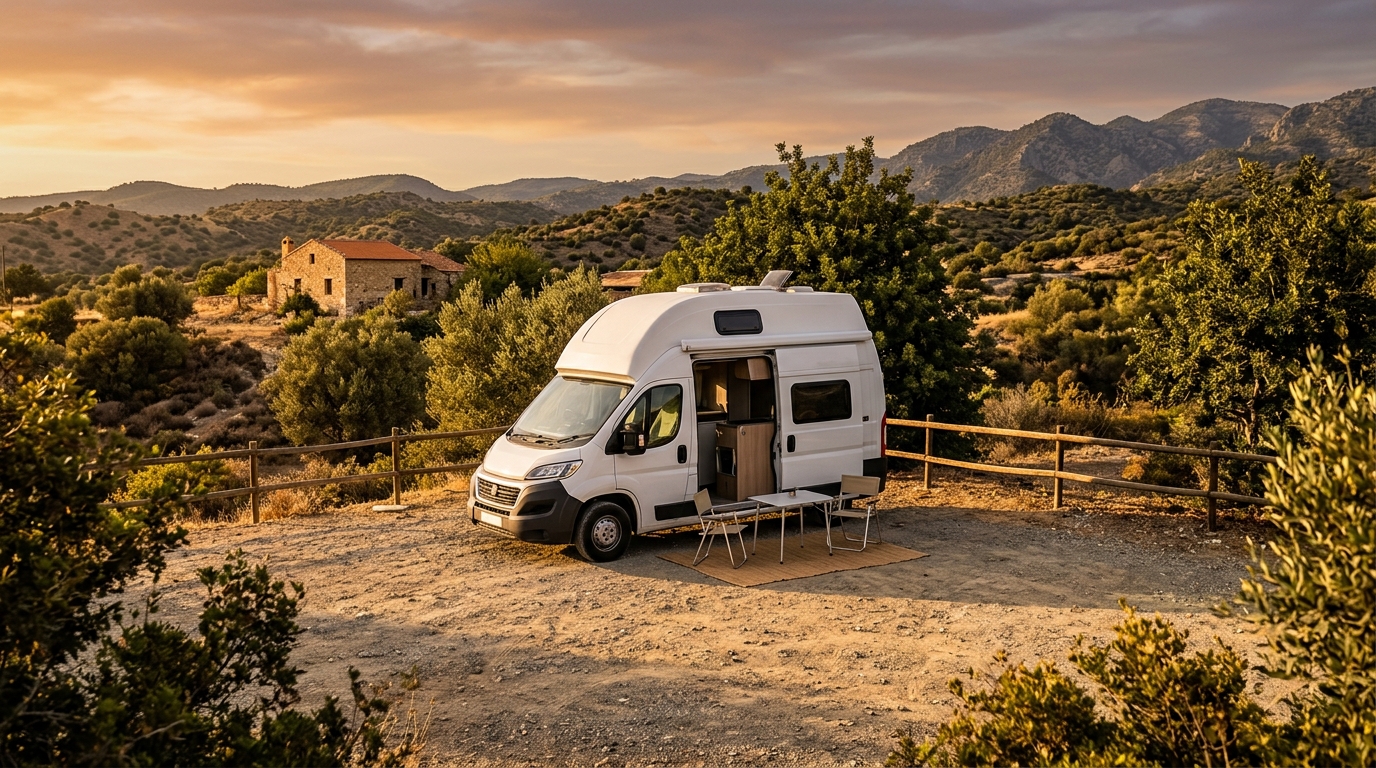
- Can I Park Anywhere? Free & Wild Camping Rules in Cyprus
- Can I Drive an RV Into the City Center? Heights, Tunnels & Local Signage
- What are RV-Specific Safety and Emergency Protocols in Cyprus?
- Where Can I Find Water, Waste, & Power Hookups for My RV in Cyprus?
- What are the Best Seasons for RV Travel in Cyprus?
- How Can RVers Enjoy Unique Local Experiences in Cyprus?
Can You Drive an RV in Cyprus? License & Age Rules
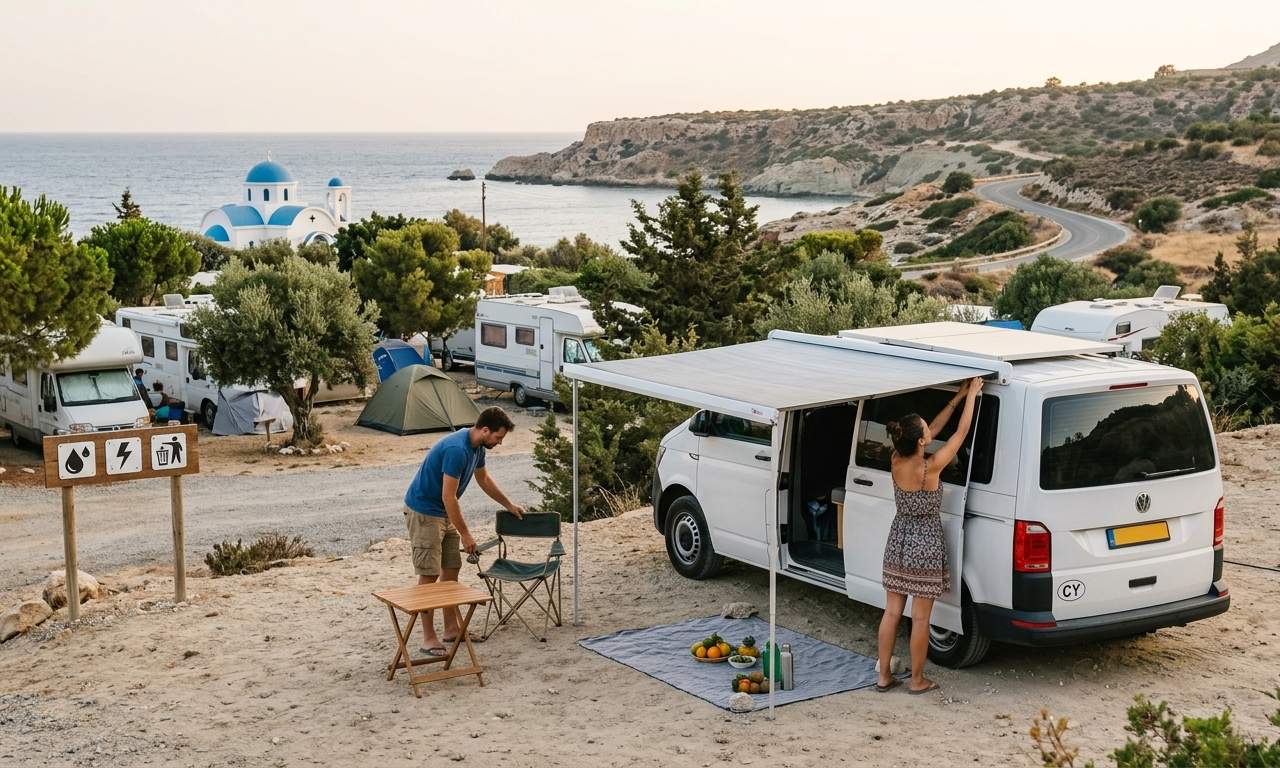
Most visitors can drive an RV in Cyprus with a valid standard driver's license and by meeting the rental company's age requirements, which typically range from 21 to 25 years old. A standard Category B license is sufficient for most camper vans and smaller motorhomes weighing up to 3,500 kg. For larger motorhomes that may exceed this weight limit, a Category C1 license might be required, covering vehicles between 3,500 kg and 7,500 kg. Most rental providers stipulate a minimum rental age of 21, often with a requirement for at least two years of driving experience. While not always mandatory, an International Driving Permit (IDP) is highly recommended for non-EU license holders to ensure smooth communication with local authorities if needed. Remember that Cyprus operates on the left-hand side of the road, so be prepared for this adjustment if you're used to right-hand traffic.
Road Conditions & Terrain in Cyprus
Cyprus offers a diverse driving experience, from well-maintained main roads to narrower mountain passes and unpaved tracks. Major routes and coastal roads are generally in good condition and are typically smooth and scenic. However, as you venture into the interior, especially into the mountainous regions like the Troodos Mountains, expect to encounter narrower, winding roads with steep ascents, descents, and tight turns. These conditions necessitate careful and slower driving, particularly in a larger rented RV. Urban centers can present congestion and limited parking, making smaller RVs or campervans more agile. While most roads are accessible, be aware that off-road access is generally restricted. If considering a 4x4 campervan, always verify the legality of using specific tracks with your rental provider.
RV Size Limits, Bridges & Restricted Zones
While Cyprus does not have widespread, RV-specific size limitations that would prevent most rentals from exploring, drivers should always be mindful of local signage. Pay close attention to height and weight restrictions, particularly when navigating older town centers, underpasses, or historical areas, as some structures may have lower clearances. Currently, there are no widely implemented environmental zones that specifically restrict RVs in Cyprus, but it’s always wise to check for any local updates or specific area regulations before you travel. As an island nation, domestic RV ferries are not a typical mode of transport within Cyprus itself.
Fuel: Diesel vs. Petrol & Cost per 100 km
Most RVs available for rent, including those in Bandana's network, are diesel-powered. Diesel is widely available across Cyprus at numerous fuel stations, particularly in towns and along main roads. Fuel consumption for RVs typically ranges from 8 to 17 liters per 100 km, depending on the RV's class and size. For instance, Class B camper vans might average 8-10 liters/100 km, while larger Class A motorhomes could consume 8-12 liters/100 km, and truck campers might use 12-17 liters/100 km. To estimate your fuel cost per 100 km, multiply your RV's average consumption by the current local fuel price. For example, an RV using 11 liters/100 km at a price of €1.60/liter would cost approximately €17.60 per 100 km. It’s always a good idea to ask your rental provider if any fuel discount cards are available for certain RVs. On the routes offered through RV PLANET routes, you can itemize and track every expense along the way for easy budgeting.
Tolls, Vignettes & Border Rules
Travel within Cyprus is made simpler by the absence of a general road toll or vignette system for its road network. This means you won't encounter these additional costs during your RV journey across the island. As Cyprus is an island nation, direct land border crossings for RVs from neighboring countries are not applicable. However, access to Northern Cyprus is possible via designated checkpoints. It is crucial to verify your RV rental company's insurance policy to confirm coverage in this region, as many policies may not extend to the northern part of the island.
Driving Tips for cheap rv rental Travelers
To ensure a smooth and enjoyable RV adventure in Cyprus, familiarize yourself with a few key driving practices. Always remember to drive on the left side of the road. Adhere to the posted speed limits: typically 50 km/h in urban areas, 80 km/h outside urban areas, and up to 100 km/h on motorways, but always follow specific signage. When navigating mountain routes, especially in the Troodos range, utilize lower gears to control speed on descents, maintain a slow pace, and exercise caution on narrow turns where oncoming traffic may be present. It’s advisable to utilize designated parking areas and avoid illegal parking, particularly in crowded towns or villages. Allowing ample travel time for your journey, especially on mountainous routes or when planning multiple stops, is also beneficial for managing costs and enjoying the experience.
Recommended RV Class for Cyprus Roads
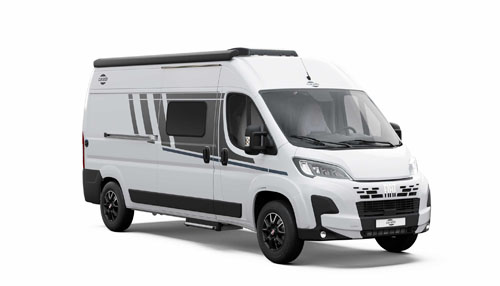
For navigating the varied roads of Cyprus, from scenic coastal routes to the challenging mountain passes, a compact Class B Camper Van or a nimble Class SI Semi-integrated motorhome is highly recommended. These vehicle types strike an excellent balance between maneuverability and living comfort. For instance, Class B Camper Vans, averaging around 5.8 meters in length, offer superior agility, making parking in urban centers and tight village streets much easier, alongside better fuel efficiency. Class SI Semi-integrated motorhomes, typically around 6.9 meters, provide more interior space and amenities while remaining manageable on most Cypriot roads, making them suitable for families or those seeking a bit more comfort. Larger RVs, such as Class C Alcove or Class A Integrated motorhomes (often around 7.5 meters), are drivable but can present challenges on very narrow village roads and in tight parking situations, potentially limiting access to more secluded or picturesque locations.
Should I Choose a Compact Van Instead of a Large RV in Cyprus?
The choice between a compact van and a larger RV in Cyprus largely depends on your group size, desired comfort, and travel style. Generally, most RV sizes can navigate the island's main routes without significant issues. Compact vans, like Class B Camper Vans, offer superior maneuverability for navigating narrow village streets and parking in historic towns. They also tend to provide better fuel efficiency, with Bandana's Class B vehicles averaging 8-10 liters/100 km, making them ideal for couples or solo travelers prioritizing agility and budget-friendliness. Larger RVs, such as Class SI, C, or A motorhomes, offer more interior space, enhanced amenities like full bathrooms and larger kitchens, and greater comfort for longer trips or larger groups. While larger RVs are less agile, they are manageable on most main and coastal roads. The key is to weigh the trade-off between enhanced comfort and ease of access or parking, especially when considering narrow mountain roads or busy historical centers.
Can I Park Anywhere? Free & Wild Camping Rules in Cyprus
While official campsites are readily available and recommended for amenities, wild camping in Cyprus exists in a gray area. It is often tolerated in very remote, non-protected natural areas, provided it's done discreetly and respectfully. However, official regulations generally prohibit wild camping in national parks, archaeological sites, Natura 2000 sites, and within municipal boundaries. There are no specific permits typically issued for wild camping; if you plan to park overnight on private land, seeking explicit permission from the landowner is always advisable. Regardless of your camping location, environmental etiquette is paramount. Strictly adhere to 'Leave No Trace' principles: pack out all waste, avoid fires, and minimize your impact. Proper disposal of grey and black water is essential and legally required; utilize designated dump stations at official campsites, as improper disposal is illegal and environmentally harmful.
Can I Drive an RV Into the City Center? Heights, Tunnels & Local Signage
Yes, RVs can generally be driven into most city centers in Cyprus. However, vigilance is key. Always be alert for local signage indicating height restrictions, particularly in underpasses or older parking structures, and be aware of narrower streets in historic parts of towns or pedestrian zones. While most major cities do not impose blanket bans on RVs, dedicated RV parking within city centers is uncommon. It is often advisable to park your RV on the periphery of the city and explore the core areas using public transport, walking, or cycling. Regarding tunnels and low bridges, these are not a widespread issue for RVs in Cyprus, but always be mindful of any posted limits.
What are RV-Specific Safety and Emergency Protocols in Cyprus?
RV travelers in Cyprus should prioritize safety by being prepared for potential roadside situations. Familiarize yourself with local emergency contacts: the all-encompassing European emergency number 112 connects to police, ambulance, and fire services, or you can dial 199 for direct access to these services. Ensure your RV rental agreement includes comprehensive roadside assistance for breakdowns and keep the provider's contact details easily accessible. Always secure your vehicle by locking doors and closing windows when parked, and avoid leaving valuables visible inside. When venturing into remote regions, it’s prudent to carry extra water, ensure your mobile phone is fully charged, and inform someone of your intended itinerary. A well-stocked first-aid kit is also an essential item for any extended RV journey.
Where Can I Find Water, Waste, & Power Hookups for My RV in Cyprus?
Accessing essential services like potable water refills, dump stations for grey and black water, and electricity hookups for your rented RV in Cyprus primarily occurs at official, paid campsites. These facilities are the most reliable source for these amenities. While some petrol stations may have accessible taps for water refills, always ask for permission before connecting. Designated grey and black water dump stations are predominantly found at established campsites. Improper disposal is illegal and harmful to the environment, so utilize these facilities responsibly. Electricity hookups are a standard offering at most paid campsites. For those planning off-grid camping, consider RVs equipped with robust solar panel systems, as many Bandana RVs offer this feature, or plan to use a portable generator, always adhering to your rental agreement's terms regarding generator use.
What are the Best Seasons for RV Travel in Cyprus?
The spring (March to May) and autumn (September to November) months offer the most favorable conditions for RV travel in Cyprus. During these periods, you'll experience pleasant temperatures, fewer crowds, and vibrant natural scenery, perfect for exploring the island. Spring brings mild temperatures (15-25°C) with wildflowers in bloom, making it ideal for hiking. Autumn offers warm, pleasant weather (20-30°C), with the sea still inviting for swimming and the grape harvest season underway. Summer (June to August) is characterized by intense heat (30-40°C+), especially inland, making RV air conditioning a necessity. Activities are best planned for early mornings or late evenings, with a focus on coastal areas. Winter (December to February) brings mild coastal temperatures (10-18°C), but the Troodos Mountains can experience snow and freezing conditions, potentially requiring snow chains and route adjustments.
How Can RVers Enjoy Unique Local Experiences in Cyprus?
RV travel in Cyprus uniquely enables visitors to immerse themselves in local culture by providing flexible access to traditional villages, bustling markets, renowned wineries, and significant archaeological sites that are often less accessible with conventional accommodation. By parking your RV strategically (always checking local regulations), you can easily explore local markets for fresh produce and crafts, discover authentic traditional tavernas in smaller villages that often have suitable RV parking nearby, and visit wineries along the island's wine routes for tastings. Many archaeological sites offer ample parking conducive to RVs, allowing for unhurried exploration. The freedom of an RV allows you to discover off-the-beaten-path locations and experience less tourist-centric areas, fostering a deeper connection with Cyprus's rich culture and traditions.
What You Shouldn't Miss
- Drive through the scenic Troodos Mountains, stopping at traditional villages like Omodos and exploring ancient Byzantine churches.
- Visit the ancient city of Kourion, an impressive archaeological site with a remarkably well-preserved Greco-Roman theatre offering stunning sea views, often with convenient RV parking.
- Explore the Commandaria wine region, tasting the island's famous dessert wine at historic wineries, many of which welcome RV visitors.
- Discover the natural beauty of the Akamas Peninsula, perhaps from a viewpoint if your RV is large, or by hiking to secluded bays like Lara Beach.
- Experience the seasonal spectacle of thousands of flamingos at the Larnaca and Akrotiri salt lakes during the winter months.
- Enjoy a seaside meal at a traditional taverna in a coastal village like Latchi or along the Fig Tree Bay area, where RV parking is often available nearby.
Final Thoughts
Embarking on an RV adventure in Cyprus offers an unparalleled way to experience the island's diverse landscapes, from sun-drenched coasts to the cool, mountainous interior. By understanding the driving nuances, opting for a suitable RV class, and planning your route, you're set for an incredible journey. Remember that flexibility can lead to great savings and unexpected discoveries.
We encourage you to embrace the freedom of the open road and let the spirit of Cyprus guide your exploration. With Bandana Caravan, you're not just booking an RV; you're unlocking a world of adventure with the confidence of expert support and transparent pricing every step of the way.
Ready to start planning your Cyprus RV road trip? Compare RV rental prices and book your perfect motorhome today!
For ideas you can prep on the road, watch our RV-friendly recipes playlist on YouTube.