In This Guide
- The 4 RV Families Compared for South America
- Class A (Integrated) - Best For
- Class SI (Semi-Integrated) - Best For
- Class C (Alcove) - Best For
- Class B (Campervan) - Best For
- Price Comparison by RV Class in South America
- Side-by-Side Comparison Table
- Our Recommendation for airport rv rental Travelers in South America
- What is the best company to rent an RV from?
- Which countries are the best for motorhome travel?
- What are the drawbacks of renting an RV?
- Is Outdoorsy a reputable company?
- Is it cheaper to rent an RV or stay in a hotel?
- Which country is the cheapest to hire a campervan in South America?
- What is the 333 rule for campervan travel in South America?
- Which South American country is the cheapest and safest to visit?
The 4 RV Families Compared for South America
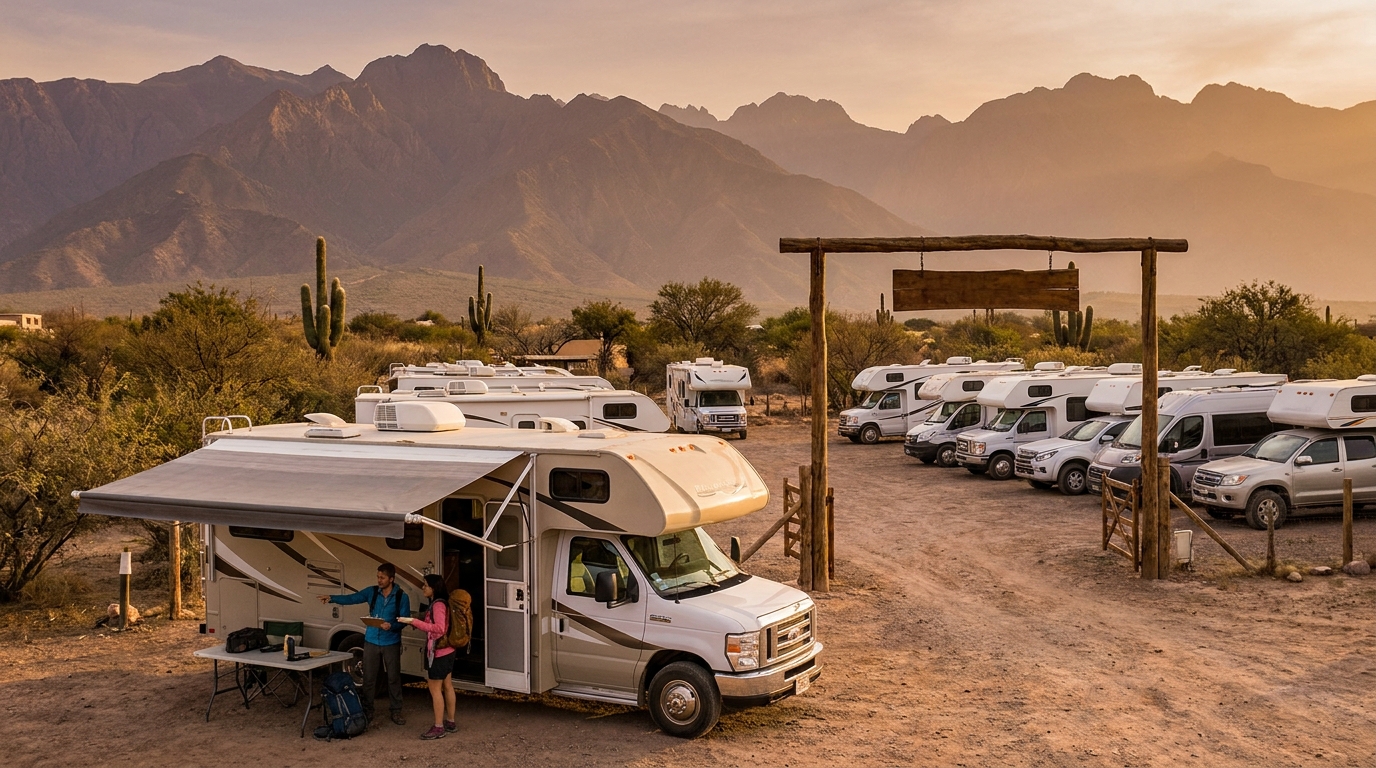
Choosing the right RV family is crucial for an airport RV rental in South America, as it directly impacts your comfort, budget, and ability to navigate diverse terrain and climates across the continent. Travelers should consider factors such as trip length, group size (whether you're a couple or a family of 4-6 people), desired level of comfort, and the specific countries and road conditions you plan to encounter. For instance, smaller, more agile campervans or Class B RVs excel on challenging, unpaved roads and in bustling city centers, while larger Class A or Class C motorhomes offer more extensive amenities and living space for longer, more relaxed trips on well-maintained highways. For live availability and current prices, start with our RV Rental South America - Complete Guide 2026 guide. Bandana RV specializes in motorhome and campervan rentals, ensuring you find the perfect mobile home for your South American adventure.Class A (Integrated) - Best For
Class A integrated motorhomes, typically averaging 7.5 meters (24.6 feet) in length and accommodating around 4 to 6 people from Bandana's global fleet, offer the ultimate luxury and expansive space for airport RV rentals in South America. These vehicles are best suited for larger groups or families seeking maximum comfort, a home-like experience, and extensive amenities, ideal for longer journeys on well-paved highways and established scenic routes like parts of Argentina's Ruta 40. With an average load capacity of approximately 209.5 kg (461 lbs) and typical fuel consumption of 11-12 liters/100 km (globally), Class A RVs provide ample storage, a spacious kitchen (perfect for trying local RV-friendly recipes playlist), and separate living areas. Trade-offs include lower maneuverability in tight city spaces or on narrow, unpaved roads, and higher fuel costs compared to smaller RV classes, making detailed route planning and awareness of infrastructure essential.Class SI (Semi-Integrated) - Best For
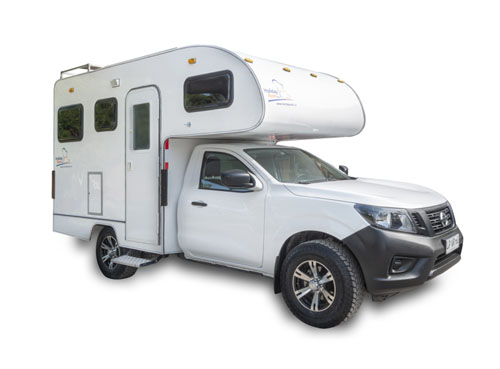
Class SI semi-integrated motorhomes represent a balanced choice for airport RV rental in South America, typically averaging 6.9 meters (22.6 feet) in length and comfortably accommodating around 3 to 4 sleepers from Bandana's global fleet. These RVs are ideal for couples or small families, blending comfortable living spaces with improved maneuverability compared to larger Class A models, making them suitable for a mix of highway and moderately challenging roads often found in regions like Chile's Lakes District. With an average load capacity of approximately 72.2 kg (159 lbs) and typical fuel consumption of 10-11 liters/100 km, Class SI vehicles offer a good compromise between amenities and driving ease. They often outperform Class A motorhomes in accessibility to smaller towns and national parks, and provide more comfort than Class B campervans for extended trips across South America's varied landscapes, offering a versatile base for exploration.Class C (Alcove) - Best For
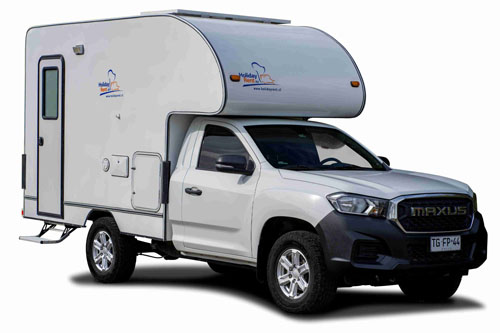
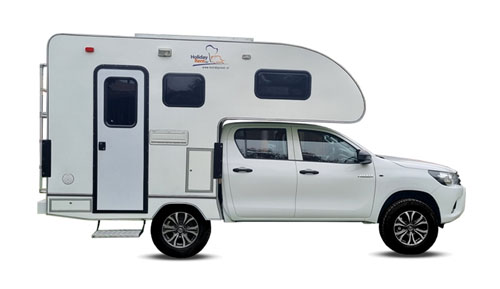
Class C alcove motorhomes are a consistently popular choice for families taking an airport RV rental trip in South America, distinguished by their prominent over-cab sleeping area and averaging 7.5 meters (24.6 feet) in length, sleeping around 5 to 7 people from Bandana's global fleet. These vehicles excel in providing ample sleeping capacity and family-friendly layouts, making them cost-efficient for groups needing more beds without sacrificing too much maneuverability on diverse South American roads. With an average load capacity of approximately 42.4 kg (93 lbs) and typical fuel consumption of 10-12 liters/100 km, Class C RVs offer a robust option capable of handling varied terrain, from paved highways to unsealed tracks. Their design often provides good ground clearance, making them a practical choice for exploring national parks and regions with less developed infrastructure across the continent.Class B (Campervan) - Best For
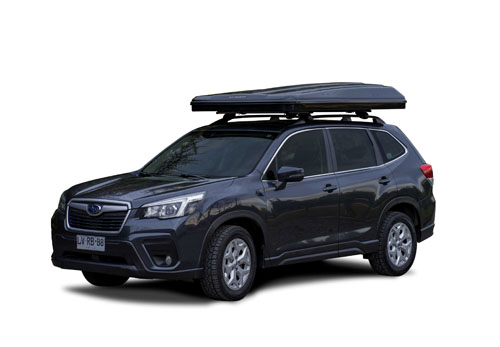
Class B campervans are the most agile option for airport RV rental in South America, typically averaging 5.8 meters (19 feet) in length and accommodating about 2 to 4 sleepers from Bandana's global fleet. These compact vehicles are perfectly suited for solo travelers, couples, or small groups prioritizing maneuverability, fuel economy (8-10 liters/100 km average), and the ability to navigate urban centers and narrower, rougher roads with ease. With an average load capacity of approximately 37 kg (81 lbs) and excellent fuel efficiency, Class B campervans are ideal for travelers seeking a flexible, minimalist adventure without sacrificing essential comforts like a small kitchen or compact sleeping area. They are particularly favored for navigating congested cities like Buenos Aires, remote areas with limited infrastructure, and spontaneous travel across South America where larger RVs might struggle. You can find options similar to a "Category Van" or "Active Pop Top" for your adventures.Price Comparison by RV Class in South America
Because RV rental pricing is dynamically flex-rate, fluctuating daily with demand, season, and specific vehicle availability, exact fixed numbers cannot be given as guaranteed figures for airport RV rental in South America. For the most accurate and up-to-date pricing, travelers should always utilize the live search box at the top of this page to compare available motorhomes and campervans. Generally, Class B campervans offer the lowest entry price, followed by Class SI (Semi-integrated) and Class C (Alcove) motorhomes, which provide more space for families. Class A integrated motorhomes typically represent the highest investment due to their larger size and luxury amenities. Prices can also be influenced by factors like rental duration (longer trips often have lower daily rates, as seen in "Long-Term RV Rental in South America - Monthly Rates 2026"), pickup locations, and seasonal demand. When looking for deals, checking "RV Rental Deals in South America - Latest Offers 2026" can also be beneficial.Side-by-Side Comparison Table
This table provides a quick overview of the key characteristics for each RV family available for airport RV rental in South America, aiding in your decision-making process. Understanding these differences is essential for matching the right vehicle to your travel style and itinerary across the continent's diverse landscapes.| Family | Avg Length (m) | Sleeps | Fuel Use (L/100km) | Best Use Case in South America |
|---|---|---|---|---|
| Class A (Integrated) | 7.5 | 4-6 | 11-12 (global) | Luxury, large groups, highways, established routes |
| Class SI (Semi-integrated) | 6.9 | 3-4 | 10-11 (global) | Balanced comfort & maneuverability, couples/small families, mixed terrain |
| Class C (Alcove) | 7.5 | 5-7 | 10-12 (global) | Families, sleeping capacity, varied roads, national parks |
| Class B (Campervan) | 5.8 | 2-4 | 8-10 (global) | Couples/solo, agile, urban/remote, fuel-efficient |
Our Recommendation for airport rv rental Travelers in South America
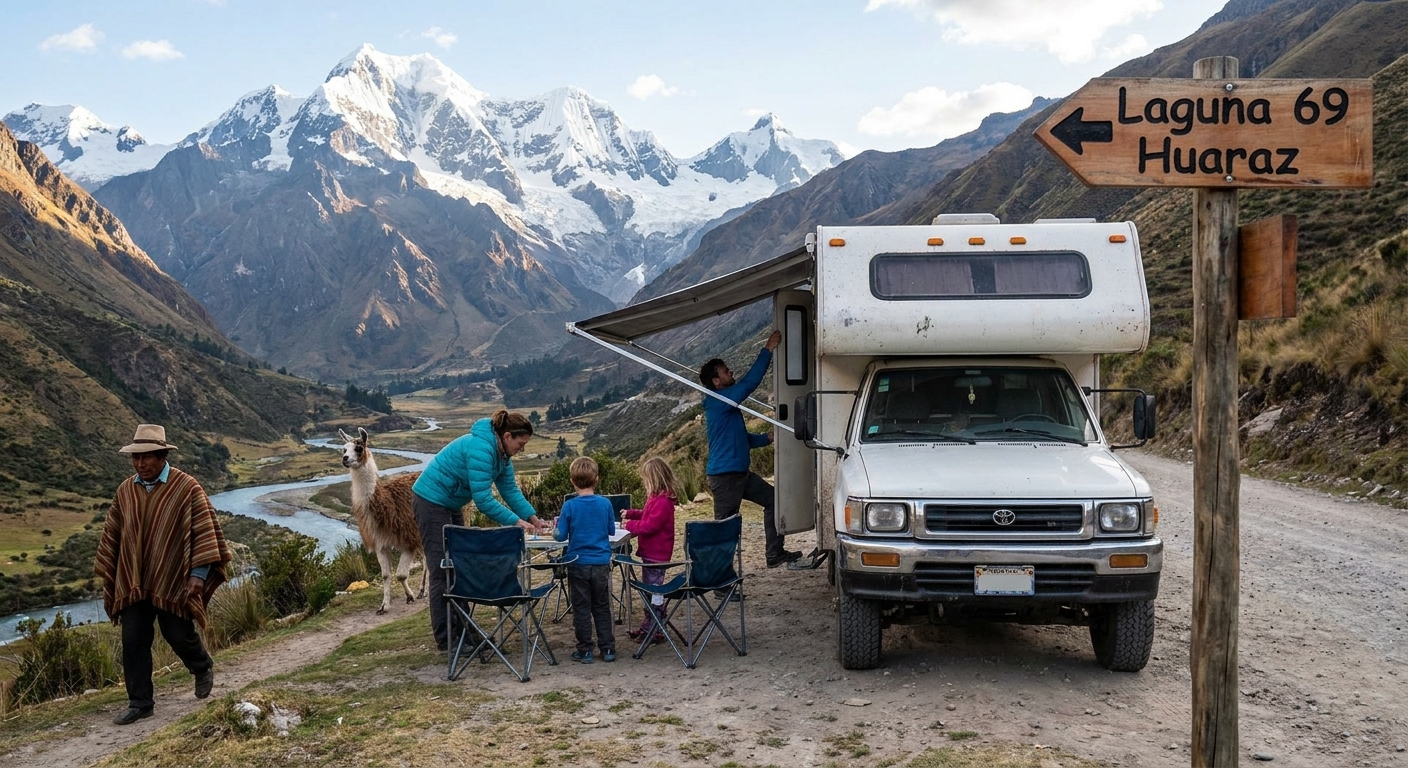
For most airport RV rental travelers exploring the diverse landscapes of South America, we primarily recommend a Class SI (Semi-integrated) motorhome. The Class SI strikes an optimal balance between comfort, space, and maneuverability, making it versatile for both well-paved routes and moderately challenging country roads often found in regions like Patagonia or the Andes. It provides sufficient amenities for extended trips for couples or small families, while still being manageable to drive and park in a wider array of locations compared to larger Class A units. As a strong runner-up, especially for families of 4-6, the Class C (Alcove) motorhome is an excellent choice, offering superior sleeping capacity and a robust build ideal for tackling varied South American road conditions with more passengers. Regardless of your choice, remember that slow travel (max 100-150 km per day on average) is key to truly experiencing the culture, food, and scenery.What is the best company to rent an RV from?
The 'best' RV rental company for an airport RV rental in South America depends significantly on individual needs, but platforms like Bandana excel by offering a diverse selection from both professional operators and trusted private owners, ensuring flexibility and competitive pricing. Bandana aggregates listings from various reputable suppliers across the continent, including partners like El Monte, Cruise America, Apollo, and Britz, allowing travelers to compare different RV classes, prices, and amenities in one place with full transparency and no hidden fees. When evaluating suppliers, look for companies that offer comprehensive insurance, clear rental terms, and positive customer reviews, especially regarding South American travel specifics like border crossing support. Bandana, founded in 2001, boasts over two decades of helping tens of thousands of travelers explore the world by RV, directly partnering with 50+ leading RV suppliers worldwide. We are true RV specialists, not just a travel agency side department.Which countries are the best for motorhome travel?
For motorhome travel in South America, Argentina and Chile are widely considered the best destinations due to their extensive and diverse landscapes, relatively well-developed infrastructure, and established RV tourism routes such as Patagonia and the Carretera Austral. Argentina offers vast, open roads leading through iconic regions like Patagonia with its glaciers and mountains, Mendoza's renowned wine country, and the dramatic scenery of the Northwest, with good access to fuel stations in populated areas and flexible options like one-way RV rentals from major cities. Chile is renowned for its stunning Lakes District, the rugged beauty of the Carretera Austral, and desert landscapes in the north, providing varied road conditions that RVers will encounter, from paved highways to gravel tracks. Both countries offer breathtaking natural parks, diverse climates, and a range of camping options, from established campgrounds to wild camping opportunities, though detailed safety and security planning, especially for vehicle security, is vital. Border crossings between Argentina and Chile are common for RVers and generally well-regulated, requiring specific vehicle documentation and patience, with comprehensive guides for navigating bureaucracy being invaluable.What are the drawbacks of renting an RV?
Renting an RV for an airport RV rental in South America can present drawbacks such as higher overall costs compared to budget hotel stays, complexities with diverse road conditions, and potential challenges with vehicle maintenance and internet connectivity in remote areas. Initial costs include the rental fee, insurance, and security deposits, but a granular breakdown of your total trip cost must also account for significant fuel expenses (especially for larger RVs with typical consumption of 8-17 L/100km), camping fees (which vary from free wild camping to paid campgrounds with amenities), propane, and maintenance, plus unforeseen expenses like tolls or potentially substantial border crossing fees. On RV PLANET routes, travelers can itemize and track every expense along the way for easy budgeting. Driving challenges involve navigating varied road quality (from pristine highways to unpaved, sometimes rough tracks), understanding unique local driving laws, and managing tolls, which can be frequent in some regions. Drive slowly and carefully, and you can drive almost anywhere without issues. No need to stress - just use common sense and pay attention. Vehicle maintenance and repairs can be difficult due to language barriers and limited availability of specialized mechanics or spare parts in less developed areas, making pre-trip checks and knowing emergency protocols essential. Connectivity solutions, such as reliable local SIM cards for internet and phone service, can be inconsistent, especially off-grid, necessitating consideration of offline maps for navigation. Personal and vehicle security requires vigilance, focusing on secure parking, situational awareness in urban areas, and safeguarding belongings.Is Outdoorsy a reputable company?
Outdoorsy is generally considered a reputable peer-to-peer RV rental platform that connects travelers with private RV owners, offering a wide variety of vehicles and robust insurance options, making it a valuable resource for unique airport RV rental finds in South America. The platform operates globally and is known for its user-friendly interface, customer reviews, and comprehensive insurance plans, providing a layer of trust and security for renters. Travelers should review individual owner profiles and vehicle listings carefully, paying attention to reviews, rental terms, and vehicle specifics to ensure they align with their travel needs in South America. While not a direct rental company, Outdoorsy facilitates rentals and manages transactions, offering support for both owners and renters throughout the process. Bandana, as a specialist in RV rentals for over 23 years, provides direct partnerships with leading suppliers like Apollo and Britz, ensuring high standards and reliable service.Is it cheaper to rent an RV or stay in a hotel?
Whether an RV rental or hotel stay is cheaper for a South American trip depends heavily on factors like trip duration, number of travelers, RV class chosen, and travel style, though RV travel often yields significant savings on accommodation and dining for groups. For families or groups of 4-6 people, a rented motorhome or campervan can be significantly more economical as the cost is spread among more people, avoiding multiple hotel rooms and allowing for self-catering, which drastically reduces food expenses. Beyond the daily rental fee, RV costs include fuel (ranging from 8-17 L/100km), camping site fees (which vary from free wild camping to paid campgrounds with amenities), propane, and maintenance, plus unforeseen expenses like border crossing fees or tolls. Hotel stays incur daily room rates, often require eating out for most meals, and may necessitate additional transportation costs for sightseeing, which can accumulate quickly. Longer RV trips (e.g., a two-week adventure or more) tend to offer better value per day than shorter rentals, as discussed in "Cheap RV Rental in South America - Budget Guide 2026". Bandana helps you compare all these options transparently.Which country is the cheapest to hire a campervan in South America?
While prices fluctuate based on season and availability, Uruguay can often be a more budget-friendly option for campervan rentals compared to its larger South American neighbors like Argentina or Chile, due to a generally lower cost of living and potentially less tourism demand. However, 'cheapest' isn't always 'best'; countries with lower rental rates might have a smaller selection of vehicles or less robust support infrastructure for RV travel. Factors influencing the overall cost include the campervan class (Class B is typically cheapest), rental duration, time of year (off-peak is cheaper), and inclusions like insurance or unlimited mileage. Beyond rental fees, travelers should also consider the cost of fuel, camping, food, and local taxes, which can vary significantly by country and impact the true 'cheapest' destination for your specific travel plans. For a more detailed breakdown, you might want to look at "RV Rental Deals in South America - Latest Offers 2026".What is the 333 rule for campervan travel in South America?
The '333 rule' for campervan or RV travel is a widely adopted guideline encouraging travelers to drive no more than 300 miles (approximately 480 km) a day, arrive at their destination by 3 PM, and stay for at least 3 nights, promoting a slower, more enjoyable travel pace. This rule is particularly beneficial in South America, where long distances between attractions, variable road conditions, and potential border crossing delays can make fast-paced travel stressful. Adhering to the 3 PM arrival allows ample time to find a campsite, set up, and explore the surroundings before dark, enhancing safety and enjoyment. The 'stay for at least 3 nights' component encourages deeper cultural immersion and more relaxed exploration of each destination, fostering responsible tourism practices and respectful interaction with local communities rather than just passing through. This approach aligns perfectly with Bandana's recommendation to travel slowly, averaging a maximum of 100-150 km per day.Which South American country is the cheapest and safest to visit?
Uruguay is frequently cited as one of the safest and potentially most affordable countries for travelers in South America, offering a relatively stable environment and generally lower living costs compared to some larger nations, making it an attractive option for budget-conscious RVers. Its small size, well-maintained roads in core areas, and peaceful atmosphere contribute to its reputation for safety, allowing RVers to feel more secure regarding personal safety and vehicle security. Chile and Argentina, while offering spectacular RV routes, can be pricier, and while generally safe for tourists, specific regions or large urban centers require heightened awareness regarding petty crime. When planning an RV trip, always research current safety advisories, understand regional customs and cultural etiquette to ensure respectful interactions, and implement common-sense safety practices such as avoiding displaying valuables and securing your vehicle at all times. Remember, a standard car driver's license is sufficient for all motorhome classes for those aged 21 and above.🎬 Video coming soon
What You Shouldn't Miss
- Patagonia's Ruta 40 (Argentina & Chile): Embark on an epic journey through vast plains, dramatic mountains, and glacial landscapes. This route can span over 5,000 km, showcasing incredible natural beauty and offering numerous opportunities for hiking and wildlife spotting.
- The Andes Mountain Range: Drive through breathtaking high-altitude passes, like the Paso Internacional Los Libertadores between Chile and Argentina at 3,175 meters (10,417 feet), experiencing diverse ecosystems and stunning vistas.
- Brazilian Coastline (Rio to Florianópolis): Explore vibrant coastal cities and pristine beaches with your rented mobile home. A trip covering this segment can easily exceed 1,000 km of scenic oceanfront driving.
- The Salt Flats of Uyuni (Bolivia - 4x4 recommended): While more challenging, a trip near the Salar de Uyuni offers an otherworldly experience over 10,582 square kilometers of salt, reflecting the sky like a giant mirror.
- The Atacama Desert (Chile): Discover one of the driest places on Earth, featuring lunar landscapes, geysers, and clear night skies perfect for stargazing. Numerous campsites are available, often with basic amenities.
- The Amazon Basin (Brazil/Peru/Ecuador): While not fully accessible by RV, drive to the edge of this incredible rainforest for boat tours and jungle excursions, connecting with unparalleled biodiversity.
Looking for expert insights from Avi Bandana? Top 5 Adventures - recommendations from Avi Bandana
Final Thoughts
An airport RV rental in South America opens up a world of discovery, offering unparalleled freedom to explore incredible landscapes and vibrant cultures at your own pace. Whether you're drawn to the glaciers of Patagonia, the majestic Andes, or the bustling coastal cities, there's a perfect rented motorhome or campervan for your adventure. Remember to embrace the spirit of slow travel, allowing yourself to truly connect with each destination. With Bandana, you’re not just booking a vehicle; you’re gaining a partner dedicated to transparency, support, and peace of mind. We're here to help you compare the best options from a wide array of trusted suppliers, ensuring your journey begins on the right foot. Imagine yourself waking up to a new view every day, cooking your favorite meals on the road, and creating memories that will last a lifetime. South America is waiting, and your mobile home adventure starts now!On the routes offered through RV PLANET routes, you can itemize and track every expense along the way for easy budgeting.