In This Guide
- The 5 RV Families Compared for South Africa
- Class A (Integrated) - Best For
- Price Comparison by RV Class in South Africa
- Class SI (Semi-Integrated) - Best For
- Class C (Alcove) - Best For
- Class B (Campervan) - Best For
- Class TC (Truck Camper) - Best For
- Side-by-Side Comparison Table
- Our Recommendation for rv rental Travelers in South Africa
- What is the Total Cost of an RV Trip in South Africa Beyond Rental Fees?
- When is the Best Time to Rent an RV in South Africa?
- How to Choose the Right RV for South African Terrain and Conditions?
- What are the Safety Protocols for RVs in South Africa's Wildlife Reserves?
- Where are the Best RV Campsites and How Do I Book Them in South Africa?
- What are the Requirements for Cross-Border RV Trips and Park Permits in South Africa?
- What Unique Off-the-Beaten-Path RV Routes Can I Explore in South Africa?
- How Reliable is Connectivity and GPS for RV Travel in Remote South Africa?
- What Local Cultural Etiquette Should RV Travelers Know in South Africa?
Embarking on an RV adventure in South Africa promises an unforgettable journey through stunning landscapes, diverse cultures, and unparalleled wildlife. Whether you're planning a week-long trip through the Garden Route or an extended road trip across national parks, choosing the right motorhome rental is the first exciting step. At Bandana Caravan, we specialize in making your RV rental experience seamless and transparent, ensuring you find the perfect vehicle from our direct partnerships with over 50 leading suppliers worldwide, including trusted names like Apollo and Britz.
For live availability and current prices, start with our RV Rental South Africa - Complete Guide 2026 guide. We are true RV specialists, not just a travel agency side department, and our mission is to provide you with full price transparency and 24/7 support before, during, and after your booking coordination. Travel slowly, aiming for a maximum of 100-150 km per day on average, to truly connect with the culture, food, and breathtaking scenery South Africa has to offer.
The 5 RV Families Compared for South Africa
Choosing the right RV family is crucial for an enjoyable South African adventure, factoring in diverse terrain, climate variations, trip duration, and group size. Each RV class offers distinct advantages, from spacious luxury to rugged off-road capability, directly impacting your travel experience and budget. Understanding these differences helps travelers select a vehicle best suited for South Africa's unique landscapes and their specific travel needs.
At Bandana Caravan, we offer a comprehensive comparison of motorhome and campervan rentals from top suppliers, ensuring you understand exactly what each class provides. Our expertise, honed since our founding in 2001, helps tens of thousands of travelers every year to navigate these choices with confidence. We handle the details, so you can live the journey.
Class A (Integrated) - Best For
Class A (Integrated) motorhomes are best for travelers seeking a luxurious, spacious, and comfortable RV experience in South Africa, often suitable for larger families or groups. These expansive vehicles typically average 7.5 meters in length and comfortably sleep around 4.4 people, with an average adult capacity of 4, offering ample living space with full-sized kitchens and bathrooms. With an average load capacity of 209.5 kg and fuel consumption around 11-12 liters per 100 km, they are ideal for long-haul journeys on well-maintained roads and offer a true home-away-from-home feel.
While offering premium amenities, Class A motorhome rentals may present challenges for navigating tighter roads in some rural areas or smaller city centers; however, with careful and slow driving, you can drive almost anywhere without issues. For a glimpse into the top-tier options, consider our Luxury RV Rental in South Africa - Premium Prices 2026 guide.
Price Comparison by RV Class in South Africa
RV rental prices in South Africa are dynamic and vary significantly by RV class, rental duration, season, and booking lead time, making direct comparisons essential for budgeting. Generally, smaller campervans offer the most budget-friendly options, while integrated motorhomes (Class A) command premium rates due to their size and amenities. Longer rental periods often result in a lower daily rate, providing better value for extended South African adventures. On the routes offered through RV PLANET routes, you can itemize and track every expense along the way for easy budgeting.
As pricing is flexible and changes daily, Bandana Caravan's platform pulls real-time example prices from our live search for various durations and RV types. You can expect a Class B campervan to cost approximately $70-$120 USD per day in the low season, while a spacious Class C motorhome might range from $120-$200 USD per day. For detailed pricing examples, consult our RV Rental in South Africa - Prices and Best Deals 2026 and Weekly RV Rental in South Africa - Pricing 2026 guides.
Class SI (Semi-Integrated) - Best For
Class SI (Semi-integrated) motorhomes are ideal for couples or small families seeking a comfortable balance between spaciousness, maneuverability, and fuel efficiency for their South African RV rental. These versatile vehicles typically average 6.9 meters in length, accommodating around 3.8 sleeping places and 3.4 adults, making them a well-rounded choice for various travel groups. With an average load capacity of 72.2 kg and fuel consumption ranging from 10-11 liters per 100 km, they offer a good compromise between larger, heavier RVs and compact campervans. They excel on South Africa's main arterial routes and provide adequate comfort for exploring national parks and coastal regions without the bulk of a full-size integrated model.
Class C (Alcove) - Best For
Class C (Alcove) motorhome rentals are perfectly suited for families or larger groups exploring South Africa, offering excellent sleeping capacity and a robust, familiar driving experience. These popular models typically average 7.5 meters in length and comfortably sleep around 5.8 people (4.4 adults), thanks to the distinctive bed over the cab that provides extra sleeping space without taking up living area. With an average load capacity of 42.4 kg and fuel consumption around 10-12 liters per 100 km, they balance spacious living with practical road performance.
Class C motorhomes are a cost-efficient option for group travel, providing ample amenities for extended trips while being manageable on most South African roads. Drive slowly and carefully, and you can drive almost anywhere without issues. No need to stress - just use common sense and pay attention. For families with kids, a Family RV Rental in South Africa - Pricing Guide 2026 often highlights these as a top choice.
Class B (Campervan) - Best For
Class B (Campervan) rentals are best for solo travelers, couples, or small groups prioritizing maneuverability, fuel economy, and spontaneous travel across South Africa. These compact vehicles average 5.8 meters in length, typically sleeping 3.2 people (2.7 adults), making them agile enough for city streets and winding coastal roads. With an average load capacity of 37 kg and impressive fuel consumption of around 10 liters per 100 km, they are the most economical option for mileage-intensive trips. Campervans are ideal for accessing smaller campsites, navigating congested areas, and embracing a flexible itinerary, perfect for adventurers seeking convenience and efficiency.
Class TC (Truck Camper) - Best For
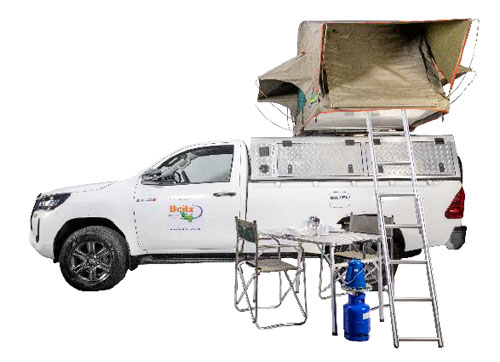
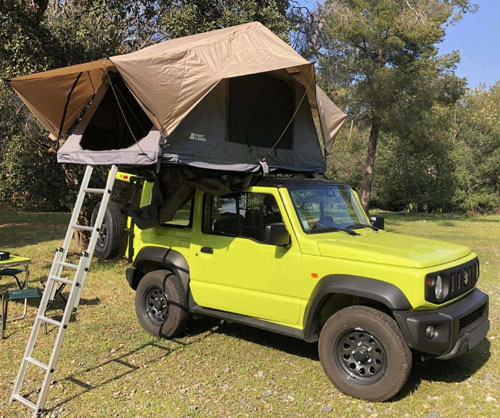
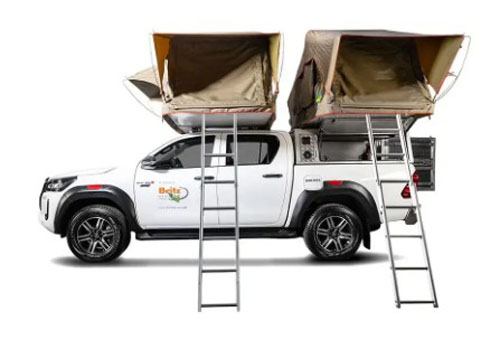
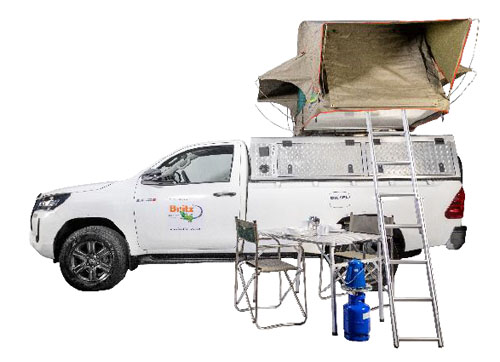
Class TC (Truck Camper) units are specifically designed for the adventurous RVer in South Africa who seeks off-the-beaten-path exploration, rugged terrain capabilities, and versatile mobility. These compact units, typically averaging 5.5 meters in length and sleeping around 2.4 people (2.1 adults), mount onto the back of a pickup truck, often providing 4x4 capability, allowing access to more challenging routes where traditional motorhomes might struggle. With fuel consumption typically ranging from 12-17 liters per 100 km, they are built for tackling gravel roads, accessing remote national park areas, and experiencing a more authentic wilderness adventure in South Africa, often with the flexibility to detach the camper from the truck at a campsite. This combination of a motorized pickup truck with a mounted living unit makes them a unique and highly capable choice for rugged South African terrains.
Side-by-Side Comparison Table
This table provides a concise overview of the key specifications and ideal use cases for each RV family available for rent in South Africa. Comparing metrics like average length, sleeping capacity, and fuel efficiency helps travelers quickly identify which vehicle class aligns with their trip requirements. The 'Best Use Case' column offers tailored recommendations, considering South Africa's diverse landscapes and typical travel styles, making your decision clearer for your next motorhome rental adventure.
| RV Class | Avg. Length (m) | Avg. Sleeping Capacity | Avg. Adult Capacity | Avg. Fuel Consumption (L/100km) | Best Use Case in South Africa |
|---|---|---|---|---|---|
| Class A (Integrated) | 7.5 | 4.4 | 4 | 11-12 | Luxury, large groups, well-maintained roads, extended comfort |
| Class SI (Semi-Integrated) | 6.9 | 3.8 | 3.4 | 10-11 | Couples/small families, balanced comfort and maneuverability |
| Class C (Alcove) | 7.5 | 5.8 | 4.4 | 10-12 | Families/groups, high sleeping capacity, standard roads |
| Class B (Campervan) | 5.8 | 3.2 | 2.7 | ~10 | Solo/couples, agile city driving, remote access, fuel efficiency |
| Class TC (Truck Camper) | 5.5 | 2.4 | 2.1 | 12-17 | Adventurous, off-road, rugged terrain, remote wilderness access |
Our Recommendation for rv rental Travelers in South Africa
For most general RV rental travelers in South Africa seeking a balanced experience, the Class SI (Semi-integrated) motorhome is our primary recommendation due to its versatility, comfort, and manageable size. Class SI vehicles offer ample living space for couples or small families, are relatively fuel-efficient (10-11 L/100km), and navigate well on South Africa's varied road network, from highways to national park routes. They strike a sweet spot between luxurious space and practical handling for a diverse road trip. The ability to park and maneuver these motorhomes with ease in most towns and campgrounds makes them an excellent choice.
For adventurous travelers aiming for genuine off-road exploration and access to remote wilderness areas, the Class TC (Truck Camper) is highly recommended as a runner-up. Its 4x4 capability and compact, detachable design make it superior for tackling rugged South African terrain, providing unparalleled flexibility for a true adventure experience. If your itinerary includes destinations like the Swartberg Pass or the wilder parts of the Karoo, a truck camper rental will serve you well. For larger families, the Class C (Alcove) offers superior sleeping capacity without sacrificing too much maneuverability or budget, making it a robust option for group adventures.
What is the Total Cost of an RV Trip in South Africa Beyond Rental Fees?
The total cost of an RV trip in South Africa extends significantly beyond rental fees, encompassing major expenses such as fuel, campsite fees, national park entry fees, activity costs, and groceries. Fuel is often a substantial expense, with long distances between attractions; plan for fuel consumption of 10-17 liters per 100 km depending on your RV class, and always check current South African fuel prices as they can fluctuate. Campsite fees typically range from ZAR 200-800 ($10-$40 USD) per night for a powered site, varying by location, amenities offered, and whether it's a national park camp or a private resort. National park entry fees, particularly for popular destinations like Kruger National Park, can be considerable, for example, ZAR 460 per adult per day for international visitors, plus vehicle entry fees.
Budgeting also needs to include groceries, as preparing meals in your RV is a fantastic way to save money and enjoy the flexibility of your mobile home. Remember to explore our RV-friendly recipes playlist for delicious meal ideas on the road! Additionally, account for activity costs like safaris, shark cage diving, or cultural tours, which can add up. It's always wise to include an emergency fund for unexpected repairs or medical needs. A tiered budget approach for daily expenses (excluding rental) would be: Basic (ZAR 1,000-1,500/day), Mid-Range (ZAR 1,500-2,500/day), and Luxury (ZAR 2,500+/day), depending on your choices. For easy budgeting and tracking every expense along the way, we highly recommend planning your route with RV PLANET routes.
When is the Best Time to Rent an RV in South Africa?
The best time to rent an RV in South Africa largely depends on your desired activities and regions, but generally, the dry winter months (May to September) are popular for wildlife viewing and comfortable temperatures. During winter, skies are typically clear, game viewing in parks like Kruger is excellent as vegetation is sparse, and malaria risk is lower in northern areas; however, some southern regions can be chilly, especially at night, requiring warm bedding. Summer (November to February) offers warmer weather ideal for coastal exploration and hiking, but also brings higher humidity, potential thunderstorms, and peak tourist crowds, especially during school holidays, which can impact availability and prices for your motorhome rental.
Shoulder seasons (April-May and October-November) often provide a good balance of pleasant weather, fewer crowds, and more competitive rental prices for campervans and motorhomes, with evolving road conditions depending on seasonal rains. Consider road conditions during the wet season, particularly in the northeast, as some gravel roads can become impassable for non-4x4 RVs. Many national/state parks reserve only 25-30% of spots for advance booking; the rest are first-come-first-serve, so you'll often find a spot. If not at the first campground, then the next one - just call ahead before driving.
How to Choose the Right RV for South African Terrain and Conditions?
Choosing the right RV for South African terrain involves assessing your itinerary's road types, desired comfort level, group size, and willingness to tackle challenging conditions. For routes predominantly on tarred roads, such as the famous Garden Route or the N2 highway between Cape Town and Port Elizabeth, any RV class (A, SI, C, B) will suffice, prioritizing comfort and space for your caravan rental. If your journey includes gravel roads, national parks with unpaved sections, or remote wilderness areas, a Class TC (Truck Camper) with 4x4 capability is highly recommended for its durability and ground clearance.
Consider the RV's length and height for navigating tighter turns, low-hanging branches in game reserves, and accessibility to smaller campsites; campervans (Class B) offer the most flexibility in these situations. Ensure your chosen RV has adequate water and fuel tank capacity for self-sufficiency, especially when venturing into remote areas where resupply points are scarce. Remember, drive slowly and carefully, and you can drive almost anywhere without issues. No need to stress - just use common sense and pay attention.
What are the Safety Protocols for RVs in South Africa's Wildlife Reserves?
Adhering to strict safety protocols is paramount when driving or camping with an RV in South Africa's wildlife reserves, particularly in areas like Kruger National Park, to ensure both human and animal safety. Always remain inside your RV when in designated wildlife viewing areas or driving through the park, as exiting the vehicle is strictly prohibited outside of fenced rest camps and picnic spots. Maintain a safe distance from wildlife, never feed animals, and avoid making loud noises or sudden movements that could startle them, as this can be dangerous and disrupt natural behavior.
Adhere to posted speed limits within the reserves (typically 40-50 km/h on tar, 20-30 km/h on gravel) to prevent collisions and allow for wildlife observation. Night driving within wildlife reserves is generally forbidden or highly restricted; ensure your rented motorhome is safely parked in a fenced camp before sunset, as animals are more active after dark. Store all food securely inside your campervan to prevent attracting animals, particularly baboons and monkeys, and never leave garbage outside your RV.
Where are the Best RV Campsites and How Do I Book Them in South Africa?
South Africa offers a diverse range of RV-friendly campsites, from well-equipped national park resorts to private caravan parks, with booking typically requiring advance reservations, especially during peak season. Popular national parks like Kruger (e.g., Skukuza, Satara), Addo Elephant National Park, and the Garden Route National Park (e.g., Storms River Mouth) feature excellent SANParks rest camps with RV stands, and booking via the SANParks website is essential. These camps often provide essential amenities like electrical hookups, fresh water, and ablution blocks.
Private caravan parks, often found along the coast or near major tourist attractions, provide comprehensive amenities like swimming pools, shops, and sometimes Wi-Fi; platforms like CaravanParks.com or specific resort websites facilitate booking. When booking your mobile home spot, specify your RV size and power requirements to ensure an appropriate site, as accessibility can vary for larger vehicles in some older or more rustic camps. Always check recent reviews for road conditions leading to the campsite and available amenities like dump stations and fresh water. For finding campsites and campgrounds during your trip, we recommend using RV PLANET (rvplan.net) - a great resource for locating available spots along your route.
What are the Requirements for Cross-Border RV Trips and Park Permits in South Africa?
Undertaking a multi-country RV trip from South Africa requires specific documentation and vehicle permits for border crossings and entry into certain national parks or protected areas. For cross-border travel, you will need a valid passport, an International Driving Permit (IDP) in addition to your national license, and a certified copy of the RV's registration papers and a letter of authorization from the rental company granting permission for cross-border travel. This authorization is critical for customs officials. Many rental companies require prior notification and may charge an additional fee for cross-border permits, such as a COMESA Yellow Card insurance for SADC countries, which must be arranged in advance.
Specific national parks in South Africa and neighboring countries may require additional permits or conservation fees, especially for certain activities or for driving off designated routes; always check park regulations beforehand. Be prepared for potential delays at border posts and ensure all necessary documentation is easily accessible to present to officials. For information on potential fees, refer to our One-Way RV Rental in South Africa - Price Guide 2026 which touches on cross-location drop-off charges.
What Unique Off-the-Beaten-Path RV Routes Can I Explore in South Africa?
Beyond popular routes like the Garden Route, South Africa offers several unique off-the-beaten-path RV-friendly itineraries that provide deeper cultural immersion and access to less-traveled natural beauty. The Wild Coast (Eastern Cape) offers rugged beauty, traditional Xhosa villages, and stunning coastal drives, best explored with a 4x4 RV or careful planning due to extensive gravel roads. Explore the Kalahari Desert and Kgalagadi Transfrontier Park, an arid wilderness perfect for self-sufficient RVers seeking stark landscapes, unique wildlife, and remote camping (Class TC recommended for this area).
The Karoo Heartland Route (Northern Cape, Western Cape) provides a journey through vast, semi-arid plains, historic towns, and incredible stargazing, ideal for a peaceful RV escape in your rented caravan. The Maloti-Drakensberg Route offers breathtaking mountain scenery, rock art sites, and charming villages, though some sections may be challenging for larger RVs; focus on accessible valley roads and always research road conditions. Consider a trip through the Waterberg Biosphere (Limpopo) for bushveld experiences, private game reserves, and a different taste of South Africa's northern landscapes. Remember our advice: travel slowly, max 100-150 km per day on average, to truly feel the place, connect to the culture, the food, and the scenery.
How Reliable is Connectivity and GPS for RV Travel in Remote South Africa?
Connectivity (mobile signal, Wi-Fi) and GPS reliability for RV travel in remote South Africa can be inconsistent, requiring careful planning and alternative navigation methods. Mobile signal is generally strong in urban areas and along major routes, but becomes patchy or non-existent in remote national parks, mountainous regions, and the deep Karoo. Purchasing a local SIM card (e.g., Vodacom, MTN) for data is highly recommended for better coverage than international roaming, but still expect dead zones in true wilderness areas.
While GPS navigation via smartphone apps (e.g., Google Maps, Waze) works well where there's signal, it's crucial to download offline maps for all planned routes before losing connectivity. Physical maps and a reliable compass serve as essential backups, especially when navigating gravel roads or lesser-known tracks where digital navigation might fail or provide inaccurate directions. Many private campsites and some national park rest camps offer paid or limited Wi-Fi, but do not rely on it for consistent internet access.
What Local Cultural Etiquette Should RV Travelers Know in South Africa?
Understanding and respecting local cultural etiquette significantly enhances an RV traveler's experience in South Africa, fostering positive interactions and demonstrating cultural sensitivity. Greeting people with a friendly 'hello' (e.g., 'Sawubona' in Zulu, 'Molo' in Xhosa) and a smile is highly appreciated, and asking 'How are you?' before immediately stating your request shows respect. Dress modestly when visiting rural villages or religious sites; while casual attire is acceptable in most tourist areas, showing respect in more traditional settings is valued.
Bargaining is common in informal markets, but always do so politely and respectfully; avoid aggressive negotiation, and accept the final price with grace. For photography: Always ask for permission before taking photos of people, especially children, and respect their decision if they decline. Tipping is customary in South Africa for various services; restaurant waitstaff typically receive 10-15%, and small tips for petrol attendants (fuel is full-service at many stations) or car guards in parking areas are appreciated for their service.
What You Shouldn't Miss
- **Safari in Kruger National Park:** Immerse yourself in one of Africa's largest game reserves, seeking out the "Big Five" from the comfort of your rented motorhome.
- **Driving the Garden Route:** Experience the breathtaking coastal scenery, lush forests, and charming towns from Mossel Bay to Storms River Mouth, with plenty of RV-friendly stops.
- **Exploring Cape Town & the Cape Peninsula:** Drive the iconic Chapman's Peak Drive, visit Table Mountain, and witness the meeting of oceans at Cape Point and Cape Agulhas with your campervan rental.
- **Wine Tasting along Route 62:** Traverse the world's longest wine route, stopping at picturesque vineyards for tastings and enjoying the serene rural landscapes.
- **Stargazing in the Karoo:** Head to the vast, arid plains of the Karoo for some of the most spectacular night sky viewing opportunities, far from city lights.
- **Hiking in the Drakensberg Mountains:** Discover the dramatic peaks, ancient rock art, and pristine wilderness of the Maloti-Drakensberg Park, a UNESCO World Heritage site.
Looking for expert insights from Avi Bandana? Top 5 Adventures - recommendations from Avi Bandana.
Final Thoughts
Exploring South Africa by rented RV or campervan offers an unparalleled sense of freedom and discovery, allowing you to immerse yourself in its wild beauty and rich cultural tapestry at your own pace. With Bandana Caravan, you gain a partner dedicated to transparency, support, and expertise, ensuring your planning and journey are as smooth as the open road ahead. We encourage you to travel slowly, savor each moment, and let the magic of South Africa unfold around you, creating memories that will last a lifetime.
From choosing the ideal vehicle class to navigating local customs and finding the perfect campsite, we're here to guide you every step of the way. Your South African RV adventure awaits - a mobile home is your ticket to unlocking an extraordinary travel experience. Plan a trip itinerary in advance with minimal effort and maximum enjoyment, knowing you have comprehensive support.
🎬 Video coming soon