In This Guide
- The 5 RV Families Compared for Iceland
- Class A (Integrated) - Best For
- Price Comparison by RV Class in Iceland
- Class SI (Semi-Integrated) - Best For
- Class C (Alcove) - Best For
- Class B (Campervan) - Best For
- Class TC (Truck Camper) - Best For
- Side-by-Side Comparison Table
- Our Recommendation for rv rental Travelers in Iceland
- What is the average cost of an RV rental in Iceland?
- How much does it cost to rent an RV in Iceland for a week?
- Is it cheaper to RV in Iceland?
- Can you just park anywhere in Iceland in an RV?
- What do you need to RV in Iceland?
- What is the best month to RV in Iceland?
- What is the best itinerary for RV in Iceland?
- How long do you need to RV in Iceland?
- Is it easy to drive an RV in Iceland?
- Can you drink tap water in an RV in Iceland?
- Is it worth renting a campervan in Iceland?
- What You Shouldn't Miss
- Why Book with Bandana Caravan
- Final Thoughts
- Frequently Asked Questions
The 5 RV Families Compared for Iceland
Choosing the right RV family is crucial for an Iceland adventure, influencing comfort, maneuverability, and overall trip cost, especially when considering airport RV rental comparisons in Iceland. Iceland's diverse terrain and often unpredictable weather patterns necessitate careful consideration of vehicle size, fuel efficiency, and load capacity to ensure a safe and enjoyable journey. Your group size, desired trip length, and comfort preferences will ultimately guide your selection among the available Class A, SI (Semi-Integrated), C (Alcove), B (Campervan), and TC (Truck Camper) options offered by our trusted suppliers, including global partners like Apollo and Britz. To delve deeper into planning your trip, our RV Rental Iceland - Complete Guide 2026 offers comprehensive insights.Class A (Integrated) - Best For
Class A integrated motorhomes, averaging 7.5 meters in length and comfortably sleeping 4-6 people, are ideal for larger groups or families prioritizing spaciousness and luxury on Iceland's main roads. These impressive vehicles, with a global average load capacity of 209.5 kg and typical fuel consumption of 11-12 liters/100 km, offer extensive amenities like full kitchens, separate sleeping areas, and often a dedicated bathroom, truly resembling a small apartment on wheels. While providing unmatched comfort, their size translates to higher fuel costs and less maneuverability on narrower roads or in smaller parking areas; therefore, they are generally less suitable for F-roads or extremely remote locations. When considering a premium experience, exploring Luxury RV Rental in Iceland - Premium Prices 2026 can provide more detail.🎬 Video coming soon
Price Comparison by RV Class in Iceland
RV rental prices in Iceland are dynamic, influenced by factors like season, demand, and the specific vehicle class and amenities. Because pricing operates on a flexible rate system, the table below offers real example prices from Bandana's live search, providing a snapshot for various durations and helping you understand what to expect. The displayed prices are estimates and update daily; for the most current rates and available RV Rental Deals in Iceland - Latest Offers 2026, use the search box at the top of the page. Remember, opting for flexible travel dates or shoulder seasons can often lead to more budget-friendly options, as detailed in Cheap RV Rental in Iceland - Budget Guide 2026.Live April Price Comparison — RV Class × Trip Length
| Trip length | Class A | Class B | Class C | Class SI | Class TC |
|---|---|---|---|---|---|
| 1 week 15/04 → 22/04 | 1,339.20 € EUR | 721.80 € EUR | 1,103.80 € EUR | 960.00 € EUR | Check prices |
| 2 weeks 15/04 → 29/04 | 2,498.40 € EUR | 1,333.60 € EUR | 2,037.60 € EUR | 1,765.00 € EUR | Check prices |
| 1 month 01/04 → 30/04 | 4,872.00 € EUR | 2,630.80 € EUR | 3,955.80 € EUR | 3,448.60 € EUR | Check prices |
Estimates only — flex-rate prices change daily based on availability and season.
Class SI (Semi-Integrated) - Best For
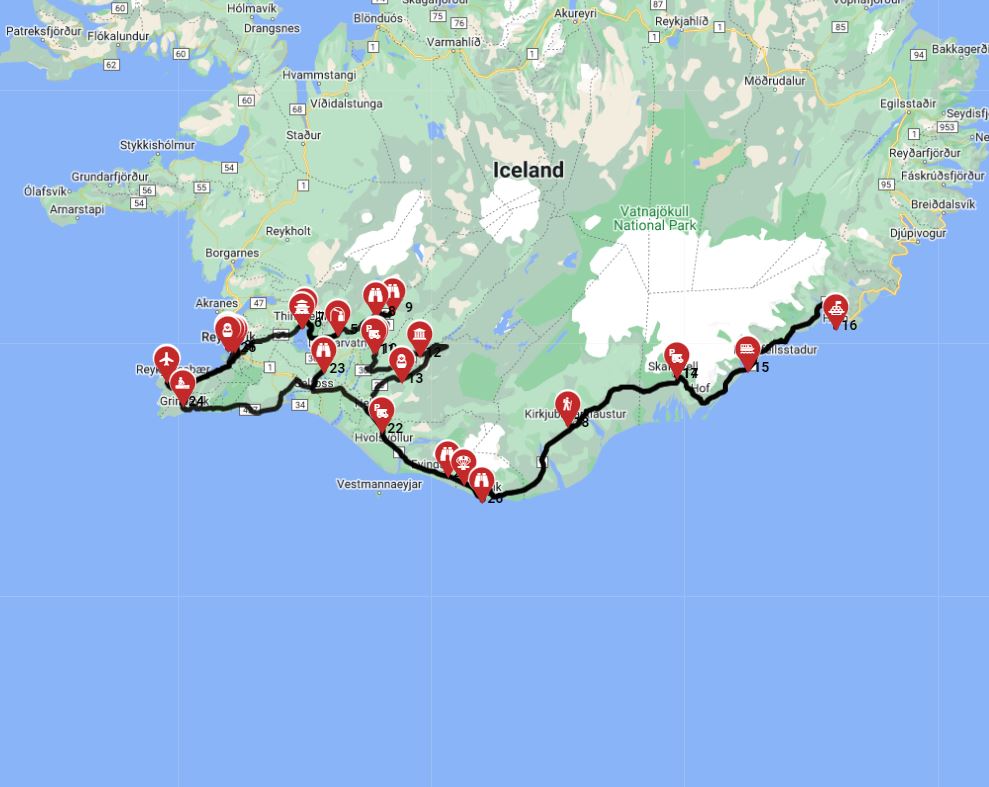
Class SI (Semi-Integrated) motorhomes, averaging 6.9 meters in length and comfortably sleeping 2-4 people (global fleet average is 3.8), represent a balanced choice for couples or small families seeking comfort without the bulk of a large Class A. These vehicles, with a global average load capacity of 72.2 kg and typical fuel consumption of 10-11 liters/100 km, seamlessly blend the living space of larger RVs with better maneuverability. They offer a good compromise between interior amenities and ease of driving, making them versatile for exploring Iceland's Ring Road and many accessible attractions, including the "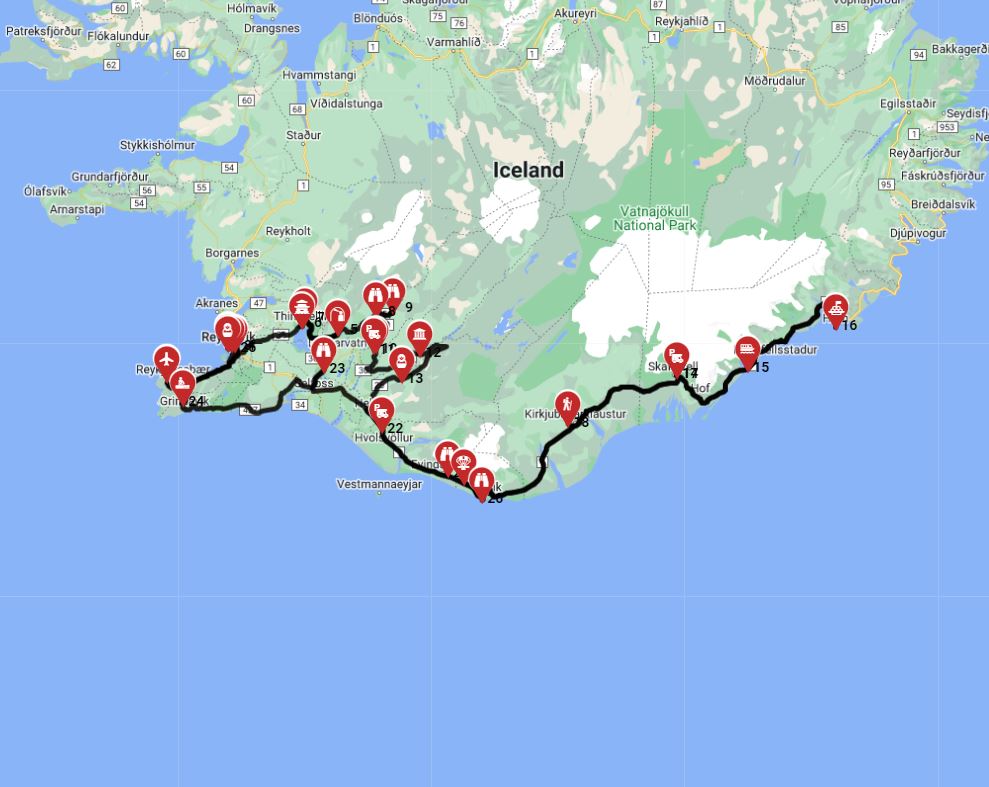
Iceland Golden Circle - South West
Class C (Alcove) - Best For
Class C (Alcove) motorhomes, typically 7.5 meters long and accommodating 4-6 people (global fleet average is 5.8), are an excellent choice for families with children or larger groups due to their distinctive sleeping area located above the cab. With a global average load capacity of 42.4 kg and common fuel consumption of 10-12 liters/100 km, these rented RVs offer significant sleeping capacity and generally a good array of kitchen and bathroom facilities. Their robust build is well-suited for Iceland's diverse road conditions, providing a comfortable and cost-efficient option for extended family trips, though their height can sometimes be a factor in very windy conditions, requiring careful driving.Class B (Campervan) - Best For
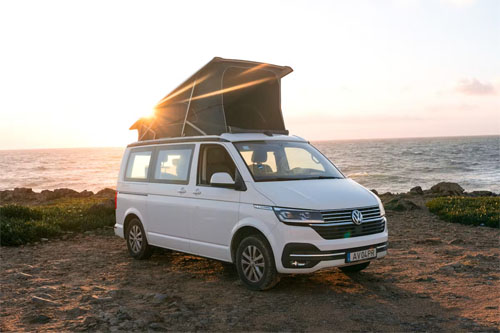
Class B (Campervan) models, with an average length of 5.8 meters and sleeping 2-3 people (global fleet average is 3.2), are ideal for solo travelers, couples, or small groups prioritizing agility, fuel economy, and minimalist travel in Iceland. These compact rented campervans, offering a global average load capacity of 37 kg and efficient fuel consumption of 8-10 liters/100 km, are exceptionally easy to drive and park, making them perfect for navigating both towns and scenic routes. Campervans excel in scenarios where flexibility and accessing smaller campsites or more remote, non-F-road locations are desired, though they naturally offer less living space and fewer amenities than larger RVs. For a deeper look at smaller options, check our "Cheap RV Rental in Iceland - Budget Guide 2026".Class TC (Truck Camper) - Best For
Class TC (Truck Camper) units, averaging 5.5 meters in length and sleeping 2-3 people (global fleet average is 2.4), are the top choice for adventurous travelers seeking off-grid capabilities and access to Iceland's F-roads. These versatile campers, typically mounted on robust 4x4 trucks, combine ruggedness with compact living, offering a global average fuel consumption of 12-17 liters/100 km due to their powerful engines and off-road capabilities. Their ability to sometimes detach the living unit from the truck provides unique flexibility, allowing exploration of challenging terrains while the living unit can remain at a base camp. These specialized motorhomes are perfect for those prioritizing wilderness access and more extreme exploration over extensive interior amenities, as detailed in Winter RV Driving in Iceland - Safety Guide 2026.Side-by-Side Comparison Table
This table offers a quick overview of the key specifications and ideal use cases for each RV family available for rent in Iceland, allowing you to easily compare options before booking. Consider average length, sleeping capacity, and fuel efficiency against your travel group size, desired comfort, and planned itinerary to make the best choice. The 'Best Use Case' column highlights scenarios where each RV class truly shines in the unique Icelandic context, from Ring Road touring to rugged F-road adventures.| RV Class | Average Length | Sleeping Capacity | Fuel Consumption (L/100km) | Typical Amenities | Best Use Case in Iceland |
|---|---|---|---|---|---|
| Class A (Integrated) | 7.5 m | 4-6 people | 11-12 | Full kitchen, shower, toilet, spacious living | Luxury travel on main roads (Ring Road), large groups |
| Class SI (Semi-Integrated) | 6.9 m | 2-4 people | 10-11 | Kitchenette, shower, toilet, dining area | Couples/small families, Ring Road, good balance of comfort/maneuverability |
| Class C (Alcove) | 7.5 m | 4-6 people | 10-12 | Kitchen, shower, toilet, over-cab bed | Families with children, extended trips, good road conditions |
| Class B (Campervan) | 5.8 m | 1-3 people | 8-10 | Compact kitchen, basic toilet (some), dining area | Solo/couples, agile travel, budget-conscious, accessing smaller spots |
| Class TC (Truck Camper) | 5.5 m | 2-3 people | 12-17 | Basic kitchen, compact bed, outdoor focus | Adventurous travelers, F-roads (4x4 required), off-grid camping |
Our Recommendation for rv rental Travelers in Iceland
For most RV rental travelers exploring Iceland, especially those planning to stick to the Ring Road and major attractions, the Class SI (Semi-Integrated) motorhome is our primary recommendation. This class, often exemplified by vehicles like the "2 Berth Tamar" or "Active Standard Auto", offers an excellent balance of comfort, sufficient amenities for small families or couples, and better fuel economy and maneuverability compared to larger Class A or C models, making it highly versatile for Icelandic conditions. It provides the freedom to cook your own meals, and our RV-friendly recipes playlist can give you some great ideas for preparing delicious food in your camper kitchen. Our runner-up recommendation is the Class B (Campervan), particularly for adventurous couples or solo travelers who prioritize agility, ease of driving, and the ability to access more compact campsites, fitting Iceland's varied landscapes and offering a more intimate experience. For example, the "Active Classic" or "Happy 1 EX AUTO" offer superb flexibility for independent exploration. Regardless of your choice, remember that Bandana is a true RV specialist, not just a travel agency side department, ensuring you get expert advice from people who genuinely know RV travel.What is the average cost of an RV rental in Iceland?
The average cost of an RV rental in Iceland typically ranges from €100 to €400+ per day, varying significantly by RV class, season, rental duration, and added insurance options. For example, a compact Class B campervan might start at €100-€150/day in the shoulder season, while a large Class A or C motorhome can easily reach €300-€450+/day during peak summer. Beyond the initial rental fee, a comprehensive budget for an RV trip in Iceland must include substantial costs for fuel (which is notably expensive, often around €2.50 per liter), designated campsites (averaging €20-€40 per night), groceries, and activities. It's important to remember that prices are dynamic, similar to flight tickets, changing daily based on availability and demand. For an overview of current prices, refer to RV Rental in Iceland - Prices and Best Deals 2026.How much does it cost to rent an RV in Iceland for a week?
Renting an RV in Iceland for a week can cost anywhere from €700 for a basic campervan in the shoulder season to over €2,800 for a larger motorhome during peak summer, excluding other travel expenses. For instance, a 7-day rental of a Class B campervan like the "Hi5 Camper" could be around €1000-€1200 in May, while a Class C motorhome like the "Euro Deluxe" for a week in July might exceed €2500. Keep in mind that peak season (June-August) sees the highest prices and lowest availability, so booking well in advance is crucial, and shoulder seasons (May, September) often offer better value and fewer crowds. To see real-time example pricing for various RV classes and durations, you can utilize Bandana's search platform, which reflects the dynamic pricing models. For more flexibility in your booking, explore One-Way RV Rental in Iceland - Price Guide 2026 options.Is it cheaper to RV in Iceland?
RVing in Iceland can indeed be more economical than a traditional hotel and car rental trip, especially for groups of 3-6 people or for extended durations, by combining accommodation and transportation costs and allowing for self-catering. The primary savings stem from preparing your own meals in your rented motorhome's kitchen, significantly reducing the high expense of dining out in Iceland. Additionally, eliminating the need for separate hotel bookings each night provides flexibility and often reduces overall accommodation costs. However, travelers must account for the high cost of fuel, mandatory campsite fees (as wild camping is prohibited), and any optional insurance upgrades, such as our top-level deductible reimbursement for extra peace of mind. Comparing these costs against separate car rental, guesthouse stays, and restaurant expenses for your specific itinerary is key to determining overall savings.Can you just park anywhere in Iceland in an RV?
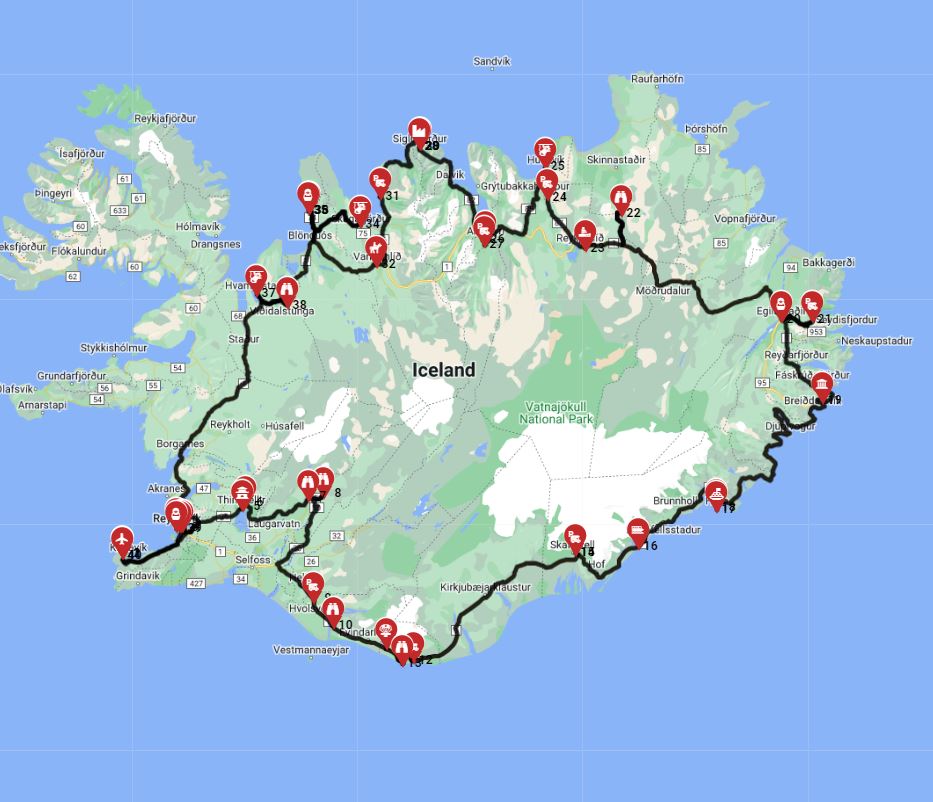
No, wild camping or overnight parking outside designated campsites is generally illegal and strictly prohibited in Iceland for RVs and campervans, specifically to protect the country's fragile environment. Iceland provides over 150 designated campsites across the country, which are legally mandated for overnight stays; these facilities range from basic options (like those found along the "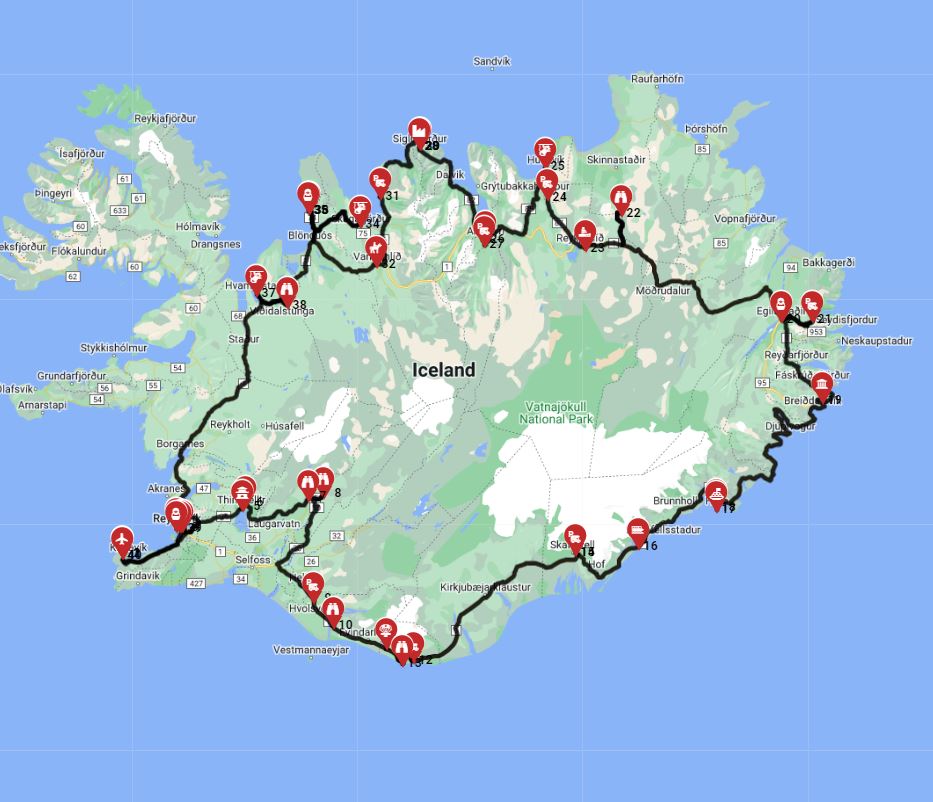
Iceland - Full ring road
What do you need to RV in Iceland?
Essential gear for RVing in Iceland includes versatile layers of waterproof and windproof clothing, sturdy hiking boots, and a well-stocked first-aid kit, regardless of the season, due to the rapidly changing weather. Beyond personal clothing, practical items such as a power inverter for charging devices, USB chargers, a reliable GPS or offline map app (as cell service can be spotty in remote areas), a headlamp, and a supply of non-perishable groceries are crucial for your rented motorhome. For safety, always carry an emergency contact list, subscribe to weather alerts (via the Icelandic Met Office), understand how to operate your RV's heating and water systems, and for F-road travel, ensure your rental is explicitly permitted and equipped with 4x4 capability, proper tires, and essential recovery gear like a shovel and air compressor. Our goal is to make your adventure seamless, so we handle the details, and you live the journey.What is the best month to RV in Iceland?
The best month to RV in Iceland is typically July or August, offering the warmest weather, the longest daylight hours for sightseeing, and full accessibility to F-roads and highland areas. During these months, temperatures average around 10-13°C (50-55°F), and the Midnight Sun provides nearly 24 hours of daylight. June is also excellent, featuring the vibrant Midnight Sun and often fewer crowds than mid-summer. September, conversely, provides beautiful autumn colors, fewer crowds, and generally stable weather before winter truly sets in. Traveling in winter (October-April) offers a chance to see the Northern Lights, but comes with shorter days, colder temperatures, limited road access (many F-roads and some rural routes close), and increased risks of severe weather, making careful planning and a winter-ready RV (like those discussed in Winter RV Driving in Iceland - Safety Guide 2026) essential.What is the best itinerary for RV in Iceland?
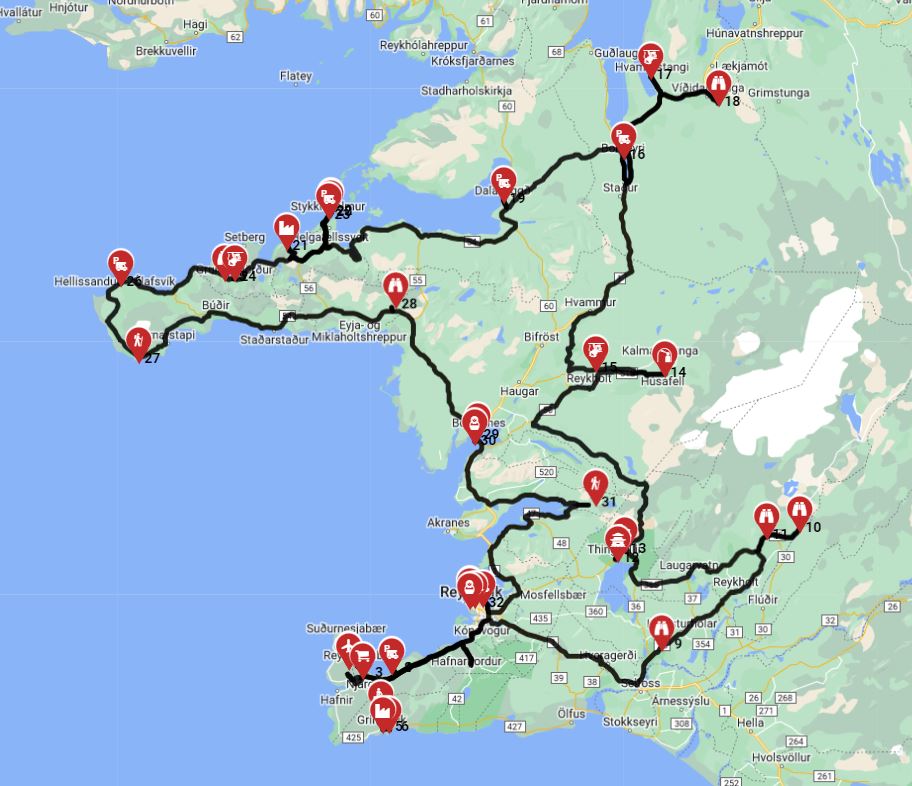
The classic Ring Road (Route 1) remains the most popular RV itinerary in Iceland, typically taking 7-10 days to circumnavigate its 1,322 km, allowing visits to iconic sites like the Golden Circle, South Coast waterfalls, Eastfjords, and Myvatn region. For travelers with more time or seeking alternative adventures, consider detours to the Snaefellsnes Peninsula (often called 'Mini Iceland'), a multi-day exploration of the rugged Westfjords, or a deep dive into the remote Highlands via suitable F-roads. Tailor your itinerary to your rented RV's capabilities; smaller campervans are best for the Ring Road, while 4x4 truck campers can venture into the Highlands or Westfjords for a more off-the-beaten-path experience. To help you plan, RV PLANET offers expertly crafted routes:How long do you need to RV in Iceland?
To adequately experience Iceland by RV, a minimum of 7-10 days is recommended for a comprehensive trip around the Ring Road, allowing sufficient time for sightseeing and unforeseen delays. For example, a 7-day trip around the 1,322 km Ring Road averages about 190 km per day, which still allows for stops and exploration, but we always recommend slow travel, aiming for max 100-150 km per day on average. For travelers wishing to explore beyond the Ring Road, such as the Westfjords or specific F-road areas, plan for at least 14 days to avoid rushing and fully appreciate the varied landscapes, ensuring you connect to the culture, the food, and the scenery. Shorter trips of 3-5 days are feasible for focusing on specific regions like the Golden Circle and South Coast, but an RV's full benefits of freedom and exploration are best realized over a longer duration.Is it easy to drive an RV in Iceland?
Driving a rented RV in Iceland is generally straightforward on the main Ring Road, which is paved and well-maintained, but it absolutely requires careful attention to specific conditions. Drivers should be prepared for rapidly changing weather, strong winds (which can severely impact larger vehicles, necessitating cautious driving), single-lane bridges, and gravel sections on secondary roads. Remember: drive slowly and carefully, and you can drive almost anywhere without issues. No need to stress - just use common sense and pay attention to road signs and conditions. F-roads, specifically, demand a 4x4 vehicle (like a Class TC Truck Camper), prior experience with gravel driving and potentially unbridged river crossings, and are often unpaved and challenging. Always monitor road.is for real-time road conditions and closures, respect speed limits (generally 90 km/h on paved rural roads, 80 km/h on gravel roads), exercise caution in remote areas where cell service can be spotty, and pull over safely to admire views or allow faster traffic to pass. A standard car driver's license is sufficient for all motorhome classes; an International Driving Permit (IDP) is recommended for visitors from non-English-speaking countries but is not mandatory in most cases.Can you drink tap water in an RV in Iceland?
Yes, the tap water in Iceland is famously pure and safe to drink directly from the tap, including from your RV's freshwater tank if it is properly maintained and sanitized. This incredible purity makes buying bottled water unnecessary, saving both money and reducing plastic waste, which aligns perfectly with environmentally responsible travel and 'Leave No Trace' principles in Iceland's fragile ecosystem. When provisioning your RV, focus on buying local Icelandic produce and staples from supermarkets like Bónus or Krónan, which are more affordable than convenience stores. Planning simple, delicious meals that are easy to prepare in your RV's kitchen can significantly enhance your trip and budget.Is it worth renting a campervan in Iceland?
Renting a campervan (Class B RV) in Iceland is highly worth it for travelers prioritizing flexibility, affordability, and a more immersive connection with nature, especially for couples or solo adventurers. Campervans, such as the "Active Bunk Auto" (a Class B Camper Van), offer superior maneuverability and fuel efficiency (typically 8-10 liters/100 km) compared to larger motorhomes, making them easier to navigate on smaller roads and park in towns. They often come at a lower rental price point, making them an attractive option for budget-conscious explorers, as highlighted in "Cheap RV Rental in Iceland - Budget Guide 2026". While offering fewer amenities and less spacious living areas than larger RVs, the freedom to travel at your own pace, cook your own meals, and wake up to Iceland's stunning landscapes from your mobile 'home' provides an unparalleled and deeply personal travel experience.What You Shouldn't Miss
Iceland is a land of breathtaking contrasts, and with a rented RV, you have a mobile headquarters to venture out to its most incredible sights. Here are some must-do experiences:- **The Golden Circle:** This classic 300 km route from Reykjavik showcases the geological wonders of Þingvellir National Park, the Geysir geothermal area (with Strokkur erupting every 5-10 minutes), and the majestic Gullfoss waterfall. This route is a highlight on the "Iceland Golden Circle - South West" itinerary.
- **Jökulsárlón Glacier Lagoon:** Witness icebergs calve from a glacier and drift out to sea, often alongside seals. This surreal blue lagoon is a marvel, and the nearby Diamond Beach, where ice chunks sparkle on black sand, is equally captivating.
- **The South Coast Waterfalls:** Chase waterfalls like Skógafoss (60 meters high, with 527 steps to the top) and Seljalandsfoss (where you can walk behind the cascade). The Black Sand Beach of Reynisfjara with its basalt columns is also a must-see.
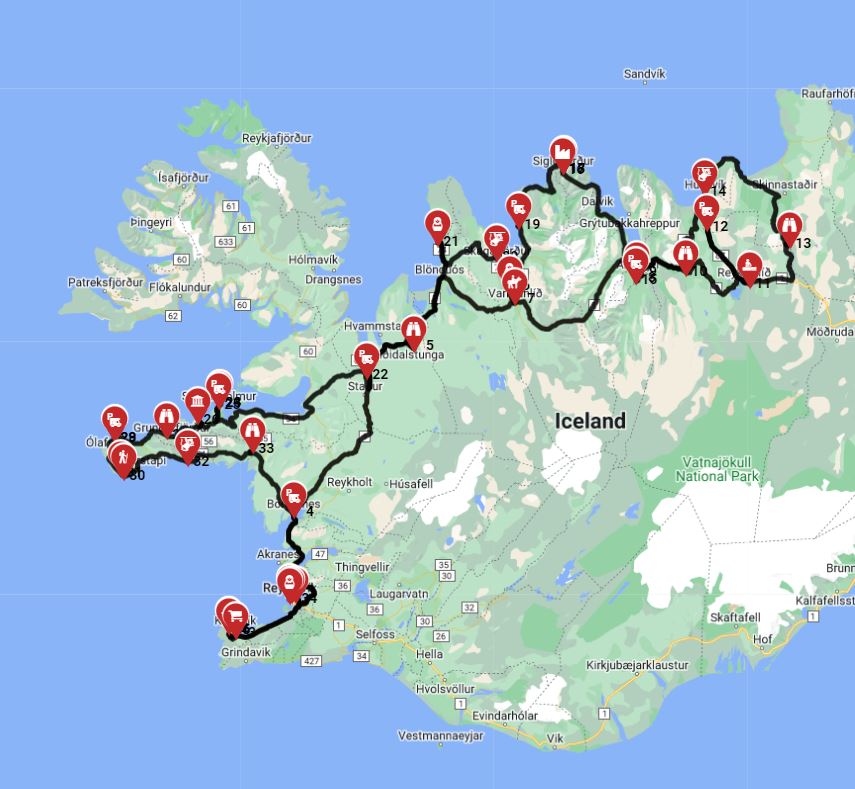
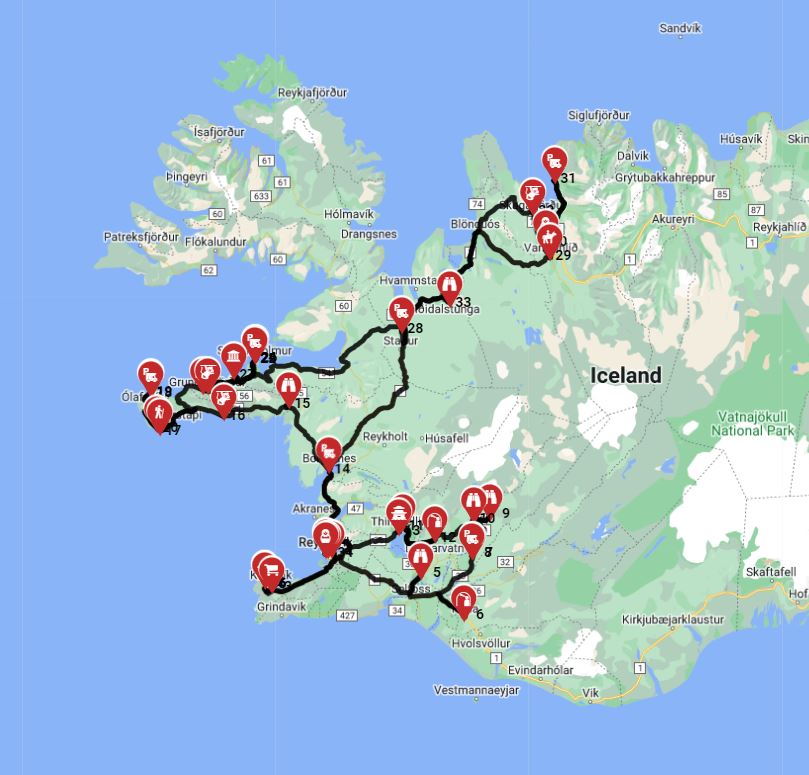
- **Exploring the North:** Don't just stick to the south. The "
" itinerary shows you places like Lake Mývatn's geothermal areas and the powerful Dettifoss waterfall (Europe's most powerful).
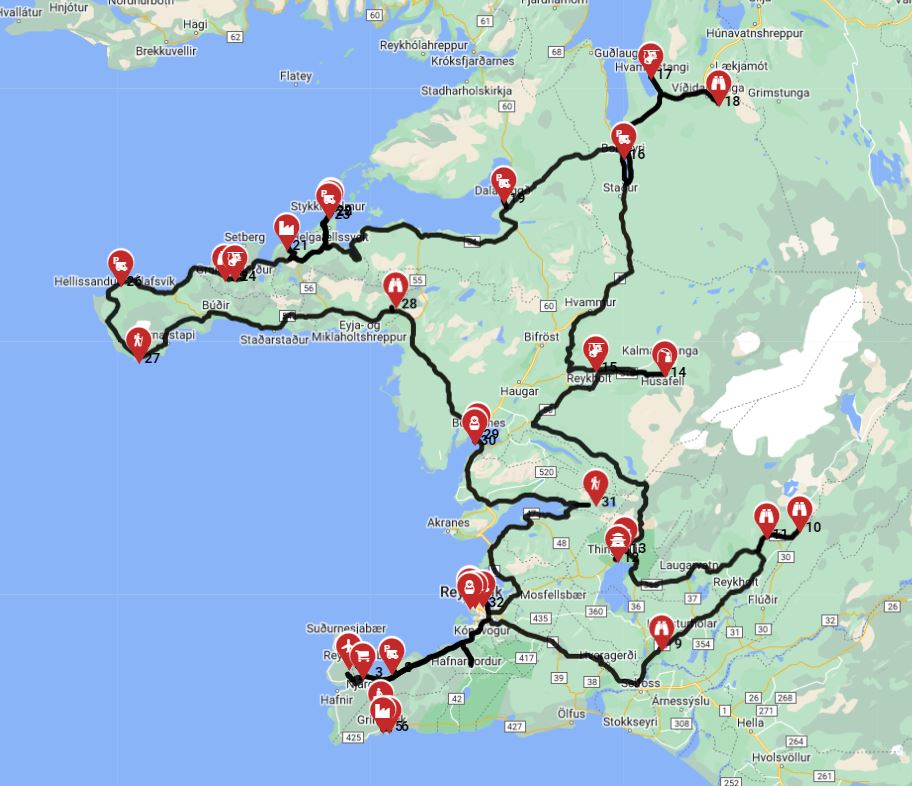 Iceland - North West
 - **Soaking in a Geothermal Pool:** From the famous Blue Lagoon (often requiring advance booking) to countless local swimming pools in small towns, experiencing Iceland's geothermal bathing culture is essential for relaxation after a day of driving your motorhome.
- **F-Roads Adventure (with a 4x4 RV):** For the truly adventurous, if your rented vehicle is a 4x4 Truck Camper, exploring the rugged F-roads of the Highlands offers unparalleled natural beauty and a unique challenge, providing access to remote areas not seen by most tourists.
Final Thoughts
An RV rental in Iceland offers an unparalleled way to experience its dramatic landscapes, from black sand beaches to roaring waterfalls and bubbling hot springs, all at your own pace. With Bandana Caravan, you're not just renting a vehicle; you're gaining a partner dedicated to making your journey as smooth and enjoyable as possible. We champion slow travel, encouraging you to immerse yourself in each destination, tasting local foods, connecting with the culture, and truly feeling the magic of Iceland. Choosing the right motorhome or campervan is the first step towards an incredible adventure. Whether you opt for the agile Class B campervan, the balanced Class SI semi-integrated, or the rugged Class TC for F-road exploration, Bandana provides the transparency and support you need. We're here to assist before, during, and after your booking, taking care of the small details so you can focus on living the journey of a lifetime. Get inspired for your next trip and discover why tens of thousands of travelers trust us to help them explore the world by RV.On the routes offered through RV PLANET routes, you can itemize and track every expense along the way for easy budgeting.