In This Guide
- The RV Families Compared for Denver
- Class A (Integrated) — Best For
- Price Comparison by RV Class in Denver
- Class C (Alcove) — Best For
- Class B (Campervan) — Best For
- Side-by-Side Comparison Table
- Our Recommendation for rv rental Travelers in Denver
- How Do I Navigate and Park an RV in Denver City?
- What Are the Essential RV Logistics (Dump Stations, Water, Propane) Near Denver?
- What Are the Best Alternative RV Camping Options Near Denver?
- What Are the RV Driving Challenges in Colorado's Mountains?
- How Can RV Travelers Prevent Altitude Sickness in Denver and the Rockies?
- What Are the Seasonal RV Travel Considerations for Denver?
- Is Denver Pet-Friendly for RV Travel, and What Are the Rules?
- What's the Full Cost Breakdown for an RV Trip Starting in Denver?
- What Are Cell Service and Internet Expectations for RVing in Remote Colorado?
The RV Families Compared for Denver
Choosing the right rented motorhome for your Denver adventure is the first step to an incredible journey, with your selection depending on group size, trip length, and travel style. The diverse Colorado terrain, from city streets to high mountain passes, means that understanding the differences between RV classes is essential for a smooth trip. We'll compare the three main families of motorhomes available for rental: Class A, Class B (campervans), and Class C.
Imagine your trip: are you a family of five heading to Rocky Mountain National Park for a week-long trip, or a couple looking for a nimble vehicle to explore Denver's breweries and then escape to a remote trail? Each scenario points to a different type of camper. As true RV specialists, we at Bandana believe in empowering you with clear information, not just booking a vehicle. This transparent approach ensures you find the perfect mobile home for your specific needs, setting the stage for a memorable Colorado road trip.
Class A (Integrated) — Best For
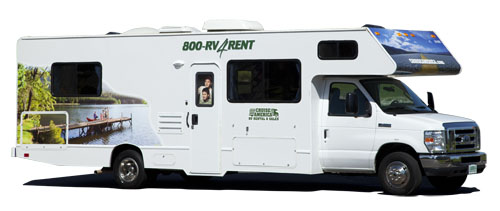
A Class A motorhome rental is best for large groups or families seeking maximum comfort and luxury for extended road trips starting from Denver. These integrated mobile homes, often averaging around 8.9 meters (29 feet) and sleeping up to 8 people, provide a spacious, home-like environment with features like full-sized kitchens, multiple slide-outs, and ample storage for all your gear. They are the ultimate choice for those who prioritize space and premium amenities on the road.
Think of a rented Class A as your rolling mountain lodge. It’s perfect for long journeys where comfort is key, such as a multi-week exploration of Colorado's national parks. While their size requires more careful planning for navigating city streets and finding parking, the trade-off is an unparalleled level of onboard living space. For those looking for the most comfortable journey, our guide to Luxury RV Rental in Denver - Premium Prices 2026 offers more specific options. With a standard driver's license, you can command this luxurious home on wheels through the Rockies.
Price Comparison by RV Class in Denver
Rental prices for motorhomes in Denver are dynamic and vary significantly based on the vehicle class, time of year, and how far in advance you book. Generally, Class B campervans are the most budget-friendly, followed by Class C motorhomes, with Class A vehicles having the highest daily rates. Bandana's live search tool provides real-time cost estimates, allowing you to compare final prices from various top suppliers like Cruise America and El Monte with full transparency.
Because rental costs operate on a flex-rate system similar to airline tickets, the price you see today might change tomorrow based on demand. For a detailed breakdown, our "RV Rental in Denver - Prices and Best Deals 2026" article is an excellent resource. For example, a week-long trip in a Class C motorhome during the summer might cost between $1,500 and $2,500 for the rental alone, while a nimble Class B could be significantly less. Spontaneous travelers can sometimes find last-minute deals, but booking a few months ahead, especially for summer, usually secures better pricing and vehicle choice.
Class C (Alcove) — Best For
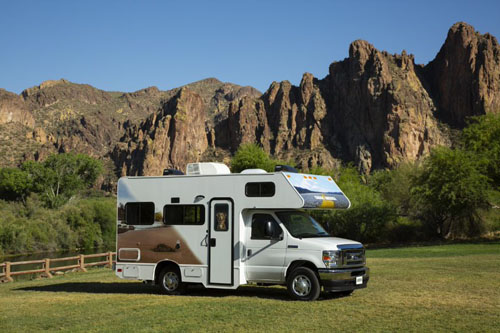
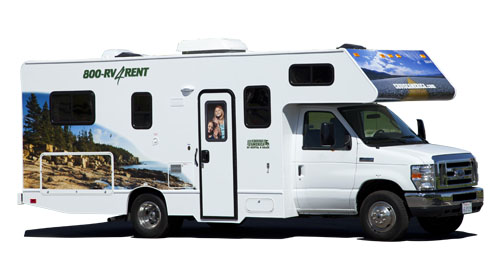
A Class C motorhome rental is the ideal choice for families and groups looking for a perfect balance of space, amenities, and maneuverability on a trip from Denver. Characterized by the iconic sleeping area over the driver's cab (the "alcove"), these vehicles typically measure around 7.9 meters (26 feet), sleep an average of 6 people, and offer a comfortable home base for exploring Colorado's varied terrain. They are the most popular rental choice for a reason.
Imagine your family waking up in a cozy alcove bed, ready for a day of hiking near Aspen. A rented Class C motorhome makes this possible, offering a full kitchen, a bathroom, and separate living and sleeping areas without the intimidating size of a Class A. Their fuel consumption, typically 7-10 miles per gallon, is manageable for their size. While larger than a campervan, a Class C can be driven slowly and carefully almost anywhere, giving you the freedom to explore with confidence. To get an idea of costs for a longer adventure, check out our Weekly RV Rental in Denver - Pricing 2026 guide.
Class B (Campervan) — Best For
A Class B motorhome, commonly known as a campervan, is best for couples or small groups of up to four who prioritize mobility, fuel efficiency, and the ability to easily explore urban areas around Denver. These compact vehicles, averaging 6.1 meters (20 feet) in length, are built on a standard van chassis, making them as easy to drive and park as a large SUV. They are the perfect adventure vehicle for those who plan to spend most of their time outdoors but want a comfortable place to sleep and prepare simple meals.
Picture yourself navigating the scenic Peak to Peak Highway, pulling over at a moment's notice to capture a stunning photo. A rented campervan gives you this flexibility. Inside, you'll find a clever layout that typically includes a small kitchen, a convertible sleeping area, and often a compact wet bath (a combined shower and toilet). The main trade-off is less interior space and fewer amenities compared to larger motorhomes, but the gain in agility and access to tighter spots is a huge advantage for adventurous travelers. Plus, you’ll enjoy better gas mileage, making your travel budget stretch further.
Side-by-Side Comparison Table
This table provides a quick overview of the key specifications for each main RV family available for rent in Denver, helping you visualize the differences at a glance. Comparing size, sleeping capacity, and ideal use cases is the easiest way to make an informed decision for your Colorado adventure. Remember, these are averages, and specific models will vary.
| Feature | Class A (Integrated) | Class C (Alcove) | Class B (Campervan) |
|---|---|---|---|
| Average Length | 8.9 m (29 ft) | 7.9 m (26 ft) | 6.1 m (20 ft) |
| Average Sleeps | 6-8 people | 4-7 people | 2-4 people |
| Best For | Large groups, luxury, long trips | Families, balanced features | Couples, agility, urban exploring |
| Driving Feel | Bus-like | Large truck-like | Van or large SUV-like |
| Typical Amenities | Full kitchen, large bathroom, multiple slide-outs | Full kitchen, bathroom, over-cab bed | Compact kitchen, wet bath, convertible bed |
| Parking | Requires large, dedicated spots | Fits in some oversized spots | Fits in most standard parking spots |
Our Recommendation for rv rental Travelers in Denver
Our primary recommendation for most travelers renting an RV in Denver is a Class C motorhome. This versatile vehicle offers the best all-around package for the typical Colorado adventure, providing ample space and amenities for families and groups without being as large or expensive as a Class A. It's comfortable enough for week-long trips and capable enough to handle the journey to mountain destinations like Vail or Telluride with confidence.
For couples or solo travelers who value simplicity and maneuverability, a Class B campervan is an excellent runner-up. Its ease of driving makes it perfect for navigating both Denver's city streets and narrow mountain roads. Ultimately, the best choice depends on your travel style. At Bandana, we are true RV specialists, not just a travel agency department, and we are here to help you compare the options before you book to ensure your choice perfectly matches your dream trip.
How Do I Navigate and Park an RV in Denver City?
You can navigate and park a rented RV in Denver by planning ahead and using common sense; there's no need to stress. Drive slowly and carefully, and you can drive almost anywhere without issues. Before heading into downtown, use a GPS app with a commercial vehicle or RV mode to avoid low clearances, like those under some bridges along Cherry Creek. Major thoroughfares like Colfax Avenue, Broadway, and Colorado Boulevard are wide and generally easy to drive on.
For parking, overnight stays on city streets are prohibited. For day trips to attractions like the Denver Art Museum or Larimer Square, look for large, open-air parking lots, especially those near Empower Field at Mile High or Coors Field on non-game days. Some lots offer oversized vehicle parking for a daily fee. Alternatively, park at a peripheral light rail station like Englewood Station and take the train downtown. Many breweries in the River North (RiNo) Art District have street parking on wider industrial roads, making them more accessible than those in the tighter LoHi neighborhood.
What Are the Essential RV Logistics (Dump Stations, Water, Propane) Near Denver?
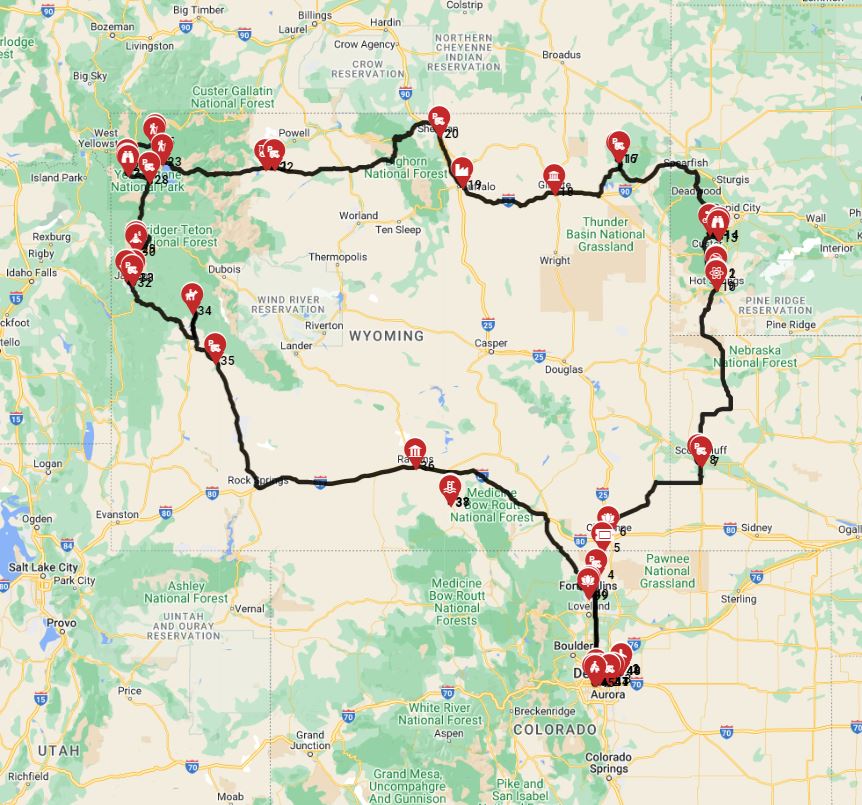
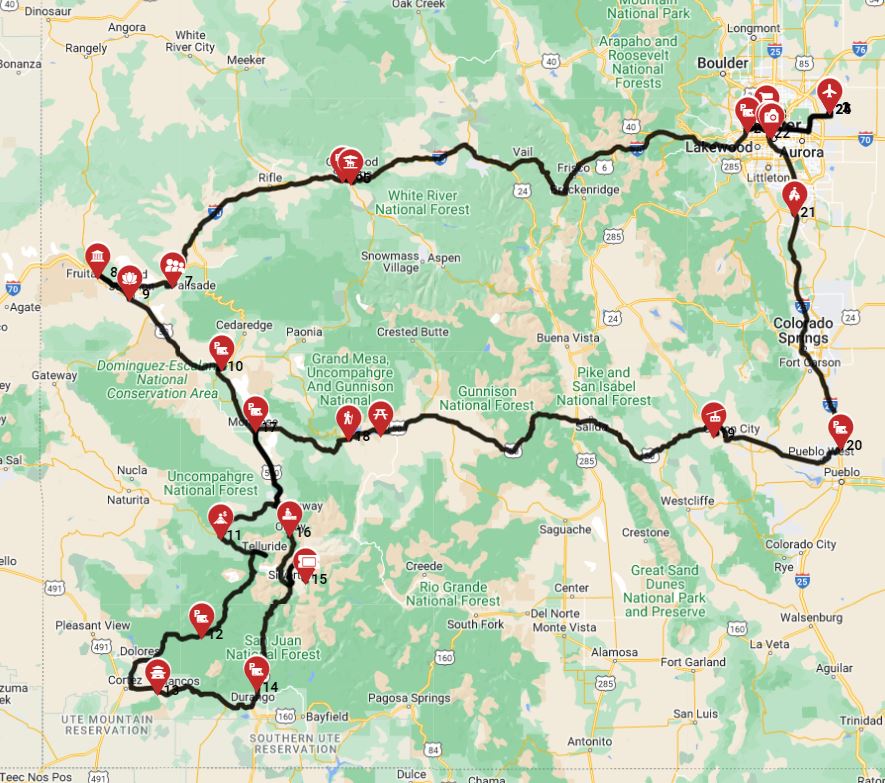
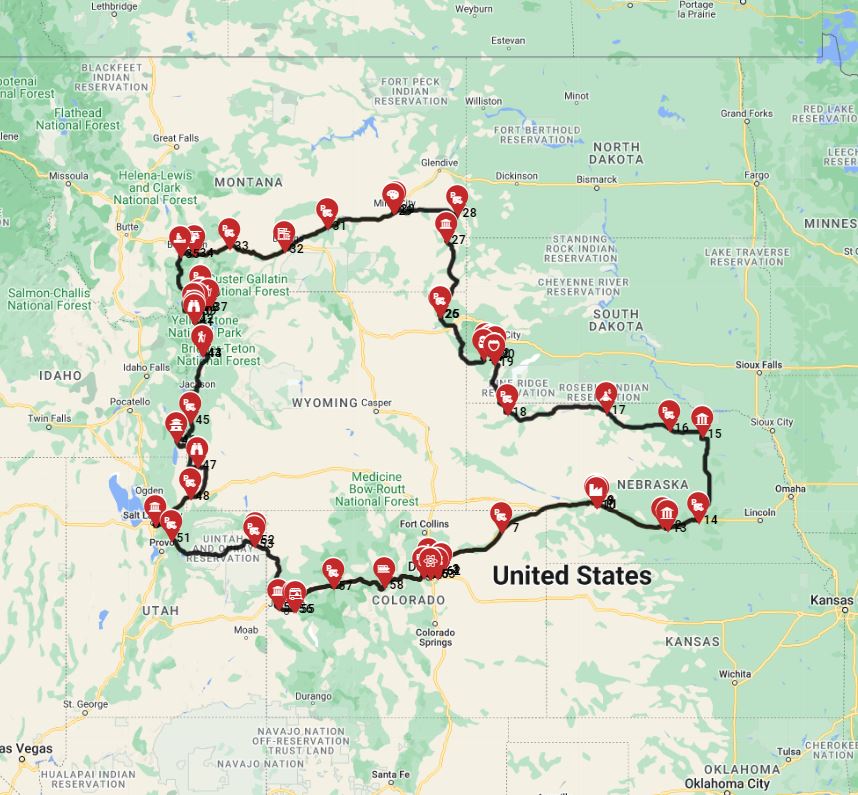
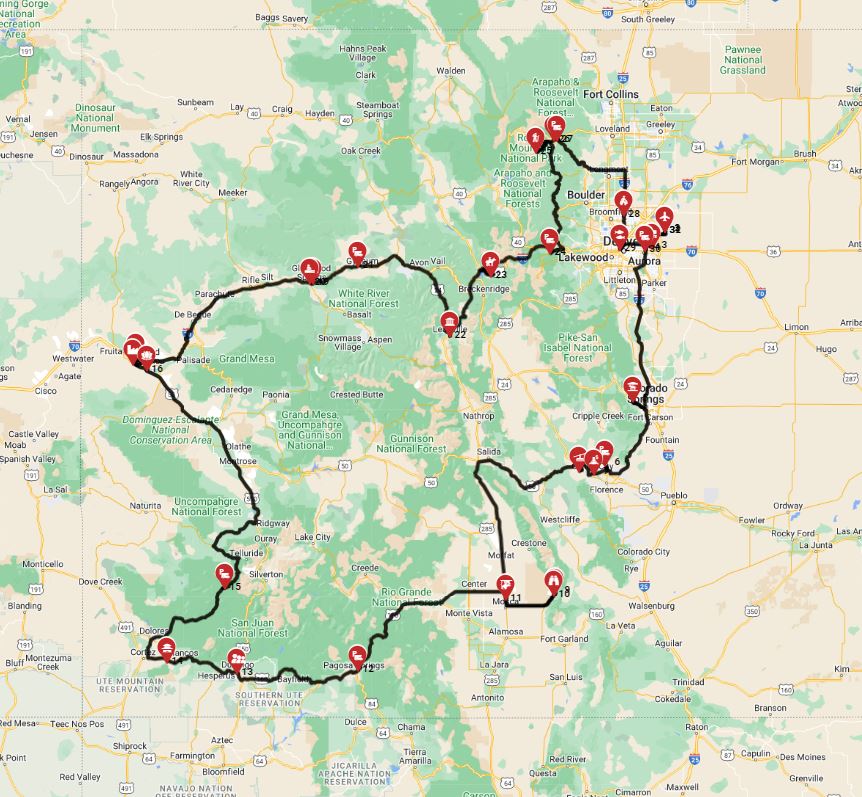
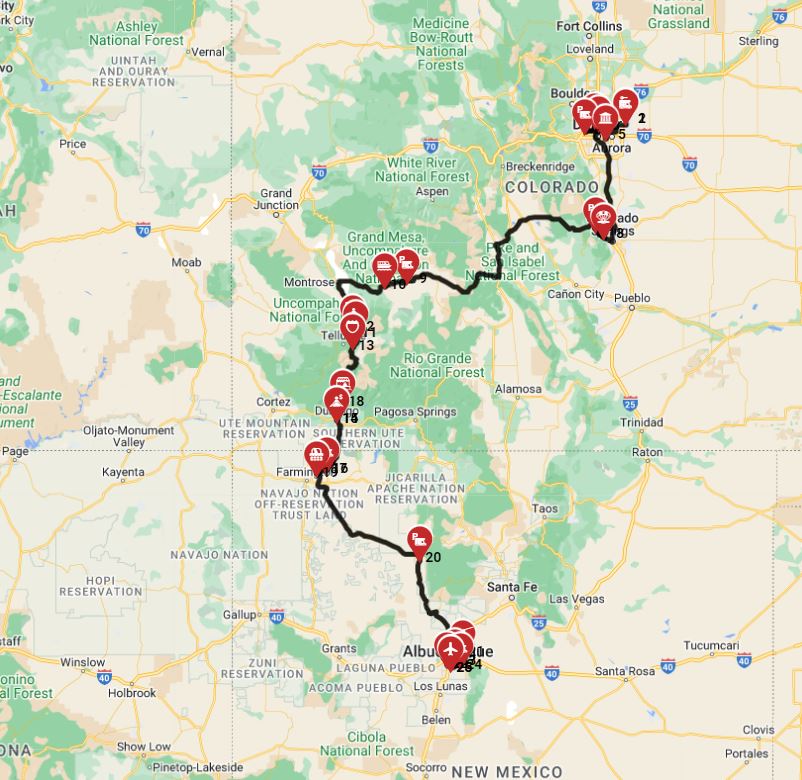
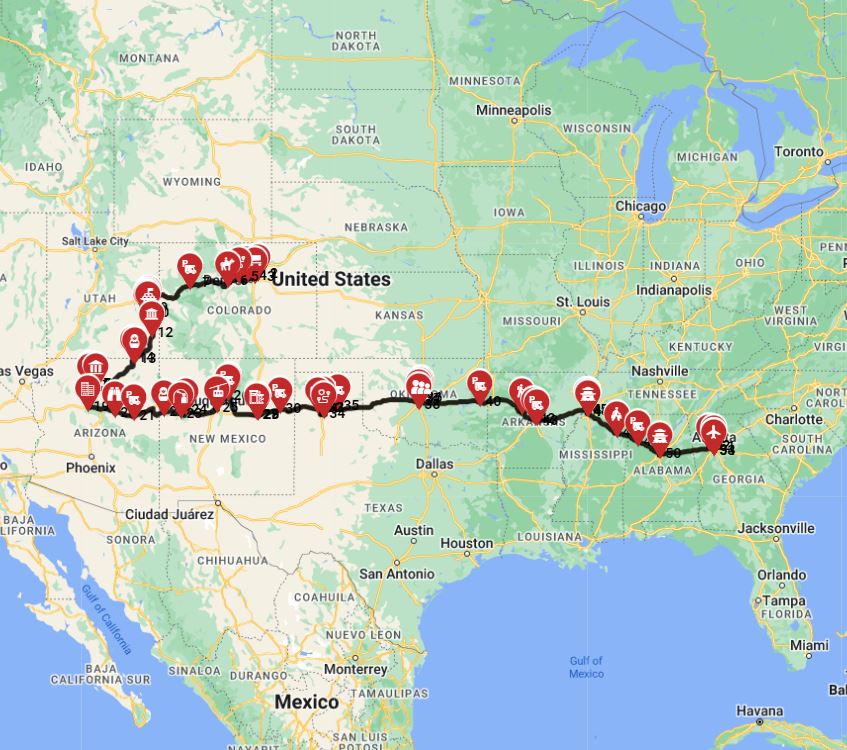
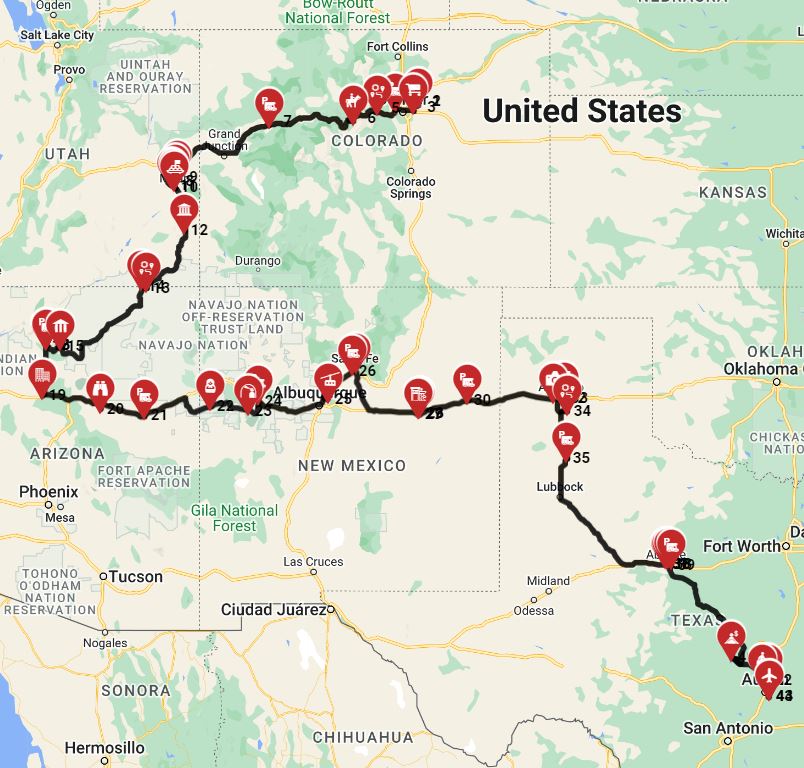
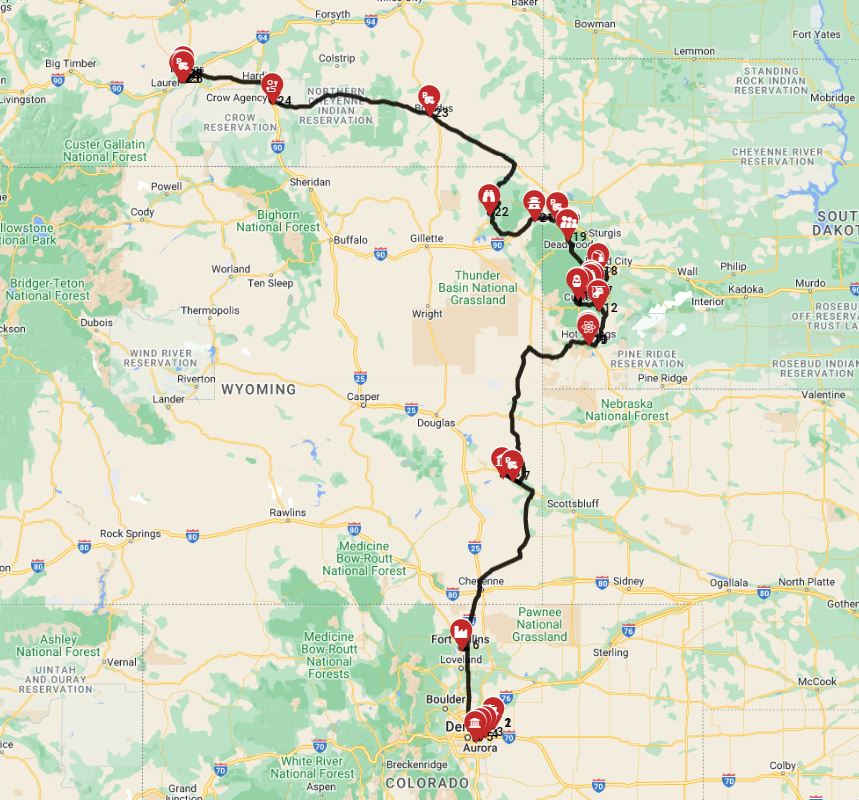
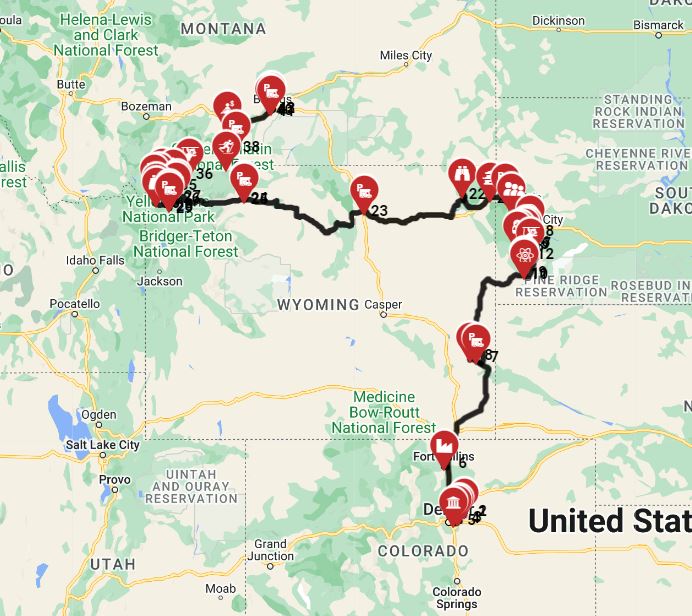
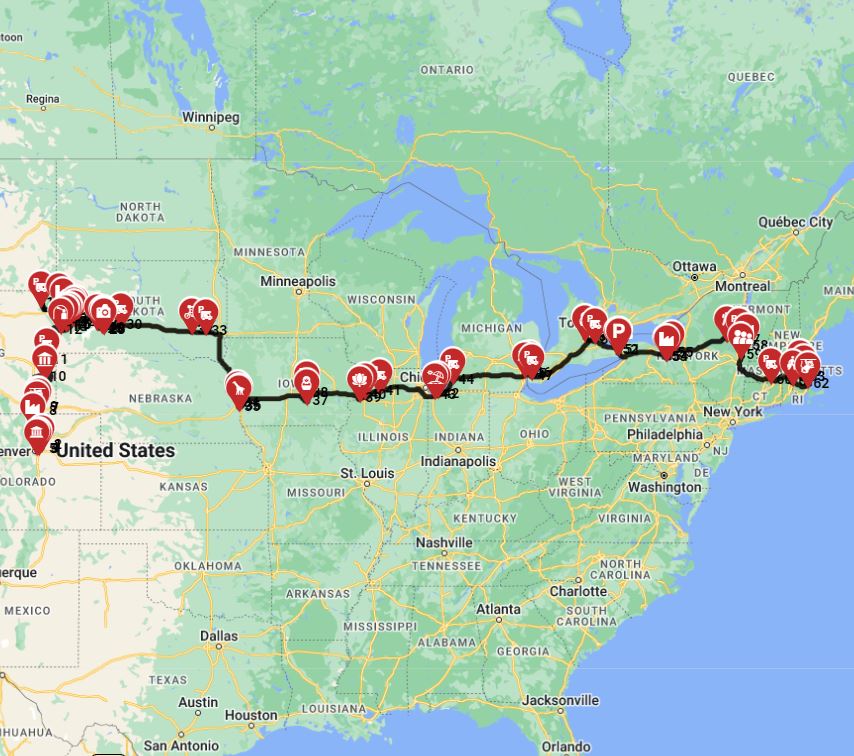
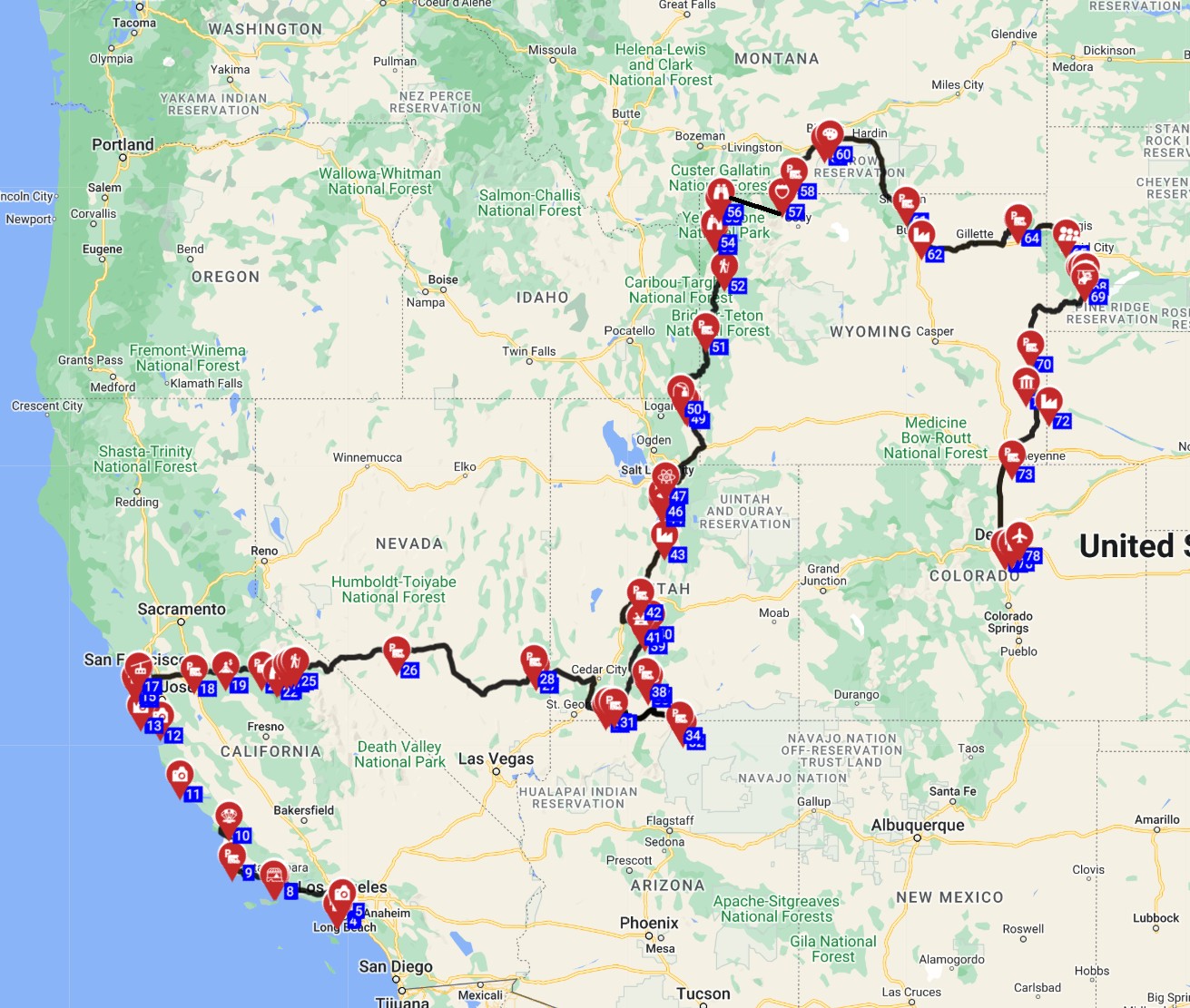
Finding essential RV logistics like dump stations, fresh water, and propane near Denver is straightforward with a bit of planning. Most major campgrounds, including Cherry Creek State Park and Chatfield State Park, offer dump stations and potable water for registered guests, and sometimes for a small fee to non-guests. For standalone services, the Cabela's store in Thornton (8200 E 104th Ave) has a well-maintained public dump station and fresh water fill-up. On the routes offered through RV PLANET routes, you can itemize and track every expense along the way for easy budgeting.
Propane refills are widely available at locations like U-Haul centers, Amerigas facilities, and many gas stations equipped for RVs, such as Flying J or Pilot travel centers along major highways like I-25 and I-70. For finding campsites and managing logistics during your trip, we recommend using RV PLANET (rvplan.net), an excellent resource for locating facilities along your route. When it comes to stocking your rented camper's kitchen, large grocery stores like King Soopers and Safeway near your pickup location will have everything you need. You can find some great meal ideas on our RV-friendly recipes playlist.
What Are the Best Alternative RV Camping Options Near Denver?
The best alternative RV camping options near Denver extend beyond the well-known national park campgrounds and include a fantastic network of state parks, private RV parks, and dispersed camping areas. Colorado's state parks, such as Cherry Creek, Chatfield, and Golden Gate Canyon, offer beautiful settings with amenities like electrical hookups and showers, often much closer to the city than federal lands. While some spots can be reserved, many parks hold 25-30% of their sites for first-come-first-serve arrival, so you'll always find a spot if you're flexible.
Private campgrounds like Dakota Ridge RV Park in Golden offer full hookups, laundry facilities, and even hot tubs, providing a more resort-like experience. For adventurous travelers with a self-contained campervan, dispersed camping on Bureau of Land Management (BLM) and National Forest lands offers unparalleled freedom. Areas along the Rampart Range Road southwest of Denver provide primitive, free campsites with incredible views. Always check local fire restrictions and follow Leave No Trace principles. For locating any of these options during your trip, check out RV PLANET (rvplan.net).
What Are the RV Driving Challenges in Colorado's Mountains?
The primary RV driving challenges in Colorado's mountains are manageable with careful driving and include navigating steep grades, understanding high-altitude engine performance, and using proper braking techniques. When climbing passes like Loveland Pass (11,990 ft), your rented motorhome's engine may feel less powerful due to the thinner air; this is normal. Simply downshift to a lower gear to maintain RPMs and avoid overheating. Don't push the engine too hard and travel slowly.
On descents, the key is to avoid riding your brakes, which can cause them to overheat and fail. Instead, downshift to a low gear (the same one you'd use to climb the hill) and let the engine do most of the braking work. Apply the brakes in firm, intermittent presses rather than a constant, light pressure. Be mindful of hairpin turns and potential rockfall, and always use designated pull-outs to let faster traffic pass. With a calm approach, these mountain roads become a thrilling part of the adventure, not a source of stress.
How Can RV Travelers Prevent Altitude Sickness in Denver and the Rockies?
RV travelers can prevent altitude sickness by acclimatizing gradually, staying well-hydrated, and listening to their bodies upon arriving in Denver (elevation 5,280 feet). The best strategy is to spend at least one night in the Denver area before ascending to higher elevations in the Rockies. This gives your body time to adjust to the lower oxygen levels. Avoid strenuous activity on your first day.
Hydration is critical. Drink plenty of water-at least double what you would at sea level-and avoid excessive alcohol and caffeine, which can contribute to dehydration. Eat light, high-carbohydrate meals. Symptoms of mild altitude sickness include headache, nausea, and fatigue. If you experience these, do not go any higher. Rest, hydrate, and if symptoms persist or worsen, descend to a lower elevation. Most people adjust well within a day or two, but being proactive is key to enjoying your high-altitude adventure.
What Are the Seasonal RV Travel Considerations for Denver?
Seasonal RV travel from Denver requires different considerations for each time of year, with summer offering full access and winter demanding more preparation. From June to September, the weather is ideal, with most mountain passes, including the scenic Trail Ridge Road in Rocky Mountain National Park, fully open. This is the best time for hiking and exploring high-country destinations. Shoulder seasons (April-May and October) are fantastic for avoiding crowds, but be prepared for unpredictable weather, including late or early snowfalls that can cause temporary road closures.
Winter RV travel can be magical but requires a vehicle equipped for the cold and careful monitoring of road conditions. From September through May, Colorado's "chain law" is often in effect on I-70, requiring appropriate tires. While most rental motorhomes have all-season tires that suffice, it's wise to check conditions before heading into the mountains. Many high-elevation campgrounds close for winter, so your options will be more limited to lower elevations or year-round private parks.
Is Denver Pet-Friendly for RV Travel, and What Are the Rules?
Yes, Denver is very pet-friendly for RV travel, with numerous dog parks, trails, and accommodating campgrounds, but it's important to know the rules. Most rental suppliers offer pet-friendly vehicles, often for a nominal fee, allowing your four-legged family members to join the adventure. Within Denver, you'll find excellent off-leash dog parks like Cherry Creek State Park's Dog Off-Leash Area (DOLA), which features 107 acres and water access.
When hiking, rules vary. Most trails in National Forests and on BLM land allow dogs on a leash. However, national parks, including Rocky Mountain National Park, have strict rules prohibiting dogs on almost all trails to protect wildlife. They are generally only allowed in campgrounds, picnic areas, and along roads. Always keep your dog on a leash unless in a designated off-leash area, and be sure to pick up after them to keep these beautiful spaces open to pets.
What's the Full Cost Breakdown for an RV Trip Starting in Denver?
The full cost breakdown for an RV trip from Denver extends beyond the daily rental fee to include fuel, campground fees, food, propane, and activities. Budgeting for these ancillary costs is crucial for a stress-free trip. Fuel is a major expense; for a Class C motorhome getting 7-10 MPG, a 1,000-mile trip could require 100-140 gallons of gasoline. At an average of $3.50 per gallon, that's $350-$490 just for fuel.
Campground fees vary widely, from $30-$60 per night for state parks with hookups to $70-$120+ for full-service private RV resorts. Groceries, propane refills, and dump station fees can add another $50-$100 per day depending on your travel style. For a comprehensive way to plan and track every expense, the pre-planned RV PLANET routes allow you to itemize costs for easy budgeting, ensuring you have a clear picture of your total trip cost with no surprises. You can find more tips in our Cheap RV Rental in Denver - Budget Guide 2026.
What Are Cell Service and Internet Expectations for RVing in Remote Colorado?
You should expect variable cell service and internet connectivity when RVing in remote parts of Colorado, with reliable service in towns and along major highways but frequent dead zones in mountain canyons and national forests. Along the I-70 and I-25 corridors, you will have strong signals from all major carriers. However, as soon as you venture onto scenic byways or into areas like the Gunnison National Forest or deep within Rocky Mountain National Park, service can disappear completely.
Plan for these periods of being disconnected. Download maps and route plans for offline use before you leave a service area. Many travelers use cell signal boosters to improve weak signals in fringe areas. For those who need to stay connected for remote work, investing in a satellite internet service like Starlink for RVs is becoming a popular, albeit more expensive, option. In general, embrace the opportunity to disconnect and enjoy the scenery, but always have a plan for navigation and emergencies when service is unavailable.
🎬 Video coming soon
What You Shouldn't Miss
- Drive the Peak to Peak Scenic Byway: A stunning 55-mile route from Black Hawk to Estes Park, offering incredible views of the Continental Divide. It’s a perfect day trip in a rented campervan.
- Explore Rocky Mountain National Park: An absolute must. Drive the Trail Ridge Road (the highest continuous paved road in North America), hike to Emerald Lake, and watch for elk and bighorn sheep.
- Visit Garden of the Gods: Near Colorado Springs, this National Natural Landmark features dramatic red rock formations that you can drive or hike through. It’s an easy trip from Denver.
- Soak in a Hot Spring: Head to mountain towns like Glenwood Springs or Buena Vista to relax in natural geothermal hot springs after a day of exploring.
- Experience Great Sand Dunes National Park: Witness the surreal sight of massive sand dunes nestled against the Sangre de Cristo Mountains. Sledding down the dunes is an unforgettable experience.
- Discover the Million Dollar Highway: For the adventurous, this stretch of US-550 between Silverton and Ouray offers some of the most breathtaking (and heart-pounding) mountain scenery in the country.
Final Thoughts
Your Denver RV adventure is more than just a trip; it's an opportunity to create lasting memories against the backdrop of some of North America's most spectacular scenery. From the vibrant energy of the Mile High City to the serene grandeur of the Rocky Mountains, a rented motorhome gives you the ultimate freedom to explore it all at your own pace. Travel slowly, take that side road, and truly connect with the culture and nature of Colorado.
At Bandana, we're passionate about making this experience accessible and enjoyable for everyone. With our commitment to full transparency and expert support through the comparison and booking process, you can plan your journey with confidence. The open road is calling. Get inspired for your next trip and start comparing vehicles today!
Find Motorhome Rentals in Denver