In This Guide
- The 5 RV Families Compared for Croatia
- Class A (Integrated) — Best For
- Class SI (Semi-Integrated) — Best For
- Class C (Alcove) — Best For
- Class B (Campervan) — Best For
- Class TC (Truck Camper) — Best For
- Side-by-Side Comparison Table
- Our Recommendation for rv rental Travelers in Croatia
- Price Comparison by RV Class in Croatia
- Is it worth renting an RV in Croatia?
- What do I need to rent an RV in Croatia?
- Do you need an international driver's permit for Croatia?
- How much does it cost to rent an RV in Croatia?
- Are there tolls in Croatia for RVs?
- Can I wild camp in Croatia?
- Can you sleep in your car in Croatia?
- Are there RV parks in Croatia?
- What is the speed limit for RVs in Croatia?
- What are the best RV routes in Croatia?
- Can you drive an RV through Plitvice Lakes National Park?
- What is the best month to RV in Croatia?
- Is Croatia good for campervans?
The 5 RV Families Compared for Croatia
Choosing the right rented RV for your Croatian road trip is key to a comfortable and enjoyable experience, especially considering the country's diverse terrain and charming, sometimes narrow, ancient roads. Understanding the distinctions between RV families will help you match the vehicle to your itinerary, passenger count, and desired level of comfort. The primary factors to consider are maneuverability, fuel efficiency, interior space, sleeping capacity, and suitability for Croatia's varied road conditions. This guide will break down the most common RV classes to help you make an informed decision for your next adventure.
Class A (Integrated) — Best For
Class A motorhomes are the largest and most luxurious RVs, offering unparalleled space and amenities. With an average length of 7.5 meters and typically sleeping 4-6 people, they are ideal for larger groups or families who prioritize comfort and a home-like experience. These integrated models boast high load capacities, averaging around 209.5 kg, allowing ample space for gear. Their fuel consumption generally ranges from 8-12 liters per 100 km. Class A motorhomes are best suited for longer stays at established campsites where their size is less of a concern. However, their considerable dimensions can present challenges when navigating Croatia's narrow medieval streets or finding parking in popular, compact city centers.
Class SI (Semi-Integrated) — Best For
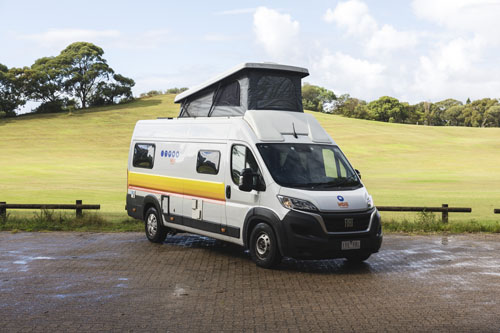
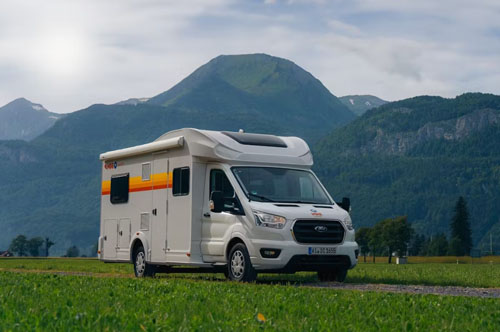
The Class SI (Semi-Integrated) motorhomes offer a fantastic balance between spacious living and manageable dimensions, making them a popular choice for many travelers. Averaging around 6.9 meters in length and sleeping 3-4 people, they provide comfortable accommodations suitable for couples or small families. Their fuel consumption is typically efficient, around 10-11 liters per 100 km. These RVs are generally more agile than Class A models, performing better on winding coastal roads and fitting more easily into campsites and some urban parking areas. With an average load capacity around 72.2 kg, they offer sufficient space for travel essentials, striking a good chord between comfort and practicality for exploring Croatia.
Class C (Alcove) — Best For
Class C motorhomes, often recognizable by their distinctive "alcove" or over-cab sleeping area, are particularly well-suited for families, especially those with children. These RVs typically measure around 7.5 meters and offer generous sleeping capacity, averaging 5-6 people, thanks to that extra bunk space. Their fuel efficiency is comparable to Class SI models, generally consuming 10-12 liters per 100 km, and they are often a more cost-effective option for larger groups, with an average load capacity around 42.4 kg. While robust for various road conditions, their taller profile can be affected by strong winds, like Croatia's infamous Bura, and might require careful attention to low bridges or tunnels.
Class B (Campervan) — Best For
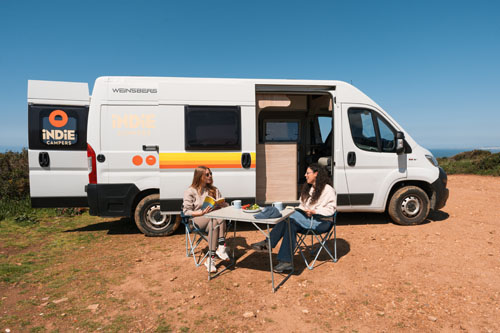
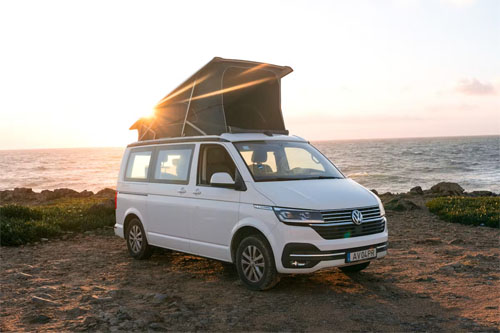
Campervans, or Class B motorhomes, are the most compact and maneuverable option, perfect for couples or solo travelers. Averaging a convenient 5.8 meters in length and typically sleeping 2-3 people, they are highly fuel-efficient, consuming around 8-10 liters per 100 km. Their compact size makes navigating Croatia's narrow streets and finding parking in bustling towns and coastal villages significantly easier, with an average load capacity around 37 kg. While they offer the utmost agility and access to more remote spots, the trade-off is generally less interior space and fewer amenities compared to larger motorhomes, making them ideal for those prioritizing freedom and exploration over extensive onboard living.
Class TC (Truck Camper) — Best For
Truck Campers are a unique and rugged option for the adventurous traveler. These campers are designed to be mounted on a pickup truck bed, offering excellent flexibility. With an average length of 5.5 meters and sleeping 2-3 people, they are ideal for off-grid adventures and exploring more remote or challenging terrains. Fuel consumption can be higher, typically ranging from 12-17 liters per 100 km, reflecting their robust build. The ability to detach the camper allows the truck to be used for day trips to tight spots, adding to their versatility. They are best suited for adventurous couples or solo travelers who value ruggedness and the freedom to access less-traveled paths.
Side-by-Side Comparison Table
| RV Family | Avg Length (m) | Avg Sleeps | Avg Fuel Use (L/100km) | Best Use Case in Croatia |
|---|---|---|---|---|
| Class A (Integrated) | 7.5 | 4.4 | 8-12 | Luxury, long trips, large groups at campsites |
| Class SI (Semi-integrated) | 6.9 | 3.8 | 10-11 | Balanced comfort & maneuverability, small families |
| Class C (Alcove) | 7.5 | 5.8 | 10-12 | Families with children, cost-effective for groups |
| Class B (Campervan) | 5.8 | 3.2 | 8-10 | Maneuverability, couples/solo, city/coastal exploration |
| Class TC (Truck Camper) | 5.5 | 2.4 | 12-17 | Off-grid adventure, remote areas, flexibility |
Our Recommendation for rv rental Travelers in Croatia
For most travelers exploring Croatia, the Class SI (Semi-Integrated) motorhome emerges as the top recommendation. This choice is driven by its excellent balance of living space, amenities, and manageable dimensions. It allows for comfortable travel and easier navigation on Croatia's scenic but often challenging coastal roads and through charming medieval towns, offering a superior experience compared to the bulkier Class A. Its agility and reasonable fuel consumption make it a practical option for exploring diverse regions, from the Istrian peninsula to the Dalmatian coast.
As a strong runner-up, the Class B (Campervan) is ideal for those prioritizing ultimate agility, fuel economy, and easy parking. It’s perfect for couples or solo travelers seeking to explore hidden coves and navigate narrow village streets with confidence, providing unparalleled freedom. While it offers fewer amenities, its superior maneuverability and lower running costs make it an excellent choice for a more immersive, spontaneous adventure across the country.
Price Comparison by RV Class in Croatia
Understanding the cost variation by RV class is essential for budgeting your Croatian adventure. Because pricing is flex-rate, the table below pulls real example prices from Bandana's live search for various rental durations in Croatia, showing typical costs for each RV family. On the routes offered through RV PLANET routes, you can itemize and track every expense along the way for easy budgeting.
Live April Price Comparison — RV Class × Trip Length
| Trip length | Class A | Class B | Class C | Class SI | Class TC |
|---|---|---|---|---|---|
| 1 week 15/04 → 22/04 | Check prices | 982.26 $ AU | 1,663.72 $ AU | 1,501.00 $ AU | 2,108.16 $ AU |
| 2 weeks 15/04 → 29/04 | Check prices | 1,841.74 $ AU | 2,842.46 $ AU | 2,610.70 $ AU | 3,952.80 $ AU |
| 1 month 01/04 → 30/04 | Check prices | 3,435.66 $ AU | 5,589.57 $ AU | 5,009.45 $ AU | 7,127.03 $ AU |
Estimates only — flex-rate prices change daily based on availability and season.
Remember that these prices are estimates and fluctuate daily based on availability, demand, and season; for the most accurate and up-to-date figures, please use the search box at the top of the page.
Is it worth renting an RV in Croatia?
Absolutely, renting an RV in Croatia is highly recommended for an immersive and flexible travel experience. The freedom an RV provides allows you to access stunning, secluded viewpoints, national parks like Plitvice Lakes and Krka, and discover charming hidden villages that are often inaccessible via traditional transport. This mode of travel fosters genuine cultural connections and allows for spontaneous itinerary changes, enabling you to truly connect with the local culture and cuisine. Compared to the costs of flights, accommodations, and inter-city transport, an RV rental can also be a more cost-effective way to explore the country, especially for families or groups.
What do I need to rent an RV in Croatia?
To rent an RV in Croatia, you'll need a few essential items to ensure a smooth process. Firstly, a valid driver's license is mandatory; an International Driving Permit (IDP) is often required for those holding licenses not issued in the EU/EEA, so it's crucial to obtain this in your home country before arrival. You'll also need a credit card for the security deposit and rental payment, which suppliers require for any potential damages or extra charges. Ensure you meet the minimum age requirements, typically between 21 and 25 years old depending on the supplier and vehicle class, and check any driving experience prerequisites. Mandatory vehicle insurance is usually included or available as an optional upgrade. Finally, for navigation and staying connected, consider obtaining a local SIM card or mobile data package.
Do you need an international driver's permit for Croatia?
Yes, an International Driving Permit (IDP) is legally required for drivers whose national licenses are not issued in Croatian or are not recognized within the EU/EEA. The IDP serves as an official translation of your domestic license, facilitating smoother interactions with local authorities and rental agencies. It's vital to obtain your IDP in your home country before your travel to Croatia, as it cannot be acquired upon arrival. While EU/EEA license holders might not strictly need one for driving, having an IDP is still recommended for ensuring straightforward communication and compliance.
How much does it cost to rent an RV in Croatia?
The cost of renting an RV in Croatia varies significantly based on the RV class, rental duration, and season. Expect rental fees to range from approximately €80 to €200+ per night for a standard motorhome, with larger or more luxurious models incurring higher costs. Beyond the rental fee, a comprehensive budget must account for several ancillary expenses: fuel costs, which average €1.50-€1.70 per liter with consumption rates from 8-17 L/100km depending on the RV size, can add up. Tolls on major highways, for example, a trip from Zagreb to Split could cost €15-€30 for an RV. Ferry costs are also significant, especially for island hopping, potentially reaching €50-€100+ for an RV. Campsite fees can range from €20 to €60+ per night, varying by location and season. Factor in additional costs for food, activities, potential pet travel fees, and optional insurance upgrades to get a realistic total trip cost.
Are there tolls in Croatia for RVs?
Yes, Croatia operates a toll system on its major highways (autoceste) that applies to all vehicles, including RVs. RVs typically fall into higher vehicle categories (often Cat II, III, or IV), which means their toll fees are generally higher than those for passenger cars. Tolls are calculated based on the distance traveled and the vehicle's category. You can pay tolls at booths using Croatian Kuna (HRK) or Euros (EUR), or opt for an Electronic Toll Collection (ETC) device for seamless passage. It's essential to budget for tolls, especially if you plan extensive highway travel, as they can represent a notable portion of your overall trip expenses.
Can I wild camp in Croatia?
No, wild camping, including sleeping overnight in an RV outside of designated campgrounds or official overnight parking areas, is strictly prohibited and illegal in Croatia. This regulation is in place to protect Croatia's beautiful natural environments, and enforcement is robust, with substantial fines typically issued for violations. Wild camping is particularly forbidden in national parks, along the coastline, and near populated areas. Legal and safe alternatives include staying at official campgrounds, which are plentiful and offer necessary amenities, or seeking out designated private 'stop-and-go' spots that cater to overnight RV parking.
Can you sleep in your car in Croatia?
Generally, no, sleeping overnight in your car outside of official campsites is not permitted and is strongly discouraged in Croatia. Public spaces, roadsides, and general parking lots are not designated for overnight stays, and you may face fines if you are found sleeping in your vehicle in these areas. For safety and legal reasons, it is always best to utilize established campgrounds or private, designated parking sites that cater to overnight stays. This ensures you have access to necessary facilities and adhere to local regulations, providing peace of mind throughout your journey.
Are there RV parks in Croatia?
Yes, Croatia boasts a wide array of well-established RV parks and campsites, catering to various preferences and budgets. You'll find options ranging from luxurious, amenity-rich resorts to simpler, family-run sites, many of which are conveniently located along the stunning Adriatic coast, on popular islands, and in close proximity to national parks. These parks commonly offer essential services like electrical hookups, water and dumping stations, modern sanitary facilities, and often include on-site shops or restaurants. To secure a spot, especially during the peak tourist season from June to August, it is highly recommended to book your chosen RV park in advance.
What is the speed limit for RVs in Croatia?
Speed limits for RVs in Croatia vary based on their weight. For motorhomes under 3,500 kg, the limits are: 50 km/h in urban areas, 90 km/h on open roads, and 130 km/h on highways. For motorhomes exceeding 3,500 kg, the limits are: 50 km/h in urban areas, 80 km/h on open roads, and 90 km/h on highways. Always pay close attention to posted road signs, as local limits can differ. Maintaining safe speeds is crucial, particularly on winding coastal roads, in adverse weather conditions like strong Bura winds, and to avoid potential fines.
What are the best RV routes in Croatia?
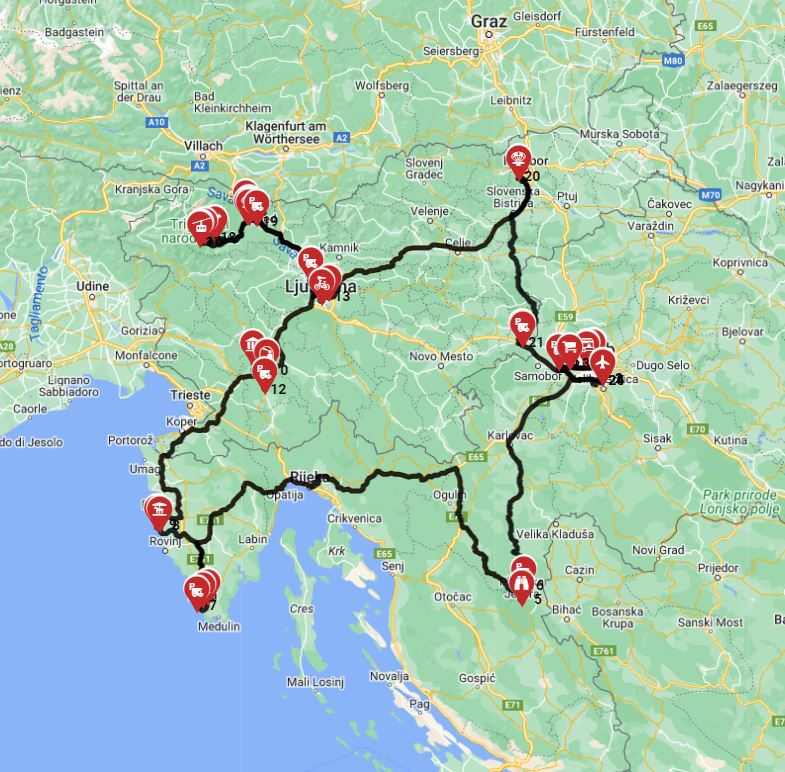
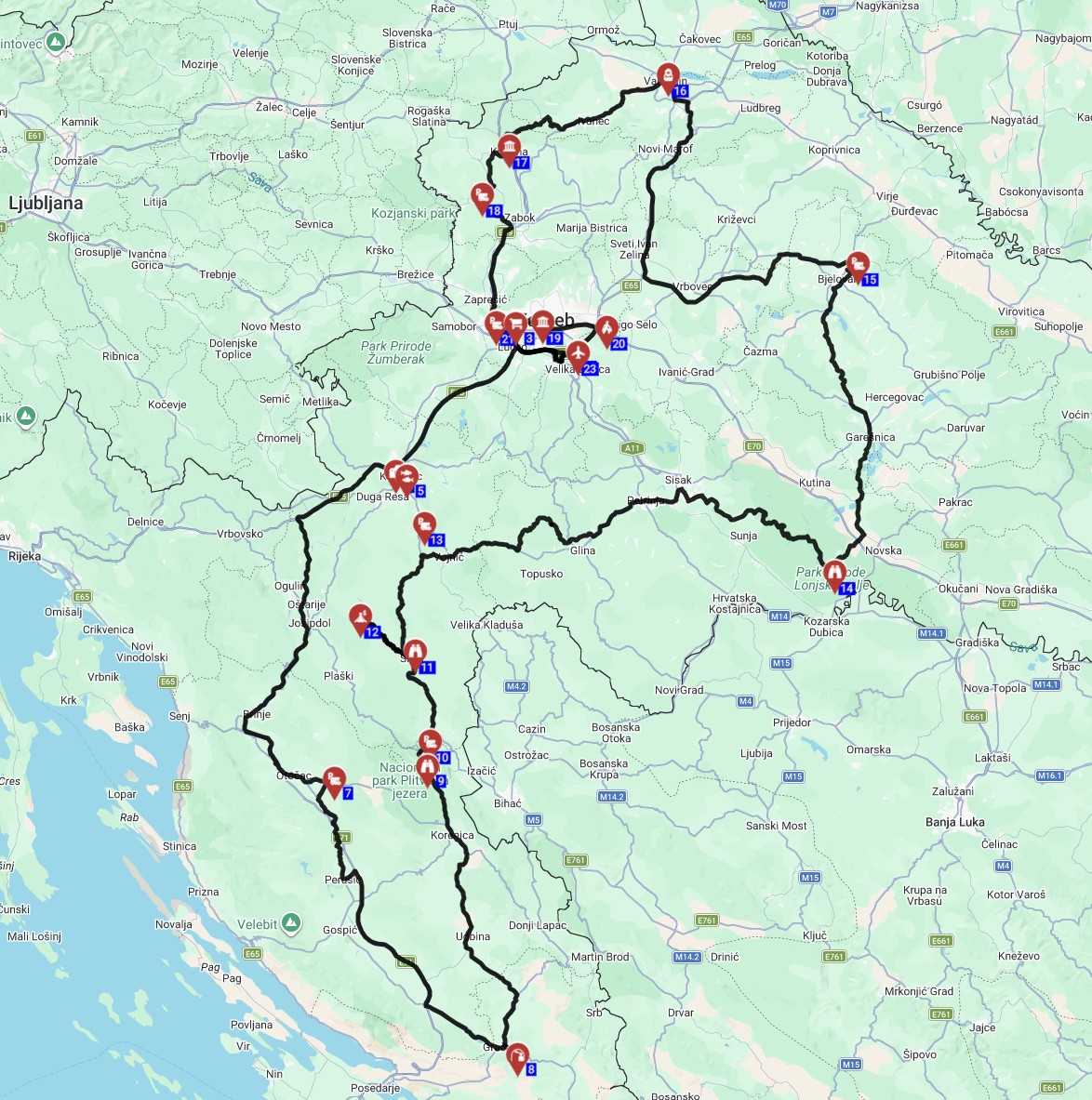
Croatia offers several incredible RV routes, each showcasing its unique beauty. The Dalmatian Coast, stretching from Split to Dubrovnik, is a must-do, with opportunities for island hopping to Hvar or Korčula via ferry. For a taste of Istria’s charm, explore its peninsula, visiting picturesque towns like Pula and Rovinj, and don't miss the hilltop villages. Connecting to Croatia's stunning National Parks, such as Plitvice Lakes, Krka, and Paklenica, is also highly recommended. For deeper cultural immersion, seek out detours to local markets, vineyards, and village festivals. Planning your route should balance popular attractions with lesser-known gems, always considering suitable RV parking and overnight options.
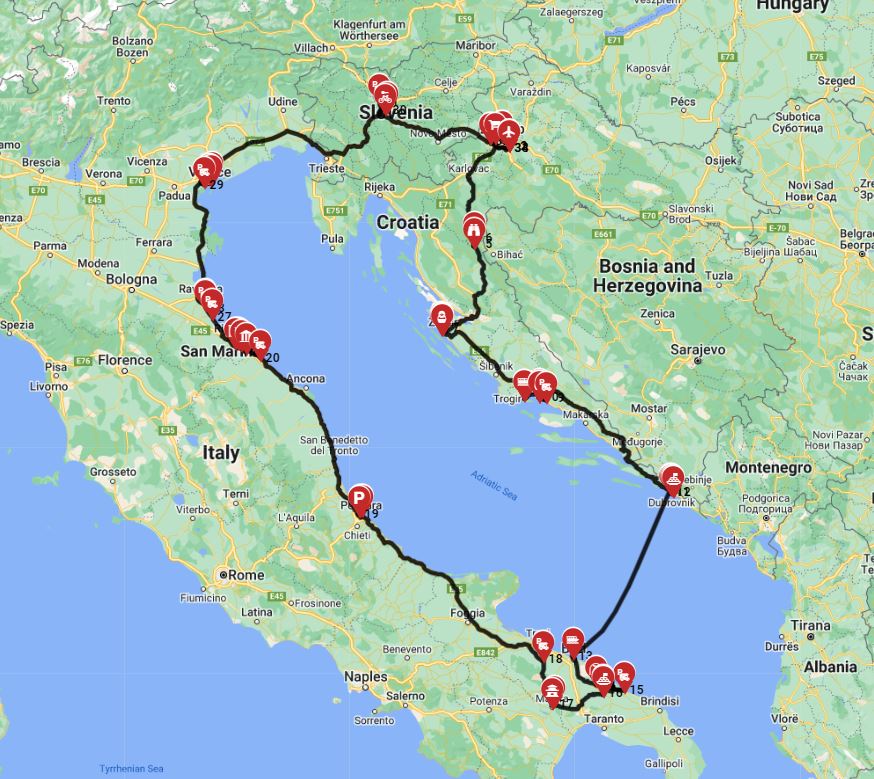
For a broader European perspective, consider routes that incorporate Croatia into a larger itinerary. For instance, the "Ljubljana Roundtrip - Adriatic sea Round -> Slovenia, Croatia & Italy" offers a comprehensive 16-day journey covering 2,060 km, ideal for those wanting to experience multiple cultures. Alternatively, a 22-day "Venice Roundtrip - South - Adriatic sea, Croatia, Slovenia, Italy" covers 2,682.9 km, providing an extensive exploration of the region.
Can you drive an RV through Plitvice Lakes National Park?
While you cannot drive RVs through the main walking paths or sensitive natural areas within Plitvice Lakes National Park, convenient, large parking lots are available near both Entrance 1 and Entrance 2. These parking areas are accessible to RVs and typically require a fee. It is advisable to arrive early, especially during peak season, to secure a parking spot. Overnight parking within the national park’s immediate vicinity is generally not permitted. However, numerous well-equipped RV campsites are located just outside the park's boundaries, providing legal and comfortable overnight stays.
What is the best month to RV in Croatia?
The ideal months for RV travel in Croatia are generally May, June, and September. During these shoulder seasons, you'll benefit from pleasant weather, fewer crowds compared to the peak summer months of July and August, and better availability of campsites. The temperatures are warm enough for swimming and outdoor activities without the intense heat of mid-summer, and the landscapes are at their most vibrant in spring and inviting in early autumn. Opting for these months can also lead to better rental deals and a more relaxed driving experience, allowing you to fully enjoy Croatia's stunning scenery.
Is Croatia good for campervans?
Croatia is an excellent destination for campervans (Class B RVs), offering unparalleled advantages for this type of vehicle. Their compact size provides superior maneuverability for navigating the winding coastal roads and the narrow streets of Croatia's picturesque medieval towns. The inherent fuel efficiency and ease of parking campervans allow access to more secluded beaches and remote viewpoints. They are particularly ideal for adventurous couples or small groups seeking flexibility and lower running costs, enabling a more intimate and spontaneous exploration of the country's diverse landscapes and cultural treasures.
What You Shouldn't Miss
- Drive the Dalmatian Coast: Experience the breathtaking scenery from Split down to Dubrovnik, stopping at islands like Hvar and Korčula via ferry.
- Explore Istria's Hilltop Towns: Wander through charming villages like Motovun and Grožnjan, savoring local truffles and wines.
- Discover Plitvice Lakes National Park: Marvel at the stunning turquoise lakes and waterfalls, ensuring you arrive early for RV parking.
- Visit Krka National Park: Experience the Roški Slap waterfall and the historic Krka Monastery, accessible by boat.
- Taste Local Flavors: Seek out traditional *konobas* (taverns) in coastal towns for fresh seafood and regional specialties.
- Experience a Farm Camp: Stay in an *autocamp* nestled within olive groves or vineyards for a truly local and peaceful experience.
Final Thoughts
Renting an RV in Croatia opens up a world of possibilities, allowing you to craft a truly personalized adventure. From the dramatic coastal highways to the serene beauty of the national parks, your journey will be as unique as you are. Remember to embrace the slow travel philosophy: take your time, savor the moments, and let the spirit of Croatia unfold around you.
We're here to help you every step of the way. By comparing options and planning your route in advance using tools like RV PLANET (rvplan.net), you can ensure a smooth and unforgettable RVing experience. Get inspired for your next trip and discover the freedom of the open road!
Plan a trip itinerary in advance with minimal effort and maximum enjoyment. Discover top destinations, planning tips, all in one place! Get inspired for your next trip!