In This Guide
- Understanding RV Types for Your Anchorage Family Rental
- Class A (Integrated) - Best For
- Class C (Alcove) - Best For
- Class B (Campervan) - Best For
- Side-by-Side Comparison Table
- Our Recommendation for family rv rental Travelers in Anchorage
- Price Comparison by RV Class in Anchorage
- What is the best way to travel Alaska with a family?
- What are the best RV campgrounds in Anchorage?
- Where can I find an RV dump station in Anchorage?
- What are the best day trips from Anchorage by RV?
- What are the best things to do in Anchorage with an RV?
- What is the total cost for an RV family trip in Anchorage?
- Is it safe to RV in Alaska?
- What is the best month to RV in Alaska?
- What You Shouldn't Miss
- Why Book with Bandana Caravan
- Final Thoughts
- Frequently Asked Questions
Understanding RV Types for Your Anchorage Family Rental
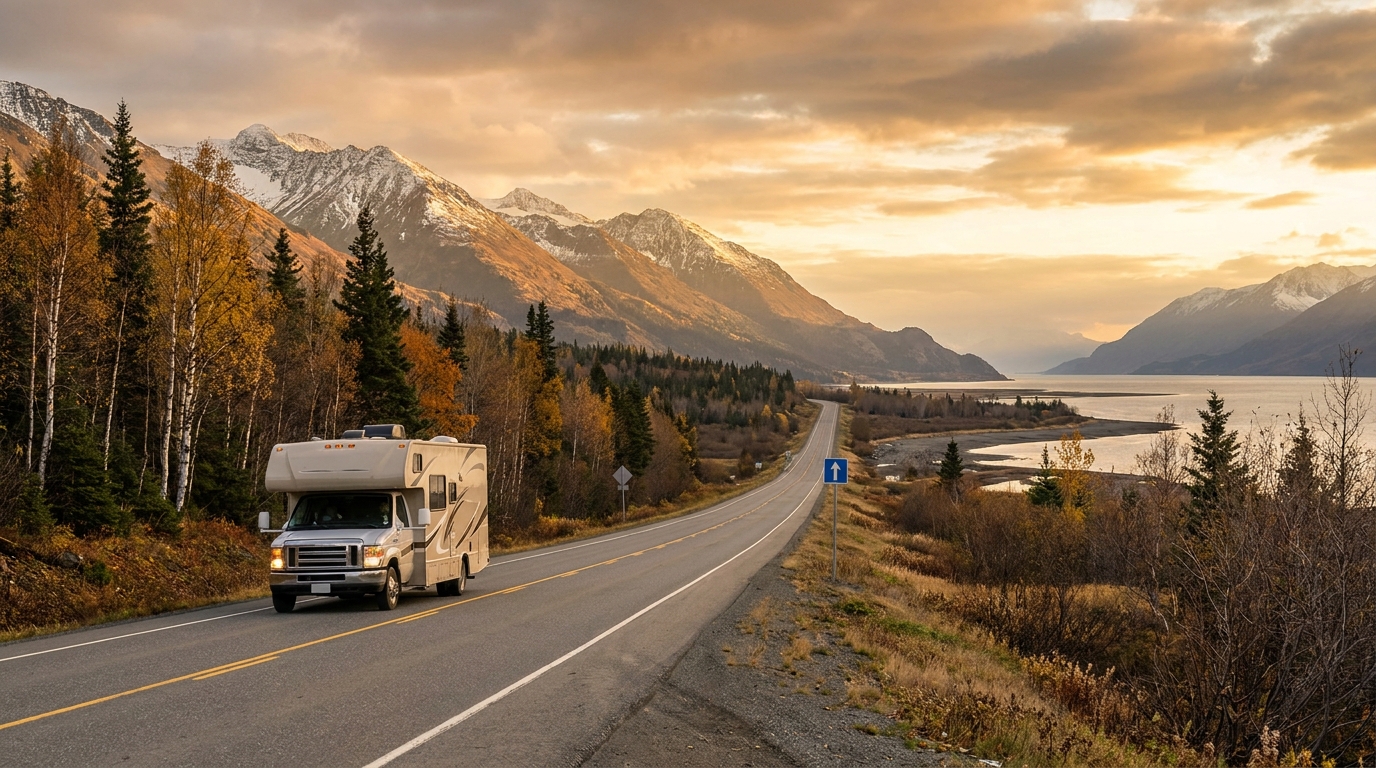
Choosing the right RV for your Anchorage adventure significantly impacts your family's comfort, maneuverability on Alaska's diverse roads, and the overall enjoyment of your trip. The primary motorhome classes available for rental are Class A (Integrated), Class C (Alcove), and Class B (Campervan), each offering distinct advantages for different family sizes and travel styles. Understanding these differences helps you select the ideal mobile home for your specific travel requirements in Alaska, ensuring a smooth journey from the moment you pick up your rental near Ted Stevens Anchorage International Airport. For live availability and current prices, start with our RV Rental Anchorage - Complete Guide 2026 guide.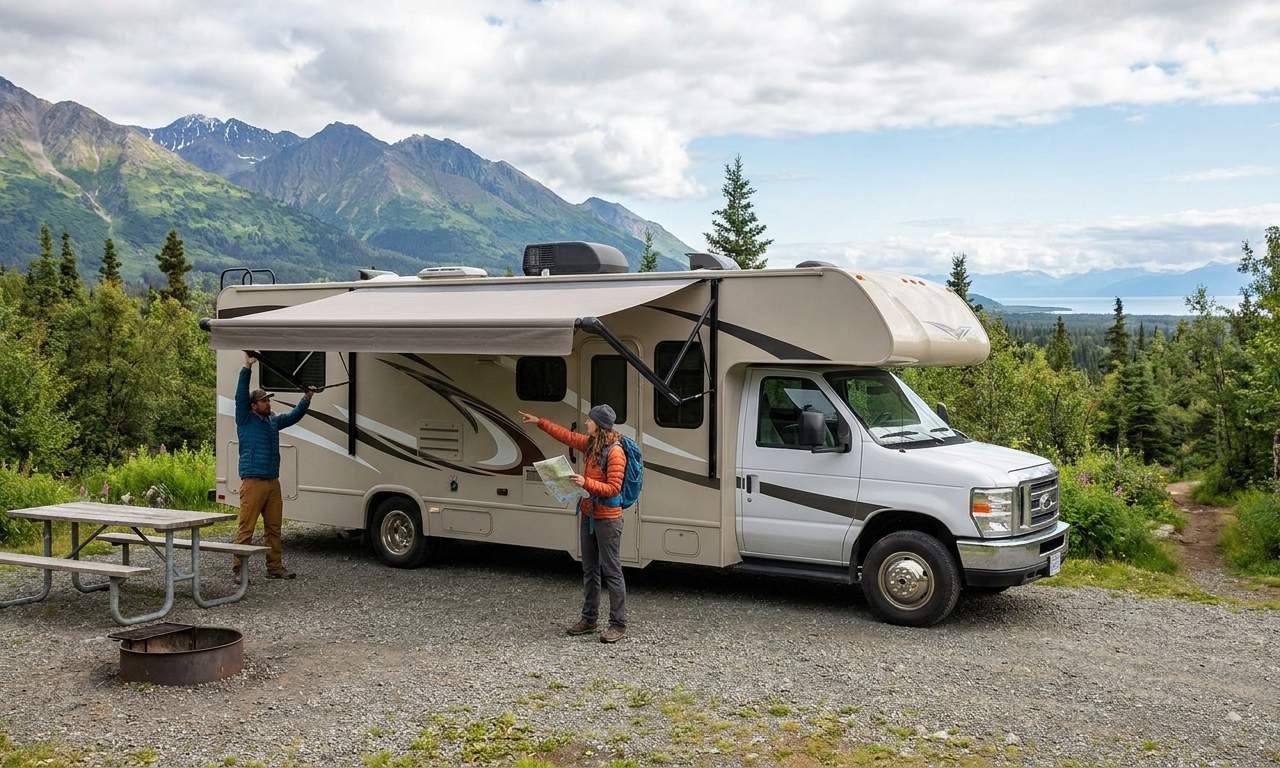
Class A (Integrated) - Best For
Class A integrated motorhomes are best suited for large families or groups seeking maximum comfort, space, and amenities on an Anchorage RV rental trip, offering a luxurious 'home-on-wheels' experience. The Anchorage Class A fleet averages 9.1 meters (approximately 30 feet) in length, typically sleeping 7 people and accommodating 6 adults in models like the "MHADL". These spacious motorhomes provide ample living space, full kitchens, multiple sleeping areas, and often generous storage, ideal for extended stays or unexpected weather days. While offering unparalleled comfort, their large size can make navigating narrower roads, parking in urban centers, and fitting into smaller campgrounds a bit more challenging, and their fuel consumption is generally higher, estimated around 30-40+ liters per 100km.Class C (Alcove) - Best For
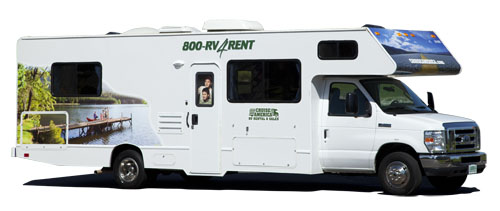
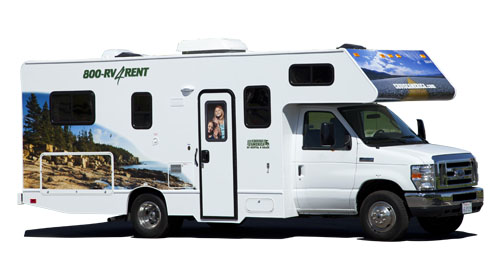
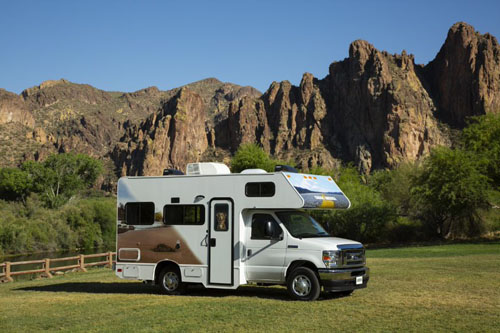
Class C alcove motorhomes are an excellent choice for families seeking a balance of space, comfort, and manageability for their Anchorage RV adventure, often featuring an extra sleeping area over the cab. Anchorage's Class C fleet averages 7.8 meters (approximately 25.6 feet) in length, typically sleeping 5.8 people and accommodating 4.6 adults, making them highly suitable for most families. With common fuel consumption around 24-30 liters per 100km, models like the "Adak Argonaut 21 - Gold" or "24' Class C Motorhome" offer more moderate operating costs than larger Class A RVs while still providing essential amenities. Their size is generally more manageable for Anchorage's local roads and accessing various campgrounds compared to Class A motorhomes, making them a popular choice for exploring "RV Rental Alaska - Complete Guide 2026".Class B (Campervan) - Best For
Class B campervans are best for small families or couples prioritizing maneuverability, fuel economy, and ease of use around Anchorage and beyond. Anchorage's Class B fleet averages 6.1 meters (approximately 20 feet) in length, typically sleeping 4 people and accommodating 4 adults, though often most comfortable for 2-3. These compact RVs drive much like a large van, making them easy to navigate through Anchorage city traffic, park in standard parking spaces, and access smaller, less developed campsites. While offering fewer amenities and less living space than larger classes, their agility makes them ideal for exploring remote areas or taking spontaneous detours on an Alaskan road trip, with models like the "DVC" offering a refrigerator and microwave.Side-by-Side Comparison Table
A side-by-side comparison of RV classes available for family rental in Anchorage helps quickly identify the best fit based on size, sleeping capacity, and intended adventure style. Keep in mind that vehicle features and exact specifications, such as a "MHC24" or "MHC30" motorhome, can vary slightly between our leading suppliers like El Monte, Cruise America, Apollo, and Britz, but this table provides a general overview to assist your choice for Anchorage.| RV Class | Avg Length (m) | Sleeps (Avg) | Fuel Use (Avg) | Best Use Case in Anchorage |
|---|---|---|---|---|
| Class A (Integrated) | 9.1 | 7 | Higher (est. 30-40L/100km) | Luxury, large groups, long stays, maximizing amenities |
| Class C (Alcove) | 7.8 | 5.8 | 24-30L/100km | Balanced family comfort, moderate size, most family trips |
| Class B (Campervan) | 6.1 | 4 | Lower (est. 18-25L/100km) | Maneuverability, small groups/couples, urban exploration, fuel efficiency |
Our Recommendation for family rv rental Travelers in Anchorage
For most family RV rental travelers in Anchorage, a Class C (Alcove) motorhome is the primary recommendation due to its optimal balance of space, comfort, and manageability for Alaskan roads and campgrounds. The Class C comfortably sleeps 4-6 people, offers essential amenities like a kitchen with a gas stove and refrigerator, and is generally easier to drive and park than a Class A, making it versatile for both city explorations and scenic drives. A strong runner-up is the Class B (Campervan), particularly for smaller families or those prioritizing agility and fuel efficiency for a more nimble exploration of Anchorage's attractions and surrounding areas. Its compact size allows for easier navigation of urban environments and access to more secluded campsites, offering a different but equally rewarding family adventure experience. We invite you to check "RV Rental in Anchorage - Prices and Best Deals 2026" to find the perfect RV for your needs.Price Comparison by RV Class in Anchorage
RV rental prices in Anchorage are dynamic, varying by RV class, season, and booking duration, with larger, more amenity-rich models typically costing more. The cost of a family RV rental can fluctuate significantly, much like flight tickets, based on real-time availability and supplier decisions. For example, a 7-day Class C rental during peak season might start around $200-$350 per day, while a Class B campervan could range from $150-$280 daily. Prices also reflect the age of the vehicle; newer models often come with a slightly higher daily rate.🎬 Video coming soon
Example Daily Prices for a 7-Day Anchorage RV Rental (USD)
| RV Class | Low Season (May/Sept) | Mid Season (June) | Peak Season (July/Aug) |
|---|---|---|---|
| Class B Campervan | $150 - $220 | $180 - $250 | $200 - $280 |
| Class C Alcove | $180 - $280 | $220 - $320 | $250 - $350 |
| Class A Integrated | $250 - $400 | $300 - $450 | $350 - $550+ |
Please remember that these prices are estimates and update daily; for the most current rates and specific features like those of the "Glamys 40" or "Kronos 277 - Premium", use the live search box at the top of the page. You can find more comprehensive pricing in our "RV Rental in Anchorage - Prices and Best Deals 2026" guide.
What is the best way to travel Alaska with a family?
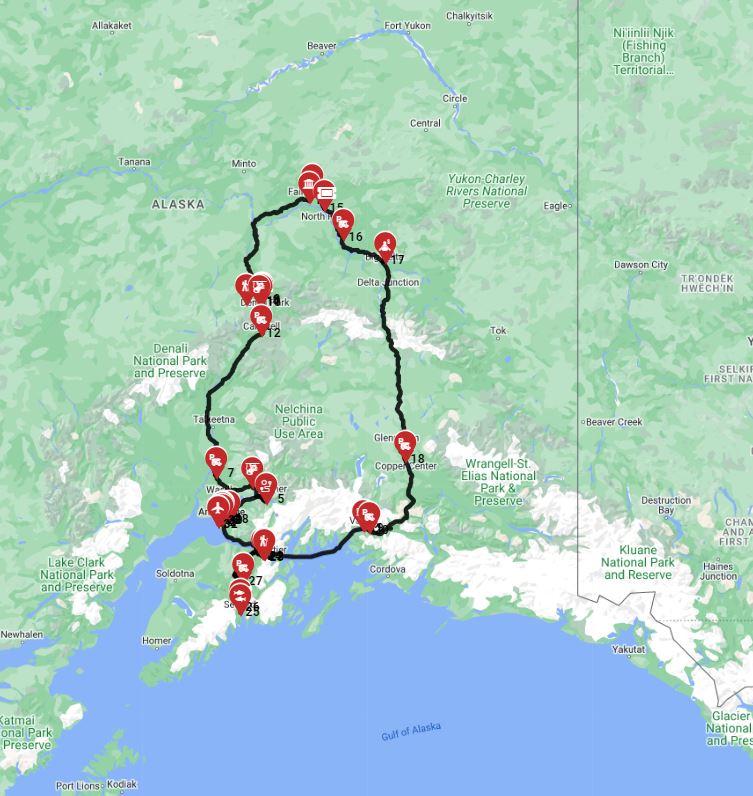
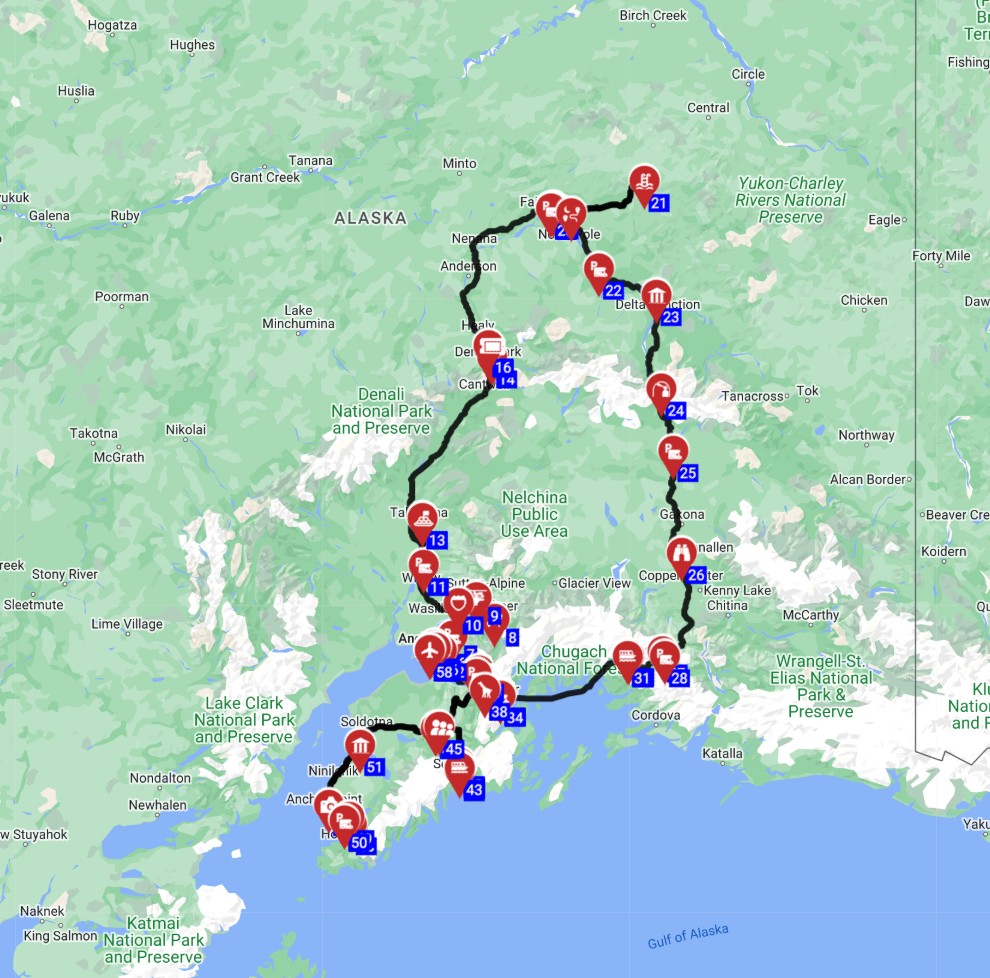
Traveling Alaska with a family is often best achieved by renting an RV, which offers unparalleled flexibility, comfort, and the ability to immerse yourselves in the Last Frontier's stunning landscapes on your own schedule. A rented motorhome from Anchorage allows families to carry all their gear, prepare meals with ease (explore our RV-friendly recipes playlist), and sleep in familiar surroundings while exploring Alaska's diverse regions. When selecting a vehicle, consider the size of your family and desired comfort level; Class C motorhomes are typically a popular choice for their balance of space and drivability, accommodating 4-6 people comfortably. Planning your route to include a mix of established campgrounds and accessible attractions ensures a well-rounded and memorable family adventure, such as the "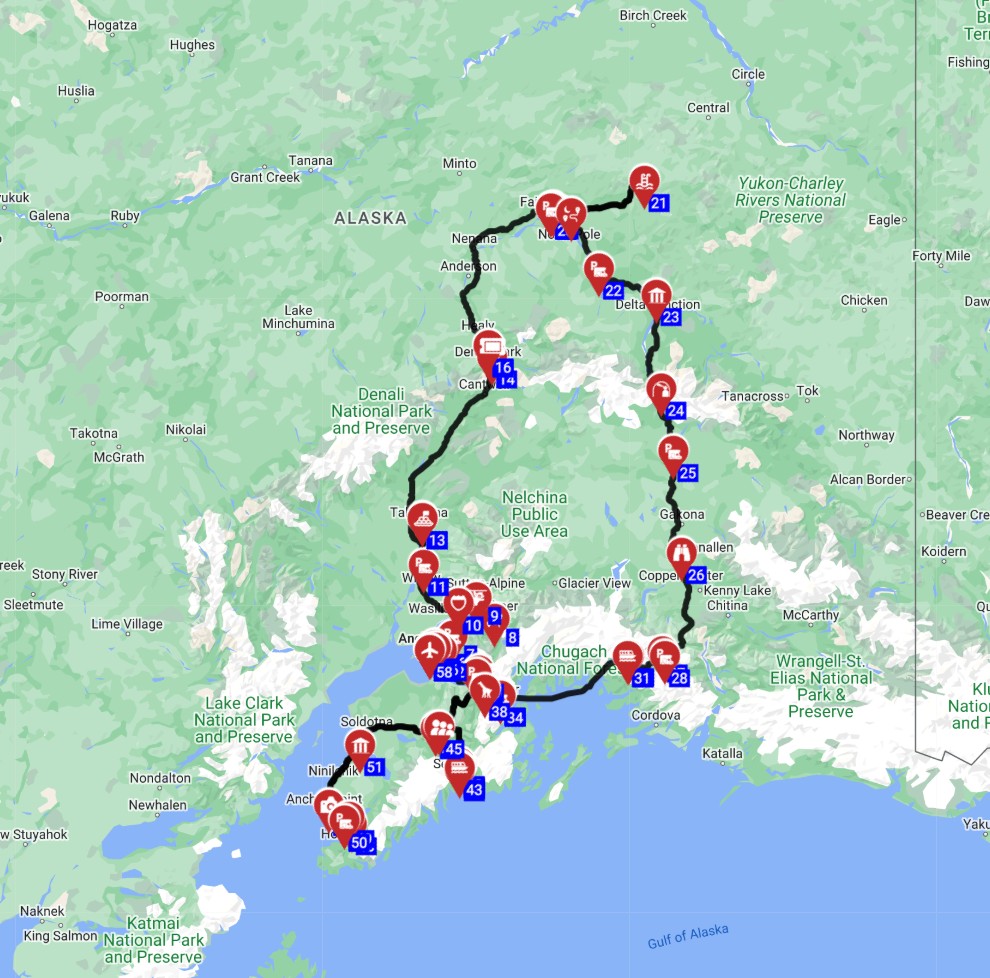
Anchorage Round trip - Grand Alaska Loop
What are the best RV campgrounds in Anchorage?
Anchorage and its immediate vicinity offer several excellent RV campgrounds catering to families, including both state parks and private facilities with varying amenities. For amenities and accessibility to city attractions, Anchorage Ship Creek RV Park provides full hookups and a convenient location near downtown, while Goldenview Park RV Anchorage offers great views and full services south of the city. For a more natural setting, Chugach State Park campgrounds like Eklutna Lake Campground (north of Anchorage, offering 50+ campsites) or Bird Creek Campground (south, with basic facilities) provide scenic beauty, hiking access, and a true Alaskan wilderness feel, though often with fewer hookups. Always book family RV campsites in advance, especially during peak summer months (July-August), as many national/state parks reserve only 25-30% of spots for online booking, with the rest being first-come-first-serve. If you're looking for last-minute availability, "You'll find a spot. If not at the first campground, then the next one. Call ahead before driving." Remember to search for campsites via RV PLANET (rvplan.net) — a great resource for locating available spots along your route.Where can I find an RV dump station in Anchorage?
RV dump stations in Anchorage are readily available at several locations, ensuring travelers can properly dispose of waste before continuing their journey or returning their rental. Common places to find dump stations include most private RV parks, such as Anchorage Ship Creek RV Park at 101 W Ship Creek Ave or Goldenview Park RV Anchorage at 11624 Seward Hwy (often for a fee, even if not staying overnight). Certain gas stations outside the immediate downtown area might also offer facilities; it’s always best to call ahead. Additionally, the Alaska Public Lands Information Center might provide information on public or low-cost options, though their facilities can vary seasonally. It is advisable to confirm availability and operating hours before heading to a specific location, especially during shoulder seasons (May, September), to avoid inconvenience. You can also explore options within a 100-km radius of Anchorage to find additional facilities.What are the best day trips from Anchorage by RV?
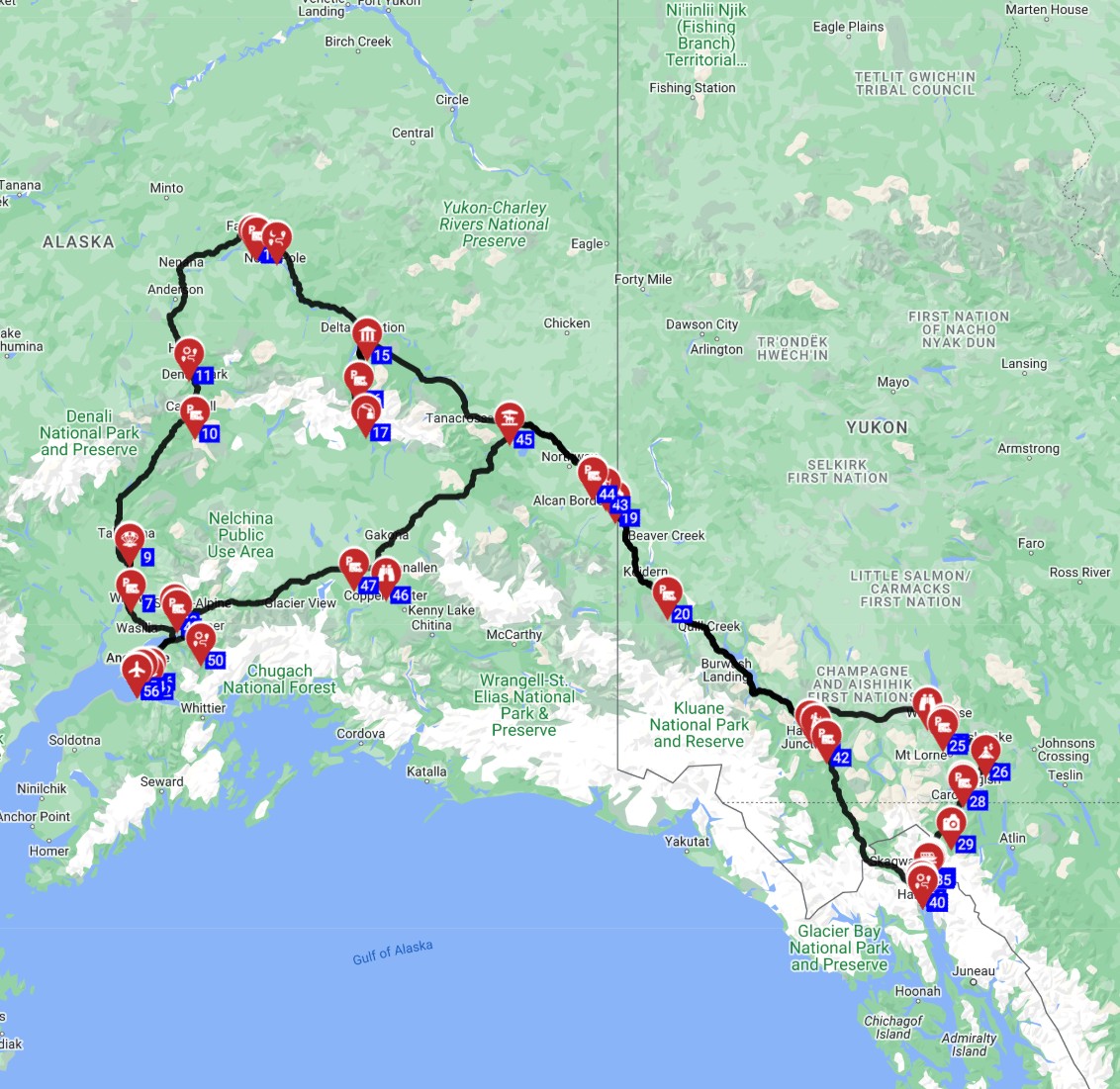
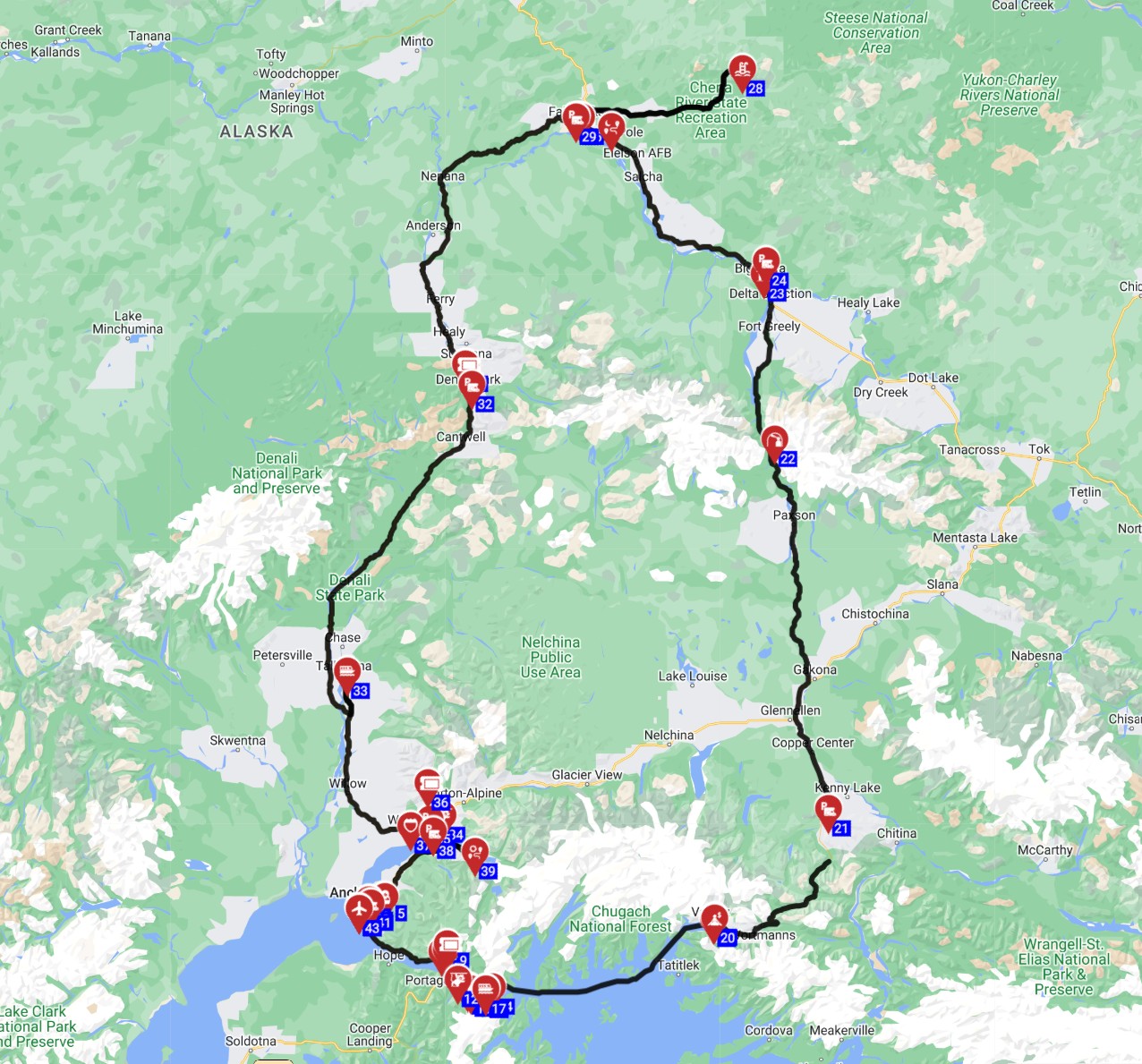
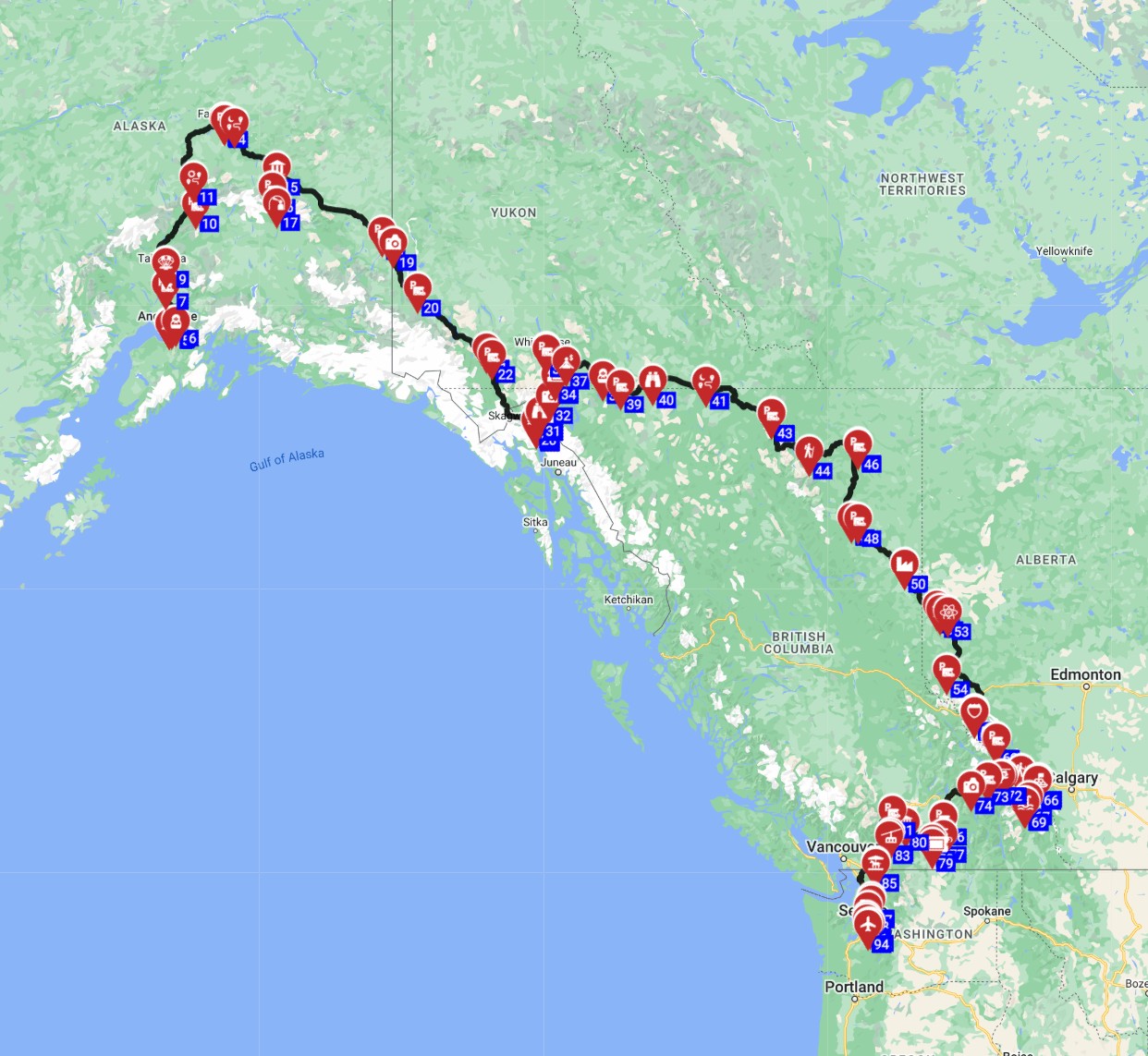
Anchorage serves as an ideal base for numerous scenic RV day trips that showcase Southcentral Alaska's diverse landscapes, perfect for families seeking adventure beyond the city. The Seward Highway to Seward, approximately a 2.5-3 hour one-way drive from Anchorage, is an iconic National Scenic Byway offering stunning fjord views and wildlife spotting, leading to Kenai Fjords National Park for glacier cruises. Another excellent option is the Glenn Highway to Hatcher Pass, about 1.5-2 hours one-way, providing a picturesque drive into the Talkeetna Mountains for alpine hiking and historic gold mines, suitable for all motorhome classes on paved sections. For a unique experience, drive through Portage Valley to Whittier (approx. 1.5 hours one-way), navigating the Whittier Tunnel (check RV schedule and fees) to this charming port town. For planning such route plans, consider the "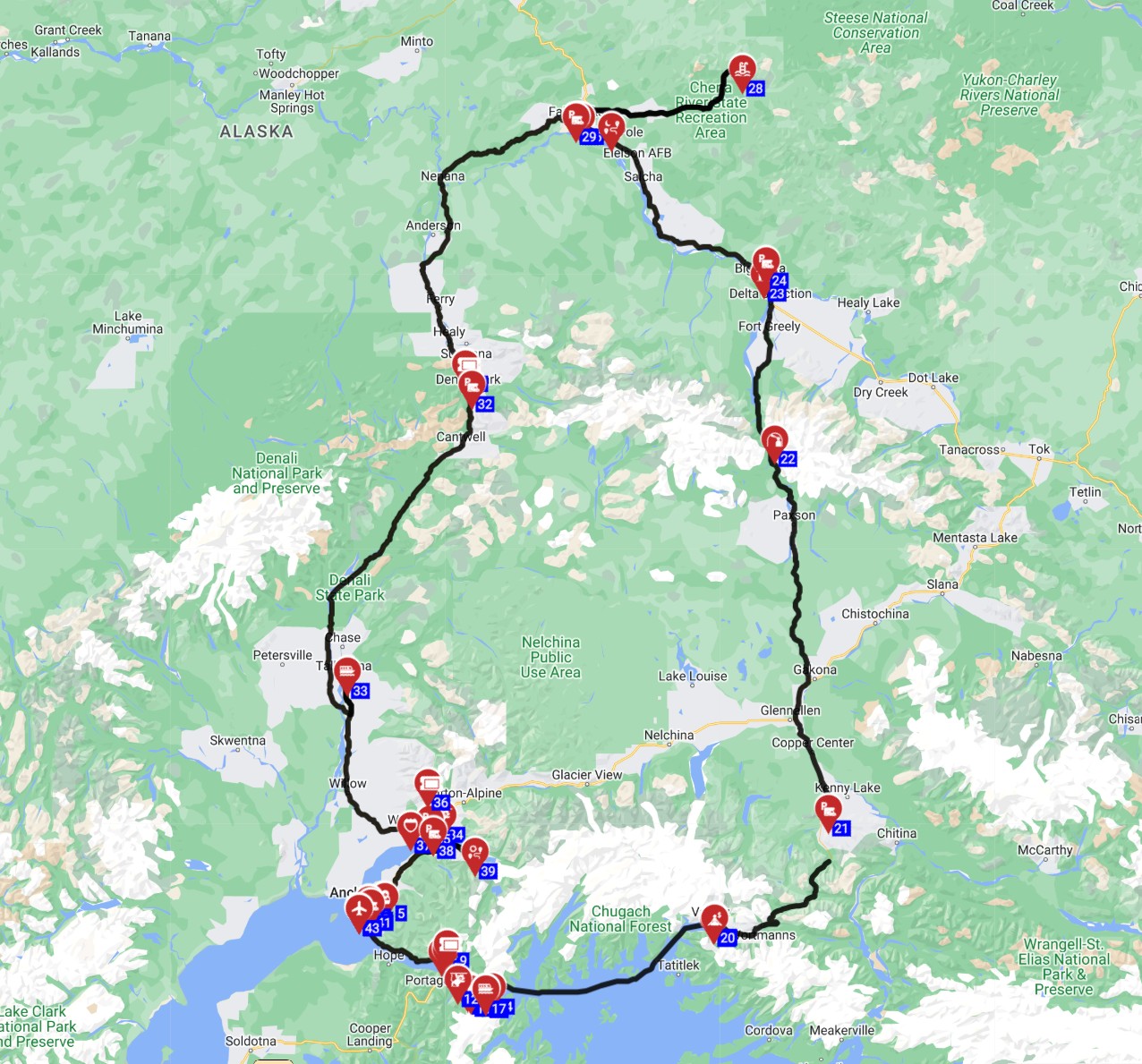
Anchorage Roundtrip Heading North - The Great Alaskan Wilderness Road Trip
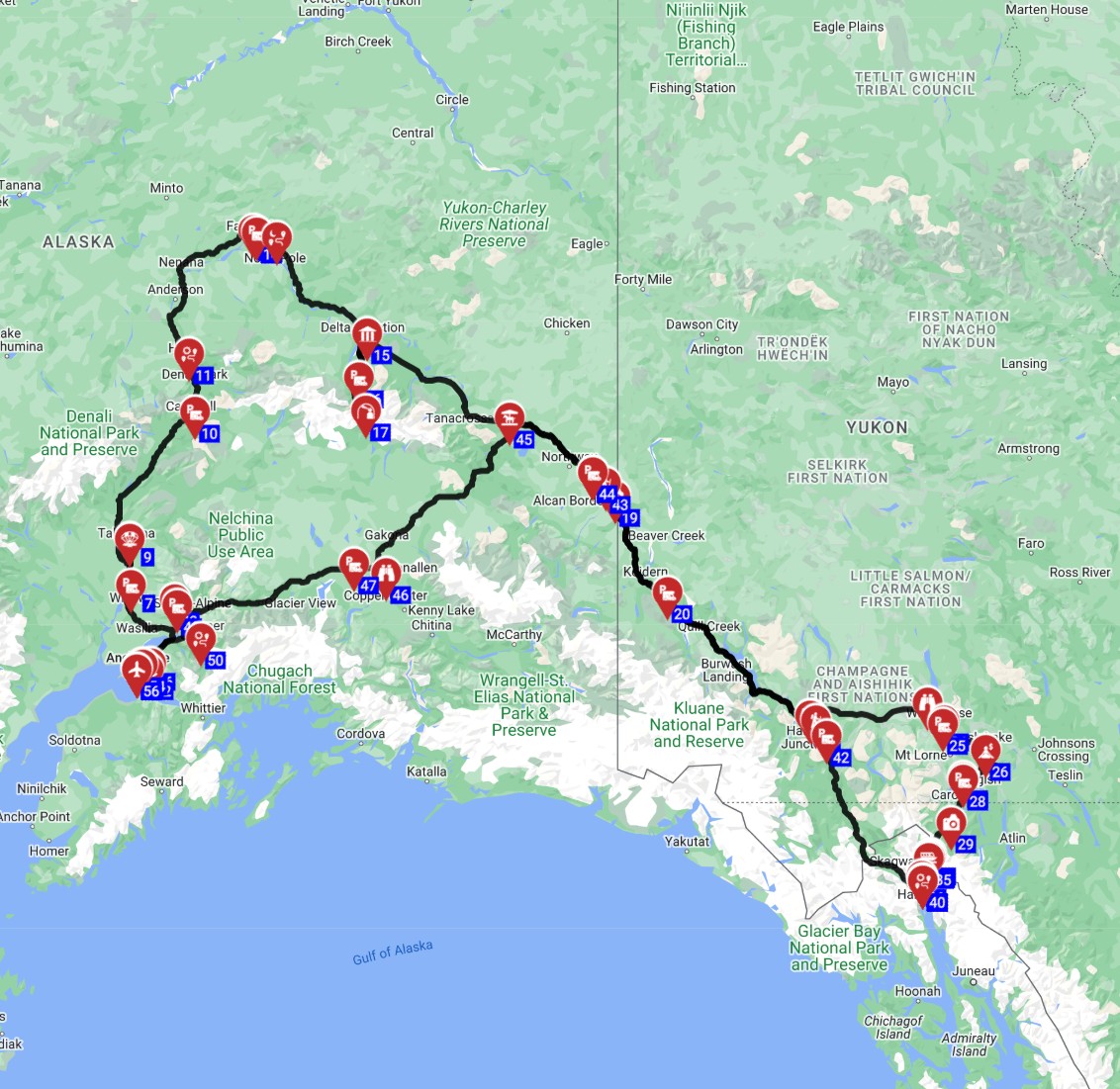
Anchorage Round Trip - Alaska-Yukon Discovery Trail
What are the best things to do in Anchorage with an RV?
Anchorage offers numerous RV-friendly attractions and activities for families, allowing visitors to experience urban Alaskan culture and natural beauty without leaving their rented motorhome far behind. The Anchorage Museum is a great starting point to explore Alaska's history, art, and science, with convenient parking often available for larger vehicles in nearby lots. For outdoor enthusiasts, the Tony Knowles Coastal Trail offers stunning views and easy access for biking or walking, with multiple parking options for RVs near parks like Earthquake Park. A short drive south of Anchorage leads to the Alaska Wildlife Conservation Center (AWCC), where you can view Alaskan wildlife in large enclosures, complete with ample RV parking. During salmon runs, typically from June to August, families can watch anglers and salmon at Ship Creek, often with designated RV parking areas nearby. Drive slowly and carefully, and you can drive almost anywhere without issues. No need to stress - just use common sense and pay attention when navigating with your rented motorhome in the city.What is the total cost for an RV family trip in Anchorage?
The total cost for an RV family trip in Anchorage extends beyond the rental fee, encompassing fuel, campground fees, activity costs, and provisions, requiring comprehensive budgeting for your family rv rental. Fuel is a significant factor, as Alaska's prices are generally higher than the national average; budget substantially for this, especially with larger RVs like a Class C at 24-30L/100km or Class A at 30-40L/100km. Campground fees in or near Anchorage typically range from $25-$70 per night, depending on amenities and location. Factor in activity and tour costs for excursions like wildlife cruises or museum admissions, which can range from $50 to several hundred dollars per person. Stocking your RV with groceries from local stores like Fred Meyer or Carrs/Safeway can significantly reduce dining-out expenses, providing cost-effective family meals. Additionally, account for potential hidden expenses such as Whittier tunnel tolls, specific parking fees for attractions, propane refills, and any unexpected RV repair services. For easy budgeting and tracking every expense along the way, consider using RV PLANET routes.Is it safe to RV in Alaska?
RV travel in Alaska is generally safe, offering an incredible family experience, but it requires awareness of unique environmental conditions, wildlife encounters, and road characteristics. Be prepared for moose encounters, even in urban areas of Anchorage (they often roam campgrounds and greenbelts); never approach or feed wildlife. Store food securely to deter bears, especially in national forests or less developed campgrounds, and consider carrying bear spray for hiking. Alaska's roads can vary; major highways like the Glenn and Seward are well-maintained, but be mindful of gravel sections, frost heaves, and seasonal construction. Always drive defensively and adhere to speed limits, especially when driving a larger rented motorhome. For remote areas, cell service can be spotty, so carrying a well-stocked first-aid kit, extra water, and a satellite communication device is a smart emergency preparedness measure.What is the best month to RV in Alaska?
The best month to RV in Alaska for families typically depends on desired activities and tolerance for crowds, with July and August offering the warmest weather and peak access, while June provides longer daylight hours. June offers nearly 24 hours of daylight in much of Alaska, blooming wildflowers, and salmon runs beginning. Crowds are building but generally less intense than July, with pleasant temperatures usually ranging from 10°C to 20°C (50°F-70°F). July is the peak season for weather, wildlife viewing, and access to all attractions, but expect the highest prices and largest crowds at popular campgrounds and sights. August is still warm and excellent for travel, with fall colors starting to appear towards the end of the month, and fewer crowds than July, and wildlife viewing remains strong, especially for bears fishing. Shoulder seasons like early May and September offer fewer crowds, lower prices, and unique beauty, but services might be limited, and weather can be unpredictable with colder temperatures or early snow, requiring more flexible planning for your "RV Travel Guide to Anchorage - Tips and Top Spots 2026" adventure.What You Shouldn't Miss
- **Take a Glacier Cruise from Seward:** Witness the breathtaking tidewater glaciers of Kenai Fjords National Park, spotting whales, sea otters, and puffins. It's a truly unforgettable day trip by RV from Anchorage.
- **Explore Chugach State Park:** Just minutes from downtown Anchorage, this vast wilderness offers countless hiking trails, fishing spots, and scenic views, making it perfect for an afternoon or day-long escape.
- **Visit the Alaska Wildlife Conservation Center:** Located an hour south of Anchorage, this drive-through facility is home to orphaned or injured Alaskan wildlife, including bears, moose, and bison, offering close-up viewing opportunities.
- **Stroll or Bike the Tony Knowles Coastal Trail:** This 11-mile paved trail offers stunning views of Cook Inlet, the Anchorage skyline, and the Chugach Mountains, with easy access and RV-friendly parking at various points.
- **Witness Salmon Fishing at Ship Creek:** During the summer months, head to Ship Creek in downtown Anchorage to watch urban anglers try their luck catching king and silver salmon. It's a unique city spectacle!
- Looking for expert insights from Avi Bandana? Top 5 Adventures - recommendations from Avi Bandana.