In This Guide
- Top 5 Tips for last minute rv rental RV Rental in Toronto
- Before You Book - Class, Dates, Insurance
- Pre-Trip Prep - Packing Checklist for Toronto
- On the Road - Driving, Fueling, Navigation
- At the Campground - Setup, Hookups & Etiquette
- last minute rv rental-Specific Tips for Toronto
- Common Mistakes to Avoid in Toronto
- What is the cheapest time to rent an RV?
- How much is it to rent an RV in Toronto?
- What do I need to know before renting an RV?
- What do you need to rent an RV in Canada?
- What is the 3-3-3 rule for RV travel?
- What is the 444 rule for RVs?
- What is the 2 2 2 rule for RV travel?
Embarking on an RV adventure in Toronto, especially with a last minute rv rental, offers incredible freedom to explore Canada's largest city and its stunning surroundings. This guide provides essential tips for a smooth fly and drive experience, from picking up your rented motorhome at Toronto Pearson International Airport (YYZ) to navigating city streets and finding the perfect campsite. For live availability and current prices, start with our RV Rental Toronto - Complete Guide 2026 guide.
Top 5 Tips for last minute rv rental RV Rental in Toronto
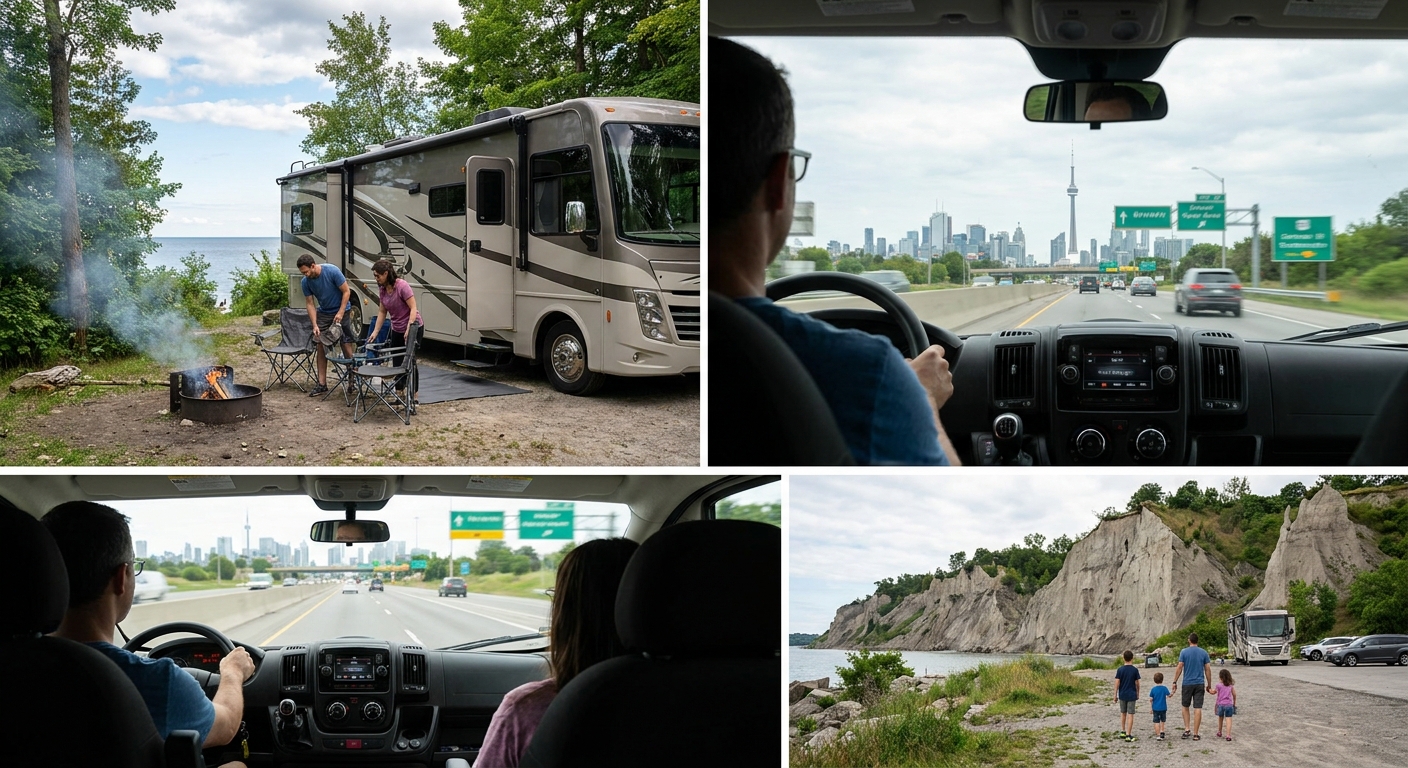
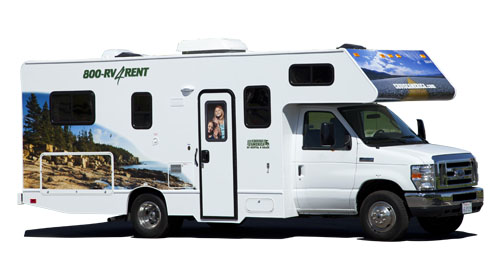
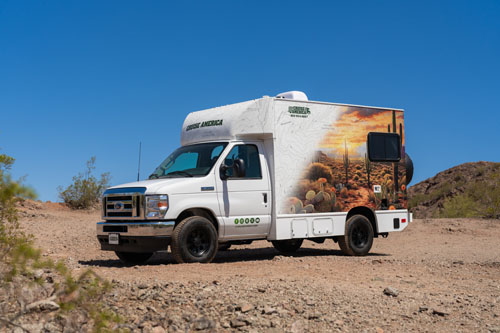
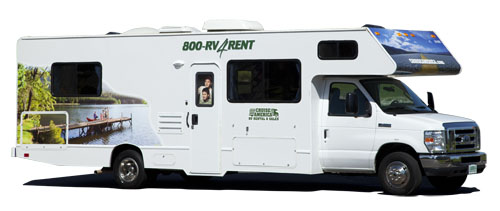
Securing a last-minute RV rental in Toronto requires flexibility and quick decision-making to find the best options, ensuring you get on the road efficiently. Being open to different RV classes, such as a compact Class B campervan like the "rv rental denver example Category Van" for easier city navigation or a versatile Class C motorhome like the "cruise america rv rental example Explorer" (7.1m length, 4 sleeping places) for a family trip, can significantly increase your chances of finding availability. It is also wise to check multiple rental providers, including Bandana's network of over 50 leading RV suppliers worldwide, for potential last-minute deals that might unexpectedly appear. Prioritizing an understanding of Toronto's traffic patterns and potential parking challenges is crucial for a stress-free urban RV experience; for example, avoiding Highway 401 during weekday rush hours (7-9 AM and 4-6 PM) can save significant time. Furthermore, estimate total costs beyond just the rental fee, including fuel, campground fees, and tolls, so there are no surprises, and for easy budgeting, remember that RV PLANET routes allow you to itemize and track every expense. Finally, have a basic itinerary but be prepared to adapt it based on actual RV availability and real-time road conditions, embracing the spontaneous spirit of RV travel. On the routes offered through RV PLANET routes, you can itemize and track every expense along the way for easy budgeting.
Looking for the easiest, safest, and most affordable way to rent an RV? We compare final prices across 50+ suppliers so you don't have to, ensuring full price transparency with no hidden fees, no surprises at pickup.
Before You Book - Class, Dates, Insurance
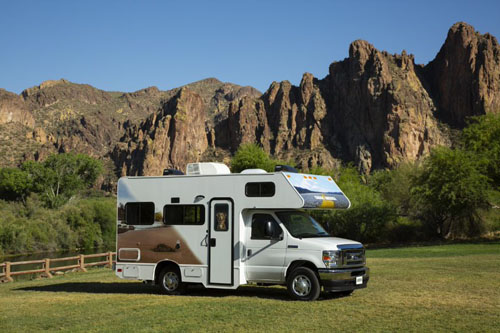
Before finalizing a last-minute RV rental in Toronto, carefully consider the RV class, your travel dates, and crucial insurance coverage. Class B campervans, often around 6 meters in length, are ideal for navigating Toronto's city streets and accessing smaller campsites like those found within Rouge National Urban Park. Class C motorhomes, typically 7-9 meters, offer a balanced blend of space and drivability suitable for families with 4-6 people, providing amenities like a shower and toilet as seen in the "rv rentals example Comfort Class" model. Larger Class A RVs provide luxury and ample space but can be more challenging to maneuver and park in urban environments. For last-minute bookings, being flexible with your departure and return dates, or opting for a weekday rental, often increases your chances of finding an available vehicle and potentially securing a better rate. Regarding insurance, basic coverage is always included with your rental, protecting against major incidents. However, for complete peace of mind, many renters opt for comprehensive coverage packages, like upgrading to a top-level deductible for extra peace of mind, which covers a wider range of potential damages and liabilities. To see prices including the most comprehensive coverage, simply select that option during your search on Bandana's platform, and all relevant insurance options will be clearly shown.
Our goal is to be true RV specialists, not just a travel agency side department, which means we genuinely know RV travel and love helping people discover it. For more detailed insights on budgeting, check out our guide on Cheap RV Rental in Toronto - Budget Guide 2026.
Pre-Trip Prep - Packing Checklist for Toronto
A well-prepared packing list is essential for any week-long or extended RV trip, especially when visiting Toronto, where activities range from city exploration to nature trails. Tailor your clothing to Toronto's seasonal weather changes, remembering that summers can be warm and humid (avg. 26°C in July), while winters are cold and snowy (avg. -4°C in January), so versatile layers are key. Beyond personal items, ensure your RV kitchen is stocked for easy meal preparation, allowing you to enjoy breakfast with a view or dinner under the stars; for culinary inspiration, check out our RV-friendly recipes playlist. Always include essential safety gear like a first-aid kit, jumper cables, and a tire pressure gauge, along with all necessary travel documents (driver's license, rental agreement, insurance details) readily accessible. A Toronto-specific consideration might be bringing a reusable water bottle, sturdy walking shoes for urban exploration, and perhaps a small daypack for excursions once your rented RV is parked. It is vital to prepare for both the urban hustle and the serene natural escapes around the Greater Toronto Area.
🎬 Video coming soon
On the Road - Driving, Fueling, Navigation
Driving a rented RV in and around Toronto presents unique considerations, particularly concerning urban navigation, strategic fuel stops, and understanding toll roads. Toronto traffic can be challenging, especially during weekday rush hours (7-9 AM and 4-6 PM), so planning your drives to avoid these peak times is highly recommended. Drive slowly and carefully, and you can drive almost anywhere without issues. No need to stress - just use common sense and pay attention. Always be aware of your RV's height and plan routes to avoid low bridges, which are occasionally found in older parts of the city, especially when using lesser-known roads. Fueling a larger vehicle requires finding stations with easy access and ample space, which may be located slightly outside the immediate downtown core along major highways like the 400 series or around suburban shopping centers. When using GPS, opt for apps or devices that allow you to input your RV’s dimensions to prevent being directed onto unsuitable roads or underpasses. Be particularly aware of Highway 407 ETR, an electronic toll road in Southern Ontario that does not accept cash; tolls are billed to the vehicle owner, which will then be passed on to you by the rental company. These ancillary costs, including fuel and tolls, can be easily tracked and itemized through RV PLANET routes for comprehensive trip budgeting. For more local tips, consult our RV Travel Guide to Toronto - Tips and Top Spots 2026.
At the Campground - Setup, Hookups & Etiquette
Arriving at a campground, especially after a last-minute booking in the Toronto area, requires a structured approach to setup for both comfort and adherence to park rules. The first step is to level your rented motorhome using blocks or jacks to ensure appliances like the refrigerator function correctly and for a more comfortable interior. Next, connect your electrical shore power (many campgrounds offer 30-amp or 50-amp connections), then your fresh water line, and finally your sewer hose if a full hookup site is available; always secure connections properly to prevent leaks. Respecting campground quiet hours, typically from 10 PM to 7 AM, is crucial for maintaining a peaceful environment for all campers. Familiarize yourself with the specific rules of your chosen Toronto-area campground regarding waste disposal, pet policies, and fire restrictions upon check-in. For finding campsites and campgrounds during your trip, we recommend using RV PLANET (rvplan.net) - a great resource for locating available spots along your route. Many national and provincial parks reserve only 25-30% of their spots, leaving the rest for first-come-first-serve arrivals, so don't be afraid to travel spontaneously; you'll find a spot, and if not at the first campground, then the next one (just remember to call ahead before driving).
last minute rv rental-Specific Tips for Toronto
For those embarking on a spontaneous last minute rv rental adventure to Toronto, strategic planning and flexibility can make all the difference. Maintaining flexibility with your RV class choice, such as being open to a Class B campervan (ideal for 1-2 people, approx. 6m length) if a larger Class C motorhome (ideal for families, 7-9m length) isn't available, significantly increases your chances of finding a vehicle from our partner suppliers like El Monte, Cruise America, Apollo, and Britz. Exploring rental options beyond major chains, including local businesses or peer-to-peer platforms, can sometimes uncover hidden gems or newly available RVs. When planning your stay, consider campgrounds located just outside Toronto's immediate downtown area, such as Indian Line Campground near Pearson Airport or Glen Rouge Campground in Scarborough; these often have more last-minute availability and may offer better value, while still providing convenient access to the city via public transit. Utilizing Toronto's extensive public transit system (TTC) or regional GO Transit from your campground is an effective strategy for exploring city attractions like the CN Tower, Ripley's Aquarium, or Kensington Market without the hassle of driving and parking an RV in busy urban areas. Remember, Bandana was founded in 2001 and has over 20 years of experience helping tens of thousands of travelers.
Common Mistakes to Avoid in Toronto
To ensure a smooth RV trip in Toronto, avoiding common pitfalls can significantly enhance your experience. A frequent mistake is underestimating the city's traffic; instead, plan your driving during off-peak hours (e.g., mid-morning or early afternoon) or utilize public transit whenever possible from your campground. Another pitfall is neglecting to book campgrounds in advance, especially during peak summer months or major festival seasons in Toronto; even for last-minute rentals, try to secure a spot immediately after confirming your RV. Furthermore, attempting to find street parking for an oversized vehicle like a Class C motorhome in downtown Toronto without prior research can lead to frustration or fines; instead, identify designated oversized parking lots or choose campgrounds with easy transit access to Union Station. Don't forget to budget for all ancillary costs, including fuel, potential 407 ETR tolls, city transit fares, and attraction costs, rather than just the rental fee. Lastly, avoid relying solely on downtown RV parking; instead, explore transit options from outer campgrounds like those near Pickering or Milton, allowing you to seamlessly connect to Toronto's vibrant core. Compare final prices across suppliers - what you see is what you pay, with no surprise fees at pickup.
What is the cheapest time to rent an RV?
The cheapest time to rent an RV in Toronto typically falls during the shoulder seasons, specifically late spring (April-May) and early fall (September-October), as demand is lower than in peak summer months. During these periods, rental companies often offer reduced rates to fill inventory before or after the high travel season. For instance, you might find daily rates for a compact campervan like the "rv rental denver example Category Van" starting closer to CAD $150-180 during these times. Winter (November-March) can also present very low rental costs, although weather conditions can limit travel destinations and necessitate specialized RVs with winterization features. Booking on weekdays rather than weekends or holidays can further reduce prices by an average of 10-15%. Occasionally, last-minute cancellations might create opportunities for discounted rentals, especially if a supplier needs to fill an empty slot rapidly, so checking Bandana's platform frequently can sometimes yield unexpected deals.
How much is it to rent an RV in Toronto?
The cost to rent an RV in Toronto varies significantly based on factors such as the RV class, the season, and the rental duration. As of 2026, daily rental rates for smaller Class B campervans can typically range from CAD $150 to $250, while Class C motorhomes might be between CAD $250 and $400 per day. Larger, luxury Class A RVs, such as those that might offer slide-outs and more amenities, can cost CAD $400 to $500 or more daily. These prices usually increase during peak summer months (June-August) and long weekends due to higher demand. Beyond the base rental fee, travelers should budget for additional expenses including mandatory insurance (though you can upgrade to a top-level deductible for extra peace of mind), mileage charges (if not unlimited, typically CAD $0.35-$0.50 per km), a vehicle preparation fee (often CAD $75-150), fuel costs (averaging 15-25 L/100km depending on RV size), and nightly campground fees, which can range from CAD $40 to $100+ per night depending on amenities and location. Opting for longer rental periods, such as a two-week adventure or a month-long trip, often provides a lower average daily rate.
Discover top destinations, planning tips, all in one place! Find last minute rv rental deals in Toronto.
What do I need to know before renting an RV?
Before renting an RV in Toronto, it is crucial to understand several key aspects to ensure a smooth and enjoyable trip. First, research the various RV classes (Class A, B, C motorhomes, and campervans) to select one that matches your group size, comfort needs, and driving experience; for example, a Class B campervan is excellent for a couple, while a Class C motorhome can comfortably fit a family of 2+2. Second, develop a comprehensive budget that extends beyond the base rental fee, accounting for insurance (remembering basic is included, but upgrades are available), mileage charges, estimated fuel costs, and nightly campground expenses, as well as potential tolls like the 407 ETR. Third, take time to learn basic RV operations during your pickup orientation, including how to connect to electrical and water hookups, properly empty waste tanks (e.g., at the dump station near the Toronto Pearson Airport area), and operate onboard appliances such as the stove and refrigerator. Fourth, confirm that your current driver's license is valid for the chosen RV size in Canada; a standard car license (e.g., Ontario G-class) typically suffices for all rental motorhomes, with an International Driving Permit recommended for non-English speakers but not mandatory. Finally, plan your route and book campgrounds well in advance, especially if traveling during peak season, to avoid last-minute availability issues; however, remember that many national/state parks reserve 25-30% of spots for first-come-first-serve travelers. Bandana has been helping tens of thousands of travelers explore the world by RV since 2001, offering true RV specialists to guide you.
What do you need to rent an RV in Canada?
To rent an RV in Toronto and across Canada, the primary requirements include holding a valid driver's license, meeting the minimum age requirement set by the rental company (which is typically 21 years old), and possessing a major credit card. A standard driver's license from your home country or province is usually sufficient for most Class B and C motorhomes, provided it is current and in English or French; for international visitors, an International Driving Permit (IDP) translated into English or French may be recommended alongside your original license, but it is not mandatory in most cases. A major credit card is essential for both the rental payment and the security deposit, which can range from several hundred to a few thousand Canadian dollars. Additionally, proof of adequate insurance coverage is mandatory; this can either be purchased through the rental company or sometimes covered by your existing auto insurance or credit card travel benefits, which you would need to verify directly with your provider prior to your trip. We specialize in providing transparency, so you'll always know the full price upfront, including any required insurance.
What is the 3-3-3 rule for RV travel?
The 3-3-3 rule for RV travel is a widely recognized guideline designed to encourage a more relaxed and enjoyable pace on the road. This rule suggests three key principles: first, driving no more than 300 miles (approximately 480 kilometers) in a single day to prevent driver fatigue and allow for spontaneous stops and scenic detours around Toronto. Second, it recommends arriving at your destination or campground by 3 PM, which provides ample daylight for setting up your rented RV, familiarizing yourself with the amenities, and relaxing before dusk. Third, the rule advises staying at each campsite for at least 3 nights, allowing travelers sufficient time to explore the local area, connect to the culture, the food, and the scenery, without constantly packing up and moving. This approach is particularly effective for experiencing areas like the Niagara region or the Kawarthas near Toronto, where slow travel truly enhances the adventure.
What is the 444 rule for RVs?
The 444 rule for RVs is a variation of common RV travel guidelines, emphasizing an even more leisurely pace than the 3-3-3 rule, perfect for those who truly want to immerse themselves in the Toronto area. This guideline suggests three components: limiting your daily driving to no more than 4 hours, ensuring you arrive at your campsite by 4 PM, and committing to staying at least 4 nights at each location. The primary goal of the 444 rule is to maximize relaxation, minimize travel stress, and provide ample time for thoroughly exploring each destination, fostering a deeper connection with the places visited rather than rushing between them. Adopting this rule means you might travel an average of 100-150 km per day, allowing you to explore Toronto's diverse neighborhoods like The Distillery District or charming towns like Niagara-on-the-Lake at a comfortable pace.
What is the 2 2 2 rule for RV travel?
The 2 2 2 rule for RV travel is another common guideline designed for an extremely relaxed and unhurried travel experience, perfect for a peaceful getaway from Toronto. This rule advises three key practices: driving no more than 200 miles (approximately 320 kilometers) in a single day, ensuring you arrive at your designated campsite by 2 PM, and planning to stay at each location for a minimum of 2 nights. This approach is particularly favored by RVers who prioritize experiencing each stop in depth, enjoying campground amenities, and avoiding the rush often associated with covering long distances, promoting a truly slow travel mindset. While this rule offers maximum relaxation, it may be more challenging to follow for last minute rv rental trips, especially if you have a wide area around Toronto you wish to cover within a limited timeframe.
What You Shouldn't Miss
- Explore the Greenbelt: Take your rented motorhome to one of the many conservation areas surrounding Toronto, like Rattlesnake Point Conservation Area or Albion Hills Conservation Area, for hiking and nature immersion.
- Niagara Falls Excursion: Drive your RV approximately 130 km (about 1.5-2 hours) south from Toronto to witness the breathtaking Niagara Falls. There are several RV-friendly campgrounds nearby to spend a night or two.
- Ferry to Toronto Islands: Park your RV at an outlying campground (like Indian Line Campground or a private RV park near a GO Transit station) and take public transport and then a ferry from Jack Layton Ferry Terminal to the Toronto Islands for stunning skyline views and car-free exploration.
- Kensington Market: Immerse yourself in Toronto's eclectic and bohemian Kensington Market. Park your RV at a designated spot outside the immediate downtown core and use public transit to reach this vibrant neighborhood filled with unique shops, street art, and diverse eateries.
- Canada's Wonderland: For families, this massive amusement park just north of Toronto offers dedicated RV parking, making it a perfect day trip accessible by your motorhome.
- St. Lawrence Market: A historic public market near downtown Toronto, offering fresh produce, artisanal foods, and local delights. It's an excellent spot for stocking your RV kitchen.
Looking for expert insights from Avi Bandana? Top 5 Adventures - recommendations from Avi Bandana
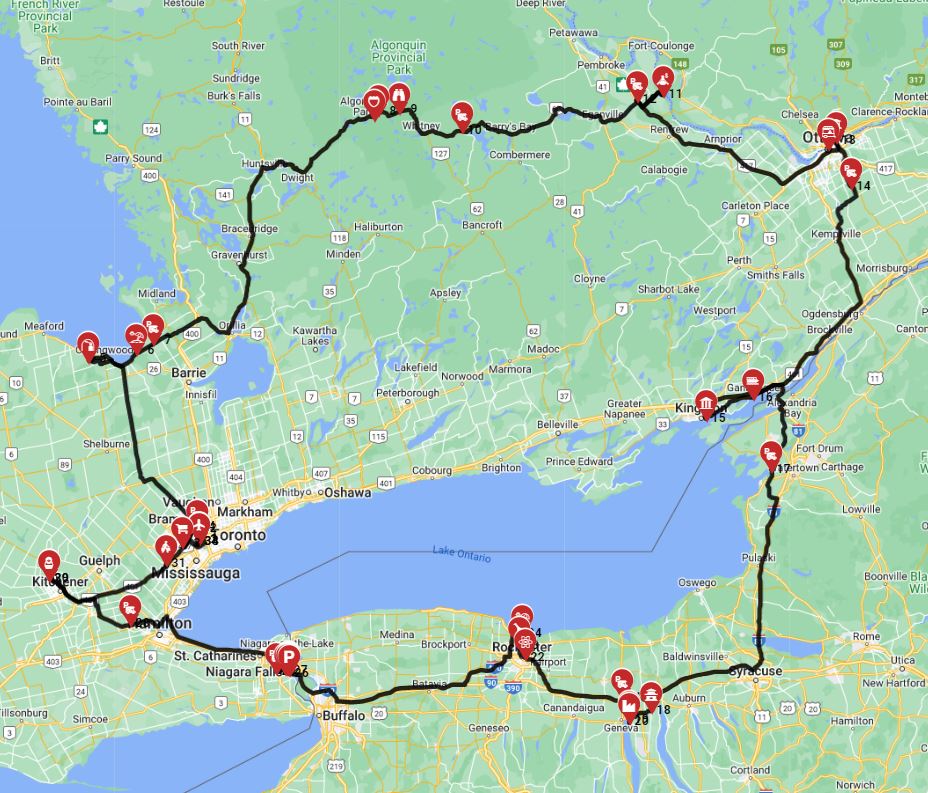
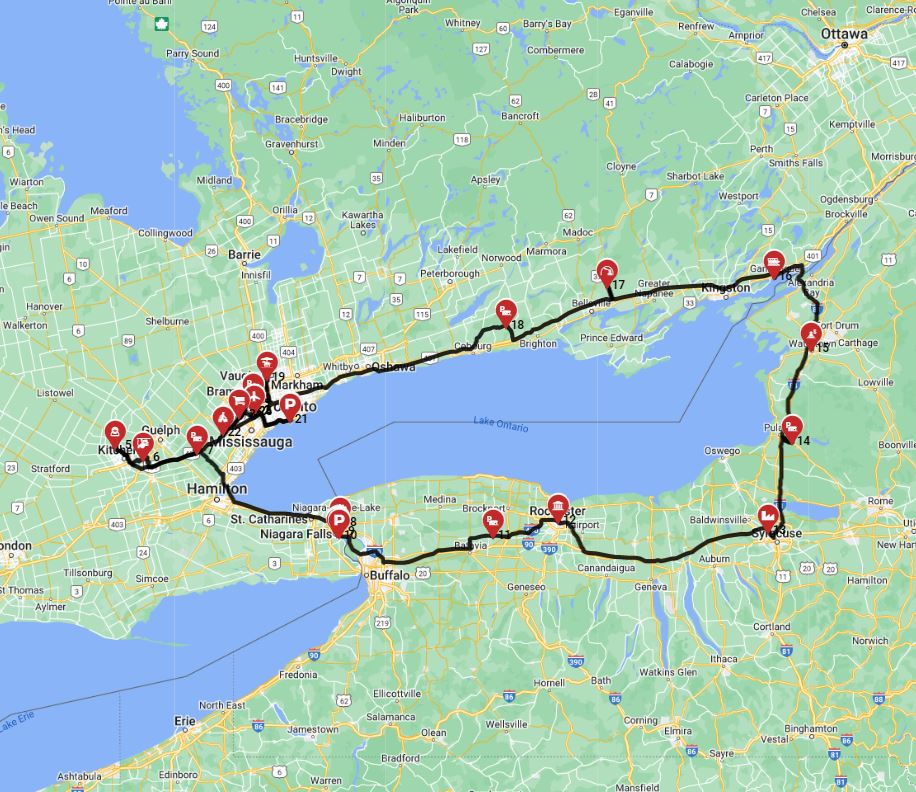
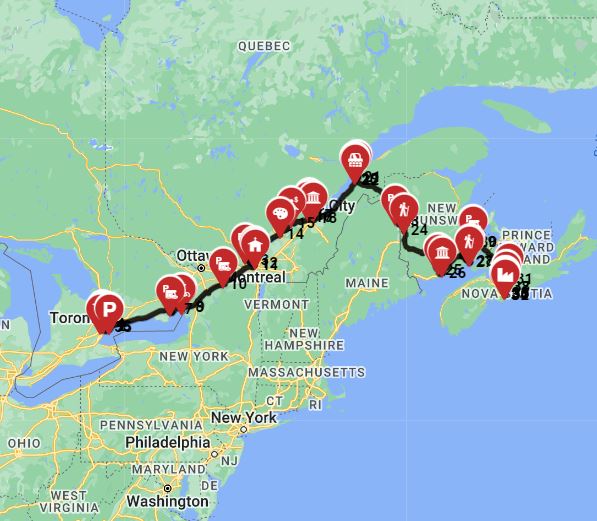
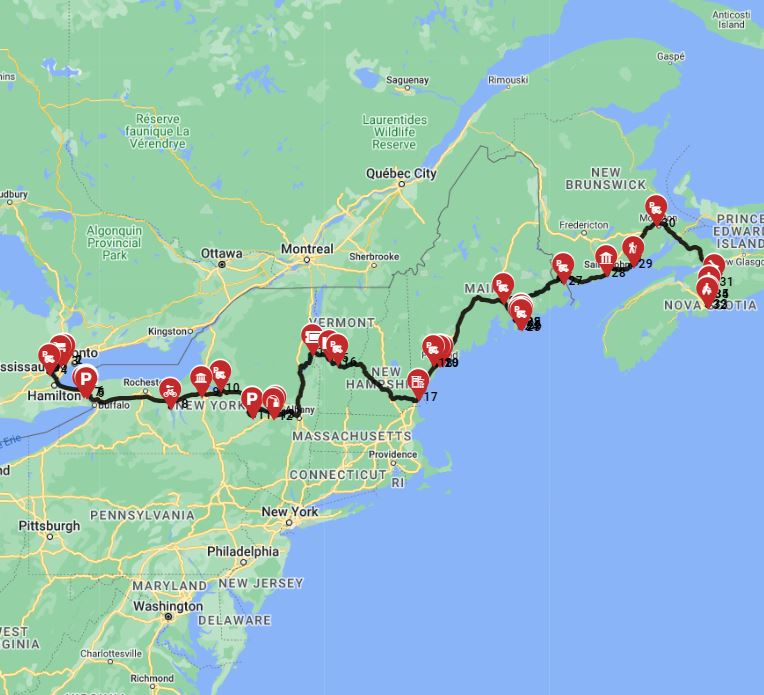
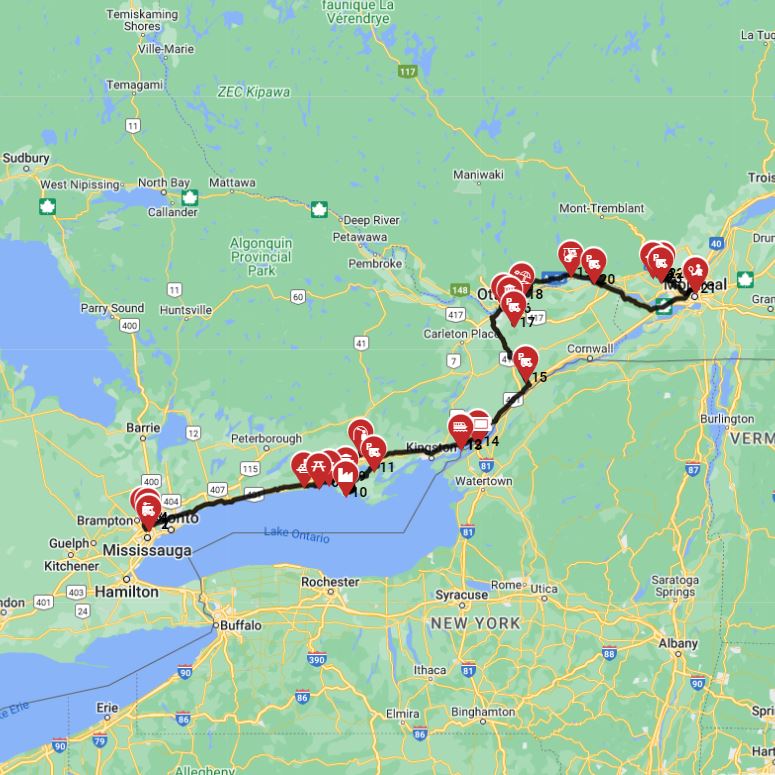
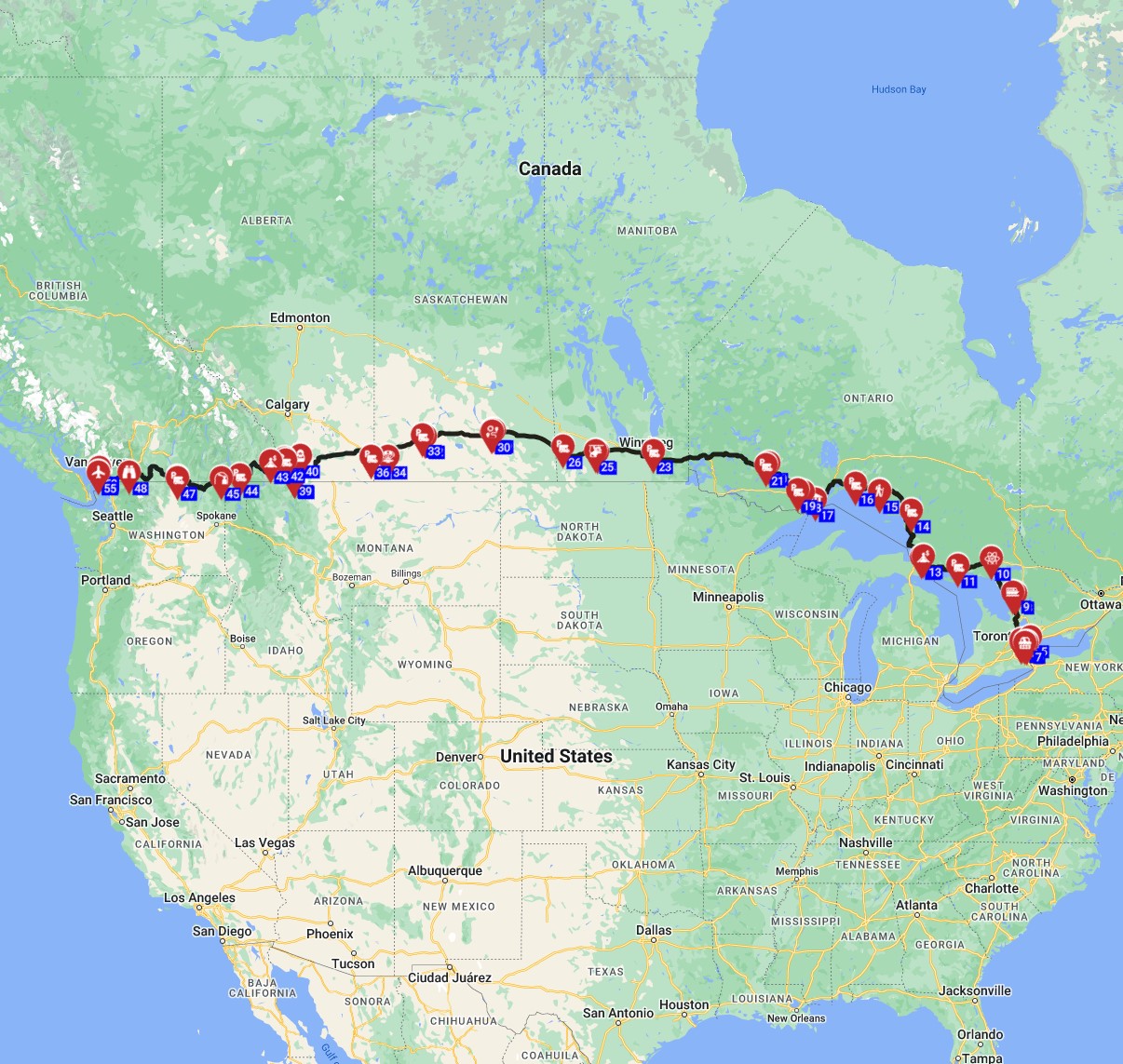
One fantastic route plan, "Montreal to Toronto", covers 1,326.6 km over 11 days, including 1 Amusement Park, 1 Aquarium, and 3 Traditional Markets. This journey is ideal for families looking to combine city exploration with cultural experiences.
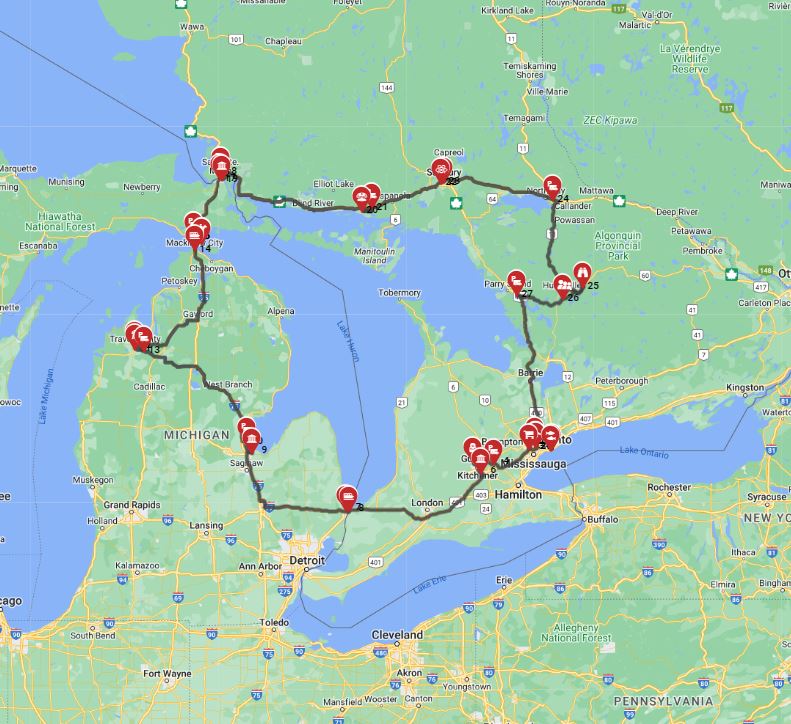
For a grander adventure, consider "
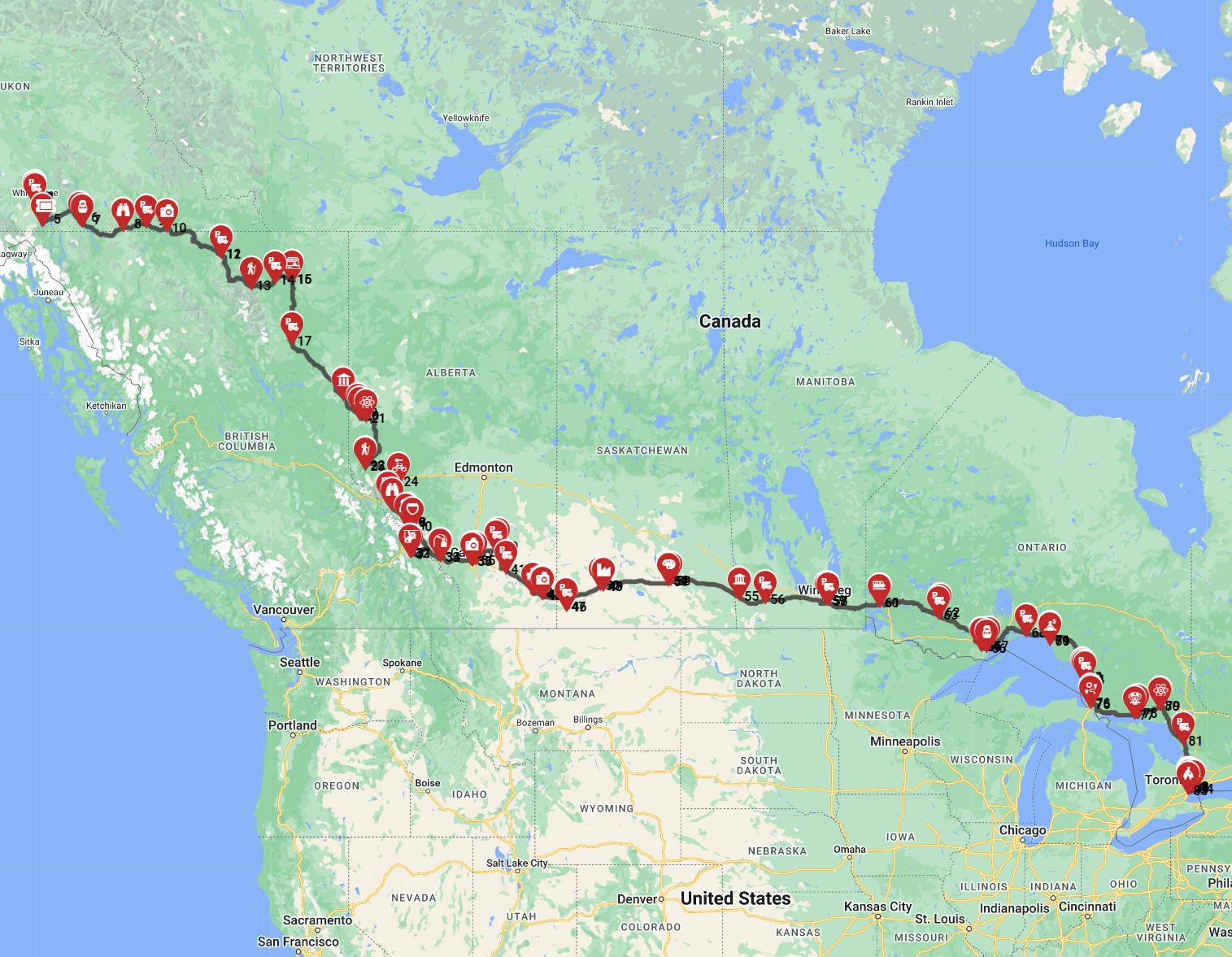
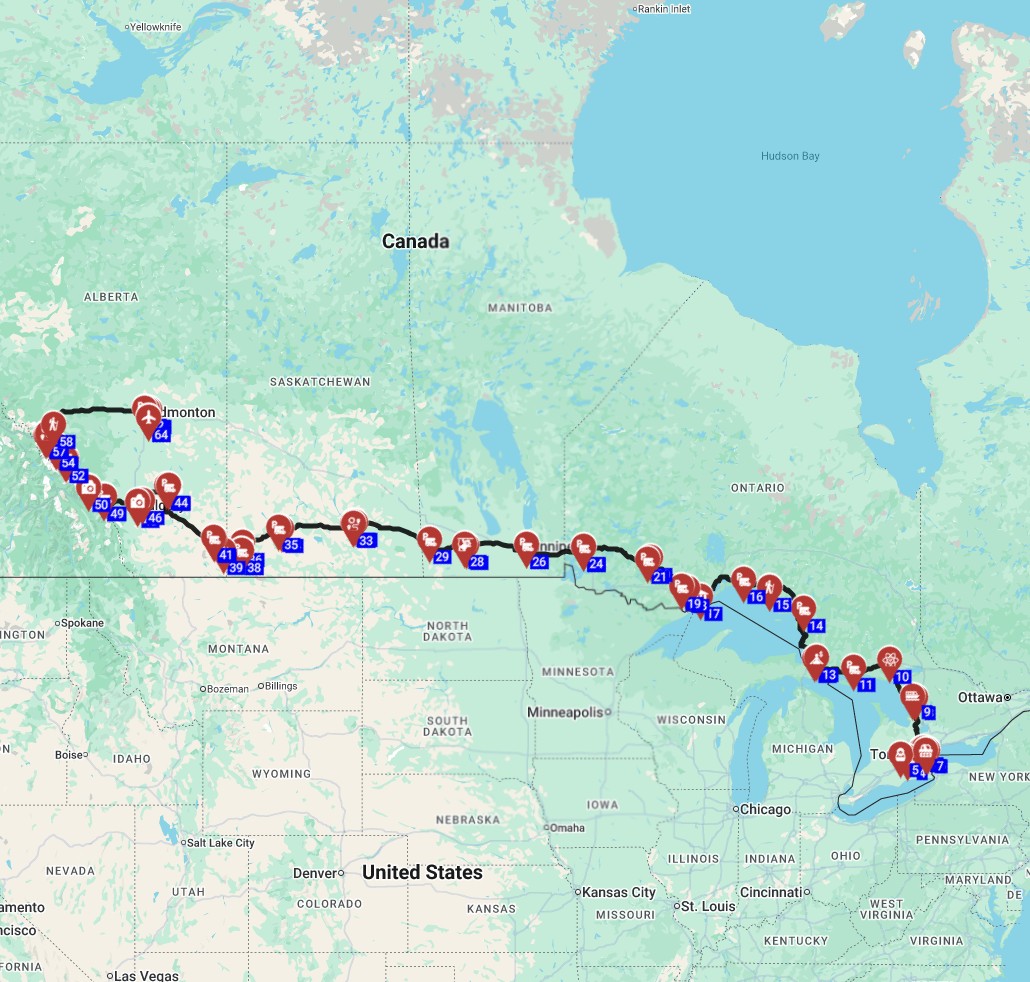
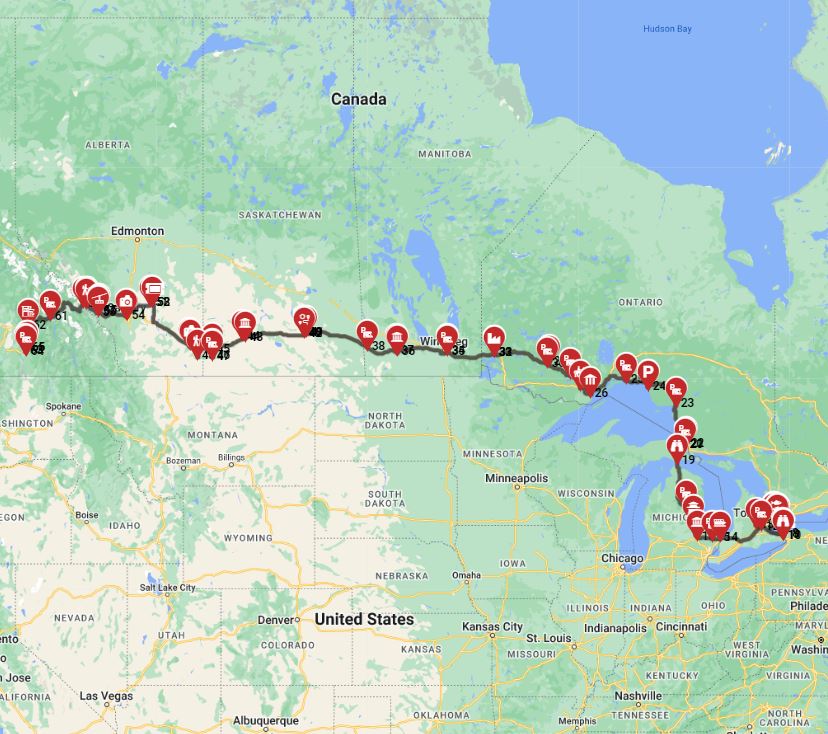
Alternatively, the "Toronto to Edmonton - Trans Canada - Big Lakes, Prairie Skies, Rocky Mountain High" route plan spans 23 days and 5,125.2 km, featuring 4 hiking areas and numerous cultural sites, perfect for exploring more of Ontario and beyond. You can get a 25% planning discount when you use rvplan.net to create your custom trip.
Final Thoughts
A last minute rv rental in Toronto is more than just a way to travel-it's an invitation to a flexible, memorable adventure, whether you're exploring the bustling city center or the tranquil Ontario landscapes. From navigating urban traffic with confidence to finding cozy campgrounds near public transit, the key is to embrace flexibility and leverage expert tips. Remember to prioritize slow travel, allowing yourself to truly soak in the diverse culture, incredible food, and stunning scenery that Toronto and its surrounding regions offer.
With Bandana's transparent pricing, wide selection from top suppliers, and expert guidance, your Toronto RV trip is set to be an unforgettable journey. So, pack your bags, choose your perfect rented motorhome, and get ready to discover the wonders of Canada at your own pace. Plan a trip itinerary in advance with minimal effort and maximum enjoyment using RV PLANET.
Find Motorhome Rentals in Toronto