In This Guide
- Top 5 Tips for Airport RV Rental in South America
- Before You Book - Class, Dates, Insurance
- Pre-Trip Prep - Packing Checklist for South America
- On the Road - Driving, Fueling, Navigation
- At the Campground - Setup, Hookups & Etiquette
- Airport RV Rental-Specific Tips for South America
- Common Mistakes to Avoid in South America
- What is the 3-3-3 rule for RV travel?
- What is the 333 rule for campervan?
- What is the 4-4-4 rule for RV?
- What is the 2-2-2 rule for RV camping?
- Can you RV in South America?
- How much would it cost to rent an RV for 1 week?
- Can you rent an RV in Chile?
- What exactly is a Wicked camper van?
- Is it safe for US citizens to travel to South America right now?
- What You Shouldn't Miss
- Why Book with Bandana Caravan
- Final Thoughts
- Frequently Asked Questions
South America offers some of the most breathtaking and diverse landscapes in the world, making it an ideal continent for an unforgettable RV adventure. Picking up your rented RV directly from the airport provides seamless transitions, allowing you to hit the road immediately and embark on your journey. For live availability and current prices, start with our RV Rental South America - Complete Guide 2026 guide. Bandana RV specializes in making these unique "fly and drive" experiences not just possible, but incredibly smooth and enjoyable.
Top 5 Tips for Airport RV Rental in South America
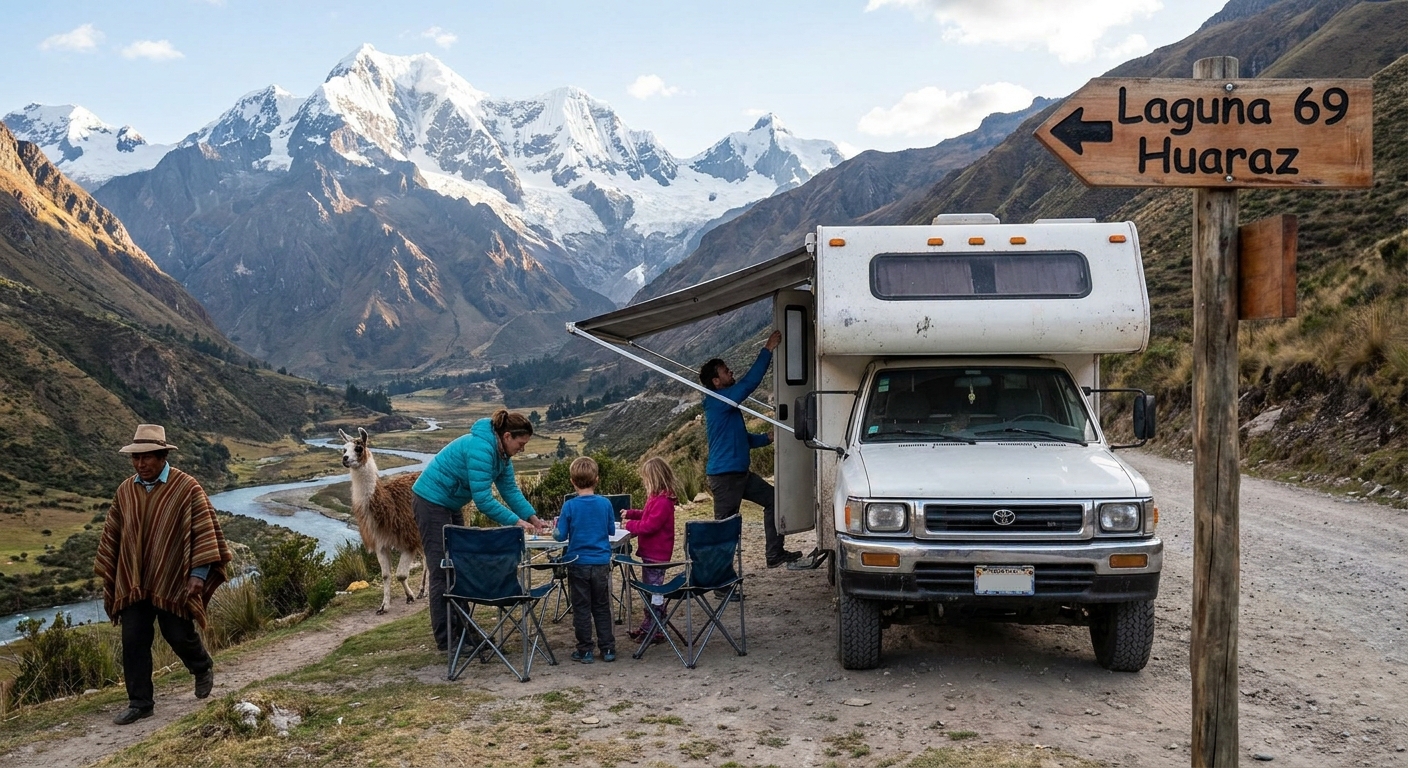
Navigating an airport RV pickup in South America requires specific considerations to ensure a smooth start to your adventure. Firstly, research specific border crossing requirements well in advance for each country you plan to visit, including vehicle permits and personal documentation, as rules can vary significantly between nations like Chile and Argentina and may require special permissions from the rental agency.
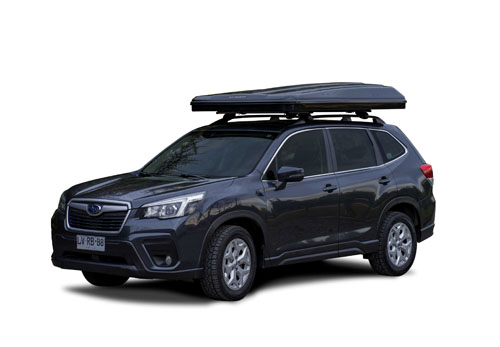
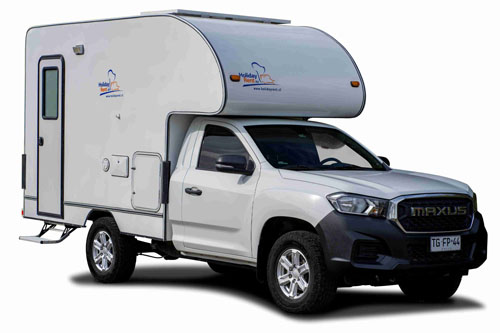
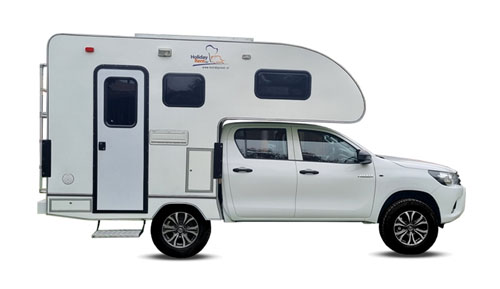
Secondly, opt for a 4x4 capable RV or campervan, especially if planning to explore unpaved roads in regions like Patagonia or the Andes, to ensure better traction and ground clearance; smaller, more robust vehicles like a "Patagonia Camper 4x4 double cab" are often ideal.
Thirdly, prioritize vehicles with robust suspension and adequate spare tires, as road conditions can vary significantly from paved highways to "ripio" (gravel roads) and remote areas may lack immediate repair services.
Fourthly, familiarize yourself with local driving customs and road signage, and consider learning basic Spanish phrases for fuel stops, border officials, and emergencies to enhance your interactions and navigate unexpected situations.
Finally, embrace responsible travel by practicing Leave No Trace principles, managing waste diligently, and respecting local cultures and communities to minimize your environmental footprint in South America's pristine natural areas. For comprehensive itineraries and country-specific insights, remember to check out RV PLANET (rvplan.net) - a great resource for crafting your journey.
Before You Book - Class, Dates, Insurance
Choosing an RV class for South America often involves balancing comfort with maneuverability; smaller, more robust campervans (e.g., 4x4 Sprinters) are generally preferred for varied terrain and urban navigation over large Class A motorhomes, offering agility on diverse roads. To secure the best rates and availability, especially for peak seasons (December-February for Patagonia, June-August for northern Andes), it's advisable to lock in your rental dates 6-12 months in advance, though spontaneous day-to-day bookings are also possible at many national parks.
Basic insurance is always included in your rental, but for the most comprehensive coverage and extra peace of mind, you can upgrade to a top-level deductible option by selecting it during your search on Bandana Caravan. Verify if your rental includes cross-border permission if you plan to travel between countries like Chile and Argentina, as this often requires special documentation and incurs additional fees, which our true RV specialists can help clarify during the pre-booking comparison phase.
We believe in full transparency, so what you see is what you pay - there are no hidden fees or surprises when you compare final prices across suppliers on our platform. Consider looking into our "RV Rental Deals in South America - Latest Offers 2026" or "Cheap RV Rental in South America - Budget Guide 2026" for cost-effective options, keeping in mind prices are dynamic.
Pre-Trip Prep - Packing Checklist for South America
A comprehensive packing checklist tailored for South America should include items for varying climates, high altitudes, and self-sufficiency on the road. Clothing should prioritize layers (base, mid, outer waterproof/windproof), a warm hat, gloves, a sun hat, sturdy hiking boots, quick-dry activewear, and swimwear, ensuring you're prepared for diverse weather conditions from Andean peaks to coastal beaches.
For your kitchen, pack a portable water filter/purifier, insulated water bottles, reusable shopping bags, basic cooking spices, and non-perishable snacks; consider a sturdy cooler if not built-in, which will be useful for keeping fresh food on hand. For ideas on preparing delicious meals in your rented motorhome, explore our RV-friendly recipes playlist.
Safety and health essentials include a robust first-aid kit with altitude sickness medication (e.g., Diamox, ibuprofen), insect repellent (high DEET for some areas), high SPF sunscreen, an emergency blanket, a headlamp, and a satellite messenger/personal locator beacon (PLB) for remote areas where cellular service is non-existent. For longer trips, review our "Long-Term RV Rental in South America - Monthly Rates 2026" to budget appropriately for supplies.
Crucial documents and navigation tools involve your passport, an International Driving Permit (IDP) which is recommended for visitors from non-English speaking countries, copies of all documents (physical and digital), your vehicle registration/rental agreement, credit/debit cards (notifying banks of your travel plans), local currency, printed maps, and offline GPS apps (e.g., Maps.me, iOverlander). Always keep a list of emergency contacts readily available.
On the Road - Driving, Fueling, Navigation
Driving in South America requires vigilance, as road conditions can vary significantly from well-maintained highways to unpaved, winding mountain passes; always drive defensively and be prepared for livestock or unexpected obstacles on the road. Drive slowly and carefully, and you can drive almost anywhere without issues. No need to stress - just use common sense and pay attention.
Fuel availability can be sparse in remote areas, especially for diesel, so it's prudent to refuel whenever possible, carry extra fuel if venturing off main routes, and inquire about fuel types compatible with your rented RV at pickup. We recommend slow travel, averaging no more than 100-150 km per day, allowing you to truly immerse yourself in the local culture, food, and scenery.
Navigation is best managed with a combination of reliable offline GPS apps and up-to-date physical maps, as cellular service can be intermittent or non-existent outside major towns, and road signs may be scarce or primarily in Spanish. When encountering high altitudes, be aware that vehicle performance can decrease, and ensure your RV is serviced for such conditions; for travelers, acclimate slowly and stay hydrated to prevent altitude sickness, often by ascending gradually.
Practice cultural immersion by greeting locals respectfully and trying local eateries, but always secure your vehicle and belongings, especially in urban areas or popular tourist spots, by using secure parking and avoiding overnight stops in unlit or isolated locations. For easy budgeting and tracking all your expenses including fuel, tolls, and groceries, explore RV PLANET routes, which allow you to itemize every cost along your itinerary. On the routes offered through RV PLANET routes, you can itemize and track every expense along the way for easy budgeting.
At the Campground - Setup, Hookups & Etiquette
Upon arrival at a campground in South America, choose a level spot for your rented motorhome, orient your RV to maximize shade or views, and always observe quiet hours and local campground rules to ensure a pleasant experience for everyone. The typical hookup order is: connect the sewer hose first (if applicable), then the freshwater hose, and finally, electricity, ensuring all connections are secure before use.
Practicing responsible etiquette involves keeping your campsite clean, managing waste by packing out what you pack in, minimizing noise, and respecting the privacy and space of fellow campers to maintain the natural beauty of the surroundings. Always inquire about water potability at local campgrounds and use your onboard filtration system or bottled water for drinking to avoid gastrointestinal issues, especially in less developed areas.
For cultural immersion, consider engaging with campground hosts or other travelers; many campgrounds, especially smaller, locally-run ones, offer unique insights into regional culture and attractions. For finding campsites and campgrounds during your trip, we recommend using RV PLANET (rvplan.net) - a great resource for locating available spots along your route, which often includes details on amenities and fees.
Airport RV Rental-Specific Tips for South America
For families with children, choose an RV layout that offers designated sleeping areas and ample storage for toys and gear, ensuring comfortable long drives and nap-friendly stops, such as a "Category Family 5" motorhome with bunk beds. Seniors may benefit from renting an RV with automatic transmission, easy-access beds, and a bathroom configuration that reduces bending or climbing, prioritizing comfort and accessibility, like a "2 Berth Sandpiper" with a double bed of 140x190cm.
Budget-conscious travelers can significantly reduce costs by utilizing free overnight parking spots (wild camping/boondocking) in designated areas, always researching local regulations and safety beforehand via apps like iOverlander. Travelers seeking luxury should inquire about premium add-ons such as satellite internet, gourmet kitchen upgrades, or personalized itinerary planning services offered by high-end rental agencies; our "Luxury RV Rental in South America - Premium Prices 2026" guide provides more details on these options.
For digital nomads, ensure your chosen rented campervan has reliable power solutions (solar panels, extra batteries) and space for a dedicated workspace, along with options for mobile hotspots or satellite internet for consistent connectivity, essential for working on the road. Bandana RV's 24/7 support means real people are behind you before, during, and after your booking process to answer any questions about equipping your RV for South American travel.
Common Mistakes to Avoid in South America
Instead of underestimating driving times, allow generous buffers between destinations, especially on unpaved roads or mountain passes, to account for unexpected delays, photo stops, or challenging terrain that can significantly extend travel time in South America. Rather than neglecting vehicle preparedness, ensure your rented RV is thoroughly inspected before departure, carrying spare parts like tires and filters, and being familiar with basic roadside repairs, especially crucial for routes such as Argentina's Ruta 40.
To avoid safety oversights, research local safety advisories, avoid driving at night, park only in secure or well-lit areas, and keep valuables out of sight to deter opportunistic theft. Instead of ignoring altitude sickness symptoms, acclimate gradually to high elevations, stay well-hydrated, and carry appropriate medication, descending if symptoms worsen significantly. To prevent bureaucratic headaches, meticulously prepare all necessary documents for border crossings and vehicle permits, carrying physical and digital copies, and be patient with local authorities, as processes can be time-consuming.
Bandana RV prides itself on full transparency, ensuring no hidden fees or surprises during your rental process, allowing you to focus on trip preparation without unexpected costs. We're true RV specialists, not just a travel agency side department, which means we genuinely understand the nuances of RV travel in destinations like South America.
What is the 3-3-3 rule for RV travel?
The 3-3-3 rule for RV travel is a general guideline to ensure a relaxed and safe journey, particularly relevant when planning extensive trips across South America. It advises driving no more than 300 miles (approximately 480 km) in a single day, preventing driver fatigue and allowing for more scenic stops. It suggests arriving at your destination campground by 3 PM to allow ample time for setup before dark. Finally, it recommends staying a minimum of 3 nights at each location to fully experience the area without feeling rushed, encouraging slow travel and deeper immersion into the local environment.
What is the 333 rule for campervan?
The 333 rule for campervan travel is identical to the 3-3-3 rule for RVs, providing a framework for leisurely and manageable road trips in South America. It encourages covering no more than 300 miles (around 480 km) per day to prevent driver fatigue and allow for spontaneous stops, maximizing your discovery time. The rule suggests reaching your campsite by 3 PM, which is particularly beneficial in South America where sunset times can vary and setting up camp in daylight is safer. Staying at least 3 nights in one spot allows for deeper cultural immersion and exploration of the surrounding natural beauty, which is abundant in countries like Chile and Argentina.
What is the 4-4-4 rule for RV?
The 4-4-4 rule for RV travel is another common guideline for trip pacing, similar to the 3-3-3 rule but with slightly different parameters, often suggesting a more relaxed pace for your South American adventure. It generally advises driving no more than 4 hours a day to minimize fatigue and maximize sightseeing opportunities. It suggests stopping every 4 hours for a break, stretch, or a short exploration, promoting active breaks to stay refreshed. Finally, it recommends parking your RV by 4 PM to ensure you have plenty of daylight to set up camp, explore your surroundings, and relax before nightfall, especially helpful in new environments.
What is the 2-2-2 rule for RV camping?
The 2-2-2 rule for RV camping is a more conservative travel guideline, aimed at providing an exceptionally relaxed pace and deeper exploration of each location in South America. It suggests driving no more than 200 miles (approximately 320 km) per day, significantly reducing travel stress and enhancing enjoyment of the journey. It recommends arriving at your camping spot by 2 PM, offering extensive daylight hours for setup, activities, and relaxation. The rule encourages staying for a minimum of 2 nights at each destination, fostering a more immersive experience in specific regions of South America like the Atacama Desert or the Ecuadorian Andes, allowing you to truly feel the place.
Can you RV in South America?
Yes, RV travel in South America is not only possible but offers an incredible adventure, allowing unparalleled flexibility to explore diverse landscapes from the Andes to Patagonia, although it requires thorough planning for vehicle suitability, border crossings, and safety. Countries like Chile, Argentina, Peru, and Ecuador have established, though sometimes rustic, infrastructure for RVs, with popular routes such as Carretera Austral in Chile or Ruta 40 in Argentina attracting many overlanders. Challenges include varied road conditions (from paved highways to gravel or dirt tracks), the need for cross-border vehicle permits, and potential altitude sickness in high-mountain regions. Many rental companies in major cities offer a range of campervans and 4x4 RVs suitable for the terrain, and apps like iOverlander are invaluable for finding campsites and wild camping spots.
How much would it cost to rent an RV for 1 week?
The cost to rent an RV for one week in South America can vary significantly based on the country, vehicle size and class, rental season, and specific amenities, typically ranging from $700 to $2,500 USD or more for a standard campervan or small RV. For example, a "hire campervan example Paradise S/T" suitable for 2-4 people with automatic transmission could average $150-$250 USD per day. In countries like Chile or Argentina, a basic campervan might cost $100-$200 USD per day, while a more robust 4x4 RV suitable for challenging terrains could be $250-$350+ USD per day.
Prices are usually higher during peak tourist seasons (e.g., Patagonia in summer, Andean regions in winter) and lower during the shoulder or off-seasons. Additional costs to factor in include insurance, one-way fees (if applicable), cross-border permits, fuel, campground fees, and any optional extras like kitchen kits or linens. Remember, prices are dynamic and change daily based on availability, seasonality, and supplier decisions, with the final price set at the actual booking time.
Can you rent an RV in Chile?
Yes, Chile is one of the most popular and well-established destinations for RV and campervan rentals in South America, offering numerous options particularly in Santiago and Punta Arenas, serving adventurers keen to explore Patagonia and the Atacama Desert. Several local and international rental companies operate in Chile, providing a range of vehicles from compact campervans to larger, 4x4-capable RVs suitable for varied Chilean terrain. Renting in Chile often facilitates easy access to stunning routes like the Carretera Austral and offers straightforward, though bureaucratically involved, options for crossing into neighboring Argentina. Rental costs, vehicle availability, and specific cross-border permissions (which are crucial for international travel) should be confirmed well in advance with the chosen rental agency, and Bandana's 24/7 support is there to assist you with these details.
What exactly is a Wicked camper van?
Wicked Campers is an international campervan rental company known for its brightly painted, often irreverent and graffiti-covered vehicles, offering budget-friendly and no-frills travel primarily to younger or bohemian travelers. These campervans are typically older models, creatively refurbished to include basic sleeping and cooking facilities, making them a cost-effective option for adventurous road trips across South America. While Wicked Campers emphasizes freedom and spontaneity, their controversial slogans and vehicle appearance may not be suitable for all travelers, and their availability in South America varies by region and 2026. Travelers opting for a Wicked Camper should be prepared for a rustic experience and prioritize checking vehicle mechanics thoroughly before embarking on long journeys, especially in challenging South American terrains.
Is it safe for US citizens to travel to South America right now?
For US citizens, traveling to South America right now is generally safe, but requires diligent research, adherence to local advisories, and the implementation of specific safety strategies to mitigate risks, as safety conditions can vary significantly by country and region. Before traveling, consult the U.S. Department of State's travel advisories for specific country ratings and recommendations, as these are regularly updated and provide current information. Empower yourself with practical safety measures: avoid displaying valuable items, use reputable transportation services, be aware of your surroundings, and avoid isolated areas, particularly at night.
Specific to RV travel in South America, secure parking is paramount; utilize established campgrounds, stay informed about areas to avoid, and ensure your vehicle is always locked and valuables out of sight. Always keep emergency contacts readily available, including the local US embassy or consulate, and consider a satellite communication device for remote areas where cell service is unreliable, ensuring you have real people behind you even in the most secluded spots.
What You Shouldn't Miss
- Drive Patagonia's Carretera Austral (Chile): Experience one of the most epic road trips, with over 1,240 km (770 miles) of diverse landscapes, including fjords, glaciers, and national parks like Queulat, best explored in a rugged campervan or motorhome.
- Explore the Atacama Desert (Chile): Witness the driest desert in the world, marveling at surreal lunar valleys, geysers, and some of the clearest night skies for stargazing.
- Visit Iguazu Falls (Argentina/Brazil): Park your rented RV nearby and immerse yourself in the sheer power and beauty of one of the world's largest waterfall systems, accessible from both Argentinian and Brazilian sides.
- Trek in Torres del Paine National Park (Chile): Hike among granite peaks, turquoise lakes, and glaciers. Note that RV parking and camping inside the park require advance reservations, especially during peak season (December-March).
- Journey through the Bolivian Altiplano to Salar de Uyuni: Drive through high-altitude plains, vibrant lagoons, and the vast salt flats, a truly unique and challenging RV adventure requiring careful planning and a capable 4x4 motorhome.
- Discover the Amazon Basin via RV (Ecuador/Peru): While deep jungle access by RV is limited, you can reach gateway towns like Tena (Ecuador) or Tarapoto (Peru) with your campervan, then join local tours to experience the rainforest.
🎬 Video coming soon
Looking for expert insights from Avi Bandana? Top 5 Adventures — recommendations from Avi Bandana
Final Thoughts
Embarking on an RV adventure in South America is an experience like no other, offering unparalleled freedom to explore vibrant cultures, dramatic landscapes, and incredible biodiversity at your own pace. With careful planning, the right rented motorhome or campervan, and a spirit of adventure, you'll create memories that last a lifetime. Remember, traveling slowly – max 100-150 km per day on average – allows you to truly feel the place, connect to the culture, the food, and the scenery.
From navigating mountain passes to finding serene campgrounds, the journey is just as rewarding as the destination. Bandana RV is here to support you through every stage, offering full transparency and expert guidance so you can focus on the joy of discovery.
So, what are you waiting for? Get inspired for your next trip! Discover top destinations, planning tips, all in one place, and plan a trip itinerary in advance with minimal effort and maximum enjoyment. Your South American RV adventure awaits.
Check South America RV Rental Prices Now