In This Guide
- Top 5 Tips for rv rental RV Rental in Paris
- Before You Book - Class, Dates, Insurance for Paris RV Rental
- Pre-Trip Prep - Packing Checklist for Paris
- On the Road - Driving, Fueling, Navigation in Paris
- At the Campground - Setup, Hookups & Etiquette Near Paris
- rv rental-Specific Tips for Paris
- Common Mistakes to Avoid in Paris RV Travel
- What are the new rules for motorhomes in France?
- Is France motorhome friendly?
- Do I need speed stickers on my motorhome in France?
- What is the 3-3-3 rule when rving in Paris?
- What is the 4 4 4 rule for rving in Paris?
- How much does it cost to rent an RV in France?
- What is the rule of 3 with an RV for a Paris trip?
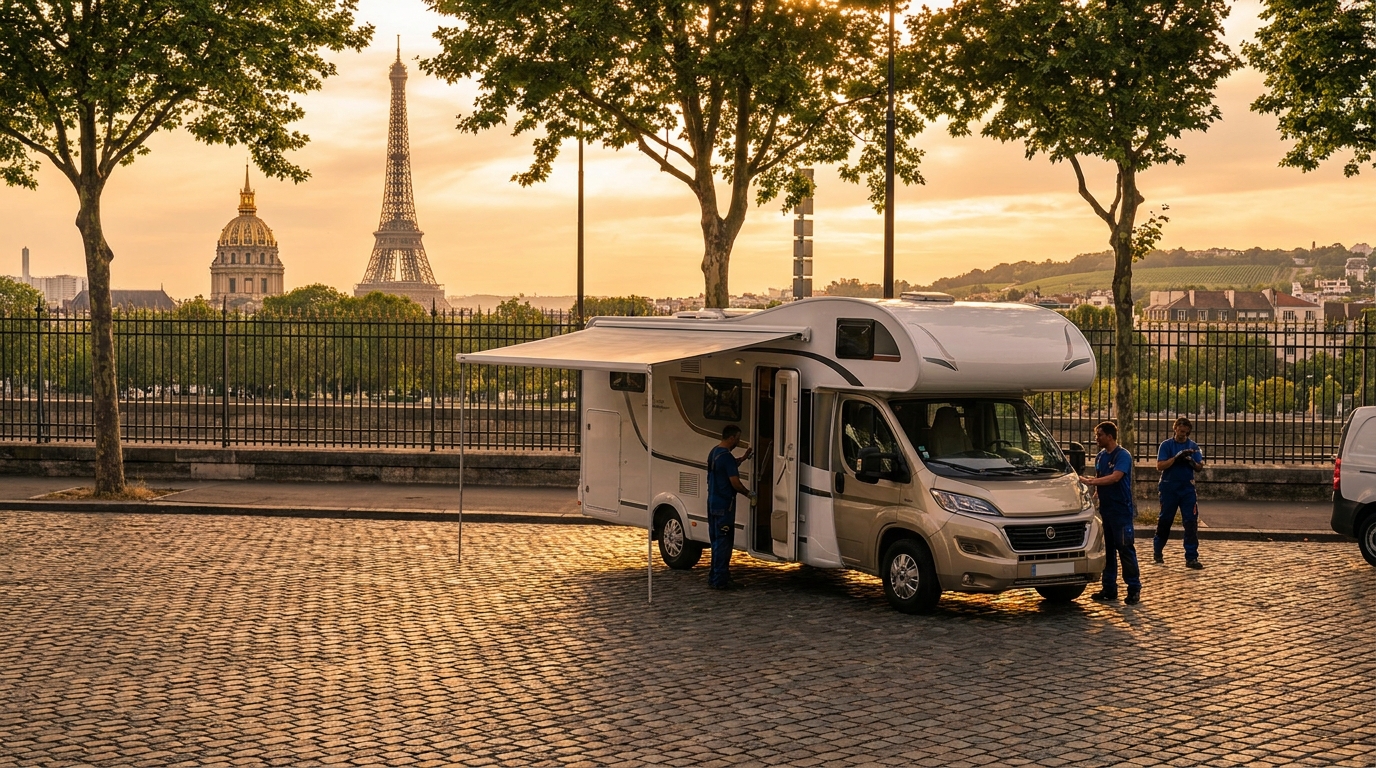
Embarking on an RV adventure in Paris offers a unique blend of urban exploration and scenic French countryside. Picking up your rented motorhome at or near Paris's airports provides a convenient starting point for your journey, allowing you to quickly transition from flying to driving your temporary home. For live availability and current prices, start with our RV Rental Paris - Complete Guide 2026 guide. This guide is crafted by true RV specialists, ensuring you receive authoritative advice based on years of industry experience and direct partnerships with over 50 leading RV suppliers worldwide.
Top 5 Tips for rv rental RV Rental in Paris
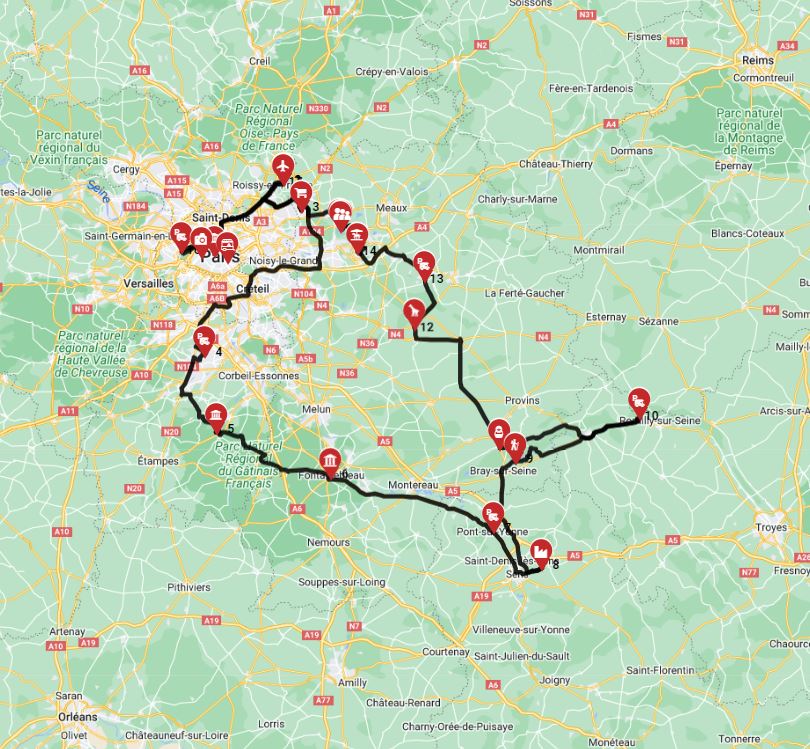
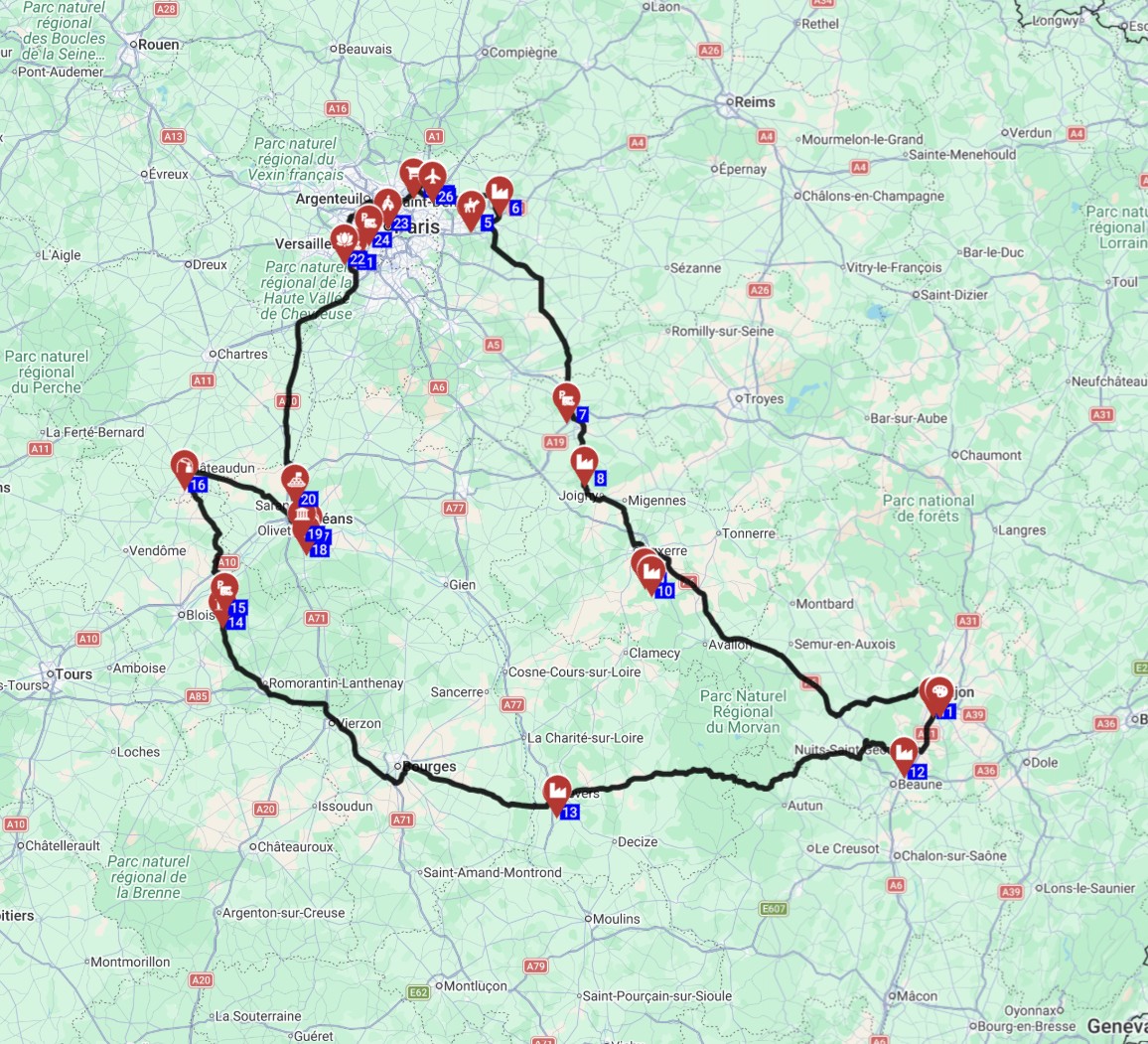
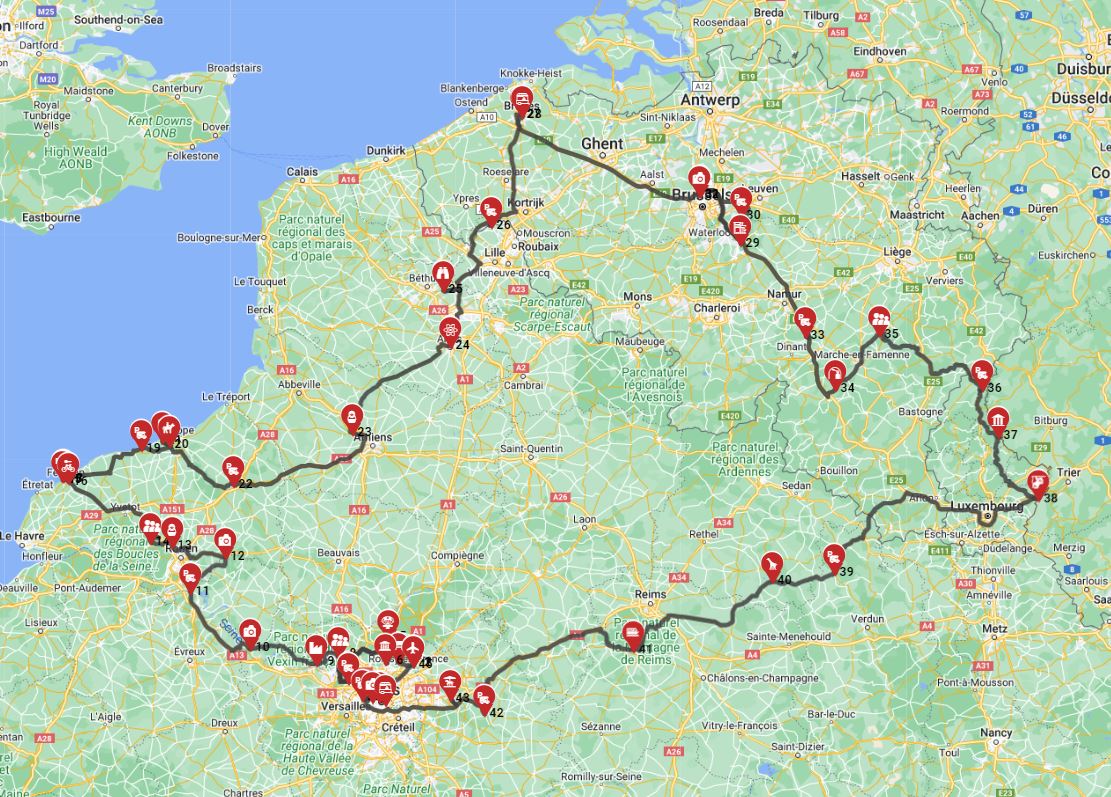
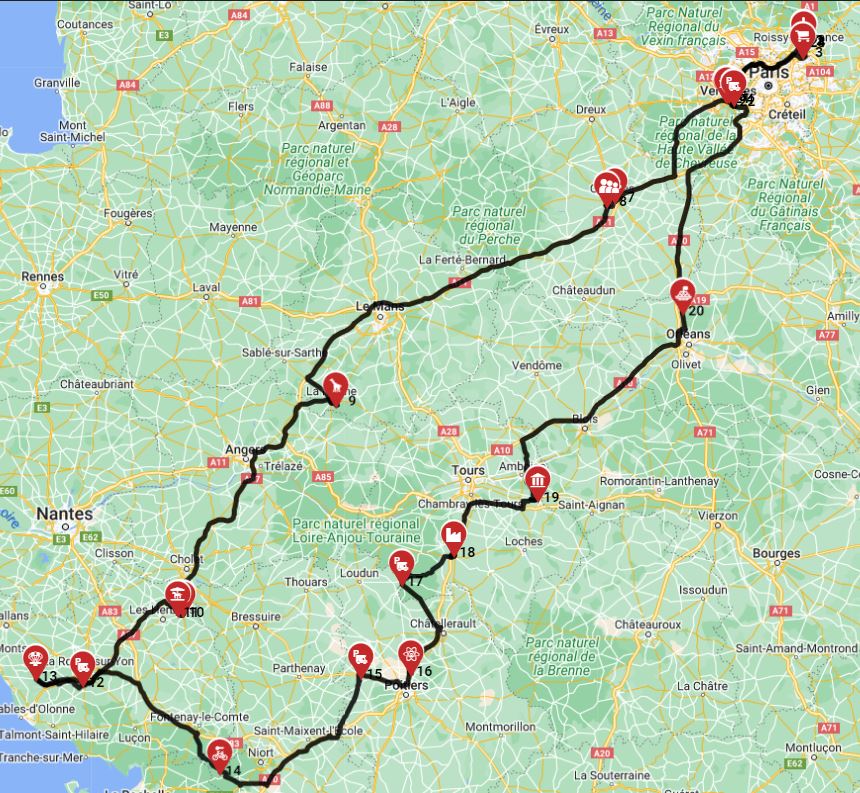
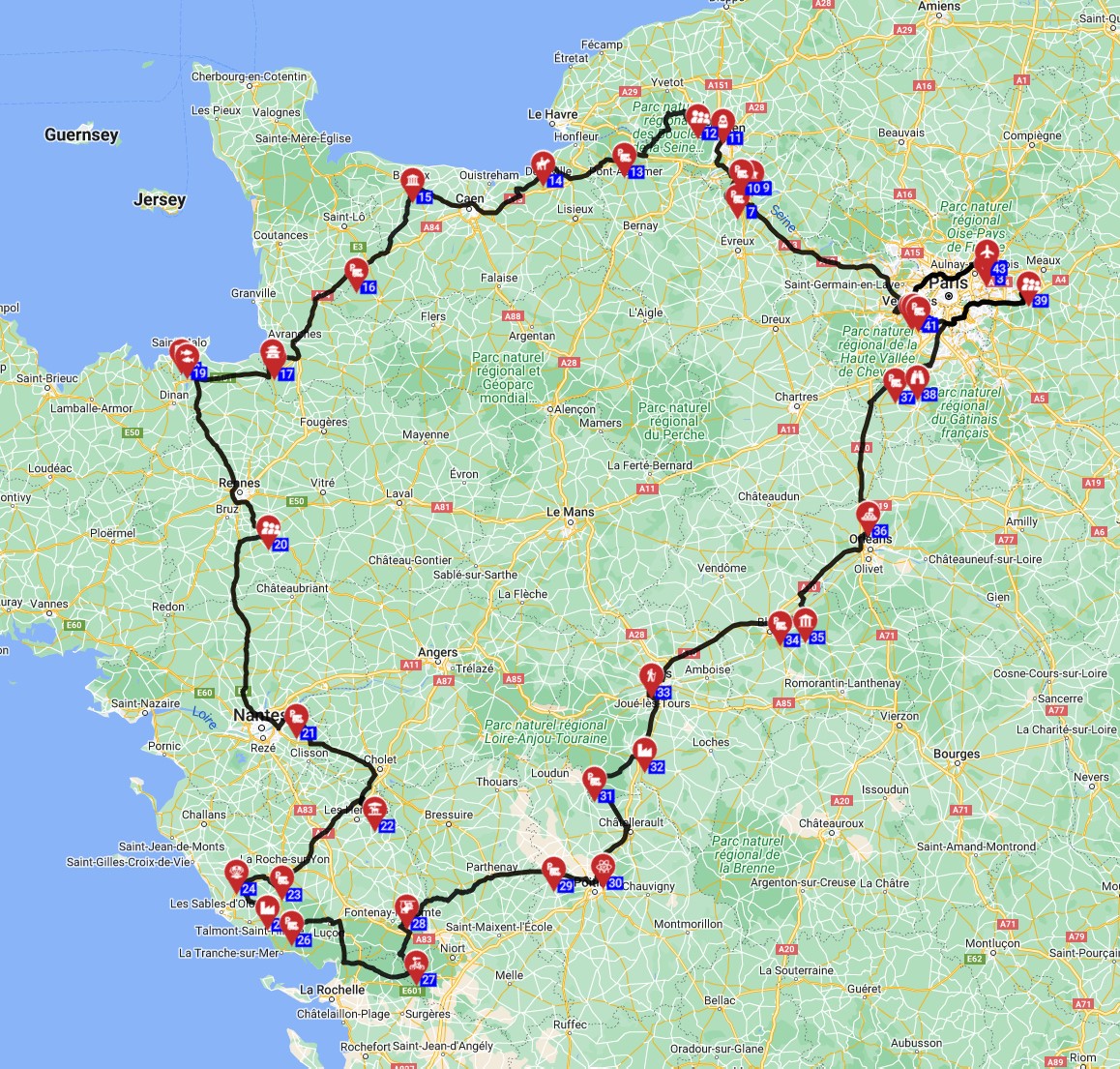
Navigating an RV in and around Paris requires careful planning and local knowledge. Firstly, prioritize compact RVs like a van conversion or a smaller Class C motorhome for easier navigation through French towns and cities, as their narrower profiles make winding streets and smaller parking spaces much more manageable than larger models, like a 9.1-meter long Cruise America C-30 motorhome with its 46 kg propane tank. On the routes offered through RV PLANET routes, you can itemize and track every expense along the way for easy budgeting.
Secondly, obtain a Crit'Air sticker well in advance for France's Low Emission Zones (ZFE), especially for Paris, as it is a mandatory environmental certification and vehicles without one face fines from €68 to €450. You can apply for this sticker online, and international travelers should allow several weeks for delivery. We recommend checking out our guide on RV Rental in Paris - Prices and Best Deals 2026 for more details on navigating these zones.
Thirdly, research urban parking options near Paris, which often involves park-and-ride facilities linked to efficient public transport. These facilities are typically located on the outskirts of the city, offering a practical solution to avoid the challenges of parking a larger vehicle in central Paris, where overnight RV parking is generally prohibited in most arrondissements. Our RV Rental Near Paris Airport - Pickup Pricing 2026 provides details on conveniently located pickup points that facilitate access to these peripheral parking zones.
Fourthly, book campsites or designated overnight parking spots in advance, particularly during peak season, as popular sites can fill up rapidly. Many national and state parks only reserve 25-30% of their spots online, leaving the rest for first-come-first-serve arrivals, but calling ahead can save you time and stress. RV PLANET (rvplan.net) is an excellent resource for finding available spots and planning your route with over 1,300 pre-planned routes across 5 continents.
Finally, familiarize yourself with French road signs and speed limits for different vehicle categories, as these can differ from your home country. Understanding local regulations is crucial for a smooth and safe journey, particularly regarding tolls and specific RV speed limits on motorways. With a rented motorhome from Bandana RV, you'll have all the pre-booking comparison and coordination support you need to set off confidently.
Before You Book - Class, Dates, Insurance for Paris RV Rental
Choosing the right RV class for your Paris adventure is crucial, and a compact motorhome like a Class B campervan (such as the "Category Van" or "Patagonia Camper 4x4 double cab" models with features like shower and toilet) is often the best fit for navigating Paris and its surrounding areas due to better maneuverability. Smaller Class C motorhomes also offer a good balance of comfort and agility. Consider vehicle dimensions, including length and width, which can impact access to certain campsites and roads.
Securing your rental dates well in advance, especially for summer or major holidays, is highly recommended to ensure availability and potentially better rates. Prices are dynamic and change daily based on availability, seasonality, and supplier marketing decisions. Booking 3-6 months ahead, particularly for a week-long trip in July or August, generally yields better options, while spontaneous bookings might find last-minute deals but with fewer choices.
Reviewing insurance options carefully is also vital; basic coverage is typically included with your rental, but you can upgrade to a top-level deductible for extra peace of mind. Comprehensive plans offer greater protection against unforeseen circumstances, giving you confidence on the road. Bandana RV offers full transparency with no hidden fees, showing you exactly what you'll pay at actual booking time, and our 24/7 pre-booking and post-booking coordination support ensures you have real people behind you every step of the way.
You can see prices including the most comprehensive coverage by selecting that option during your search; then all relevant insurance options will be shown. For those considering a more luxurious trip, explore our Luxury RV Rental in Paris - Premium Prices 2026 for high-end options and detailed insurance breakdowns.
Pre-Trip Prep - Packing Checklist for Paris
A well-prepared packing list will enhance your RV rental experience in Paris. Firstly, pack versatile clothing suitable for varying weather, including layers for unexpected temperature changes and comfortable walking shoes for exploring Paris's many attractions, from the Louvre Museum to the Eiffel Tower. Remember that RVs like the "cruise america rv rental example Explorer" with a 7.1m length offer ample storage for your gear.
Secondly, prepare essential kitchen items such as a compact coffee maker, reusable water bottles, and a cooler bag to keep groceries fresh. Many rented motorhomes come with basic kitchenware, but personal touches make RV cooking more enjoyable. For delicious meal ideas on the go, check out our RV-friendly recipes playlist.
🎬 Video coming soon
Thirdly, include safety gear like a first-aid kit, reflective vests, and a European breakdown triangle, which are often provided by the rental company but good to double-check. These items are crucial for roadside emergencies in France. Fourthly, organize important documents including passports, driver's licenses (an International Driving Permit is recommended for visitors from non-English-speaking countries but not mandatory in most cases for a standard car driver's license), rental agreements, and your Crit'Air sticker confirmation.
Finally, bring adaptors for European electrical outlets and consider a portable Wi-Fi device or local SIM card for navigation and communication. Many campsites offer Wi-Fi, but a personal hotspot ensures connectivity on the go. For a deeper dive into preparing for your trip, consult our RV Travel Guide to Paris - Tips and Top Spots 2026.
On the Road - Driving, Fueling, Navigation in Paris
Driving a rented RV in and around Paris requires strategic planning to manage traffic and unique road conditions. Be prepared for denser traffic, especially when approaching and navigating around major arteries like the Boulevard Périphérique and its surrounding areas; consider driving during off-peak hours, such as early mornings or late evenings, to minimize congestion. Drive slowly and carefully, and you can drive almost anywhere without issues. No need to stress - just use common sense and pay attention.
Understand that many French motorways are toll roads (autoroutes), with specific categories and charges for RVs, which often fall into Class 2 or 3 depending on their height and weight. Factor these costs into your budget; for comprehensive expense tracking, RV PLANET routes allow you to itemize and track every expense along the way.
Familiarize yourself with fuel types in France, primarily Diesel/Gazole and Sans Plomb 95/98 (unleaded petrol), and plan fuel stops, as stations can be scarcer in rural areas compared to urban centers. Your RV, such as the "Combi Van" with its 80-liter fuel tank, will likely run on diesel. Always ensure you select the correct fuel type.
Use a GPS specifically designed for RVs, which can account for vehicle dimensions and avoid unsuitable roads or height restrictions under bridges or in historic areas, particularly important around central Paris. Be aware of Paris's Low Emission Zone (ZFE) and ensure your Crit'Air sticker is displayed to avoid penalties, as regulations are strictly enforced, with temporary bans potentially affecting even compliant vehicles during high pollution days.
At the Campground - Setup, Hookups & Etiquette Near Paris
Upon arriving at your chosen campground near Paris, selecting your pitch and parking your rented motorhome carefully is the first step, ensuring adequate space for awnings and slides if applicable. Camping Paris Est, located in Champigny-sur-Marne just east of Paris, is a popular choice offering spacious pitches and easy public transport access to central Paris via the RER A train.
Connect electrical hookups first, ensuring compatibility with European sockets, which typically use a 2-pin CEE 17 blue connector and provide 220-240V power. Most RVs, including models like the 7.15m long "MIC" with its three-way 145-liter refrigerator, operate efficiently with these connections for appliances and lighting.
Hook up fresh water using a potable water hose, and ensure your grey water tank is ready for drainage to designated waste points. Most campgrounds have easily accessible fresh water taps and grey/black water dump stations. For finding campsites and campgrounds during your trip, we recommend using RV PLANET (rvplan.net) - a great resource for locating available spots along your route.
Observe campground quiet hours, typically from late evening to early morning, respecting your neighbors to ensure a pleasant stay for everyone. Locate waste disposal points for trash, recycling, and chemical toilet emptying upon checking in to maintain cleanliness and hygiene. Paris has several dump stations outside the city, such as those near the A4 motorway, useful for a quick stop if you're not staying at a full-service campground.
rv rental-Specific Tips for Paris
For families traveling to Paris, choosing a rented RV with distinct sleeping areas, such as bunk beds found in models like the "Group G" motorhome (7.45m length, 7 seats), can provide privacy and comfort for everyone. Consider bringing portable entertainment for kids during travel or downtime, especially when exploring attractions like Disneyland Paris, located east of the city. We also offer family-friendly RVs like the 6-berth "Euro Deluxe" with its 3 double beds.
For seniors, opting for an RV class with easy access, comfortable seating, and ergonomic controls will ensure a relaxed journey. Semi-integrated motorhomes or larger campervans often feature lower entry steps and well-appointed interiors, making them ideal for a comfortable and extended road trip through the French countryside and beyond Paris.
Budget travelers should explore municipal camping options outside Paris or consider park-and-ride facilities with public transport links to save on central parking fees, which can be expensive and scarce for RVs. For instance, Camping de Paris in the Bois de Boulogne offers a more affordable stay with metro connections. You might also want to consult our Cheap RV Rental in Paris - Budget Guide 2026 for more budget-friendly options.
Luxury seekers will find premium RV models with integrated amenities, such as Class A motorhomes or exclusive semi-integrated vehicles like the "K5Q" with its TV and spacious living areas. Look into services like pre-stocked groceries or concierge assistance for an elevated experience. For premium offerings, check our Luxury RV Rental in Paris - Premium Prices 2026.
Planning shorter driving days when near Paris is advisable to account for potential traffic and allow ample time for sightseeing and relaxation. Drive slowly, max 100-150 km per day on average, to truly feel the place, connect to the culture, the food, and the scenery. Utilizing public transport from your campsite, such as the RER train from Camping Paris Est, to explore central Paris avoids the stress of urban RV driving and parking entirely.
Common Mistakes to Avoid in Paris RV Travel
Failing to obtain a Crit'Air sticker is a common and costly mistake for RV renters in Paris. Instead, apply for it online at least a month before your trip to comply with Paris's Low Emission Zone (ZFE) regulations; foreign vehicles require this sticker to drive within the zone and face fines of up to €450 for non-display.
Attempting to park a large RV in central Paris is another mistake to avoid, as parking is extremely limited and many areas prohibit overnight RV parking. Instead, use designated RV parking facilities outside the city center, such as park-and-ride lots near RER stations, and rely on Paris's efficient public transport system for city exploration. For detailed parking strategies, our RV Rental Near Paris Airport - Pickup Pricing 2026 provides practical local tips.
Underestimating traffic and journey times, especially during peak hours on the Boulevard Périphérique, can lead to frustrating delays. Instead, allocate extra time for travel, particularly when entering or exiting Paris, and consider starting drives early in the morning to avoid congestion, which can add 30-60 minutes to short trips.
Not budgeting adequately for tolls and fuel can lead to unexpected expenses. Research estimated toll costs for RVs on French motorways, as they often fall into higher vehicle categories, and factor in that fuel prices in France (e.g., diesel at €1.80/liter) can be higher than in some other regions. For a clear overview of potential costs, our Weekly RV Rental in Paris - Pricing 2026 can help with financial planning.
Ignoring public transport options from your RV base is a missed opportunity. Instead, plan to use Paris's extensive metro and bus network to navigate the city efficiently from your RV base, such as Camping de Paris in the Bois de Boulogne which is well-connected. Overpacking can reduce comfort and limit maneuverability; instead, pack efficiently and remember that most essentials, including fresh produce for your RV kitchen, can be easily purchased in France, reducing weight and clutter in your rented campervan.
What are the new rules for motorhomes in France?
France has implemented Low Emission Zones (Zones à Faibles Émissions - ZFE) in major cities, including Paris, requiring all vehicles, including motorhomes, to display a Crit'Air vignette based on their Euro emission standard. Motorhomes that are older or higher-polluting may face restrictions, or even bans, from entering these zones. The Crit'Air sticker system categorizes vehicles from 0 (cleanest) to 5 (most polluting), with daily restrictions depending on pollution levels and local rules.
The ZFE rules in Paris are becoming progressively stricter, with bans on certain Crit'Air categories expanding each year, affecting older or higher-polluting motorhomes. Foreign vehicles must apply for the Crit'Air sticker online well in advance of their trip, as physical delivery can take several weeks, and it is crucial to ensure your RV meets the required emission standards for your travel dates. Penalties for non-compliance can range from €68 to €450 for not displaying a valid sticker or entering a restricted zone without one, emphasizing the need for pre-trip preparation.
Is France motorhome friendly?
France is generally very motorhome-friendly, offering a vast network of over 3,000 campsites and thousands of 'aires de services' (designated RV service points) across its rural and coastal regions, making it an ideal destination for road trips. However, RVing in and around Paris presents unique challenges due to dense traffic, narrow historical streets, limited central parking, and strict Low Emission Zone regulations.
For a Paris trip, it is often more practical to stay in a campsite or designated RV park just outside the city, such as Camping de Paris, and use public transport to access the center. Compared to rural France where motorhomes are widely welcomed and provide unparalleled freedom to explore quaint villages and vineyards, urban centers like Paris require careful planning regarding vehicle size, parking strategies, and environmental stickers. The excellent public transport system from park-and-ride locations makes exploring Paris by RV indirectly a viable and enjoyable option, offering the best of both worlds.
Do I need speed stickers on my motorhome in France?
Yes, if your rented motorhome's Gross Vehicle Weight (GVW) exceeds 3.5 tonnes, you are legally required to display specific speed limit stickers on the rear of your vehicle in France. These regulations are a key safety measure for heavy vehicles on French roads, which differentiate speed limits for them.
These stickers indicate the maximum speed limits applicable to heavy vehicles on different road types: typically 80 km/h for departmental roads, 100 km/h for expressways, and 110 km/h for motorways. These regulations are strictly enforced for safety reasons, and failure to display the correct stickers can result in fines. Even if your rental RV is under 3.5 tonnes, it is prudent to confirm specific local regulations or with your rental company, such as Apollo or Britz, to ensure full compliance. The rental company should provide the necessary stickers if the vehicle falls into this category, or advise you where to purchase them before you set off on your two-week adventure.
What is the 3-3-3 rule when rving in Paris?
The '3-3-3 rule' is a common RVing guideline suggesting you drive no more than 300 miles (approximately 480 km) a day, arrive at your destination by 3 PM, and stay for at least 3 nights, promoting a relaxed travel pace. This rule is designed to prevent driver fatigue, allow ample time for campsite setup and local exploration, and avoid driving in the dark, especially when navigating unfamiliar European roads.
While beneficial for longer trips, adapting this rule for European, and especially Parisian, road conditions is important; 300 miles can be a very long drive on narrower, busier roads, often taking far more than a few hours. For a week-long trip focused on Paris, the 'drive no more than 300 miles' might be less relevant than 'arrive by 3 PM' to secure a good spot, particularly if staying at a popular campsite near the city. Focus on shorter, more manageable driving segments when navigating near urban centers, prioritizing early arrival for campsite access and convenient public transport links into Paris.
What is the 4 4 4 rule for rving in Paris?
The '4-4-4 rule' is another popular RVing guideline, suggesting you drive no more than 4 hours a day, stop by 4 PM, and stay for at least 4 nights, aiming to reduce stress and enhance the travel experience. This rule promotes a slower pace, which is often more suitable for navigating unfamiliar European roads and dense urban areas like those surrounding Paris.
Adhering to the 'stop by 4 PM' aspect can be particularly useful when seeking campsites or RV parks near Paris, as many popular locations, such as Camping Paris Est, fill up by late afternoon, especially during peak season. The longer 'stay for at least 4 nights' encourages deeper exploration of Paris and its surroundings without constant packing and unpacking, maximizing your time in the capital and allowing for unhurried visits to cultural sites and traditional restaurants.
How much does it cost to rent an RV in France?
RV rental costs in France typically range from €70 to €200 per day, depending on the vehicle size (e.g., a compact campervan versus a larger Class C motorhome like the "MHC28" with a 210-liter waste water tank), age, rental season, and duration of the hire. Prices are dynamic and can fluctuate daily, similar to flight tickets, so early booking often secures better rates. You can find excellent RV Rental Deals in Paris - Latest Offers 2026 by comparing options.
A detailed breakdown of total costs for an RV trip to Paris should extend beyond just rental fees to include significant expenses like fuel, tolls, campsite fees, and urban parking charges. Fuel costs in France can be higher than in some other countries, with diesel (Gazole) being the most common fuel for RVs. Tolls on French motorways are prevalent and can add up, with RVs often falling into a higher vehicle category, leading to increased charges.
Campsite fees near Paris can range from €25 to €60 per night, while urban parking, if available for RVs, can also incur specific charges, although park-and-ride options are more common. Consider additional costs such as the Crit'Air sticker application (€3.70 plus postage), public transport tickets from your campsite into Paris (around €2.15 per single metro ticket), and any optional rental add-ons like extra insurance, kitchen kits, or GPS. Our platform provides full price transparency, so what you see is what you pay, with no surprise fees at pickup.
What is the rule of 3 with an RV for a Paris trip?
The 'rule of 3' for an RV most commonly refers to the '3-3-3 rule' for driving (300 miles, 3 PM arrival, 3 nights stay) which promotes a comfortable travel pace and is designed to enhance safety and enjoyment on the road. Beyond driving, a 'rule of three' can also apply to safety and preparedness for RV travel, such as carrying three forms of identification (passport, driver's license, IDP) or telling three people your itinerary details.
Some RVers interpret it as ensuring you always have at least three essential supplies: adequate water (e.g., a 100-liter fresh water tank on a "K125" campervan), sufficient power (battery and electrical hookup compatibility), and waste capacity (grey and black water tanks), particularly when dry camping or in remote areas. When RVing to Paris, applying the 3-3-3 driving principle can help manage the potentially stressful urban driving environment by reducing daily mileage and allowing for early arrivals at campsites, enabling smoother transitions to public transport for city exploration.
What You Shouldn't Miss
- **Explore Versailles by Bike:** Rent a bicycle near the Palace of Versailles and cycle through its expansive gardens, experiencing the grandeur from a different perspective.
- **Picnic by the Seine:** Pack a gourmet picnic with fresh baguettes, cheeses, and wine from a local Parisian market, and enjoy it along the banks of the Seine River near the Pont des Arts.
- **Montmartre Sunset Views:** Head to the Sacré-Cœur Basilica in Montmartre just before sunset for breathtaking panoramic views of Paris as the city lights begin to twinkle.
- **Day Trip to Giverny:** Drive your rented motorhome to Claude Monet's house and gardens in Giverny, located about 75 km northwest of Paris, for an immersive artistic experience.
- **Indulge in French Patisseries:** Seek out a traditional French bakery (boulangerie-pâtisserie) in a quaint neighborhood like Le Marais and savor freshly baked croissants, éclairs, or macarons.
- Looking for expert insights from Avi Bandana? Top 5 Adventures - recommendations from Avi Bandana
Final Thoughts
Renting an RV in Paris offers an incredible opportunity to explore one of the world's most iconic cities and its beautiful surroundings with freedom and flexibility. From navigating the bustling city outskirts to finding serene campgrounds, a little preparation goes a long way to ensure a seamless and unforgettable adventure. Remember, our goal at Bandana RV is to empower you to discover the joy of RV travel with confidence, transparency, and expert support.
Whether you're a seasoned RVer or embarking on your first motorhome journey, Paris awaits with its enchanting charm. Compare final prices across suppliers, knowing what you see is what you pay, with no surprise fees at pickup. We handle the details, you live the journey – personal service from day one until your booking is confirmed.
Find Motorhome Rentals in Paris