In This Guide
- Top 5 Tips for Airport RV Rental in East Europe
- Before You Book - Class, Dates, Insurance for your East Europe Trip
- Pre-Trip Prep - Packing Checklist for East Europe
- On the Road - Driving, Fueling, Navigation in East Europe
- At the Campground - Setup, Hookups & Etiquette in East Europe
- Airport RV Rental-Specific Tips for East Europe
- Common Mistakes to Avoid in East Europe
- What is the 3-3-3 rule for RV travel?
- Is Europe RV friendly?
- How much does it cost to rent an RV in Europe?
- What are the drawbacks of renting an RV?
- What is the 333 rule for campervan?
- Is it cheaper to rent an RV or stay in hotels?
- Is RVing a thing in Europe?
- What is the best month to visit Eastern Europe?
- How easy is it to travel around Europe in a motorhome?
- What You Shouldn't Miss
- Why Book with Bandana Caravan
- Final Thoughts
- Frequently Asked Questions
Embarking on an airport RV rental adventure in East Europe offers unparalleled freedom to explore diverse landscapes, rich history, and vibrant cultures. Imagine landing, picking up your home-on-wheels directly from the airport, and hitting the open road to discover hidden gems across countries like Poland, Hungary, Croatia, and the Czech Republic. For live availability and current prices, start with our RV Rental East Europe - Complete Guide 2026 guide.
Top 5 Tips for Airport RV Rental in East Europe
Navigating an airport RV rental in East Europe requires some savvy planning to ensure a smooth and enjoyable trip. First, pre-book your chosen motorhome or campervan well in advance, especially if you plan to travel during peak summer months (July-August) to secure the best selection and rates, potentially saving up to 20% on your rental. Second, it's crucial to familiarize yourself with the specific local road rules and vignette systems that apply in each Eastern European country on your itinerary; for example, many countries use digital tolls requiring online purchase before entering highways to avoid fines. On the routes offered through RV PLANET routes, you can itemize and track every expense along the way for easy budgeting.
Third, proactively plan your route with designated campsites in mind, as the legality of wild camping varies significantly across the region, and relying on established facilities ensures both safety and comfort. Fourth, consider obtaining a local SIM card or a reliable mobile hotspot upon arrival for consistent internet connectivity, which is vital for navigation, communication, and real-time updates on road conditions, particularly in more rural areas. Finally, thoroughly understand border crossing procedures for any non-EU or non-Schengen countries on your planned route, as specific visa requirements and vehicle documentation might be necessary to avoid unexpected delays at checkpoints. For more detailed insights into managing your trip budget, especially regarding tolls and other daily expenses, explore RV PLANET routes, which allow you to itemize and track every cost.
Before You Book - Class, Dates, Insurance for your East Europe Trip
Selecting the right motorhome or campervan class for your East Europe adventure is a key decision, directly impacting your comfort and travel experience. For couples or solo travelers, a compact campervan like a 'Category Van' or 'Active Classic' (often featuring front air conditioning, a small kitchen, and sleeping for two) offers excellent maneuverability for city driving and easier parking. Families or larger groups, perhaps 4-6 people, might prefer a Class C alcove motorhome such as a 'Comfort Family 6' or 'Euro Deluxe' (which can include three double beds, a refrigerator, and a larger dining area), providing ample living and storage space.
Securing your booking dates early is essential, especially for popular summer months (June-August) or major holiday periods, as RV availability can diminish rapidly, and prices tend to rise closer to departure. Basic liability insurance is always included with your rental, but for comprehensive protection and extra peace of mind, you can upgrade to a top-level deductible reimbursement plan during the booking process. We compare final prices across 50+ suppliers, including major partners like Apollo and Britz, ensuring full transparency with no hidden fees or surprises at pickup.
Pre-Trip Prep - Packing Checklist for East Europe
A well-prepared packing list is crucial for a comfortable and stress-free RV rental journey through East Europe. You'll definitely want to pack layers of clothing, suitable for varying weather conditions that can change quickly between mountains, coasts, and plains; a waterproof jacket and comfortable walking shoes are always wise additions. Essential documents include your passport, a valid standard driver's license (which is sufficient for all motorhome classes), an International Driving Permit (recommended but not always mandatory for non-EU visitors), your RV rental agreement, and comprehensive travel insurance details.
For convenience and self-sufficiency, bring a basic first-aid kit, any necessary prescription medications, and a European-style power adapter for electronics. Most RVs come with basic kitchenware, but consider bringing a few personal items like a favorite coffee mug or a sharp knife. If you plan to enjoy some meals on board your rented RV, check out our RV-friendly recipes playlist for inspiration. Remember, Bandana RV specializes in RV rentals exclusively, so we're here to help you coordinate your booking and pre-trip needs.
On the Road - Driving, Fueling, Navigation in East Europe
Driving a rented motorhome or campervan in East Europe is a rewarding experience, though it requires attention to local customs and regulations. Road rules and speed limits vary by country; for instance, some nations mandate daytime running lights year-round, and reflective vests must be carried in the vehicle for roadside emergencies. You can drive almost anywhere without issues, including cities, by moving slowly and carefully, using common sense, and paying attention to local signage.
Budgeting for fuel costs is important, as prices can fluctuate between countries in East Europe, with diesel being the most common fuel type for RVs. Utilize offline maps like Google Maps or Maps.me, or a reliable mobile hotspot with a local SIM card, for navigation, especially in rural areas where cell coverage can be spotty. Remember, many Eastern European countries operate a digital vignette system for highway tolls, which must be purchased online in advance. Planning ahead for fuel stops and understanding local traffic laws will make your journey smooth. For assistance with planning your itinerary, including fuel estimates and other ancillary costs, check out the pre-planned routes and expense tracking tools available at rvplan.net.
At the Campground - Setup, Hookups & Etiquette in East Europe
Setting up your rented RV at an Eastern European campground is generally straightforward, but local etiquette and procedures can enhance your experience. Upon arrival, it’s best practice to connect your electricity first, then water, and ensure proper waste disposal connections are ready before settling in. Most campgrounds provide 220-240V electricity and potable water access at each pitch or at central stations.
Observing quiet hours, typically from late evening to early morning (often 10 PM to 7 AM), is highly valued by fellow campers and ensures a peaceful environment for everyone. Familiarize yourself with the campground’s specific waste management practices, including designated bins for recycling and clearly marked points for gray water and black water disposal. These facilities are usually clearly signed, and some campgrounds may require specific adapters for electrical hookups, so it's wise to carry a universal adapter. Remember, many national parks in East Europe reserve only 25-30% of spots for advance booking, with the rest available first-come-first-serve, so calling ahead before driving long distances is always a good idea.
Airport RV Rental-Specific Tips for East Europe
Opting for airport RV pickup in East Europe offers immediate convenience, allowing you to begin your adventure without delay. Plan for efficient airport pickup by coordinating your arrival details with the rental supplier in advance, especially regarding shuttle services or direct vehicle handover points at the terminal. It's often beneficial to provision your RV for the trip by researching nearby supermarkets or large stores, as airport rental stations might not have extensive shopping options close by.
When selecting your RV size, consider a model that balances interior comfort with ease of maneuvering on potentially narrower Eastern European country roads or in charming historic towns. A Class B campervan like a 'Paradise S/T' (ideal for a couple, with shower and toilet) might be easier to navigate than a larger Class C motorhome like an 'Adventurer' (suitable for families, with ample sleeping for 6). Always have essential travel documents, including your passport, driver's license, and any recommended International Driving Permit, readily accessible for potential border crossings, especially when traveling between Schengen and non-Schengen countries. Finally, research secure overnight parking options, particularly when visiting urban areas, and avoid leaving valuables visible inside your rented camper to ensure peace of mind.
Common Mistakes to Avoid in East Europe
To ensure a smooth RV rental experience in East Europe, it's wise to be aware of common pitfalls. A frequent mistake is neglecting pre-trip research on border crossing requirements, particularly for non-Schengen countries, which can lead to significant delays and complications at customs. Another common oversight is underestimating the importance of acquiring necessary vignettes or paying tolls in advance; many Eastern European countries use electronic systems, and failure to comply can result in substantial on-the-spot fines.
Instead of relying solely on credit cards, carry some local currency for small purchases, local markets, or emergency situations, as not all vendors, especially in smaller towns, accept card payments. Crucially, avoid making assumptions about wild camping legality; always seek out designated campgrounds for safety, security, and access to essential facilities like water and waste disposal. Remember, driving slowly and carefully is key to navigating any road, and there's no need to stress about driving larger vehicles in cities—just use common sense and pay attention. For additional planning resources, consider our "RV Rental Deals in East Europe - Latest Offers 2026" or "Cheap RV Rental in East Europe - Budget Guide 2026" to make your trip more affordable.
What is the 3-3-3 rule for RV travel?
The 3-3-3 rule for RV travel in East Europe recommends limiting daily driving to no more than 300 kilometers, aiming to arrive at your destination by 3 PM, and staying for at least 3 nights. This guideline is designed to promote a relaxed travel pace, allowing ample time for sightseeing, local immersion, and avoiding driving fatigue, making your journey more enjoyable. Adhering to the 3-3-3 rule helps ensure you have sufficient time to find and comfortably set up your rented motorhome or campervan at a campground before dark, especially if you're exploring new areas. This approach aligns perfectly with our recommendation to travel slowly, averaging 100-150 km per day, allowing you to truly experience the culture, food, and scenery of East Europe.
Is Europe RV friendly?
Europe is generally quite RV friendly, boasting a well-developed network of campsites, service areas, and beautiful routes, though friendliness and infrastructure can vary by region. Western Europe typically offers extensive amenities tailored for motorhomes and campervans, while East Europe's infrastructure is rapidly expanding with new campgrounds and improved roads becoming more common each year. Navigating historical city centers can present challenges due to narrow streets and parking restrictions, which is why driving slowly and carefully is always recommended; for urban explorations, consider parking your rented RV on the outskirts and using public transport.
The continent's compact nature allows for diverse itineraries, enabling you to experience multiple countries and cultures within an extended road trip. RVing is certainly "a thing" in Europe, with millions of enthusiasts enjoying the flexibility and freedom it offers. For a broader overview of RV travel across the continent, explore our "RV Rental Europe - Complete Guide 2026".
How much does it cost to rent an RV in Europe?
The cost to rent an RV in East Europe, like elsewhere in Europe, varies significantly based on vehicle size, rental duration, season, and pickup location, typically ranging from €70 to €200+ per day. For example, a compact 2-berth campervan might start from €70 per day in the shoulder season, while a large 6-berth motorhome with more amenities could easily exceed €150-€200 per day in peak summer. Budget considerations should extend beyond the base rental fee to include substantial fuel costs (which can be 15-25% of your total budget), tolls and vignettes (requiring advance purchase in many Eastern European countries), campground fees (from €15-€50 per night), and food/activity expenses.
Prices are generally highest during peak summer months (June-August) and major holidays, so traveling during shoulder seasons (May, September, October) can be significantly more economical. Keep in mind that prices are dynamic, similar to flight tickets, changing daily based on availability and supplier decisions. For a deeper dive into pricing, check out "RV Rental in East Europe - Prices and Best Deals 2026" and "Weekly RV Rental in East Europe - Pricing 2026". For finding flexible and affordable options, comparing prices through a platform like Bandana Caravan, which partners with over 50 leading RV suppliers worldwide, is key.
What are the drawbacks of renting an RV?
While RV rental offers incredible freedom, some potential drawbacks should be considered for your East Europe trip. One notable factor is higher fuel consumption compared to a standard car, with larger motorhomes often consuming 10-15 liters per 100 km, leading to increased overall trip costs. Challenges with parking in congested urban areas can also arise, though driving slowly and carefully allows you to navigate most streets without issue, and many cities offer out-of-center parking options.
The need for regular waste disposal (gray and black water) and water refills is another aspect of RV travel that requires planning and access to designated facilities, typically found at campgrounds or service stations. Learning to drive and maneuver a larger vehicle, such as a Class C motorhome like the 'Cruise America Explorer' (with dimensions around 7.1m length and 2.78m width), might be a concern for some first-time renters, though most quickly adapt. While offering immense flexibility, RV travel can sometimes be slower than car travel, and securing campground bookings might still be necessary during peak times, even with the first-come-first-serve options in national parks. However, with true RV specialists like us, you're supported with transparent pricing and expert advice before, during, and after your booking.
What is the 333 rule for campervan?
The 333 rule for campervans, which is identical to the 3-3-3 rule for larger RVs, recommends limiting daily travel to 300 kilometers, aiming to park by 3 PM, and staying a minimum of 3 nights per location. This practical guideline is designed to foster a more relaxed and immersive travel experience in East Europe, preventing burnout from constant driving and allowing sufficient time to explore destinations thoroughly. Applying the 333 rule can significantly enhance your enjoyment by reducing the stress of finding campsites late in the day and providing a stable base to connect with local culture and nature at each stop. This slow travel philosophy allows you to truly "feel the place, connect to the culture, the food, and the scenery," as we always recommend for your rented campervan adventure.
Is it cheaper to rent an RV or stay in hotels?
Whether it's cheaper to rent an RV or stay in hotels in East Europe depends heavily on factors like trip length, number of travelers, itinerary, and desired comfort level, with RVs often offering savings for longer trips with multiple people. A family of four traveling for two weeks might find a rented motorhome more economical than booking four hotel rooms every night, especially when considering the added benefit of self-catering meals in the RV kitchen. RVs combine accommodation and transportation costs, potentially reducing overall expenses, particularly when opting for budget-friendly campgrounds or permissible wild camping spots.
However, factors such as dynamic rental fees, significant fuel consumption (e.g., a large motorhome with a 208-liter fuel tank might incur substantial costs), tolls, vignettes, and campground costs (ranging from €15-€50 per night) can sometimes make RV travel comparable to, or even more expensive than, budget hotel stays for shorter trips or solo travelers. The flexibility to cook your own meals in your rented campervan can lead to significant savings compared to restaurant dining. For comprehensive budgeting tools, remember that RV PLANET routes allow travelers to itemize and track every expense along the way.
Is RVing a thing in Europe?
RVing is absolutely "a thing" in Europe, with a robust and continuously growing culture of motorhome and campervan travel that attracts millions annually. The continent offers diverse landscapes, from the stunning coastlines of Croatia to the majestic mountains of Romania, all accessible with a rented RV. A well-developed network of campsites and service points, ranging from basic pitches to luxury resorts, caters to the needs of RVers across Europe, especially within the Schengen Area where border crossings are seamless. This popularity is fueled by the desire for flexible travel, direct access to nature, and the convenience of exploring multiple countries with your mobile home.
The RV infrastructure in Eastern Europe is rapidly expanding and improving, making it an increasingly attractive destination for road trips. Whether you're seeking cultural immersion in historic cities like Krakow or outdoor adventures in the Tatras, a rented motorhome provides the ideal mobile base. We offer bookings in 30+ currencies with full price transparency, making it easy for international travelers to plan their European RV adventure.
What is the best month to visit Eastern Europe?
The best months to visit Eastern Europe for an RV rental trip are typically May, June, and September, offering a pleasant balance of comfortable weather, fewer crowds, and moderate prices. During these shoulder seasons, average daily temperatures range from 15-25°C, ideal for outdoor activities and sightseeing without the intense heat of summer. July and August provide the warmest weather, with averages between 20-30°C, but they also coincide with peak tourist season, which means higher prices for campgrounds and attractions, and more crowded popular sites. Spring (April-May) and early Autumn (September-October) are particularly ideal for enjoying comfortable temperatures, vibrant foliage in forested areas, and easier access to popular historical sites and national parks without the peak summer rush. Planning your rented campervan trip during these times can enhance your experience and potentially offer better value on your rental. Consider exploring our "RV Rental Deals in East Europe - Latest Offers 2026" for off-peak savings.
How easy is it to travel around Europe in a motorhome?
Traveling around East Europe in a rented motorhome or campervan is generally easy and highly rewarding, supported by a comprehensive road network and numerous dedicated facilities. The ease of travel can vary slightly by country, with Western European countries typically having very well-developed RV infrastructure, while Eastern Europe is rapidly catching up with improved roads and a growing number of modern campsites. Key aspects contributing to this ease include generally clear road signage (often in English and local languages), good main road conditions (though some rural Eastern European roads can be less maintained), and the incredible convenience of border crossings within the Schengen Zone. Drive slowly and carefully, and you can drive almost anywhere without issues. No need to stress - just use common sense and pay attention.
For visitors from non-English speaking countries, an International Driving Permit (IDP) is recommended but not mandatory in all cases, as your standard car driver's license is sufficient for all motorhome classes. With over 25 years of experience, Bandana has helped tens of thousands of travelers explore Europe by RV, offering real people behind you with 24/7 support for booking inquiries and expert advice. You can also plan unique routes with 1,300+ pre-planned itineraries across 5 continents via RV PLANET (rvplan.net).
What You Shouldn't Miss
- Explore the Romanian Carpathians: Drive through Transylvania and discover Bran Castle and Peles Castle, set against dramatic mountain backdrops. Stay at a remote campground to truly appreciate the region's natural beauty, perhaps spotting wildlife like bears or lynx.
- Thermal Baths of Budapest, Hungary: Immerse yourself in Budapest’s famous thermal spa culture at Szechenyi or Gellért Baths. Pair this relaxing experience with a nearby city-edge campsite, taking public transport to explore the vibrant city center.
- Plitvice Lakes National Park, Croatia: Witness the breathtaking cascading lakes and waterfalls. Book a campsite within close proximity and dedicate a full day (or two!) to hiking the park's well-maintained trails.
- Krakow's Historic Charm, Poland: Park your rented motorhome outside the city and use local transport to explore Krakow’s medieval Old Town, Wawel Castle, and the Jewish Quarter. Enjoy pierogi and local markets.
- Lake Bled, Slovenia: Enjoy picturesque views of the island church and medieval castle. Rent a rowboat or hike around the lake, finding a charming lakeside RV park for a peaceful overnight stay.
- Prague, Czech Republic: Visit the iconic Charles Bridge and Old Town Square. Find an RV-friendly campsite on the outskirts and use the efficient public transportation system to easily reach the city's main attractions.
Looking for expert insights from Avi Bandana? Top 5 Adventures - recommendations from Avi Bandana.
Final Thoughts
An airport RV rental in East Europe promises an unforgettable adventure, blending convenience with the thrill of discovery. From the moment you pick up your motorhome, the open road invites you to explore ancient castles, vibrant cities, serene national parks, and unique cultural experiences at your own pace. With careful planning for tolls, campsites, and local customs, your journey through this captivating region will be as smooth as it is exciting.
Remember that Bandana is here to support you with full transparency and expert advice every step of the way, making your booking process stress-free. So, pack your bags, prepare for slow travel averaging 100-150 km per day, and get ready to create lasting memories across the diverse landscapes of East Europe.
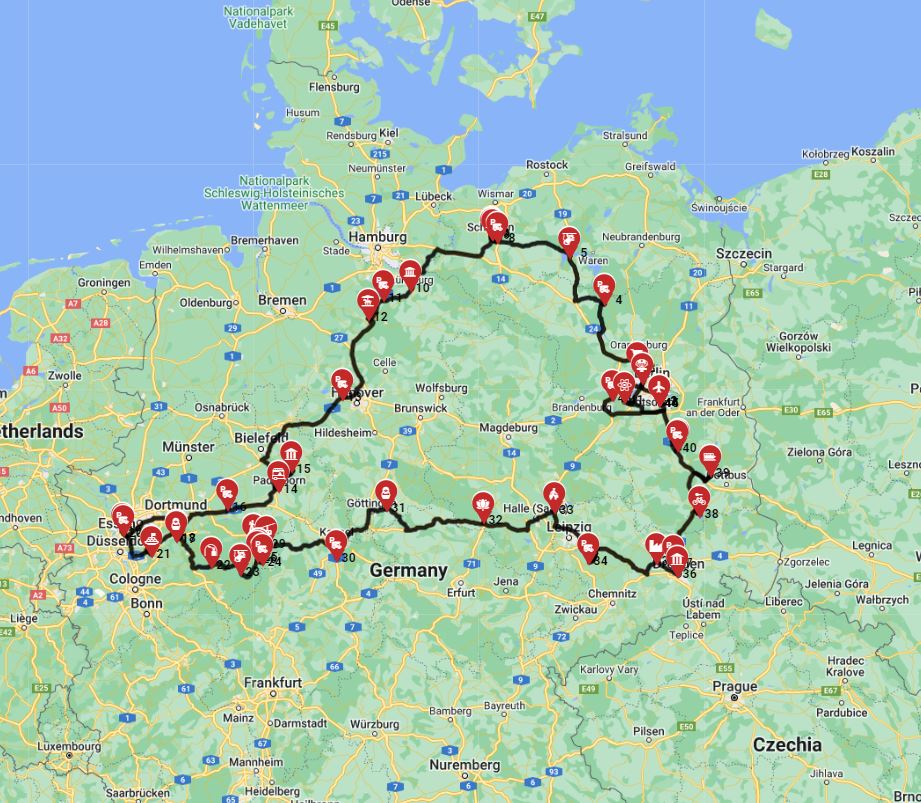
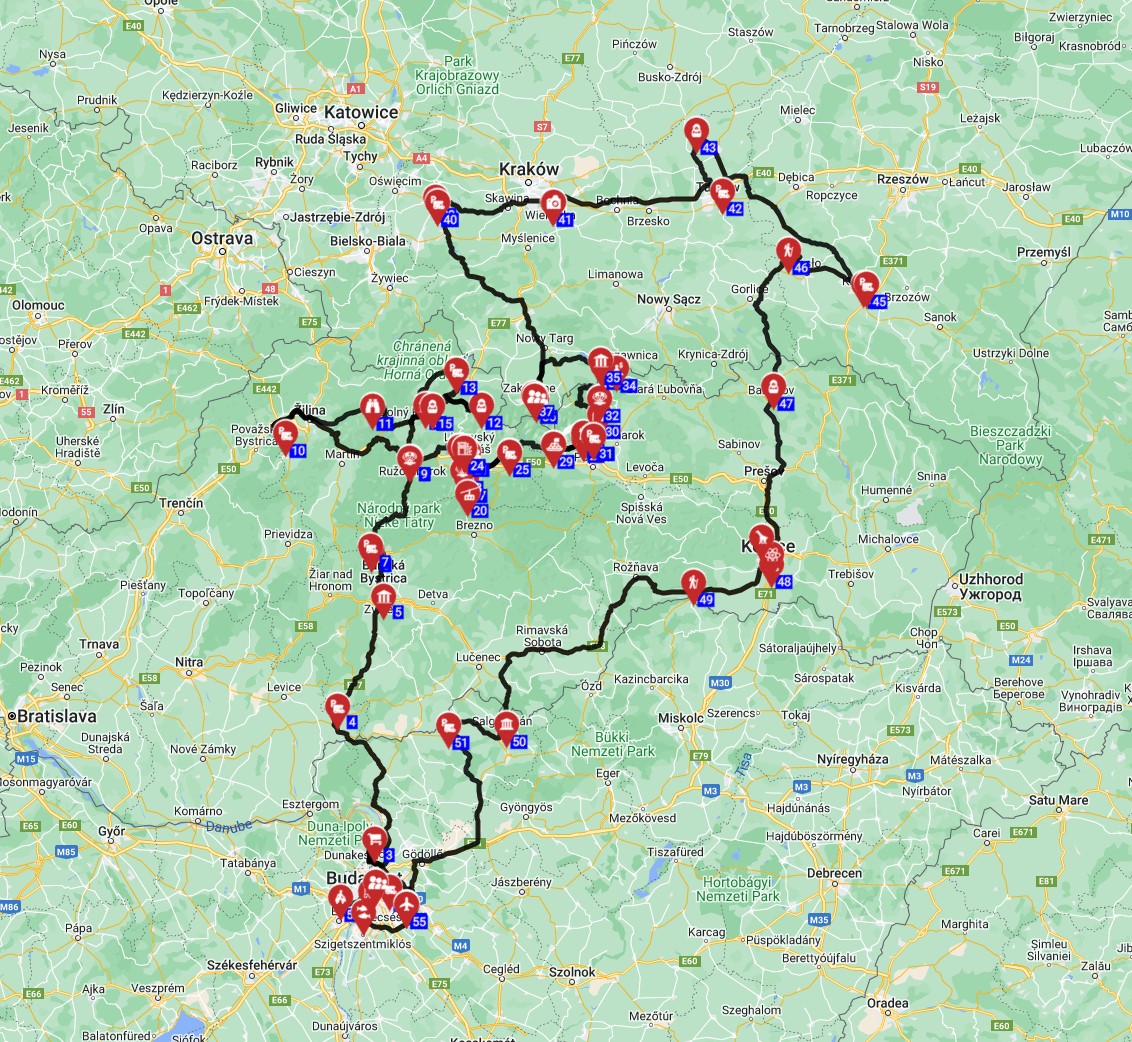
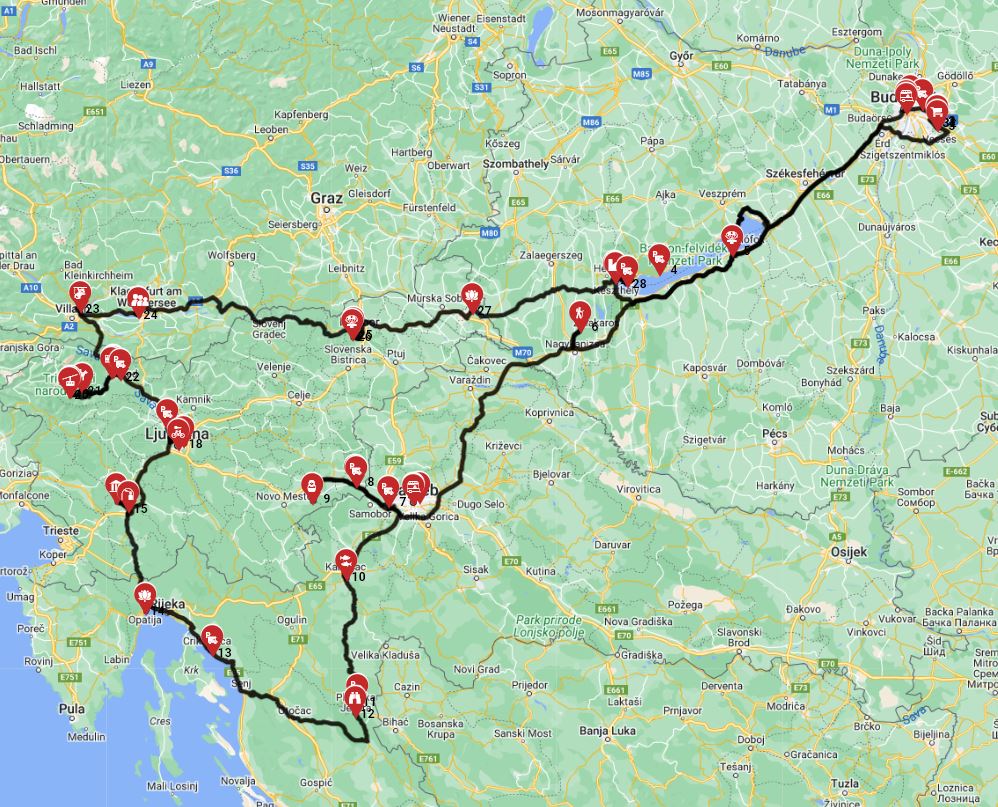
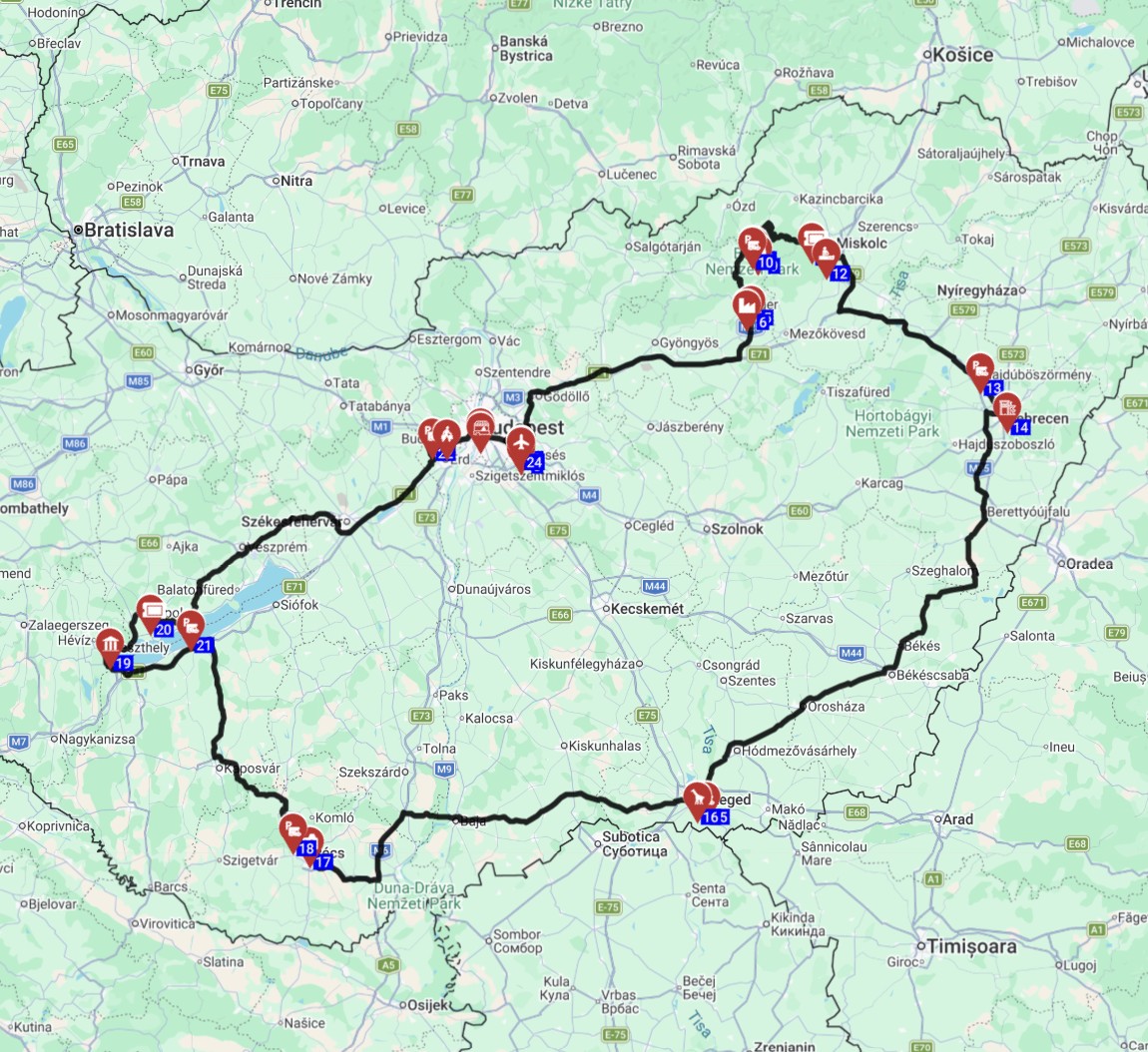
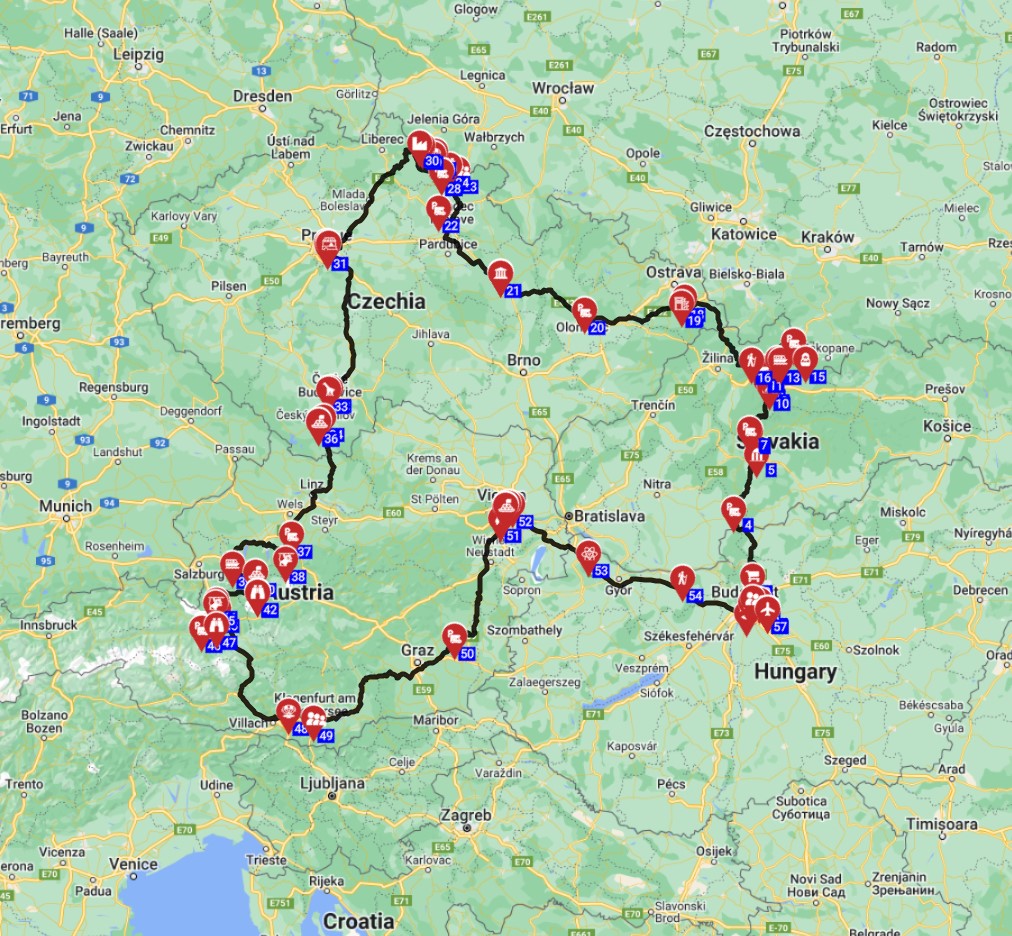
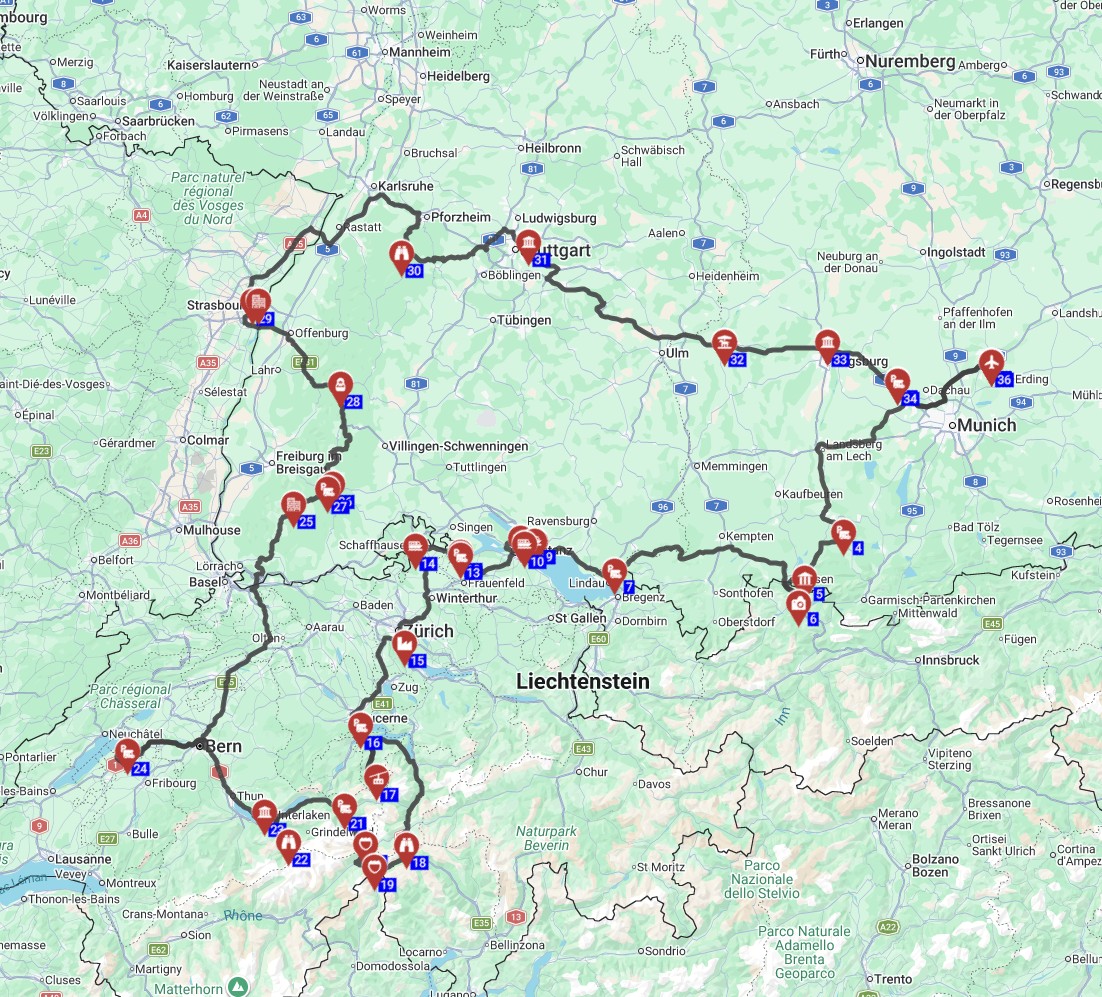
Discover top destinations, planning tips, all in one place! Plan a trip itinerary in advance with minimal effort and maximum enjoyment.