In This Guide
- Best Iceland RV Itinerary for rv rental - Overview
- 7-Day Classic Route in Iceland
- 14-Day Extended Journey in Iceland
- Recommended RVPlan Trip for Iceland
- Must-See Stops Along the Way (Avi Bandana Picks)
- Daily Driving Distances & Drive Times in Iceland
- Best RV Class for This Itinerary - Couple & Family Picks
- Is Iceland RV friendly?
- What is the best month to RV in Iceland?
- Can you just pull over and sleep anywhere in Iceland in an RV?
- Is it safe to drive an RV in Iceland?
- Is it easy to drive an RV in Iceland?
- Is it worth renting an RV in Iceland?
- What is the average cost of an RV rental in Iceland?
- What is the best company to rent an RV in Iceland?
Best Iceland RV Itinerary for rv rental - Overview
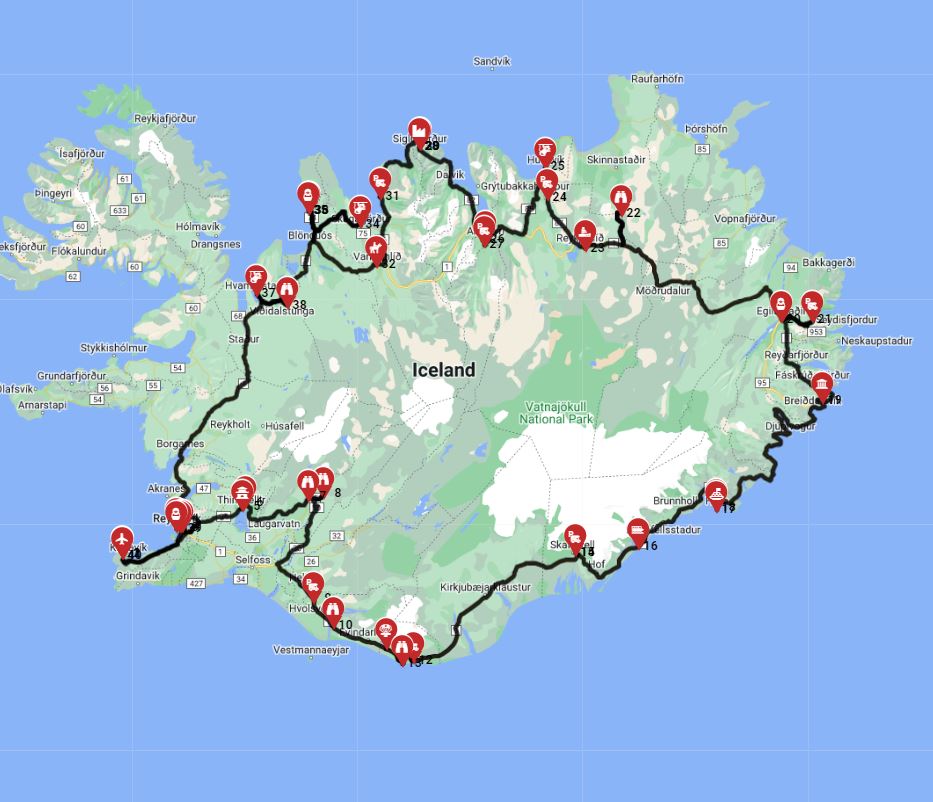
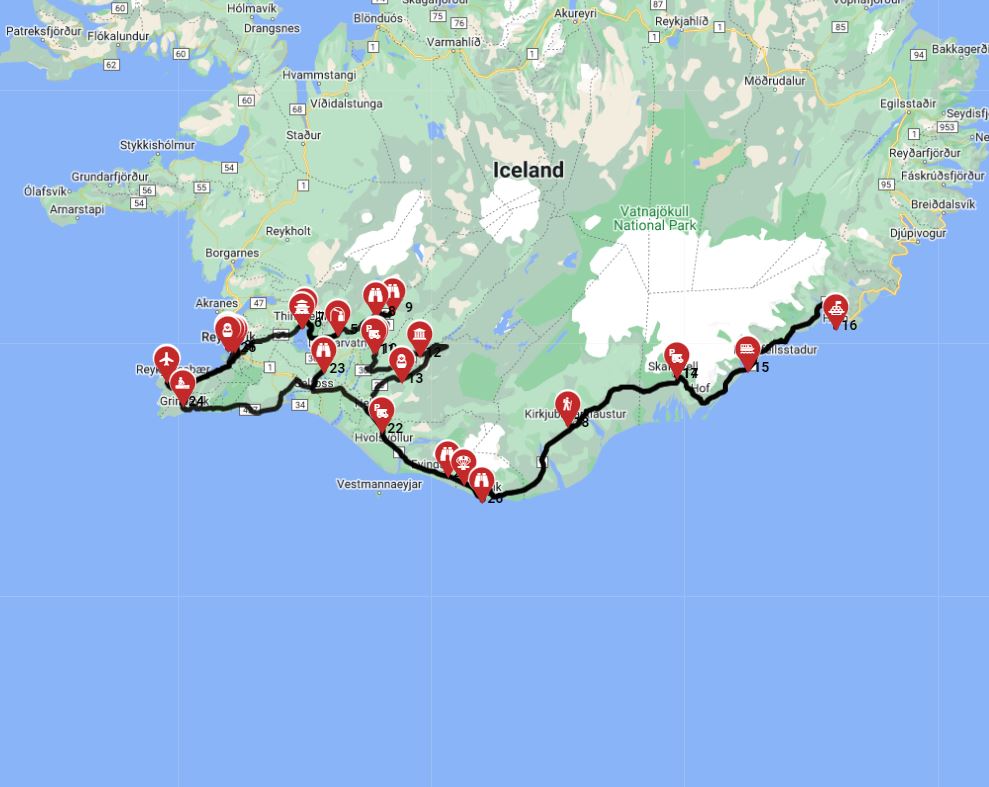
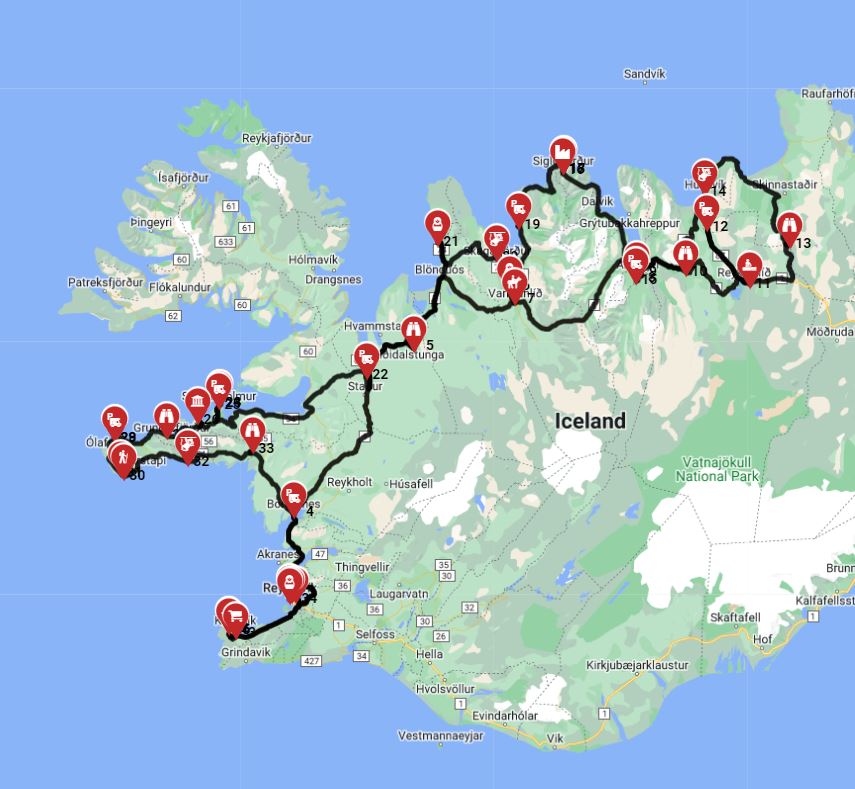
A 7 to 15-day RV journey across Iceland's Ring Road offers unparalleled flexibility and access to the island's natural wonders, especially for travelers requiring specific accessibility features. The ideal itinerary centers around exploring Iceland's diverse landscapes, from the iconic Golden Circle to the dramatic South Coast, while leveraging specialized resources like the 105-site Accessible Travel Iceland guide. Expect to cover approximately 2045 km (1270 miles) for a comprehensive full Ring Road tour, best undertaken between June and August for optimal weather and road conditions. A rented RV serves as a private mobile rest cabin, allowing travelers with limited mobility to park directly alongside majestic vistas and easily access legally mandated barrier-free public facilities, supported by Iceland’s `Mannvirkjalög` (national building codes). For live availability and current prices, start with our RV Rental Iceland - Complete Guide 2026 guide.Planning your adventure is seamless with Bandana's focus on full transparency, ensuring no hidden fees or surprises throughout your booking process. We believe in providing clear, upfront information so you can confidently plan your journey. For a deeper dive into planning your costs and comparing options, check out our guide on RV Rental in Iceland - Prices and Best Deals 2026.
7-Day Classic Route in Iceland
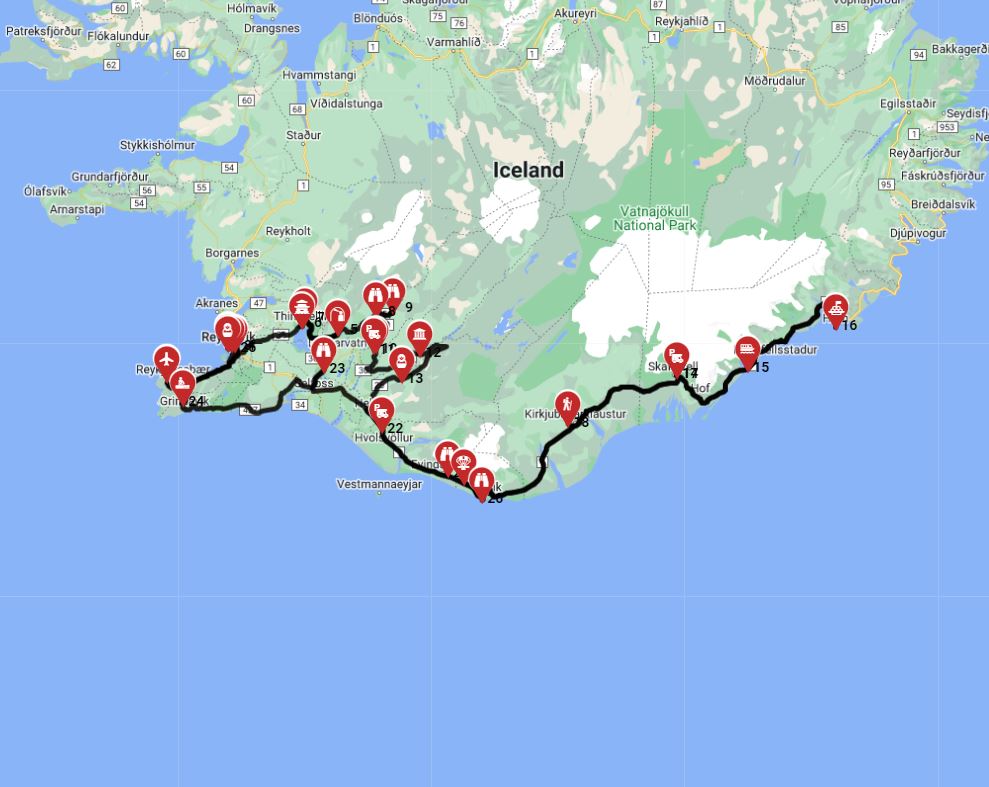
A compact 7-day RV itinerary in Iceland focuses on the highlights of the southwest and south coast, allowing travelers to experience key accessible attractions. Day 1 starts in Reykjavik, heading to the Golden Circle (Thingvellir National Park, Geysir geothermal area, Gullfoss waterfall), covering approximately 150 km (93 miles) before overnighting near Hella. Day 2 moves from Hella to Seljalandsfoss, Skógafoss, and the Sólheimajökull Glacier, then to Vik (approx. 100 km / 62 miles). Day 3 explores Vik's Reynisfjara Black Sand Beach and Dyrhólaey before heading to Kirkjubæjarklaustur (approx. 70 km / 43 miles). Day 4 takes you from Kirkjubæjarklaustur to Fjaðrárgljúfur Canyon (check current accessibility) and Skaftafell Nature Reserve, then to Jökulsárlón Glacier Lagoon, where wheelchair-friendly boat tours are often available (approx. 130 km / 81 miles). Day 5 is dedicated to Jökulsárlón before heading to Hofn (approx. 80 km / 50 miles) to explore the fishing town. Day 6 involves a scenic drive through the Eastfjords to Egilsstaðir (approx. 190 km / 118 miles), requiring an early start. On Day 7, travel from Egilsstaðir to Lake Mývatn (approx. 170 km / 106 miles) to visit accessible hot springs like the Mývatn Nature Baths before concluding towards Akureyri. Driving slowly and carefully, as advised by Bandana, ensures you can manage longer days like this without issues.14-Day Extended Journey in Iceland
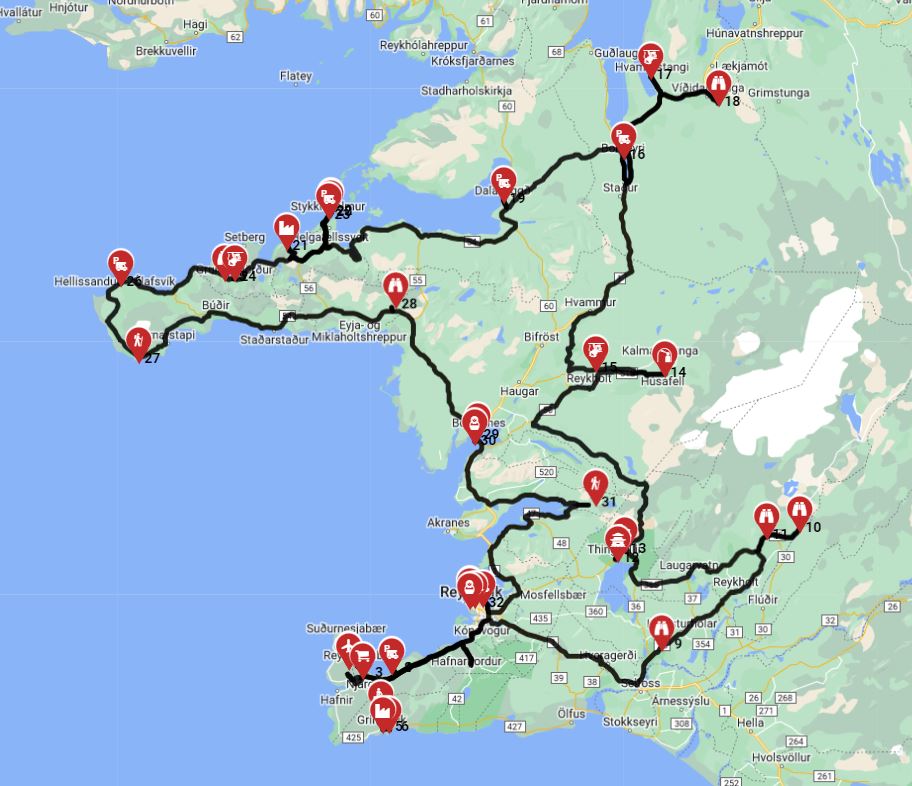
An extended 14-day RV adventure in Iceland allows for a more relaxed exploration of the Ring Road and additional regions, ideal for connecting to the culture and scenery. Days 1-4 mirror the 7-day itinerary, focusing on the Golden Circle and South Coast, ensuring ample time at accessible waterfalls, black sand beaches, and the Jökulsárlón Glacier Lagoon, with specific attention to sites offering Wheelchair Level 1 access. Days 5-7 explore the Eastfjords, stopping in charming towns like Höfn, Djúpivogur, and Seyðisfjörður, looking for local industries and traditional visits that often offer Rollator Level 2 access. Days 8-10 journey north to the Lake Mývatn area, known for its geothermal activity and accessible nature baths, including Dimmuborgir and Godafoss waterfall which often have paved pathways for easy access. Days 11-12 discover Akureyri, the "Capital of the North," with its botanical garden and local museums, then head to the stunning Snæfellsnes Peninsula. Days 13-14 conclude the journey by exploring the Snæfellsnes Peninsula's accessible attractions, such as the Kirkjufell mountain viewpoint or coastal paths, before returning to Reykjavik. This pace maintains an average of 100-150 km per day for a truly immersive and unhurried experience.Recommended RVPlan Trip for Iceland
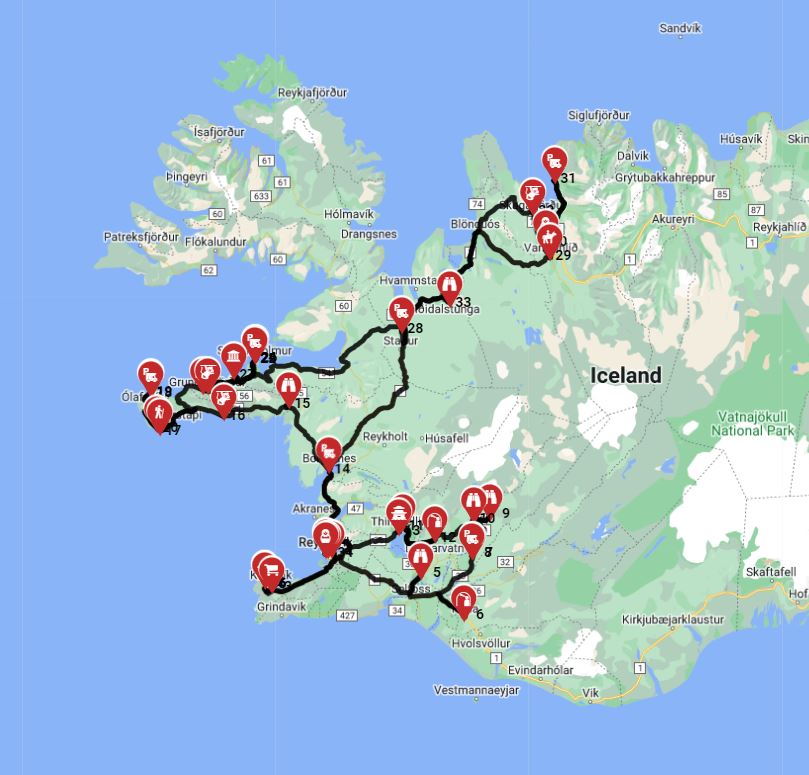
For a comprehensive and expertly curated Icelandic RV adventure, the '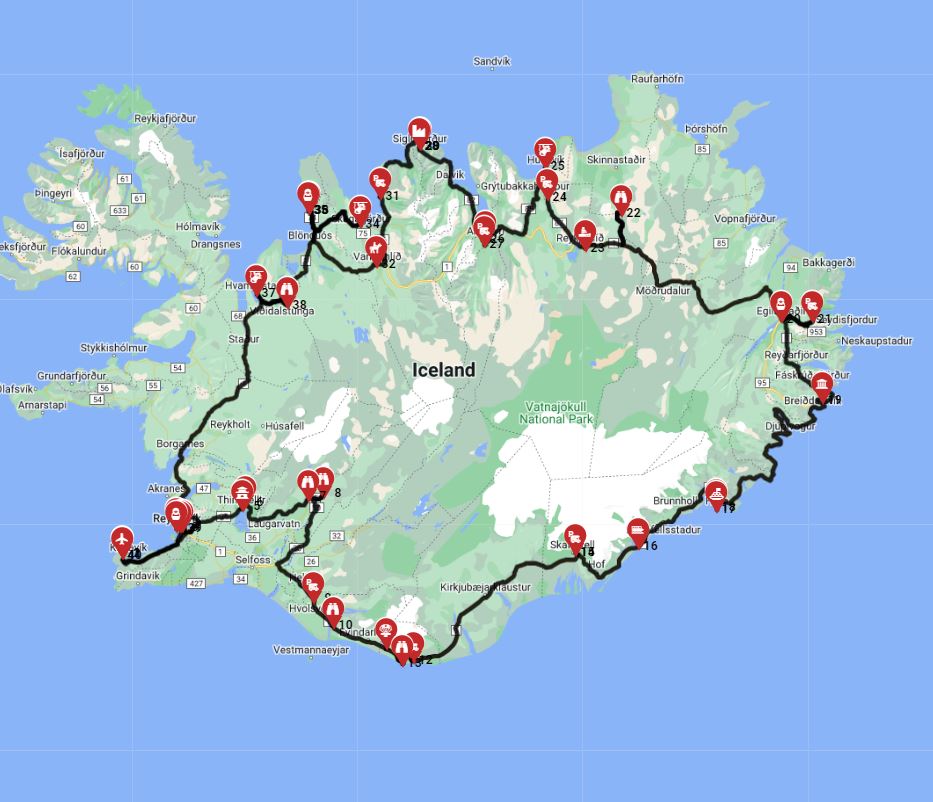
Another excellent option for shorter excursions is the '
Must-See Stops Along the Way (Avi Bandana Picks)
Avi Bandana's personal picks for an Iceland RV trip prioritize unique cultural experiences and natural beauty, ensuring a blend of iconic sights and local immersion, especially with a focus on accessibility. When exploring, look for 'Traditional Visit' locations across the Ring Road, such as historical sites or cultural centers, which often have established visitor facilities and varying mobility access levels classified by Gott aðgengi. Don't miss a 'Traditional Restaurant / Fine Dining' experience to savor authentic Icelandic cuisine; many of these establishments are audited for accessibility and welcome all travelers. For a genuine taste of Icelandic life, explore 'Local Industry' sites, like a fishing port or a craft workshop, offering insights into Icelandic life and providing unique photo opportunities; these can often be found near towns along the Ring Road.A key aspect of enjoyable RV travel is being able to cook your own meals, which also helps manage ancillary trip costs. Many RVs come equipped with gas stoves and refrigerators, perfect for preparing meals with fresh local ingredients. For some culinary inspiration on the road, be sure to check out our RV-friendly recipes playlist. On the routes offered through RV PLANET routes, you can itemize and track every expense along the way for easy budgeting.
Daily Driving Distances & Drive Times in Iceland
Avi Bandana recommends a maximum of 100 miles or 150 km per day on average when driving a rented RV in Iceland, allowing for slow travel and ample time to enjoy the scenic vistas and accessible stops. This slower pace is crucial for an enriching experience, enabling travelers to comfortably access sites classified by mobility tiers without feeling rushed or overwhelmed. Typical drive times include approximately 2 hours (120 km) from Reykjavik to Vik, 2.5 hours (140 km) from Vik to Jökulsárlón, and 2 hours (100 km) from Akureyri to Mývatn, assuming good weather and road conditions. Planning shorter daily drives also provides flexibility for unexpected stops, longer relaxation at accessible hot springs, or adapting to Iceland's notoriously changeable weather. Remember, while you can drive almost anywhere without issues if you drive slowly and carefully, paying attention to local conditions is key. No need to stress - just use common sense and pay attention. For travelers interested in knowing more about managing trip costs, know that RV PLANET routes allow you to itemize and track every expense.Best RV Class for This Itinerary - Couple & Family Picks
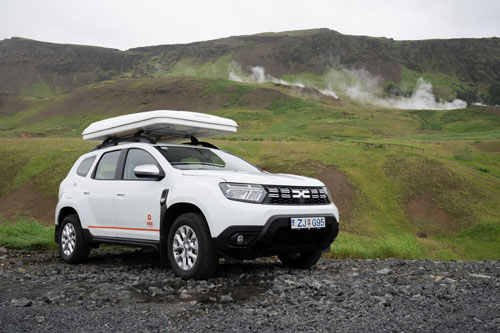
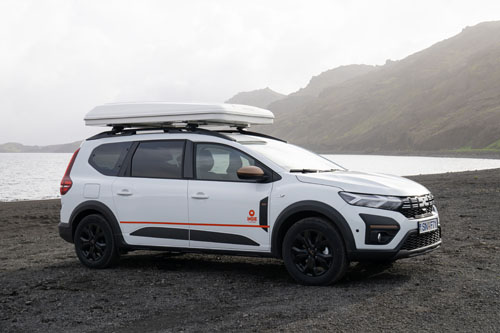
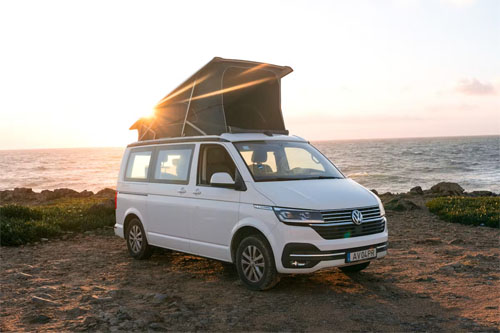
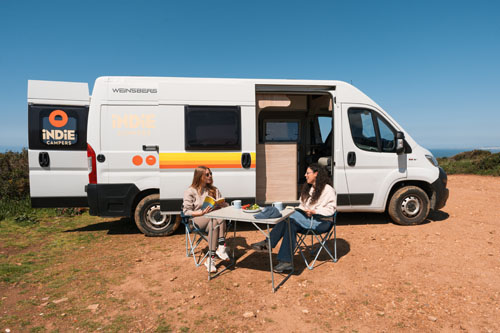
Selecting the right RV class for your Iceland adventure depends on your group size and desired level of comfort and maneuverability. For couples, a Class B - Camper Van is often the ideal choice, offering excellent maneuverability (average length 5.8m) and ease of parking at various accessible sites and campsites. Bandana’s global fleet Class B camper vans, like the 'Group B' model with a 140/185cm double bed, typically accommodate 2-3 adults and provide sufficient storage for foldable wheelchairs or mechanical rollators in expansive, weather-sealed compartments. Families or groups of 4-5 adults will find the Class C - Alcove motorhome highly suitable, with an average length of 7.5m (like the 'MHC24' with a 147/190cm bed over the cab and a 132/188cm double bed) and comfortably sleeping around 4-6 adults, offering more living space and separate sleeping areas. These vehicles feature wide under-bed lockers and rear garage compartments perfect for stowing larger mobility aids, though it's important to note vehicles maintain factory chassis frameworks and do not feature heavy wheel-in hydraulic ramp systems, requiring the ability to step up 1-2 entry steps with robust interior grab rails for entry. For a seamless experience, consider Bandana’s 'Rent & Plan' service, which combines your RV rental with a ready-made itinerary, including full access to trip-planning software, eliminating the headache of detailed route organization.Is Iceland RV friendly?
Yes, Iceland is highly RV friendly, particularly for those focusing on accessible travel, as an RV offers an unparalleled way to explore its natural beauty with comfort, flexibility, and a mobile base. The island’s commitment to accessibility, underpinned by `Mannvirkjalög` (national building codes) and the `Gott aðgengi` (Good Access) audit systems, ensures public facilities like hot springs and pools are legally mandated to offer barrier-free entry. A rented RV provides the convenience of a 'private mobile rest cabin,' allowing travelers with limited mobility to park immediately alongside majestic vistas and readily access the 105 meticulously classified accessible sites detailed in the Accessible Travel Iceland guide. This combination of a personal vehicle and verified accessible infrastructure significantly enhances the travel experience, allowing for adaptive exploration of Iceland’s diverse landscapes. Iceland's road network, especially the Ring Road, is generally well-maintained, making it suitable for all sizes of motorhomes and campervans.What is the best month to RV in Iceland?
The best months to RV in Iceland, especially for accessible travel, are typically June through August, offering the mildest weather, longest daylight hours, and optimal road conditions. During the summer, the Ring Road and access to many rural sites are generally clear of snow and ice, making travel much safer and easier for all, including those navigating specific mobility tiers. The extended daylight hours, often stretching beyond midnight, provide more flexibility for exploring accessible waterfalls, geothermal areas, and national parks listed in the 105-site map guide. While popular, booking a rented RV and campsites well in advance for these months is highly recommended due to high demand. For those preferring fewer crowds and potentially lower prices, early May or late September can also be beautiful, though weather becomes more unpredictable. Check out our guide on Cheap RV Rental in Iceland - Budget Guide 2026 for more seasonal tips.Can you just pull over and sleep anywhere in Iceland in an RV?
No, you cannot simply pull over and sleep anywhere in a rented RV in Iceland; wild camping is largely prohibited to protect the fragile environment, and travelers must utilize designated campsites or private land with explicit permission. Icelandic law strictly regulates where RVs and campers can park overnight to preserve its unique nature and ensure safety, making official campsites a necessity for a responsible journey. Designated campsites typically offer essential amenities like electricity, waste disposal points, and fresh water, which are crucial for RV travelers and particularly beneficial for those with limited mobility requiring reliable facilities. You'll find a spot; if not at the first campground, then the next one. It's always a good idea to call ahead before driving to confirm availability. Adhering to these regulations ensures a responsible and hassle-free trip, allowing you to focus on enjoying the accessible sites and experiences Iceland offers. Many national and state parks reserve only 25-30% of spots for advance booking, with the rest available first-come-first-serve.Is it safe to drive an RV in Iceland?
Driving a rented RV in Iceland is generally safe, provided travelers exercise caution, adhere to road and weather warnings, and are mindful of speed limits and variable road conditions. Iceland's primary Ring Road (Route 1) is mostly paved and well-maintained, facilitating smooth travel for motorhomes and campervans. However, many side roads to points of interest, including some accessible sites, can be gravel, requiring slower speeds (e.g., 80 km/h on paved, 50 km/h on gravel) and careful handling. Sudden weather changes, including strong winds and heavy rain, are common, so it is crucial to check the forecast daily using reputable sources like the Icelandic Met Office (en.vedur.is) and be prepared to adjust plans to ensure safe travel for all occupants, including those with mobility aids. This proactive approach to safety ensures that accessible travelers can reach their chosen destinations from the 105-site guide without incident, enjoying the journey as much as the destination.Is it easy to drive an RV in Iceland?
Driving a rented RV in Iceland is generally straightforward on the main Ring Road, though it requires attention to variable weather conditions, single-lane bridges, and occasional gravel roads in certain areas. The Ring Road is well-signed and navigatable, but travelers should be prepared for narrower roads, especially in the Eastfjords, and ensure they are comfortable with larger vehicle handling. Drive slowly and carefully, and you can drive almost anywhere without issues. No need to stress - just use common sense and pay attention. The mobility tiers in the 'Accessible Travel Iceland' guide, such as 'Wheelchair Level 1' for paved pathways versus 'High Barrier Level 3' for unpaved terrains, indirectly inform route planning regarding road conditions and ease of access to the site itself. A standard car driver's license is sufficient for all motorhome classes (Class A, Class B, and Class C) in Iceland, and the minimum rental age is 21 years old. With a bit of practice and careful planning, navigating Iceland in an RV becomes an enjoyable experience, allowing freedom to explore at your own pace.Is it worth renting an RV in Iceland?
Renting an RV in Iceland is highly worth it, particularly for travelers seeking flexibility, comfort, and the unique ability to access remote, accessible sites while maintaining personal privacy. An RV allows travelers to follow their own schedule, spending more time at captivating locations like the wheelchair-friendly hot springs and sights detailed in the 'Accessible Travel Iceland' guide, rather than being tied to hotel bookings. It serves as a self-contained unit, providing essential comfort and privacy for those with limited mobility, allowing immediate rest or access to personal facilities right at the doorstep of stunning natural landmarks. This level of autonomy, combined with the comprehensive resources available for accessible travel, makes a motorhome rental an invaluable investment for an immersive Icelandic adventure. When you rent a motorhome, you control your schedule and can truly embrace slow travel, averaging 100-150 km per day to deeply connect with the environment.What is the average cost of an RV rental in Iceland?
The average cost of an RV rental in Iceland varies significantly by season, RV class, and rental duration, typically ranging from $150 to $400+ per day. Peak season (June-August) will see the highest prices, with smaller camper vans starting around $200-$250 per day (like a Class B 'Camper Van' with front air condition) and larger motorhomes (such as a Class C 'Euro Deluxe' 6-berth) potentially exceeding $450-$500 per day. Off-peak seasons, like spring (April-May) and autumn (September-October), offer lower rates, making them attractive for budget-conscious travelers, though with potentially less predictable weather and fewer accessible facilities fully operational. Prices are dynamic, similar to flight tickets, changing daily based on availability and supplier marketing decisions, so the final price is set at actual booking time. Booking well in advance, especially if you require specific vehicle features to accommodate mobility aids, is crucial to secure the best rates and availability. You can find more details on current pricing in our RV Rental in Iceland - Prices and Best Deals 2026 guide.What is the best company to rent an RV in Iceland?
The best company to rent an RV in Iceland will offer a fleet suitable for diverse needs, comprehensive support, and specialized resources like the 'Accessible Travel Iceland: The Complete 105-Site Map Guide for Limited Mobility' to enhance your travel experience. A top rental provider, such as Bandana, should clearly communicate vehicle limitations, such as the absence of hydraulic ramps and the requirement to manage entry steps with robust interior grab rails, while ensuring vehicles are ideal for foldable wheelchairs and rollators. Look for companies that are transparent about their vehicle specifications and actively integrate RV comfort with access to verified sites, recognizing the RV as a crucial 'private mobile rest cabin' for travelers with mobility impairments. Prioritizing a rental company that actively supports and provides tools for accessible travel, like our Rent&Plan service with pre-planned itineraries, demonstrates a commitment to a positive and barrier-free journey. Bandana has direct partnerships with 50+ leading RV suppliers worldwide, offering bookings in 30+ currencies with full price transparency. This ensures you find the perfect motorhome or campervan for your Iceland adventure without hidden fees or surprises.🎬 Video coming soon
What You Shouldn't Miss
- Golden Circle Loop: Experience Thingvellir National Park, the Geysir geothermal area, and the powerful Gullfoss waterfall. Many key viewpoints offer accessible pathways.
- South Coast Waterfalls: Marvel at Seljalandsfoss (where you can walk behind the falls, conditions permitting) and Skógafoss, both with accessible viewing areas.
- Jökulsárlón Glacier Lagoon: Take an accessible boat tour among the icebergs or simply enjoy the stunning views from the shore, often classified as Wheelchair Level 1 access.
- Lake Mývatn Geothermal Area: Explore diverse geothermal phenomena and enjoy the accessible Mývatn Nature Baths for a relaxing soak.
- Snæfellsnes Peninsula: Drive around this "Iceland in Miniature," visiting charming fishing villages and iconic sites like Kirkjufell mountain with various accessible viewpoints.
- Reykjavik's Culture: Explore the capital city's museums, galleries, and diverse dining options. Many establishments adhere to 'Gott aðgengi' (Good Access) standards.
Looking for expert insights from Avi Bandana? Discover top destinations, planning tips, all in one place on rvplan.net for Avi's recommended routes.