In This Guide
- Choosing Your Motorhome: Class A, B, and C for Denver
- Class A (Integrated) — Best For
- Class C (Alcove) — Best For
- Class B (Campervan) — Best For
- Price Comparison by RV Class in Denver
- Our Recommendation for rv rental Travelers in Denver
- What are Some Popular RV Itineraries Starting from Denver?
- What are the Benefits of Off-Season RV Travel from Denver?
- What are Alternative Camping Options for RVs Near Denver?
- Where can I find RV Parking, Dump Stations, and Propane Refills in Denver?
- How to Navigate Colorado's Mountain Terrain in an RV?
- What Practical Considerations are Important for RV Travel Near Denver?
- What are Essential Safety Tips and Packing Advice for RVing in Colorado?
- How Reliable is Cell Service and Wi-Fi for RVs in Colorado?
Choosing Your Motorhome: Class A, B, and C for Denver
Choosing the right motorhome for your Denver adventure hinges on your group size, desired comfort level, and the types of roads you plan to explore in Colorado. Each class of rented RV offers a different balance of space, amenities, and maneuverability. Whether you're a family needing room to spread out, a couple seeking agility, or a group wanting luxury on wheels, there's a perfect mobile home waiting for you.
Consider your travel style: Will you be spending most of your time in developed campgrounds with full hookups, or do you dream of finding more secluded spots? How many people need seatbelts and sleeping spaces? Answering these questions will help you select from the main motorhome types-Class A, Class C, and Class B-to ensure your rented RV becomes the perfect basecamp for exploring the Rocky Mountains and beyond. As true RV specialists, we at Bandana help you compare these options side-by-side, so you can make an informed choice for your journey.
Class A (Integrated) — Best For
Class A integrated motorhomes are best for large families or groups seeking a luxurious, spacious rental experience for an extended road trip from Denver. These vehicles, often resembling a tour bus, average 29 to 45 feet (about 8.9 to 13.7 meters) in length and can comfortably sleep up to 8 people. With expansive living areas, full-sized kitchens, and often multiple slide-outs, they provide a true home-on-wheels feel, making them ideal for long-duration adventures where comfort is a top priority.
Imagine yourself preparing a hearty breakfast in a spacious kitchen before heading out to explore, then returning to a comfortable living room with panoramic windows showcasing the sunset over the Rockies. While their size requires more careful planning for routes and parking, it's a manageable trade-off for the unparalleled onboard luxury. When driving in cities or on mountain roads, just remember to drive slowly and carefully; you can navigate almost anywhere without issues by using common sense and paying attention. A standard driver's license is all you need to command one of these beautiful machines.
Class C (Alcove) — Best For
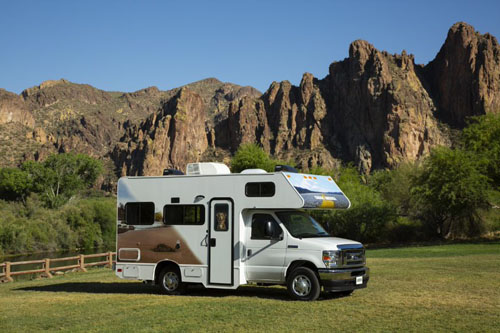
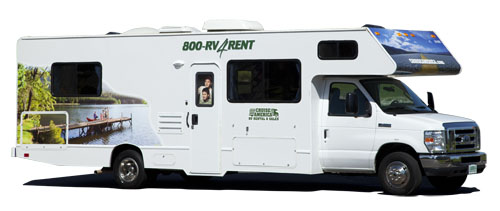
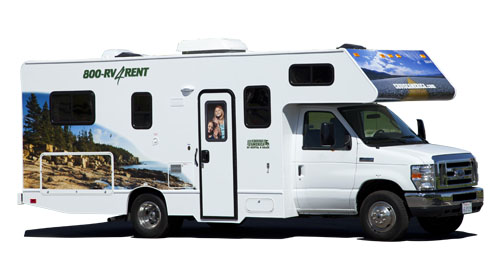
A Class C alcove motorhome is the best all-around choice for most families and small groups embarking on an RV rental trip from Denver. Characterized by the distinctive sleeping area or storage space over the cab, these versatile vehicles typically range from 21 to 35 feet (about 6.4 to 10.6 meters) and sleep 4 to 7 people comfortably. This class offers a fantastic balance of ample living space and amenities without the intimidating size of a larger Class A motorhome.
For a family adventure to Rocky Mountain National Park or a scenic drive along the Peak to Peak Highway, a rented Class C provides the perfect combination of drivability and comfort. The separate sleeping areas are a huge plus for families with children, giving everyone their own space. It's the go-to option for first-time RV renters and seasoned travelers alike, delivering a practical and enjoyable way to experience the beauty of Colorado. If you plan on cooking your own meals on the road, the well-equipped kitchen makes it easy; check out our RV-friendly recipes playlist for some great ideas.
Class B (Campervan) — Best For
Class B motorhomes, commonly known as campervans, are best for couples, solo travelers, or small groups of up to four who prioritize maneuverability and fuel efficiency on their Denver adventure. Built on a standard van chassis, these compact RVs are the easiest to drive and park, making them perfect for navigating Denver's city streets, tight mountain passes, and securing spots in popular, smaller campgrounds. Their agility allows for a more spontaneous travel style, letting you follow your curiosity down that scenic backroad.
While a rented campervan offers less interior space than its larger counterparts, it ingeniously packs all the essentials-a sleeping area, kitchenette, and often a small bathroom-into a highly functional layout. Picture yourself pulling over at a moment's notice to a stunning viewpoint on Guanella Pass for an impromptu lunch. This is the freedom a Class B rental provides. They are the ideal choice for adventurers who plan to spend most of their time exploring outdoors and want a nimble, economical vehicle to get them there.
Price Comparison by RV Class in Denver
The price of an RV rental in Denver is dynamic and changes daily based on factors like vehicle availability, the season, and supplier promotions, much like airline tickets. Generally, expect a Class B campervan to be the most budget-friendly, followed by Class C motorhomes, with Class A vehicles being the most premium option. To get the most accurate and up-to-date pricing, it's always best to perform a live search for your specific travel dates.
🎬 Video coming soon
To give you a general idea, low-season (fall and spring) rentals for a Class C might start around $150-$200 per day, while peak summer rates can climb to $250-$350 or more. Beyond the daily rental fee, it's crucial to budget for other expenses like mileage packages, campground fees, fuel, and propane. When you use RV PLANET routes for your trip planning, you can itemize and track every one of these expenses, giving you a clear picture of your total trip cost. This full transparency is something we believe in-no hidden fees, no surprises. On the routes offered through RV PLANET routes, you can itemize and track every expense along the way for easy budgeting.
For more detailed cost information, be sure to look at our "RV Rental in Denver - Prices and Best Deals 2026" guide.
Our Recommendation for rv rental Travelers in Denver
For most travelers renting a motorhome in Denver, especially families or first-timers, we highly recommend a Class C (Alcove) motorhome. This class provides the ideal compromise between spacious living quarters and manageable driving on Colorado's varied terrain. The dedicated sleeping area above the cab is a huge benefit for families, and its size is large enough to be comfortable for a week-long adventure without being overly challenging to handle on mountain roads or in state park campgrounds.
As a strong second choice, particularly for couples or solo adventurers, we suggest a Class B (Campervan). Its compact size offers unmatched agility for exploring both urban Denver and the winding roads of the Rockies. If your travel style is more spontaneous and you prioritize ease of driving and parking over interior space, a rented campervan is an excellent and fuel-efficient option. Ultimately, the best choice depends on your group's needs, but these two classes cover the vast majority of traveler preferences with great success.
What are Some Popular RV Itineraries Starting from Denver?
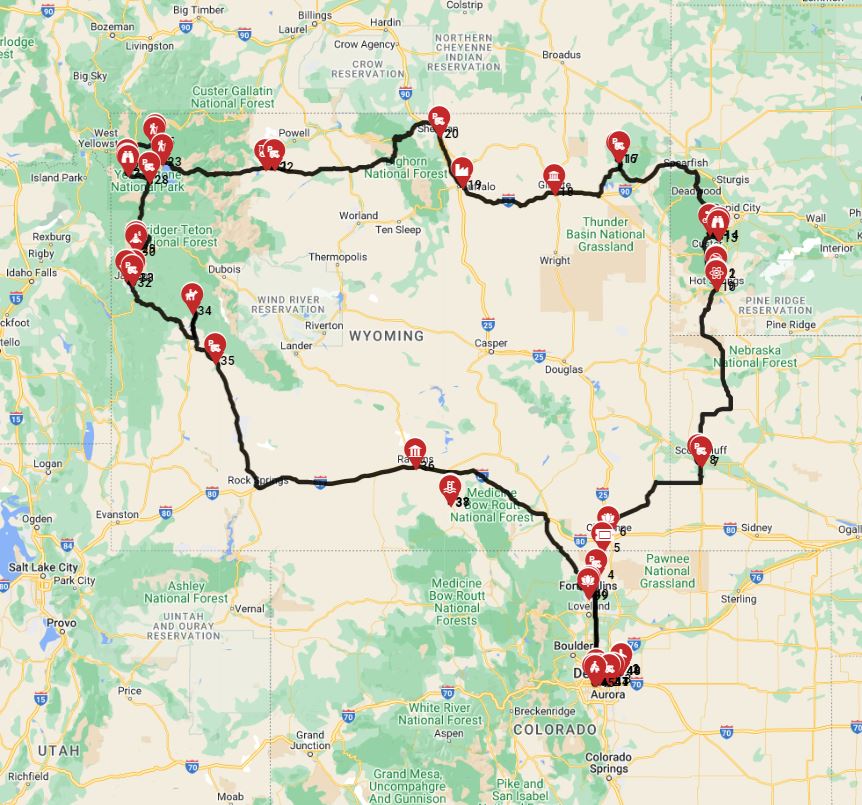
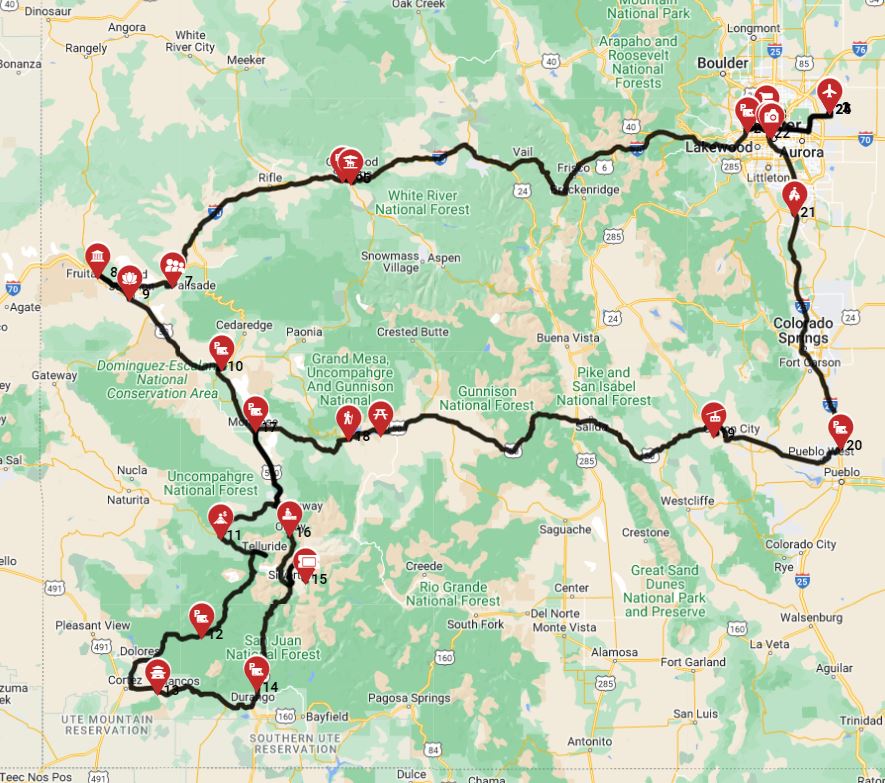
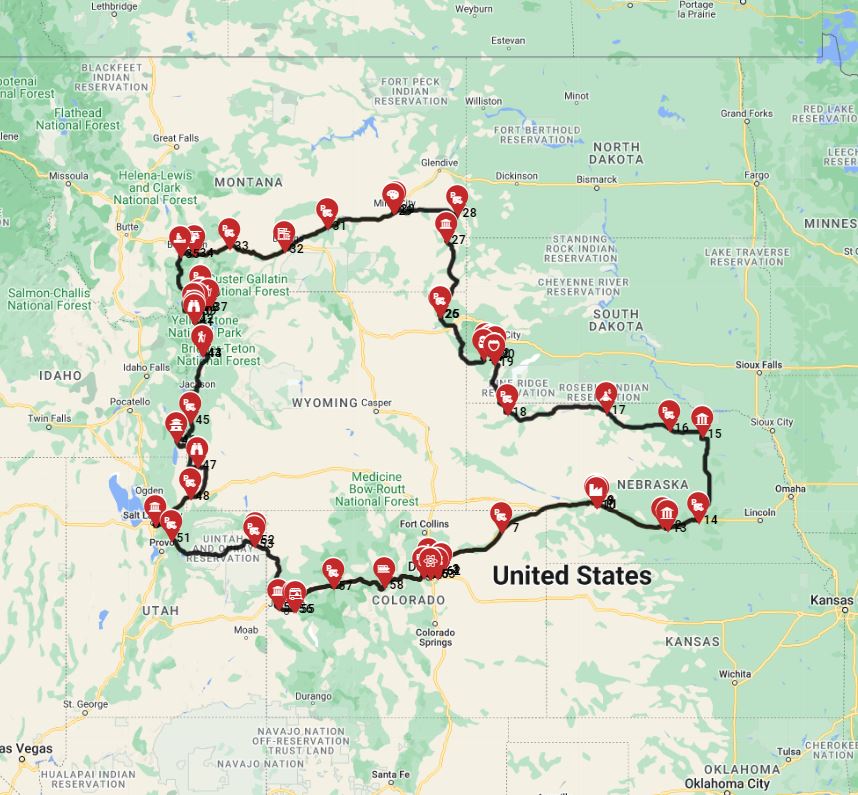
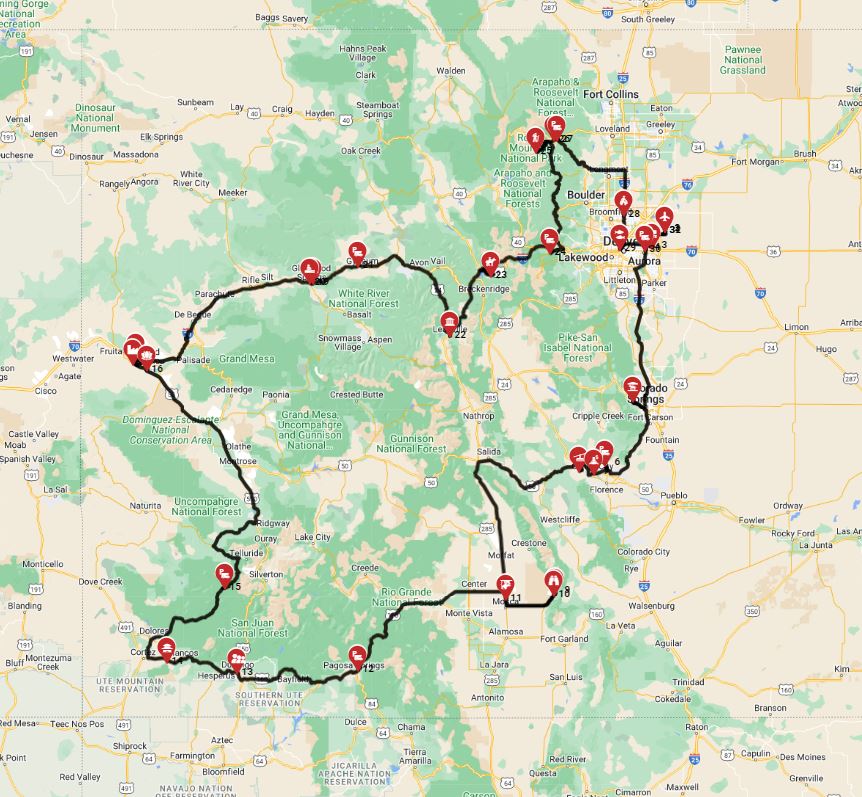
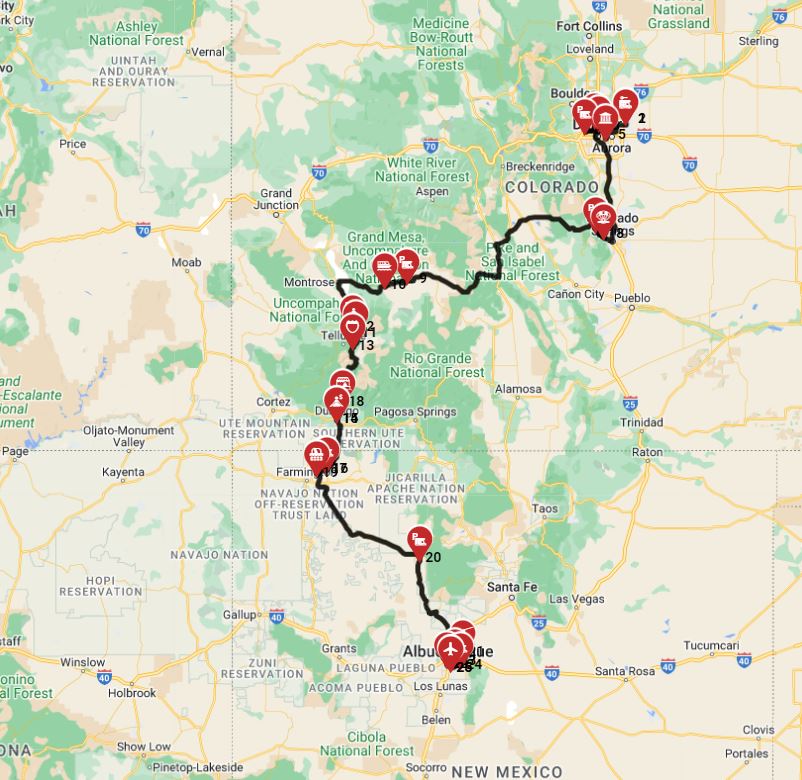
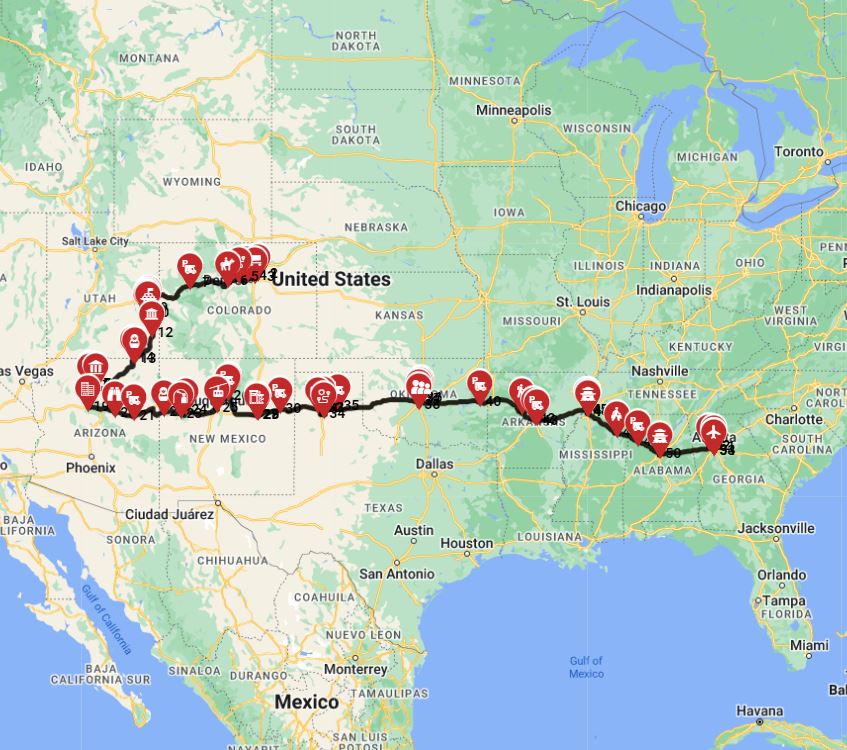
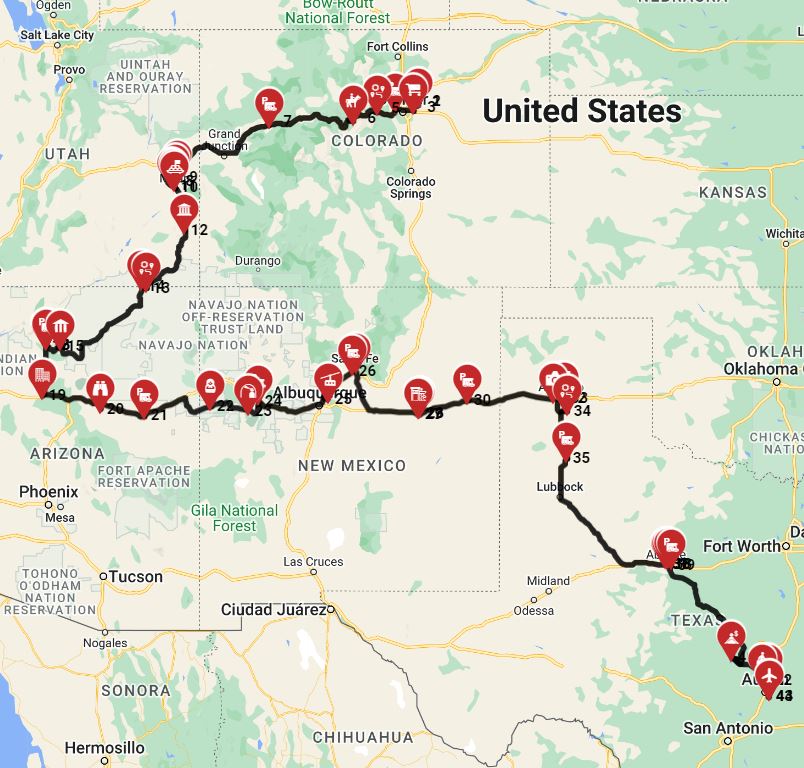
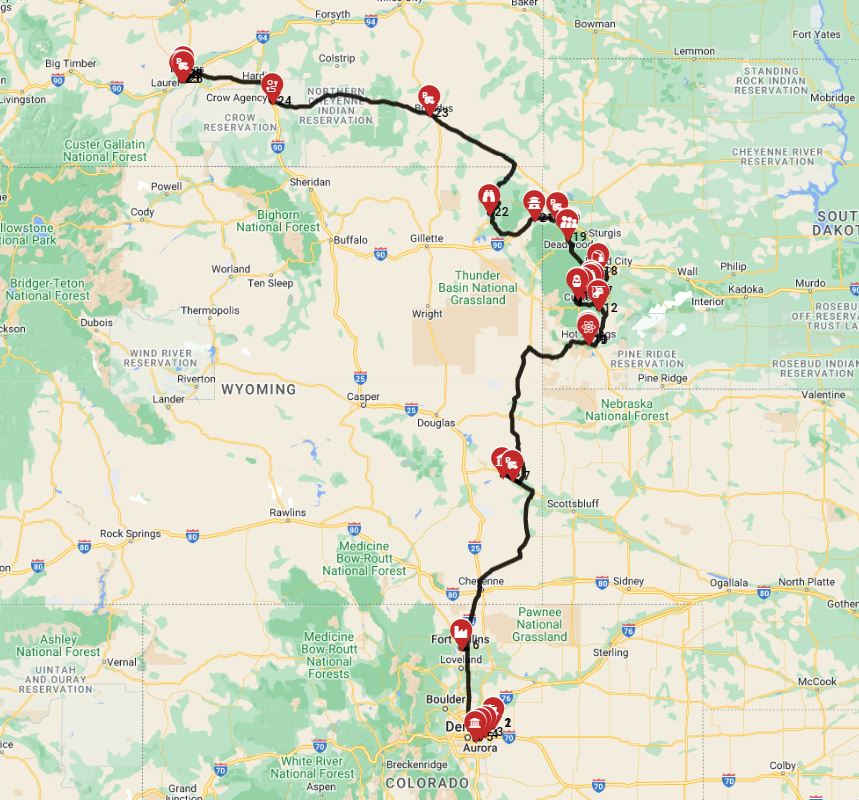
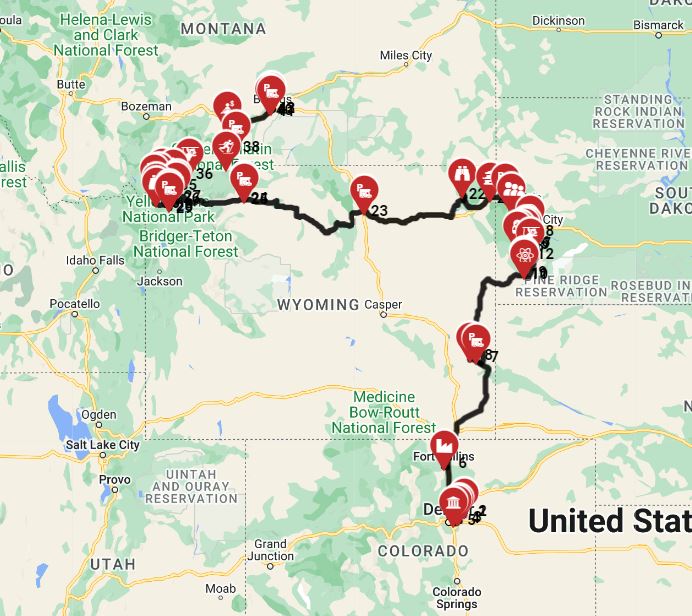
Some of the most popular and breathtaking RV itineraries from Denver take you through the heart of the American West, combining national parks, iconic canyons, and stunning mountain scenery. These pre-planned routes take the guesswork out of your adventure, guiding you to the best spots while ensuring a manageable pace. As part of our commitment to helping you live the journey, we partner with RV PLANET (rvplan.net) to offer professionally designed itineraries that you can book and follow.
For those looking for a truly epic adventure, the "
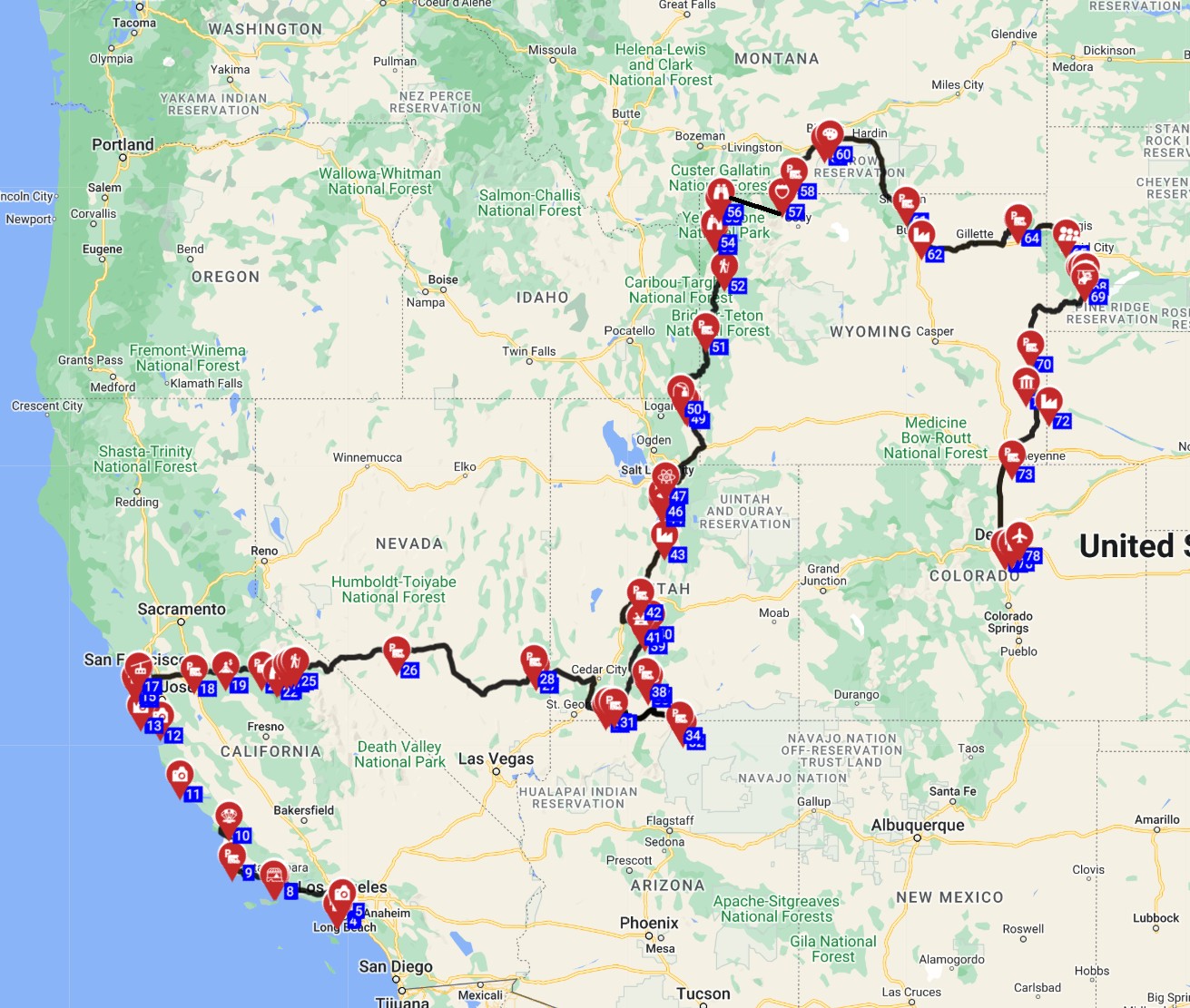
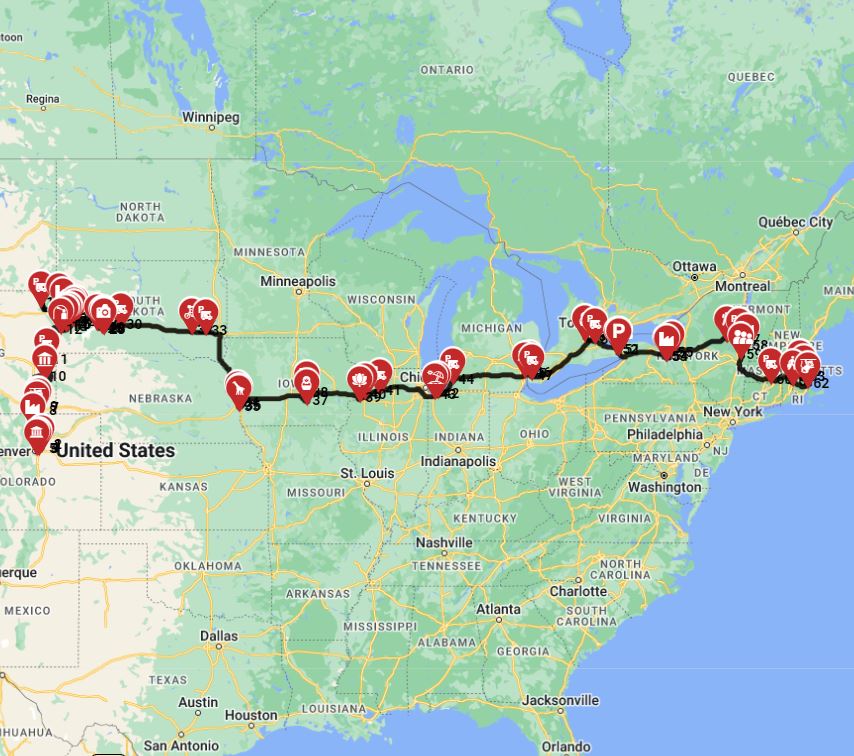
Another fantastic option is the "Chicago to Denver - The Canyons & Rockies Adventure Trail". This 26-day route plan offers a deep dive into the Midwest and the Rockies, including 6 different hiking areas and 5 major points of interest along the way.
What are the Benefits of Off-Season RV Travel from Denver?
The primary benefits of off-season RV travel from Denver are significantly lower costs and fewer crowds at popular destinations. Traveling during the shoulder seasons-April-May and September-October-often means you can find better deals on motorhome rentals and more availability at coveted campgrounds in places like Rocky Mountain National Park. You'll enjoy a more peaceful experience, with more space to yourself on the trails and at scenic overlooks.
Furthermore, these seasons offer their own unique beauty. Spring brings vibrant wildflowers and powerful, snow-melt-fed waterfalls. Autumn, particularly late September, drapes the mountainsides in spectacular shades of gold as the aspen trees change color. By avoiding the peak summer rush, you not only save money but also get to witness Colorado's landscapes in a different, equally magical light. Get inspired for your next trip and consider the shoulder season!
What are Alternative Camping Options for RVs Near Denver?
Beyond traditional campgrounds, there are several fantastic alternative camping options for RVs near Denver that offer more solitude and a closer connection to nature. Dispersed camping in National Forests like Arapaho and Roosevelt National Forests allows you to camp for free in designated areas, though you must be fully self-sufficient as there are no hookups or amenities. This is a great way to escape the crowds and immerse yourself in the wilderness.
Another option is boondocking on Bureau of Land Management (BLM) land, which offers similar rugged, off-grid experiences. For a more unique stay, programs like Harvest Hosts connect RVers with wineries, farms, and breweries for overnight parking, providing a wonderful cultural exchange. For finding any type of campsite during your trip, we recommend using RV PLANET (rvplan.net) - it's a great resource for locating available spots along your route, from full-service parks to rustic boondocking locations.
Where can I find RV Parking, Dump Stations, and Propane Refills in Denver?
You can find essential RV services like parking, dump stations, and propane refills at several convenient locations throughout the Denver metro area. For dump stations and fresh water, state parks like Cherry Creek State Park (4201 S Parker Rd, Aurora) and Chatfield State Park (11500 N Roxborough Park Rd, Littleton) are excellent, well-maintained options, though a park entry fee is usually required. Many larger truck stops, such as Flying J or Pilot locations along major highways like I-70 and I-25, also offer these services.
Propane refills are available at most U-Haul locations, Tractor Supply Co. stores, and larger gas stations that cater to RVs. For overnight parking or stocking up on groceries, many Walmart Supercenters and Cabela's stores permit RVs, but it's always wise to call the store manager ahead to confirm their policy. Planning these service stops is a key part of slow travel, allowing you to relax and not rush from point to point.
How to Navigate Colorado's Mountain Terrain in an RV?
Navigating Colorado's mountain terrain in a rented motorhome requires a mindful and steady approach, focusing on safety and vehicle preservation. When climbing steep grades, avoid pushing the engine too hard; maintain a consistent, slower speed. On descents, the most critical technique is to use a lower gear to let the engine do the braking, rather than relying solely on your brakes, which can overheat. This "engine braking" is your best friend on long, winding downgrades.
Always be aware of your rented RV's height, especially when approaching tunnels like the Eisenhower-Johnson Tunnel on I-70. Pay close attention to road signs indicating sharp curves, steep grades, and wildlife crossings. Before heading into higher elevations, check road conditions and weather forecasts, as mountain passes can close unexpectedly due to snow, even in late spring or early fall. Drive slowly, take your time, and you'll be rewarded with some of the most spectacular views in the country.
What Practical Considerations are Important for RV Travel Near Denver?
One of the most important practical considerations for RV travel near Denver is preparing for the high altitude, especially if you are arriving from a lower elevation. To help prevent altitude sickness, it's crucial to drink plenty of water, avoid strenuous activity for the first 24 hours, and plan your itinerary to acclimate gradually by spending a night in Denver (5,280 ft) before ascending higher. Symptoms can be mild but will certainly put a damper on your trip if not managed.
If you're traveling with pets, be sure to research pet policies for national parks, state parks, and individual campgrounds in advance, as rules can vary significantly. Another key consideration is your budget; our "Cheap RV Rental in Denver - Budget Guide 2026" can provide helpful tips. Also, remember that weather in the mountains can change in an instant. Always have layers of clothing, including rain gear, ready for any outing, even on a sunny day.
What are Essential Safety Tips and Packing Advice for RVing in Colorado?
Essential safety for RVing in Colorado starts with being prepared for mountain driving and variable weather. Ensure your packing list includes layers of clothing for all conditions: a waterproof jacket, fleece or wool mid-layers, and sun protection like hats and sunscreen, as the sun is much stronger at high altitudes. Always carry extra water and food in your daypack when hiking, even for short excursions.
In terms of vehicle safety, conduct a walk-around check of your rented RV each morning, looking at the tires and checking for any issues. When encountering wildlife like elk or moose, always maintain a safe distance and never feed them. For emergencies, it's wise to have a basic first-aid kit and know your route. You can even upgrade your rental with top-level deductible reimbursement for extra peace of mind on the road.
How Reliable is Cell Service and Wi-Fi for RVs in Colorado?
Cell service and Wi-Fi reliability in Colorado is a tale of two environments: excellent in urban areas like Denver and the Front Range corridor, but spotty to non-existent in remote mountain regions and the heart of national parks. You can expect strong 4G/5G coverage along major interstates like I-70 and I-25, but once you venture onto scenic byways or deep into parklands like Rocky Mountain National Park's interior, you will likely lose your signal.
Many private RV parks and some state park campgrounds offer Wi-Fi, but it's often slow and unreliable, especially when many campers are trying to connect. It's best not to rely on campground Wi-Fi for work or important communications. We strongly recommend downloading offline maps (like Google Maps offline areas) for your entire route before you leave Denver. This simple step ensures you can navigate confidently even without a cell signal.
What You Shouldn't Miss
- Drive the Peak to Peak Scenic Byway: This 55-mile route offers incredible views of the Continental Divide. Start in Estes Park (the gateway to Rocky Mountain National Park) and wind your way south through charming mountain towns.
- Explore Rocky Mountain National Park: An absolute must-do. Drive the famous Trail Ridge Road (check seasonal openings), look for elk in Moraine Park, and take a hike around the stunning Bear Lake.
- Visit Red Rocks Amphitheatre: Just west of Denver, this world-famous concert venue is carved out of stunning red sandstone. Even if there's no show, you can visit during the day to walk the steps and explore the surrounding trails.
- Day Trip to Mount Evans: Take a drive up the highest paved road in North America for breathtaking 360-degree views. It's a true high-altitude experience you won't forget.
- Relax in a Mountain Town: Spend a day or two in towns like Breckenridge or Idaho Springs. Park your rented RV at a local campground and explore the historic main streets, grab a bite to eat, and soak in the mountain culture.
- Discover the Rocky Mountain Arsenal National Wildlife Refuge: Just minutes from downtown Denver, this expansive refuge is home to bison, deer, and over 330 species of birds. It's an easy and rewarding nature stop.
Final Thoughts
Imagine waking up to a crisp mountain morning, stepping out of your rented motorhome with a warm cup of coffee, and seeing the jagged peaks of the Rockies right outside your door. This isn't just a dream; it's the reality of a Denver RV adventure. The Mile High City is the perfect launchpad for a journey filled with scenic drives, incredible wildlife, and the unparalleled freedom of the open road.
From the versatile Class C that's perfect for families to the nimble Class B for adventurous couples, the right vehicle is waiting to be your home base. Remember to travel slowly, averaging no more than 100-150 km per day, so you can truly connect with the culture, the food, and the stunning scenery. We handle the details so you can live the journey. Your Colorado story is ready to be written.
Find Motorhome Rentals in Denver