In This Guide
- Top 5 Tips for rv rental RV Rental in San Diego
- Before You Book - Class Dates Insurance
- Pre-Trip Prep - Packing Checklist for San Diego
- On the Road - Driving Fueling Navigation
- At the Campground - Setup Hookups and Etiquette
- rv rental-Specific Tips for San Diego
- Common Mistakes to Avoid in San Diego
- What to know before renting an RV
- What is the 3 3 3 rule for rving
- What is the 444 rule for RVs
- How much does it cost to rent an RV in San Diego
- Is it cheaper to rent an RV or stay in a hotel
Top 5 Tips for rv rental RV Rental in San Diego
The top five tips for a successful motorhome rental trip in San Diego are to choose the right vehicle for your group, create a flexible budget, understand local driving conditions, pack smart, and conduct a thorough vehicle inspection before you leave the depot. Mastering these basics will set you up for an incredible journey through America's Finest City. Imagine cruising along the coast, your home on wheels giving you the freedom to explore from the beaches of La Jolla to the mountains of Cuyamaca, all on your own schedule. This is the magic of exploring San Diego with a rented RV.
First, match your RV to your adventure. A compact Class B campervan is perfect for couples, while a larger Class C motorhome with a cab-over bunk provides ample space for families with kids heading to the San Diego Zoo or LEGOLAND. Second, plan your budget beyond the rental fee. Factor in fuel, campground fees (which can vary from $40 at a state park to over $100 at a resort), food, and activities. Being a true RV specialist, we advise full transparency, so you know all costs upfront. Third, familiarize yourself with driving in the area. While navigating a rented motorhome in a city might seem daunting, it's very manageable. Just drive slowly and carefully, and you can drive almost anywhere without issues. Use common sense, pay attention to your vehicle's height, and you'll be fine. Fourth, your packing list is key. Bring layers for the coastal climate and essential documents. Fifth, before hitting the road, do a complete walk-around of your rented motorhome. Check tires, test appliances, and document any pre-existing scratches to ensure a smooth return process. On the routes offered through RV PLANET routes, you can itemize and track every expense along the way for easy budgeting.
Before You Book - Class Dates Insurance
Before booking your San Diego motorhome rental, you should carefully select your vehicle class, secure your preferred travel dates, and understand your insurance options. Choosing the right mobile home is about balancing space, amenities, and your comfort level with driving. Class C motorhomes are a fantastic all-around option for families, offering distinct sleeping areas and a full kitchen. Couples often prefer the nimble and efficient Class B campervans for exploring city streets and remote beaches. For those seeking ultimate luxury and space, a Class A motorhome provides a bus-like experience with premium features. For a detailed breakdown of costs by vehicle type, our guide on "RV Rental in San Diego - Prices and Best Deals 2026" is an excellent resource.
When it comes to dates, San Diego is a year-round destination, but booking strategies differ. Spontaneous travelers can often find last-minute availability, as many campgrounds, including state and national parks, only reserve about 25-30% of their spots, leaving the rest as first-come-first-serve. However, if you're a pre-planner or traveling during peak season (June-August) or on a holiday weekend, it’s wise to book your rental caravan and campsites a few months ahead. As for insurance, basic coverage is always included in your rental quote. We believe in full transparency, so what you see is what you pay. For added confidence on the road, you can upgrade to a top-level deductible for extra peace of mind, which significantly reduces your financial liability in case of an incident. We make comparing these options simple during the booking process.
🎬 Video coming soon
Pre-Trip Prep - Packing Checklist for San Diego
Effective pre-trip preparation for a San Diego RV adventure involves creating a detailed packing list that accounts for the region's diverse microclimates and activities. San Diego's weather is famous for its mildness, but it's a city of layers. You'll want shorts and t-shirts for a sunny afternoon in Balboa Park, but also a fleece jacket and long pants for a cool evening stroll along the Embarcadero. Don't forget swimwear for the 70 miles of coastline, sturdy shoes for hiking Torrey Pines State Natural Reserve, and a hat and sunscreen for any time of year.
Inside your rented motorhome, you'll find it's a home on wheels. While most rentals come with basic kitchen supplies, you should confirm what's included. Packing some of your favorite spices, coffee, and cooking oil can make meal prep easier and more personal. Having a well-stocked kitchen allows you to take full advantage of cooking on board, saving money and enjoying fresh meals at your scenic campsite. For some great ideas on what to cook, check out our RV-friendly recipes playlist. In terms of documents, keep your driver's license, rental agreement, and reservation confirmations in an easily accessible place. Finally, pack a basic toolkit, a first-aid kit, flashlights, and extra batteries for convenience and safety. This preparation ensures you can focus on making memories, not worrying about what you forgot.
On the Road - Driving Fueling Navigation
Successfully navigating San Diego in a rented RV requires a bit more awareness than driving a car, but it's an enjoyable experience that puts you in command of your adventure. The key is to be mindful of your vehicle's size, plan your routes, and schedule your stops. Always know your motorhome's height and avoid routes with low-clearance bridges, which can be found in some older neighborhoods or park areas. Using an RV-specific GPS app is a great way to avoid these potential hazards. When driving on highways like I-5 or I-8, stay in the right-hand lanes, maintain a safe following distance, and allow for extra braking room. Remember to make wider turns than you would in a car, especially when turning right from a multi-lane street.
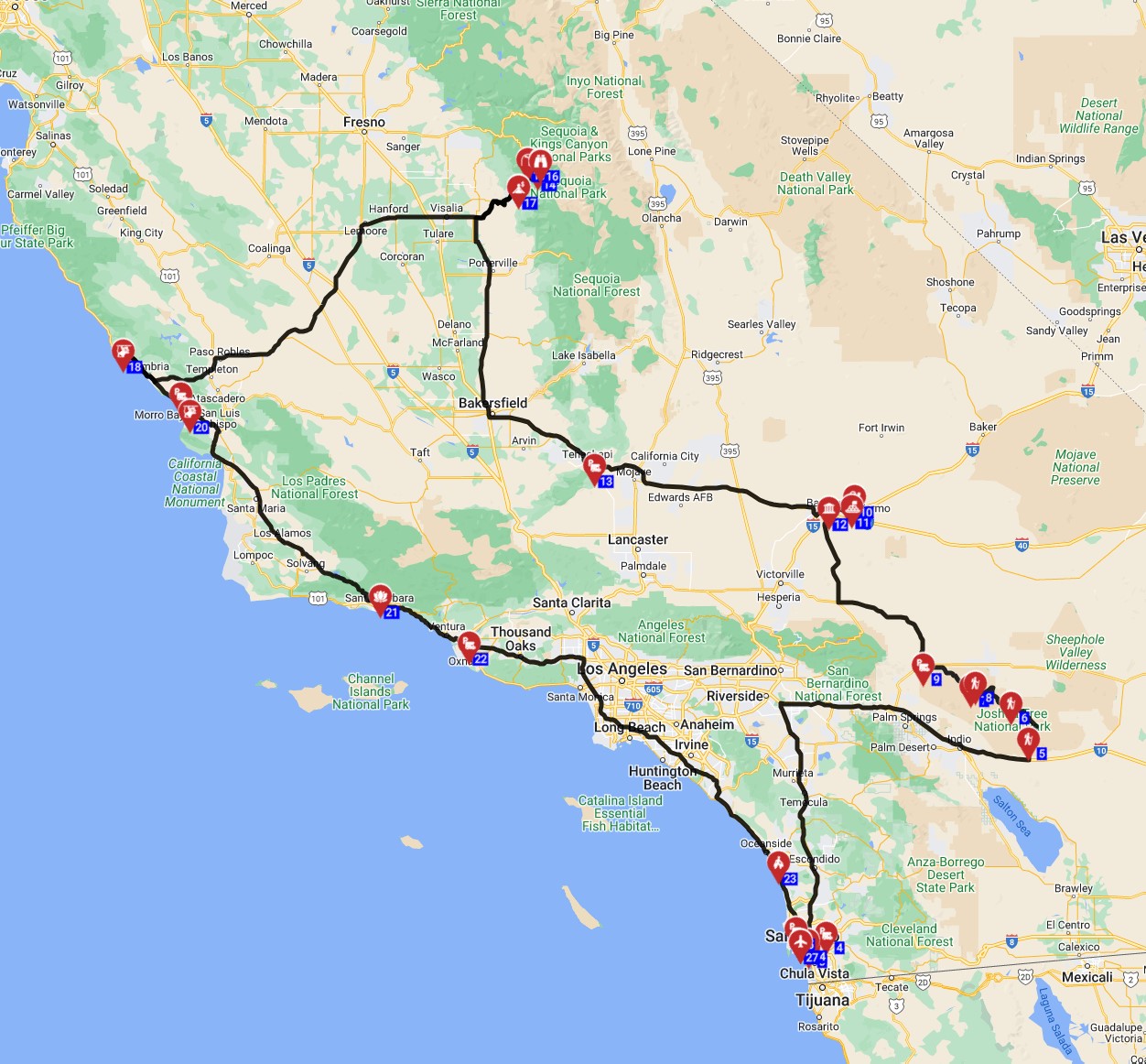
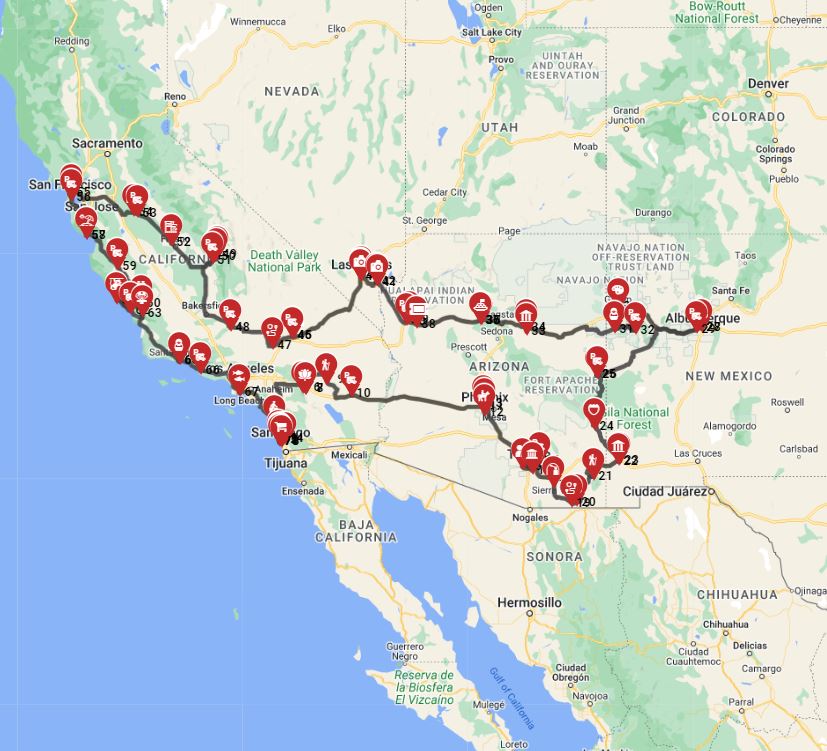
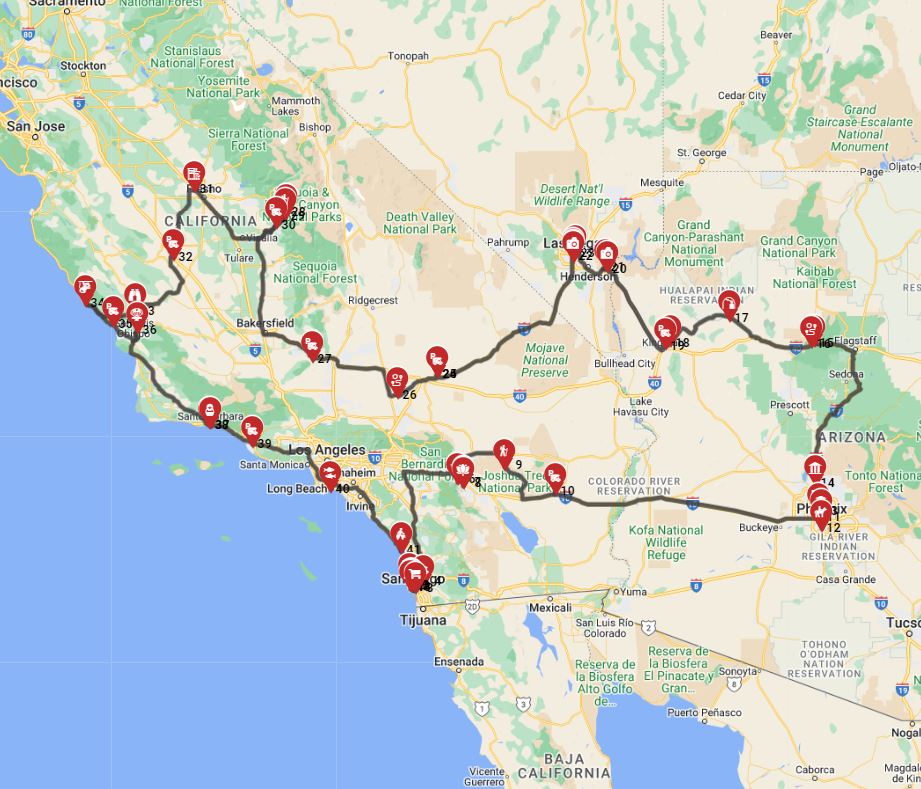
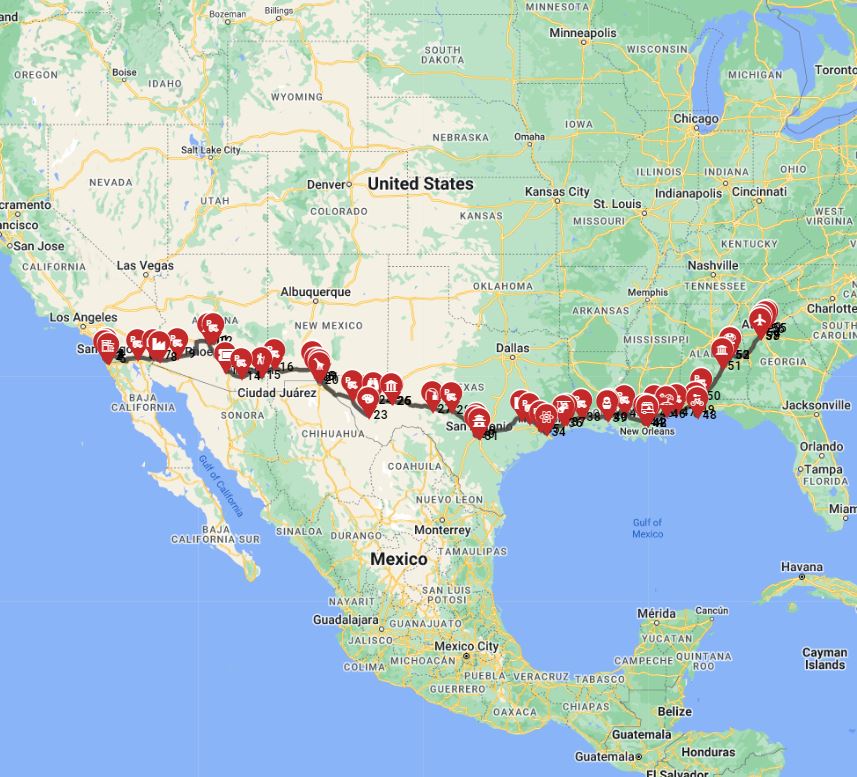
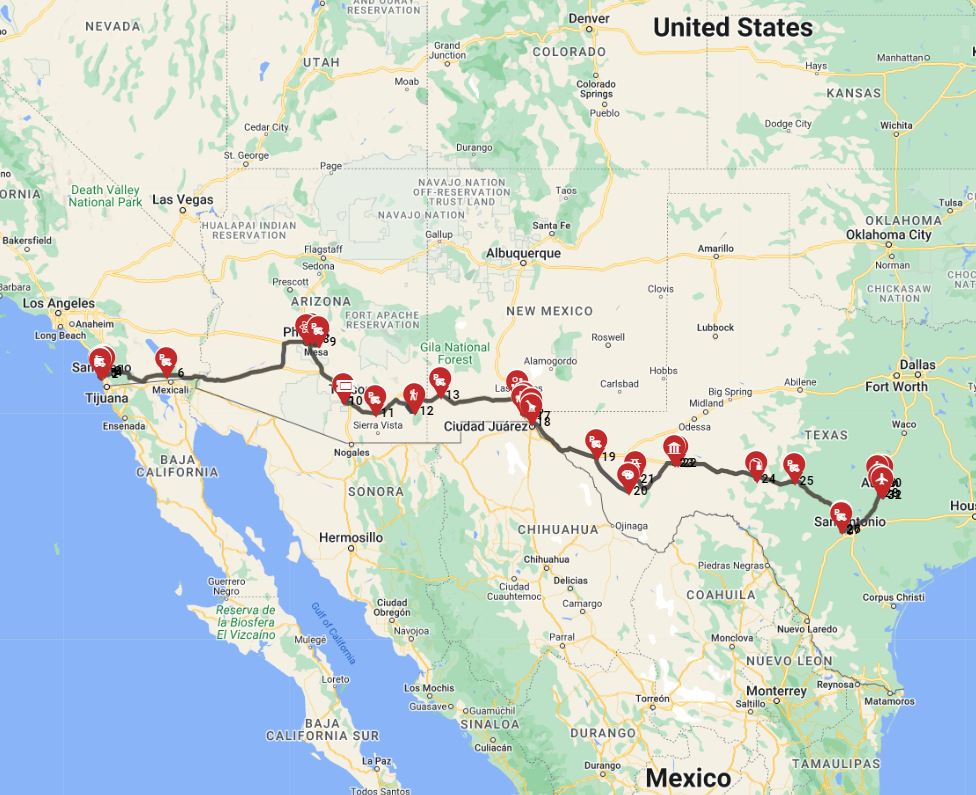
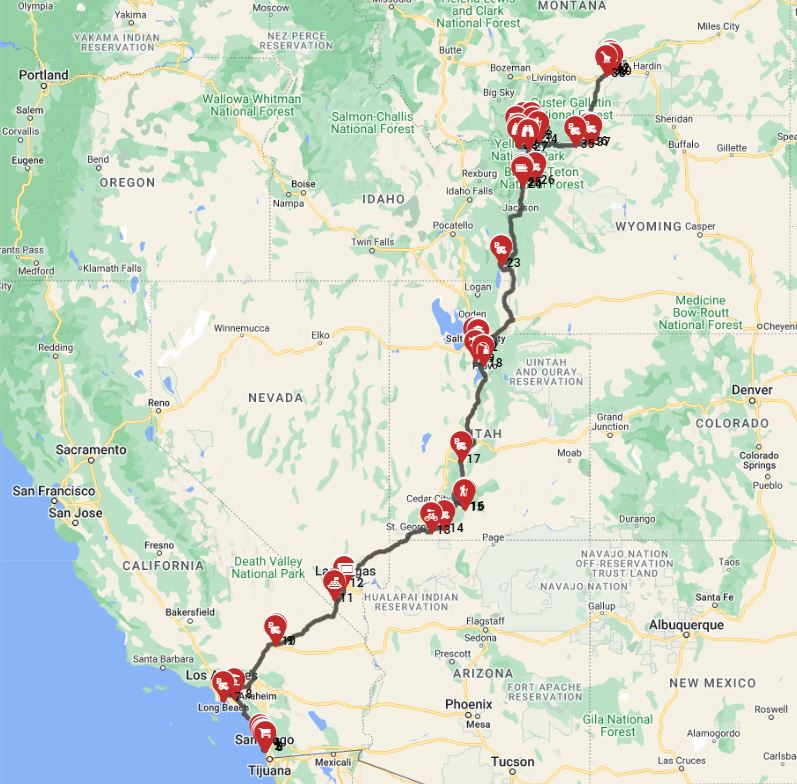
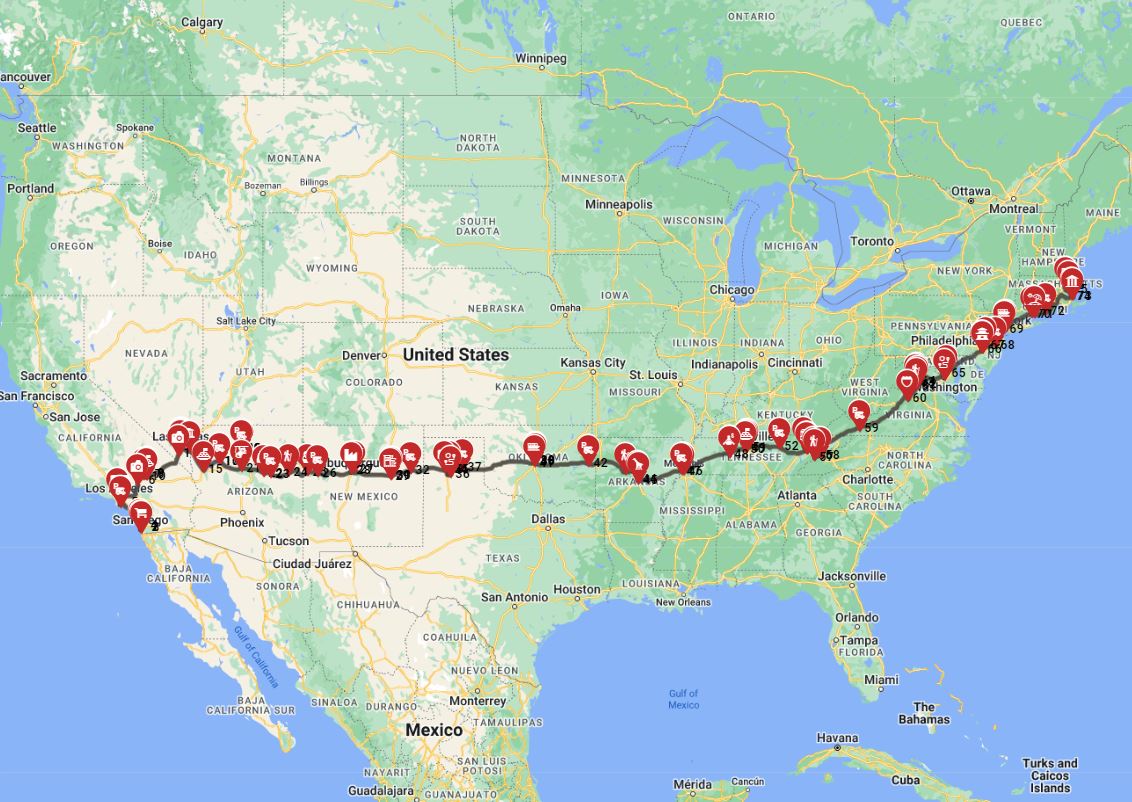
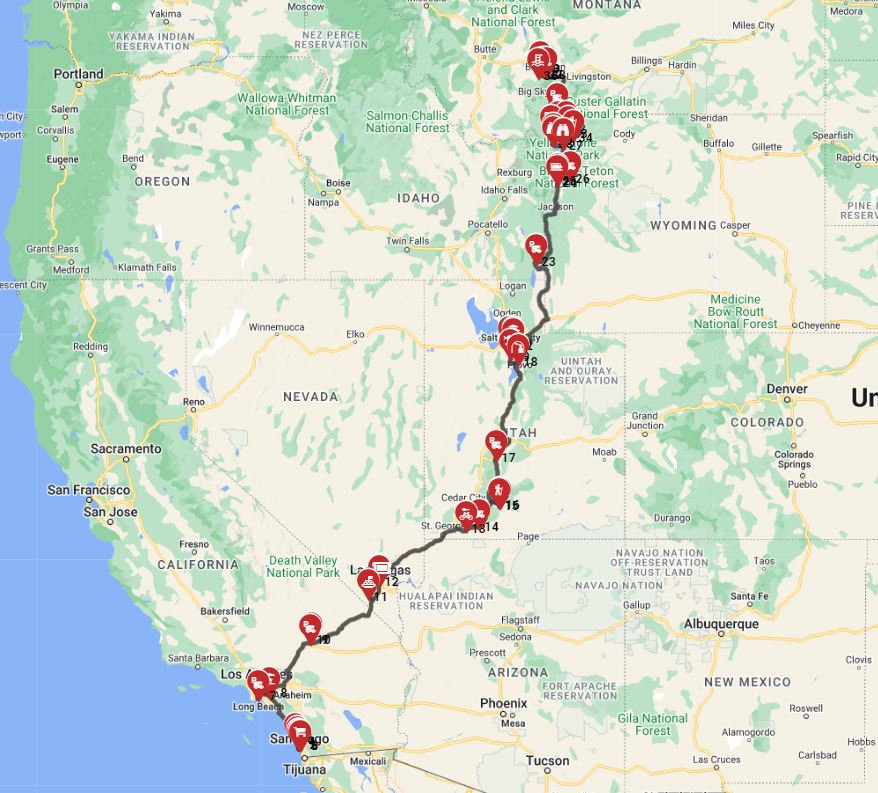
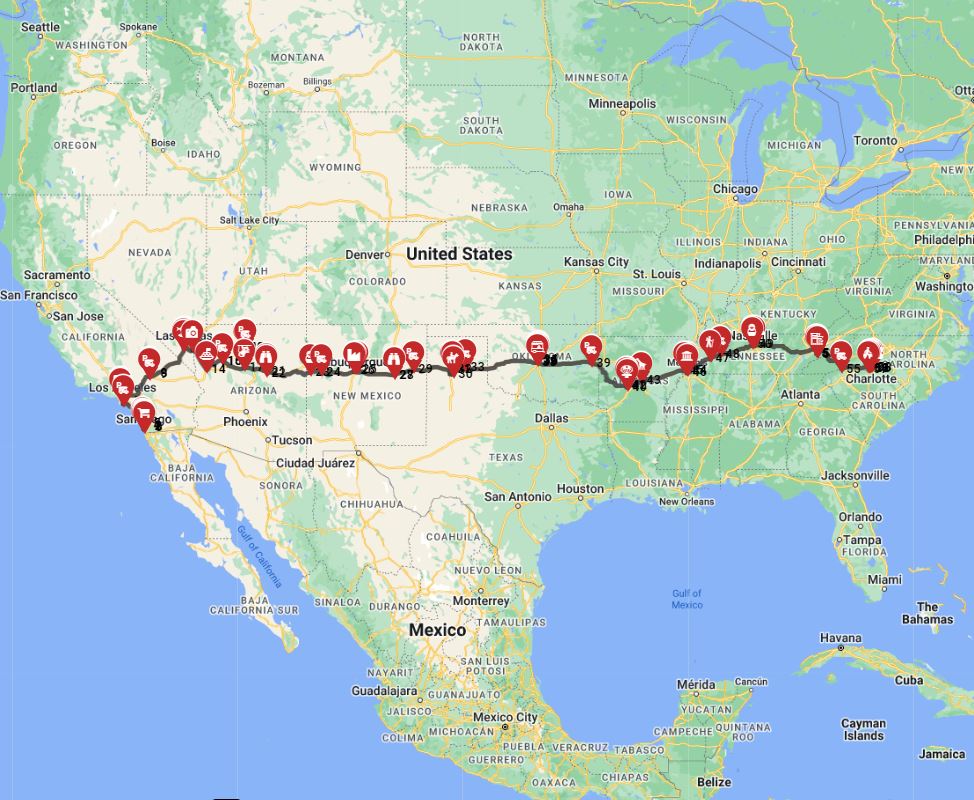
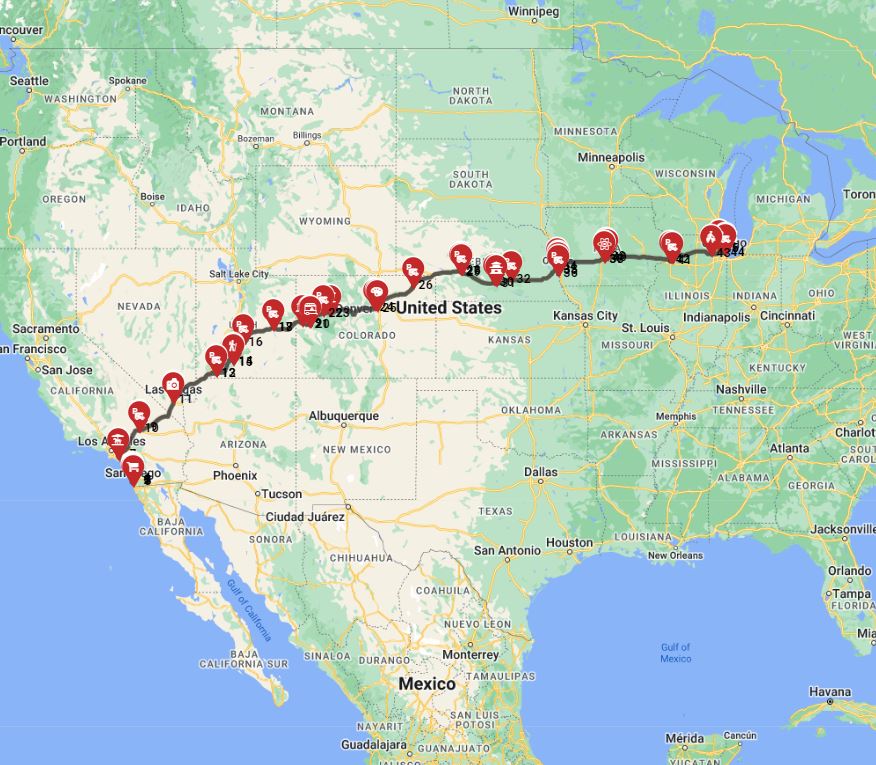
Fueling is another consideration. Not all gas stations are built for larger vehicles. Look for larger chain stations like Arco or Chevron located near freeway exits, or truck stops, which have ample room to maneuver. It's a good practice to refuel when your tank is half-full to avoid any stress. Traffic can be heavy during weekday rush hours (7-9 AM and 4-6 PM), so planning your drives to popular spots like the Gaslamp Quarter or La Jolla Cove during off-peak times is highly recommended. For those embarking on a longer journey, pre-planned itineraries can take the guesswork out of routing. Our Rent&Plan service offers professionally designed routes that consider all these factors. Get inspired for your next trip and travel slowly, averaging no more than 100-150 km per day to truly connect with the beautiful scenery.
At the Campground - Setup Hookups and Etiquette
Arriving at your San Diego campground is a moment of triumph, and setting up your rented RV is a simple process that quickly becomes second nature. First, park your motorhome in your designated spot and ensure it's level. Most modern RVs have automatic leveling systems, but you can also use leveling blocks if needed. This step is crucial for the proper function of your refrigerator and for your own comfort. Once level, the next step is connecting your utilities or "hookups." The standard order is power, water, and then sewer. Before plugging in your electrical cord, ensure the campground's breaker is off. Connect your fresh water hose with a water pressure regulator to protect your RV's plumbing. Finally, connect the sewer hose, ensuring a secure, downhill connection to the drain.
Beyond the technical setup, observing campground etiquette ensures a pleasant stay for everyone. Be mindful of your neighbors by keeping noise levels down, especially during designated quiet hours (usually 10 PM to 8 AM). Keep your campsite tidy and dispose of trash in the proper receptacles. When it comes to finding a spot, we always recommend using a resource like RV PLANET (rvplan.net) to locate available campgrounds along your route. You can call ahead to confirm availability, especially if you plan to arrive late. Adhering to these simple practices and being a considerate neighbor will make your time at any of San Diego's beautiful RV parks, from Mission Bay to Chula Vista, a relaxing and enjoyable part of your road trip adventure.
rv rental-Specific Tips for San Diego
Tailoring your San Diego motorhome trip to your travel style can transform a good vacation into an unforgettable one. For families, renting a Class C motorhome with a bunkhouse model and a separate entertainment area for the kids is ideal. Plan your itinerary around kid-friendly destinations like the San Diego Zoo Safari Park, Balboa Park's many museums, and the beaches of Coronado. Many RV parks in the area, like Campland on the Bay, offer amenities such as pools, playgrounds, and organized activities perfect for keeping children engaged.
Couples or seniors might prefer a smaller, more luxurious Class B or a compact Class C for easier driving and parking. You can plan a more relaxed journey, focusing on the wineries in the Temecula Valley (a short drive north), the art galleries of La Jolla, and the serene beauty of the San Diego Botanic Garden. For those seeking a truly premium experience, our "Luxury RV Rental in San Diego - Premium Prices 2026" guide highlights top-of-the-line models. Budget-conscious travelers can maximize their funds by taking advantage of the free attractions, like hiking at Torrey Pines, strolling through Old Town San Diego State Historic Park, and enjoying the city's 70 miles of public beaches. You can find more money-saving ideas in our "Cheap RV Rental in San Diego - Budget Guide 2026" article. Staying at county or state parks instead of private resorts and cooking meals in your RV’s kitchen will also significantly reduce costs.
Common Mistakes to Avoid in San Diego
Avoiding a few common mistakes can make your San Diego motorhome rental experience significantly smoother and more enjoyable. One of the biggest errors is underestimating travel times. Instead of assuming you can quickly get from your East County campground to a La Jolla beach, always check traffic conditions and plan for delays, especially during rush hour on I-5 or I-8. We always recommend slow travel; take your time to feel the place, connect with the culture, and savor the scenery without a rushed schedule.
Another frequent misstep is not booking popular campsites far enough in advance. Coastal spots like San Elijo or Silver Strand State Beach can be fully booked six months out for summer weekends. While there are often first-come-first-serve options, securing a reservation provides peace of mind. A third mistake is overlooking local parking rules. Many beach parking lots have height restrictions or prohibit oversized vehicles. Research RV-friendly parking areas online or use public transit when visiting congested areas like the Gaslamp Quarter. Finally, don't skip the thorough pre-trip inspection. Take photos and videos of the RV's condition inside and out before you leave the rental station. This protects you from being held responsible for pre-existing damage and ensures all systems are working correctly for a stress-free trip.
What to know before renting an RV
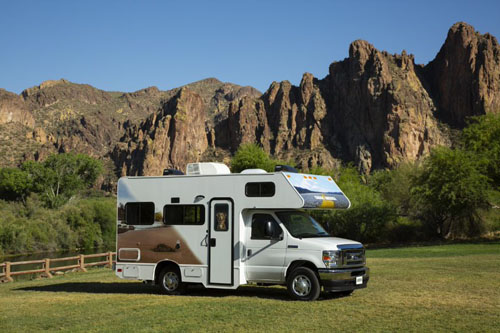
Before renting a motorhome for your San Diego trip, it is essential to understand the different vehicle classes, license requirements, and the details of your rental agreement. A standard car driver's license is sufficient for all rental motorhomes, including large Class A models, so no special permits are needed. The minimum rental age is typically 21. It's also vital to choose the right vehicle. A Class C motorhome is a popular choice for first-timers, offering a good balance of space and drivability. A Class B campervan is more fuel-efficient and easier to park, while a Class A offers the most living space and luxury. We are true RV specialists, not a travel agency side department, and our team can help you compare these options to find the perfect fit.
Thoroughly reading your rental agreement is non-negotiable. Pay close attention to mileage allowances, generator usage fees, cleaning policies, and what's included in your insurance. At Bandana, we prioritize full transparency with no hidden fees, ensuring the price you see is the price you pay. Finally, plan a rough itinerary. While the joy of RV travel is flexibility, having an idea of your route helps you estimate mileage and book key campgrounds. For a comprehensive overview of planning, routes, and more, the "RV Rental San Diego - Complete Guide 2026" is an invaluable starting point.
What is the 3 3 3 rule for rving
The 3-3-3 rule for RVing is a popular guideline designed to encourage a more relaxed, safe, and enjoyable travel pace. It suggests that you should drive no more than 300 miles in a day, arrive at your next campground no later than 3 PM, and stay in one location for at least 3 nights. This approach helps prevent driver fatigue, which is crucial when operating a larger vehicle like a rented motorhome. Arriving by mid-afternoon gives you plenty of daylight to navigate the campground, set up your hookups without stress, and get settled in before dark.
The final "3" – staying for at least three nights – is the heart of the slow travel philosophy we champion at Bandana. It transforms your trip from a race between destinations into a genuine exploration. Staying put allows you to truly immerse yourself in the local area, whether that's exploring the tide pools in La Jolla, hiking in the Laguna Mountains, or simply relaxing at your campsite. It minimizes the constant cycle of packing and unpacking, making your vacation feel more like a real break. This rule isn't rigid but serves as a fantastic reminder to slow down and savor the journey.
What is the 444 rule for RVs
The 4-4-4 rule for RVs is a more conservative version of the 3-3-3 rule, advocating for an even more relaxed pace of travel. This guideline recommends driving for no more than 4 hours per day, stopping for the night by 4 PM, and staying for a minimum of 4 nights at each destination. The four-hour driving limit is designed to keep you fresh and alert, leaving plenty of time for spontaneous stops at scenic overlooks, local markets, or interesting roadside attractions you might discover along your route.
Arriving by 4 PM ensures you have ample time for a stress-free setup and allows you to enjoy the late afternoon and evening at your new location. The recommendation to stay for four nights further emphasizes the benefits of slow travel, giving you several full days to explore a region in depth without feeling rushed. Some RVers add a fourth "4" to the rule: always try to have at least 4 days' worth of essential supplies on hand, like food, water, and fuel, which is especially wise when venturing into more remote areas like the Anza-Borrego desert outside of San Diego.
How much does it cost to rent an RV in San Diego
The cost to rent an RV in San Diego is dynamic and typically ranges from $75 to over $350 per night, depending on the vehicle type, time of year, and rental duration. Prices change daily based on availability, much like airline tickets. During the off-peak season (winter, excluding holidays), you might find a compact campervan for under $100 per night, while a spacious Class C motorhome could be around $150-$200. In the peak summer months (June-August), those prices can increase by 50-100% or more. A comprehensive look at seasonal pricing can be found in our "Weekly RV Rental in San Diego - Pricing 2026" guide.
Beyond the nightly rental rate, your total trip cost will include several other factors. Budget for fuel, which can be a significant expense for larger motorhomes, as well as campground fees, which average $50-$120 per night in the San Diego area. Other potential costs include propane refills, generator use, and mileage packages if you plan on covering long distances. For easy budgeting, the detailed itineraries on RV PLANET routes allow you to itemize and track every single expense along the way. When you book with Bandana, you benefit from full price transparency, meaning all mandatory fees are included in your quote, so there are no surprises at pickup.
Is it cheaper to rent an RV or stay in a hotel
Whether renting a motorhome is cheaper than staying in hotels for a San Diego vacation depends on your group size, travel style, and trip duration. For families or groups of four or more, renting an RV is often more cost-effective because it combines accommodation and transportation into one package and allows for significant savings on food by cooking your own meals. A family of four could easily spend $250+ per night on a hotel and another $200+ per day on dining out. In comparison, a rented Class C motorhome and a campground spot might cost a similar amount, but your food budget can be drastically reduced to that of a normal grocery bill.
For couples, the math can be closer. A budget-friendly hotel and a rental car might be less expensive than a campervan rental on a short trip. However, for a week-long trip or longer, the RV option often pulls ahead, especially when you factor in the freedom and unique experiences it offers. Waking up to an ocean view at San Elijo State Beach is an experience a hotel can't replicate. The ability to travel at your own pace, stay in beautiful natural settings, and have all your gear with you makes the value of a rented RV extend far beyond a simple cost-per-night comparison.
What You Shouldn't Miss
- Camp on the Beach at Silver Strand: Experience the ultimate Southern California dream by booking a spot at Silver Strand State Beach. Your rented RV will be parked just steps from the Pacific Ocean on one side and the San Diego Bay on the other.
- Explore Balboa Park: Spend a full day (or more) wandering through this 1,200-acre urban cultural park. It's home to world-class museums, stunning gardens, and the famous San Diego Zoo. Park your RV at a nearby campground and take a rideshare in to avoid parking hassles.
- Drive to the Top of Mount Soledad: For the best panoramic views of San Diego, drive your motorhome up to the Mount Soledad National Veterans Memorial. You'll see from the mountains in the east to the Pacific Ocean and south into Mexico on a clear day.
- Discover the Tide Pools in La Jolla: Park your camper and explore the rocky coastline of La Jolla Cove and Shell Beach at low tide. You'll discover a fascinating world of sea anemones, crabs, and other marine life.
- Day Trip to the Anza-Borrego Desert: Just a 90-minute drive east, you can experience a completely different landscape. In the spring, the desert floor is covered in wildflowers. It's also a fantastic place for stargazing, far from the city lights.
- Looking for expert insights from Avi Bandana? He recommends a sunset walk along the Sunset Cliffs Natural Park followed by a fresh seafood dinner in Point Loma for an authentic local experience.
Final Thoughts
A motorhome adventure in San Diego is more than just a vacation; it's a passport to freedom. It's the freedom to wake up to the sound of crashing waves, to chase the sunset along the coast, and to have your comfortable home base with you every step of the way. From the sun-drenched beaches to the rugged mountains and vast deserts, this corner of California offers a diversity of experiences that is perfectly suited for exploration on four wheels.
We know that planning is part of the fun, and our goal is to make that process as simple and transparent as possible. With the right preparation and a spirit of adventure, you can create a journey filled with unforgettable moments. We handle the details, so you can live the journey. Your San Diego road trip is waiting.
Ready to get started? Find Motorhome Rentals in San Diego and start planning your adventure today!