For live availability and current prices, start with our RV Rental Tokyo - Airport - Complete Guide 2026 guide.
In This Guide
- Can You Drive an RV in Tokyo - Airport? License & Age Rules
- Road Conditions & Terrain in Tokyo - Airport
- RV Size Limits, Bridges & Restricted Zones
- Fuel: Diesel vs. Petrol & Cost per 100 km
- Tolls, Vignettes & Border Rules
- Driving Tips for rv rental deals Travelers
- Recommended RV Class for Tokyo - Airport Roads
- Should I Choose a Compact Van Instead of a Large RV in Tokyo - Airport?
- Can I Park Anywhere? Free & Wild Camping Rules in Tokyo - Airport
- Can I Drive an RV Into the City Center? Heights, Tunnels & Local Signage
- What are the best RV rental companies near Narita Airport (NRT)?
- How much does it cost to rent an RV in Tokyo - Airport?
- Are there specific RV-friendly routes or itineraries starting from Narita Airport?
- What are the options for RV parking near Narita Airport and in Tokyo?
- How do RV road sizes, traffic, and tolls compare in Tokyo - Airport for RVs?
- What are Japan's RV laws and 'RV friendliness' like, including Michi-no-Eki?
- Where can I find camping and RV parks near Narita Airport and Tokyo?
- RV travel from NRT vs. public transport: Pros, Cons, and Cost?
Can You Drive an RV in Tokyo - Airport? License & Age Rules
Yes, you can drive an RV in Tokyo and around Narita Airport, but it's essential to be aware of specific requirements. For foreign visitors to drive an RV in Japan, a valid International Driving Permit (IDP) is necessary, along with your home country's driver's license. This IDP must be issued under the 1949 Geneva Convention on Road Traffic. Most rental RVs, especially those under 3.5 tons Gross Vehicle Weight (GVW) and accommodating 10 passengers or fewer, can be operated with a standard car driver's license (Category B). The minimum driver age for rentals typically ranges from 20 to 25 years old, varying by rental company. Remember that in Japan, traffic drives on the left side of the road, and rental vehicles will have the steering wheel on the right.
Road Conditions & Terrain in Tokyo - Airport
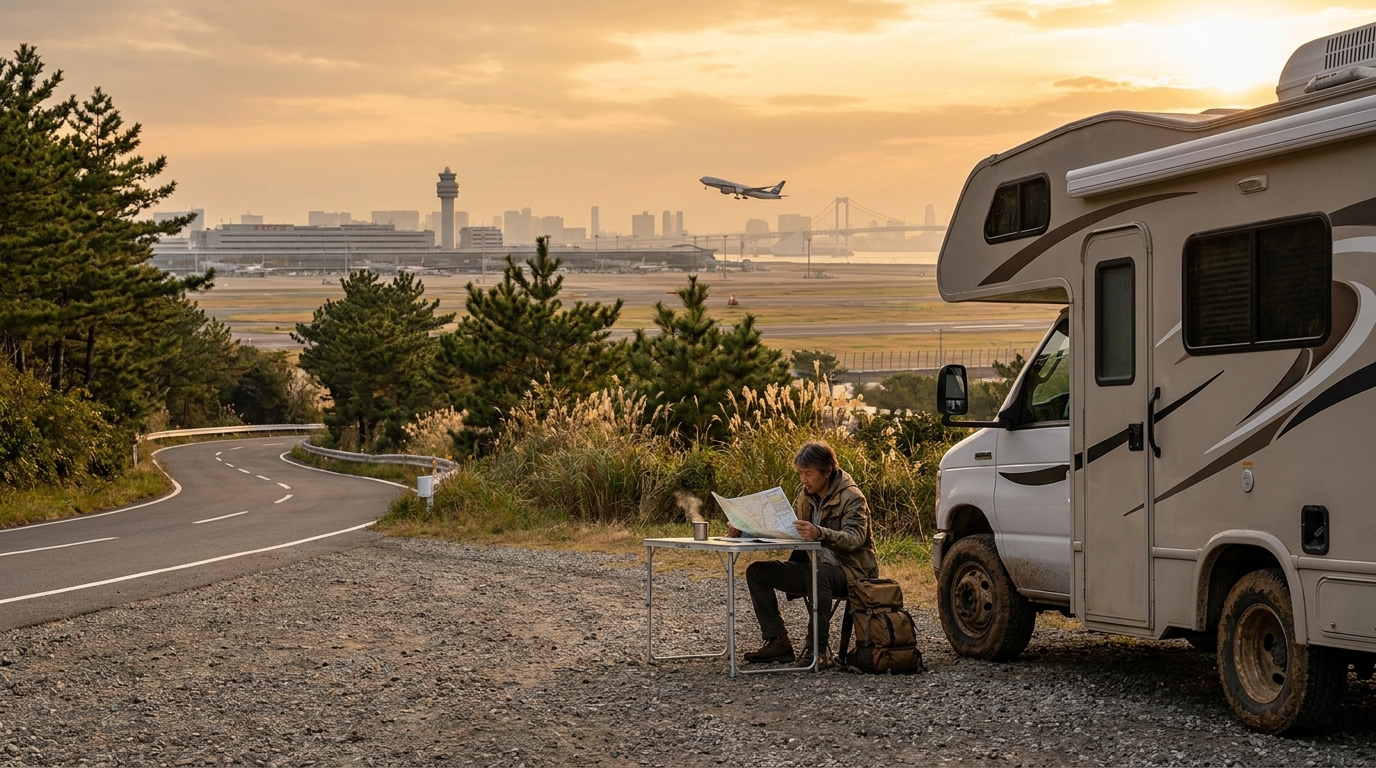
Navigating the roads around Tokyo and departing from Narita Airport (NRT) is generally straightforward due to modern and well-maintained infrastructure. Major roads and expressways are typically wide and in good condition, suitable for most common RV sizes. However, be prepared for narrower streets and potentially heavy traffic within the urban areas of Tokyo itself. Japan's toll expressways, such as the Shuto Expressway network and the Higashi-Kanto Expressway, offer efficient and high-quality travel. When venturing into rural or mountainous regions outside the immediate Tokyo vicinity, expect to encounter winding roads and steeper inclines, which require a more cautious driving approach. On the routes offered through RV PLANET routes, you can itemize and track every expense along the way for easy budgeting.
RV Size Limits, Bridges & Restricted Zones
Japan's major road networks are designed to accommodate most standard RV sizes. However, it's crucial to be aware of potential height restrictions, particularly in urban areas, tunnels, and multi-story parking garages. A general vehicle height limit of 3.8 meters is common, but always observe local signage for specific restrictions. While weight restrictions are usually posted for bridges, typical rental RVs rarely exceed these limits. Japan does not have widespread 'environmental zones' that restrict vehicle access, but drivers should always be mindful of local traffic regulations and any posted resident-only streets. If you plan to travel to islands via ferry services, be aware that specific size and weight limitations may apply, and advance booking is typically required.
Fuel: Diesel vs. Petrol & Cost per 100 km
The majority of rental RVs in Japan are powered by gasoline (petrol) engines, with diesel options being less common, especially for smaller campervans. Travelers should budget approximately JPY 1,800 to JPY 2,200 for fuel expenses per 100 kilometers. This estimate is based on an assumed fuel consumption of 10-12 liters per 100 km and a hypothetical average fuel price of JPY 180 per liter. For context, Bandana's fleet shows common fuel consumption averages: Class SI and Class B models typically range from 8-11 L/100 km, while larger Class A and Class C motorhomes might consume 10-17 L/100 km. Fuel stations are readily available along major routes and within urban areas, with many expressway stations operating 24/7.
Tolls, Vignettes & Border Rules
Japan's expressways utilize an extensive electronic toll collection (ETC) system, and having an ETC card or device is highly recommended and often available for rent with RVs. Tolls are a common travel cost, calculated based on the distance traveled. There are no 'vignette' systems or international border rules to consider when traveling by RV within Japan, as all travel is domestic. Many RV rental providers offer the option to pre-purchase toll passes or include ETC devices to simplify your journey and avoid queues at cash toll booths.
Driving Tips for rv rental deals Travelers
When driving an RV in Japan, always remember to drive on the left side of the road, as vehicles are right-hand drive. Allow yourself time to adjust to this driving orientation. Utilizing an Electronic Toll Collection (ETC) card will ensure seamless passage on expressways. Plan your parking in advance, particularly in urban areas like Tokyo, where large RV spaces are limited and can be costly. Familiarize yourself with common Japanese road signs; while many offer English translations, understanding key symbols is crucial for safe navigation. Always prioritize actual road signage over GPS instructions, as navigation systems may sometimes route RVs down unsuitable narrow streets or into restricted areas.
Recommended RV Class for Tokyo - Airport Roads
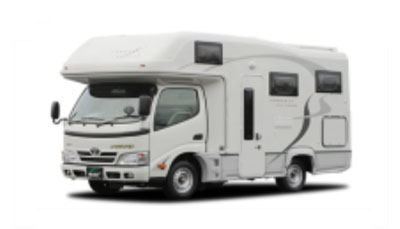
For navigating the roads in and around Tokyo and the wider Japanese landscape, the Class B - Camper Van and Class SI - Semi-integrated RVs offer an excellent balance of maneuverability and living comfort. Class B Camper Vans, typically around 5.8 meters in length, are highly agile, making them easier to handle in city traffic and park. They are ideal for 2-3 adults seeking efficiency. Class SI Semi-integrated RVs, averaging 6.9 meters, provide more interior space and amenities, suitable for small families of around 3-4 people who desire increased comfort without excessive vehicle length. Both these classes offer sufficient ground clearance for varied Japanese road conditions and are less imposing than larger Class A or C models for international RV drivers.
Should I Choose a Compact Van Instead of a Large RV in Tokyo - Airport?
Opting for a compact van, such as a Class B Camper Van, over a larger RV can offer significant advantages for navigating Tokyo's narrower urban streets and finding suitable parking, though it means less indoor space and fewer amenities. Compact vans provide superior maneuverability in crowded city centers and tight turns, and they fit into more standard parking spaces, which are often scarce for larger vehicles in Tokyo. Larger RVs, however, offer greater interior comfort, dedicated bathroom facilities, and more storage, which might be preferable for longer trips or larger groups focusing on rural exploration. While Japan's expressways can accommodate all RV sizes, local roads in older towns or specific tourist areas can be challenging for vehicles exceeding 6-7 meters in length. Therefore, for extensive city exploration and easier parking, a compact van is often the more practical choice; for comfortable touring of rural Japan, a larger RV may offer a better trade-off.
Can I Park Anywhere? Free & Wild Camping Rules in Tokyo - Airport
Wild camping, meaning overnight parking outside designated areas, is generally prohibited or strongly discouraged throughout Japan, particularly in urban environments like Tokyo and around Narita Airport. RV travelers are advised to utilize official campsites, dedicated RV parks, or Japan's extensive network of 'Michi-no-Eki' (roadside stations) for overnight stays. Michi-no-Eki facilities typically include 24-hour parking and restrooms, and some may offer additional amenities. While generally accepted for one-night resting stops, setting up outdoor camping equipment is not permitted. Always check local regulations and follow local laws before deciding on an overnight parking spot.
Can I Drive an RV Into the City Center? Heights, Tunnels & Local Signage
Yes, an RV can generally be driven into Tokyo's city center, but drivers must remain highly vigilant for local signage indicating height restrictions for tunnels and parking garages, as well as other specific local road rules. While major roads and expressways within Tokyo are suitable for most common rental RV sizes, many smaller streets in older districts are exceptionally narrow. Height limitations are frequently encountered and clearly marked in meters on underpasses, tunnels, and multi-story parking facilities. Finding adequate and affordable parking for larger RVs in central Tokyo is challenging, often requiring pre-planning or reliance on public transport once parked outside the core. Always prioritize actual road signs over GPS instructions, as navigation systems may sometimes route RVs down unsuitable streets or into restricted areas.
What are the best RV rental companies near Narita Airport (NRT)?
The top RV rental companies operating near Narita Airport (NRT) are those that offer convenient shuttle services or direct pick-up/drop-off options, maintain a diverse and modern fleet, and provide reliable English-language customer support. When choosing a provider, look for companies that clearly detail their Narita Airport logistics, including shuttle transfers to their depots, which are often located 30-60 minutes away. Prioritize companies offering comprehensive insurance options and essential inclusions like an ETC card for tolls, kitchenware, and bedding. Checking customer reviews is also valuable for feedback on vehicle condition, service quality, and the overall ease of the rental process for international travelers.
How much does it cost to rent an RV in Tokyo - Airport?
The cost to rent an RV from Tokyo - Airport typically ranges from JPY 15,000 to JPY 40,000 per day. These prices are influenced by several factors, including the RV class, rental duration, the season, and any included services or optional equipment. Smaller Class B Camper Vans are generally more budget-friendly, while larger Class A or C models will fall at the higher end of this spectrum. Peak seasons, such as during cherry blossom viewing in spring, autumn foliage, and summer holidays, usually incur higher rental rates due to increased demand. Longer rental periods often benefit from reduced daily rates, and comprehensive insurance, GPS navigation, or camping gear will add to the total cost.
Are there specific RV-friendly routes or itineraries starting from Narita Airport?
Yes, several RV-friendly routes originate from Narita Airport (NRT), allowing travelers to easily bypass the densest parts of Tokyo and head straight for scenic countryside, coastal areas, or historical sites without navigating heavy urban congestion. Consider heading east or north from NRT into Chiba or Ibaraki prefectures for coastal drives, which completely avoid central Tokyo traffic and utilize the efficient Higashi-Kanto Expressway. For routes leading to popular destinations like Mount Fuji and Hakone, the Ken-Ō Expressway (C4) provides an excellent bypass around the core of Tokyo, offering a more direct and scenic approach. Travelers heading north can access the Tohoku Expressway from the NRT region (via the Higashi-Kanto Expressway) to visit sites like Nikko and explore the less-traveled Tohoku region.
What are the options for RV parking near Narita Airport and in Tokyo?
RV parking options near Narita Airport and within Tokyo are primarily limited to designated paid parking lots, official campsites, and Japan's network of Michi-no-Eki (roadside stations). These options vary in cost, size restrictions, and overnight policies. Narita Airport itself has parking facilities, but their suitability and availability for larger RVs can be limited; parking at the rental depot or a nearby RV park is often more practical for pre/post-flight stays. In central Tokyo, finding adequate and affordable parking for large RVs is a significant challenge, with commercial parking lots, often multi-story, requiring strict adherence to height and length restrictions. Michi-no-Eki typically offer free, 24-hour parking with basic amenities, intended for resting rather than extensive camping. Dedicated RV parks and campsites, usually located outside the immediate city center but within reasonable driving distance, offer the most reliable and amenity-rich options for secure overnight stays.
How do RV road sizes, traffic, and tolls compare in Tokyo - Airport for RVs?
Driving an RV in Tokyo and around Narita Airport involves navigating a mix of modern, multi-lane expressways with significant tolls and often narrower, congested urban streets, necessitating careful attention to vehicle size and local traffic patterns. Major highways connecting to NRT are typically wide and well-suited for RVs, but urban and local roads in Tokyo, especially in older neighborhoods, can be considerably narrower and require cautious driving. Tokyo experiences heavy traffic during morning and evening rush hours; utilizing real-time navigation apps is crucial for avoiding delays. Japan's expressways are predominantly toll roads, and an ETC card is essential for convenience, as tolls can accumulate, and cash booths can lead to queues. Japanese drivers are generally polite and orderly, maintaining good lane discipline; RV drivers should adhere to speed limits and be particularly mindful of pedestrians.
What are Japan's RV laws and 'RV friendliness' like, including Michi-no-Eki?
Japan is increasingly RV-friendly, with standard traffic laws applicable to RVs and a beneficial infrastructure of 'Michi-no-Eki' (roadside stations) supporting RV travelers, although strict rules against wild camping are enforced. Standard road laws, including speed limits, seatbelt regulations, and strict drink-driving laws, apply to all vehicles, including RVs. The concept of 'RV friendliness' has grown significantly in Japan, leading to more rental options and improved infrastructure; many Japanese RVs are well-equipped and maintained to high standards. Michi-no-Eki serve as a cornerstone for RV travel, offering 24-hour parking, clean restrooms, local produce, and tourist information, and are widely accepted for safe overnight resting (not for setting up outdoor camping equipment). Camping etiquette is important; always respect private property, adhere to 'no camping' signs, and utilize designated campsites or Michi-no-Eki for overnight stays.
Where can I find camping and RV parks near Narita Airport and Tokyo?
Camping and RV parks are available near Narita Airport (NRT) and within a reasonable driving distance of Tokyo, offering facilities that range from basic to full-service. Options become more abundant as you move further from the dense city center. Directly adjacent to NRT, options are limited, so travelers should search for 'campgrounds near Narita' or 'RV parks Chiba Prefecture' for facilities within a short drive, or utilize Michi-no-Eki for a brief overnight rest. While dedicated RV parks are rare within Tokyo's immediate 23 wards, several can be found in neighboring prefectures such as Saitama, Kanagawa, or Chiba, typically within a 1-2 hour drive. Regions popular for RV tourism, like Hakone, Mount Fuji (Fuji Five Lakes area), and the Izu Peninsula, offer a greater selection of dedicated campsites and RV parks. Booking campsites well in advance is highly recommended, especially during weekends, public holidays, and peak travel seasons, as spaces can fill up quickly.
RV travel from NRT vs. public transport: Pros, Cons, and Cost?
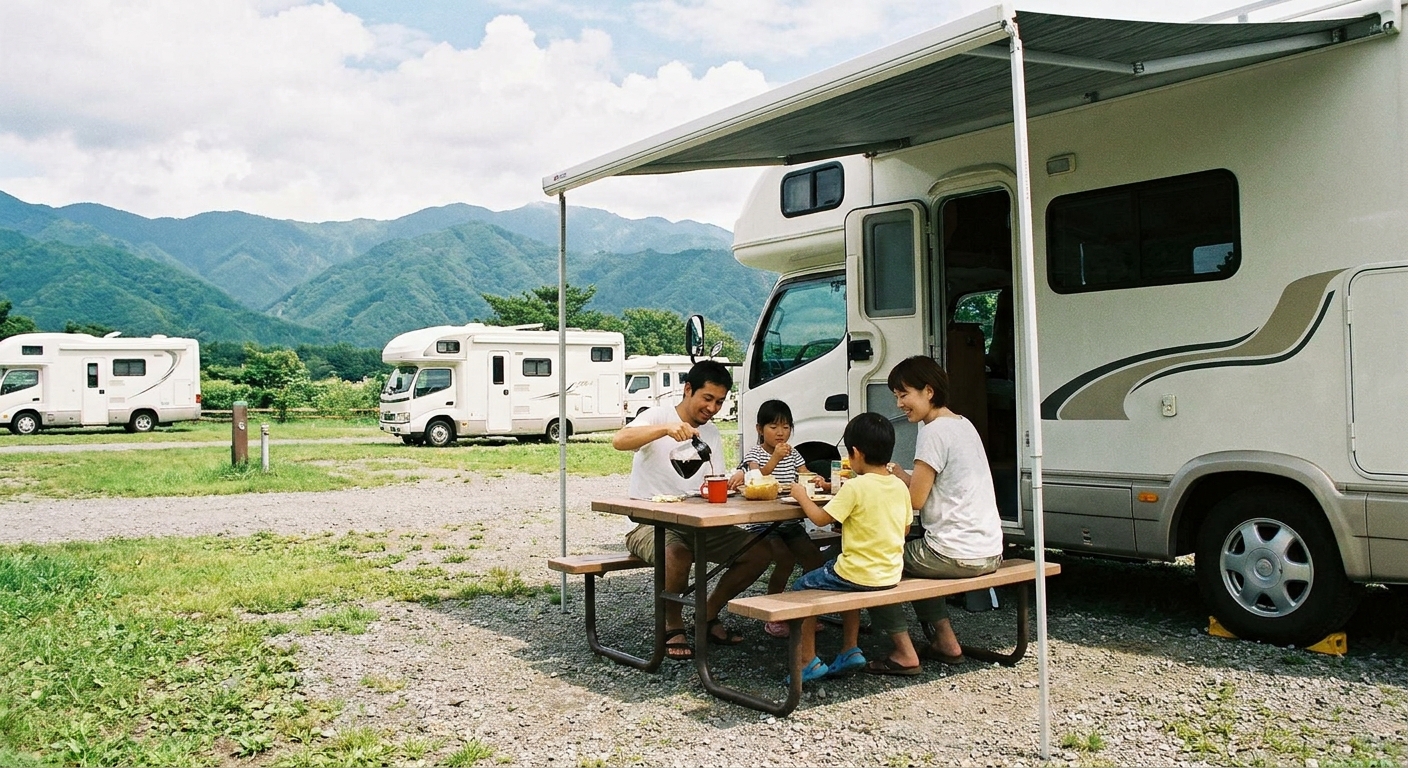
Choosing between RV travel from Narita Airport (NRT) and traditional public transport depends on individual travel styles, budgets, and itinerary goals. RVs offer unmatched flexibility for exploration, while public transport provides speed and urban convenience. **RV Travel Pros:** Unparalleled freedom to explore at your own pace, access to remote natural sites, ample luggage space, and the comfort of a mobile 'home'; it can also be cost-effective for groups or families. **RV Travel Cons:** Higher costs for solo travelers (rental, fuel, tolls, parking), the need to navigate on the left with right-hand drive vehicles, and generally slower long-distance city-to-city travel compared to trains. **Public Transport Pros:** Exceptional speed and punctuality (especially Shinkansen bullet trains), easy city navigation without driving or parking concerns, generally more cost-effective for individual travelers, and an extensive national network. **Public Transport Cons:** Fixed schedules and routes, luggage restrictions on crowded trains, limited access to truly off-the-beaten-path destinations, and the need for separate accommodation bookings, offering less freedom for spontaneous detours.
What You Shouldn't Miss
- Venture to Hakone for stunning views of Mount Fuji and a cruise on Lake Ashi.
- Explore the Fuji Five Lakes region for iconic cherry blossoms (in spring) or vibrant autumn foliage with your RV.
- Discover the historic temples and serene bamboo groves of Nikko National Park, easily accessible via the Tohoku Expressway.
- Enjoy a coastal drive along the Izu Peninsula for beautiful ocean vistas and hot springs.
- Experience the unique blend of modern and traditional culture in Kyoto, accessible via a longer but rewarding RV journey.
Final Thoughts
Renting an RV for your Japanese adventure offers an unparalleled sense of freedom and discovery, allowing you to explore at your own pace and immerse yourself in the local culture and stunning landscapes. While navigating Japan's roads requires careful attention, particularly in urban centers, the rewards of RV travel—flexibility, comfort, and unique experiences—are immense.
We’re here to support you every step of the way, from comparing options to coordinating your booking, ensuring your journey is as smooth as possible. Get inspired for your next trip and start planning an unforgettable road trip through Japan!
Find Motorhome Rentals in Tokyo - Airport