In This Guide
- Can You Drive an RV in Denver? License & Age Rules
- Road Conditions & Terrain in Denver
- RV Size Limits, Bridges & Restricted Zones
- Fuel: Diesel vs. Petrol & Cost per 100 km
- Tolls, Vignettes & Border Rules
- Driving Tips for rv rental Travelers
- Recommended RV Class for Denver Roads
- Should I Choose a Compact Van Instead of a Large RV in Denver?
- Can I Park Anywhere? Free & Wild Camping Rules in Denver
- Can I Drive an RV Into the City Center? Heights, Tunnels & Local Signage
- Do you need a special license to drive an RV in Colorado?
- Do you have to have a CDL to drive a 30 ft RV?
- Do you need a license to get an RV?
- How much is RV insurance in Colorado?
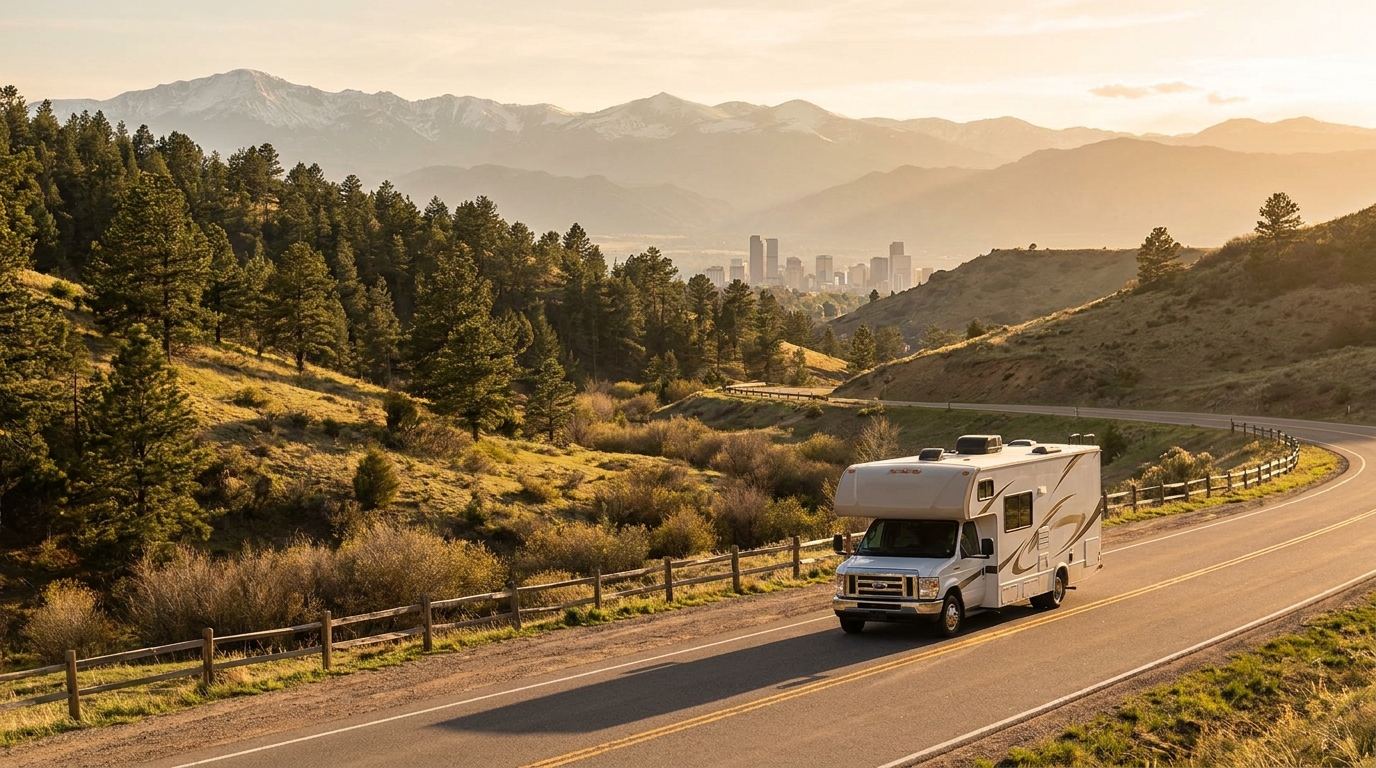
Welcome to Denver, the Mile High City and the perfect launchpad for an unforgettable Rocky Mountain adventure! Imagine yourself behind the wheel of a comfortable rented motorhome, with the freedom to chase epic sunsets over jagged peaks, explore historic mining towns, and wake up to the crisp mountain air. Renting an RV here isn't just about a vacation; it's about unlocking a new way to travel, where your hotel room has the best view in the house, every single night.
As true RV specialists, we at Bandana Caravan know that planning is part of the fun. Since our founding in 2001, we've helped tens of thousands of travelers like you find the perfect mobile home for their journey. We're here to give you the honest, practical advice you need to hit the road with confidence. Let's get you inspired for your next trip!
Can You Drive an RV in Denver? License & Age Rules
Yes, you can absolutely drive a rented RV in Denver with a standard driver's license. For nearly all rental motorhomes, including Class A, Class B, and Class C models, your regular car license is all that's required, as long as the vehicle's Gross Vehicle Weight Rating (GVWR) is under 26,001 pounds. This covers the vast majority of the rental fleet, so you won't need a special Commercial Driver's License (CDL).
The minimum age to rent a motorhome in Denver is typically 21 years old. Unlike many car rental companies, there are no "young driver" surcharges or vehicle class restrictions based on age, giving everyone the same opportunity to explore. If you're visiting from a non-English-speaking country, an International Driving Permit (IDP) is recommended to accompany your home country's license, but it is not mandatory in most cases. It simply serves as an official translation and can make any interactions with authorities smoother. Our detailed "RV Rental Denver - Complete Guide 2026" provides more local specifics.
Road Conditions & Terrain in Denver
Denver's road conditions are generally excellent within the city and on major highways like I-70 and I-25, but they become more varied as you head into the mountains. In the metro area, you'll find well-maintained, multi-lane roads. As you climb into the Front Range, expect winding, sometimes steep mountain passes that are beautiful but require your full attention. Just remember our motto: travel slowly, max 100-150 km per day. Take time to feel the place, connect to the culture, the food, and the scenery.
The high-altitude environment is a key factor to consider. The thinner air can affect your rented RV's engine performance, especially when climbing. This is perfectly normal and easily managed by driving at a steady pace and not pushing the engine too hard. Weather in the Rockies can also change in an instant, even in summer, so it's wise to check road conditions and forecasts for mountain passes like Loveland Pass or Berthoud Pass before you set out. Some smaller scenic routes or roads in national forests may be unpaved, but they are usually well-graded for regular traffic.
RV Size Limits, Bridges & Restricted Zones
Colorado generally permits motorhomes up to 45 feet in length on most state highways, which accommodates even the largest Class A rental models. While there are no specific environmental zones restricting RVs in Denver, the most important thing is to remain aware of your surroundings. Pay close attention to posted signs for bridge clearances and any length advisories, especially on scenic byways or older mountain roads. God is in the small details, and we take care of them. That's what makes the big difference.
Don't let the thought of driving a larger vehicle in a new place intimidate you. The key is simple: drive slowly and carefully, and you can drive almost anywhere without issues. No need to stress- just use common sense and pay attention to your mirrors and posted signage. Modern rented motorhomes are surprisingly easy to handle. Using an RV-specific GPS app can also be a great help, as it will route you around any known low clearances or weight-restricted bridges, giving you extra peace of mind.
Fuel: Diesel vs. Petrol & Cost per 100 km
Rental motorhomes in Denver are available with either petrol (gasoline) or diesel engines, and both fuel types are widely available at stations throughout Colorado. A typical Class C motorhome, a popular choice for families, consumes approximately 23 liters per 100 km (which is about 7-10 miles per gallon). Fuel prices are dynamic, changing daily, but you can easily estimate your costs for budgeting purposes. Simply check the current local price per gallon or liter and multiply it by your planned mileage. On the routes offered through RV PLANET routes, you can itemize and track every expense along the way for easy budgeting.
It's crucial to confirm the specific fuel type your rented RV requires before you leave the rental station. Putting the wrong fuel in can cause serious engine damage. When planning your trip budget, remember to account for all the extra expenses beyond the initial rental cost. For a comprehensive way to manage these numbers, the RV PLANET routes allow you to itemize and track every single expense, from fuel and campground fees to groceries and tolls, giving you a clear financial picture of your adventure.
Tolls, Vignettes & Border Rules
Colorado does not use a vignette system; instead, it has several toll roads and express lanes, primarily concentrated around the Denver metropolitan area. The most prominent is the E-470 beltway, which offers a convenient bypass around the city. These roads use an all-electronic tolling system, meaning there are no cash booths. Cameras capture your license plate, and a bill is mailed to the vehicle's registered owner- in this case, the rental company.
To avoid administrative fees from the rental company, it's best to ask about their toll policy at pickup. Many suppliers, like Cruise America and El Monte, offer a pre-paid toll pass or have transponders in their vehicles that allow you to use the express lanes for a flat daily fee. This is often the most convenient and cost-effective option. As you'll be traveling within the United States, there are no border rules or checkpoints to worry about when driving your rented caravan from Colorado to neighboring states.
Driving Tips for rv rental Travelers
Your RV adventure from Denver should be relaxing, so the first tip is to pace yourself. Plan for frequent stops every couple of hours, especially if traveling with family. This gives everyone a chance to stretch, grab a snack, and truly soak in the incredible Colorado scenery. The journey is as important as the destination, and a rented motorhome gives you the flexibility to pull over at any stunning viewpoint you encounter.
Be mindful of the altitude's effect on both you and your vehicle. Stay hydrated and allow your body to acclimate. For your RV, expect slightly less power on steep inclines and plan your braking well in advance on descents. Colorado's weather is famously unpredictable; pack layers for all seasons, even in summer, as a sunny afternoon can quickly turn into a cool, rainy evening in the mountains. Finally, while your phone's map is useful, consider an RV-specific navigation app that accounts for your vehicle's height and length for ultimate peace of mind on unfamiliar roads.
Recommended RV Class for Denver Roads
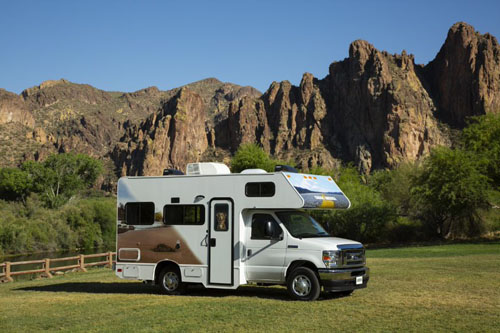
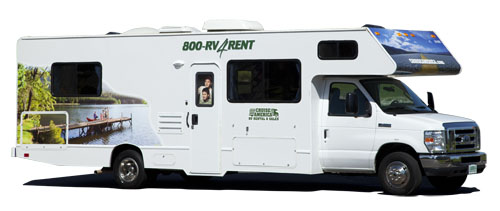
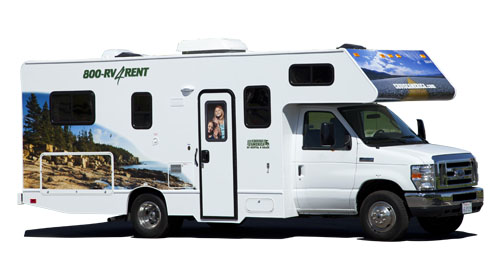
For the perfect blend of space and maneuverability on Denver's roads, Class C and Class B motorhomes are highly recommended. A Class C motorhome, often recognized by the cab-over bunk, is an excellent all-around choice. Averaging about 25 feet (7.9 meters) in length, it provides ample living space, a full kitchen, and a bathroom, making it ideal for families of 4-6 people while still being manageable on winding mountain roads. For ideas you can prep on the road, watch our RV-friendly recipes playlist on YouTube.
For couples or small groups, a Class B campervan is a fantastic option. These vans are the most nimble and easy to drive, closely resembling a standard van. Their compact size makes parking in Denver's neighborhoods, like LoDo or RiNo, much simpler. While larger Class A motorhomes offer luxurious, bus-style living, their size can be more to handle for first-timers. However, with a little practice and careful driving, they are certainly a viable option for exploring the wide-open spaces Colorado is famous for. You can find detailed breakdowns in our "RV Rental in Denver - Prices and Best Deals 2026" guide.
Should I Choose a Compact Van Instead of a Large RV in Denver?
For most travelers exploring Denver and the surrounding Rocky Mountains, a larger motorhome will present no significant driving challenges and its superior comfort often makes it the better choice. While a compact van offers more agility for parking in dense urban spots, the trade-off is significantly less living space, storage, and amenities. A Class C or even a Class A rented RV provides a true home-on-wheels experience, with a proper kitchen, bathroom, and separate sleeping areas that are invaluable on a week-long trip or extended road trip.
Denver's infrastructure is built to accommodate a variety of vehicle sizes. The decision really comes down to your travel style. If your itinerary involves extensive city parking and navigating very tight historic streets, a van might be easier. However, if your goal is to have a comfortable basecamp for exploring national parks and scenic byways, the space and convenience of a larger rented motorhome will enhance your trip immensely. Don't let size be a barrier; with careful driving, any class of motorhome can be your ticket to a fantastic Colorado adventure.
Can I Park Anywhere? Free & Wild Camping Rules in Denver
Within the Denver city limits, you cannot park and sleep in your rented RV just anywhere; "wild camping" or overnight parking on city streets is generally prohibited. For your nights in or near the city, you'll need to stay at designated RV parks or campgrounds, such as the popular Cherry Creek State Park or Dakota Ridge RV Park. These facilities offer essential services like electrical hookups, fresh water, and dump stations.
The real magic begins just outside the city. Colorado is famous for its vast public lands, and you can find beautiful, free "dispersed camping" spots in the nearby Arapaho and Roosevelt National Forests or Pike National Forest. This type of camping requires you to be self-sufficient (no hookups) and to follow "Leave No Trace" principles strictly, meaning you pack out everything you pack in. For finding both established campgrounds and dispersed camping areas during your trip, we recommend using RV PLANET (rvplan.net)- a great resource for locating available spots along your route.
Can I Drive an RV Into the City Center? Heights, Tunnels & Local Signage
Yes, driving a rented motorhome into Denver's city center is entirely possible with a bit of planning and careful driving. Major thoroughfares are designed to handle large vehicles, but you must remain vigilant for posted height restrictions on underpasses, low-hanging trees on side streets, and any local signage indicating vehicle restrictions. Finding a parking spot for a large RV directly downtown can be difficult, so a good strategy is to park at a designated lot on the outskirts or use a Light Rail station park-and-ride and take public transit into the heart of the city.
Remember, there's no need to be anxious about city driving. The most important rule is to take it slow, use your mirrors, and be aware of your vehicle's dimensions. A co-pilot can be a great help in navigating tighter spots. For a stress-free experience, consider staying at a campground just outside the city, like Chatfield State Park, and using your rented RV as a comfortable home base for day trips into Denver and the surrounding mountains.
Do you need a special license to drive an RV in Colorado?
No, for the vast majority of rental motorhomes in Colorado, you do not need a special license. A standard Class R driver's license, the same one you use for a car, is sufficient for any recreational vehicle with a Gross Vehicle Weight Rating (GVWR) under 26,001 pounds. This includes almost all Class A, B, and C motorhomes available for rent.
The need for a Commercial Driver's License (CDL) only arises for exceptionally large, heavy vehicles that are well outside the typical rental market. All our partner suppliers, including trusted names like El Monte and Apollo, offer fleets that are fully operable with a standard license. Just bring your valid license from your home country, and you'll be ready to hit the road and explore the Rockies.
Do you have to have a CDL to drive a 30 ft RV?
No, you do not need a Commercial Driver's License (CDL) to drive a 30-foot rented RV in Colorado. Standard 30-foot motorhomes, whether they are a Class C or a smaller Class A model, fall well below the 26,001-pound weight threshold that would require a special license. The "recreational vehicle" classification means they are intended for personal travel and camping, not commercial purposes.
This is one of the great things about RV travel- it's incredibly accessible. If you are comfortable driving a large SUV or a moving van, you will quickly adapt to handling a 30-foot motorhome. The key is to give yourself extra space for turning and stopping, and to always be aware of your vehicle's height and length.
Do you need a license to get an RV?
Yes, you absolutely need a valid driver's license to rent and operate any motor vehicle, including an RV. However, it's important to clarify that you do not need a special or separate "RV license." For almost every rental motorhome in Denver, your standard car driver's license is all that is required by both the law and the rental companies.
When you pick up your rented RV, the staff will ask to see your valid driver's license to verify your identity and confirm that you are legally permitted to drive. This is a standard procedure for any vehicle rental. As long as your license is valid and not expired, you are ready to begin your Colorado adventure.
How much is RV insurance in Colorado?
Basic liability insurance is typically included in the daily rate of your RV rental in Denver. This standard coverage meets the state's minimum requirements. However, for complete peace of mind, all rental companies offer supplemental insurance options for an additional daily fee, usually ranging from $15 to $50 per day.
These optional packages often include Collision Damage Waivers (CDW) that reduce your financial responsibility (the deductible) in case of an accident. At Bandana, we believe in full transparency, which is why we also offer the ability to upgrade to a top-level deductible for extra peace of mind, so you can travel knowing you're well-protected against the unexpected. Always review the insurance options carefully at booking to choose the level of coverage that makes you feel most comfortable.
🎬 Video coming soon
What You Shouldn't Miss
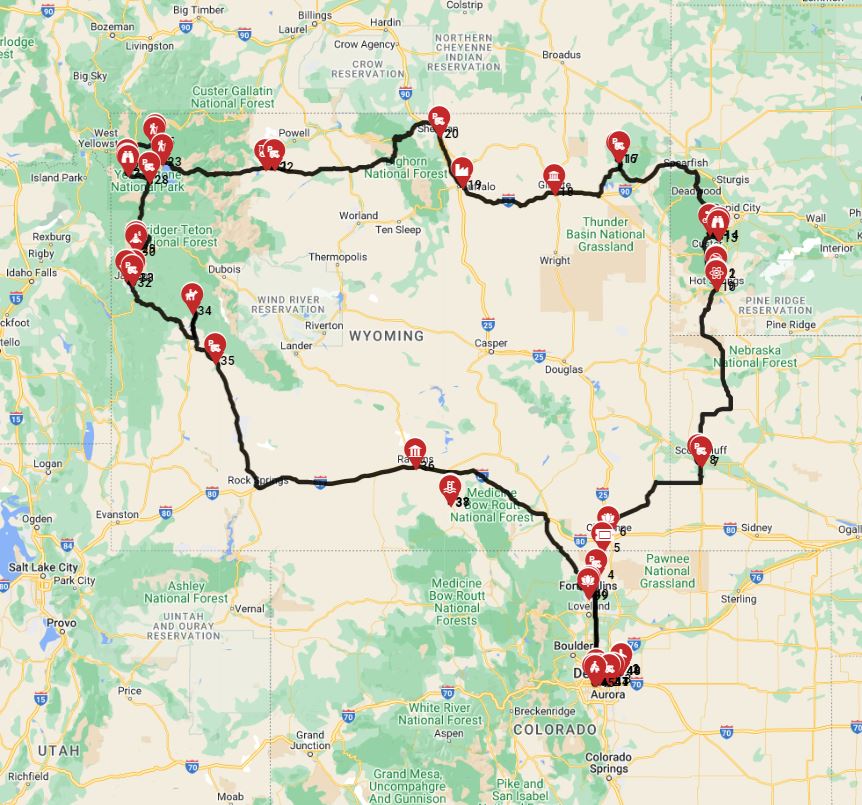
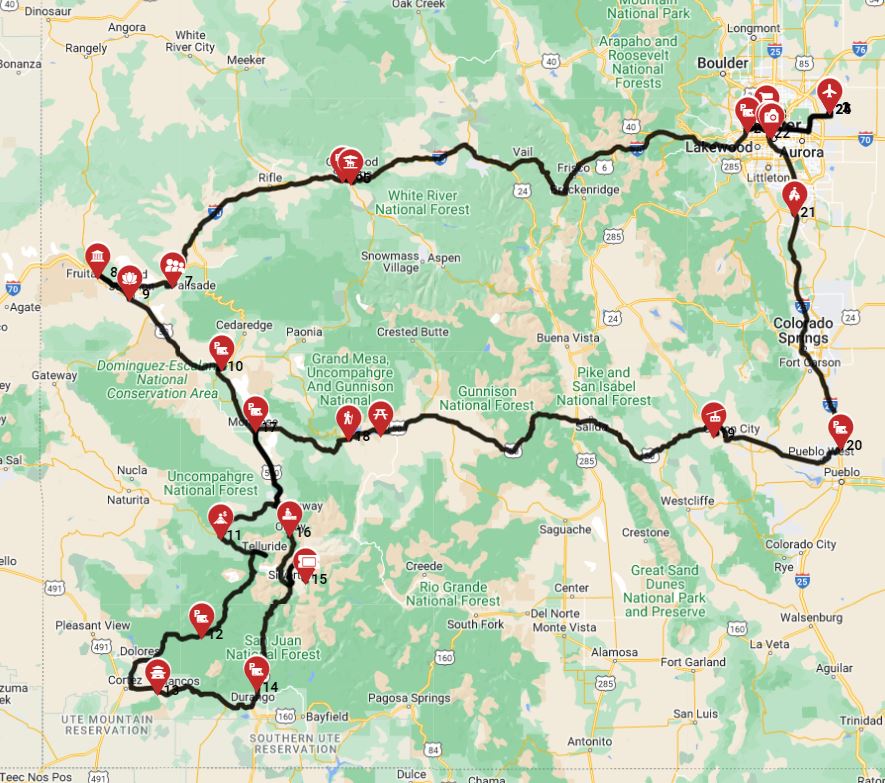
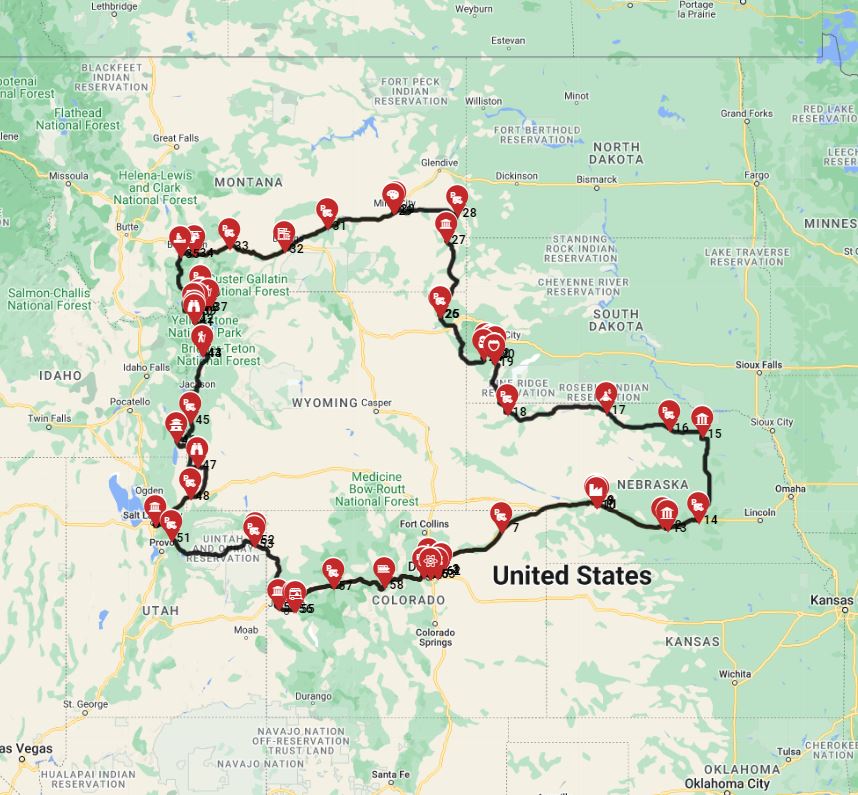
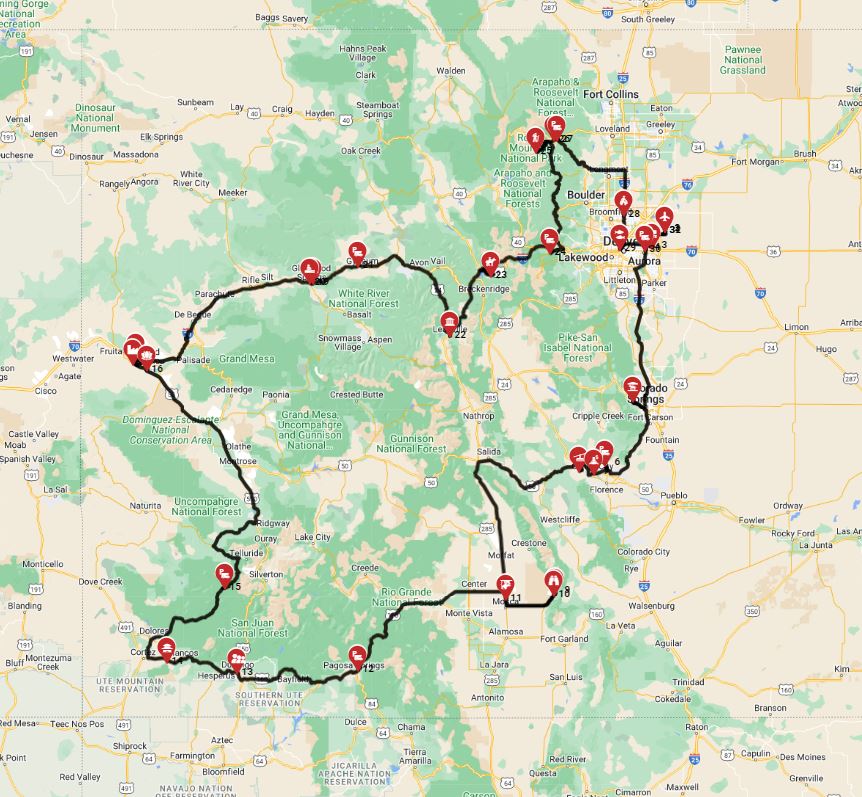
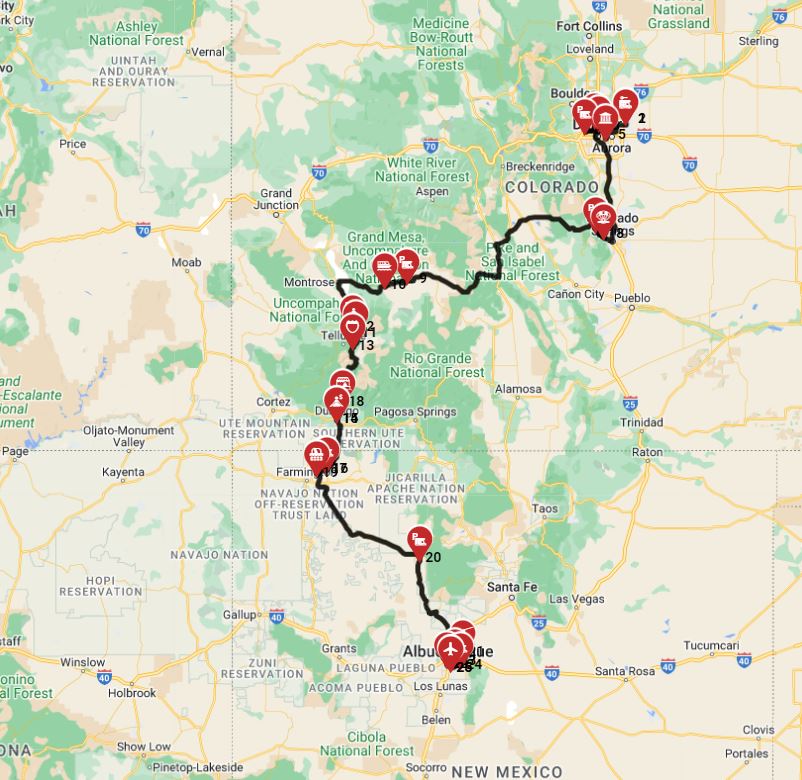
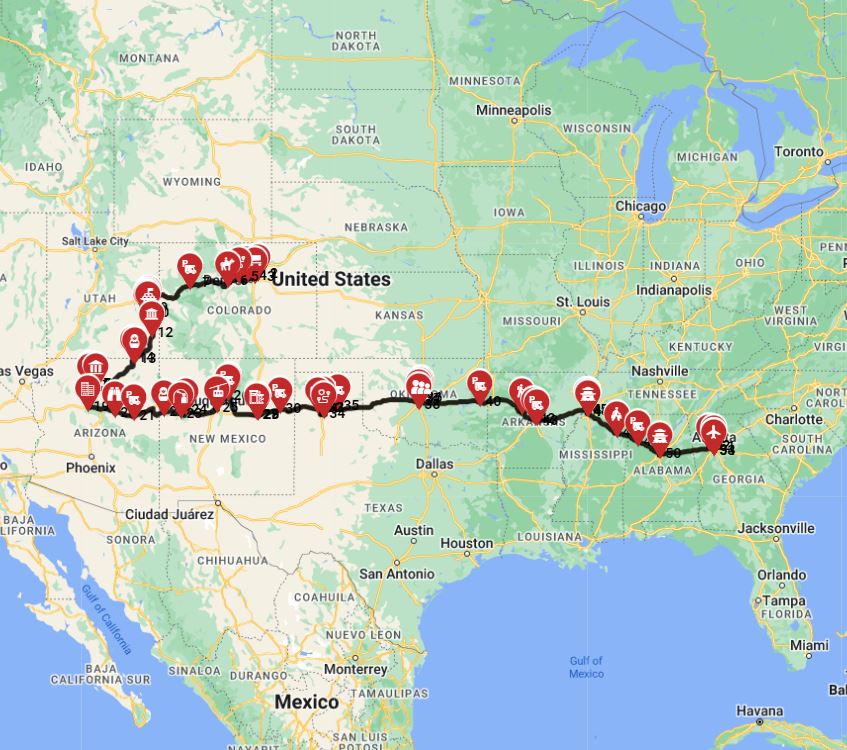
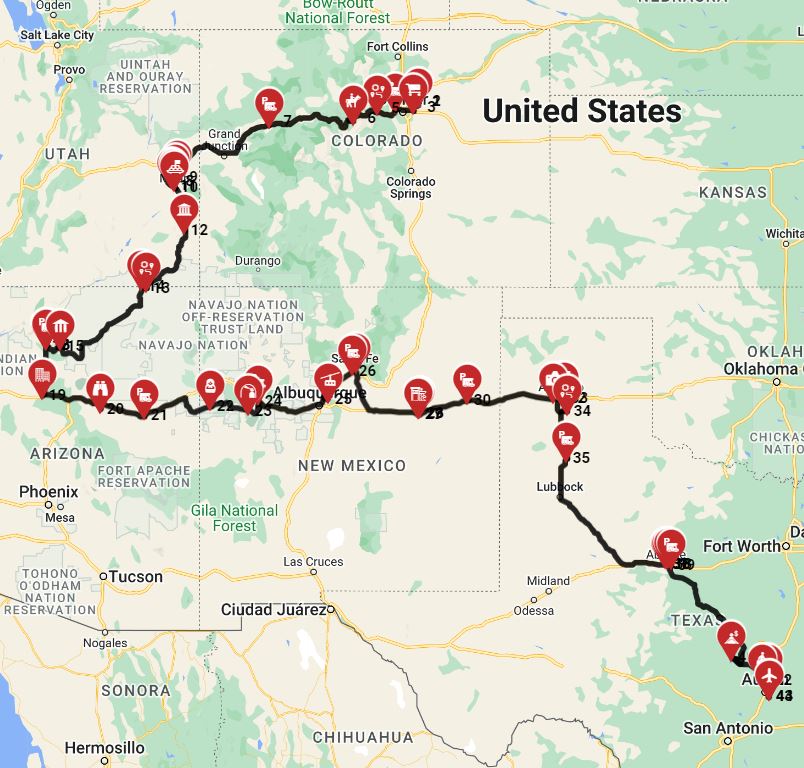
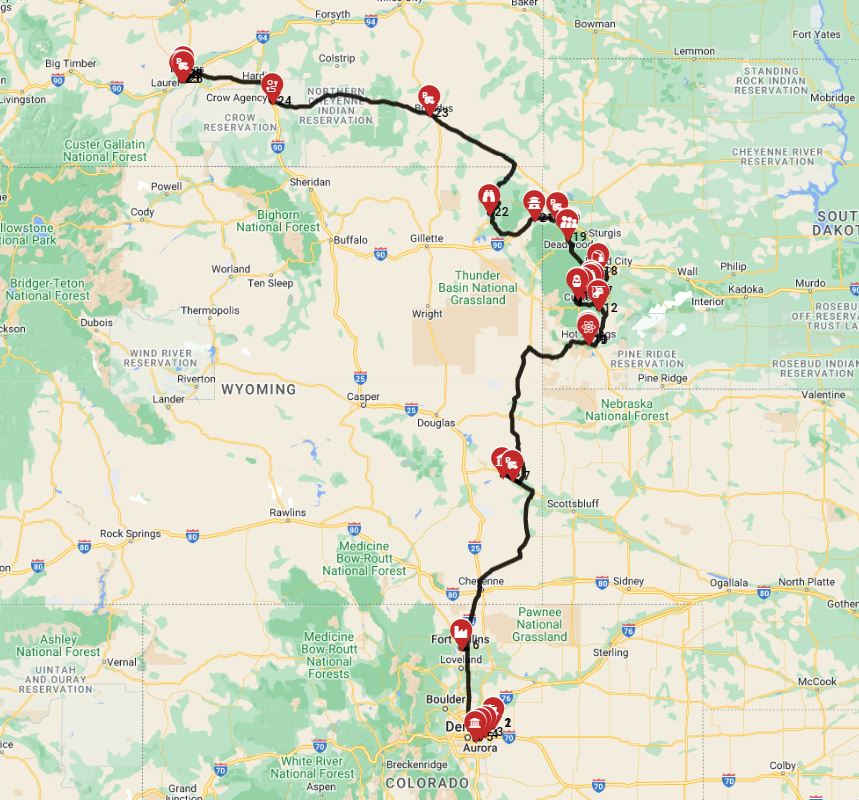
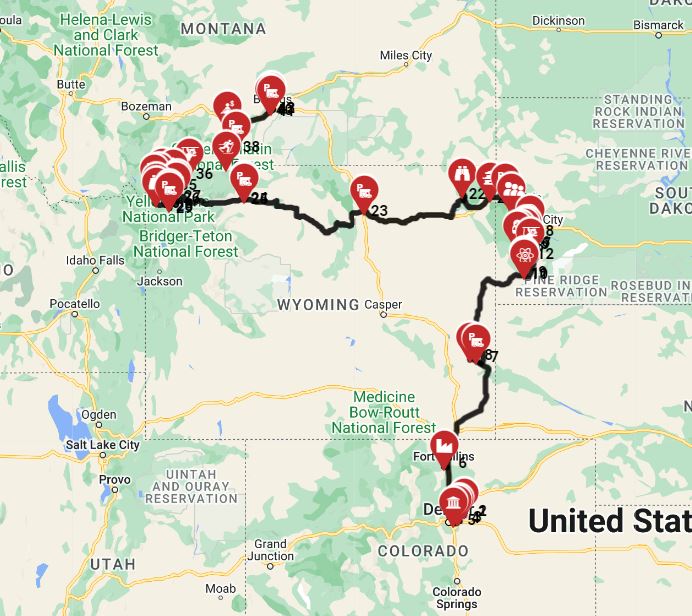
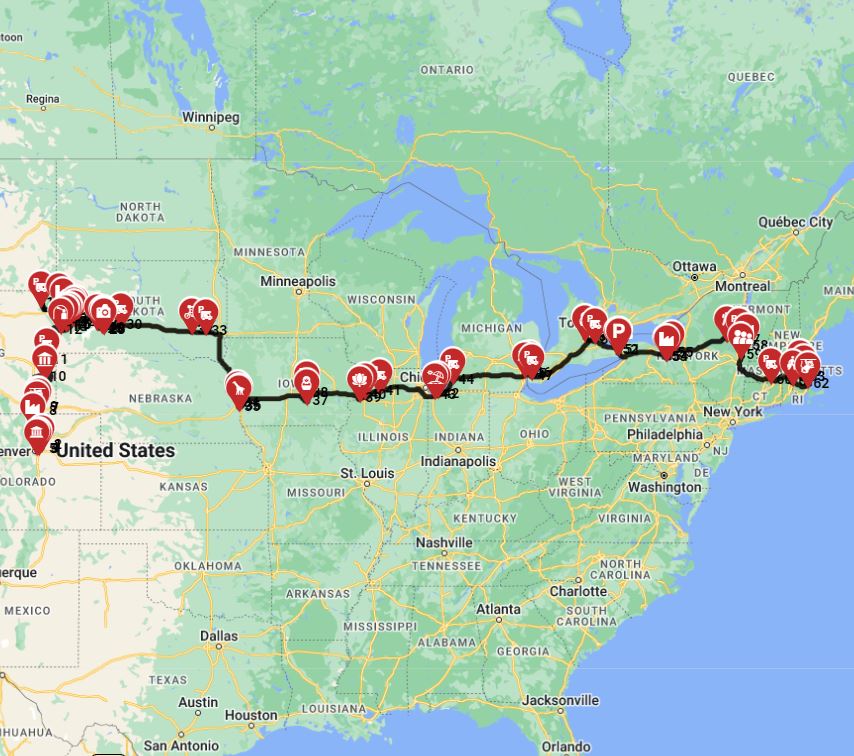
A rented RV from Denver is your key to some of America's most iconic landscapes. Whether you have a week or a month, these pre-planned routes from our sister company, RV PLANET, offer professionally designed itineraries to maximize your adventure. Plan a trip itinerary in advance with minimal effort and maximum enjoyment.
For those looking for an immersive journey through the heart of the West, the 13-day trip from Billings to Denver is perfect. It guides you through legendary sites like Yellowstone National Park and Grand Teton National Park before descending through the heart of the Rockies. For a more extensive adventure, consider the "
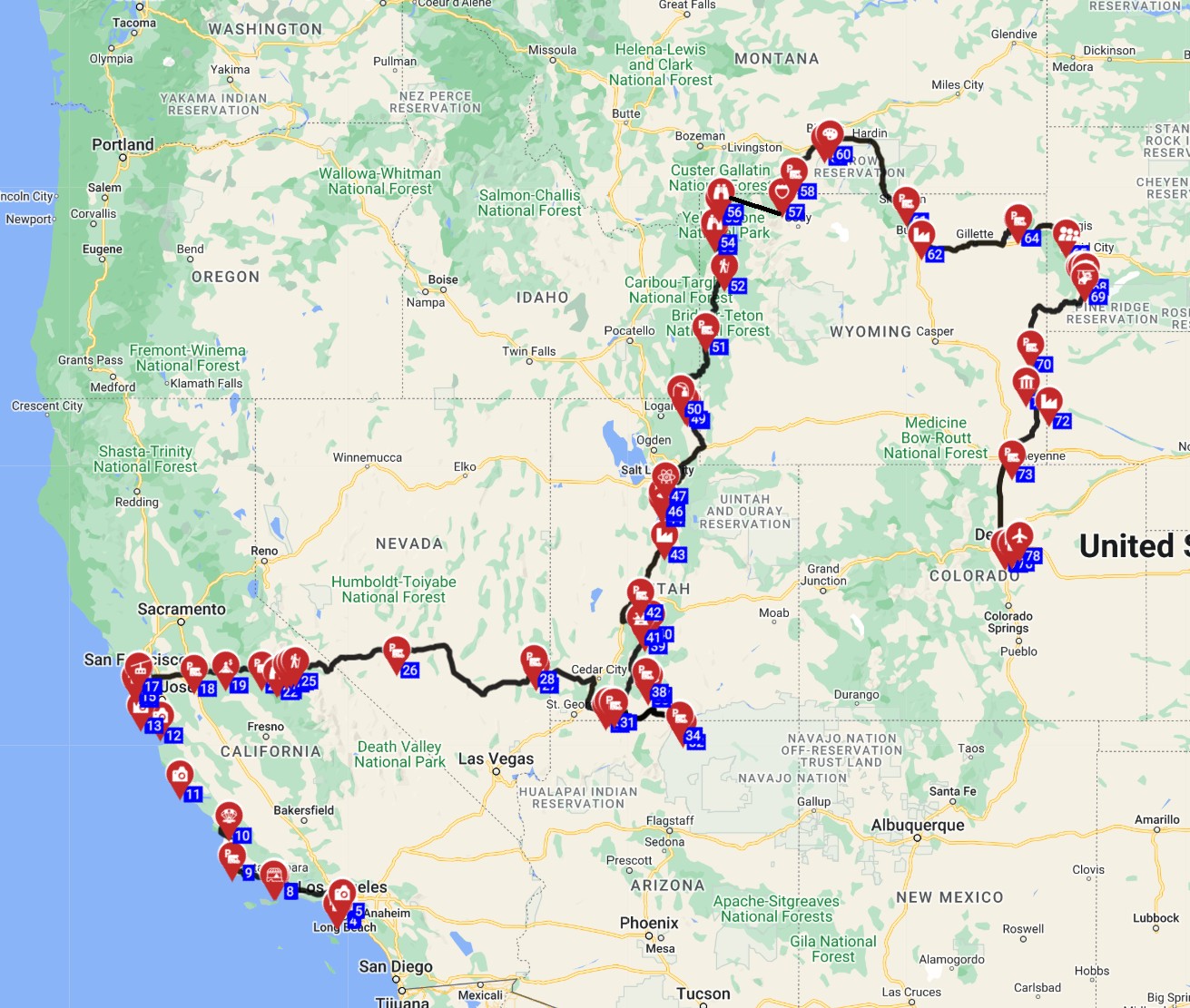
Even if you're not doing a full one-way trip, these itineraries are packed with ideas. Here are a few must-dos accessible from Denver:
- Rocky Mountain National Park: Drive the breathtaking Trail Ridge Road (check seasonal openings), look for elk in Moraine Park, and hike to the stunning Emerald Lake.
- Mount Evans Scenic Byway: The highest paved road in North America offers staggering views, but is best suited for smaller campervans or a separate day trip.
- Garden of the Gods: Head south to Colorado Springs to witness the dramatic red rock formations of this National Natural Landmark.
- Historic Mining Towns: Explore the charming, well-preserved towns of Idaho Springs or Georgetown, both just a short drive into the mountains on I-70.
Final Thoughts
Denver is more than a destination; it's a gateway to freedom. The freedom to chart your own course, to linger a little longer when you find a perfect spot, and to create memories that a traditional vacation just can't match. A rented motorhome is the key that unlocks it all, providing comfort, convenience, and a front-row seat to the majesty of the American West.
Whether you're a family planning a summer adventure, a couple seeking a romantic escape into the mountains, or friends ready for an epic road trip, the journey starts here. We hope this guide has answered your questions and sparked your imagination. The Rockies are calling, and your home on wheels is waiting.
Find Motorhome Rentals in Denver