For live availability and current prices, start with our RV Rental Auckland - Complete Guide 2026 guide.
In This Guide
- Can You Drive an RV in Auckland? License & Age Rules
- Road Conditions & Terrain in Auckland
- RV Size Limits, Bridges & Restricted Zones
- Fuel: Diesel vs. Petrol & Cost per 100 km
- Tolls, Vignettes & Border Rules
- Driving Tips for rv rental for couples Travelers
- Recommended RV Class for Auckland Roads
- Should I Choose a Compact Van Instead of a Large RV in Auckland?
- Can I Park Anywhere? Free & Wild Camping Rules in Auckland
- Can I Drive an RV Into the City Center? Heights, Tunnels & Local Signage
Can You Drive an RV in Auckland? License & Age Rules
Most couples can drive an RV in Auckland with a standard full driver's license, whether it's from New Zealand or an internationally recognized one, provided the vehicle's Gross Laden Weight (GLW) doesn't exceed 6,000 kg. International visitors will need their valid foreign license and, if it's not in English, an International Driving Permit (IDP) or a certified translation. Rental companies typically require drivers to be at least 21 years old (though some may prefer 25 for larger vehicles) and to have held their full license for at least one year. Thankfully, a standard Class 1 New Zealand driver's license covers the vast majority of RVs available for recreational tourist rentals, making the process straightforward for most visitors.
Road Conditions & Terrain in Auckland
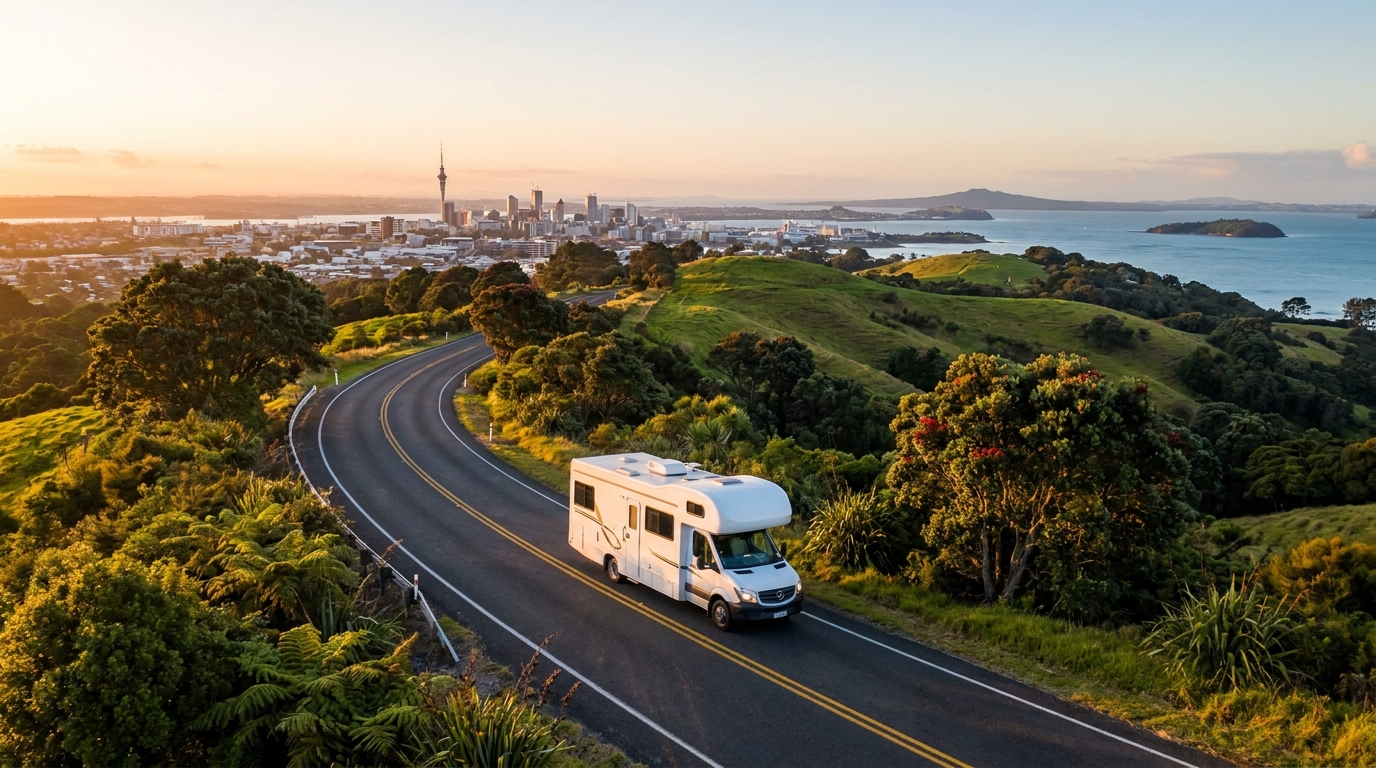
Auckland's road conditions are generally excellent, offering a varied driving experience that includes bustling city traffic, scenic coastal routes, and undulating hills. When entering or exiting Auckland, expect busy multi-lane motorways. Outside the city, roads can become narrower and windier, particularly on the more scenic routes, so it's essential to maintain slower speeds and drive with extra care. You'll encounter steep gradients in some areas, requiring proper gear selection for your RV. Couples looking to enhance their journey can plan their routes to avoid peak hour traffic and truly embrace a relaxed, scenic pace.
RV Size Limits, Bridges & Restricted Zones
Generally, there are no explicit RV size limits for driving on New Zealand's roads, and most RVs will comfortably fit under typical bridge clearances. However, specific parking structures, particularly underground ones in central Auckland, will have height and length restrictions, often around 2.0-2.2 meters for height. Auckland doesn't have environmental zones that restrict RV access like some European cities. If you plan on inter-island ferry travel, such as with Interislander or Bluebridge, it's crucial to book well in advance, as RVs incur higher fees due to their length and weight.
Fuel: Diesel vs. Petrol & Cost per 100 km
The majority of RVs available for rent in New Zealand operate on diesel, which is typically more fuel-efficient than petrol. Based on Bandana's fleet data, average consumption for rental RVs ranges from 9 to 14 litres per 100km. Specifically, Class B Camper Vans typically consume 9-12 litres per 100km, while Class SI Semi-integrated models average 8-11 litres per 100km. Larger Class C Alcove RVs average 13-14 litres per 100km, and Class A Integrated RVs average 11-12 litres per 100km. Remember that diesel vehicles are subject to a Road User Charge (RUC), usually managed by rental companies, which may be included in your rental cost or charged per kilometre. Fuel prices are readily available at service stations across the country.
Tolls, Vignettes & Border Rules
New Zealand does not utilize vignettes or have internal border rules that affect RV travel. However, Auckland does feature electronic toll roads, most notably the Northern Gateway Toll Road (SH1 north of Auckland). These tolls are collected electronically and can be paid online before or within five days of travel, by phone, or at selected service stations. Many RV rental companies, including Bandana, offer options to pre-purchase toll passes or manage toll payments on your behalf, which can help avoid potential fines. It's always advisable to plan your route with an awareness of toll roads, although non-tolled alternatives usually exist, they may add significant time to your journey. On the routes offered through RV PLANET routes, you can itemize and track every expense along the way for easy budgeting.
Driving Tips for rv rental for couples Travelers
To make your journey as enjoyable and stress-free as possible, share the driving to reduce fatigue and allow both partners to soak in New Zealand's stunning scenery. Plan for a relaxed pace; New Zealand roads, especially outside the main centers, can be winding and narrow, so always allow extra travel time for spontaneous stops. Always remember to drive on the left-hand side of the road and exercise particular vigilance at intersections and roundabouts. Familiarize yourselves with New Zealand's specific 'give way' rules, particularly at intersections and single-lane bridges. Finally, research parking options in advance for attractions and overnight stops, especially around busy areas like Auckland, to minimize stress with a larger vehicle.
Recommended RV Class for Auckland Roads
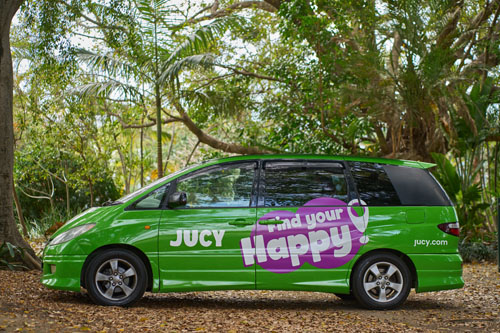
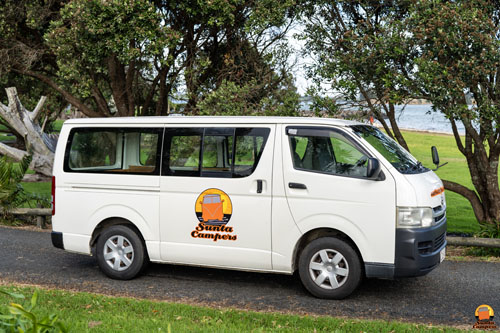
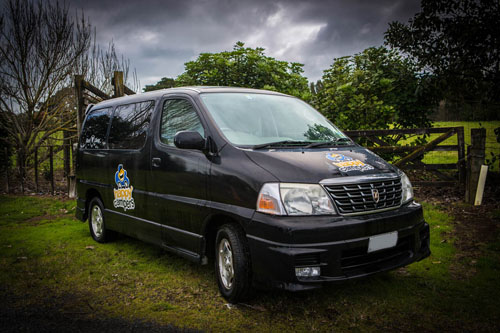
For couples exploring Auckland and its surroundings, Class B Camper Vans and Class SI Semi-integrated models are highly recommended. These offer an excellent balance of comfort, essential amenities, and maneuverability, perfect for navigating Auckland's varied roads. Class B Camper Vans, typically around 5.8 meters in length and sleeping up to 2.8 people, are compact and easy to drive and park, making them ideal for city fringes and local touring. The Class SI Semi-integrated RVs, averaging 7.0 meters and sleeping up to 3.4 people, provide more interior space, better amenities like a separate shower and toilet, and greater comfort for longer trips while remaining quite manageable on the road. Both classes fall well within the capabilities of a standard car license (under 6,000 kg GLW) and generally offer good fuel efficiency for their size. While larger Class C Alcove or Class A Integrated RVs offer more living space, the recommended classes provide a better trade-off for ease of driving and handling around Auckland, especially for first-time RVers.
Should I Choose a Compact Van Instead of a Large RV in Auckland?
For most couples planning an adventure in Auckland, a larger RV, such as a Semi-integrated or Alcove model, offers significantly more comfort and amenities without posing major driving disadvantages compared to a compact van, especially given New Zealand's well-maintained roads. The perceived difficulty of driving a larger vehicle is often overstated; taking a little time to adjust to the dimensions and handling on quieter roads usually suffices. A larger RV provides much-needed standing room, ample storage, and proper bathroom and kitchen facilities, greatly enhancing the comfort and independence of your trip. While parking a larger RV in central Auckland requires careful planning, dedicated RV parking is common at tourist sites and campgrounds, and utilizing Auckland's excellent public transport is often the most convenient option for exploring the city center, regardless of your RV's size. For ideas you can prep on the road, watch our RV-friendly recipes playlist on YouTube.
Can I Park Anywhere? Free & Wild Camping Rules in Auckland
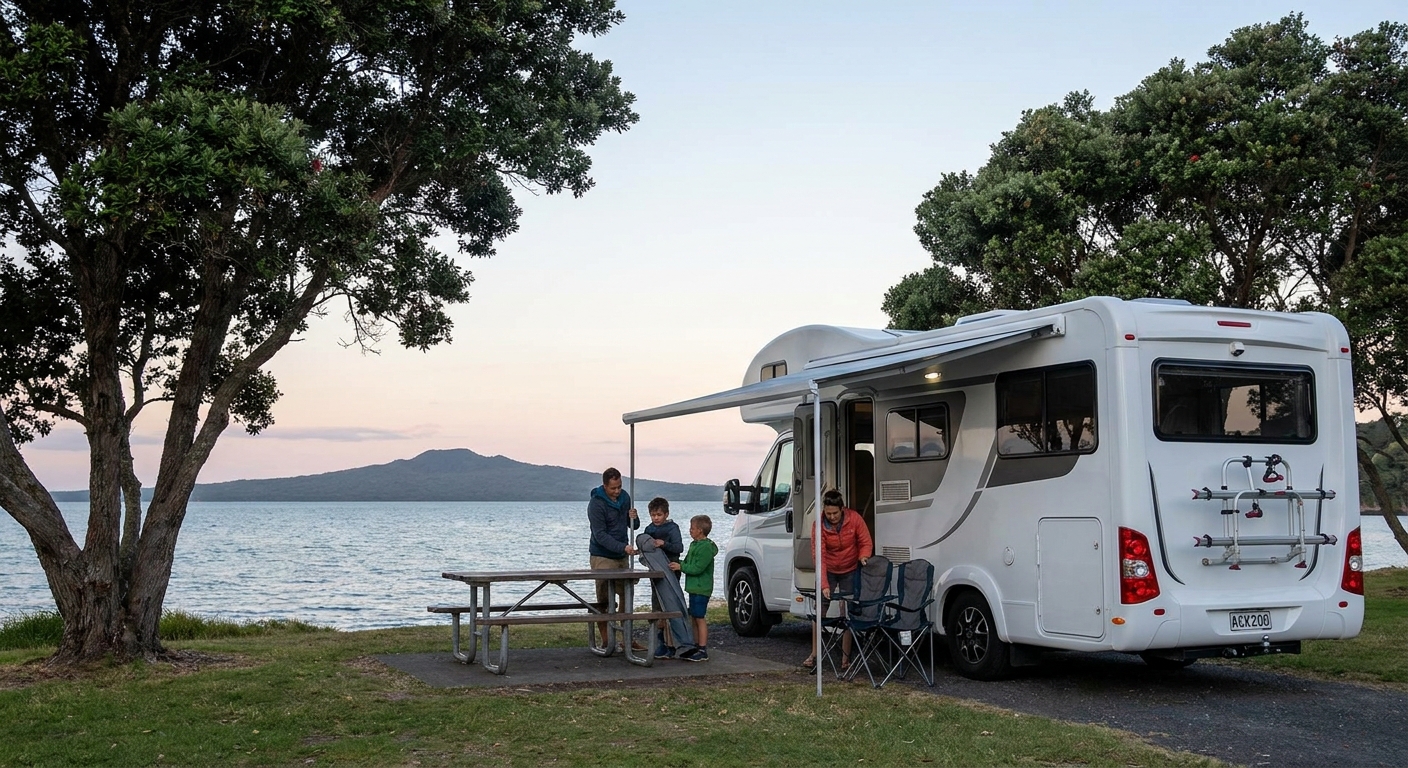
No, free or 'wild' camping in Auckland and across much of New Zealand is strictly regulated. To legally freedom camp, your RV must be certified as self-contained to NZS 5465:2001, indicated by a blue sticker, signifying it can hold its own fresh, grey, and black water for at least three days. Auckland Council bylaws, in line with national regulations, prohibit freedom camping except in specific council-approved sites or designated Department of Conservation (DOC) campsites. Illegally freedom camping can result in significant fines, often up to NZ$400, so always check local signage and official council websites for permitted locations. For peace of mind and guaranteed access to facilities, opting for commercial holiday parks or paid DOC campgrounds is a popular and recommended choice for couples.
Can I Drive an RV Into the City Center? Heights, Tunnels & Local Signage
Yes, you can drive an RV into Auckland's city center, but it demands careful attention to height and weight restrictions, especially for parking structures, and a keen awareness of urban traffic. Auckland CBD features busy, often narrow streets, making navigation and finding suitable parking for larger vehicles challenging and typically expensive. Most multi-story car parks in the city center have height restrictions, often around 2.0-2.2 meters, which will exclude most RVs, and street parking for larger vehicles is very limited. Always pay close attention to local signs indicating vehicle height limits, weight restrictions, and any 'no stopping' or 'no parking' zones. For exploring central Auckland's attractions, it's often more convenient to park your RV on the city fringes or at a nearby campground and utilize Auckland's extensive public transport network.
What You Shouldn't Miss
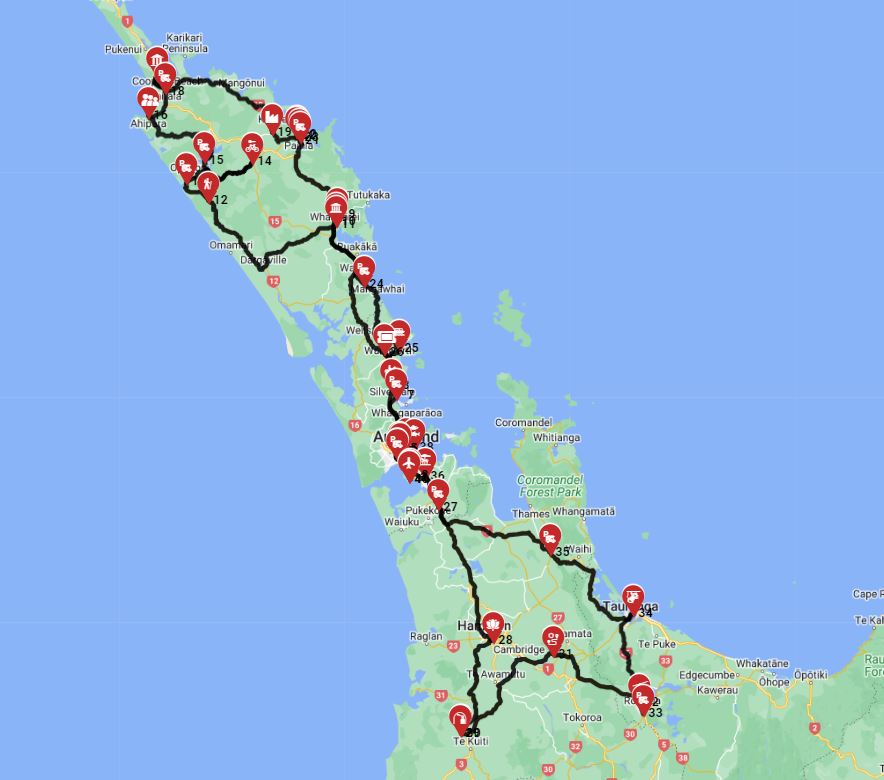
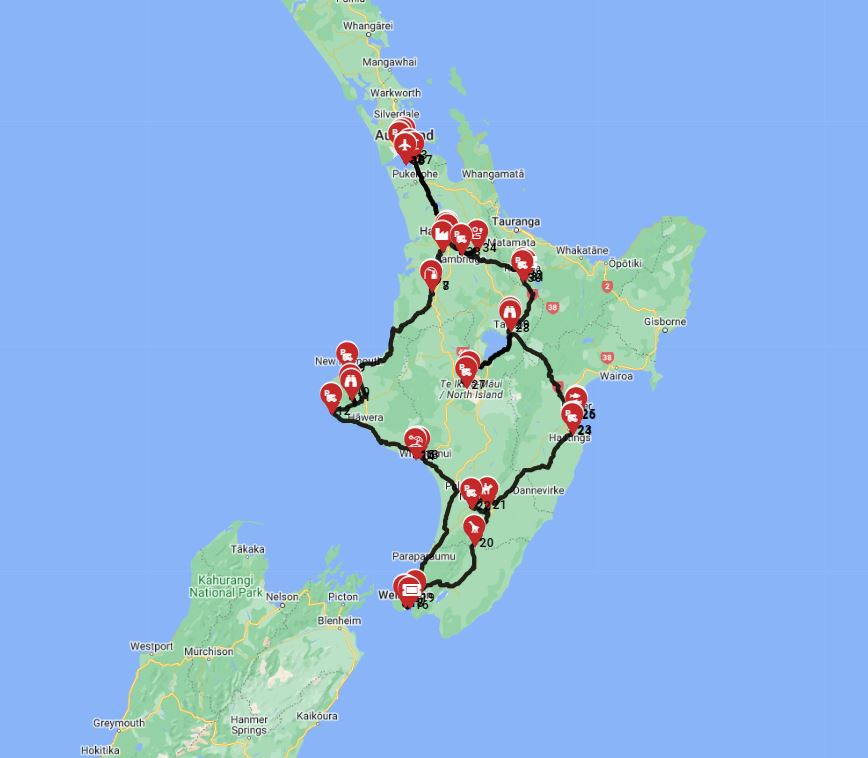
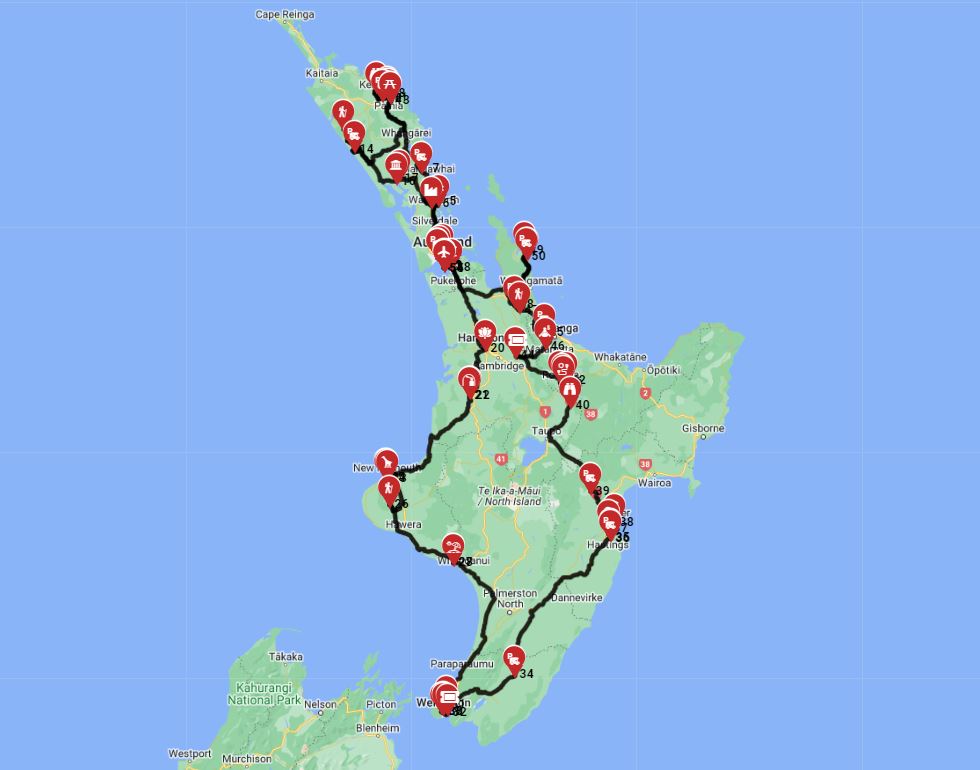
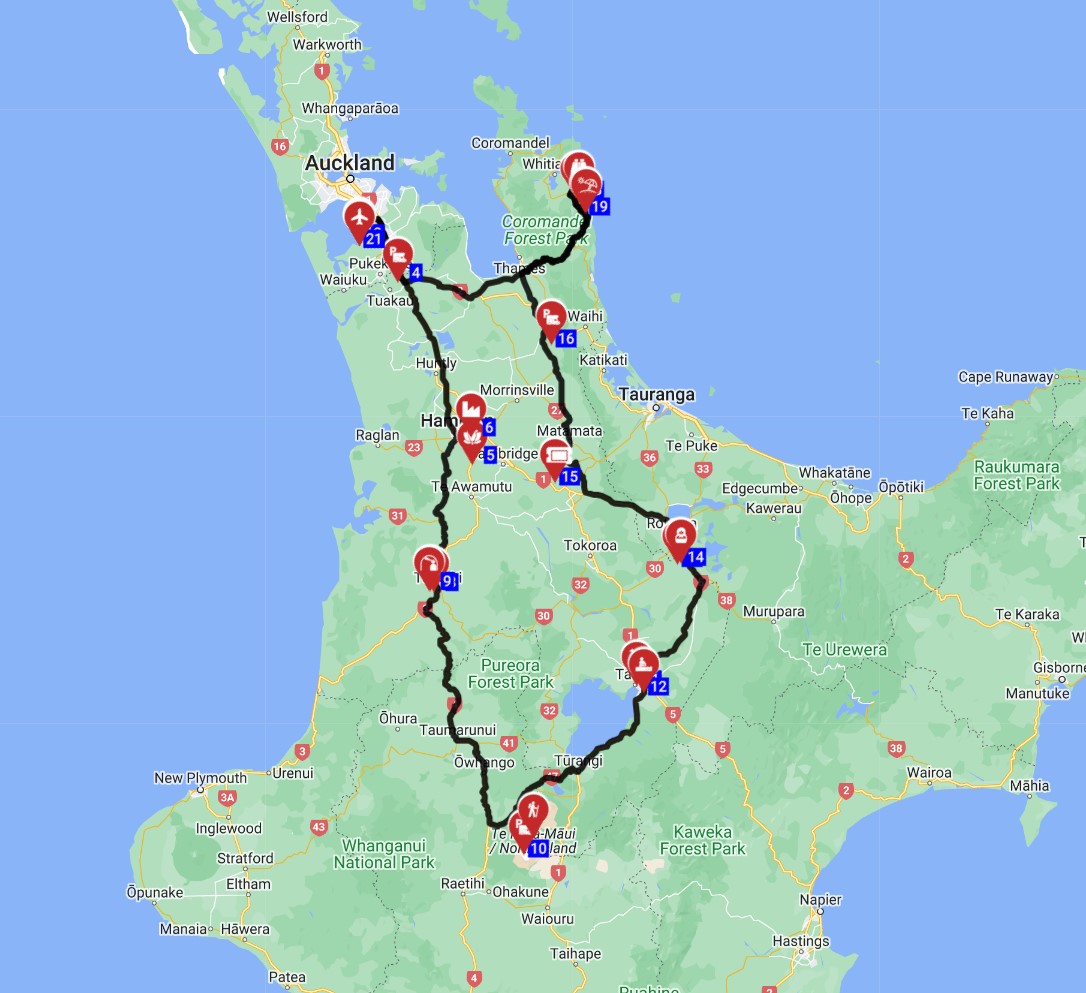
- Embark on the "
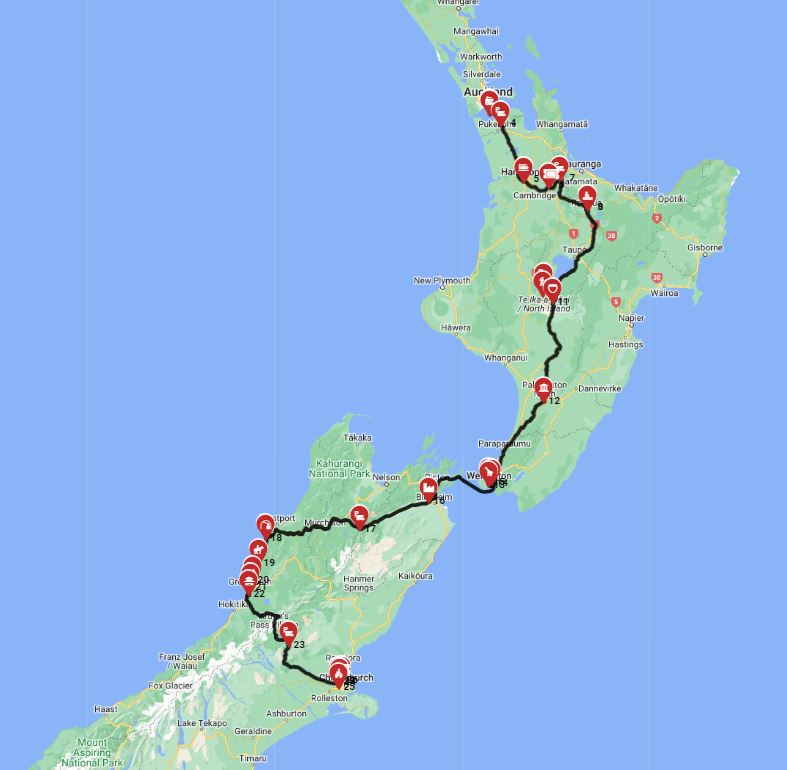
" for a 17-day, 2290 km journey, exploring attractions like amusement parks, wildlife encounters, and beaches.
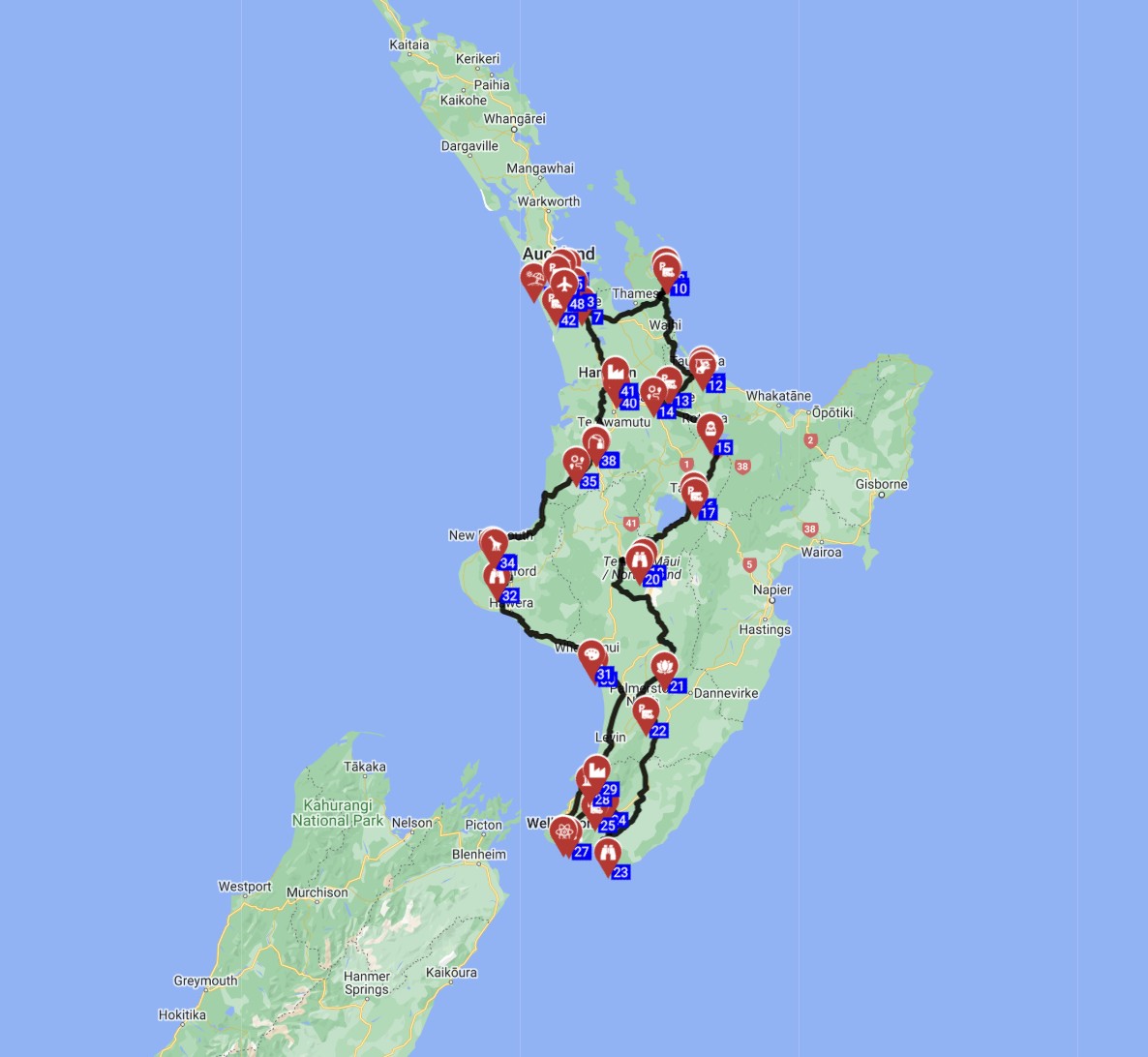 Auckland Round trip - Lord of the Rings North Island
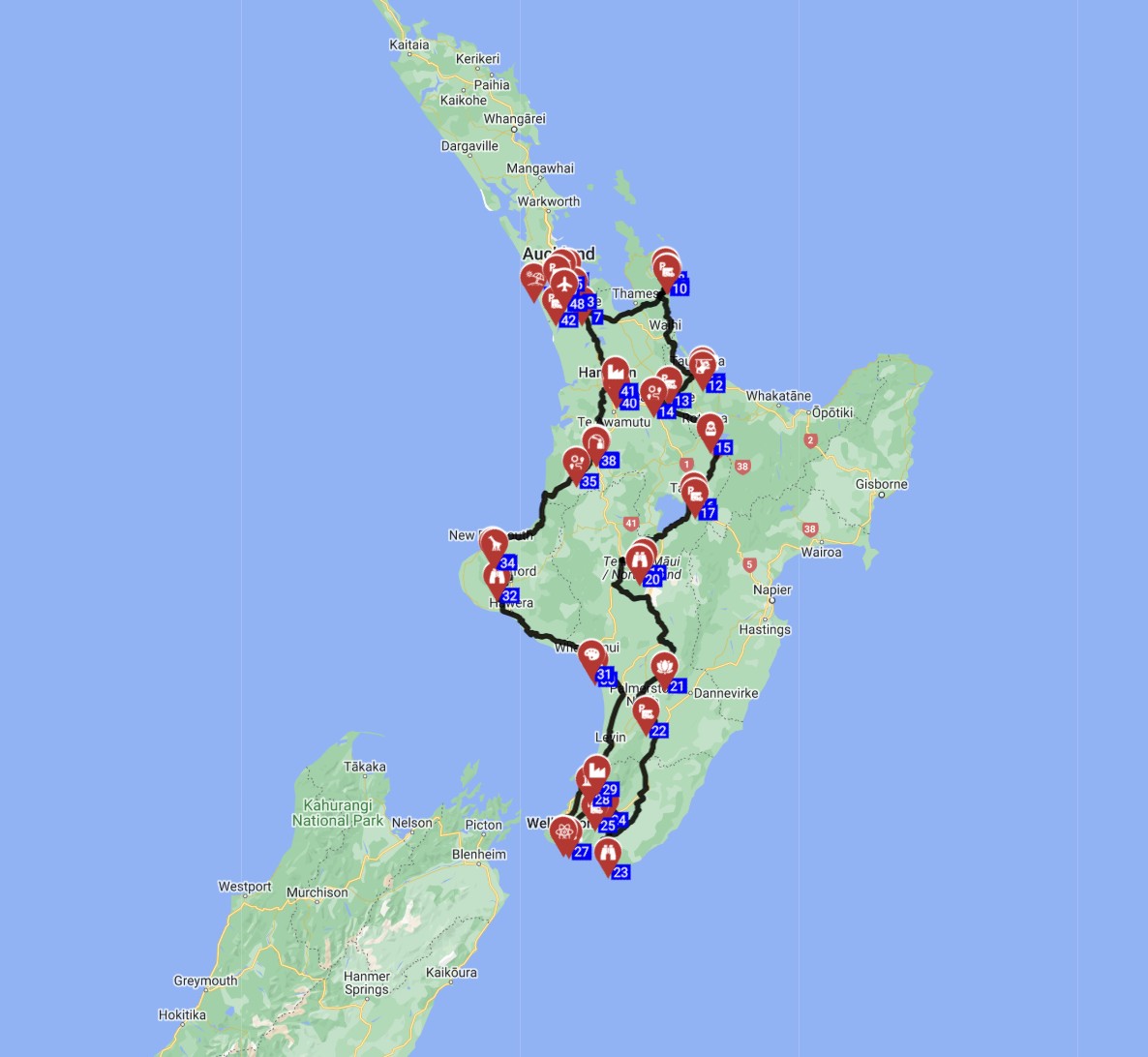
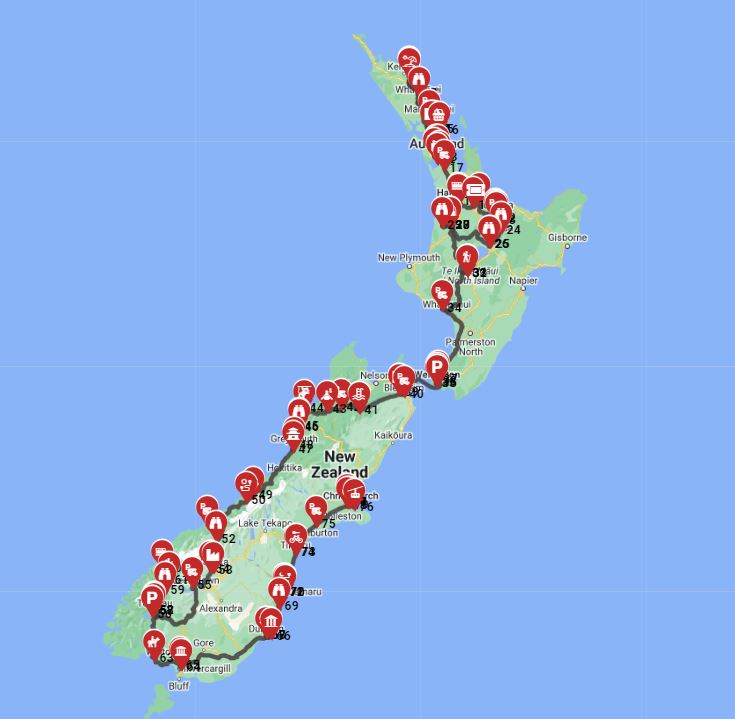
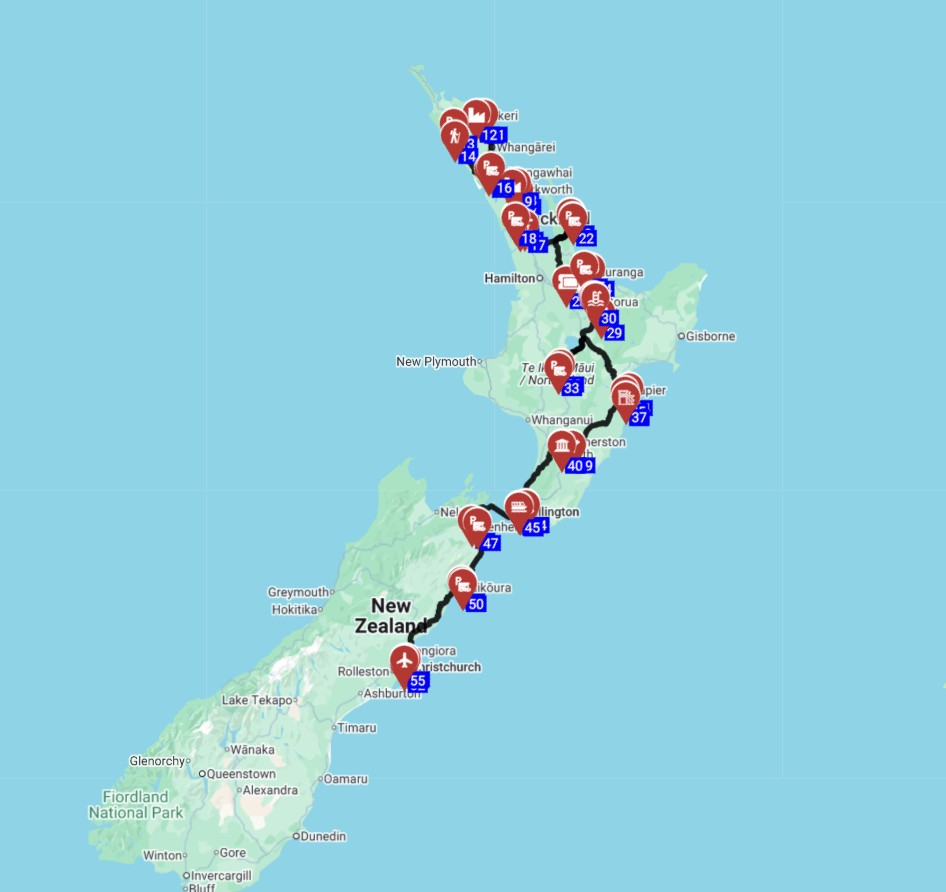
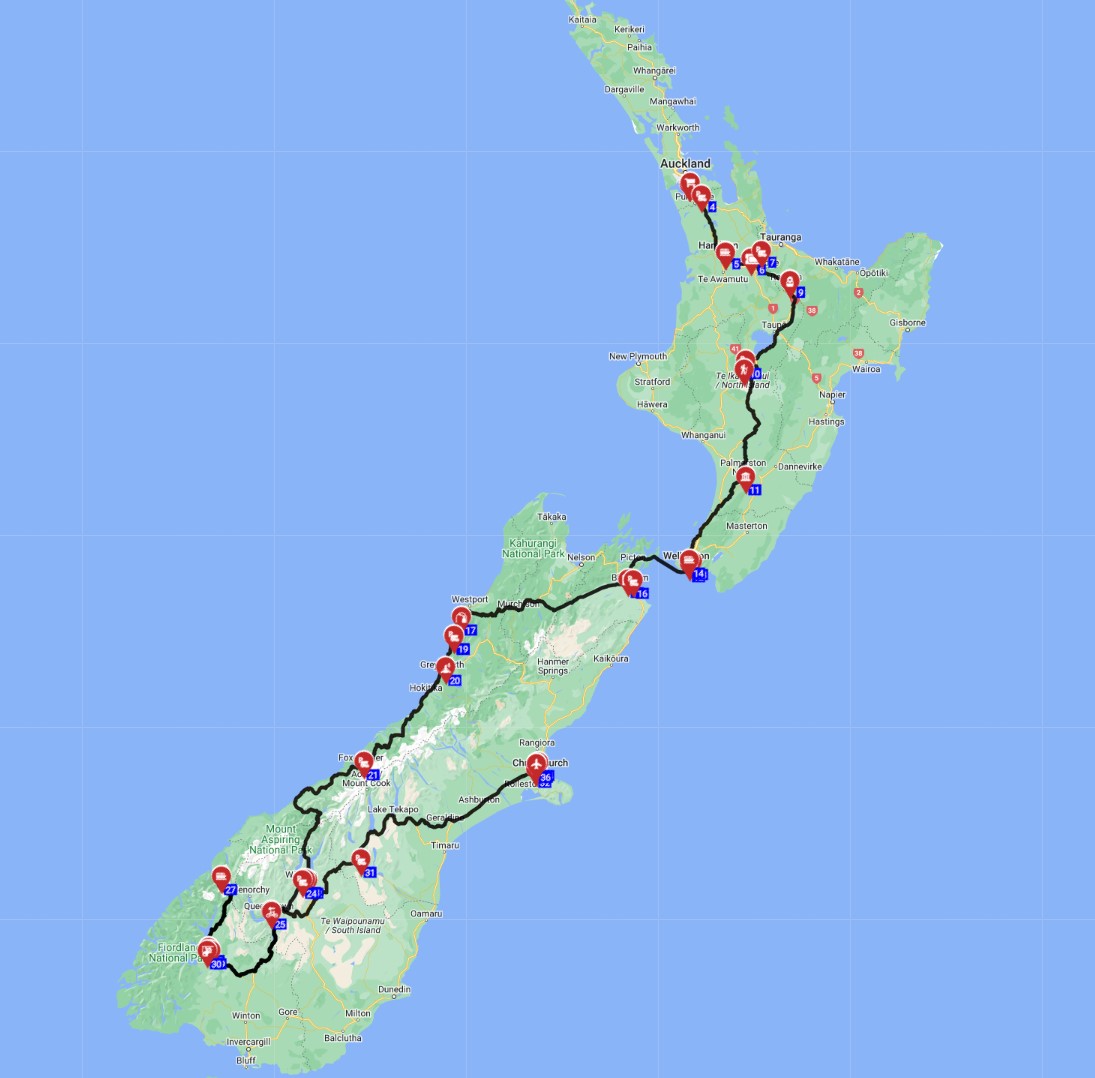
 - Take on "The Great Kiwi Road Trip" from Auckland to Queenstown (18 days, 2830 km) for a comprehensive exploration of New Zealand's diverse landscapes and activities.
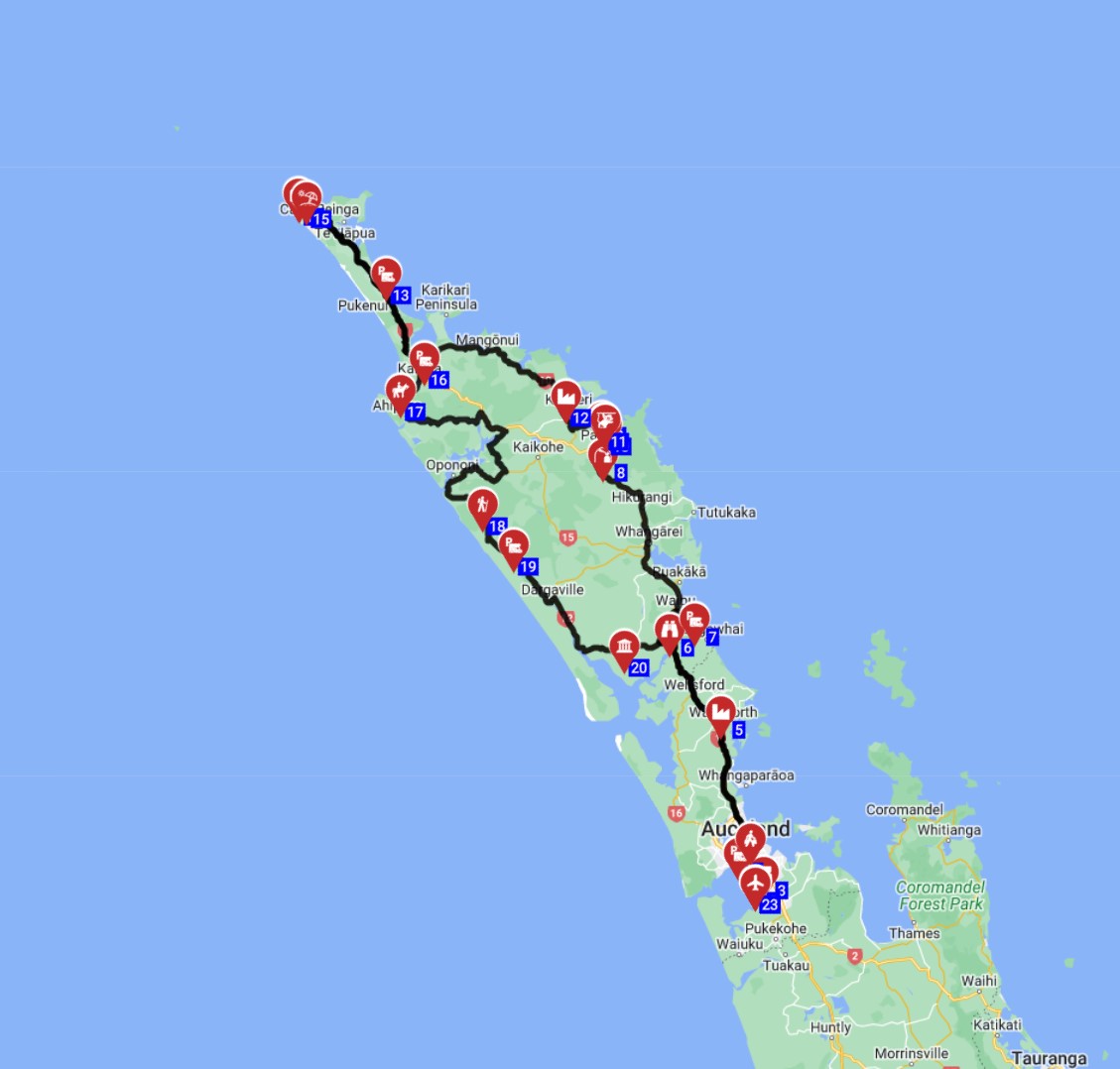
- Consider the "Queenstown to Auckland - The Best of The West" route (19 days, 3001 km) for a Western exploration of the North Island, featuring abundant wildlife, beaches, and hiking opportunities.
- Experience the unique geothermal wonders of Rotorua, a popular stop on many North Island routes, with its bubbling mud pools and geysers.
- Drive along the stunning coastal roads of the Coromandel Peninsula, famous for Cathedral Cove and Hot Water Beach, offering beautiful RV-friendly scenic drives.
Final Thoughts
Renting an RV for your trip to Auckland offers an unparalleled sense of freedom and intimacy with New Zealand's stunning landscapes. By choosing the right vehicle and understanding the local driving nuances, you and your partner can create unforgettable memories. Remember to plan your route, book in advance, and embrace the slow travel pace that RVing allows.
Ready to start planning your romantic Auckland escape? Compare RV rental options today and discover the ease and joy of exploring by motorhome.
Find Motorhome Rentals in Auckland